







.avif)






.avif)

-(1).avif)






.avif)

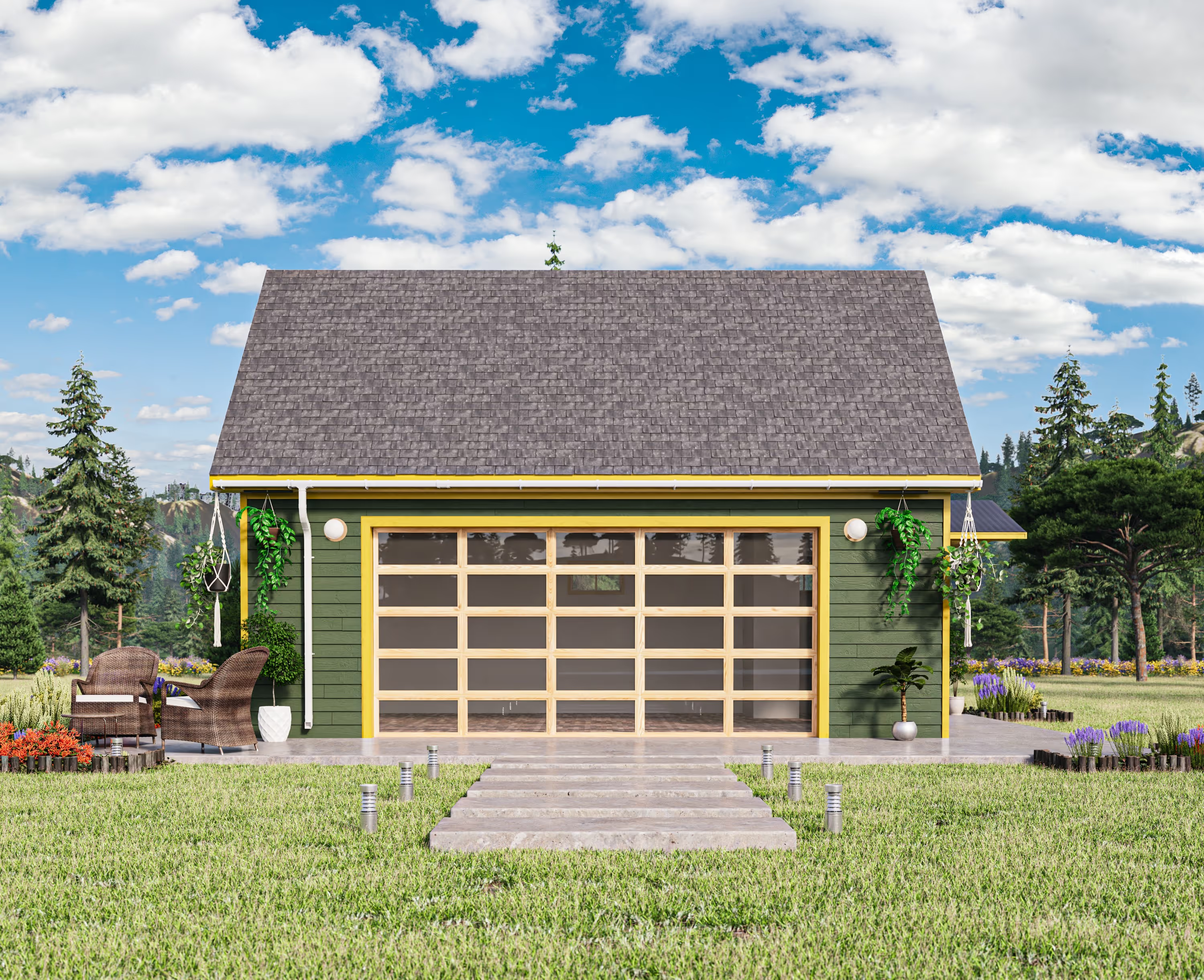
Why Builders Are Switching to Steel Framing in 2026

The builders who rebuilt fastest after the 2018 Woolsey Fire didn't use the same materials they lost. They switched framing systems entirely — and finished months ahead of contractors who went back to wood. In Altadena and Pacific Palisades, where thousands of homes now need to be rebuilt, that lesson is about to repeat itself at scale.
Direct Answer
Steel framing systems are replacing wood framing in residential construction because they deliver measurable advantages in structural performance, material predictability, and build speed. Cold-formed steel doesn't warp, rot, or burn. Combined with BIM-generated material lists, steel framing lets general contractors lock in exact costs and quantities before breaking ground — eliminating the waste and schedule drift that wood-frame projects routinely produce.
Key Takeaways
- Steel framing systems are dimensionally stable — they don't warp, shrink, or shift afterinstallation, which eliminates the callbacks and re-work that follow wood-frame projects
- BIM material lists paired with IBC-engineered steel frames let contractors know exact quantitiesbefore ordering, cutting material waste significantly
- Cold-formed steel framing is non-combustible, a critical factor for general contractors rebuildingin Altadena and Pacific Palisades fire zones
- Steel frame builds typically move faster through framing phases because components arrive pre-engineered and cut to spec
- FrameUpNow's steel framing kits carry a 50-year warranty — a durability benchmark no wood-frame system can match
What's Actually Breaking Down in Wood-Frame Residential Construction?
The surface complaint is cost overruns. The real problem runs deeper.
Wood-frame residential construction is structurally dependent on field-level improvisation. Lumber arrives with variable moisture content, inconsistent dimensions, and species substitutions that happen without notice. Framers adjust on-site. Those adjustments compound. By the time a projectis dried in, the original material estimate is fiction.
The mechanism isn't incompetence — it's that wood is a biological material being used in an engineering context. It responds to humidity, temperature, and time in ways that no pre-pour estimate can fully account for. General contractors absorb that variability through contingency budgets, re-orders, and schedule padding. Most have simply accepted it as the cost of doing business.
That acceptance is becoming harder to justify.
In Southern California's current rebuilding environment — where Altadena and Pacific Palisades contractors are managing high-volume projects under insurance timelines and community pressure— variability is not a manageable inconvenience. It's a project risk.
Why Does This Problem Keep Repeating Itself on Every New Project?
Because the framing system itself is the root cause, and most contractors change everything except the framing system.
General contractors optimize estimating software, tighten procurement timelines, and hire better crews. Those improvements help. But if the underlying material is dimensionally inconsistent and combustible, the downstream problems don't disappear — they just get managed more expensively.
> The framing system is the first structural decision on a project. It determines what every other trade is working around for the rest of the build.
Cold-formed steel framing changes the input, not just the process. Steel arrives to spec. It doesn't change shape between the mill and the job site. Every stud is the same length, the same gauge, thesame straightness. When the framing package is also IBC-engineered and paired with a BIMmaterial list — as FrameUpNow's systems are — the contractor isn't estimating anymore. They'reconfirming.
That's a different kind of project control.
What Does Switching to Steel Framing Systems Actually Produce?
Real outcomes, not projections.
A general contractor managing a 2,400 square foot rebuild in a fire-affected zone placed an order with FrameUpNow and received a complete BIM material list before the slab was poured. The framing package arrived pre-engineered and cut to spec. The framing phase completed insignificantly less time than the same contractor's previous comparable wood-frame project — not because the crew worked faster, but because there were no field-measurement corrections, no lumber reorders, and no warped plates to work around.
The financial picture was cleaner too. Because the BIM list specified exact quantities, there was no over-ordering buffer built into the material cost. What was ordered was what was used.
That's not a best-case scenario. It's what happens when the material is engineered rather than grown.
For contractors in Altadena and Pacific Palisades specifically, the non-combustibility of cold-formed steel is not a secondary benefit — it's a primary one. Many of these rebuilds are in WUI (Wildland-Urban Interface) zones where local jurisdictions are tightening fire-resistance requirements. Steel framing meets those requirements structurally from the start.
How Does Steel Framing Compare to Wood Framing in Practice?
Here's where the tradeoffs are real and worth naming honestly.
The upfront material cost of steel is higher. That's a real tradeoff, not a footnote.
The offset comes from waste reduction, fewer reorders, faster framing phases, and eliminated callbacks from post-frame movement. Whether that math works depends on project volume, timeline pressure, and how much a contractor is currently spending on wood-frame contingencies.
> Steel framing costs more per stud and less per finished project — the difference is where the waste goes.
What Are the Structural and Durability Advantages That Actually MatterLong-Term?
Steel doesn't age the way wood does. That's not marketing language — it's material science.
Cold-formed steel framing is not susceptible to rot, mold, termite damage, or moisture-driven dimensional change. In coastal Southern California climates — where Pacific Palisades sits directlyin marine-layer conditions — wood-frame structures require ongoing maintenance to manage moisture intrusion effects on framing members. Steel removes that maintenance category entirely.
The 50-year warranty FrameUpNow offers on steel frames isn't a sales tactic — it's a reflection of what the material actually does over time. Wood framing carries no equivalent structural warranty because no manufacturer can control what a biological material does in a built environment over decades.
For general contractors whose clients are rebuilding after total loss, the durability argument carries weight that it didn't before the fires. Homeowners who lost wood-frame structures to fire are asking direct questions about what their new home is made of. Steel framing is a concrete answer.
Where Is Residential Steel Framing Headed, and Should Contractors Get Ahead of It?
The adoption curve for steel framing in residential construction has been slower than commercial —but the gap is closing.
The International Building Code already governs IBC-engineered steel frame systems. BIM integration in residential construction is accelerating as project complexity increases and labor costs make rework more expensive. The combination of engineered framing packages and digital material lists is becoming standard practice in markets where speed and cost predictability are non-negotiable.
Southern California's rebuilding volume is compressing timelines that would normally allow for gradual adoption. Contractors who are already familiar with steel framing systems will move faster on these projects than those learning the material mid-project.
> The contractors who will finish Altadena and Pacific Palisades rebuilds on schedule are the ones who stopped treating framing as a commodity decision.
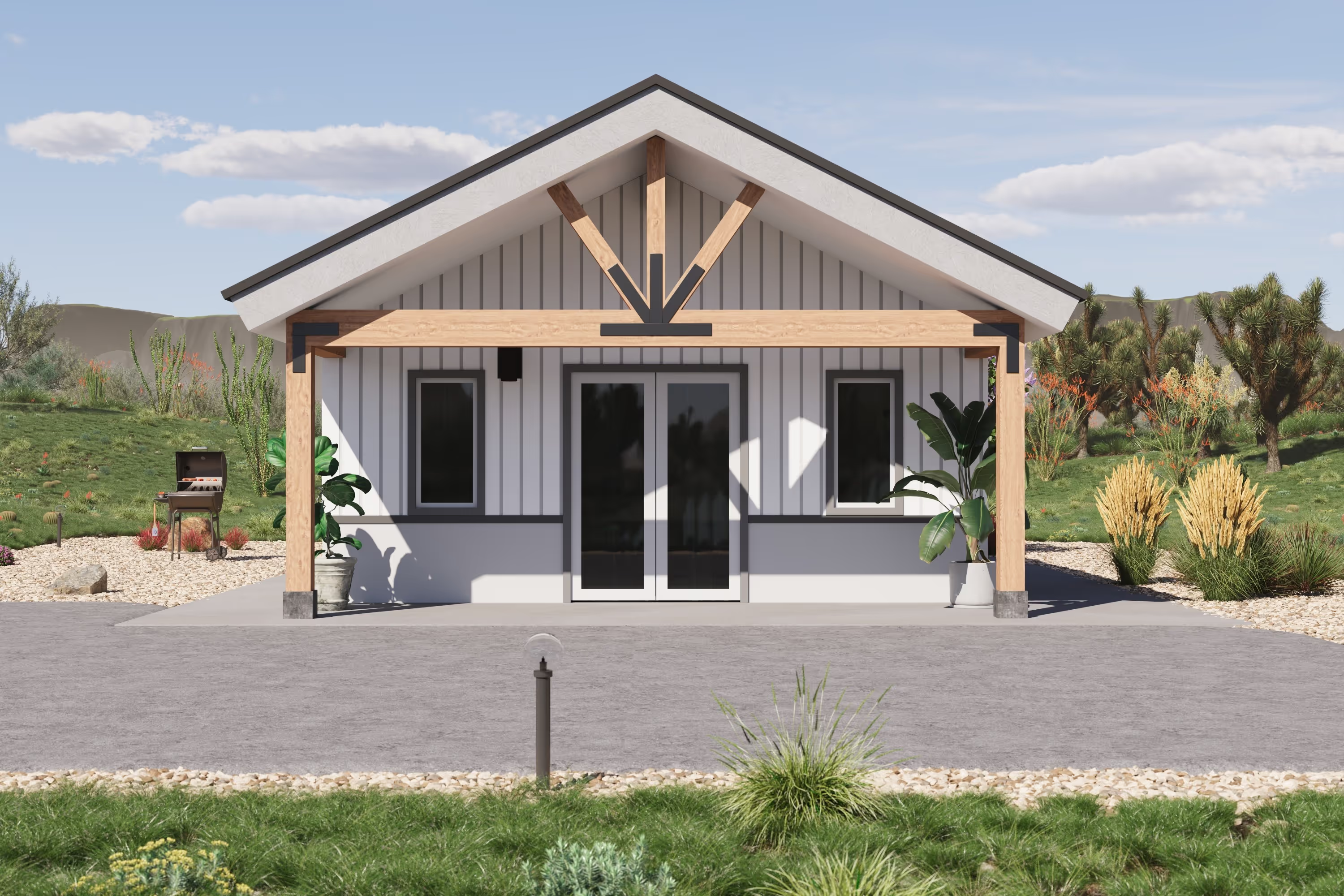
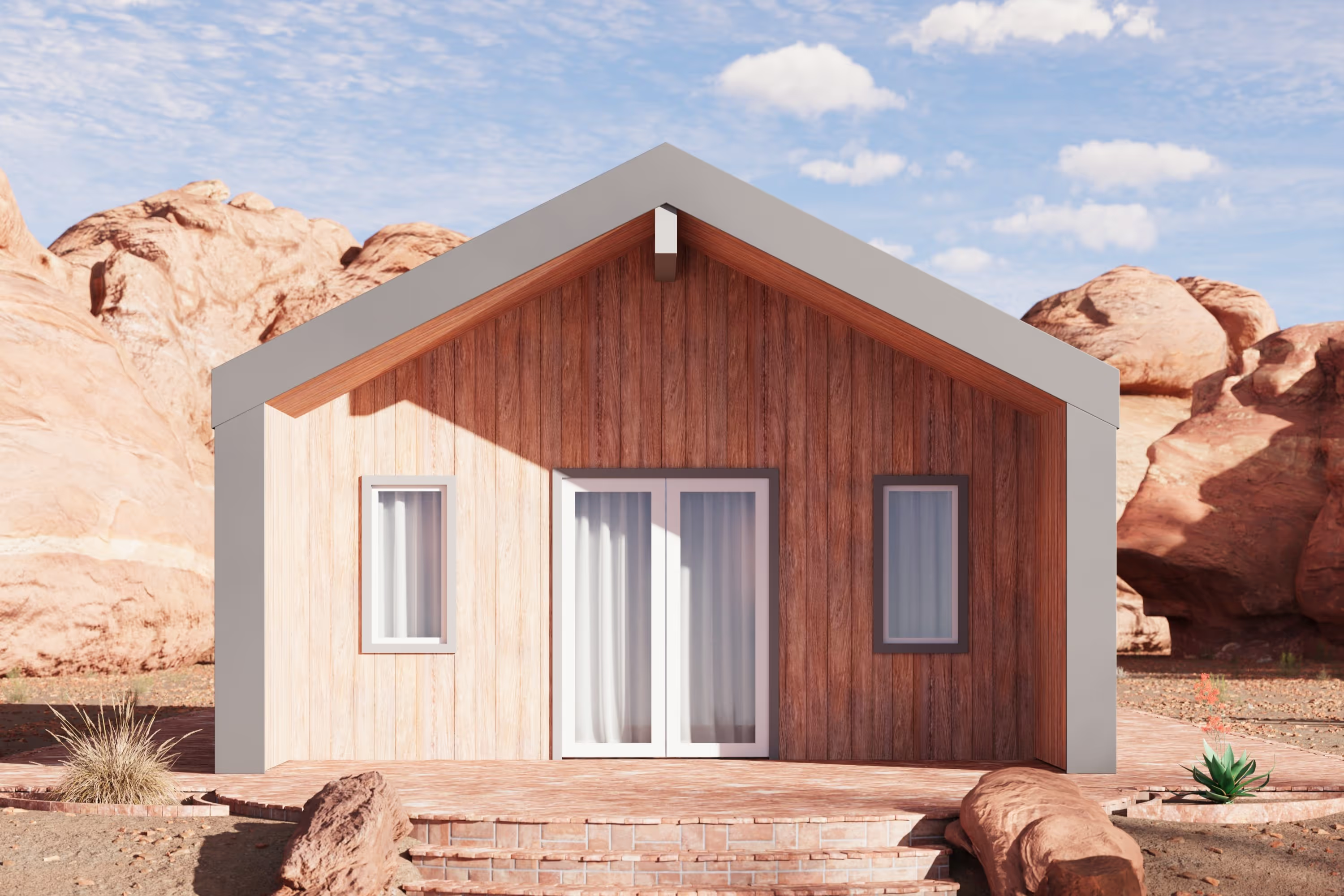
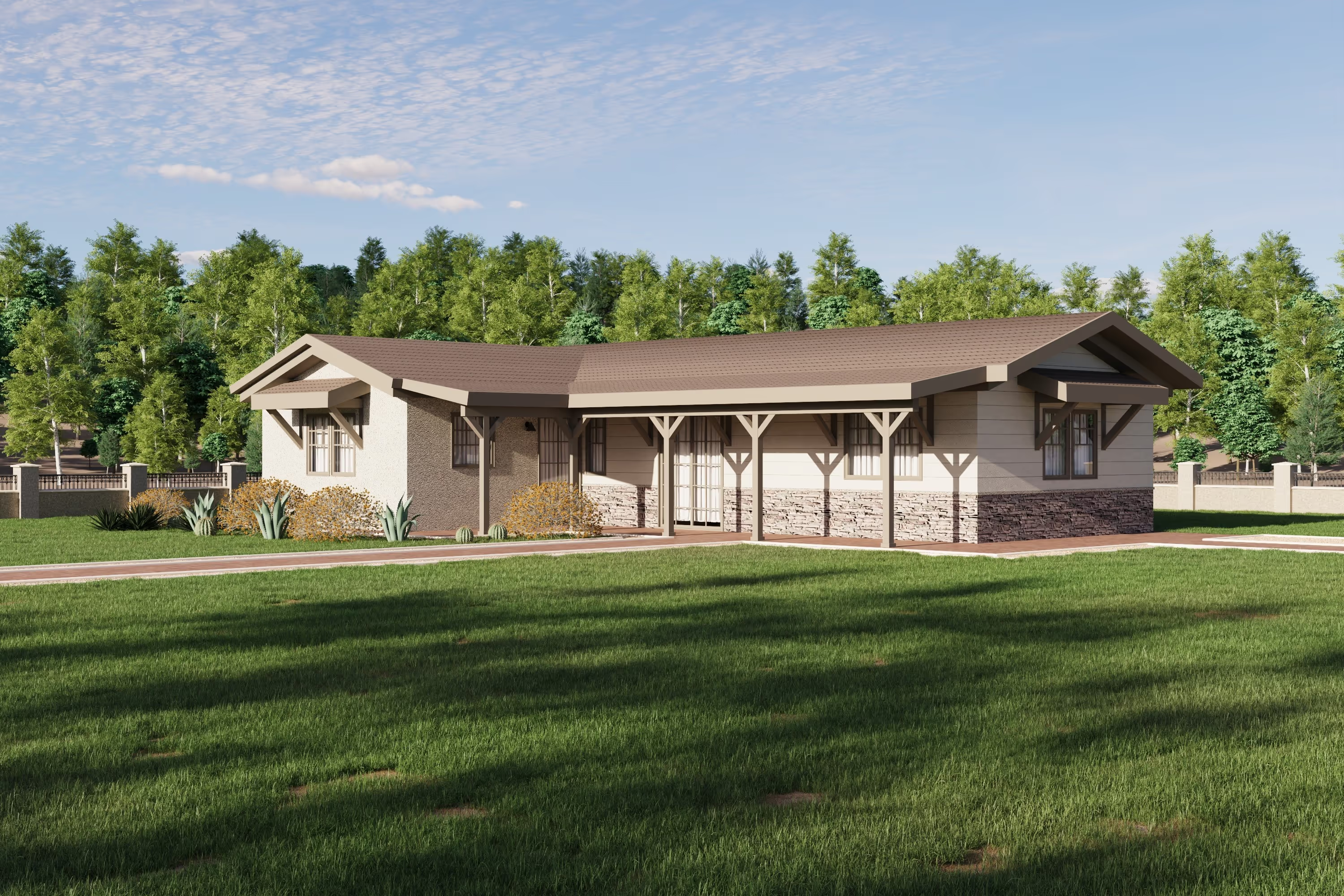
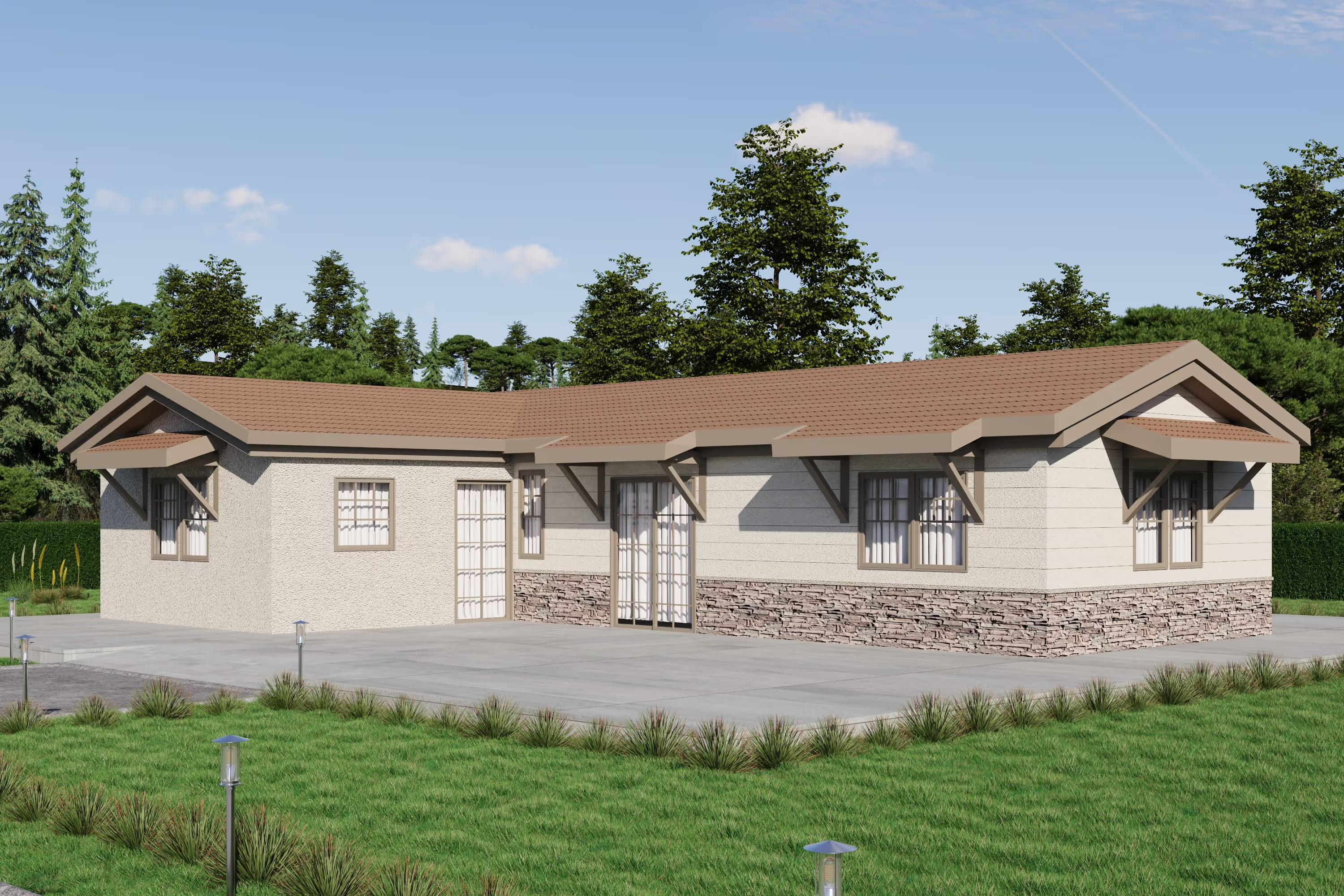
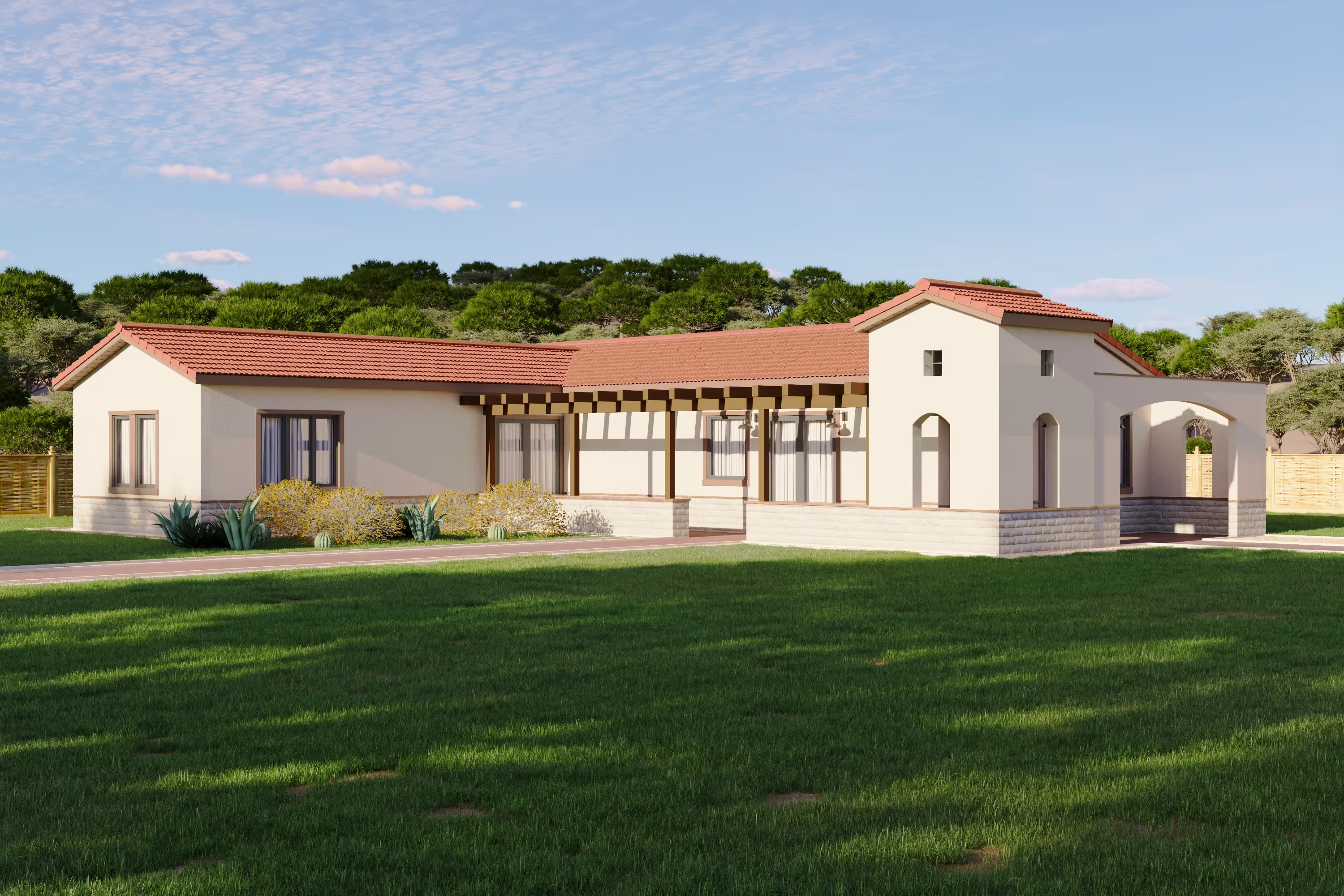
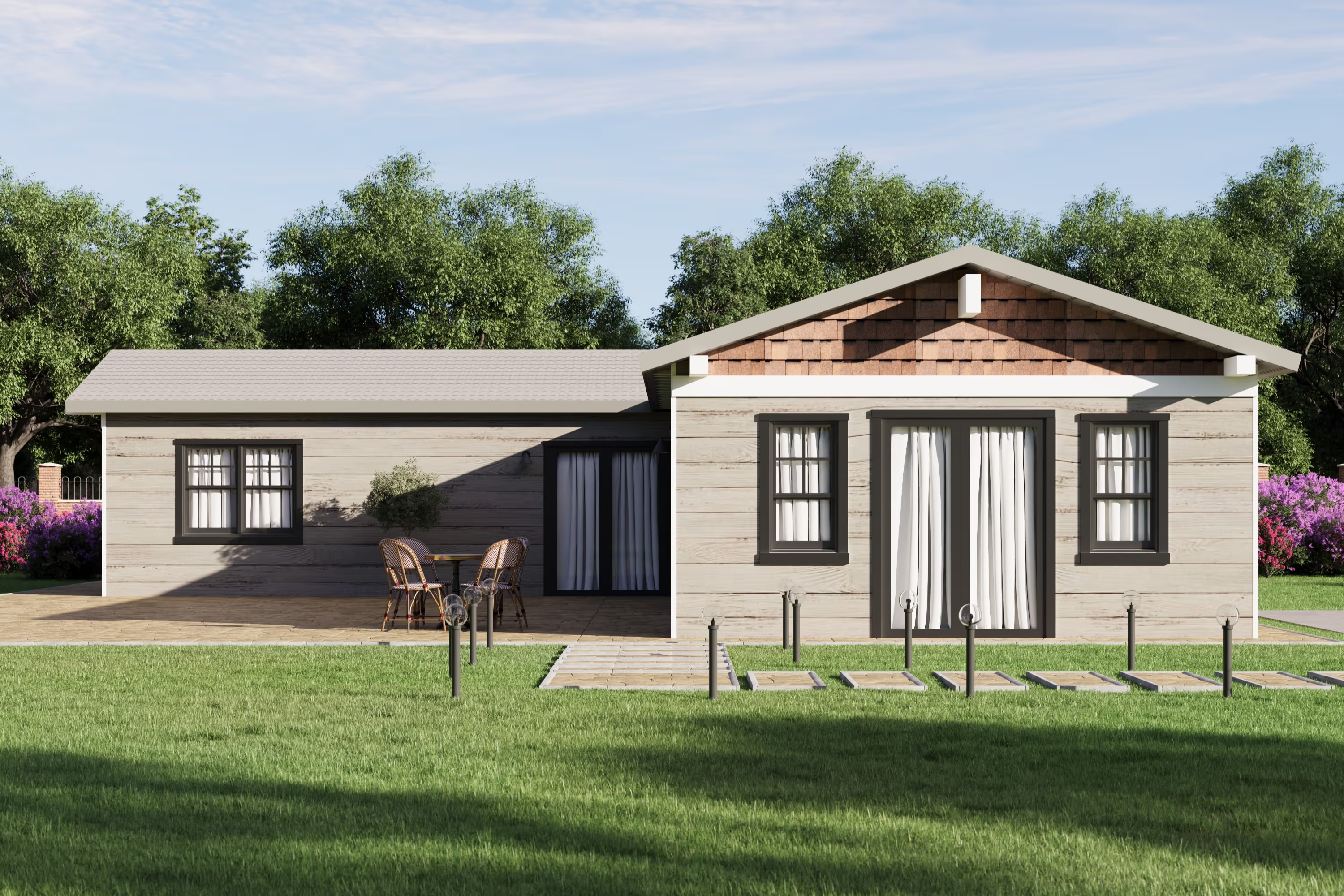
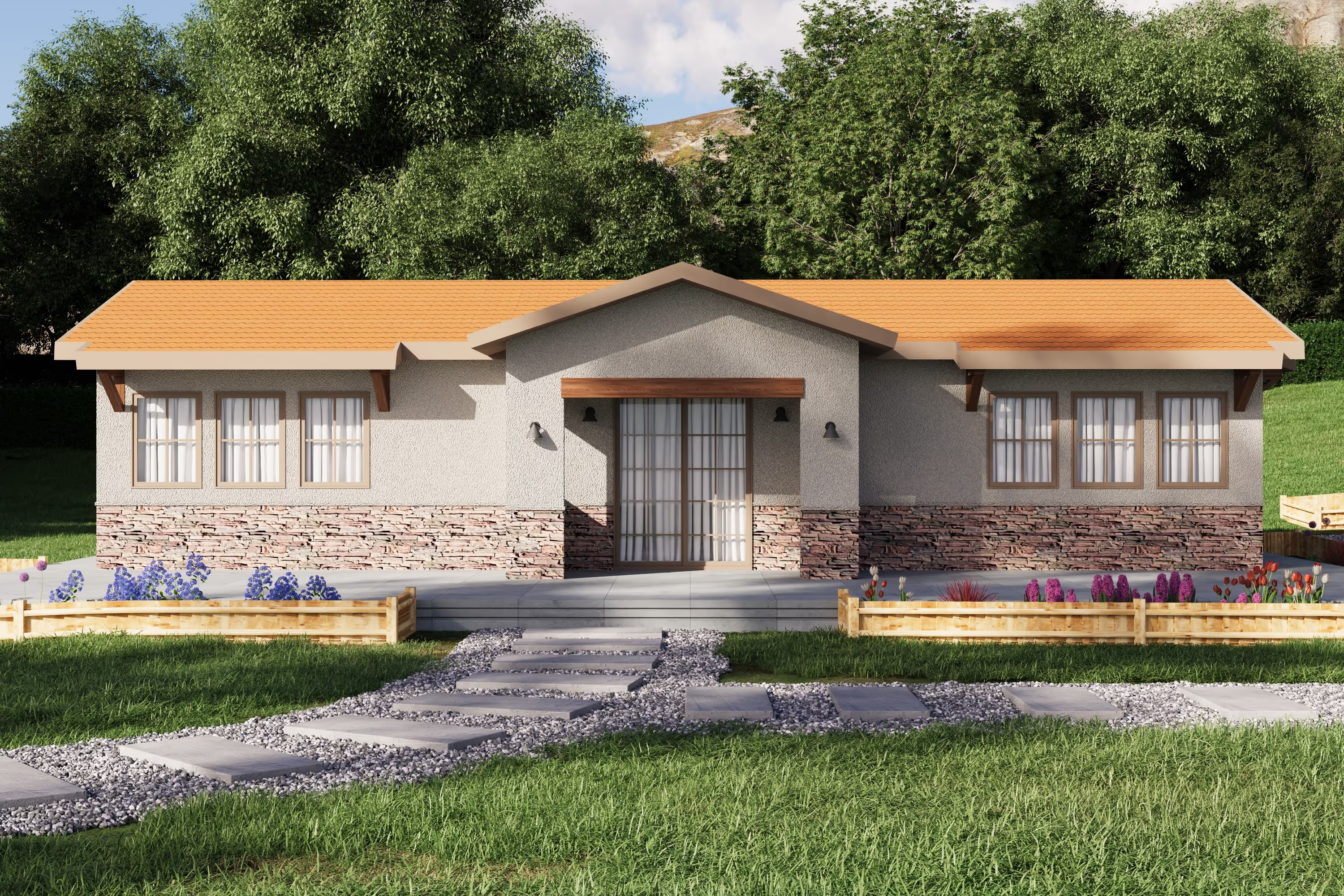
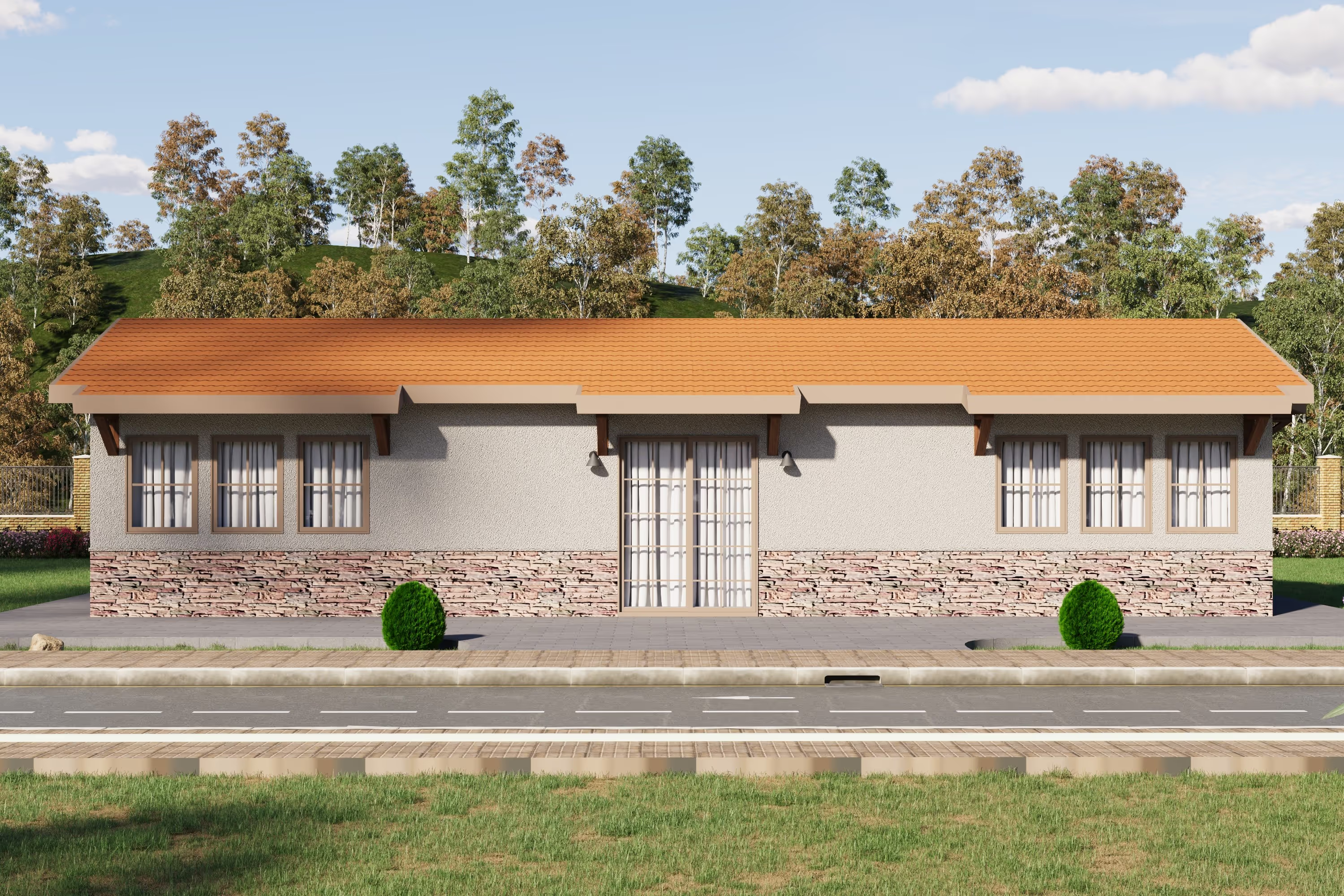
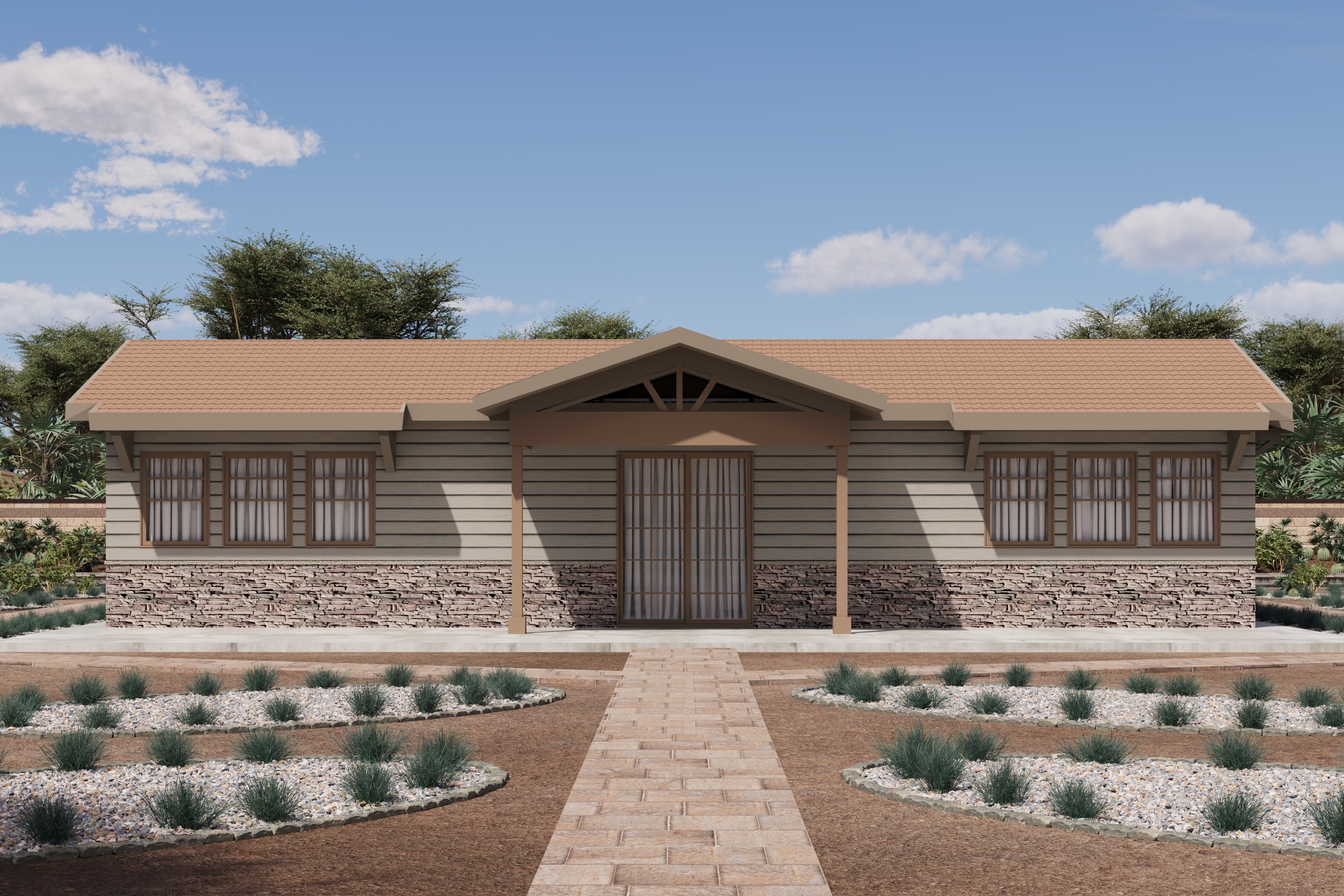
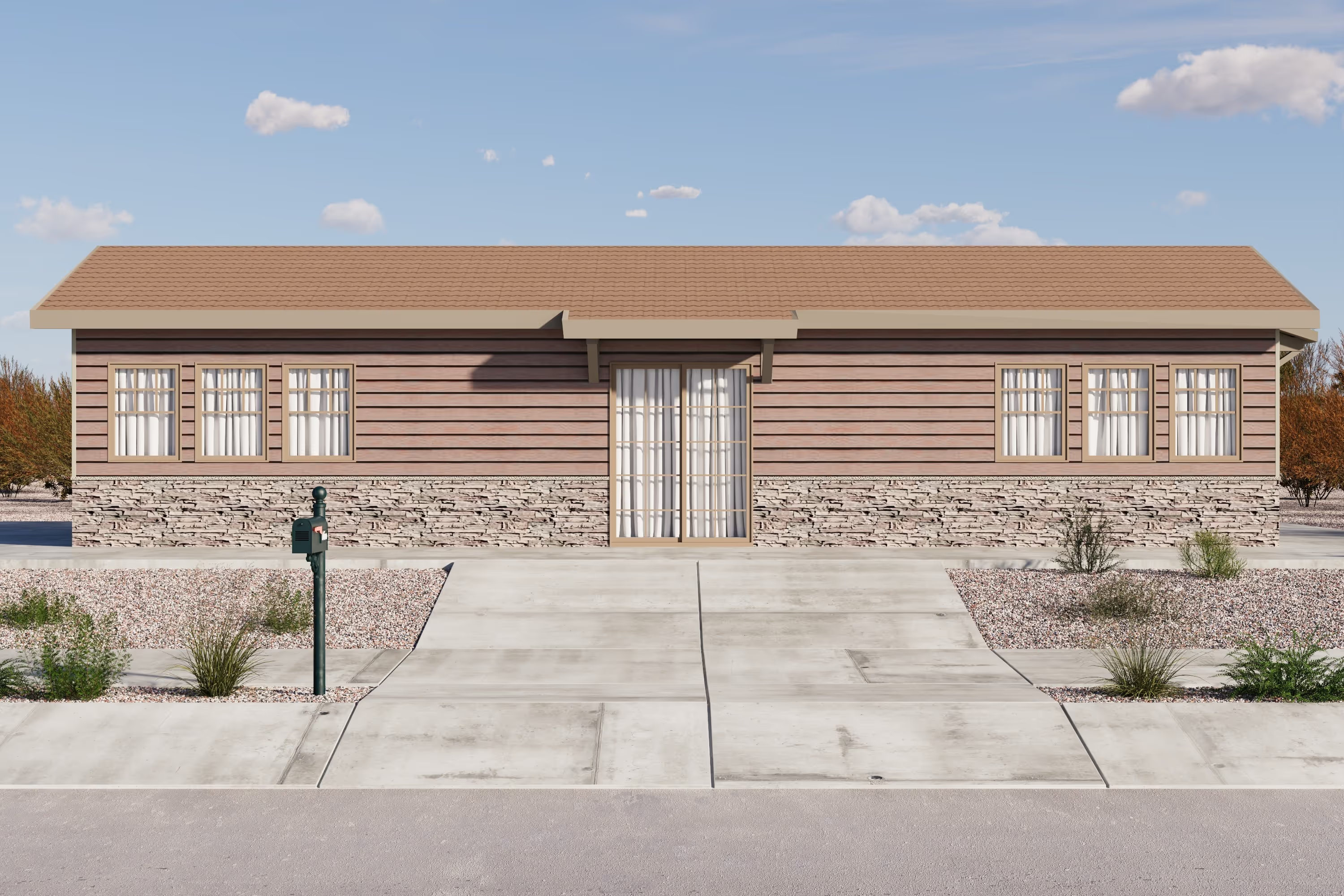
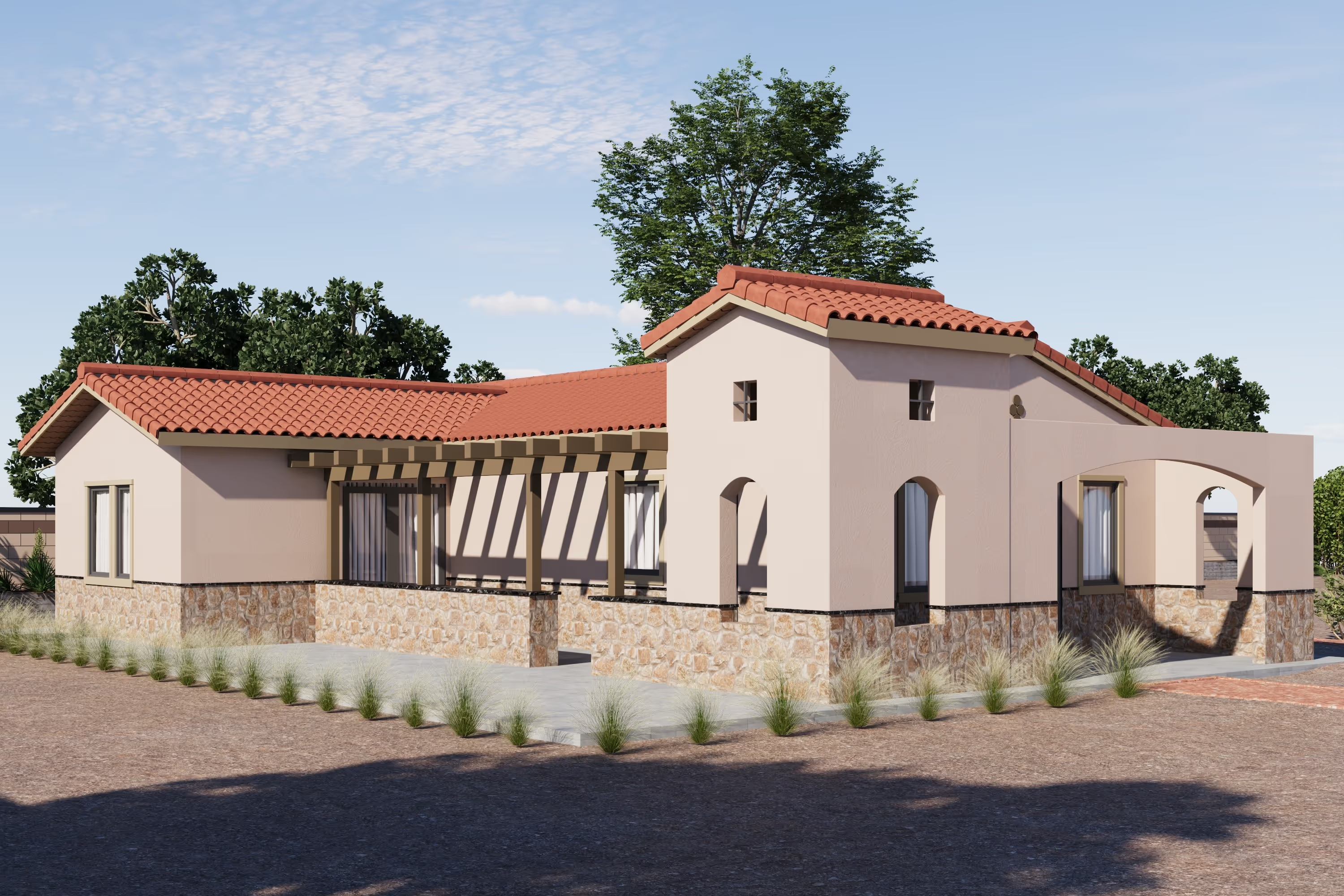
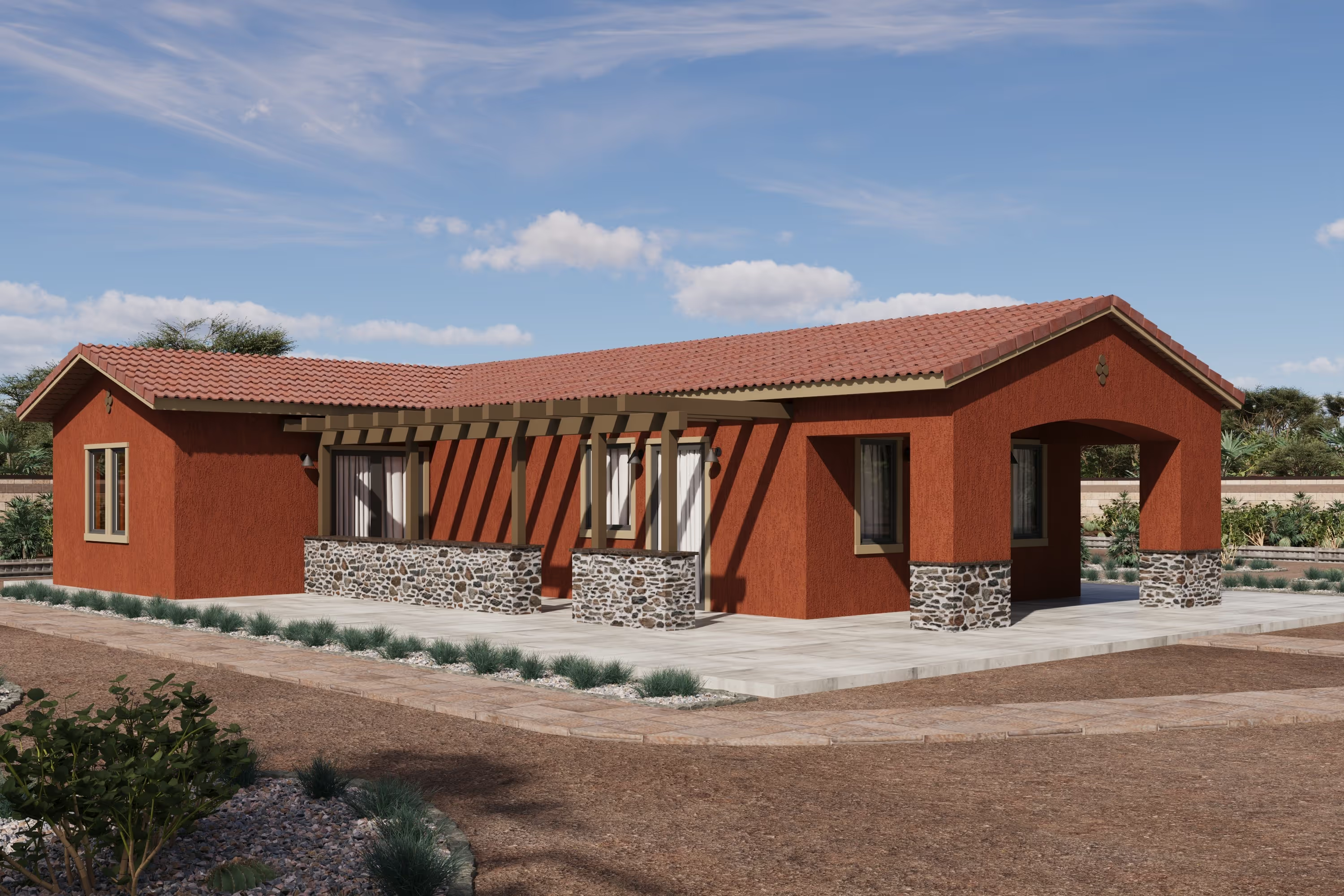
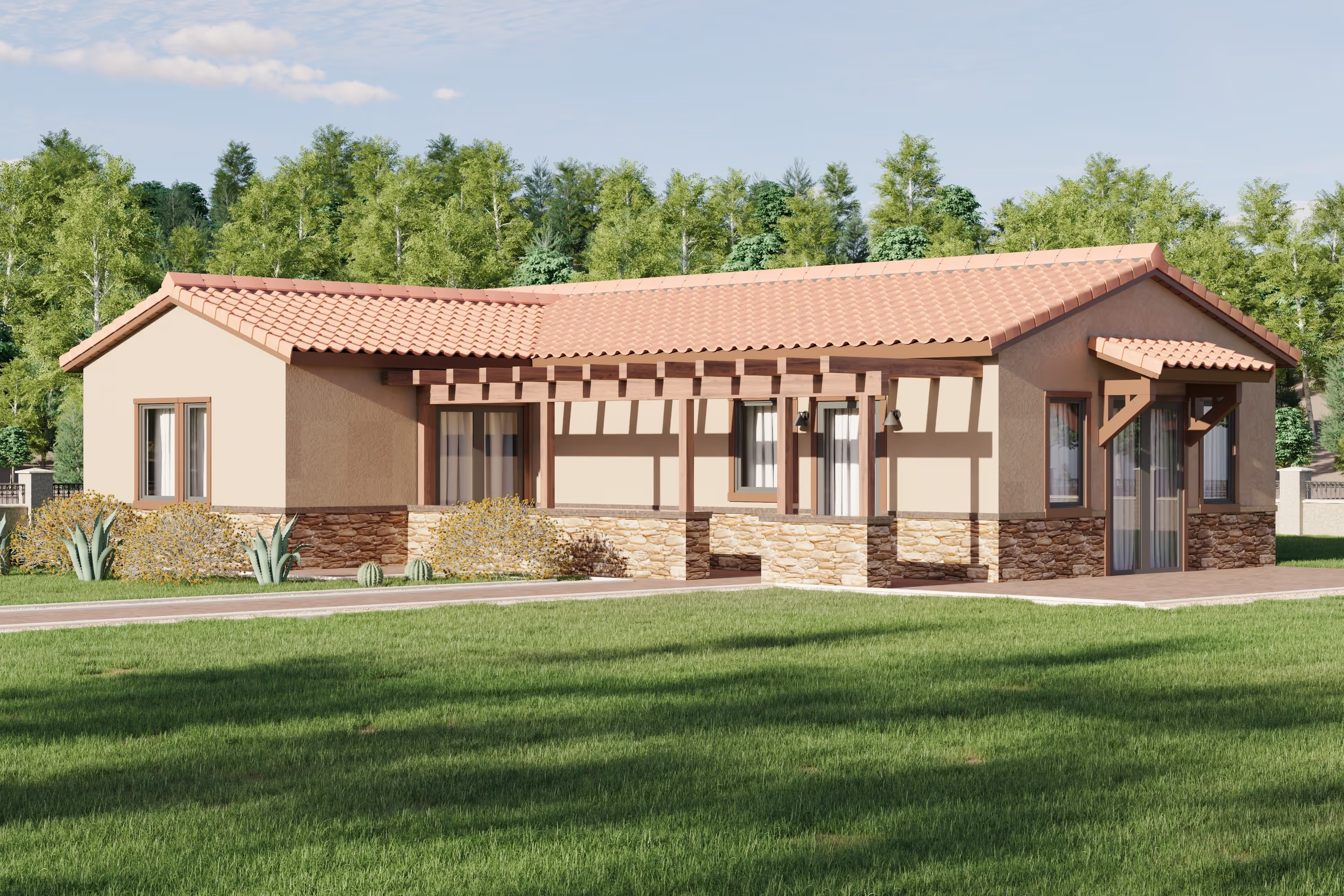
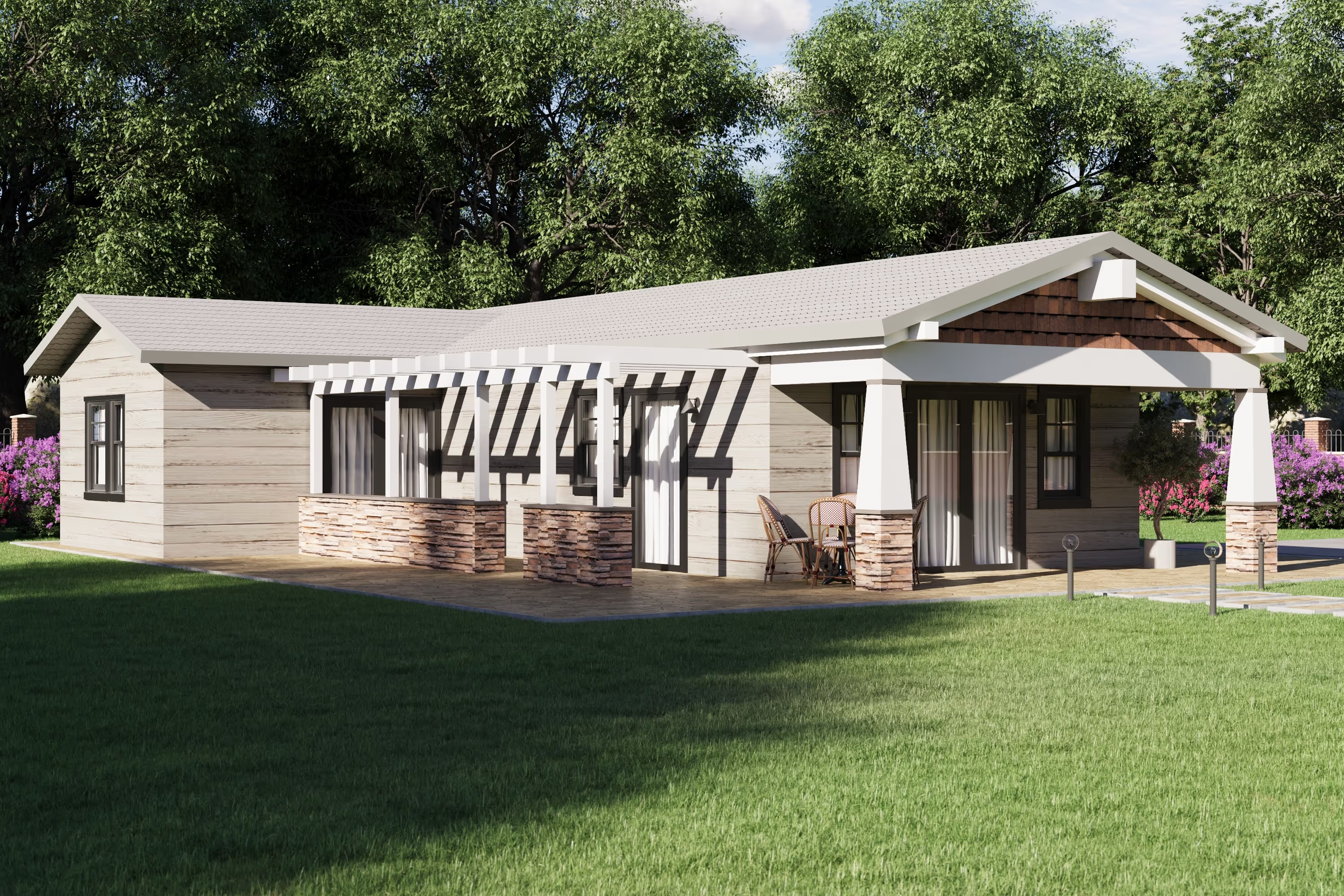
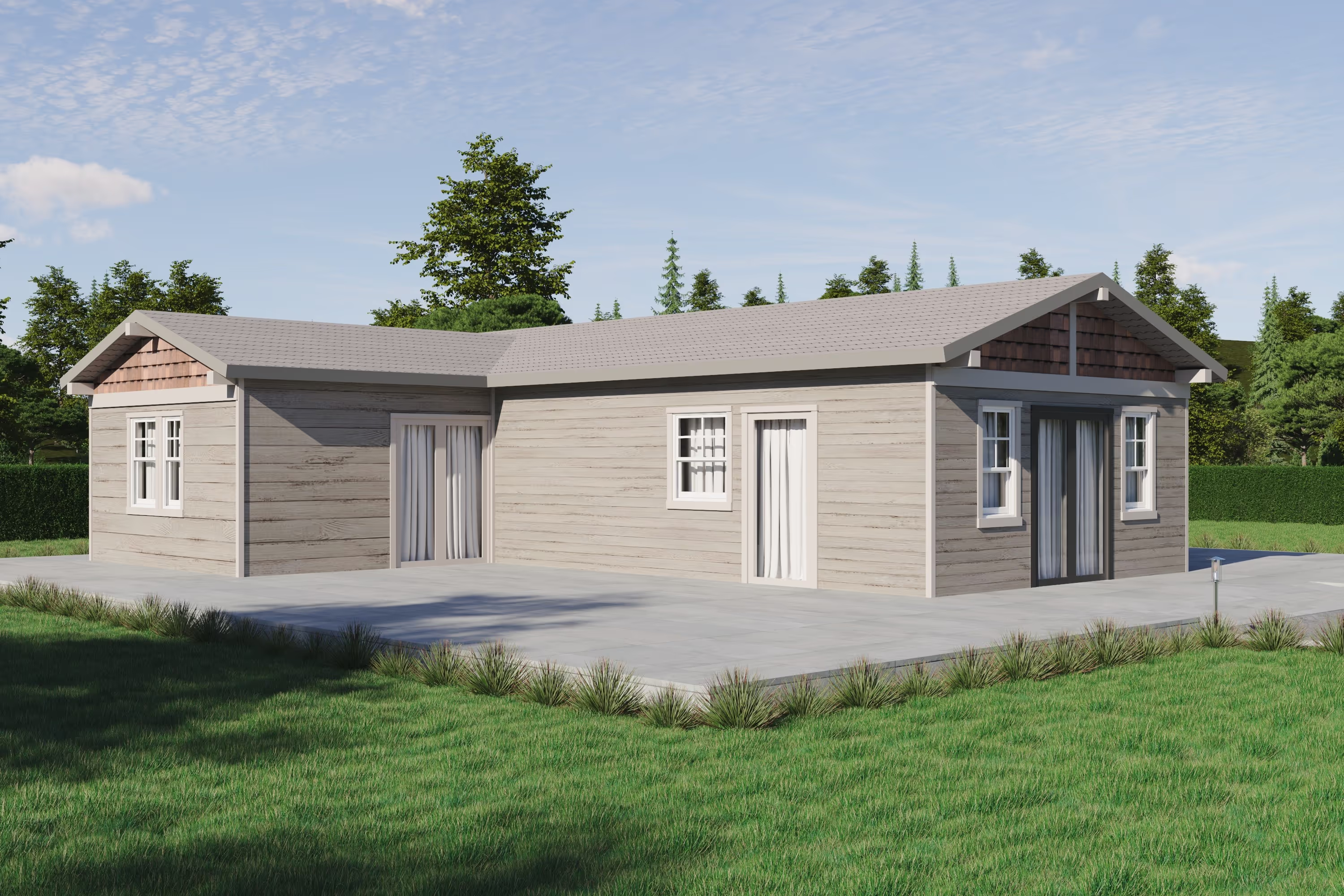
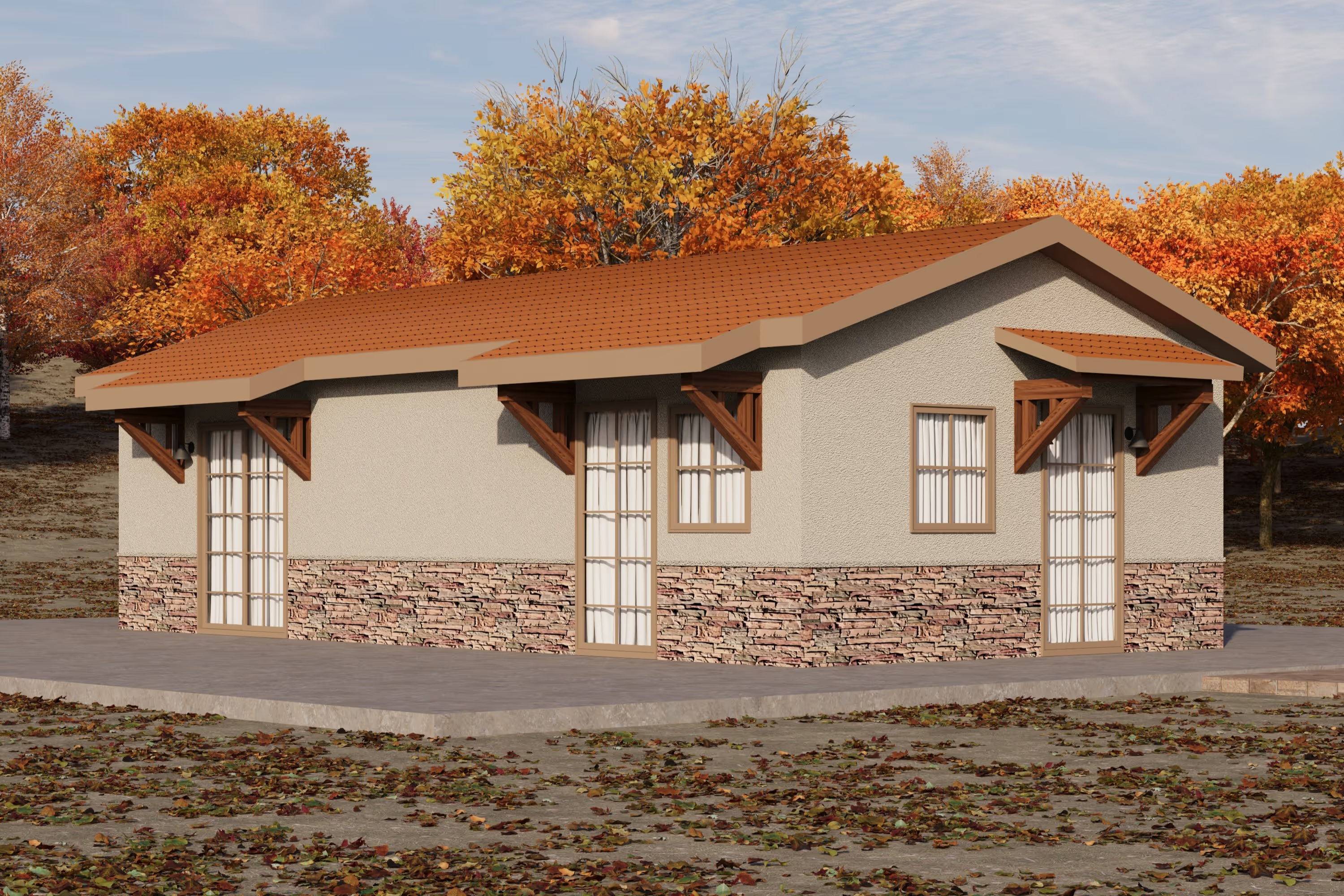
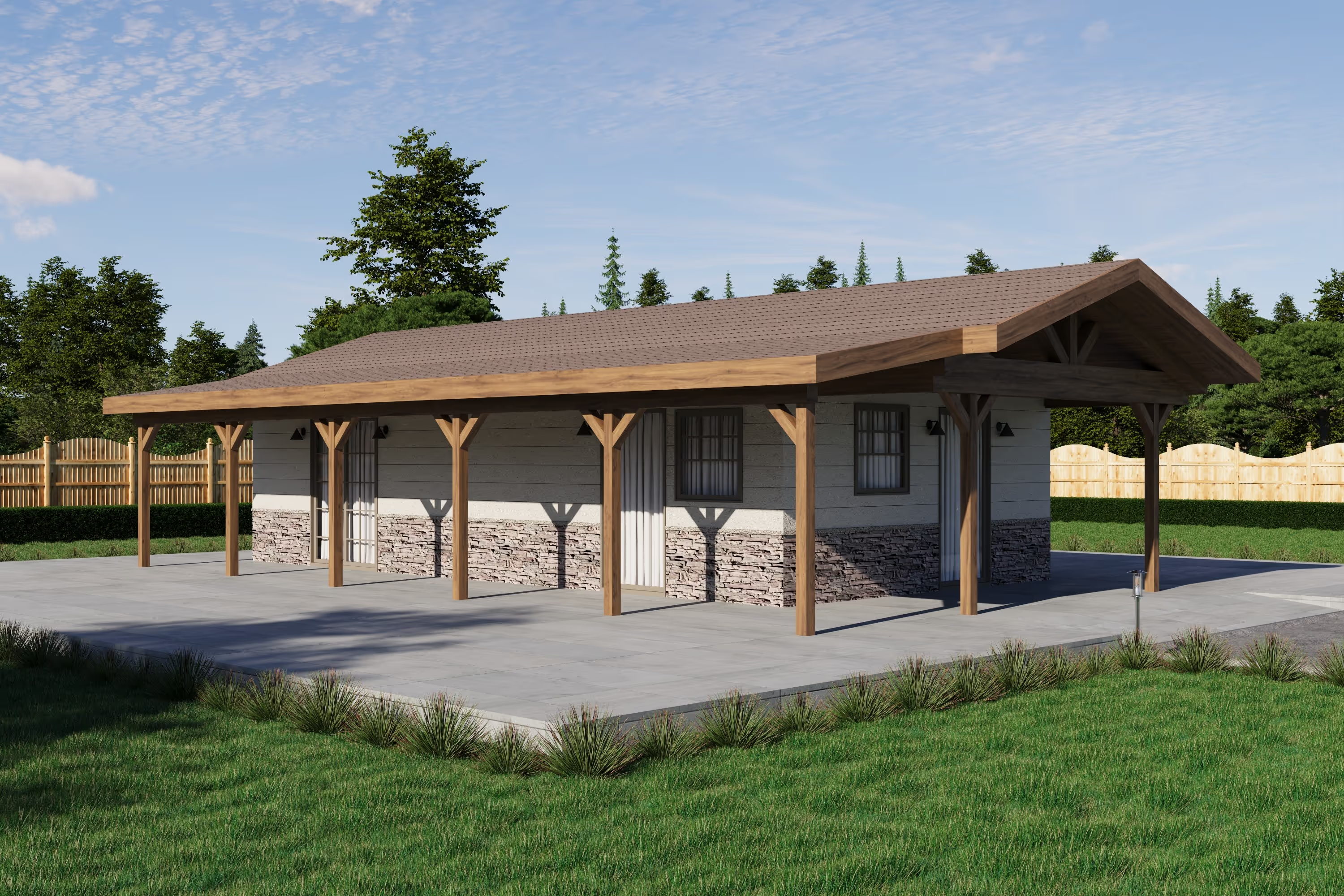
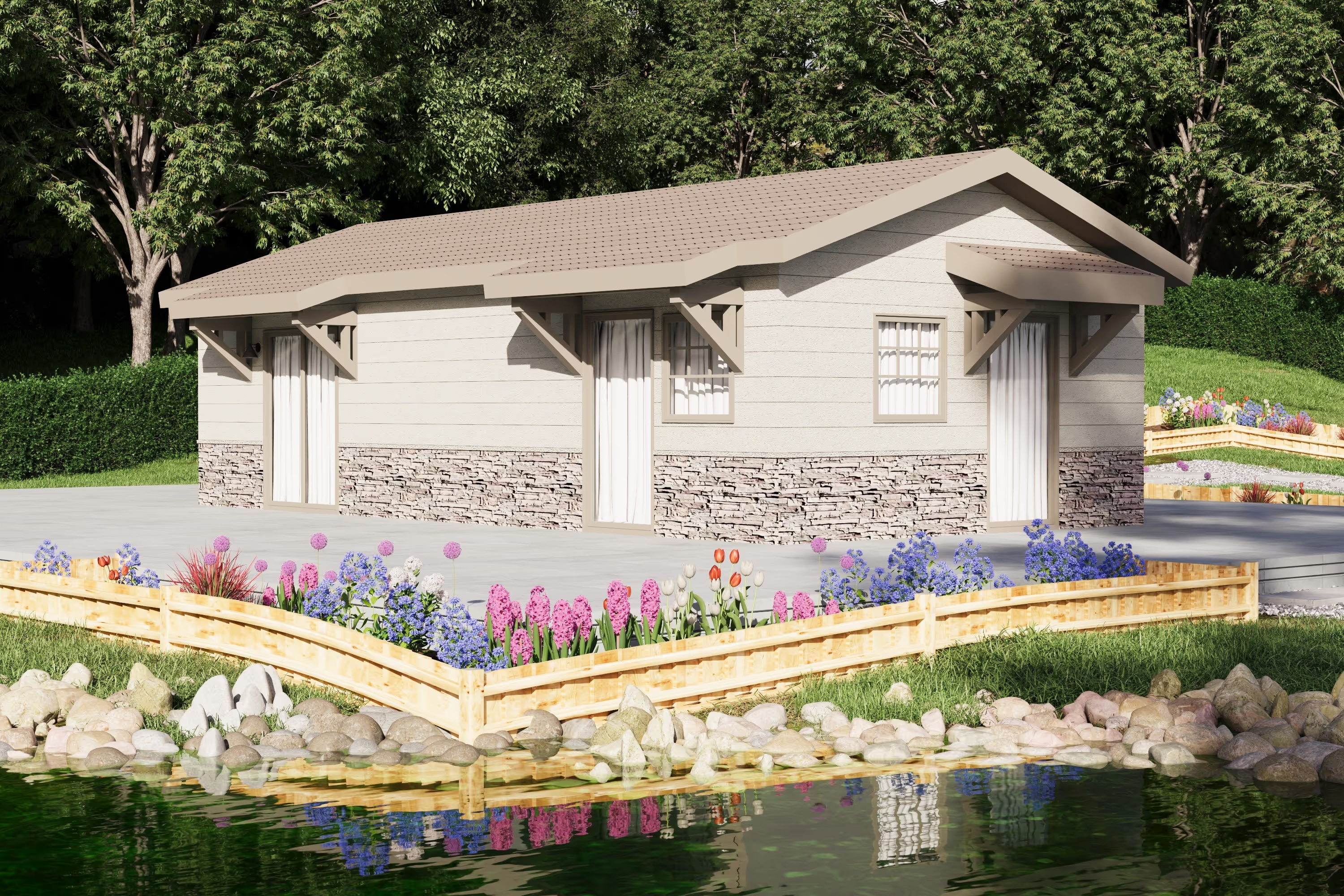
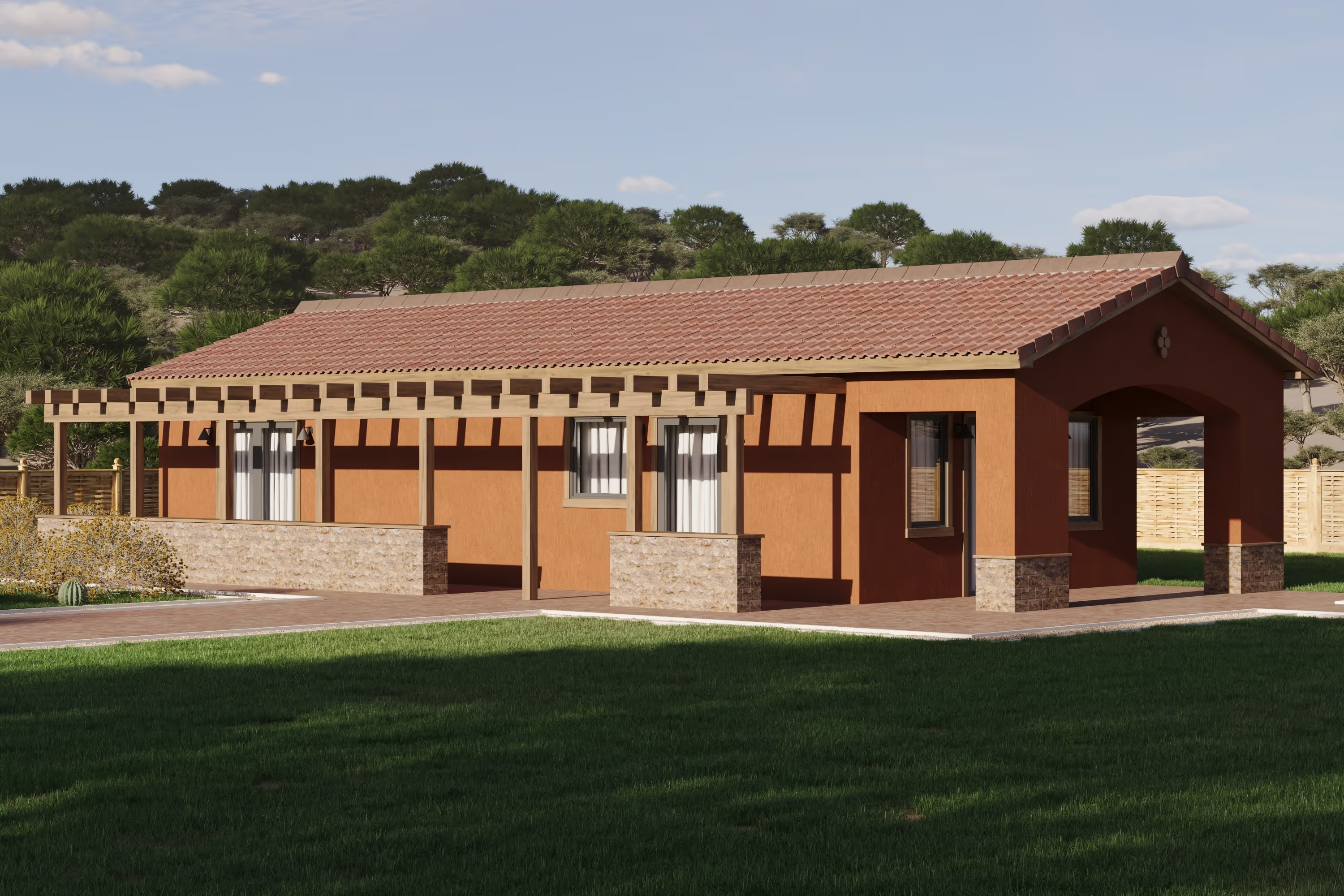
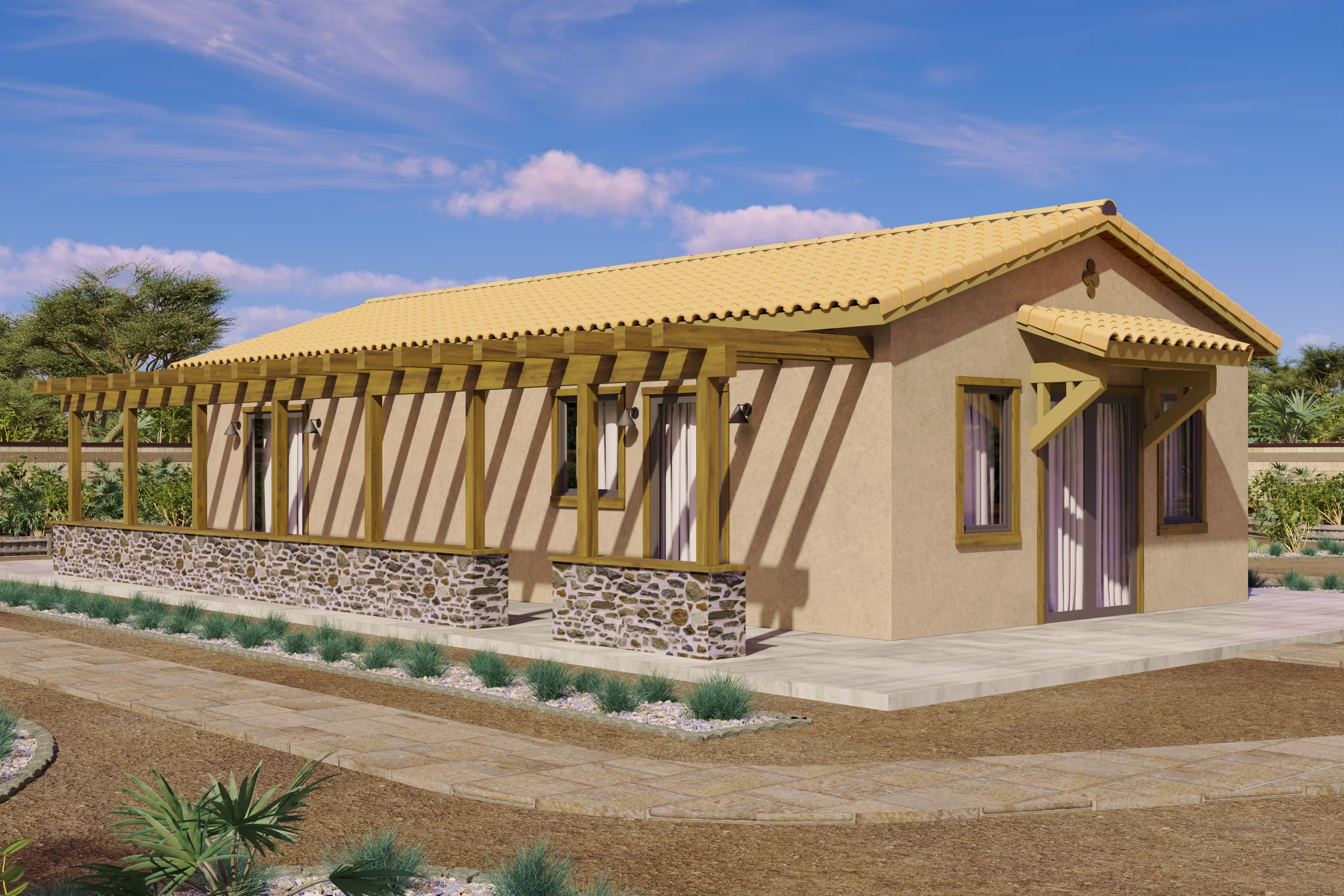
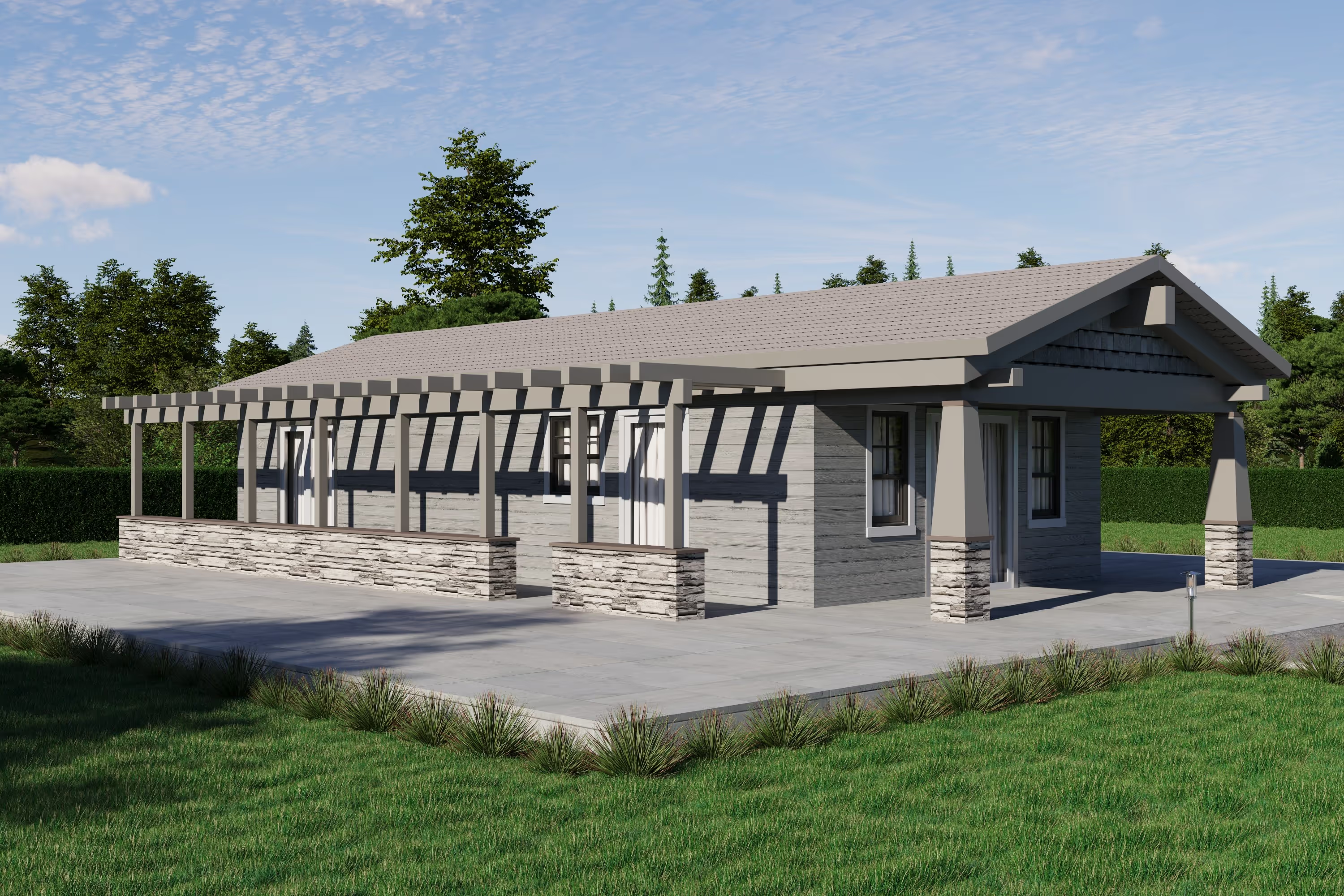
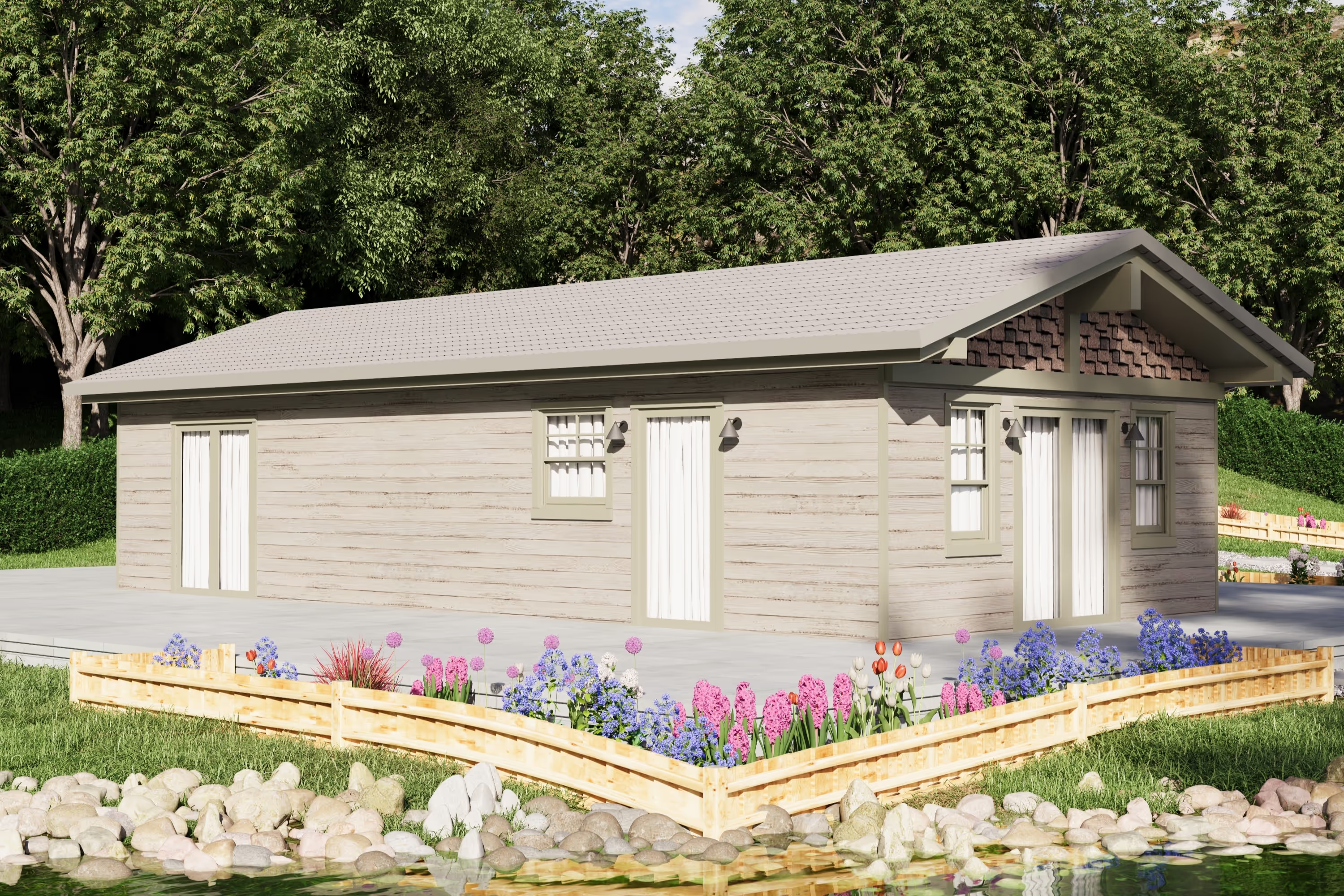
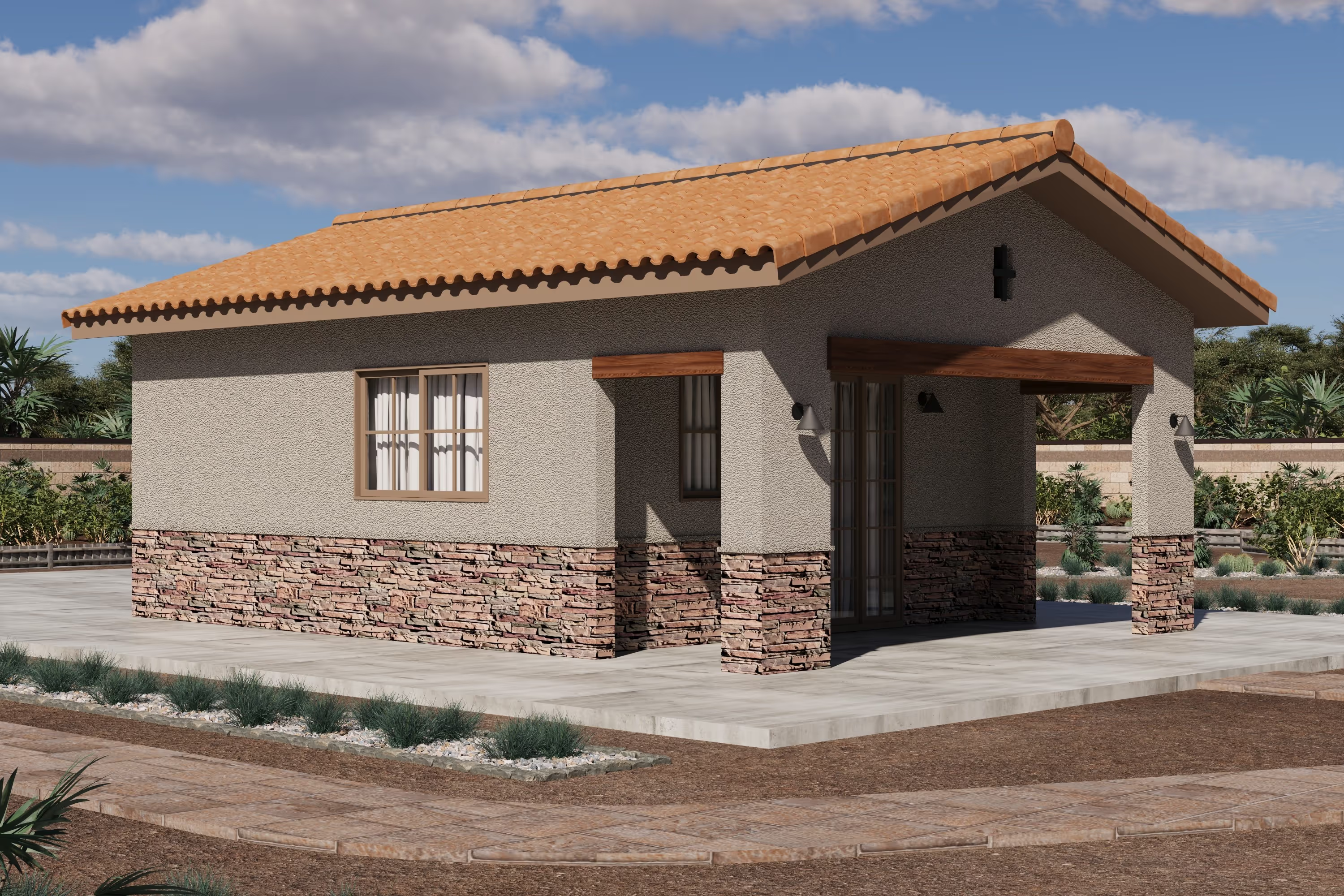
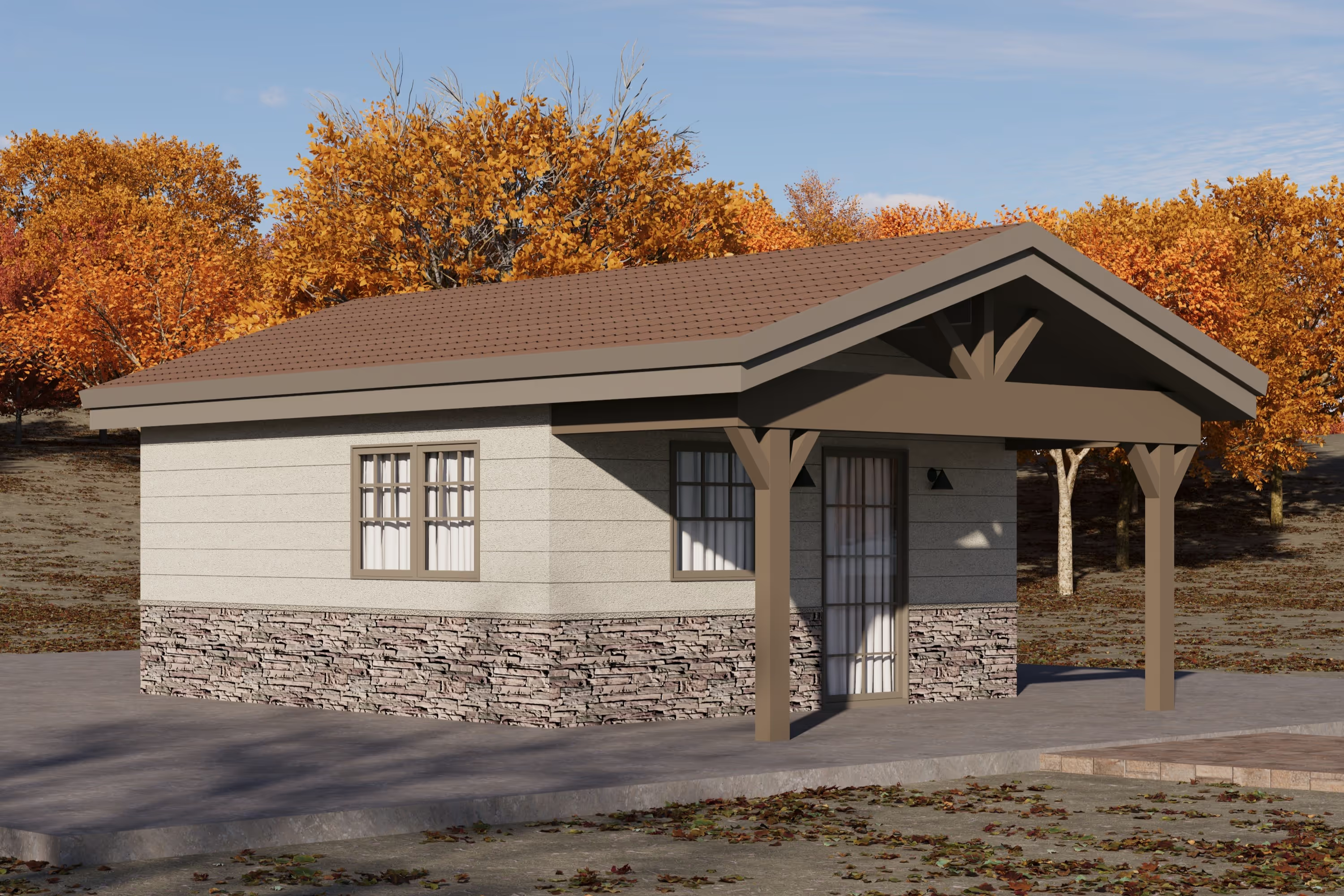
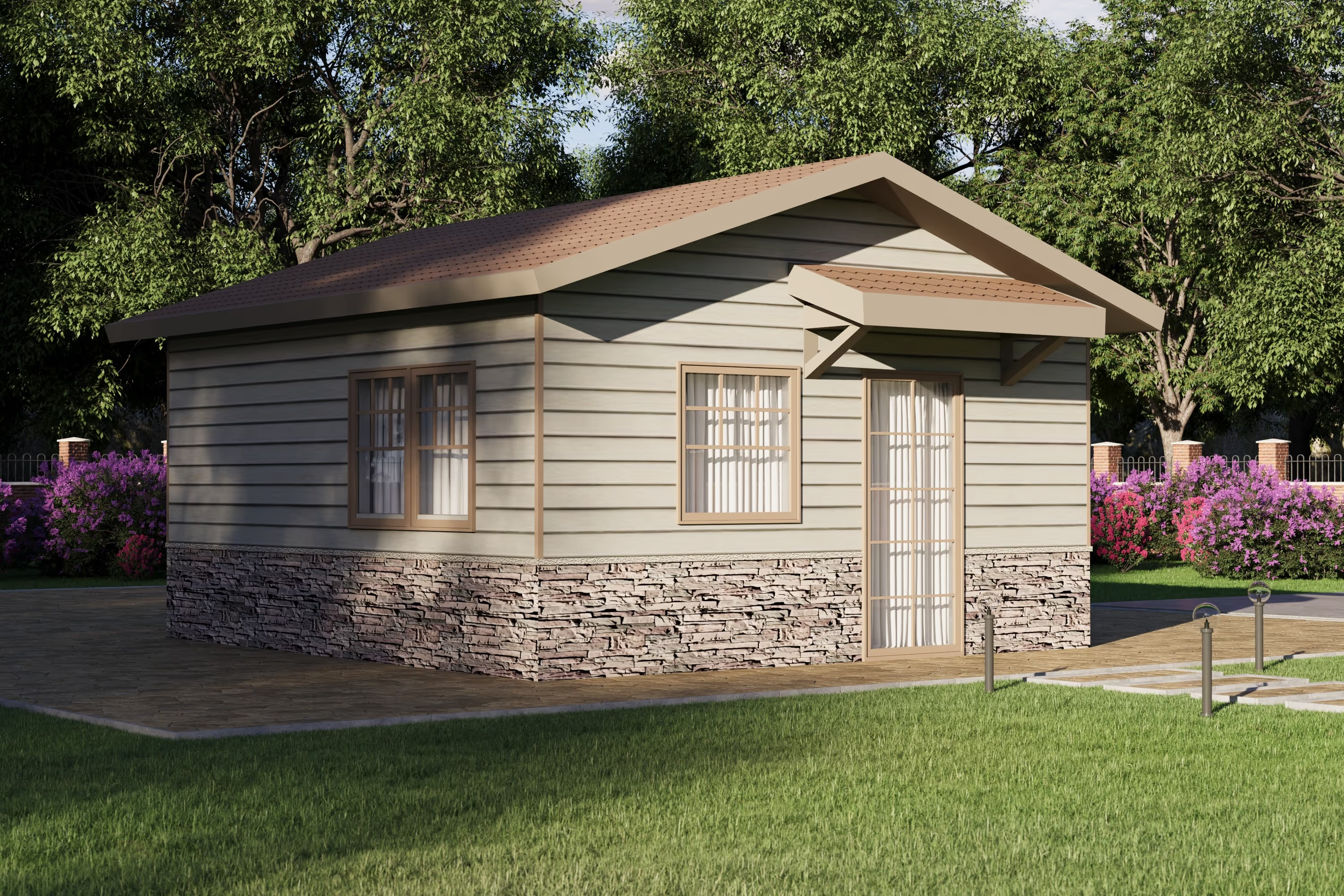
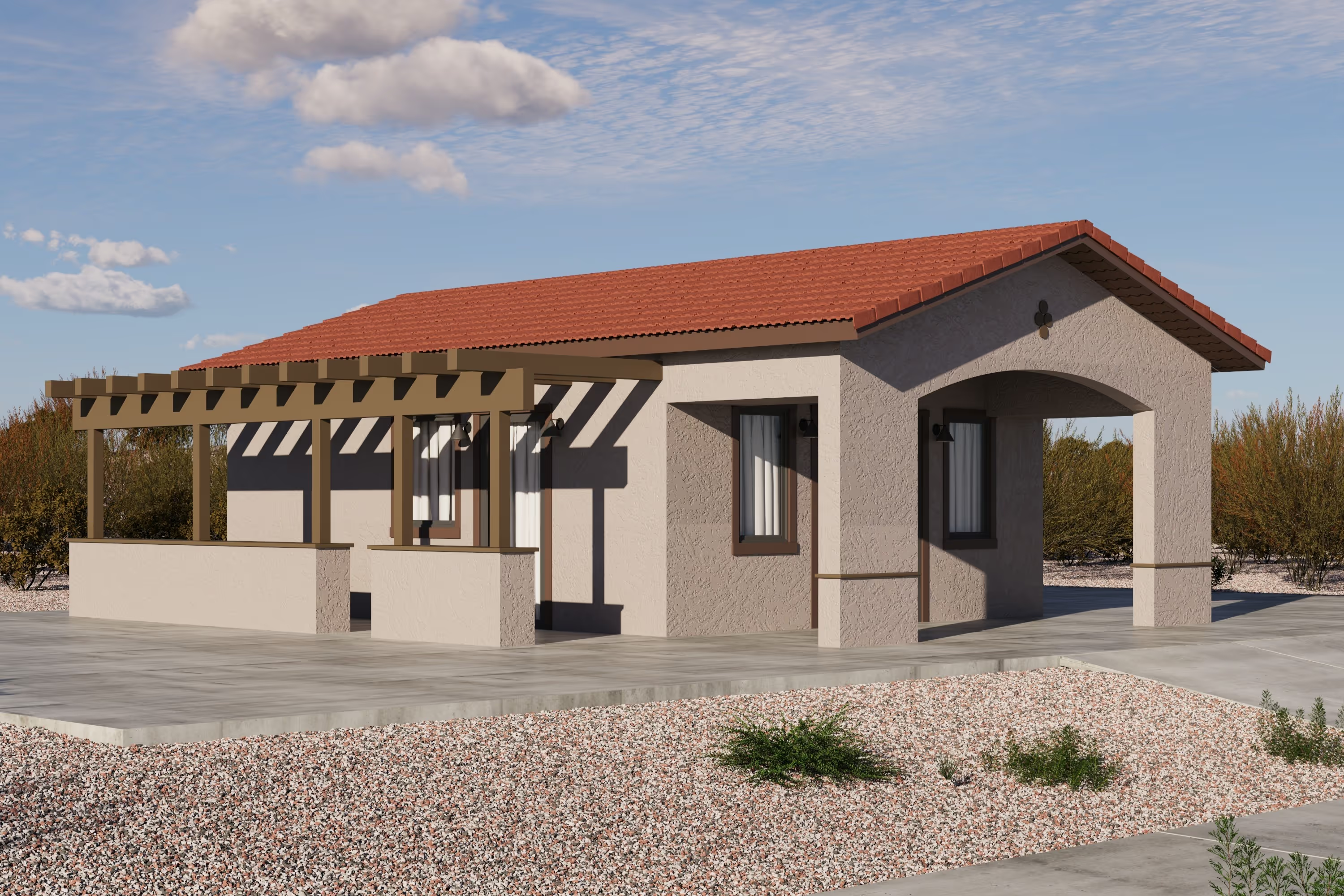
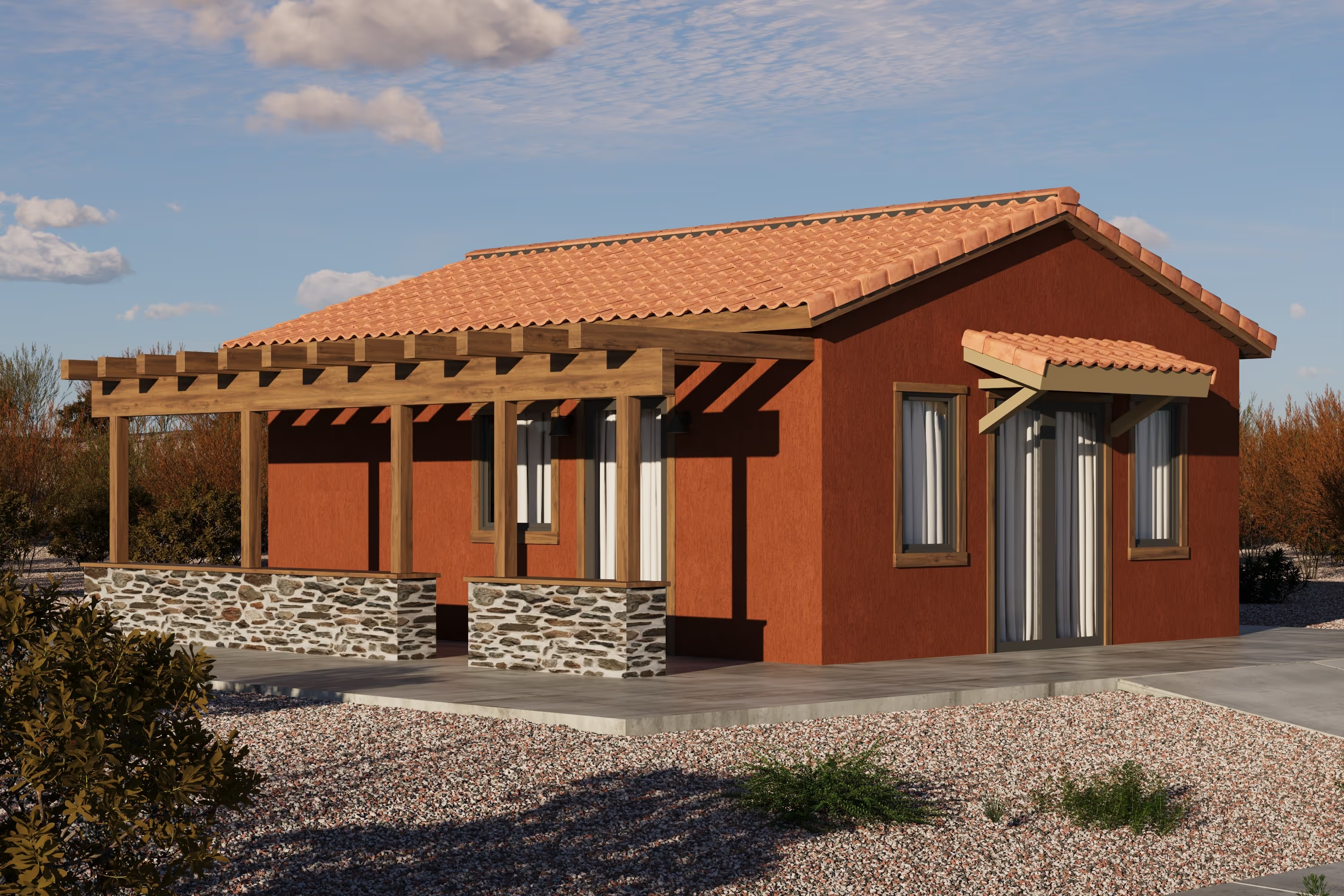
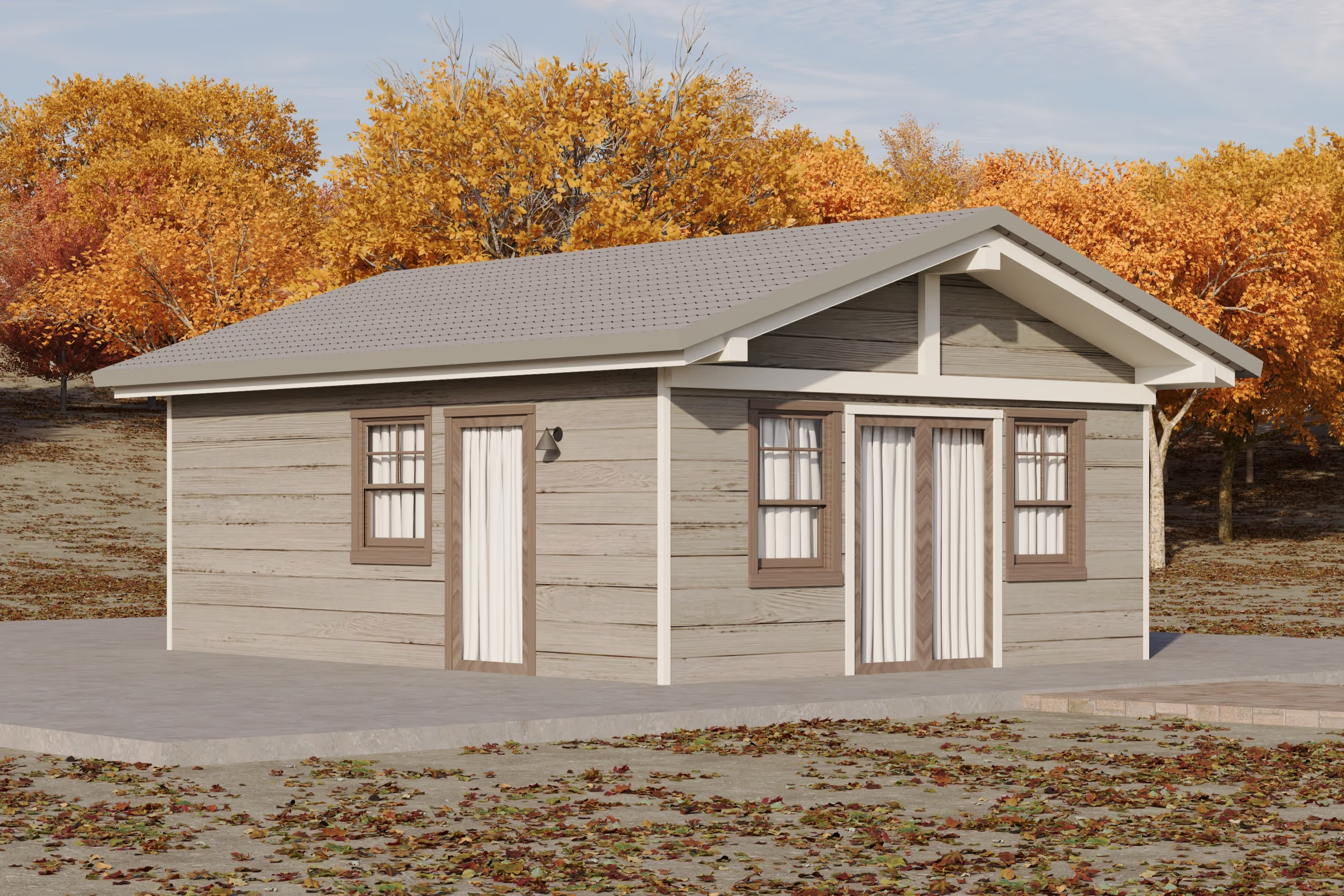
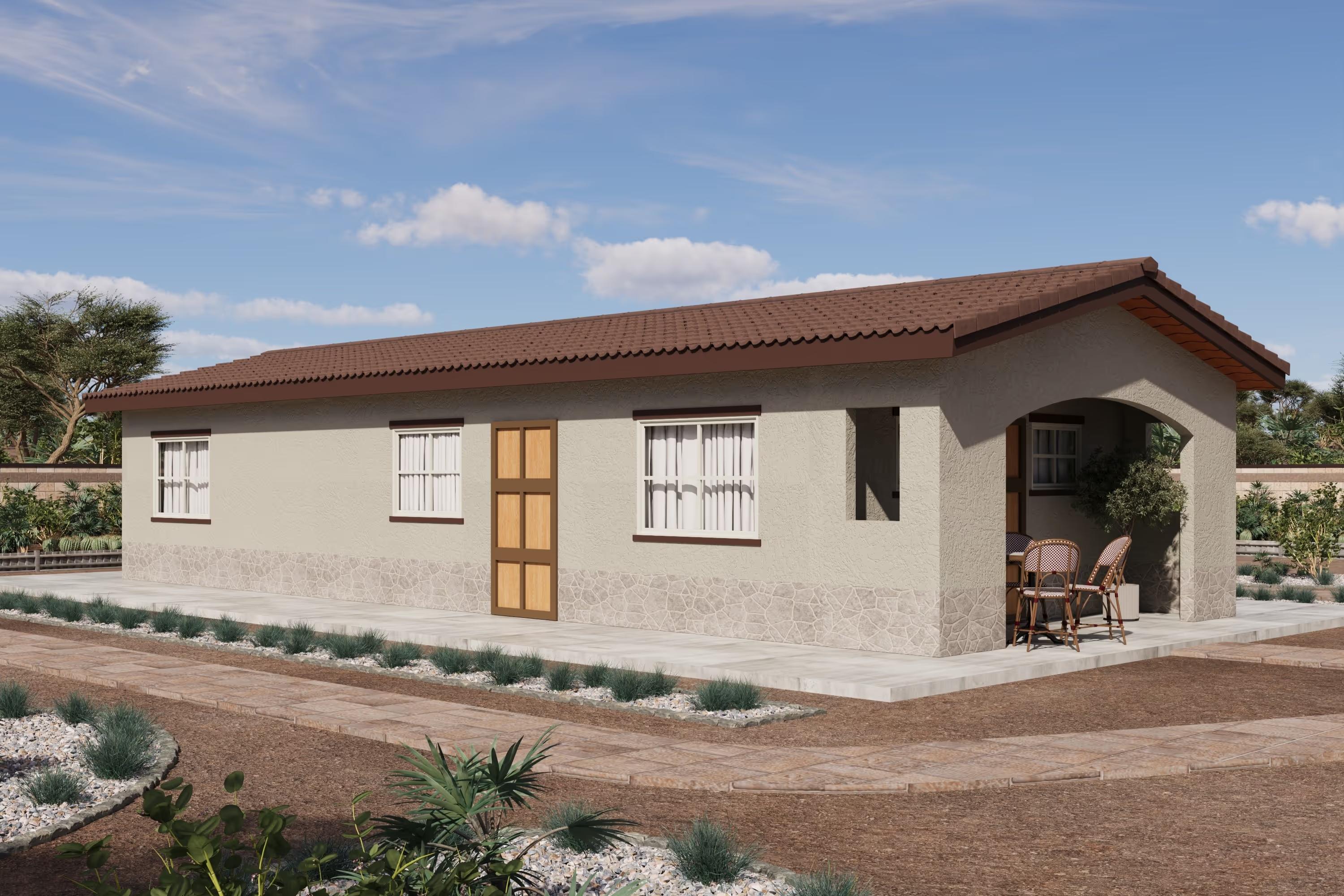
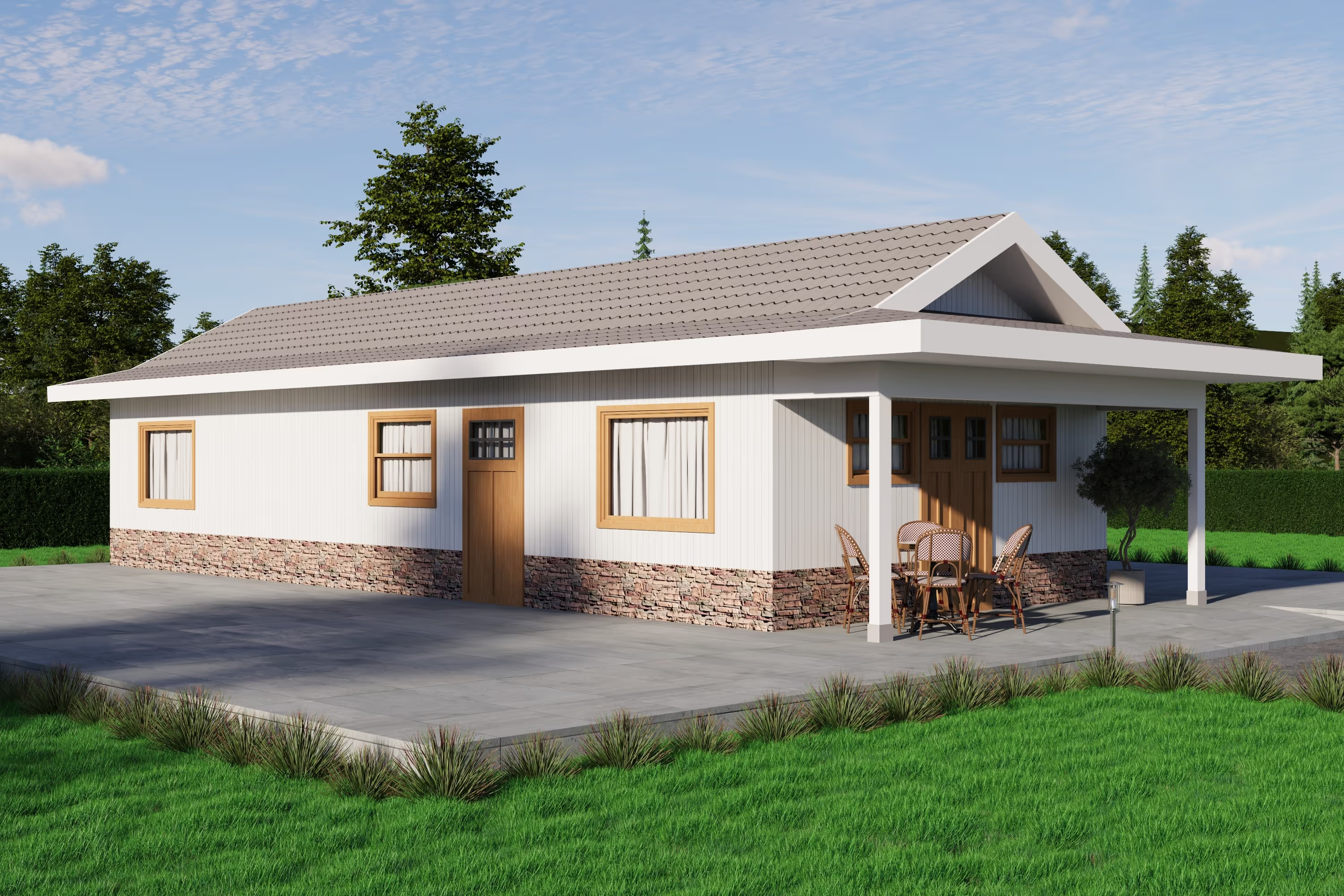
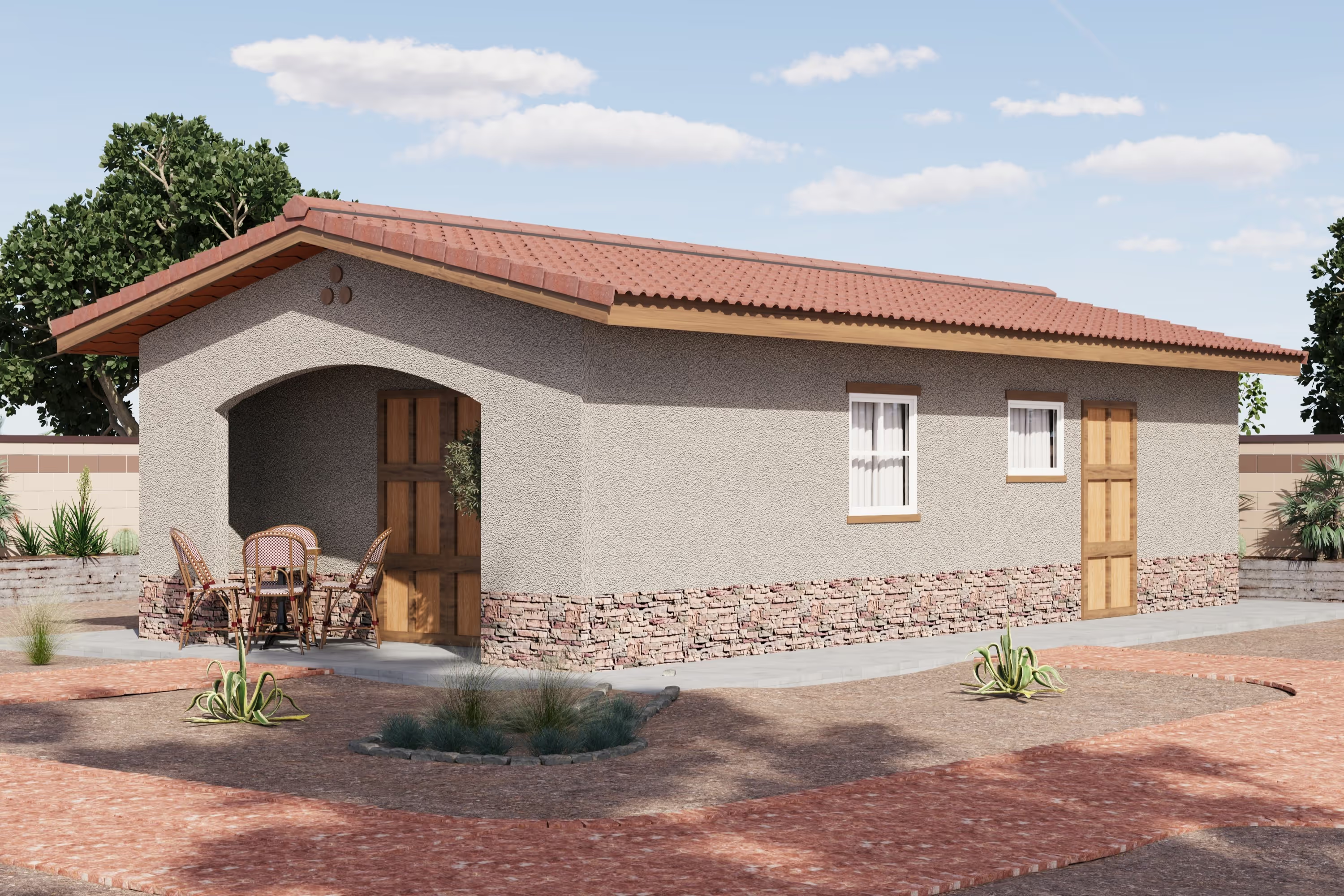
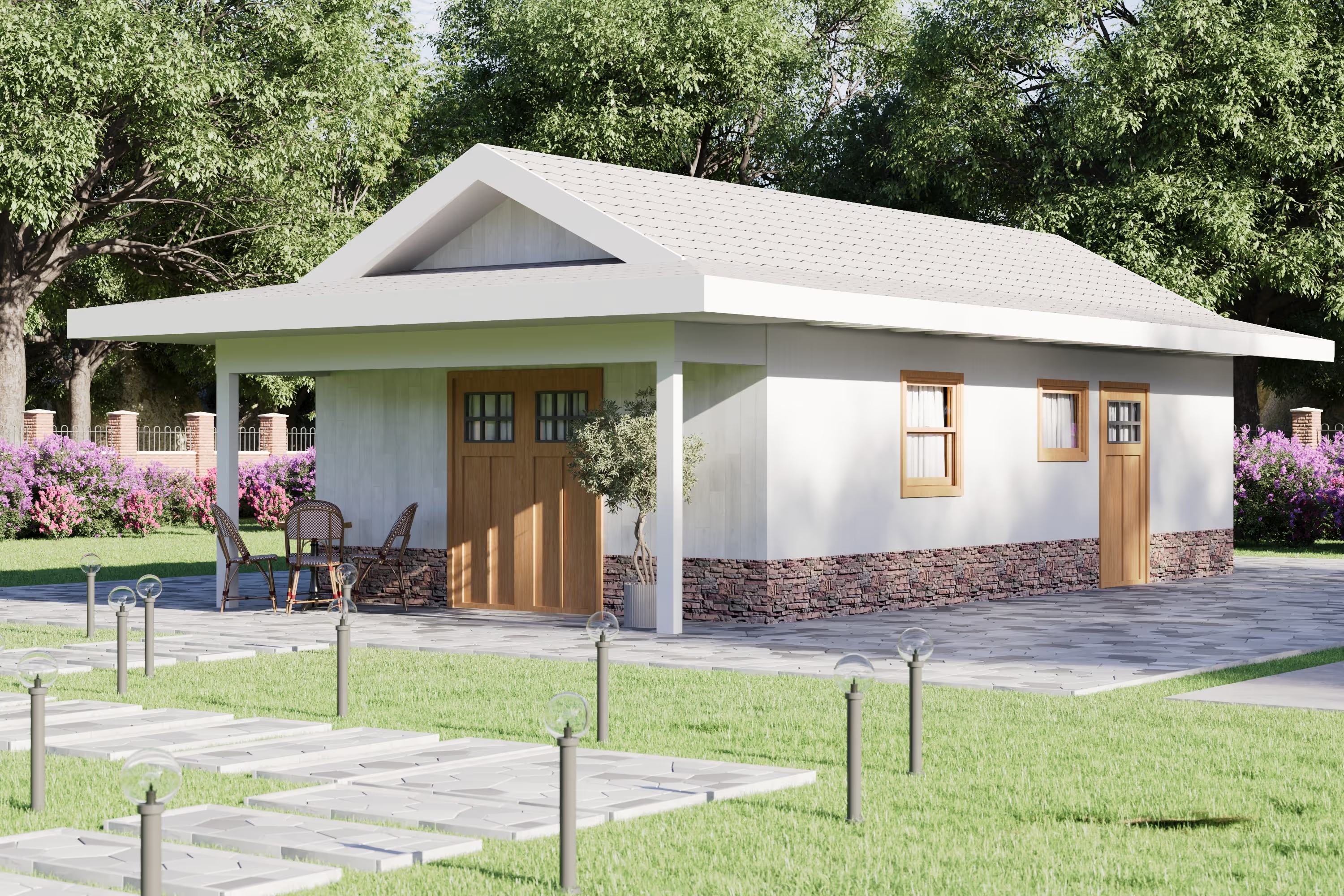
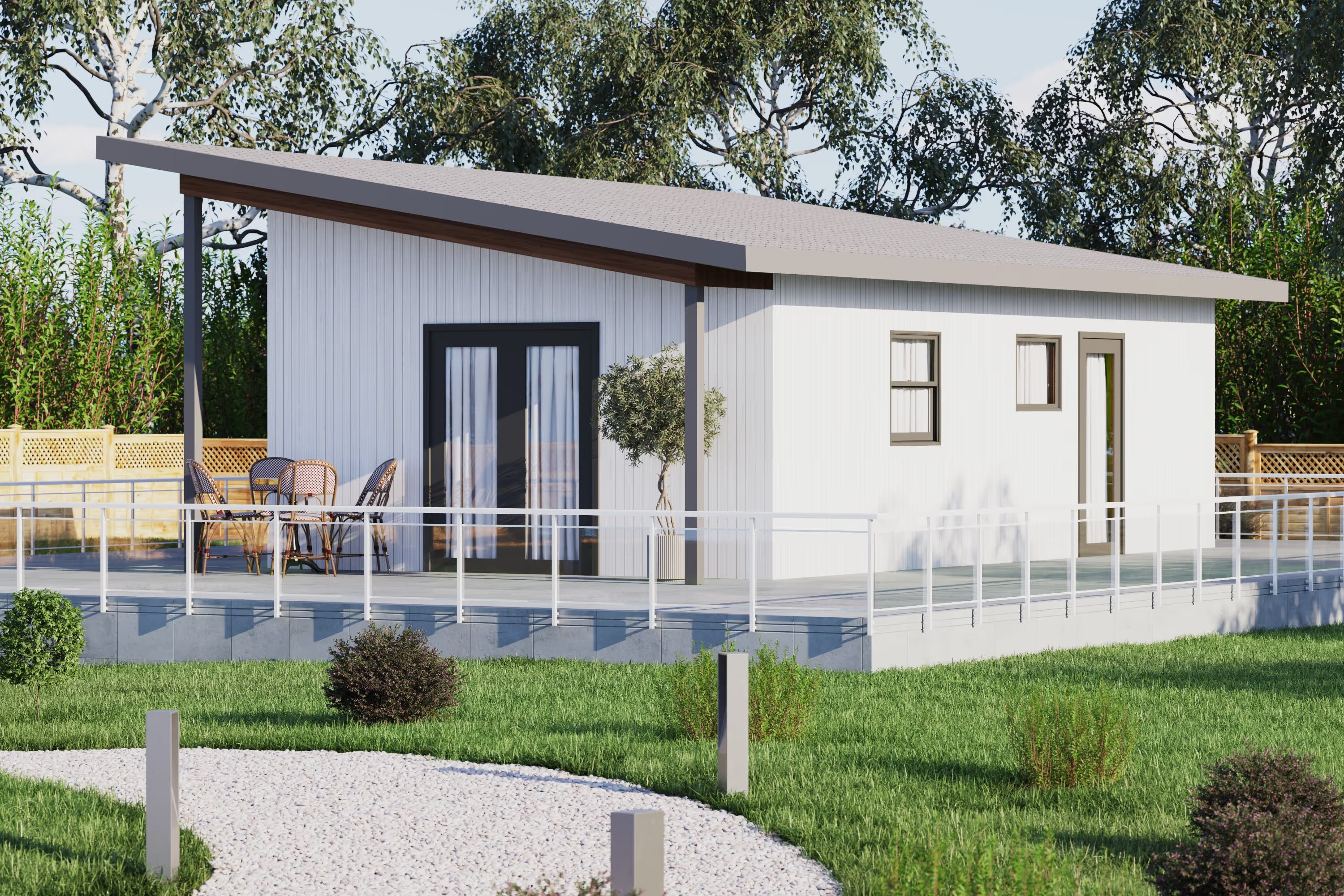
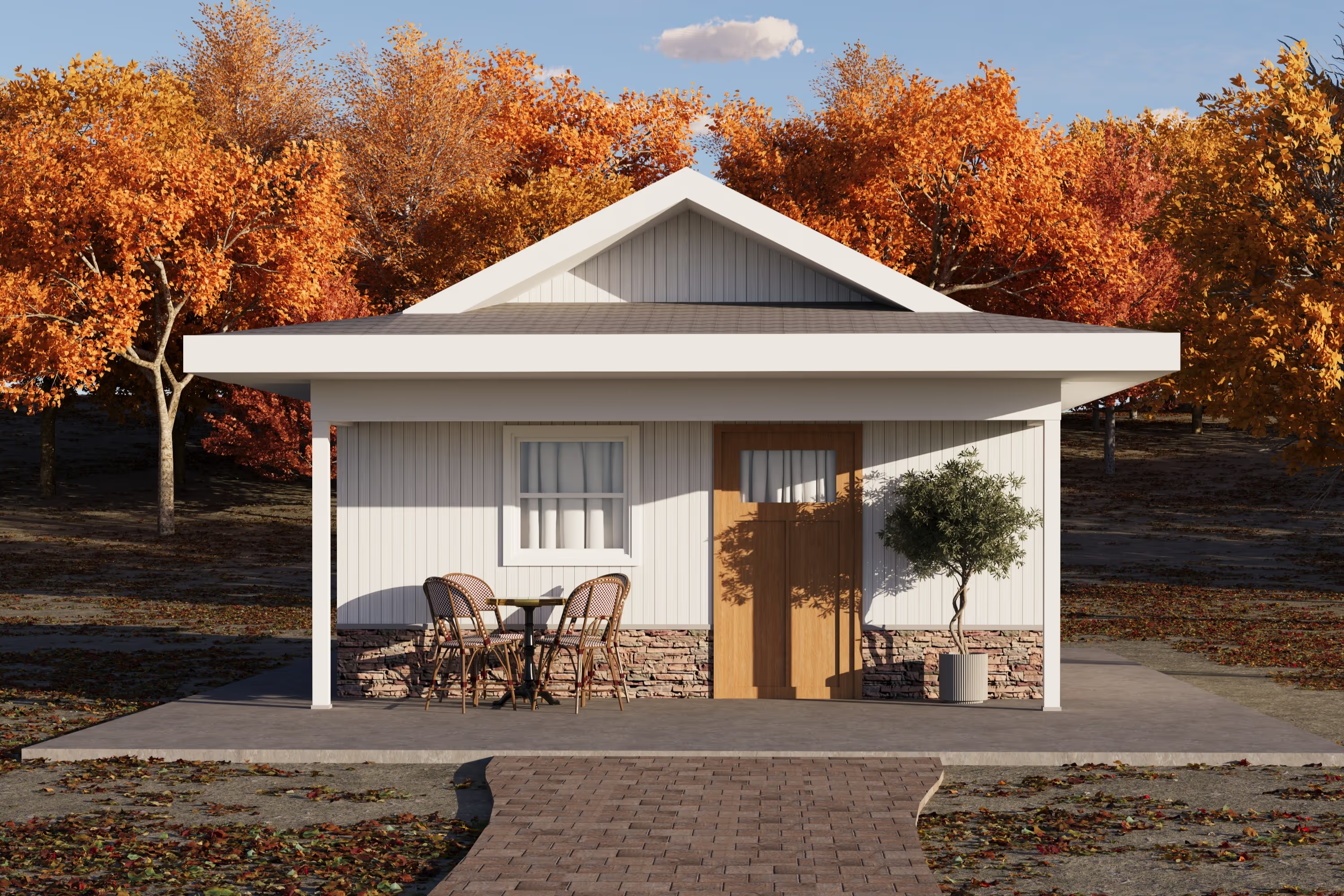
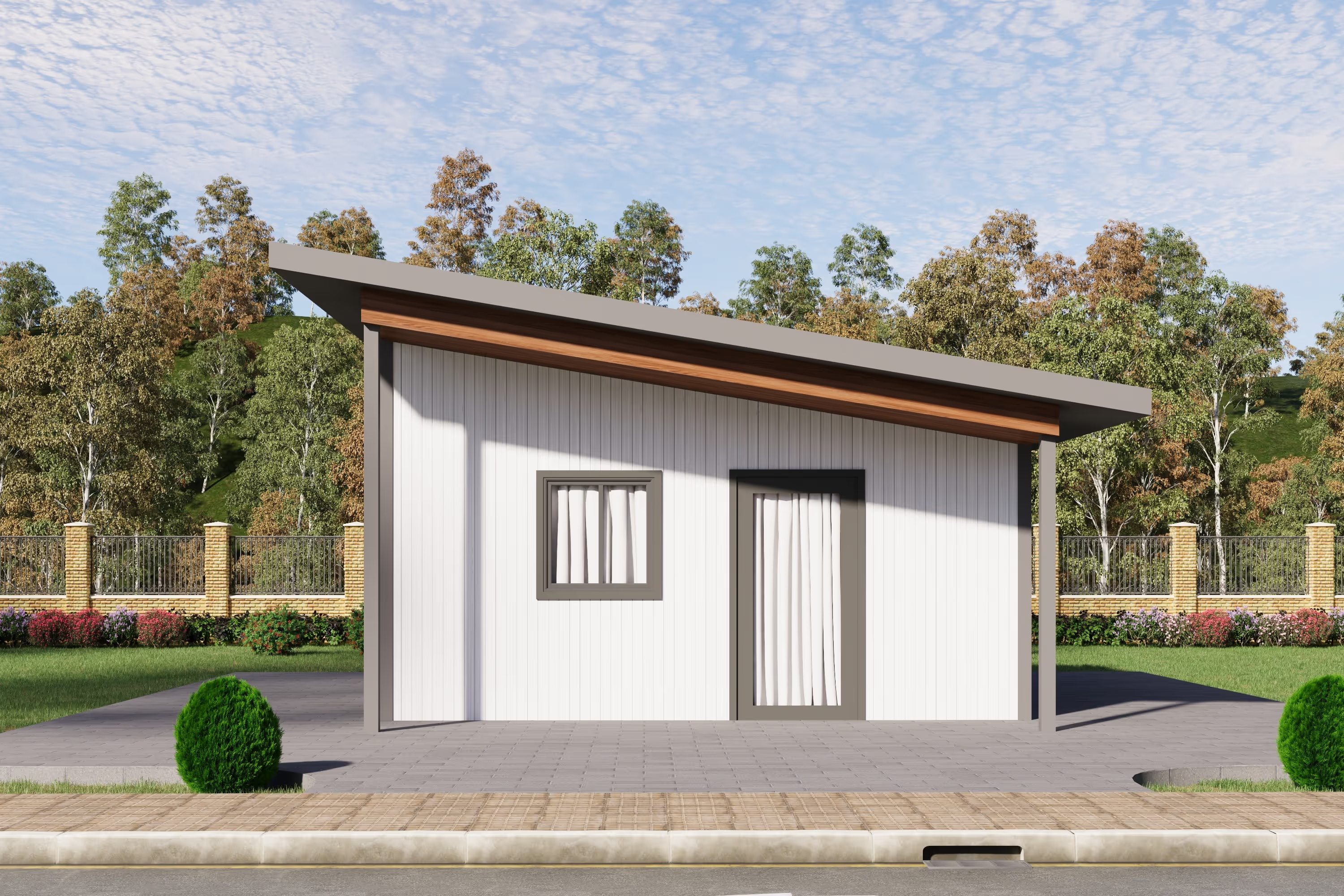
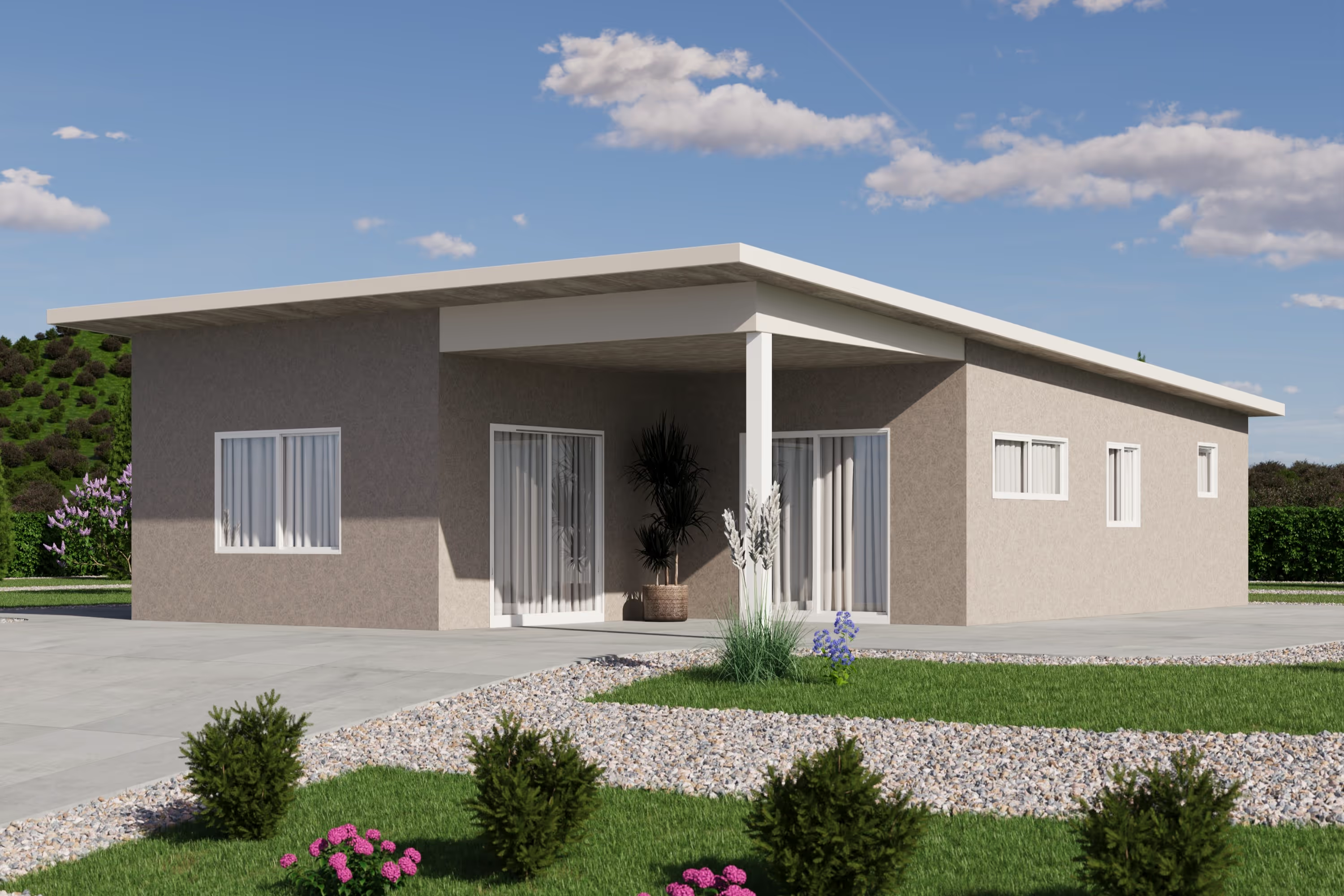
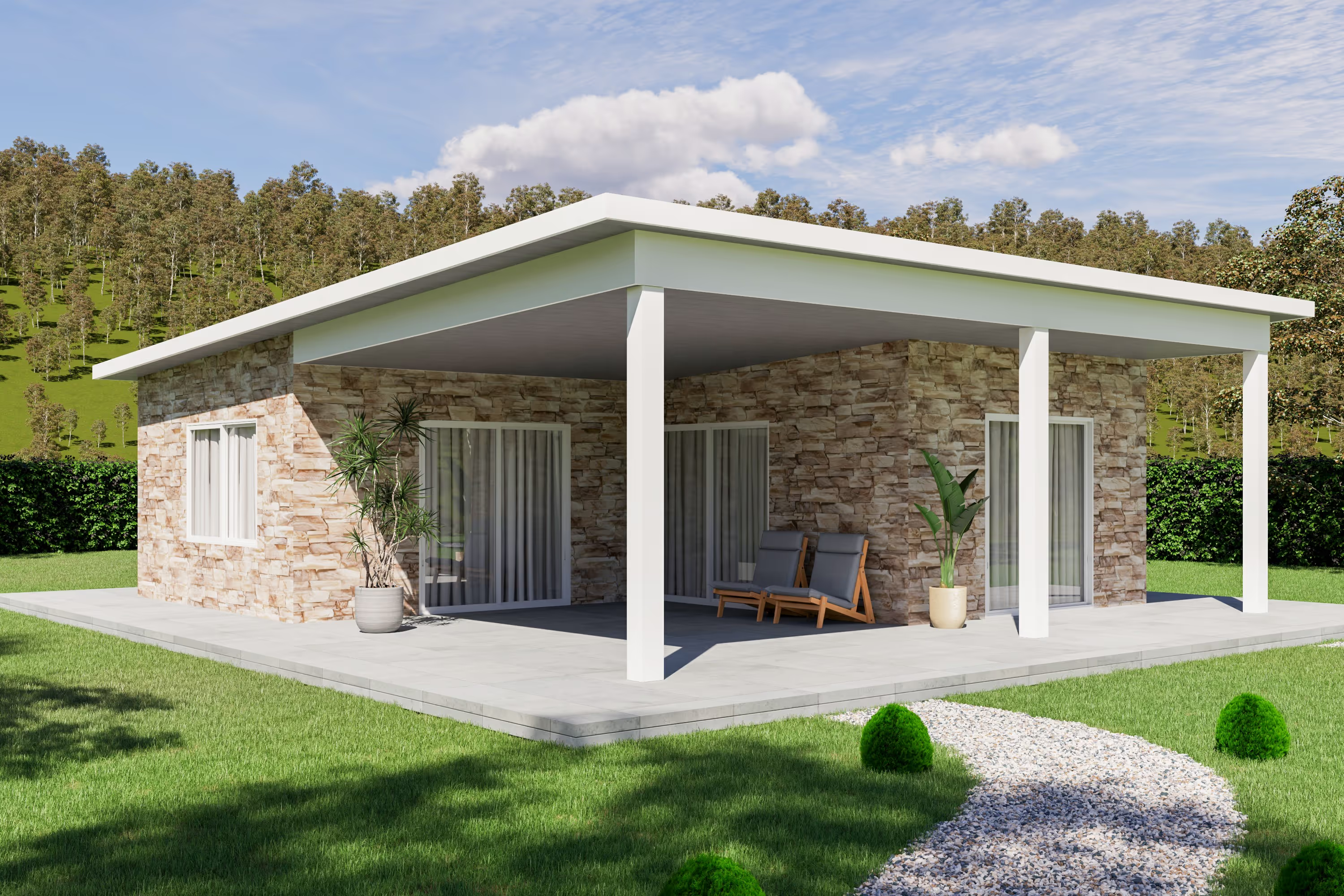
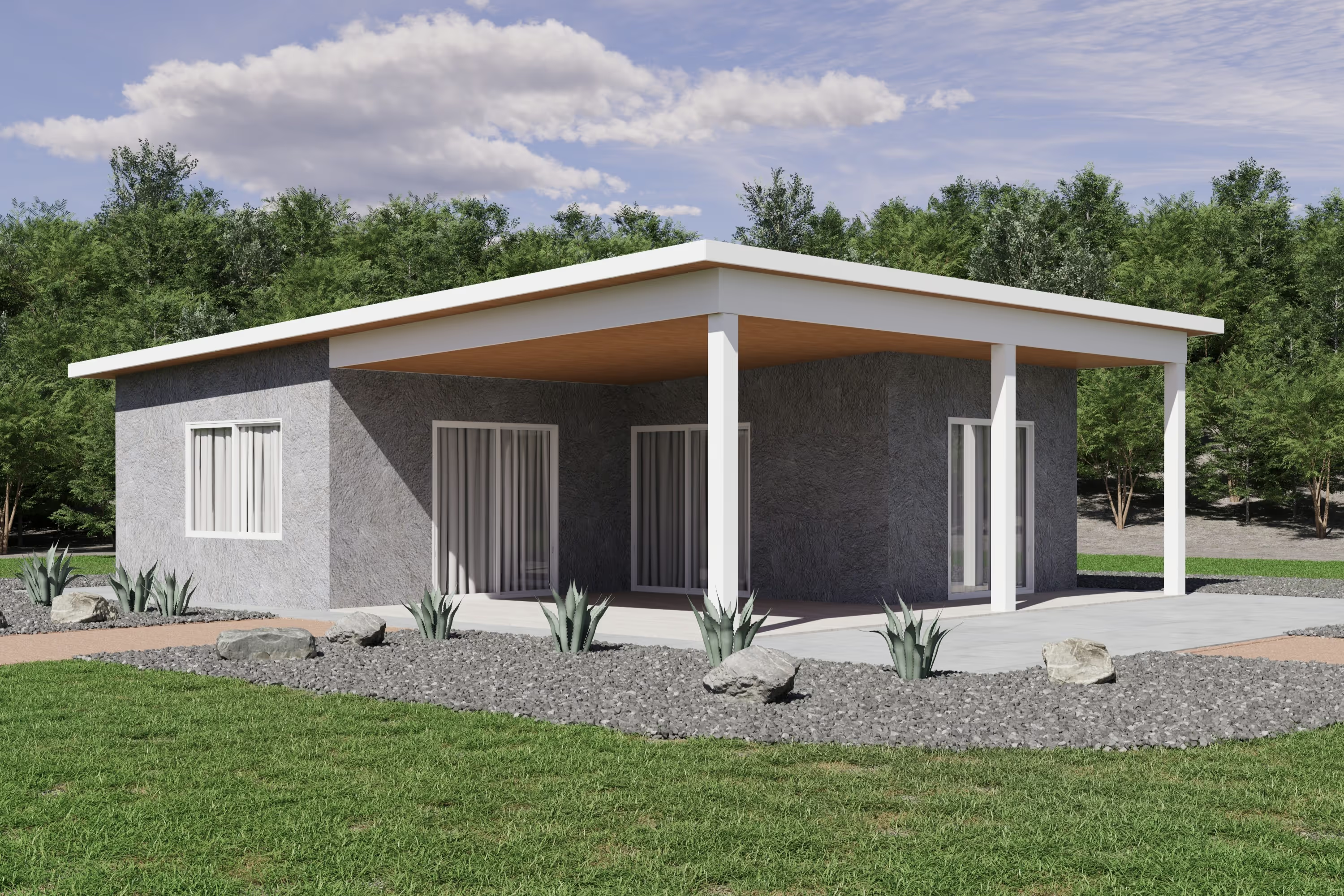
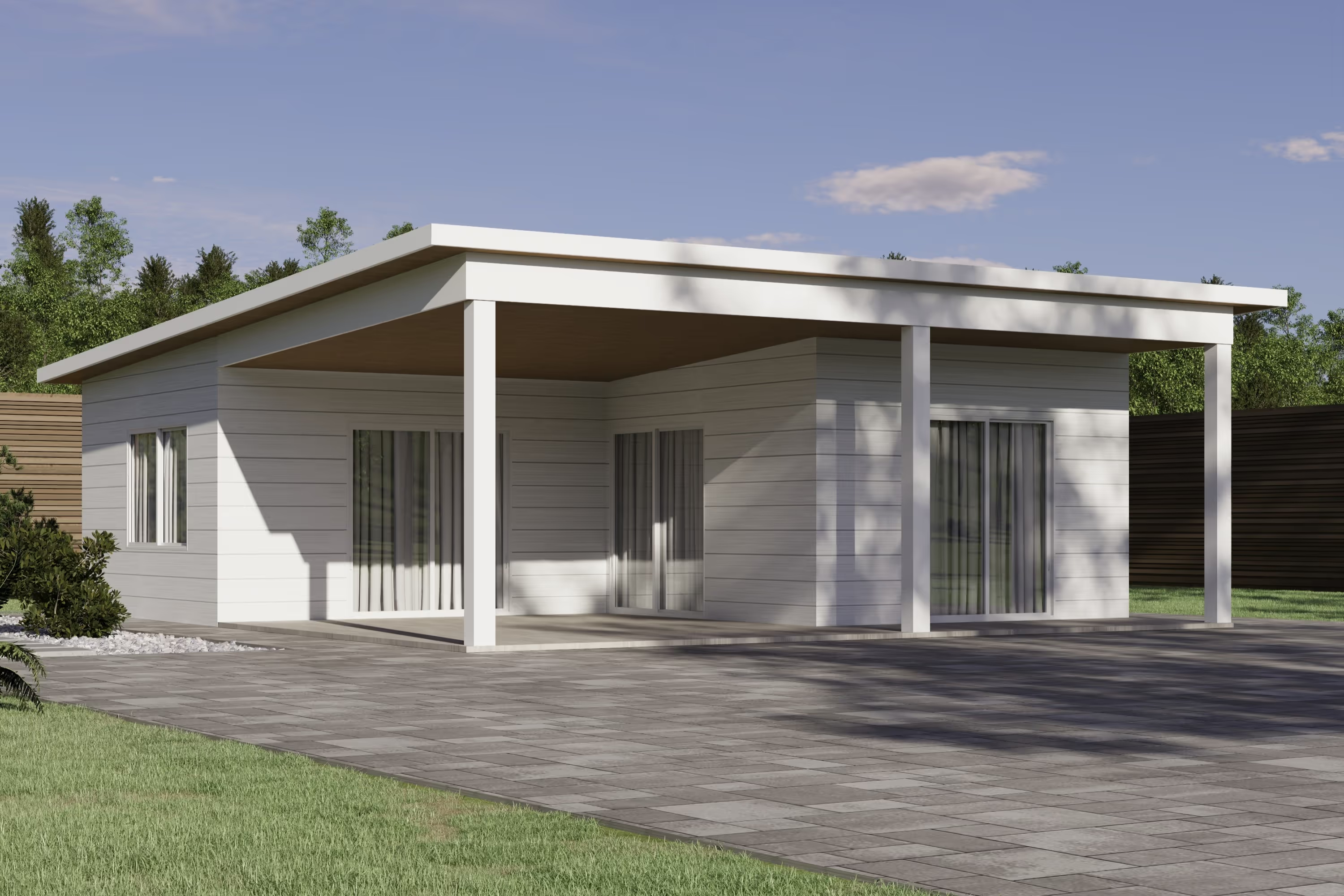
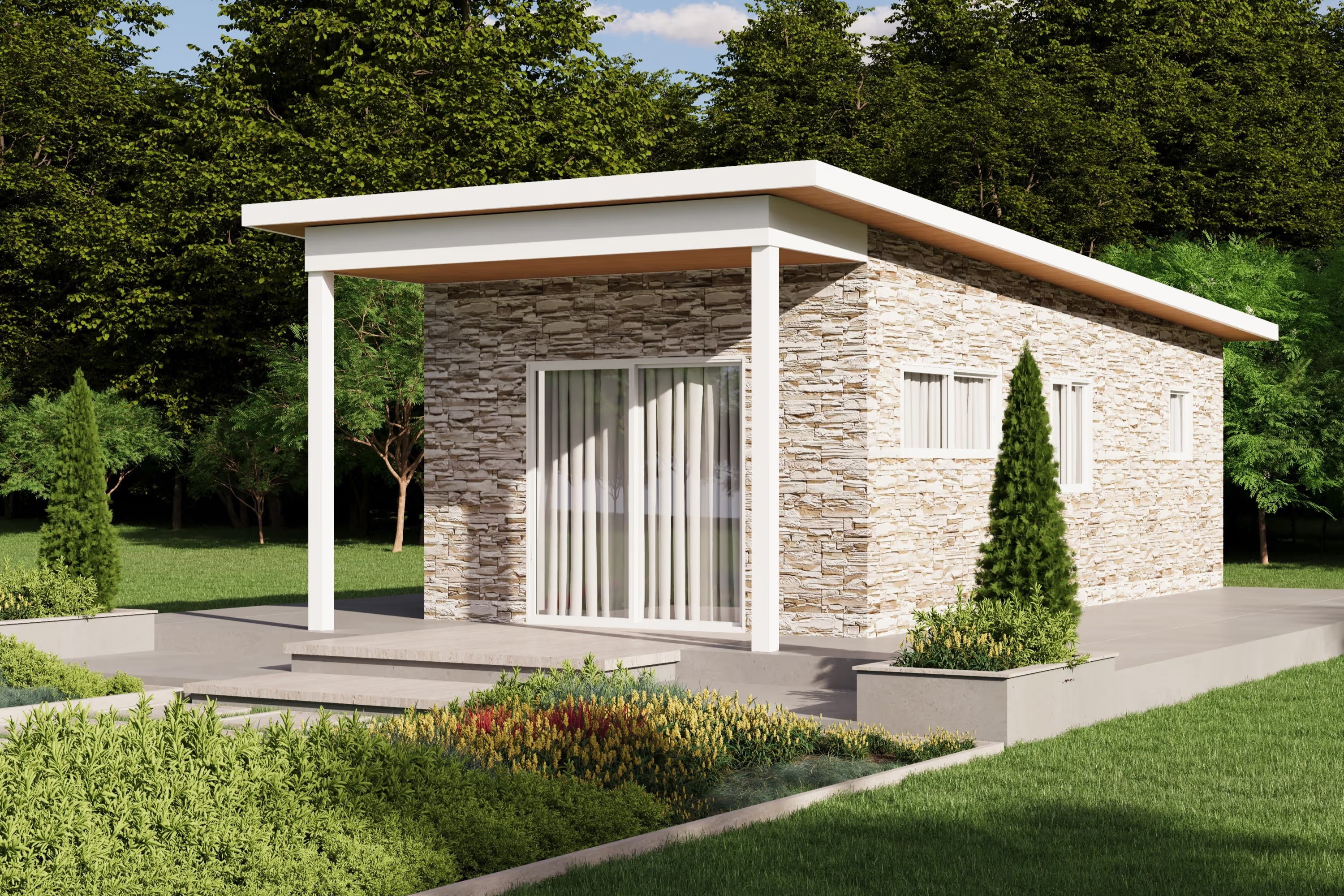
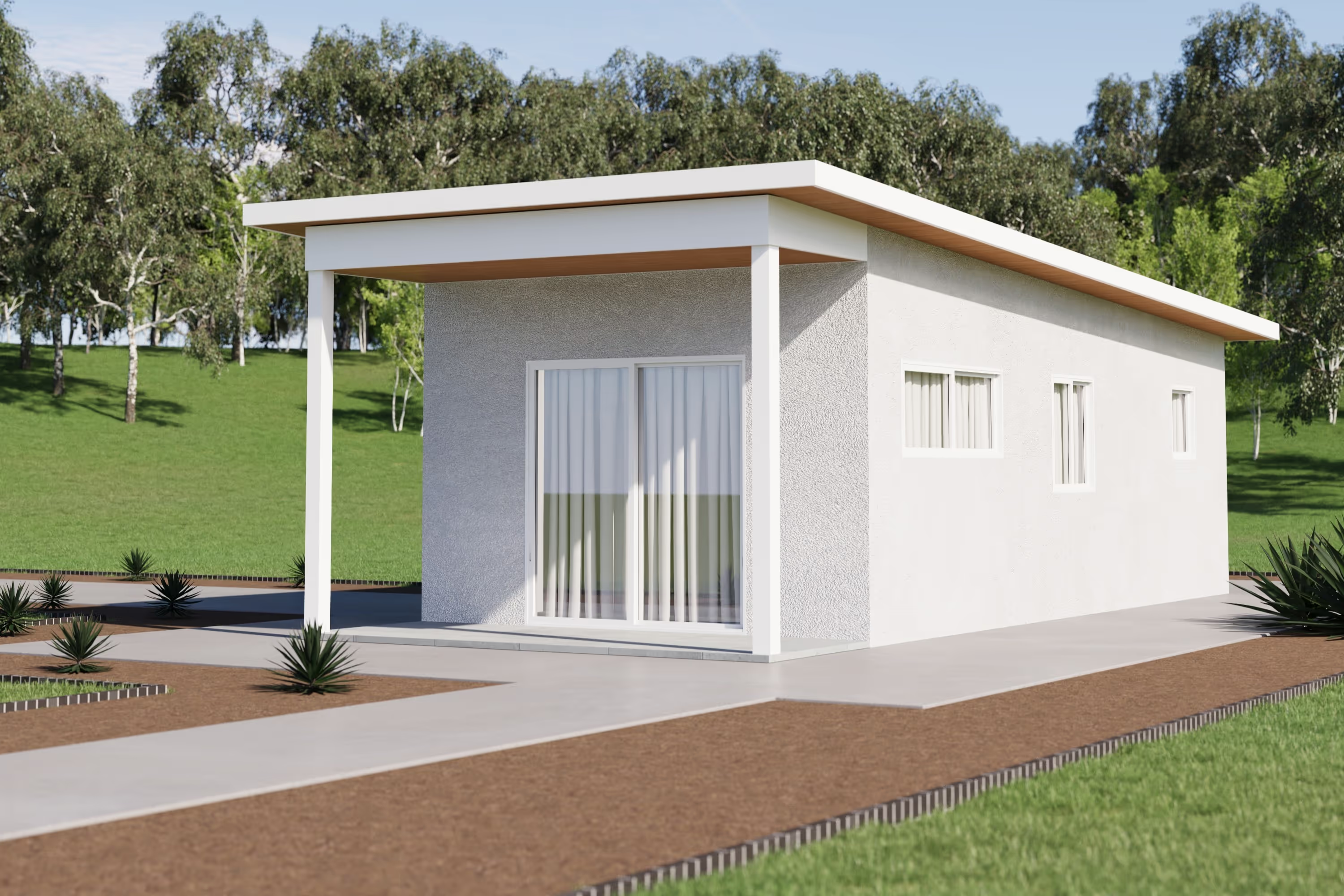
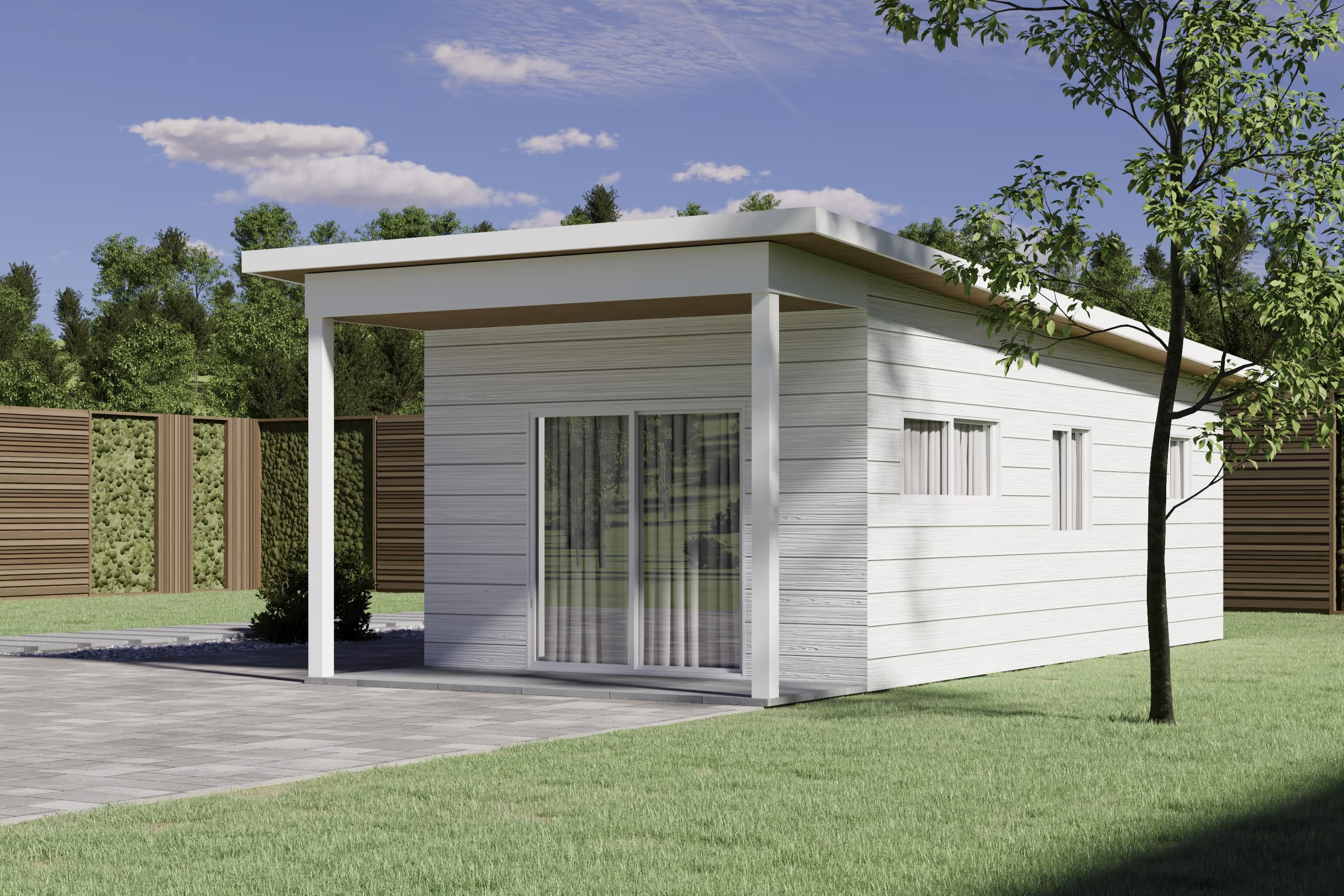
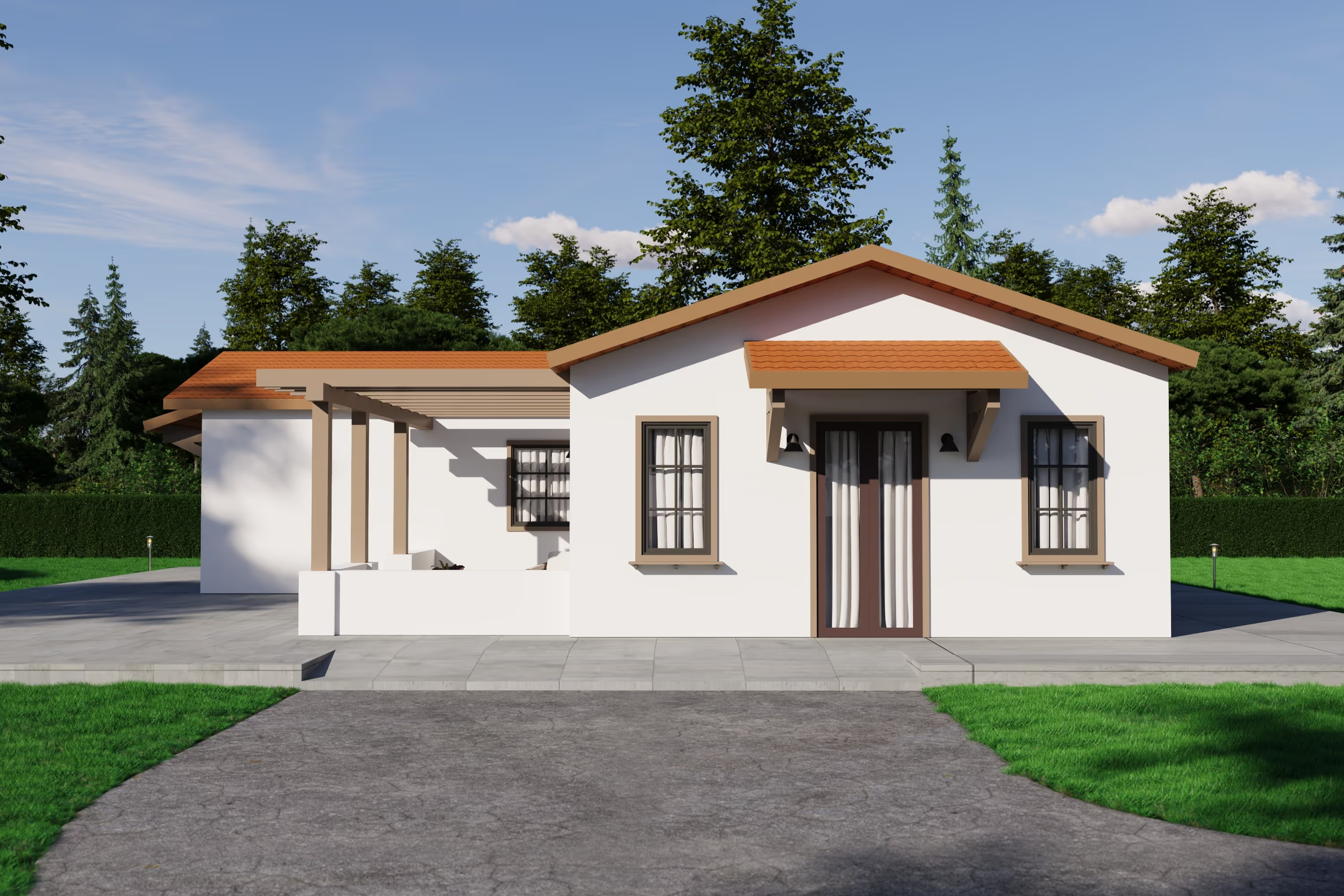
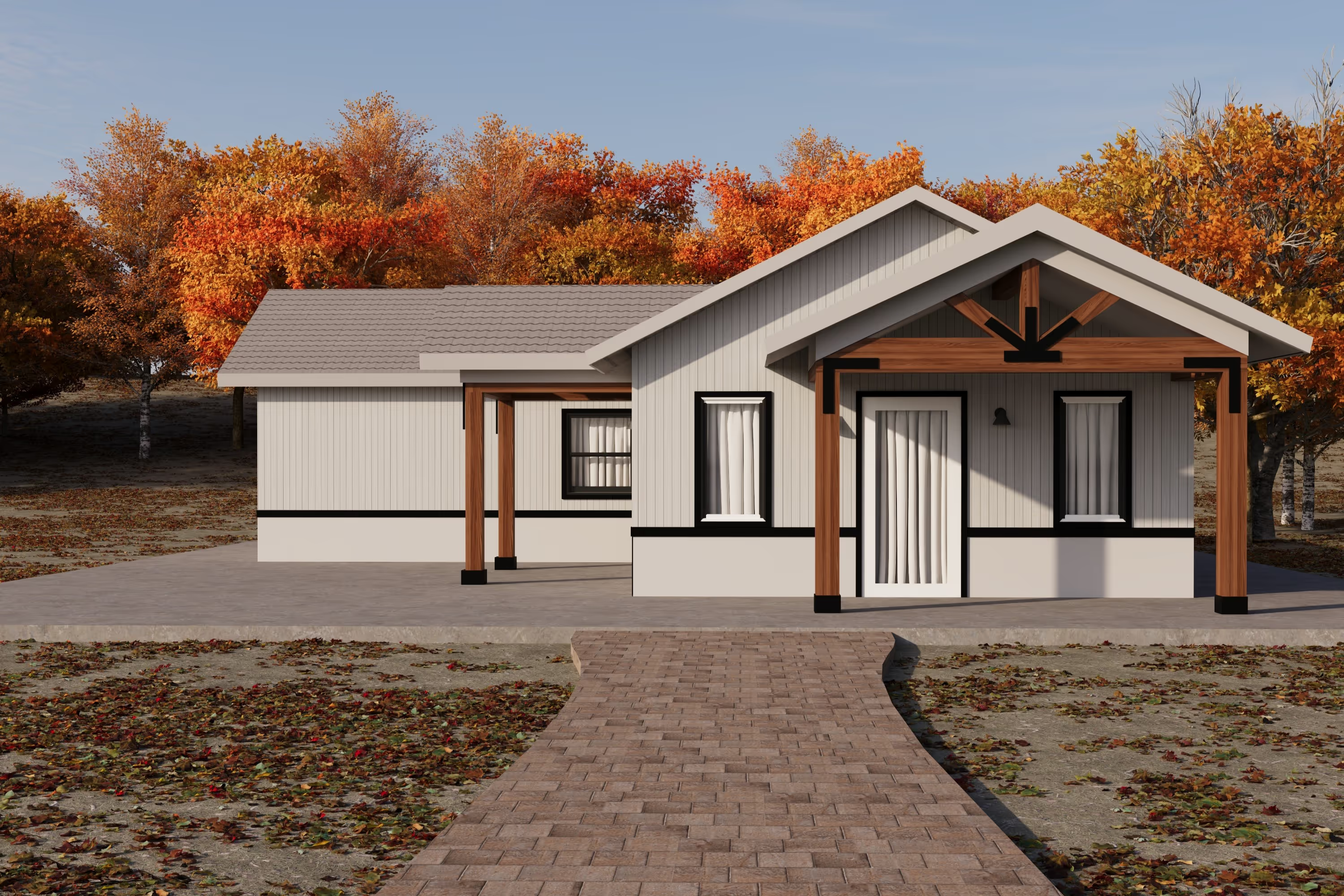
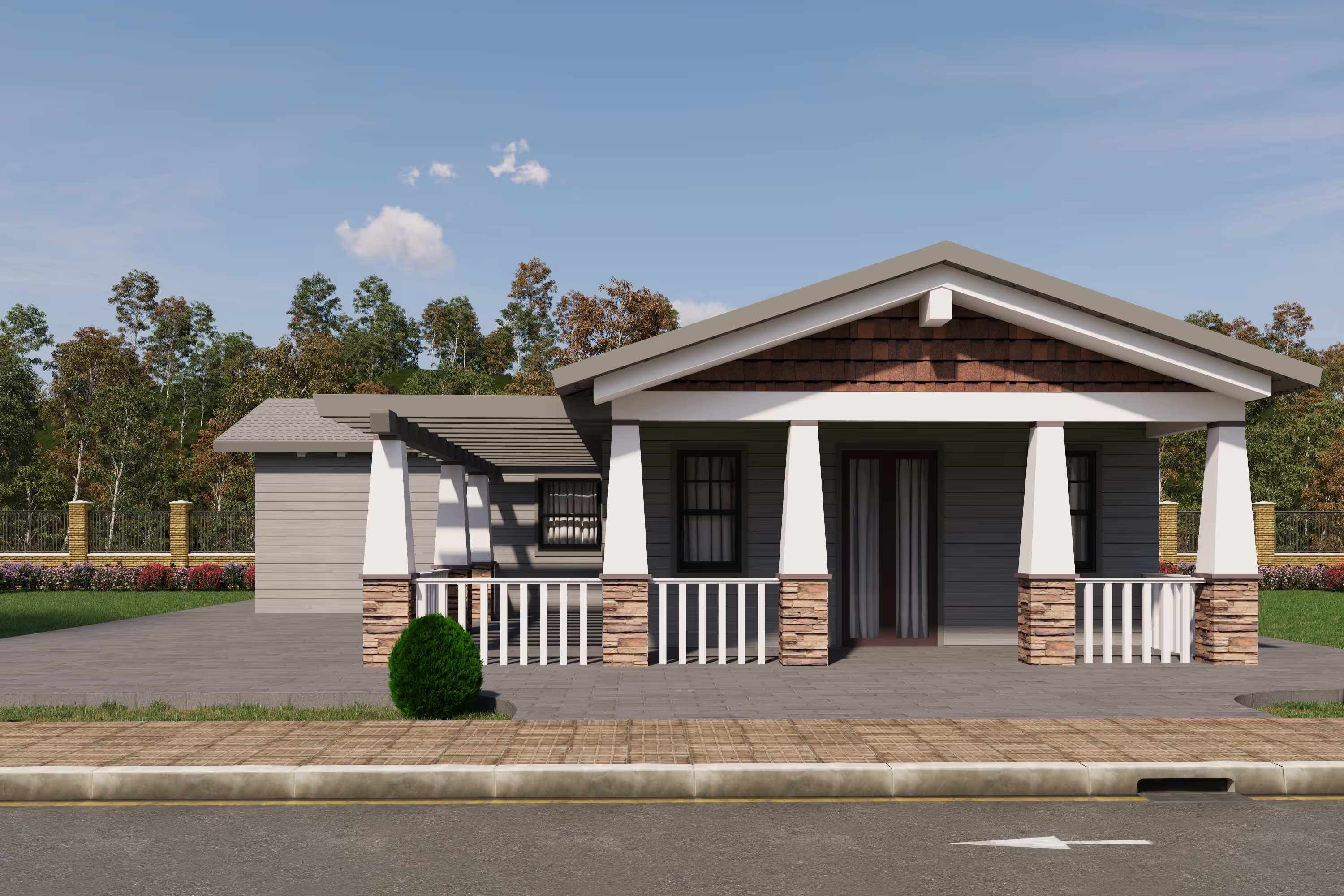
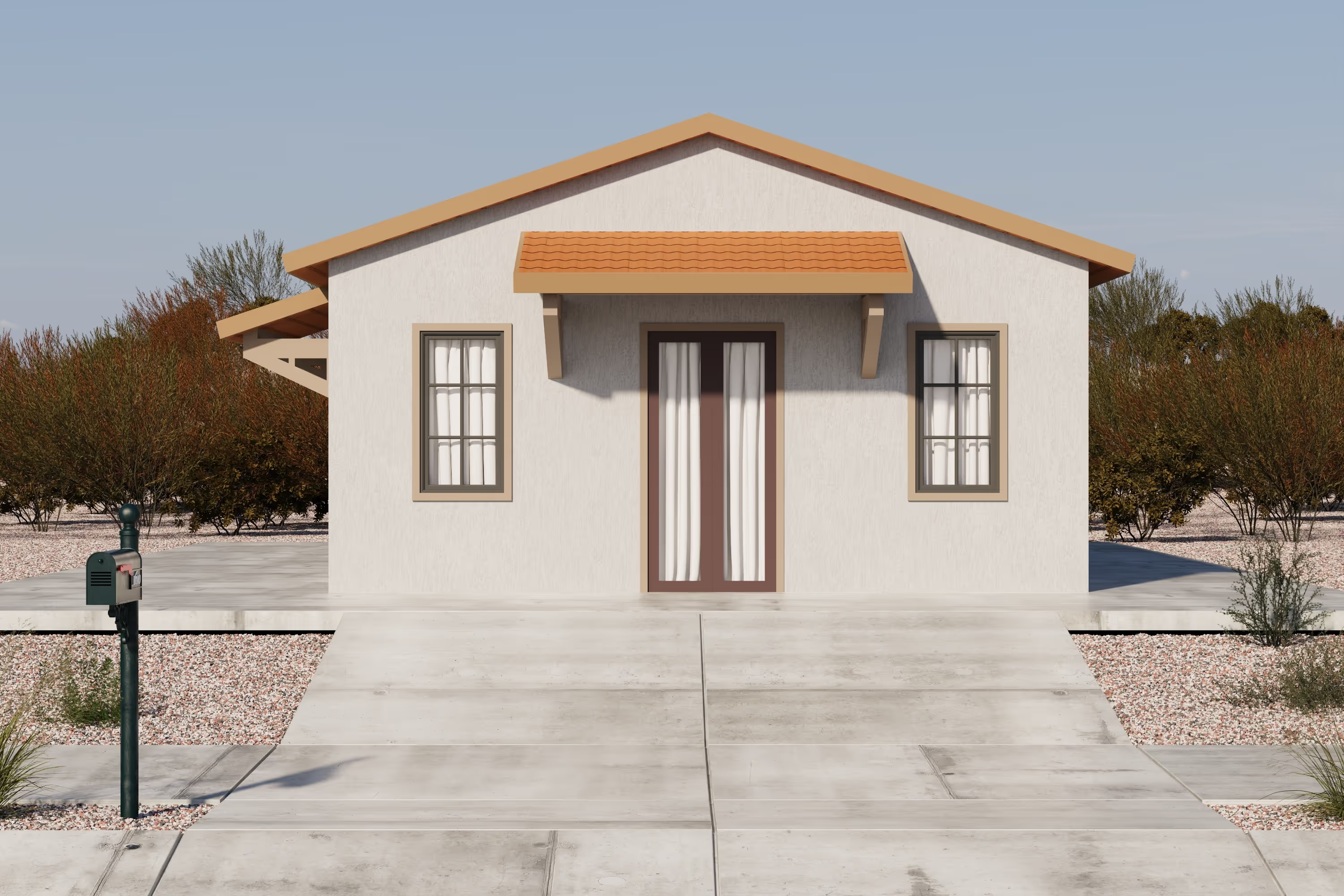
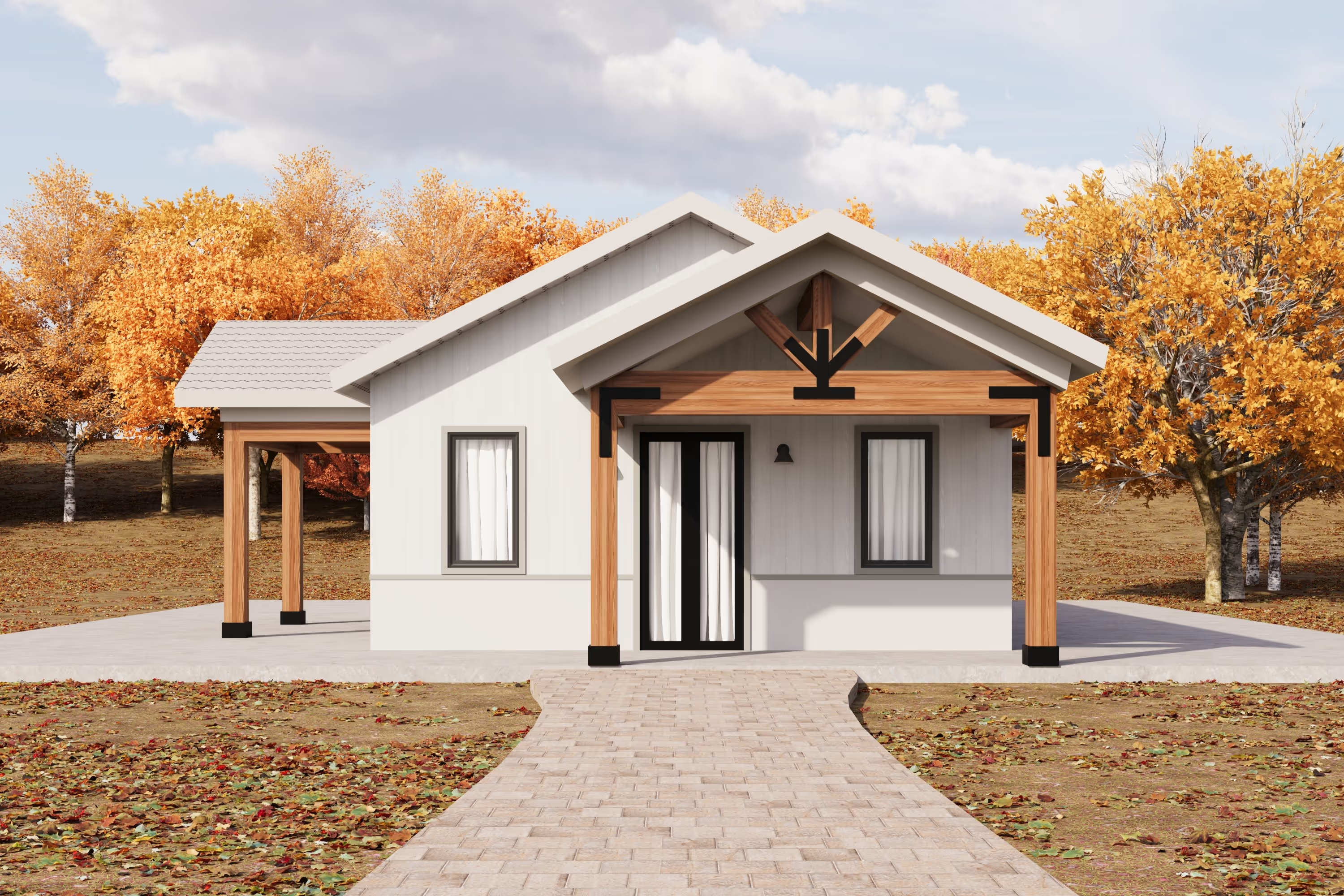
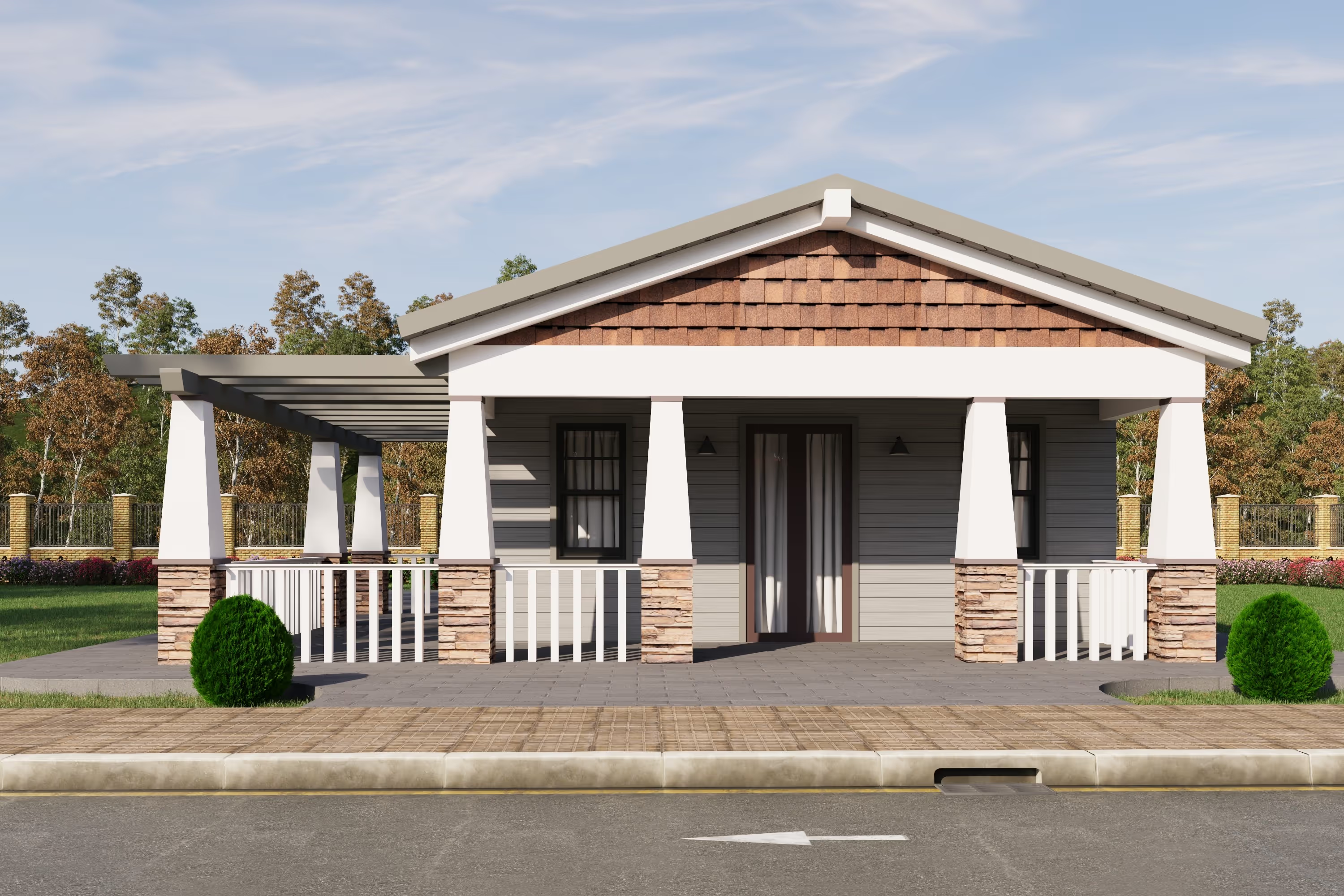
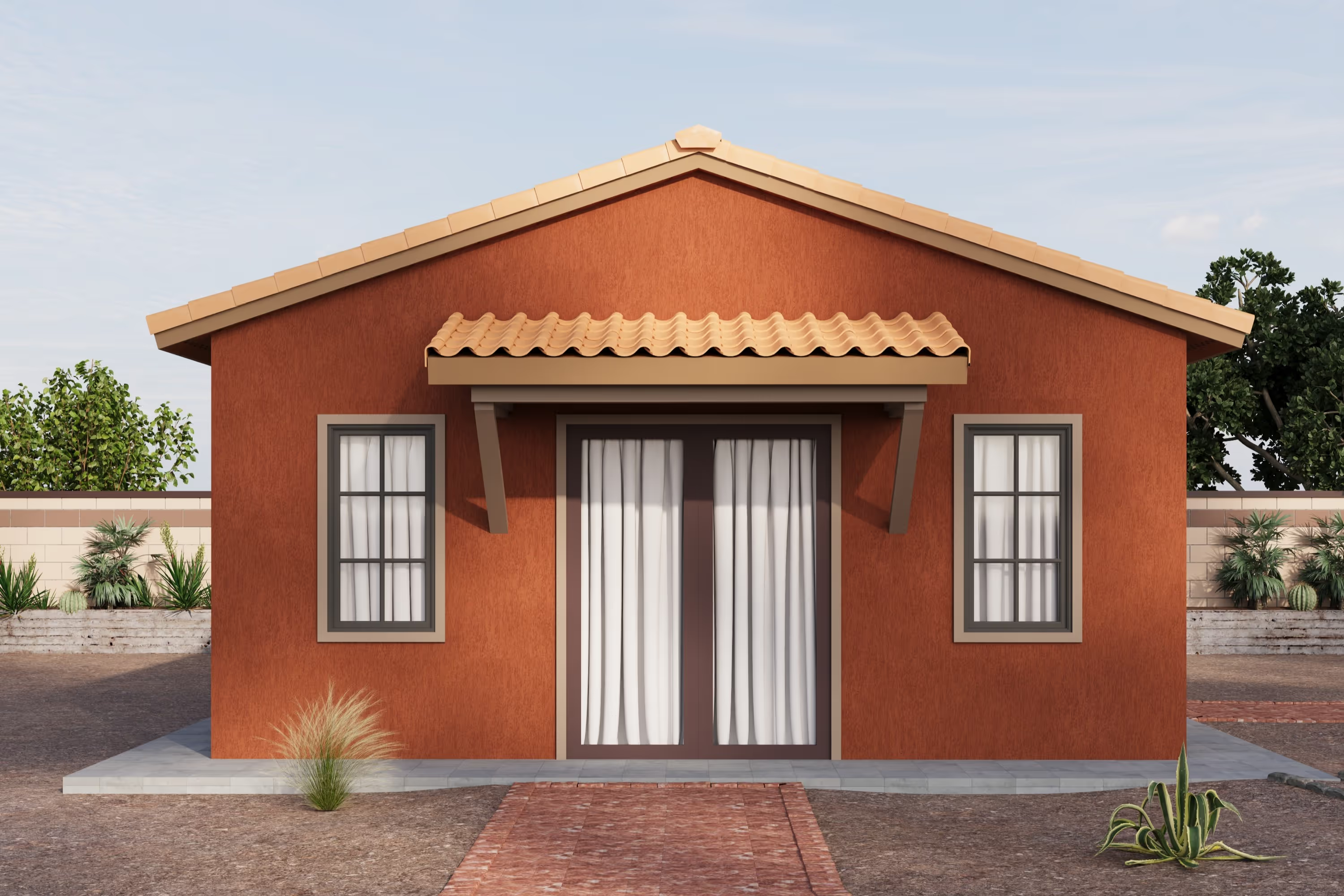
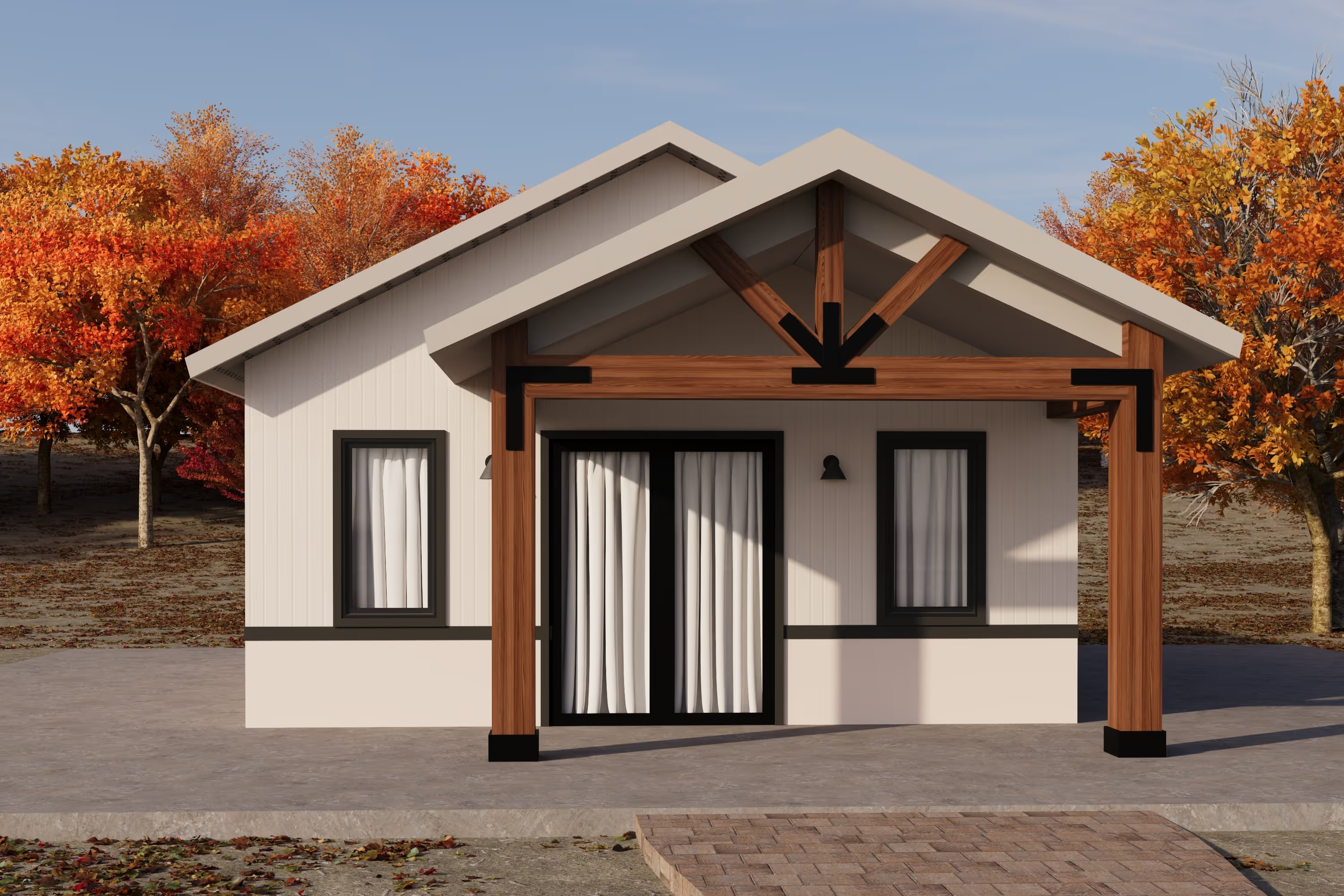
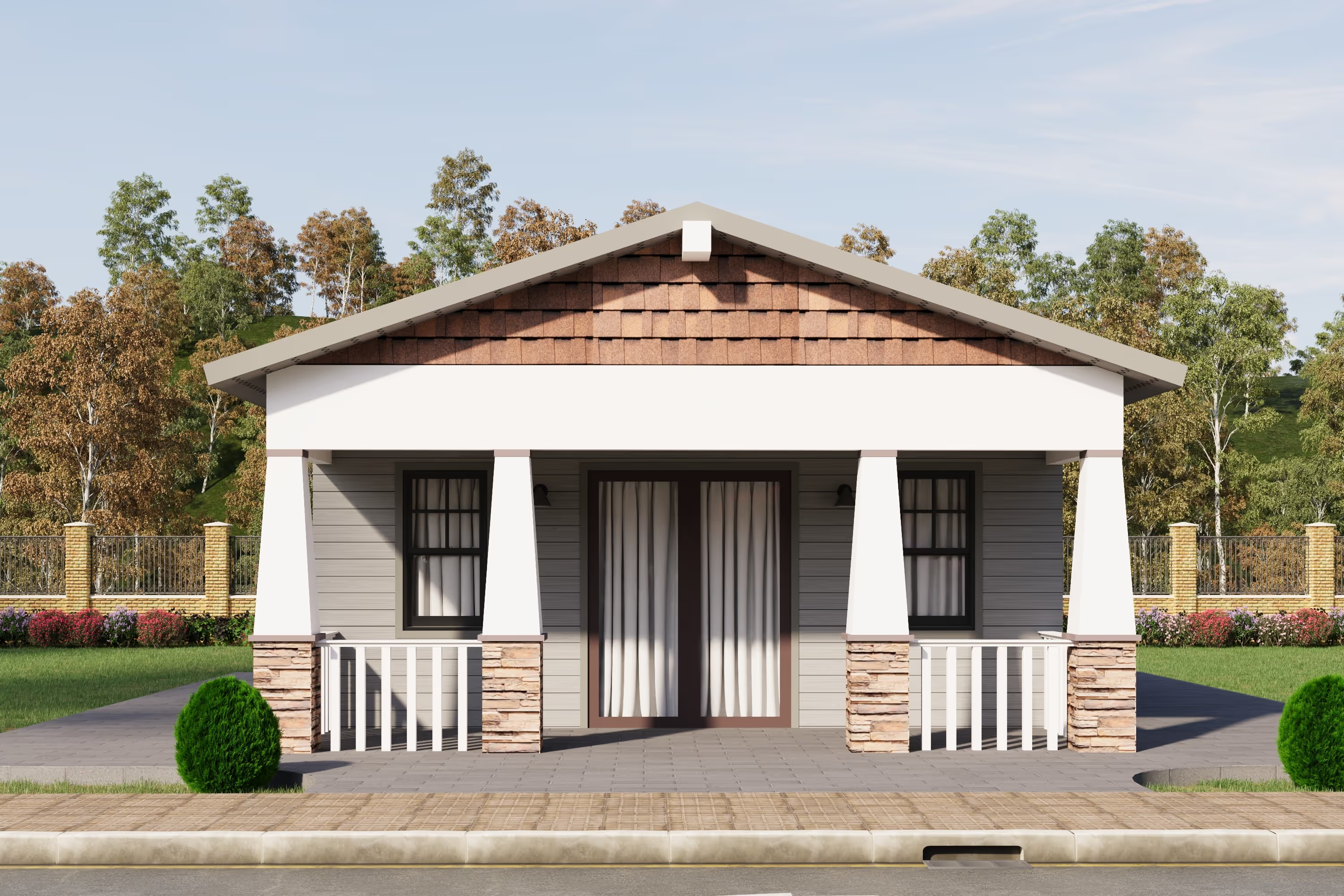
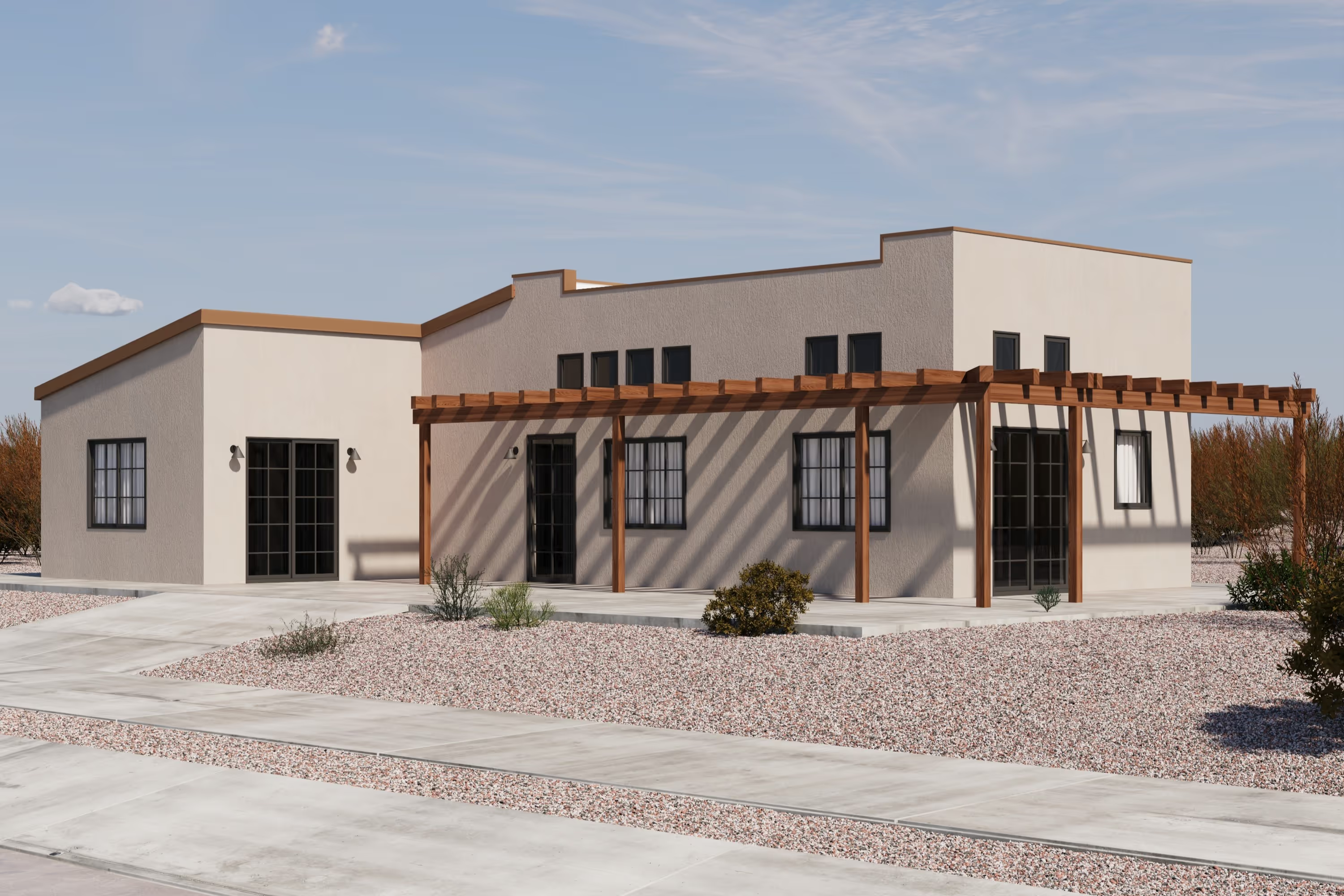
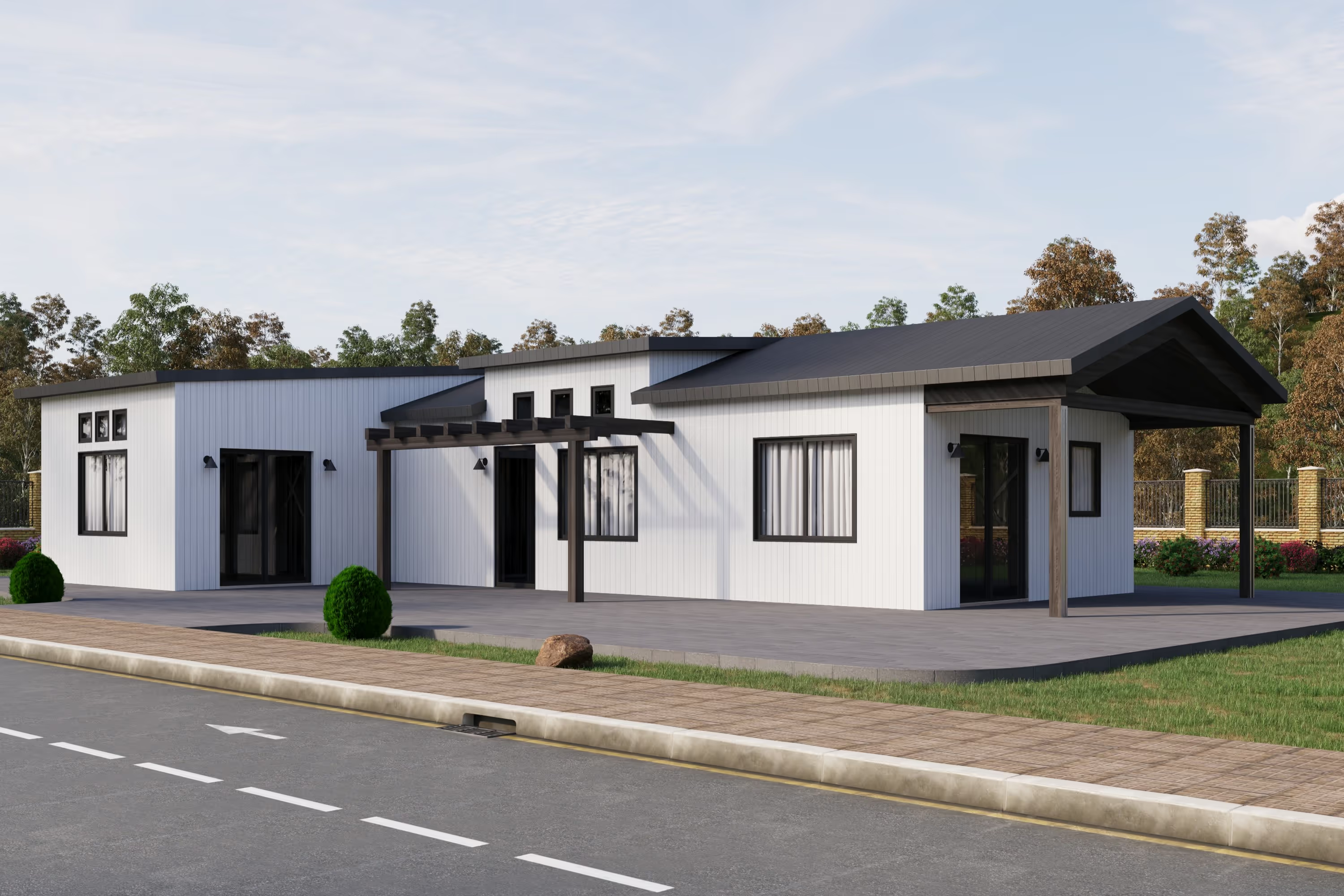
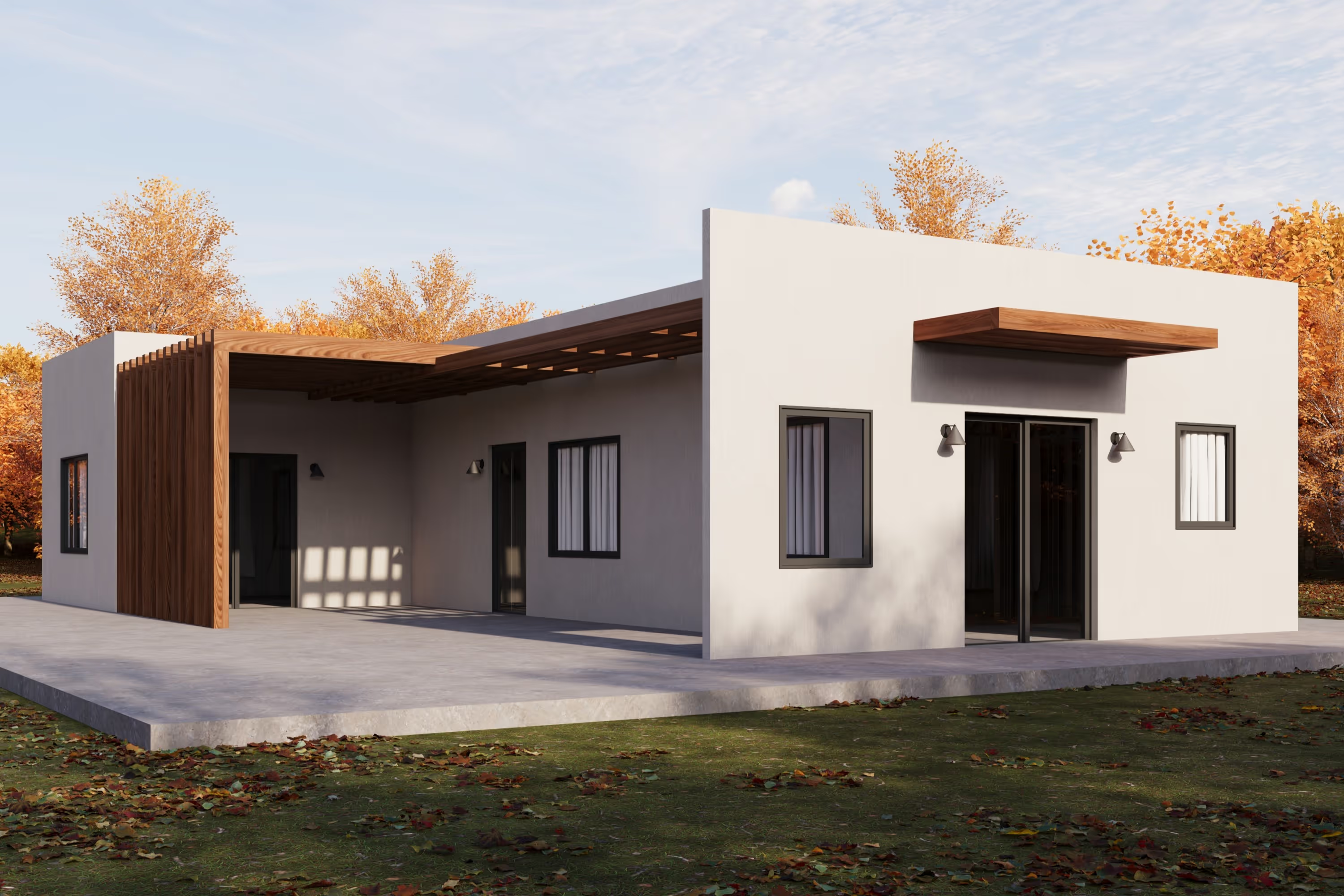
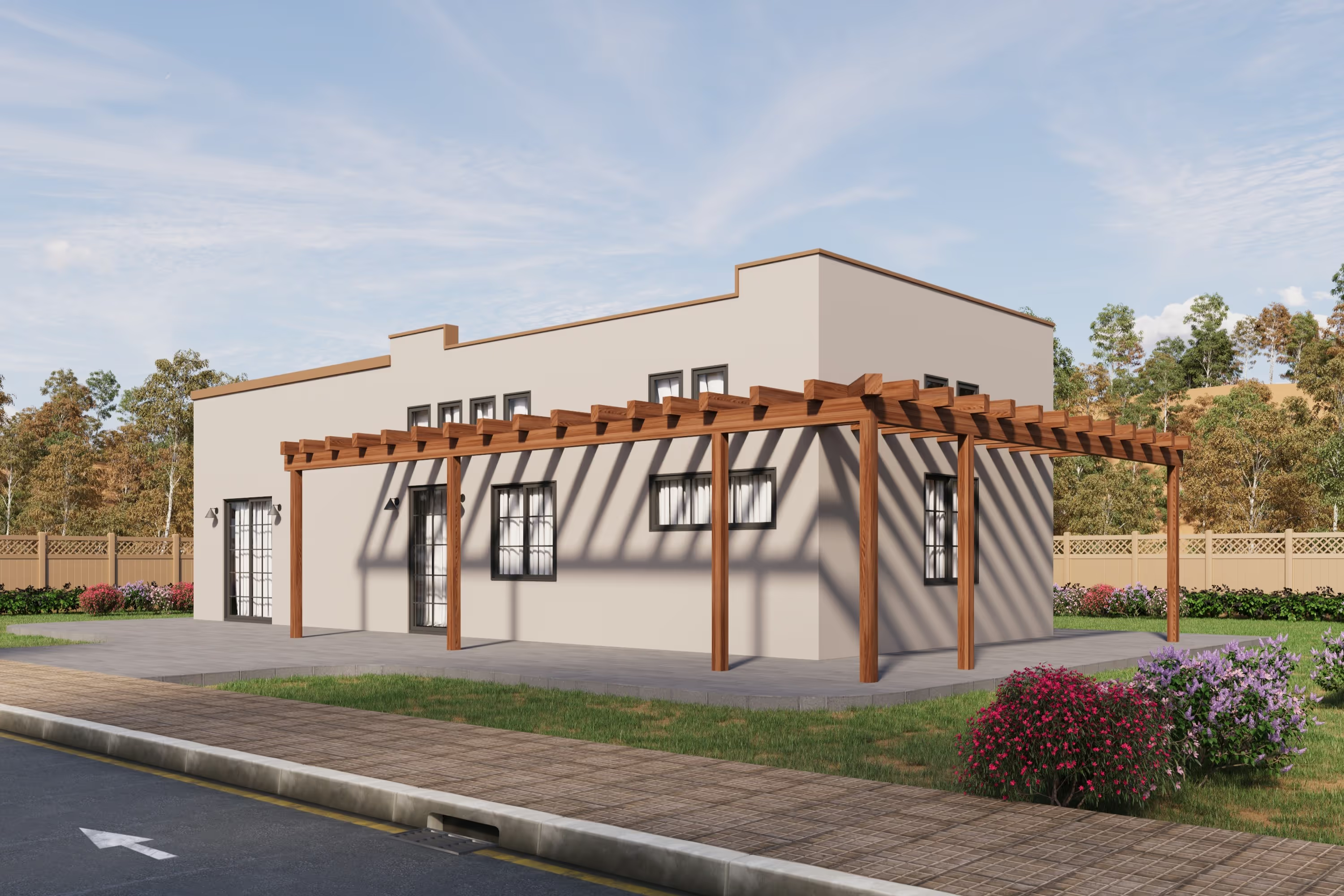
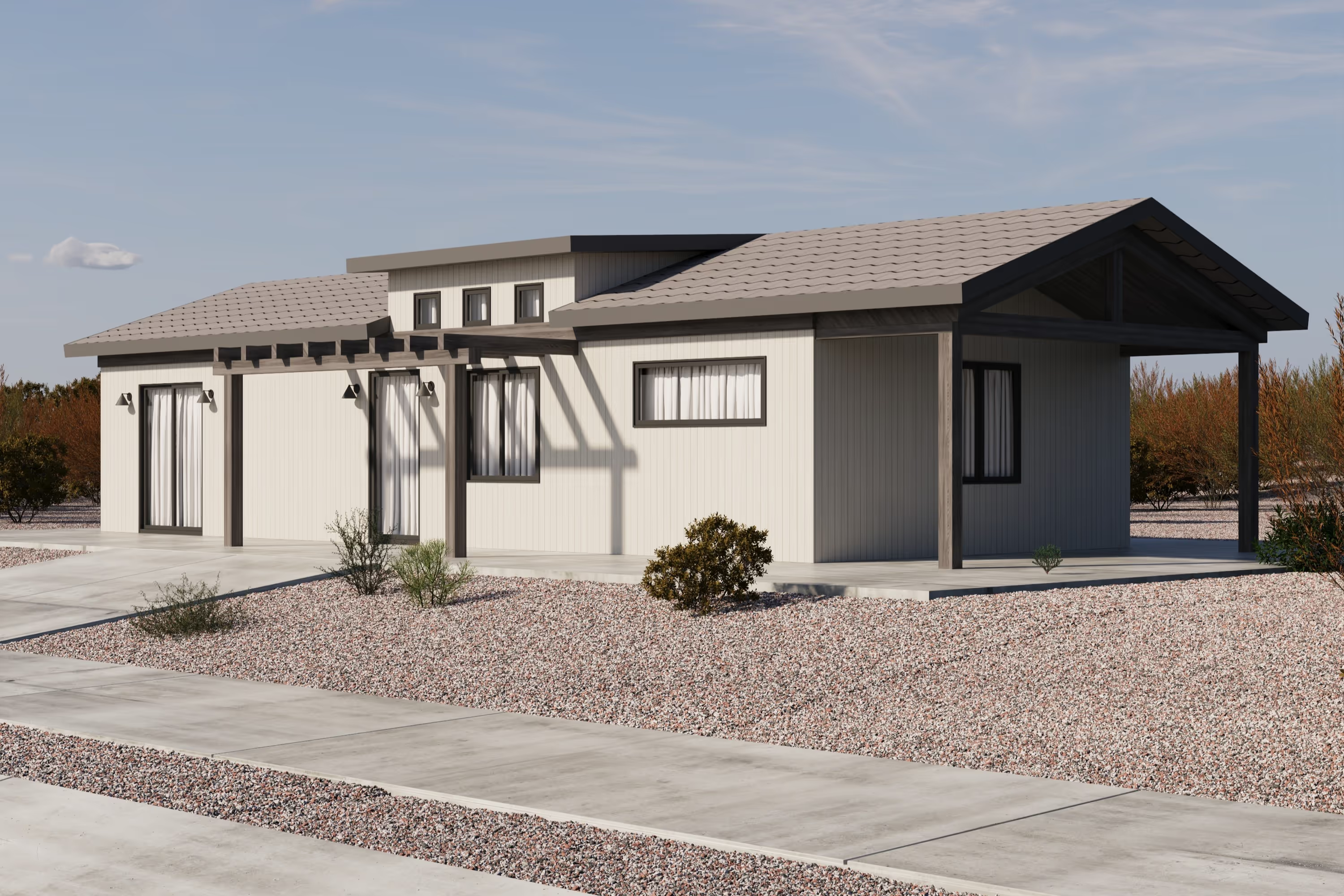
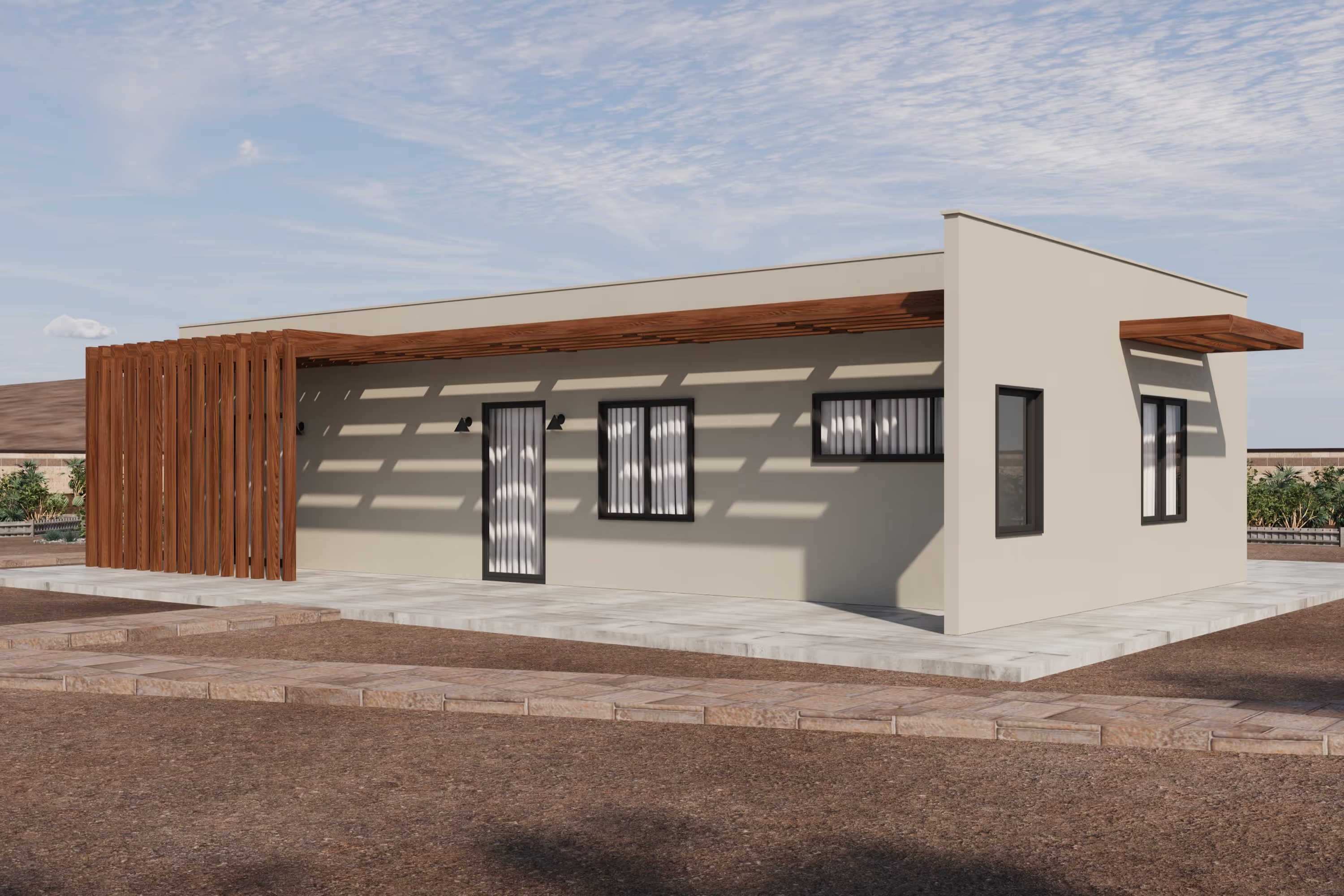
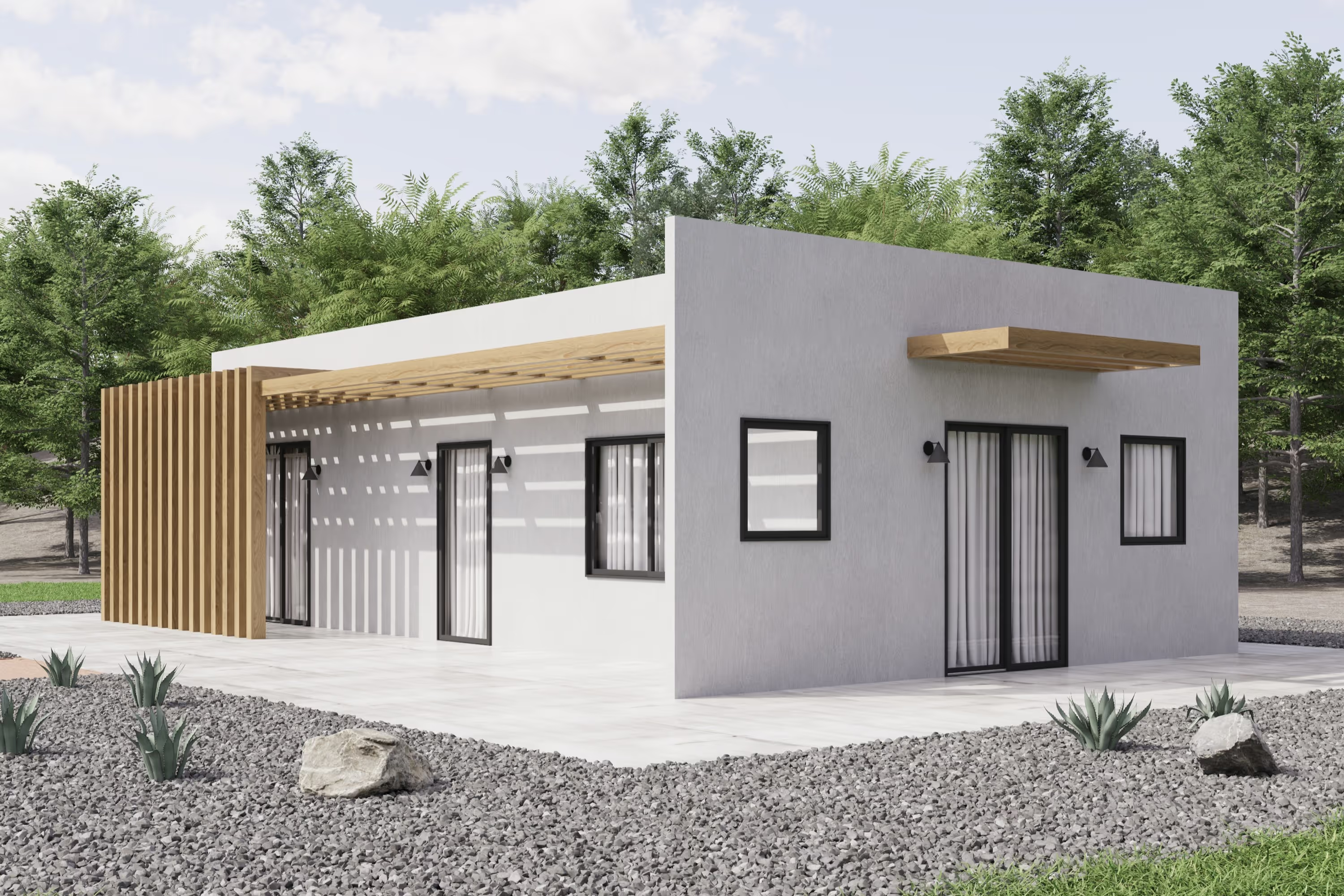
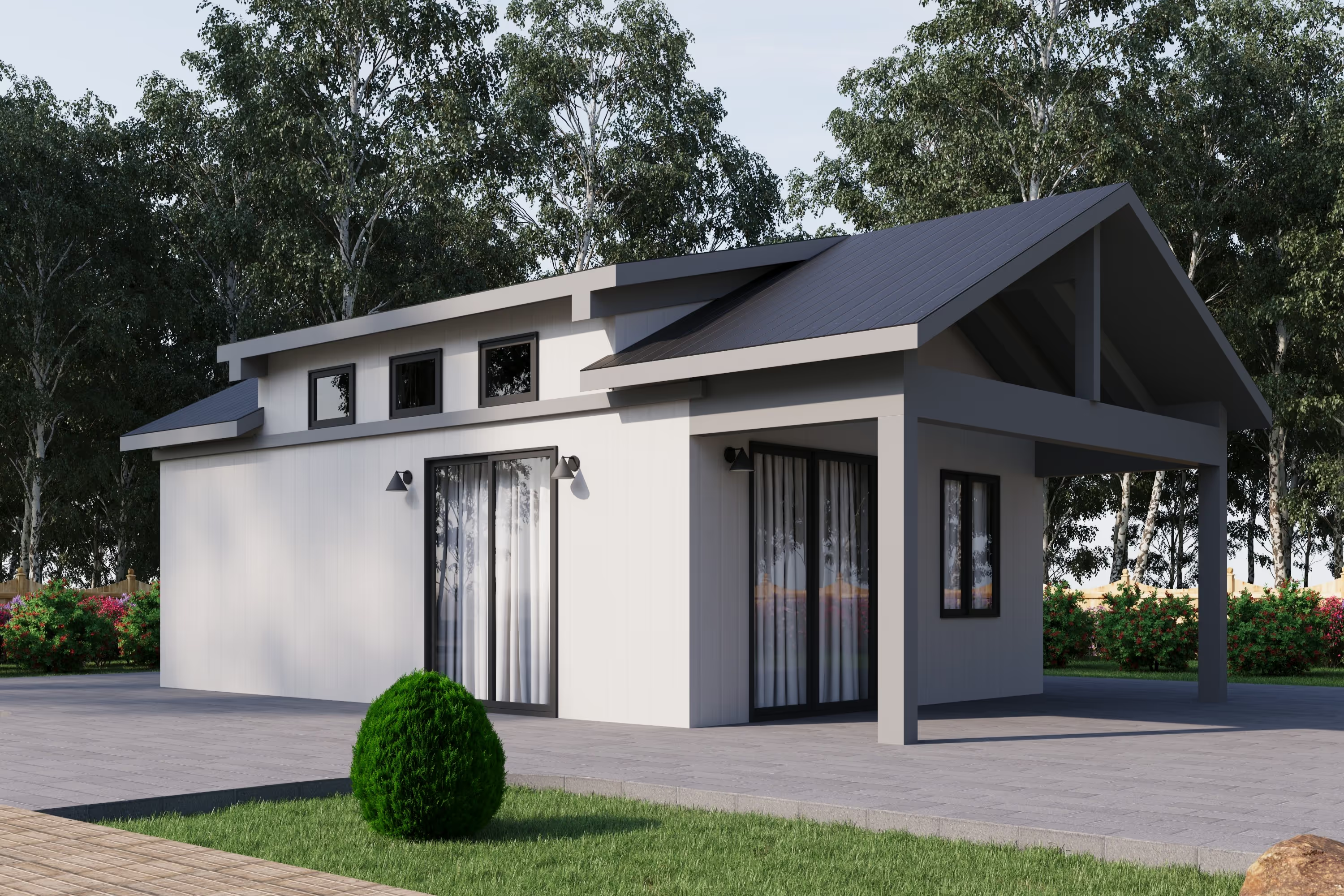
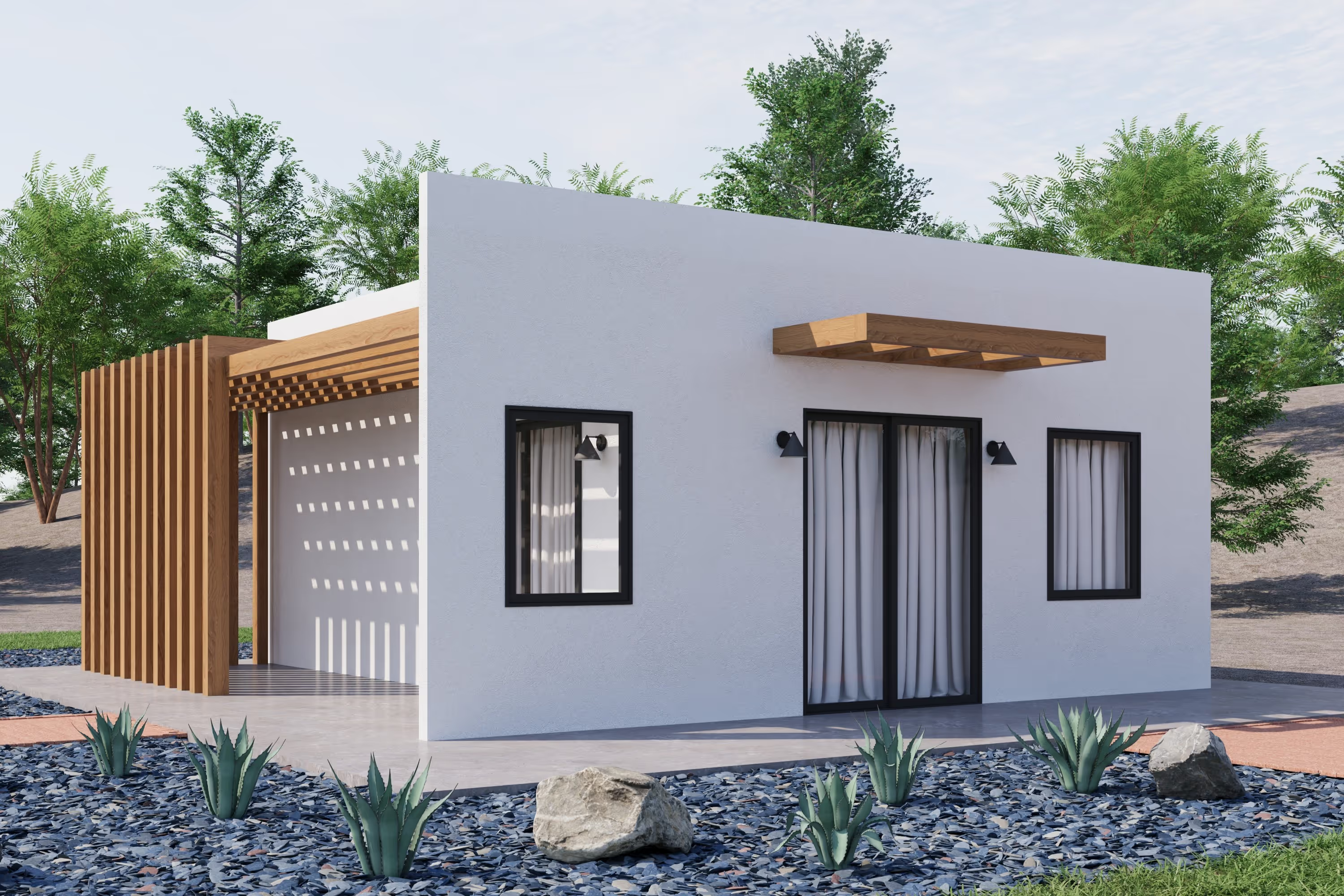
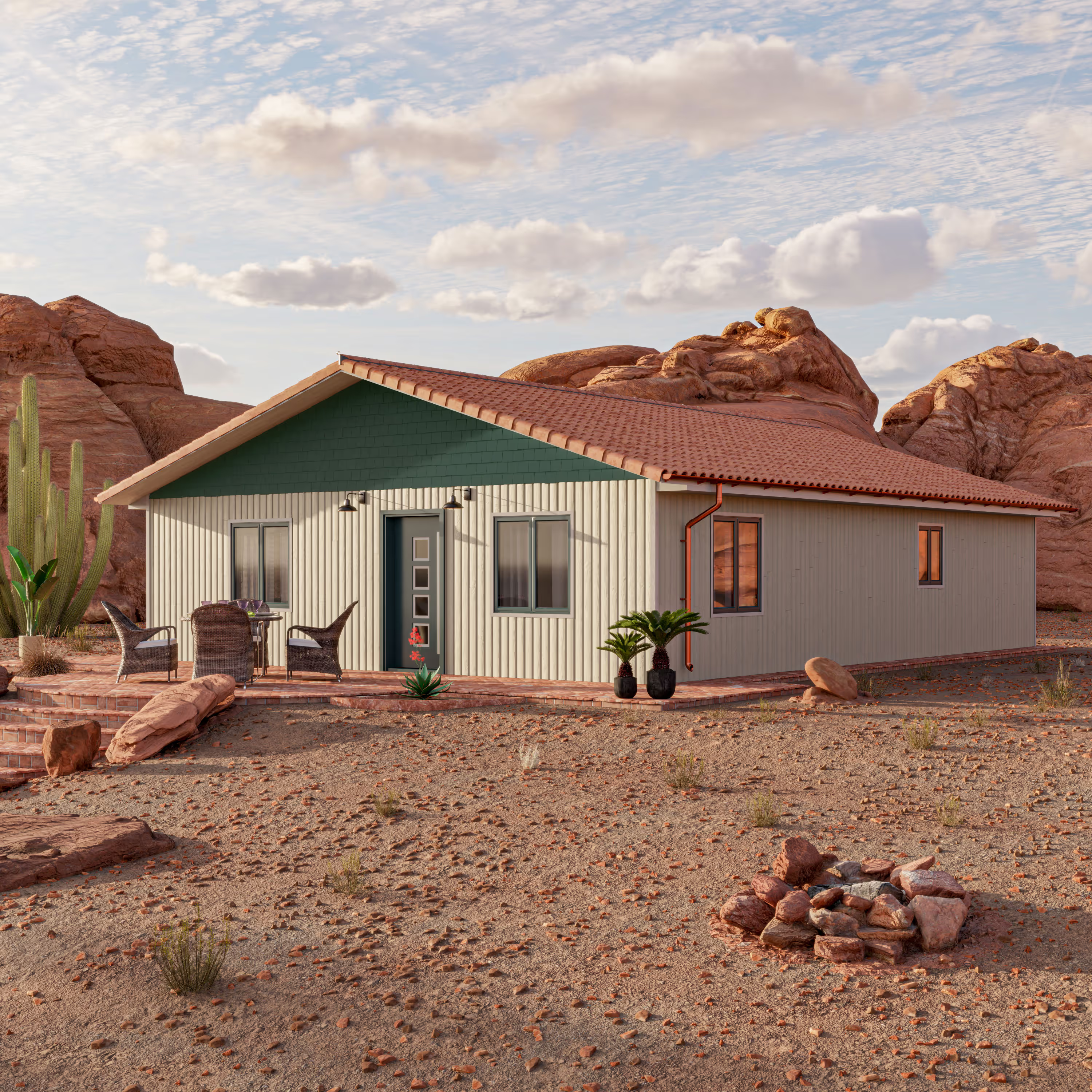
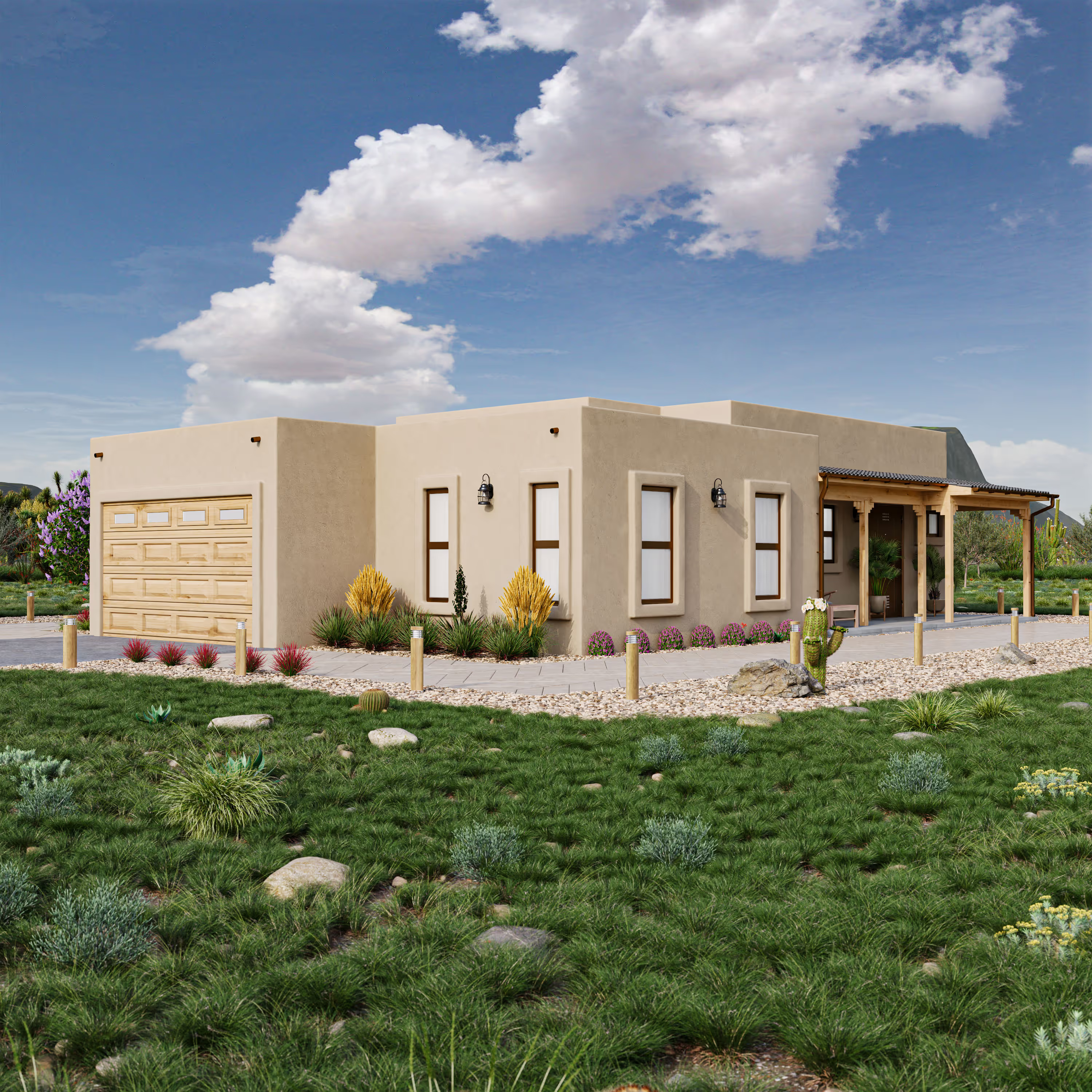
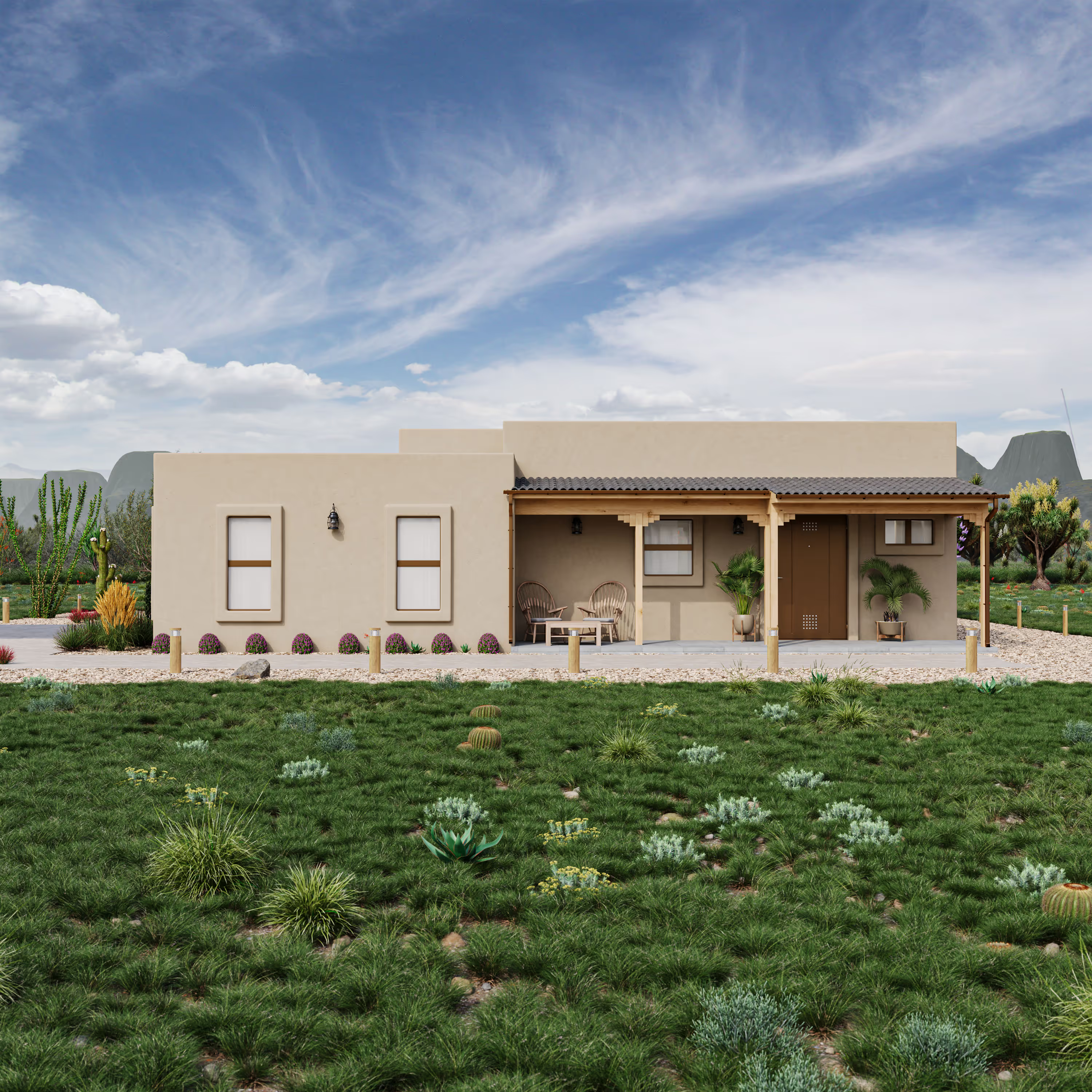
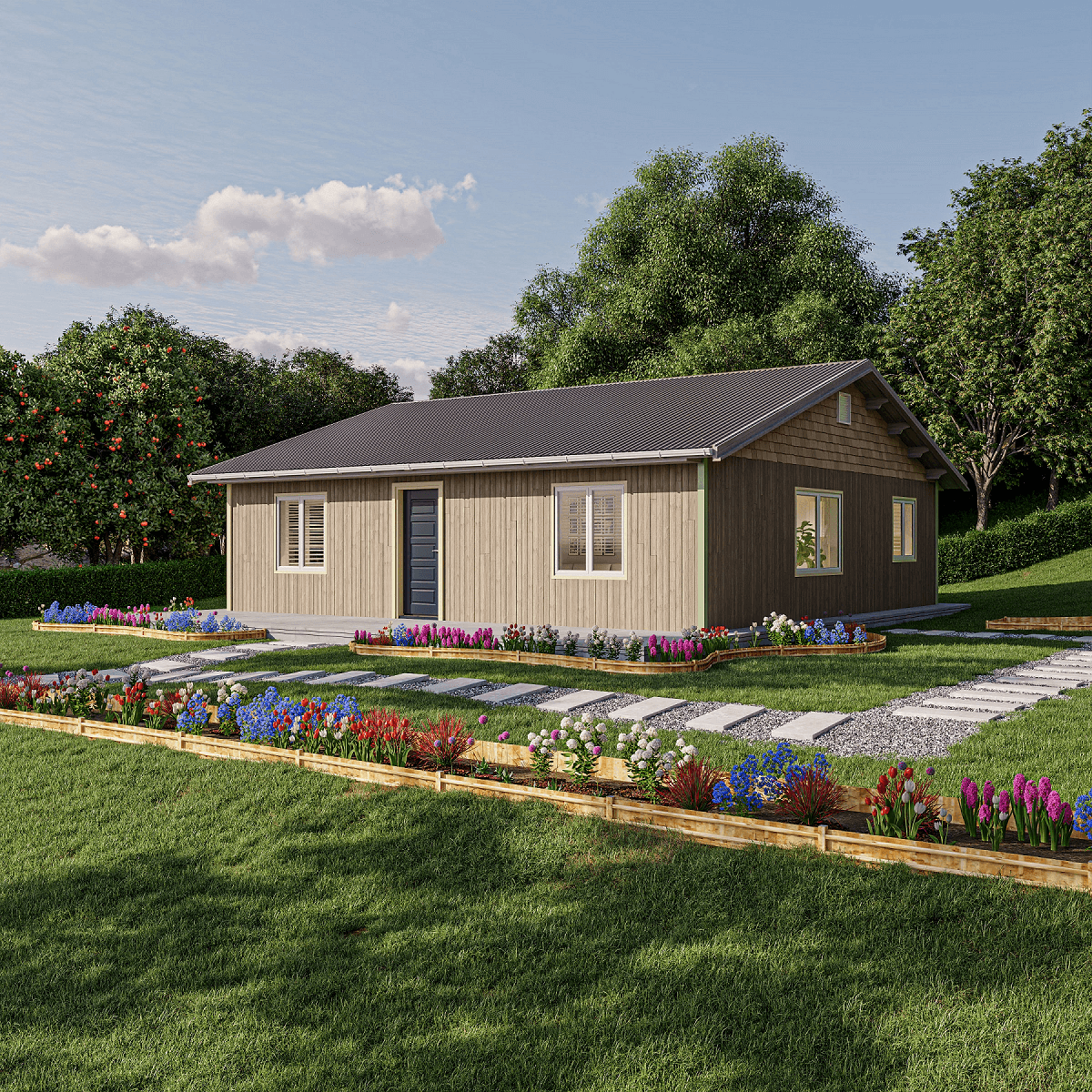
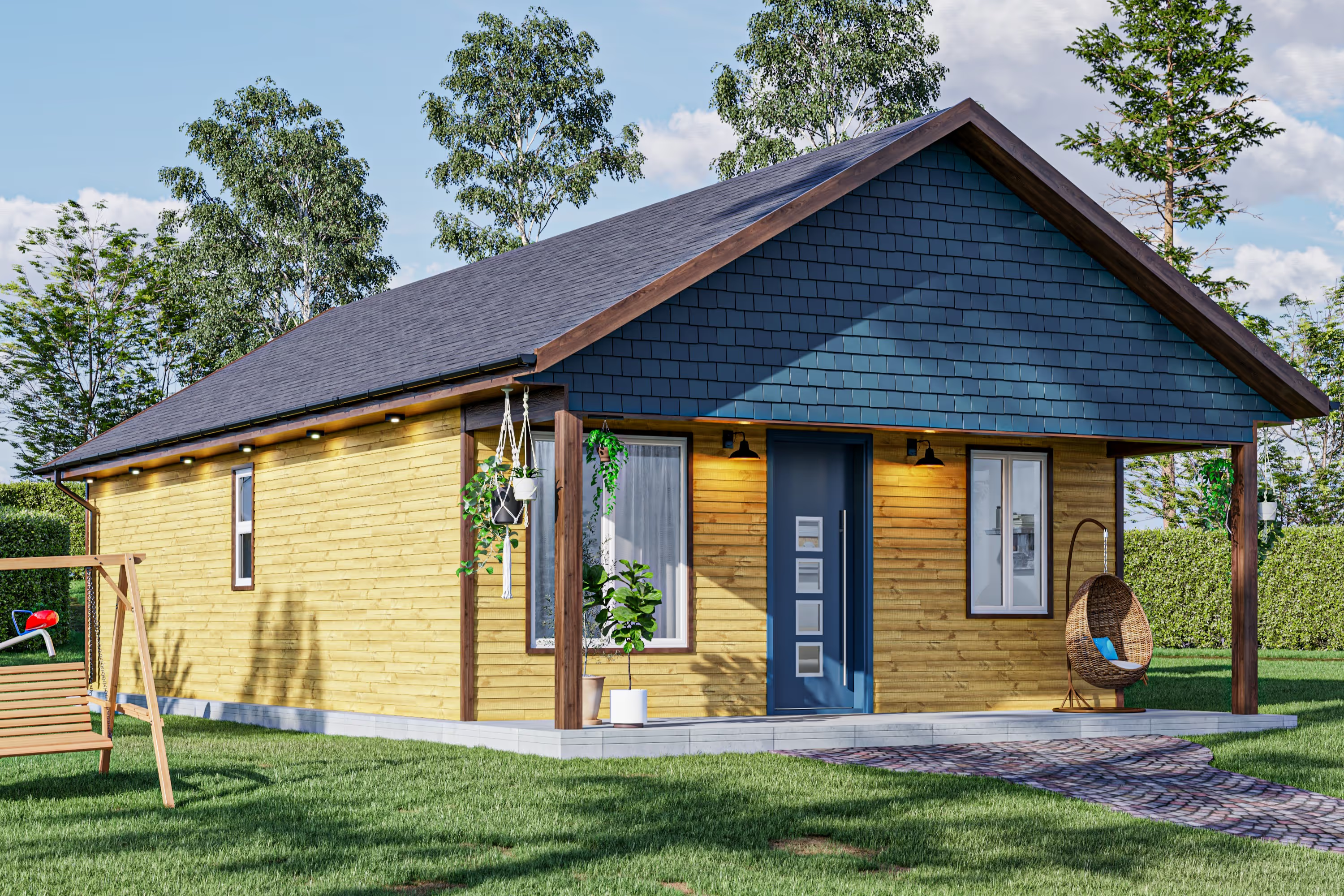
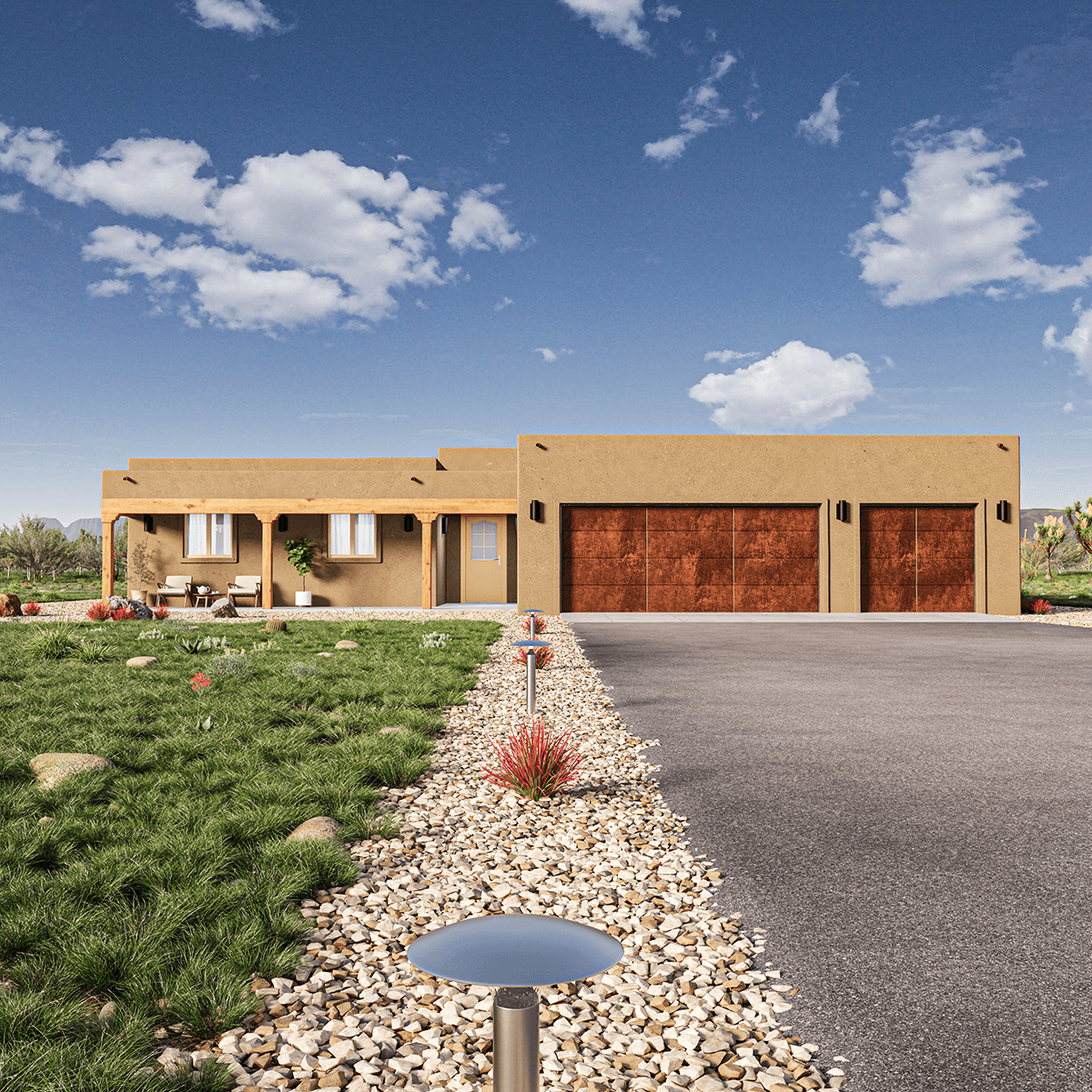
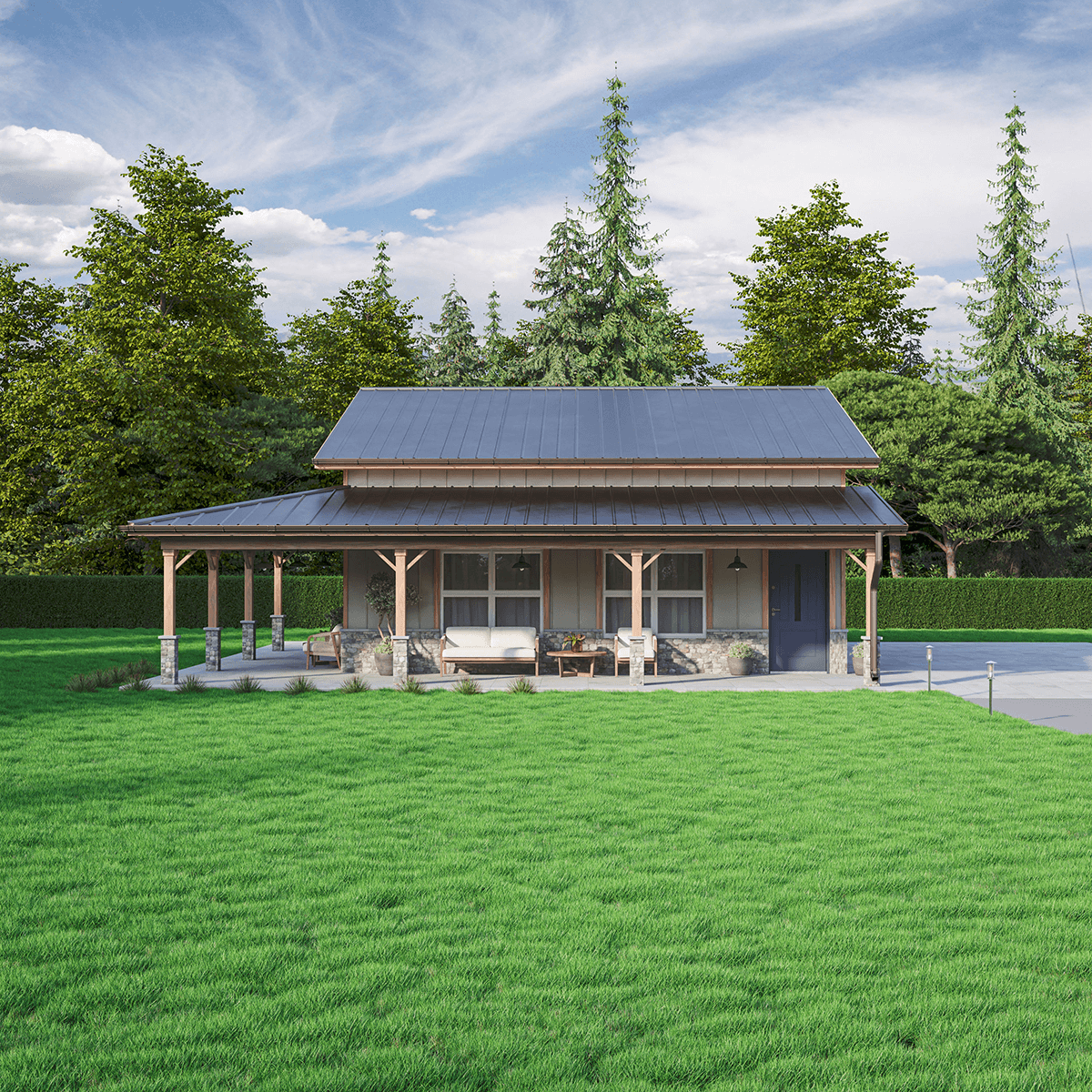
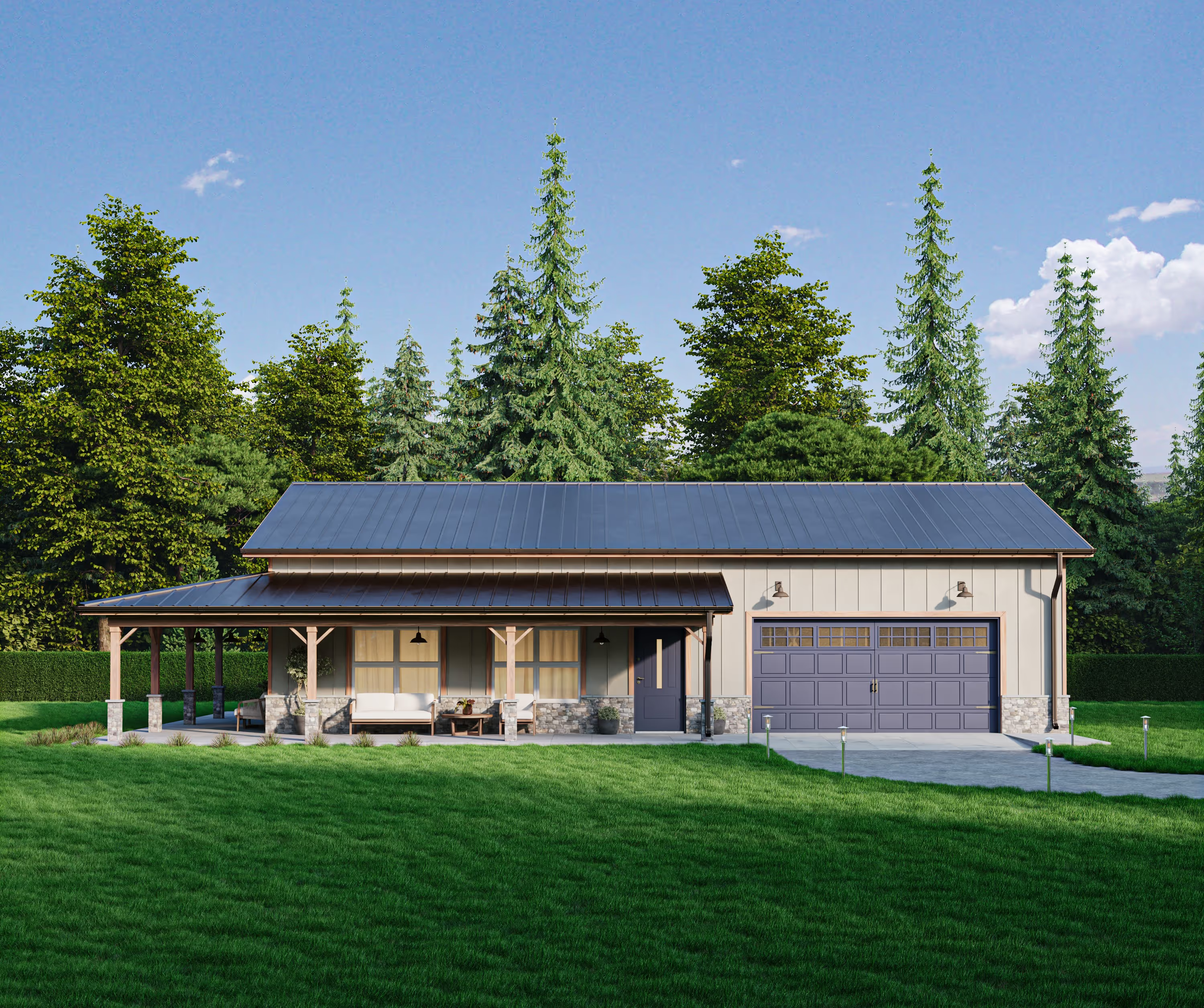
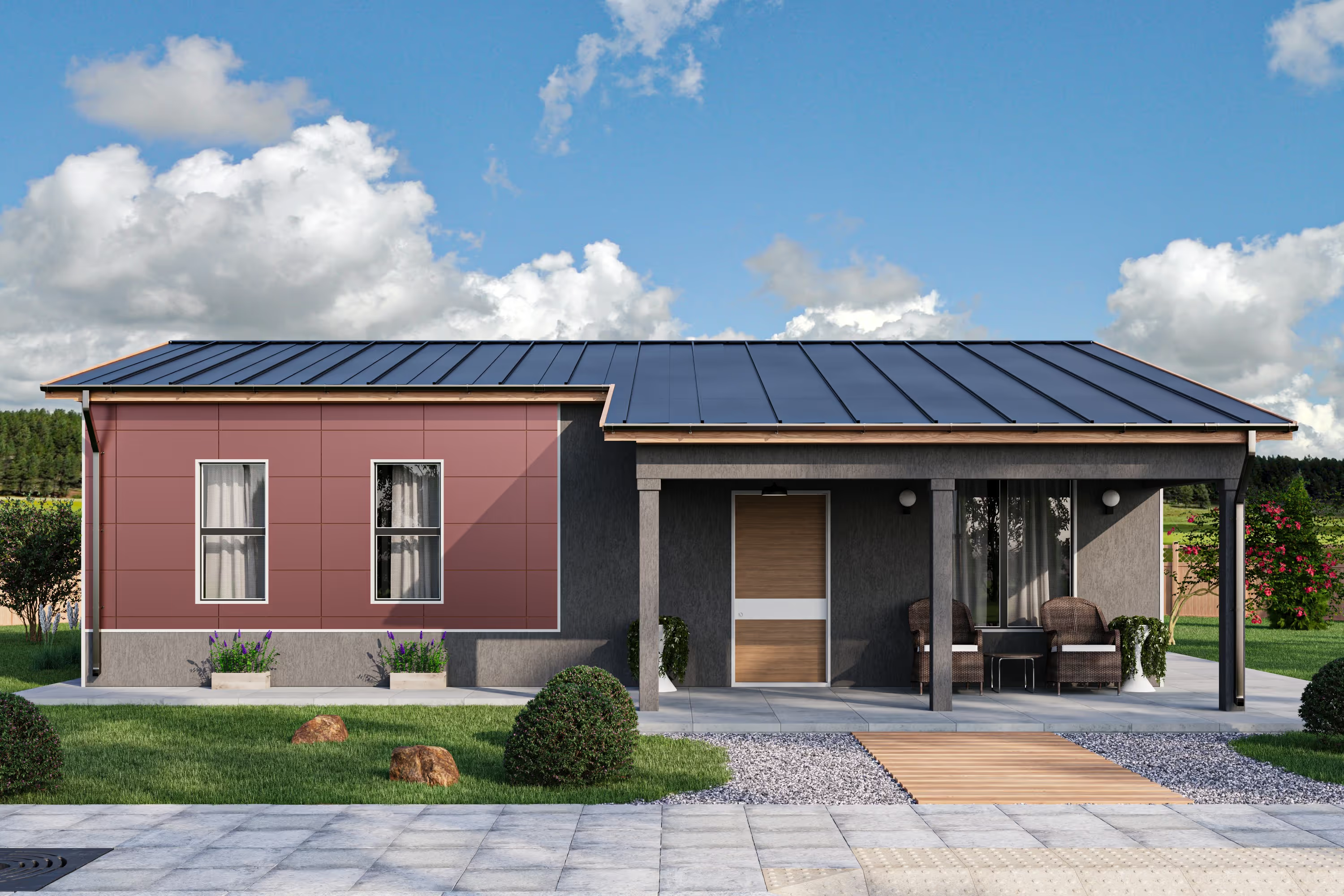
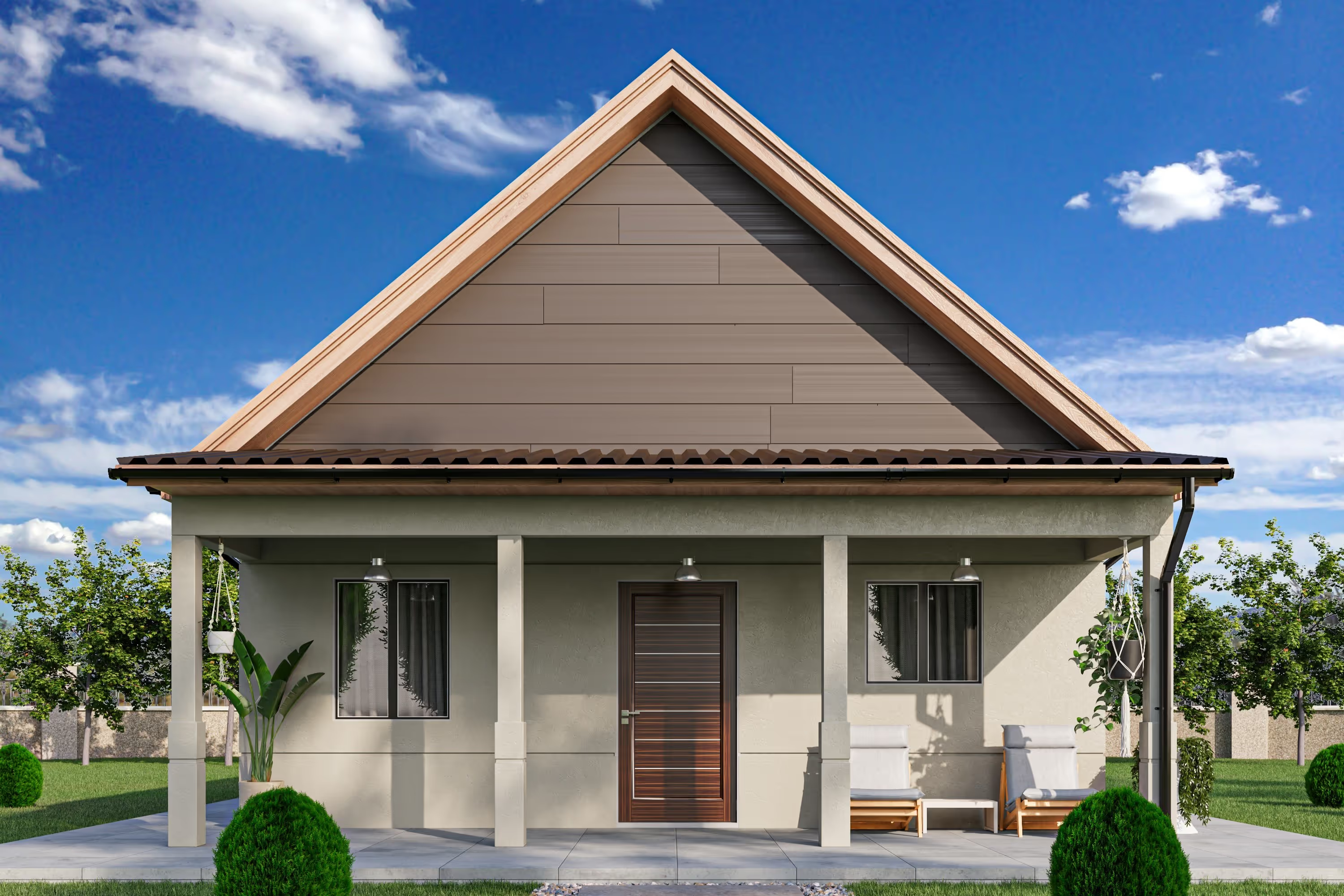
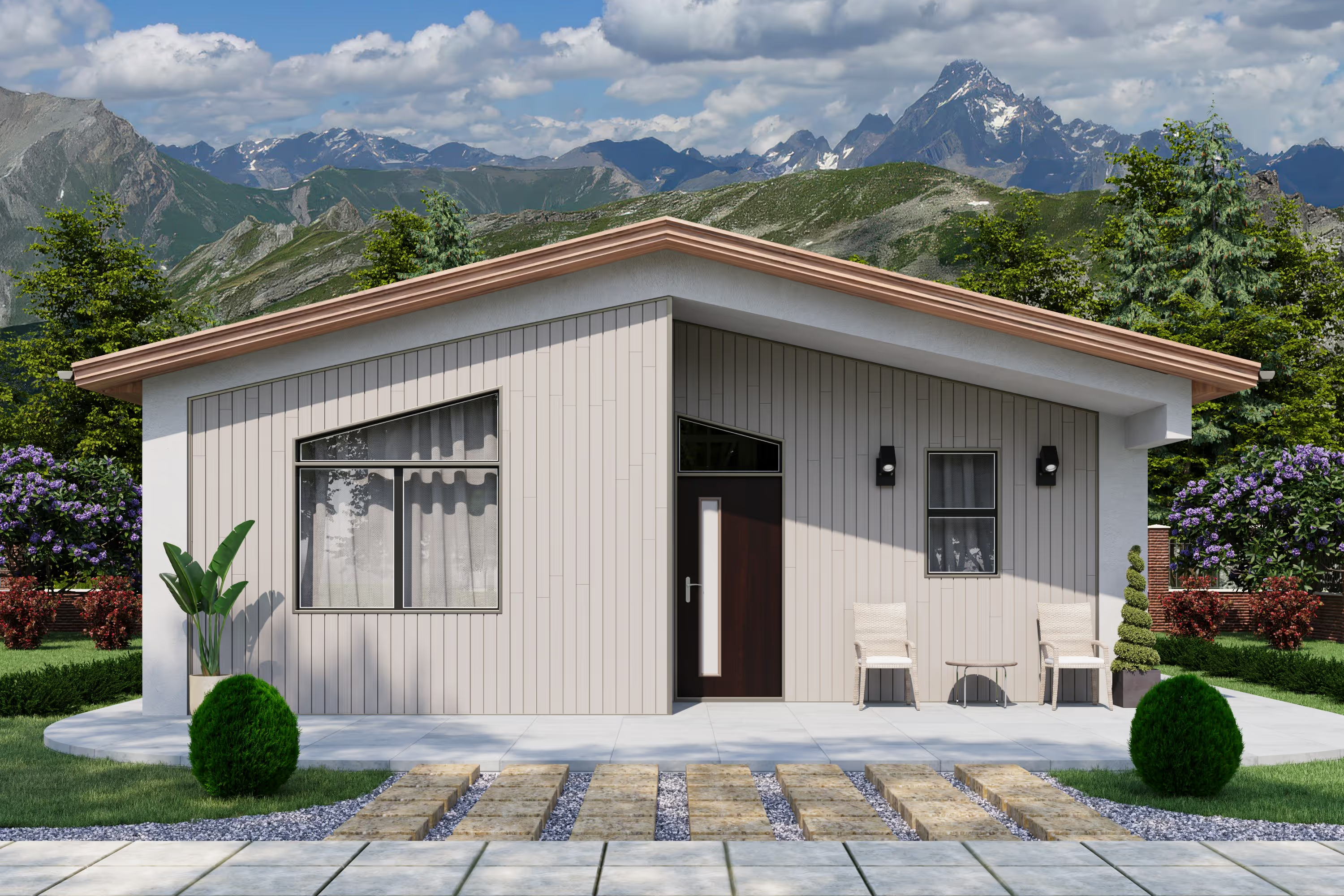
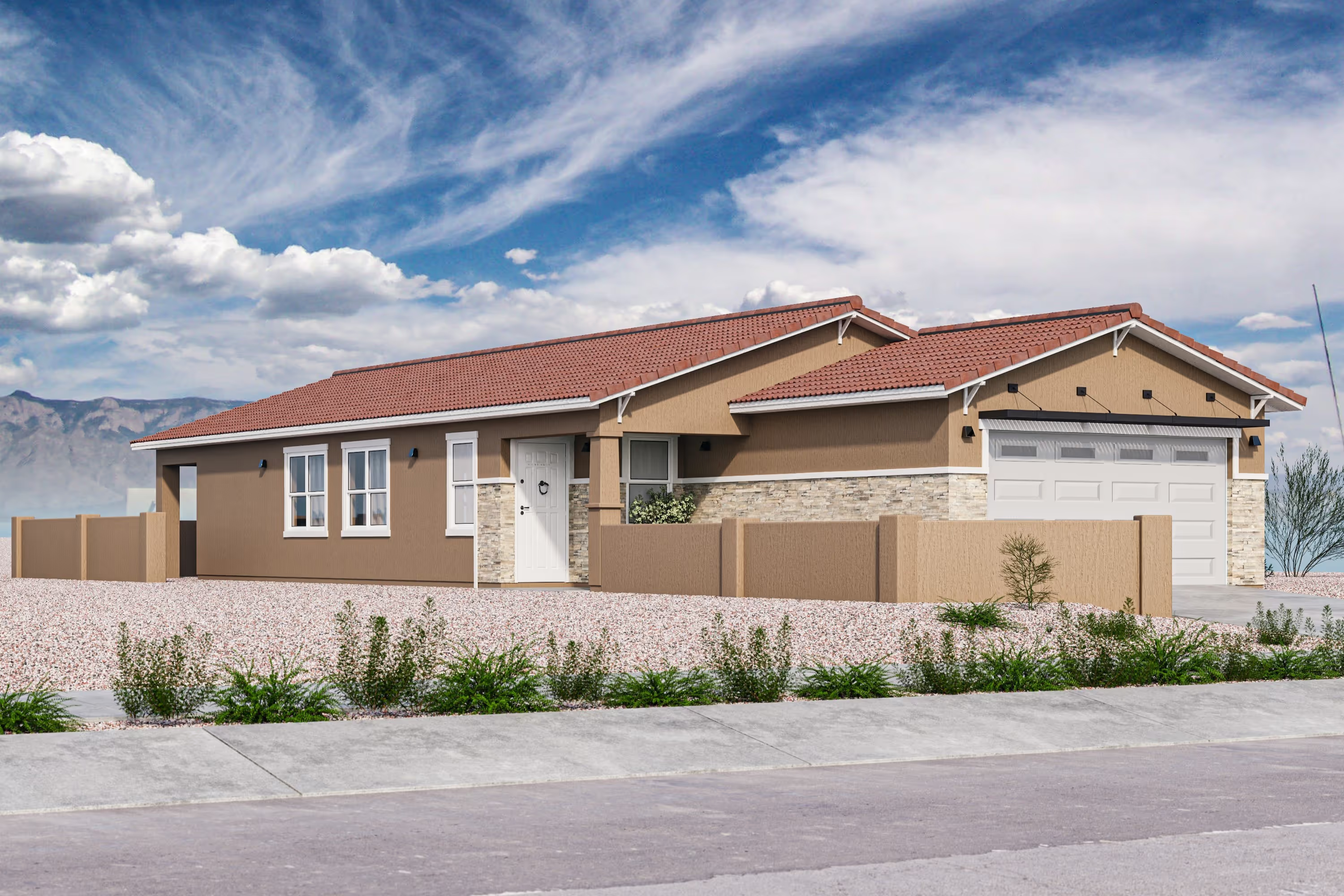
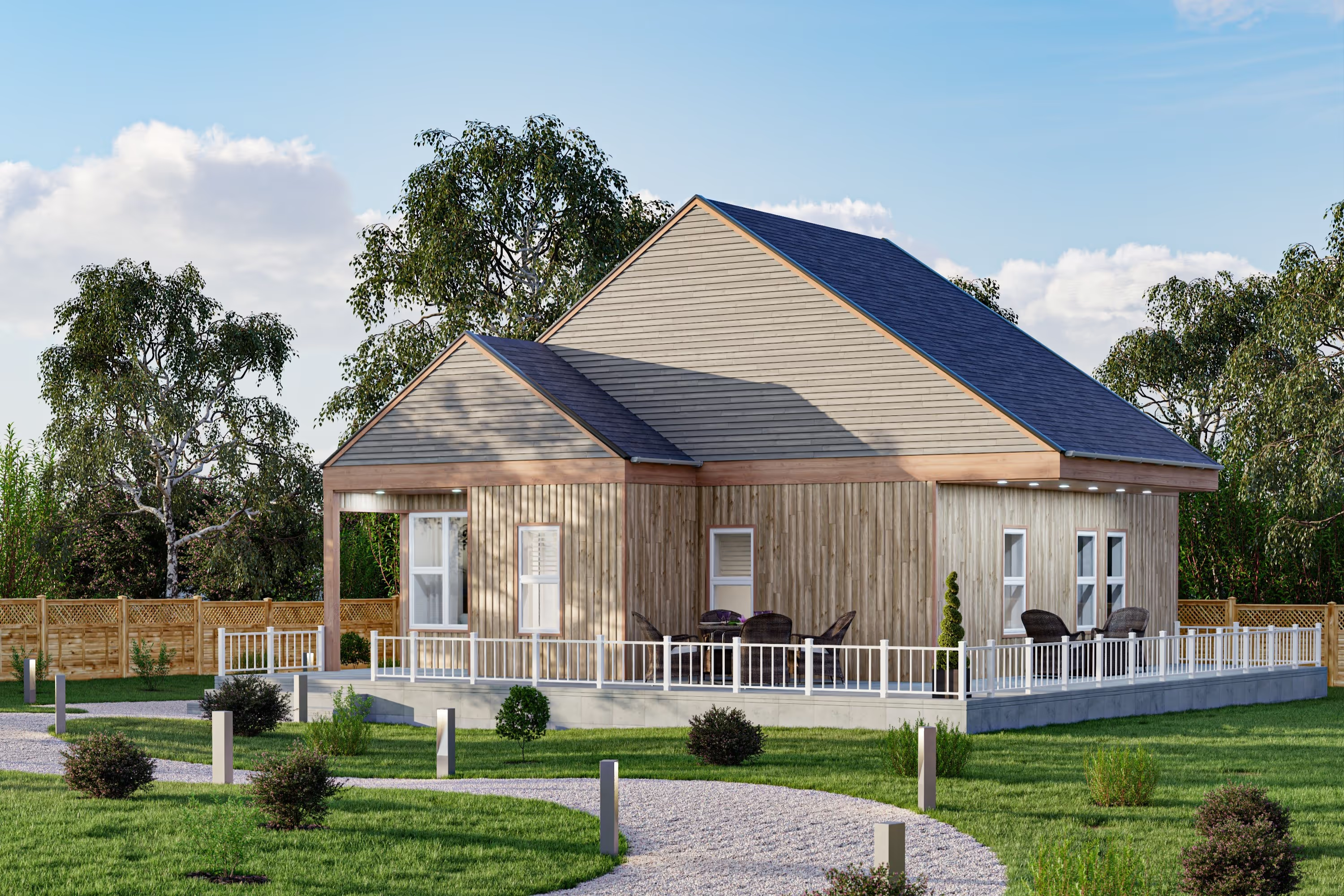
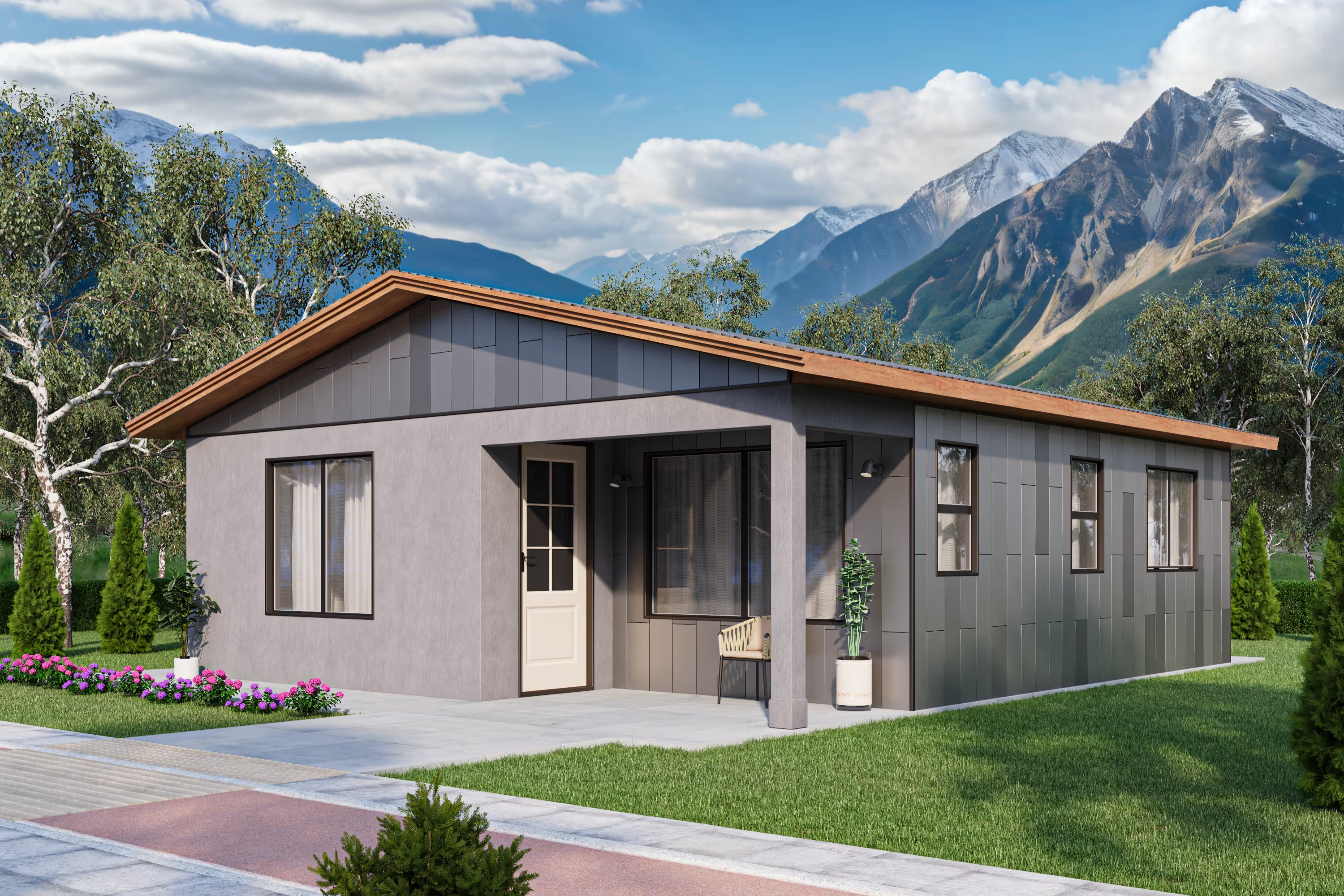
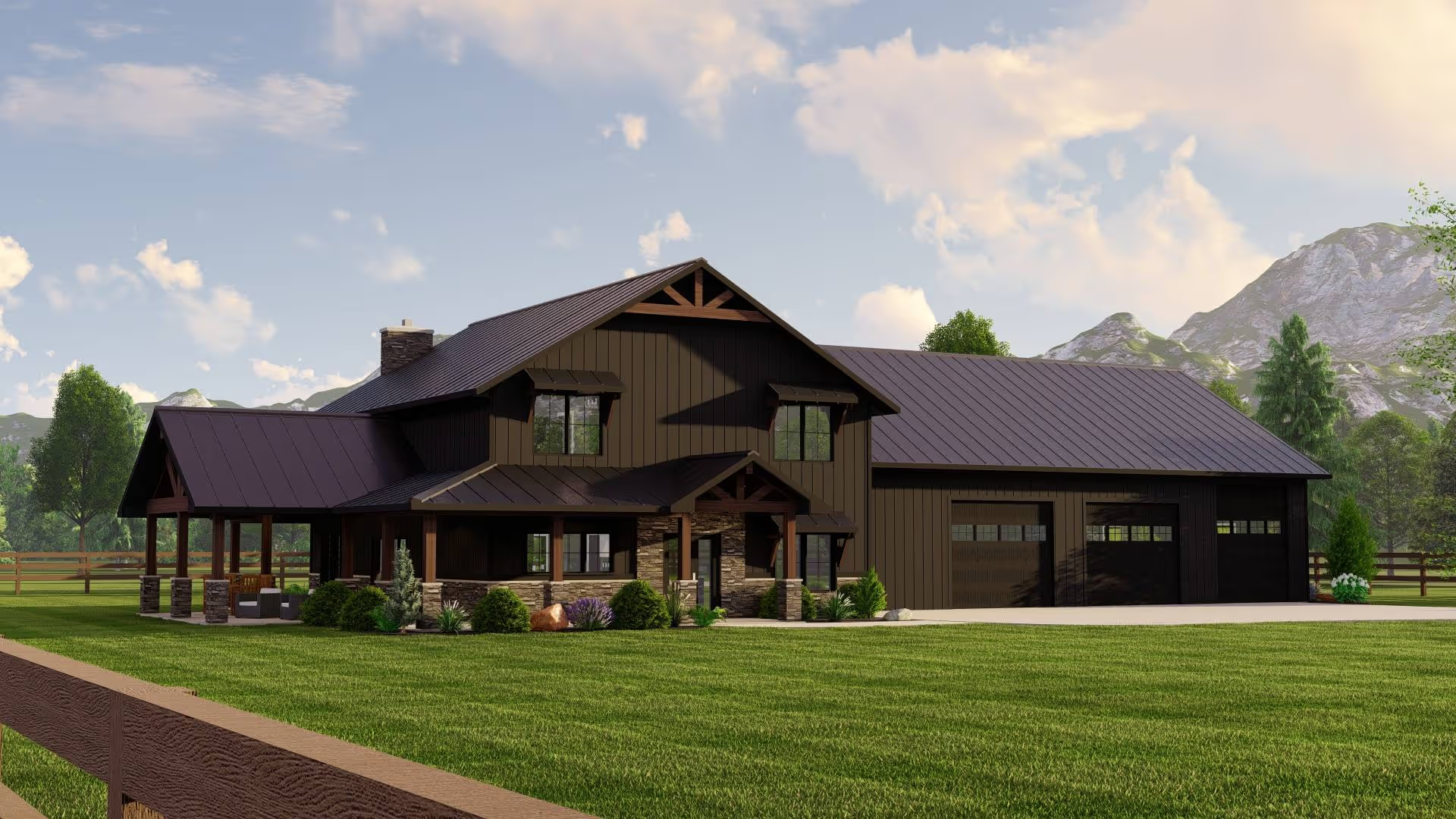
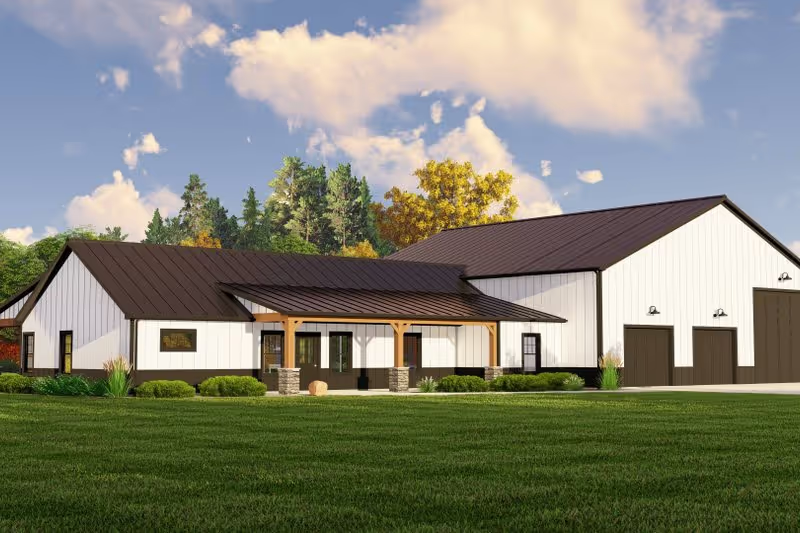
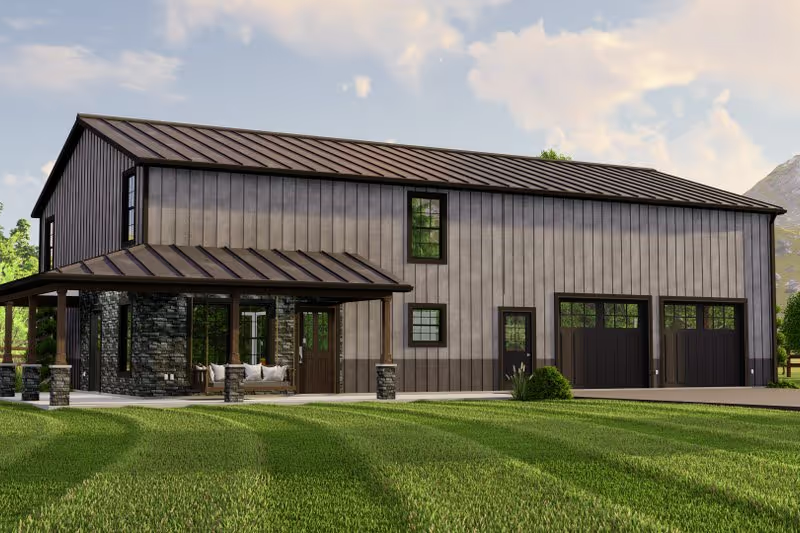
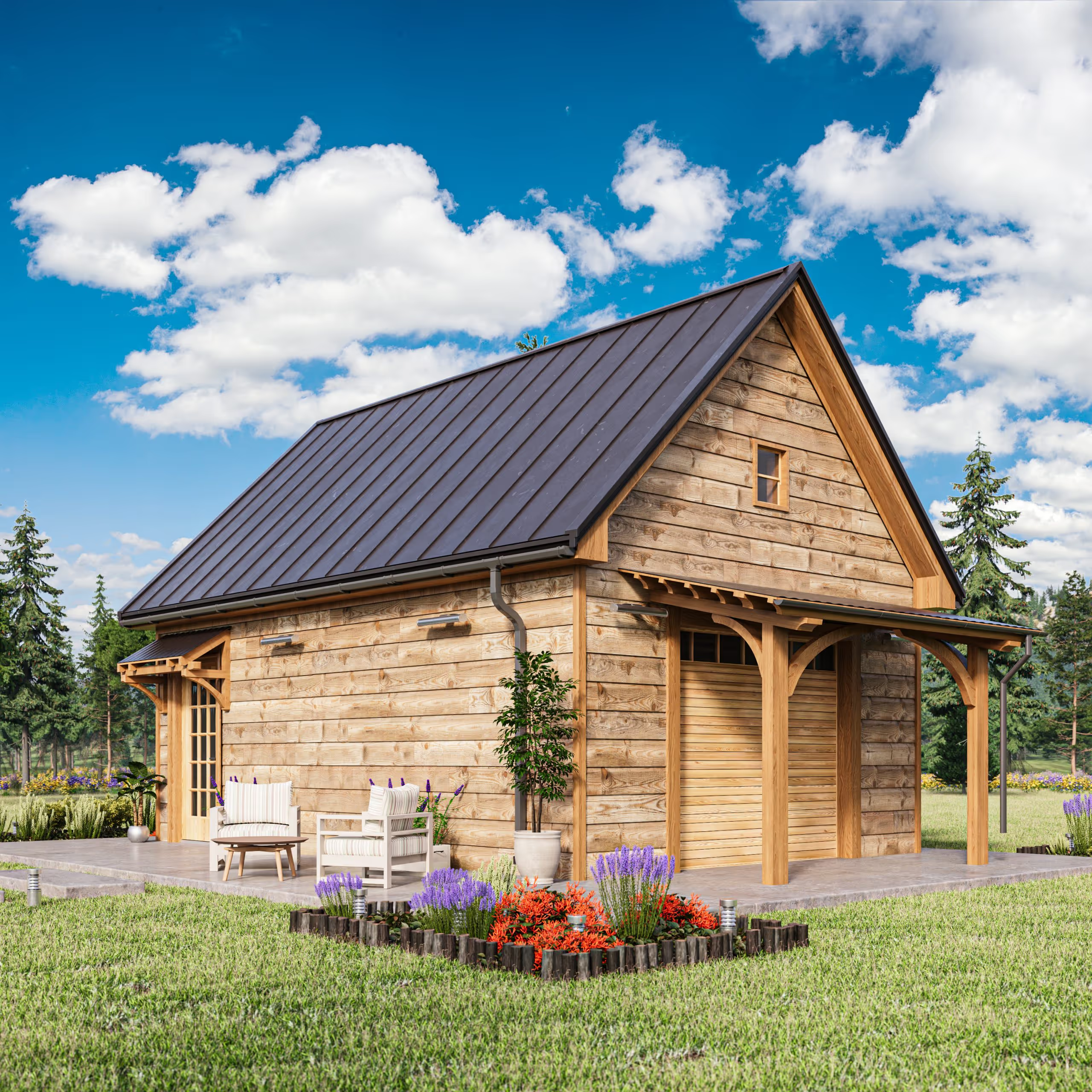
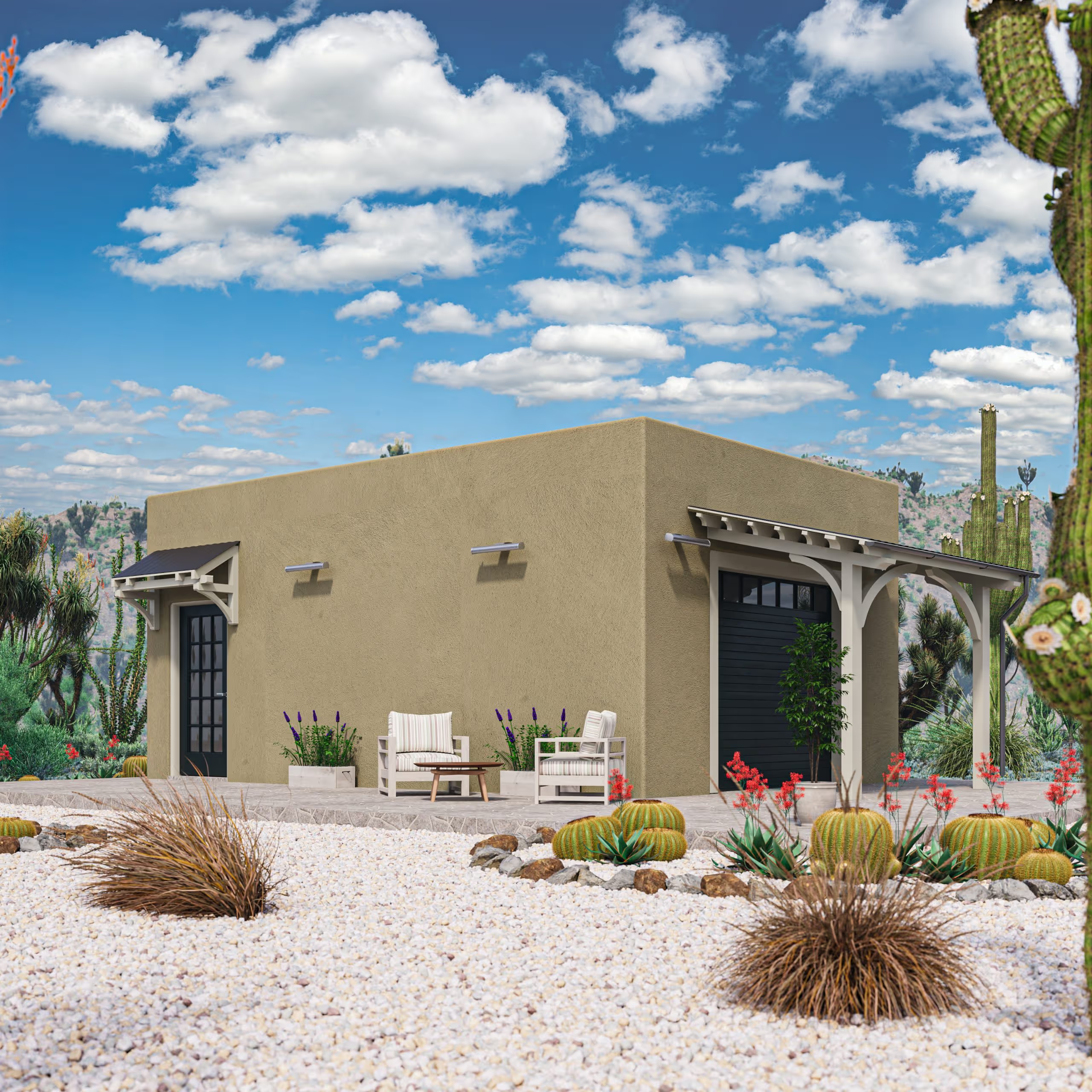
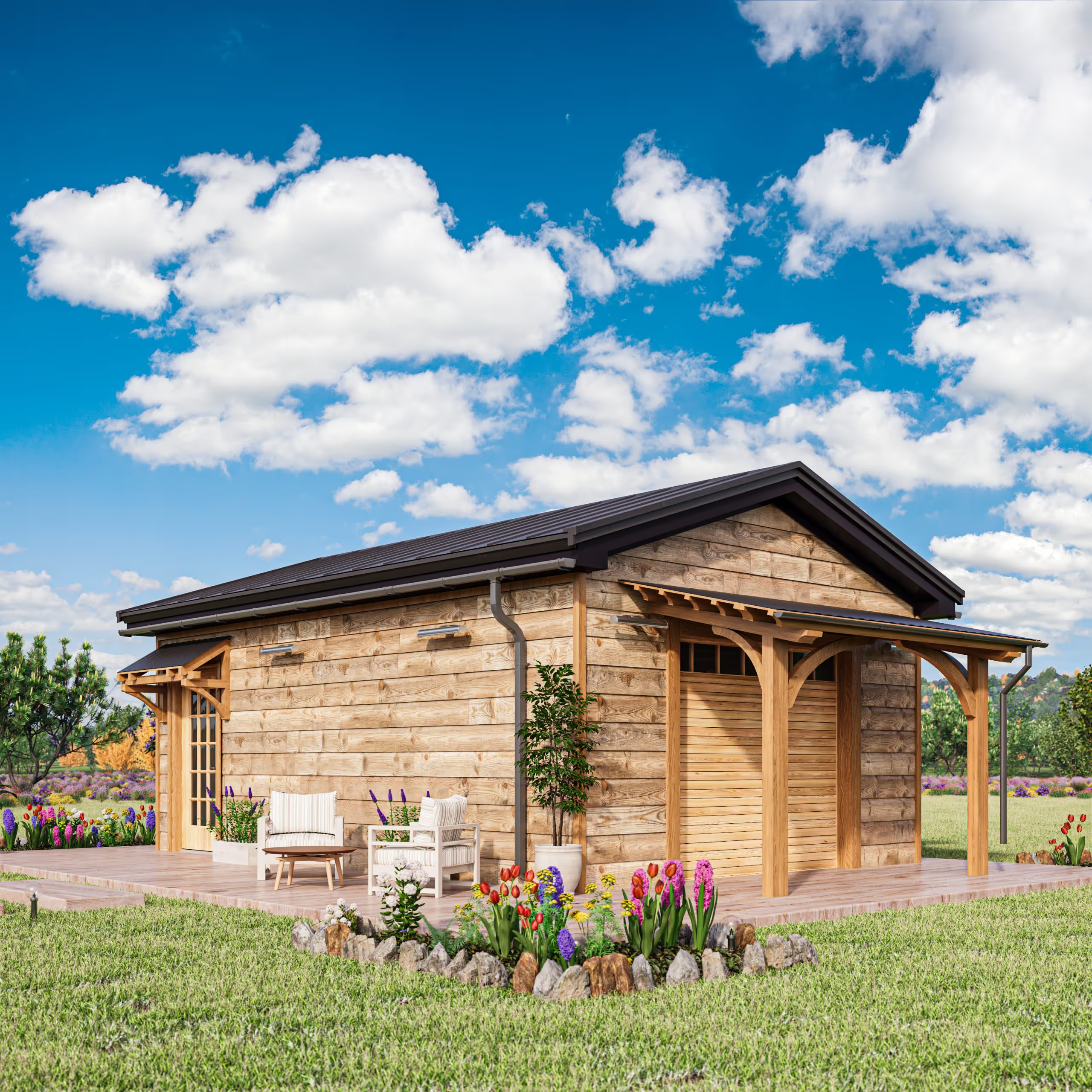
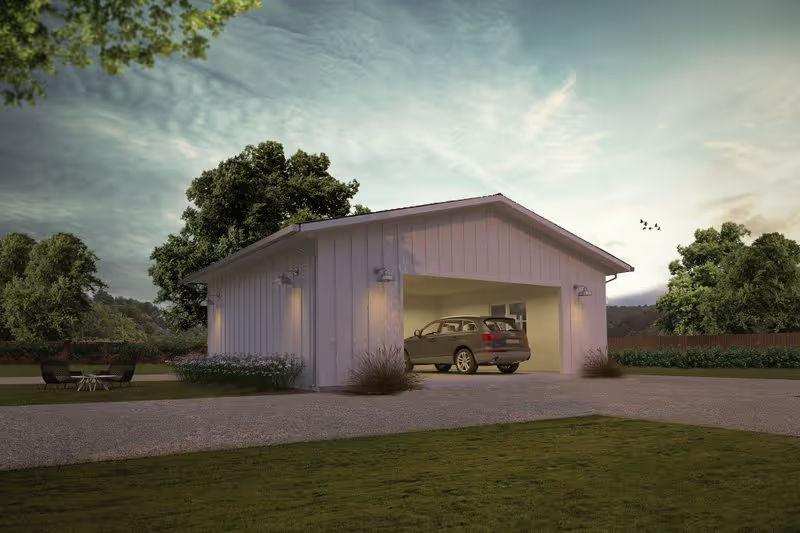
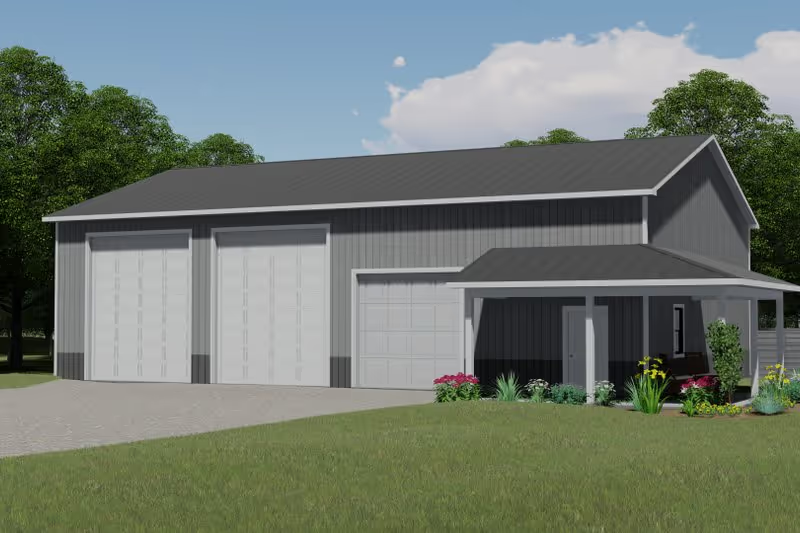
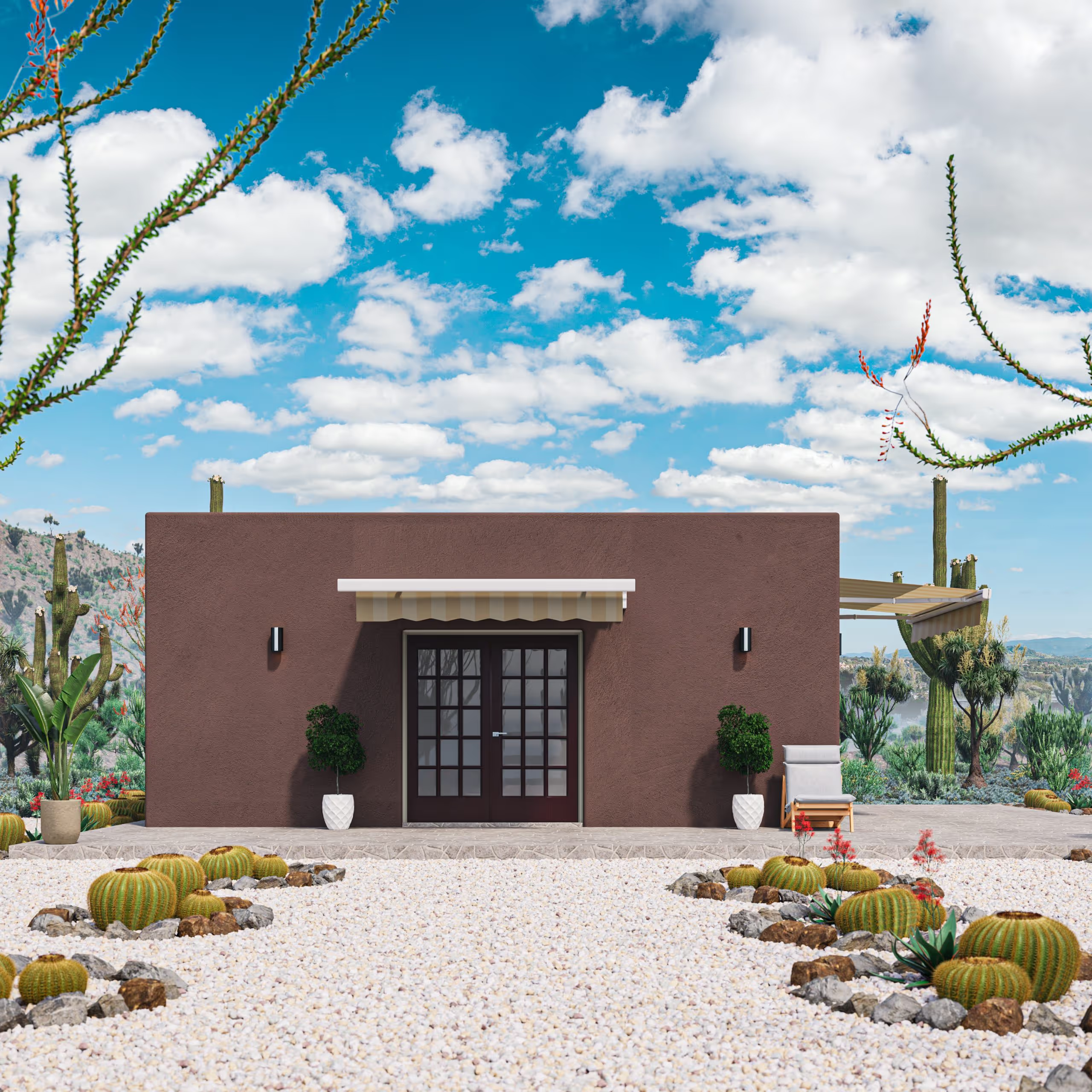
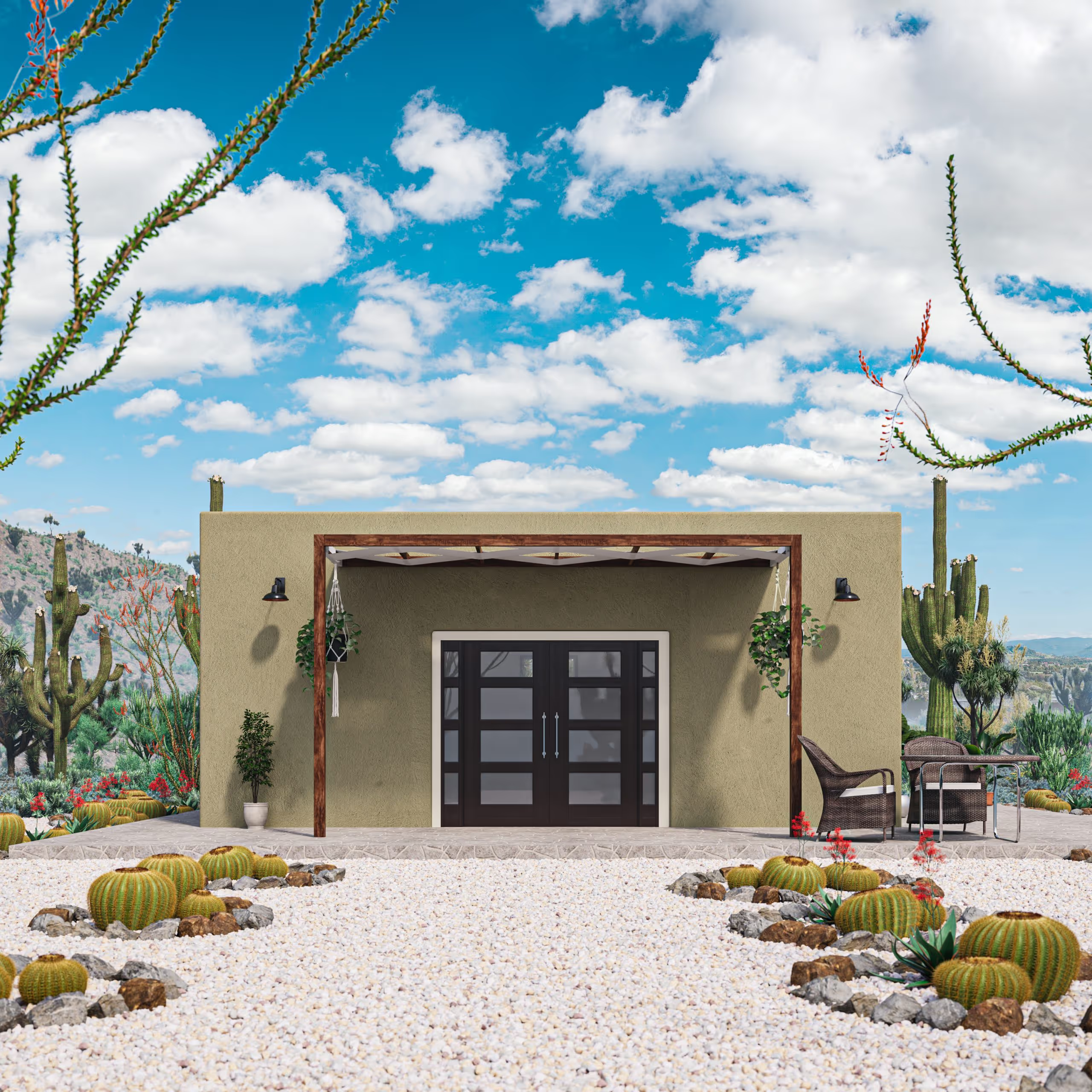
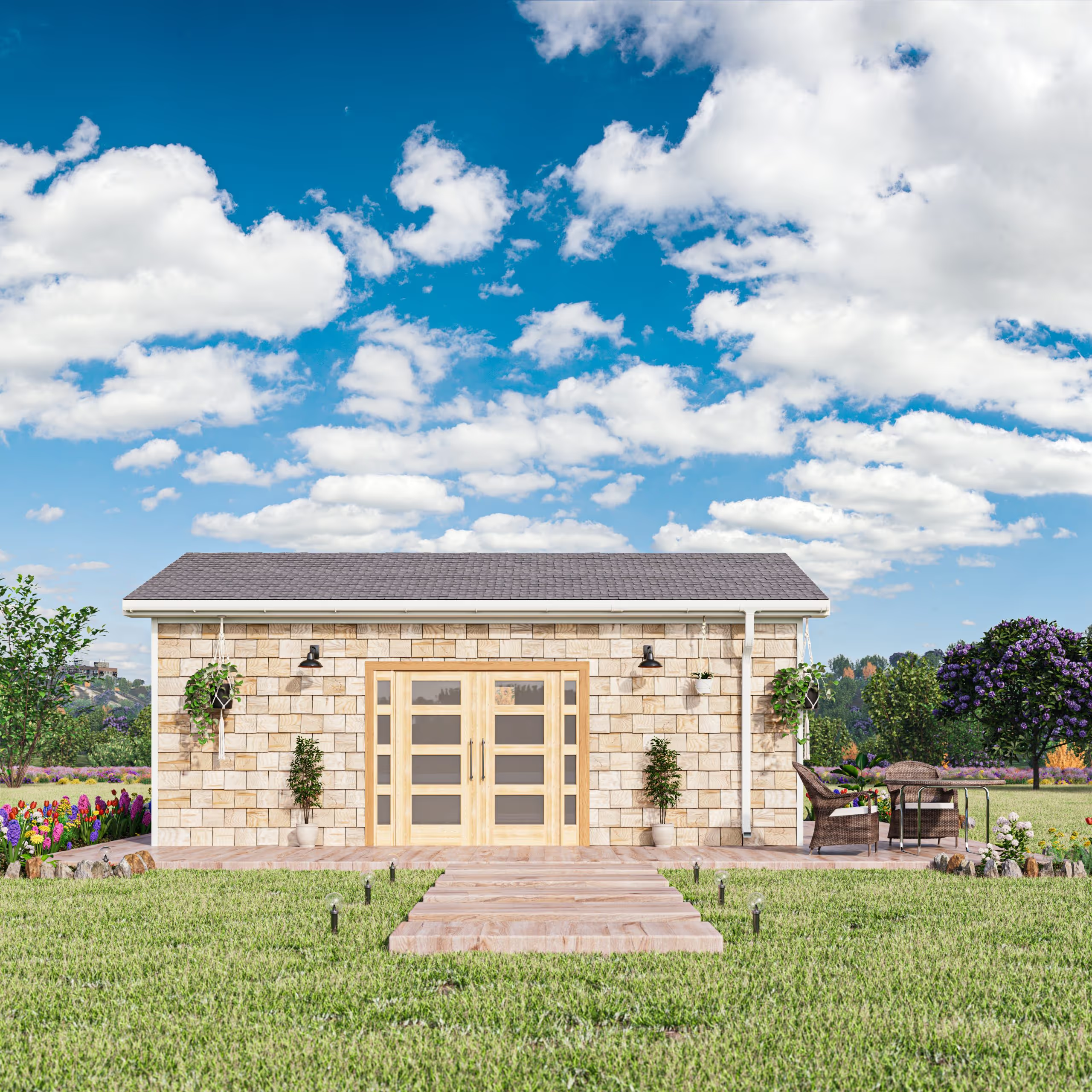
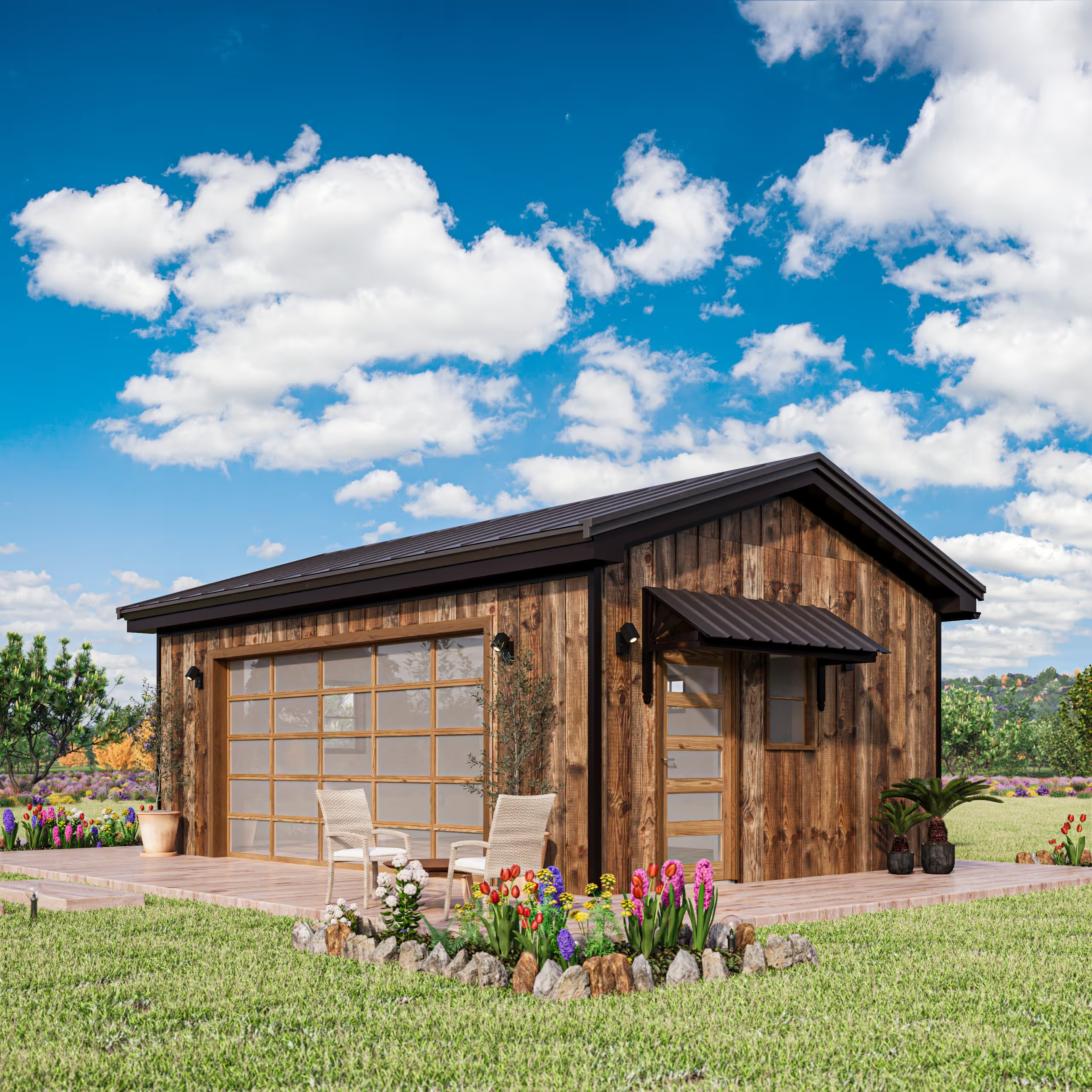
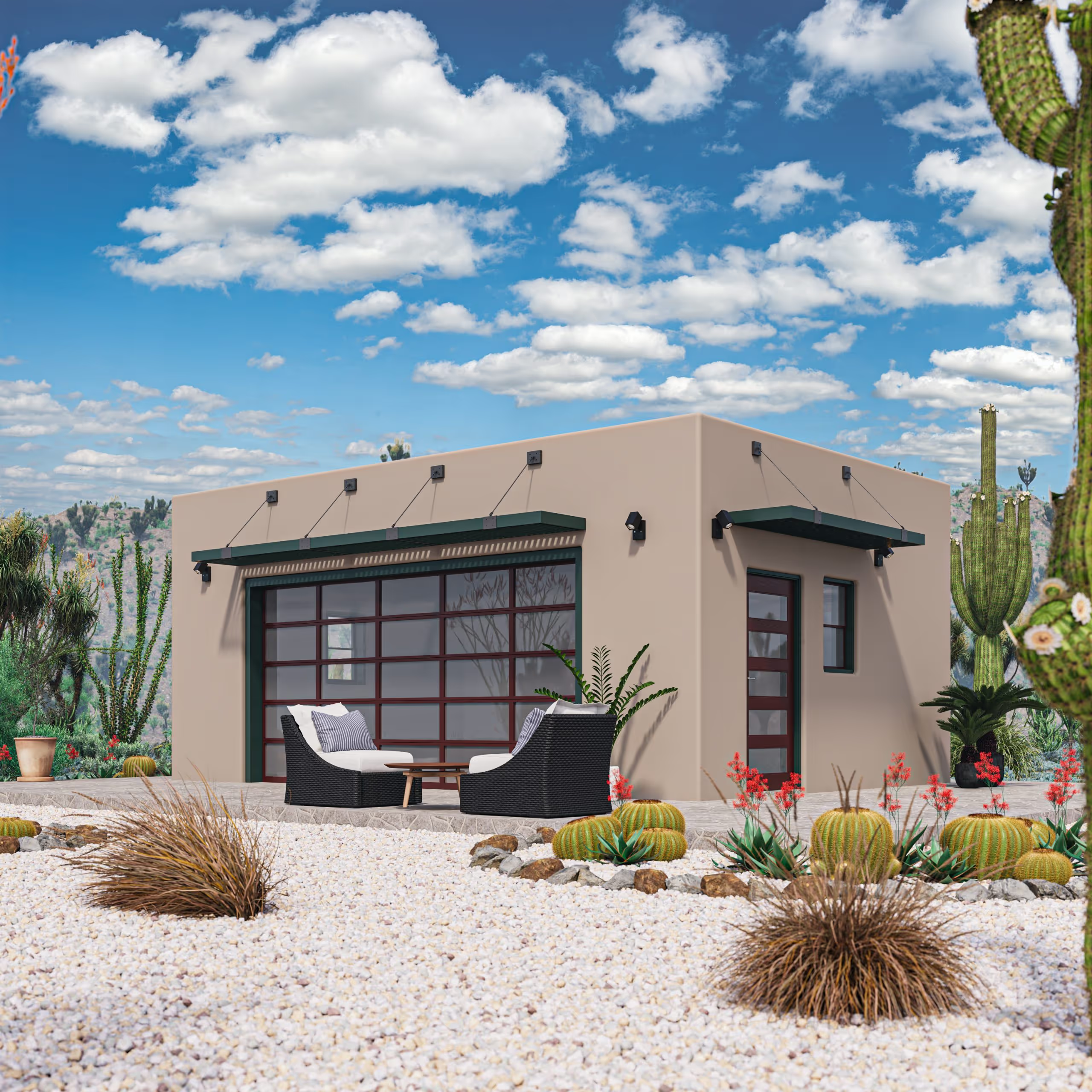
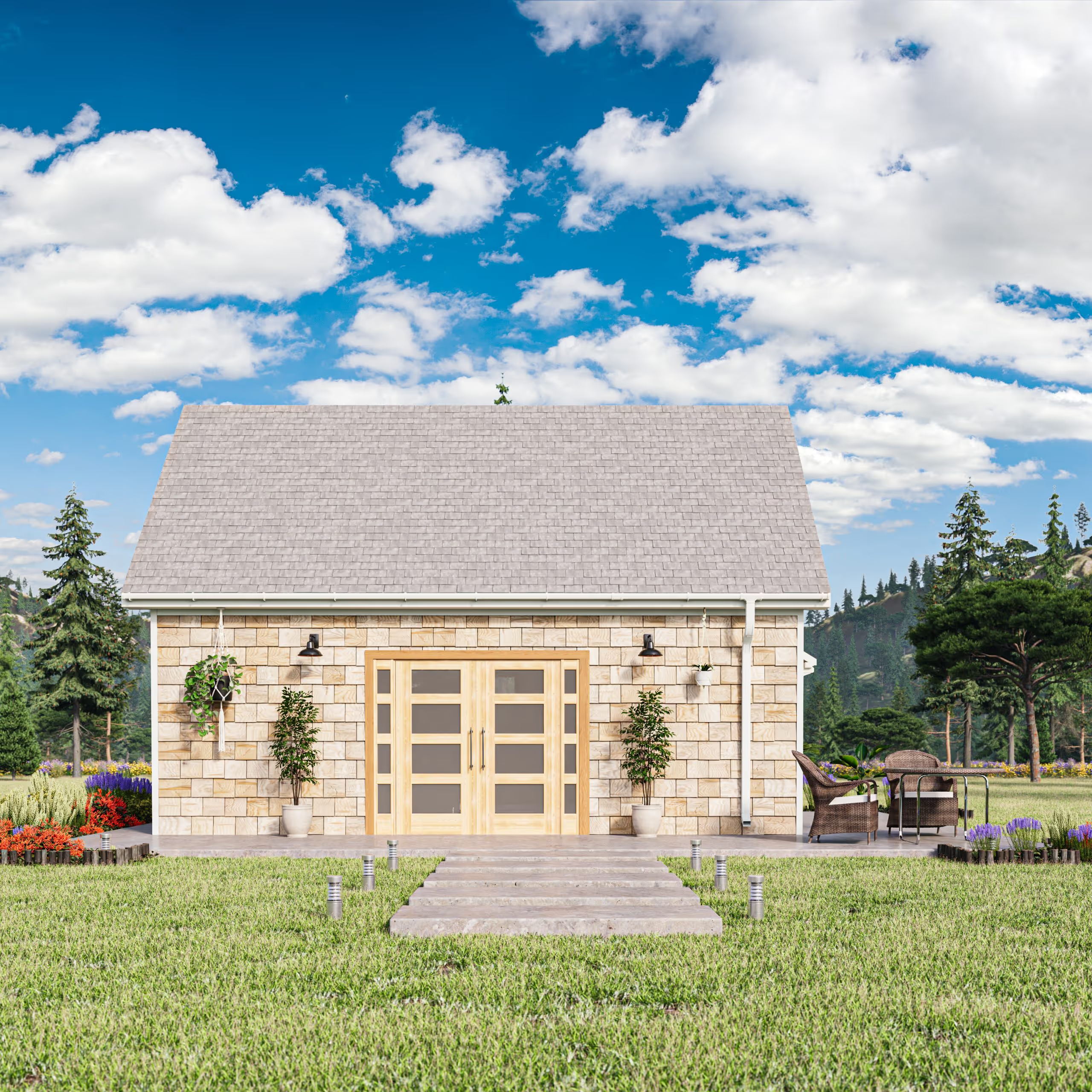
FrameUpNow's model — pre-engineered steel framing kits with BIM material lists across multiple architectural styles including Traditional, Spanish, and Craftsman — is built specifically for the kind of volume and variety these markets require. Contractors can explore available home models and framing configurations at frameupnow.com.
Who Is Steel Framing Not Right For?
This approach doesn't work for every situation. Worth saying plainly.
Steel framing systems require upfront planning commitment. If a project's design is still in flux when framing needs to be ordered, the precision of a BIM-engineered package becomes a liability rather than an asset — changes after the package is cut cost more than changes in a wood-frame project where lumber can be reordered locally.
Steel also requires crews who are either trained on cold-formed steel or willing to learn. The learning curve is real. On a first steel-frame project, framing speed may not exceed wood — the efficiency gains come with familiarity.
For contractors running small, highly variable custom projects where design changes are expected through construction, the pre-engineered model creates friction rather than removing it. The systemis optimized for defined scope, committed design, and execution focus.
Frequently Asked Questions
Is steel framing actually stronger than wood for residential construction? Cold-formed steelframing has a higher strength-to-weight ratio than dimensional lumber and doesn't lose structural integrity to moisture, rot, or pest damage over time. For residential applications, IBC-engineered steel frames meet or exceed the structural requirements that wood framing is designed to satisfy —without the variability that comes from using a biological material in an engineered context.
How much more does steel framing cost compared to wood framing? Steel framing materials typically cost more per linear foot than equivalent lumber. The total project cost difference narrows— and often reverses — when you account for reduced material waste, fewer reorders, faster framing phases, and eliminated callbacks from post-frame movement. Contractors report that the cleaner cost picture from BIM material lists also reduces the contingency buffer they need to carry.
Can my existing framing crew work with steel? Most experienced framing crews can work with cold-formed steel with a learning period. The tools are different — steel requires metal-cutting equipment and self-drilling screws rather than nails — but the structural logic is similar. Pre-engineered packages with cut-to-spec components reduce the field problem-solving that makes the learning curve steeper on custom steel work.
Is steel framing approved for residential construction in California? Yes. IBC-engineered cold-formed steel framing systems comply with California Building Code requirements. In WUI fire zones— which include significant portions of the Altadena and Pacific Palisades rebuilding areas — the non-combustibility of steel framing is an asset for meeting fire-resistance requirements.
What does a BIM material list actually give me that a standard estimate doesn't? A BIM material list is generated from the engineered model of the specific structure — it reflects exact quantities for that build, not average quantities for that building type. You know what to order before you order it, which eliminates the over-ordering buffer and the mid-project reorder that wood-frame estimates routinely require. It's the difference between an estimate and a specification.
How long does it take to receive a steel framing package after ordering? Lead times vary byproject complexity and order volume, but the pre-engineered nature of FrameUpNow's framing kits means components are manufactured to spec rather than cut in the field. Contractors should confirm current lead times directly, particularly given the rebuilding volume in Southern California markets. Planning the framing order earlier in the project timeline is standard practice with pre-engineered systems.
Does steel framing work for the architectural styles common in Altadena and Pacific Palisades? Yes. FrameUpNow offers pre-designed home models across Traditional, Spanish, and Craftsman architectural styles — the three most common residential typologies in these markets. The engineering is done; the style is not a constraint. Contractors rebuilding in these neighborhoods can match the architectural character of what was lost without sacrificing the structural and cost advantages of steel.
Ready to Build with More Precision on Your Next Project?
If you're managing rebuild projects in Altadena, Pacific Palisades, or anywhere in Southern California where timelines are tight and cost certainty matters, the framing decision is worth a harder look.
FrameUpNow provides IBC-engineered steel framing kits with BIM material lists so you know exact costs and quantities before breaking ground. Faster framing phases, less waste, no warped lumber, and a 50-year structural warranty.
Explore steel framing systems built for Southern California contractors at frameupnow.com — and get the material clarity your next project needs before you break ground.
References
- U.S. Census Bureau — residential construction data and building permit trends
- International Building Code (IBC) — structural requirements for cold-formed steel framing inresidential construction
- California Building Code (CBC) — fire-resistance and WUI zone construction requirements forSouthern California jurisdictions
- Steel Framing Industry Association (SFIA) — technical standards and performance data for cold-formed steel framing systems