























.avif)

The Silent Destroyers: How Termites Damage Wood-Framed Homes by Morgan Hayes
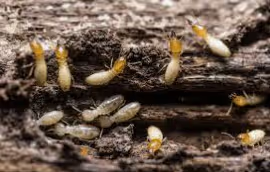
Termites are one of the most destructive threats to wood-framedhomes, causing billions in damage every year. These tiny insects quietly infiltrate walls, floors, and framing, eating wood from the inside out. For homeowners, contractors, and builders, understanding how termite damage happens—and how to prevent it—is essential.
Termites are naturally drawn to wood because it provides three essentials: cellulose, moisture, and shelter. Once termites enter a home’s wood structure, they begin tunneling through woodstuds, floor joists, roof trusses and wall framing. The result is gradual but severe structural damage that often goes undetected. Termites thrive in dark, hidden spaces. This means they can eat away at the wood framing inside walls for months or years before any signs appear.
Across the U.S., termites and wood-destroying organismscause an estimated $30 billion in damage to homes and structures every year. Homeowners alone account for more than $5 billion annually intermite repair costs.
Traditional wood construction—used in most American homes—gives termites everything they need. Even pressure-treated wood breaks down over time, allowing subterranean termites and drywood termites to invade.
Because termites cannot damage galvanized steel framing, many modern builders now use light-gauge steel instead of wood. Steel framing eliminates the food source termites rely on, providing long-term protection and reducing costly repairs.
Termites may be small, but their impact on wood-framedhomes is massive. With billions spent on repairs every year, understanding termite behavior and investing in smarter building materials is more important than ever. Whether you’re a homeowner, builder, or investor, choosing termite-resistant construction and practicing preventative care can safeguard your property for decades.