
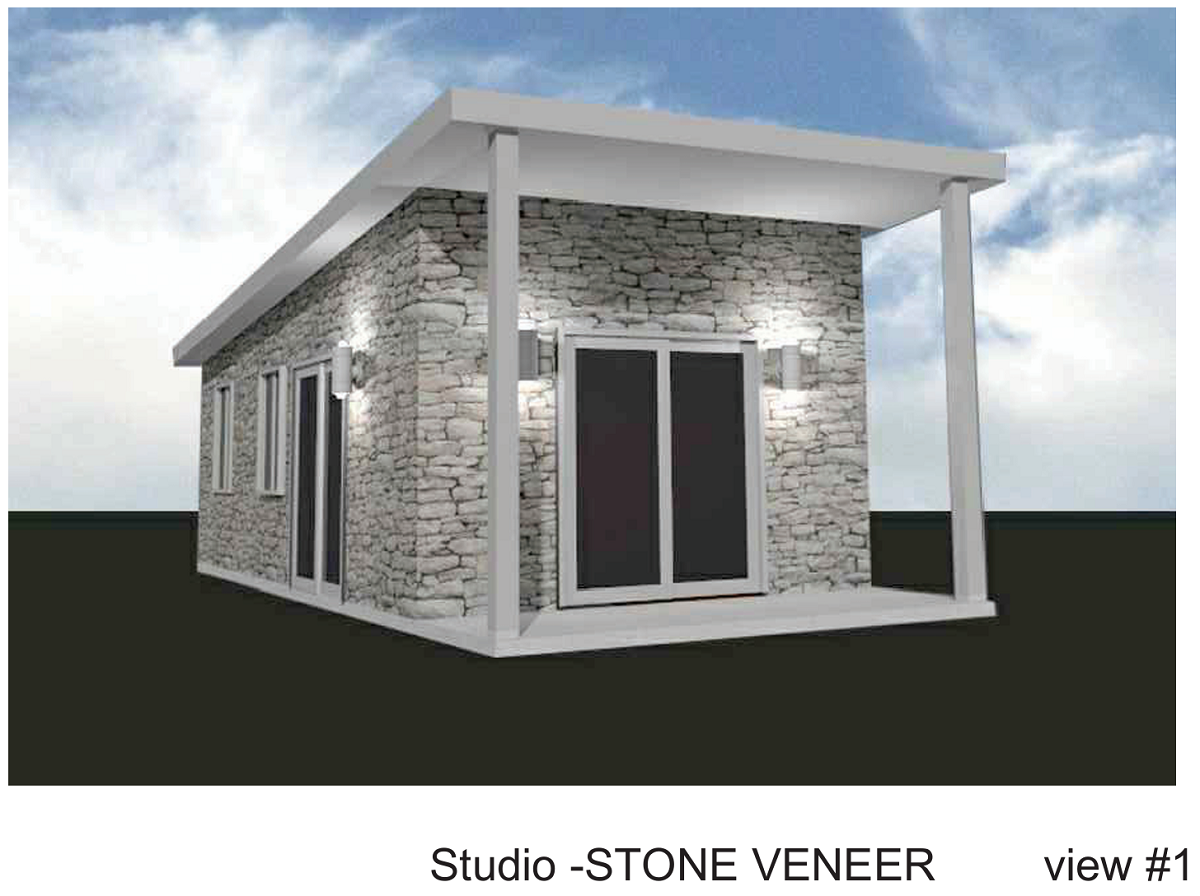
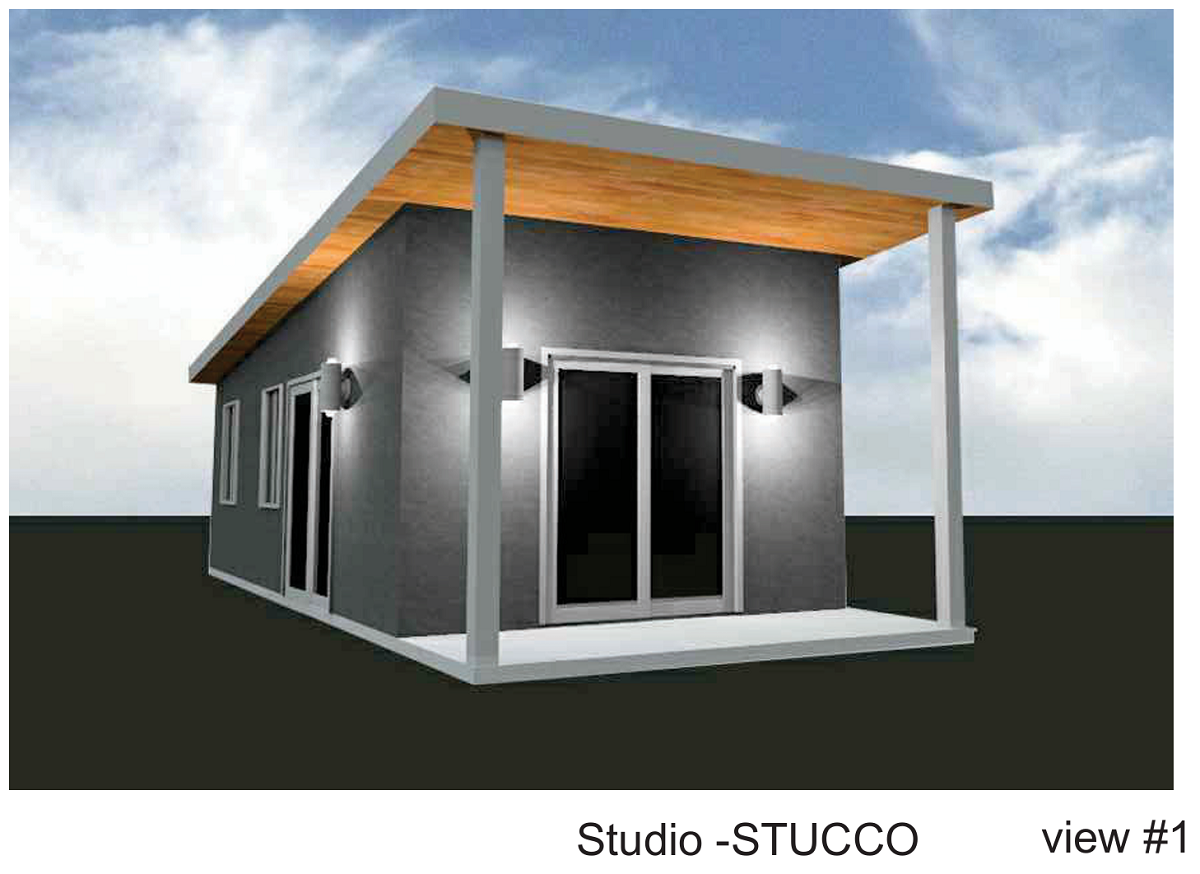
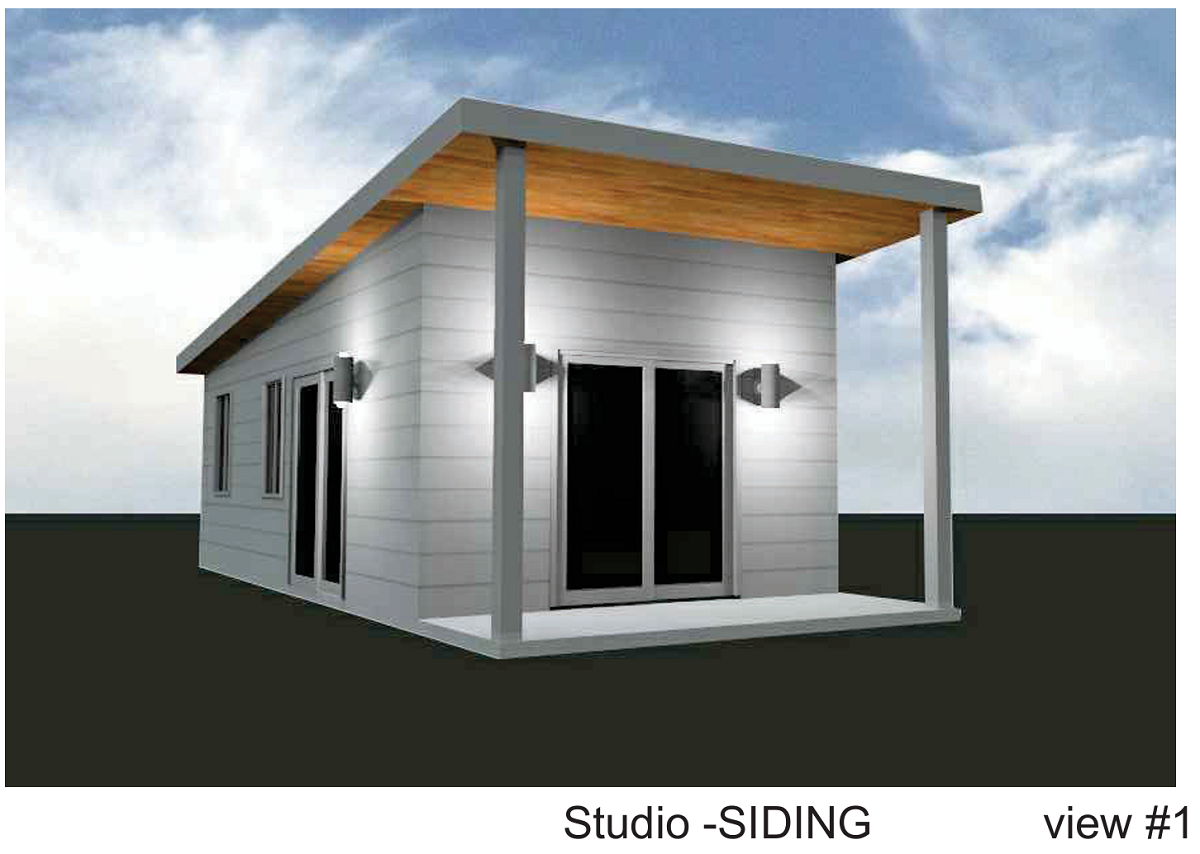
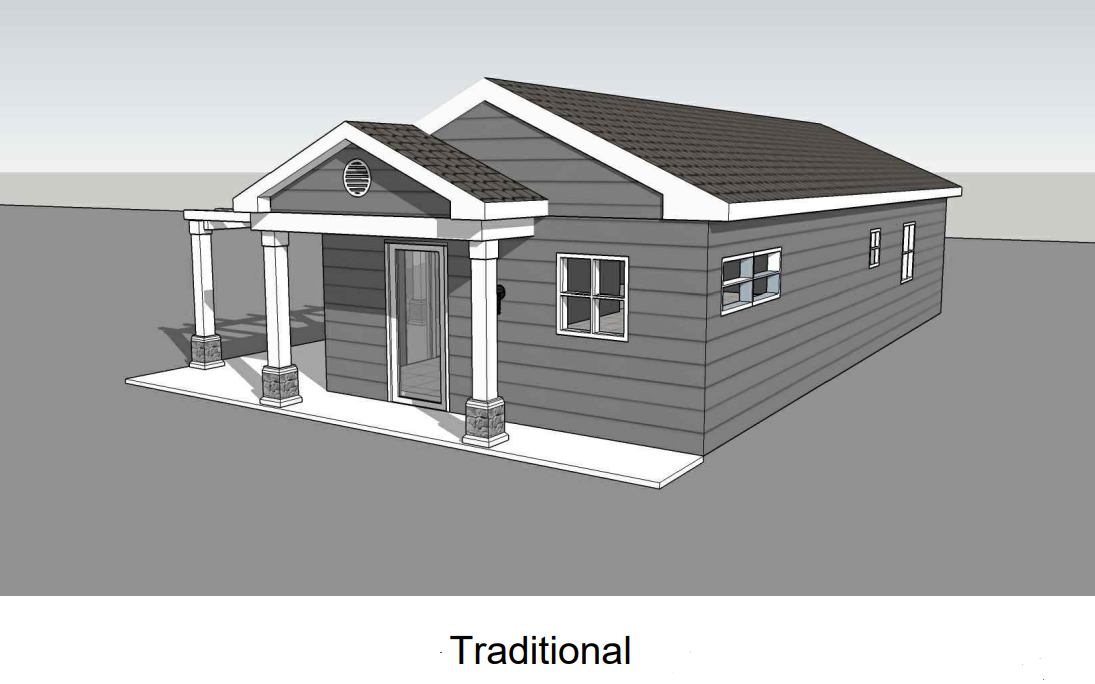
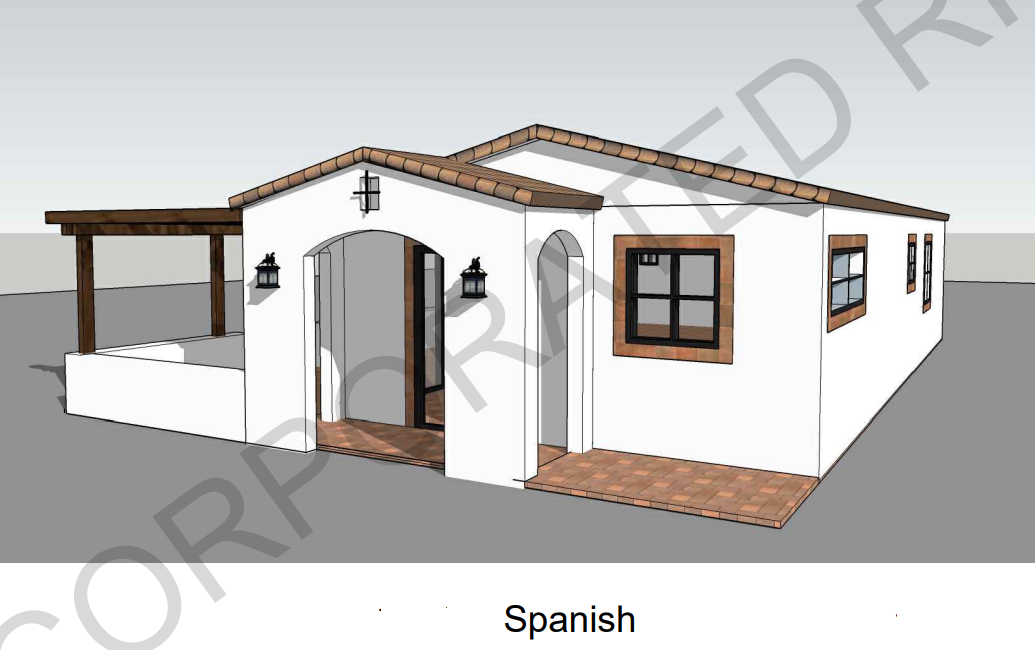
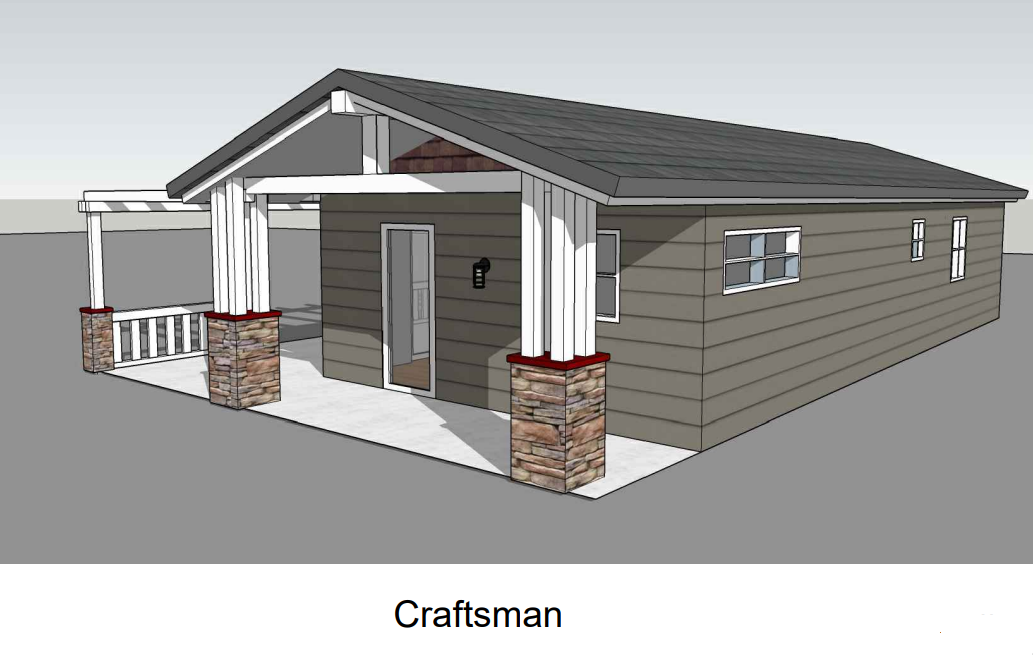
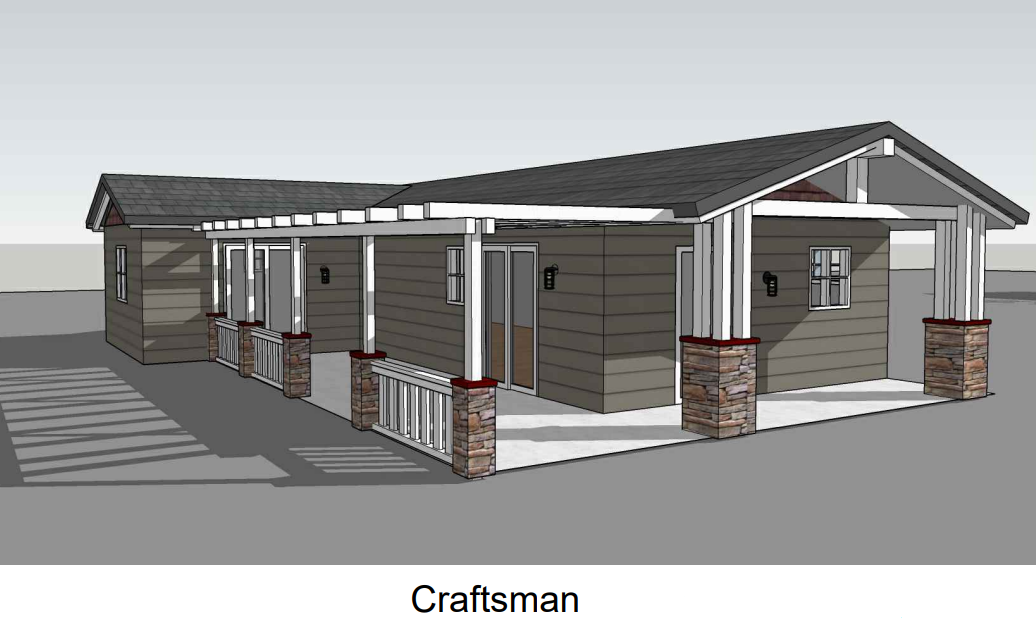
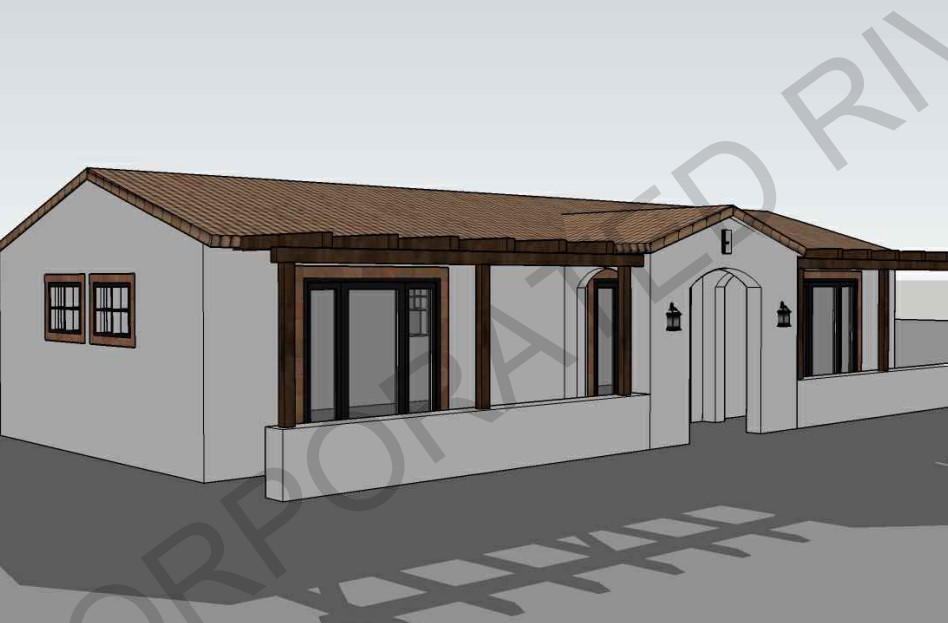
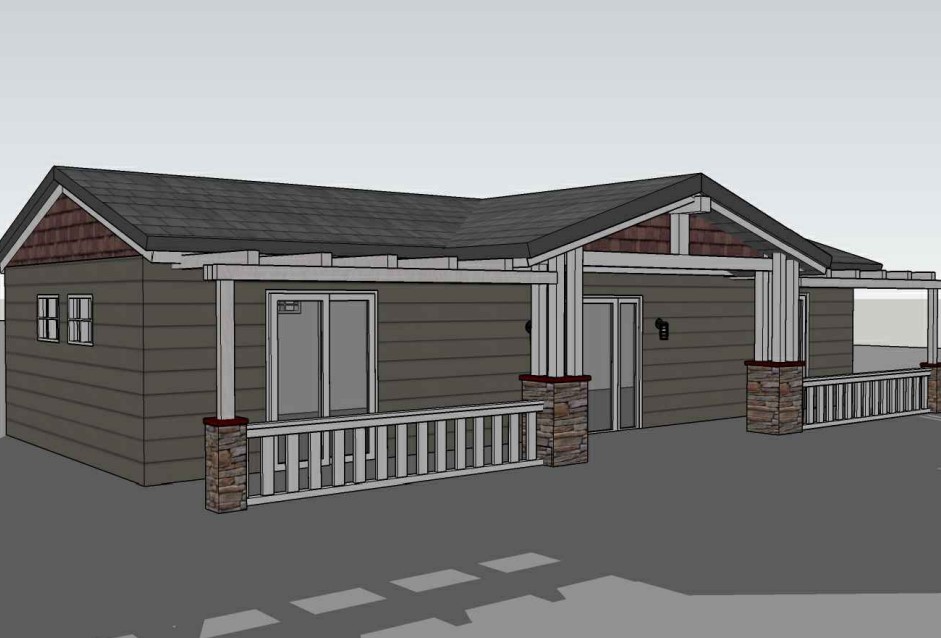
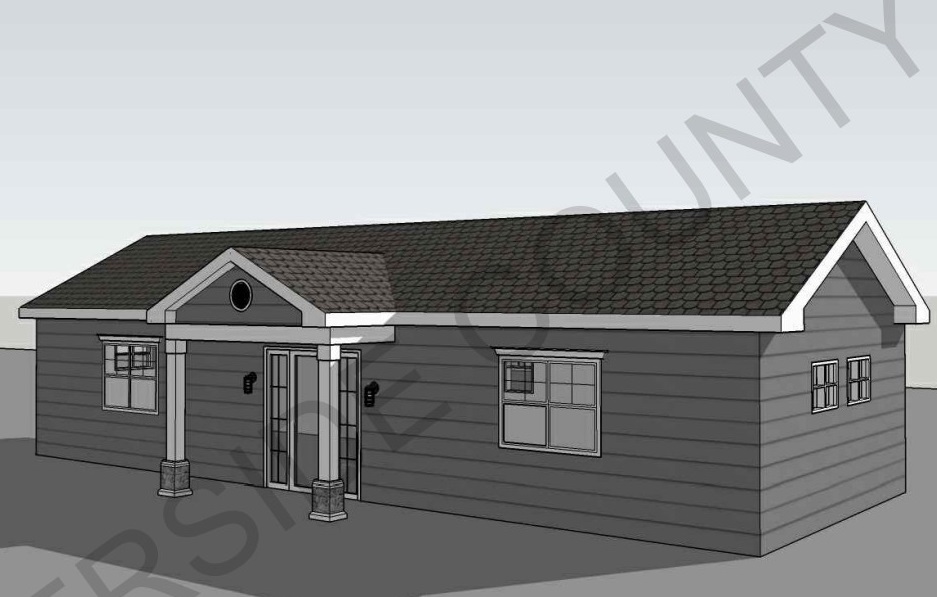
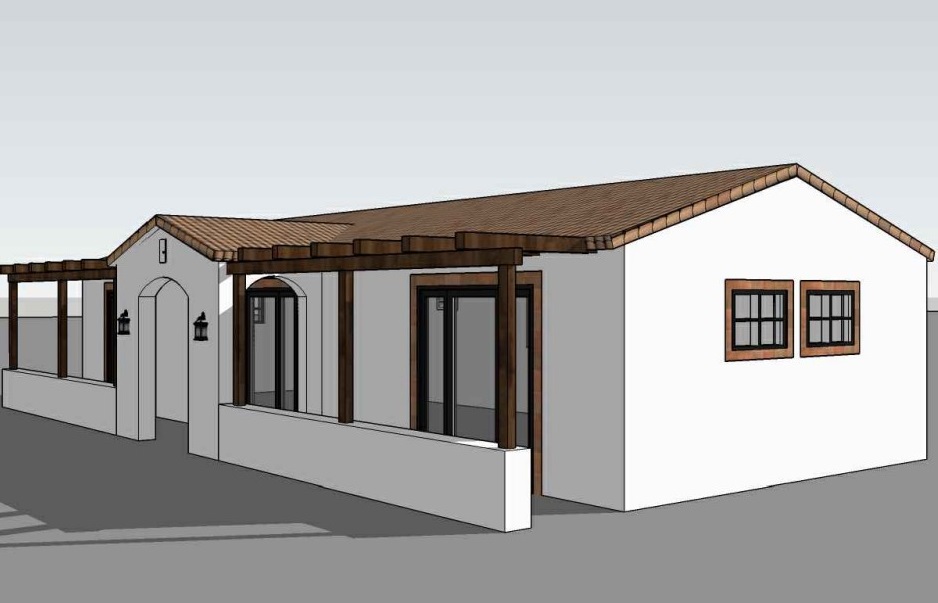
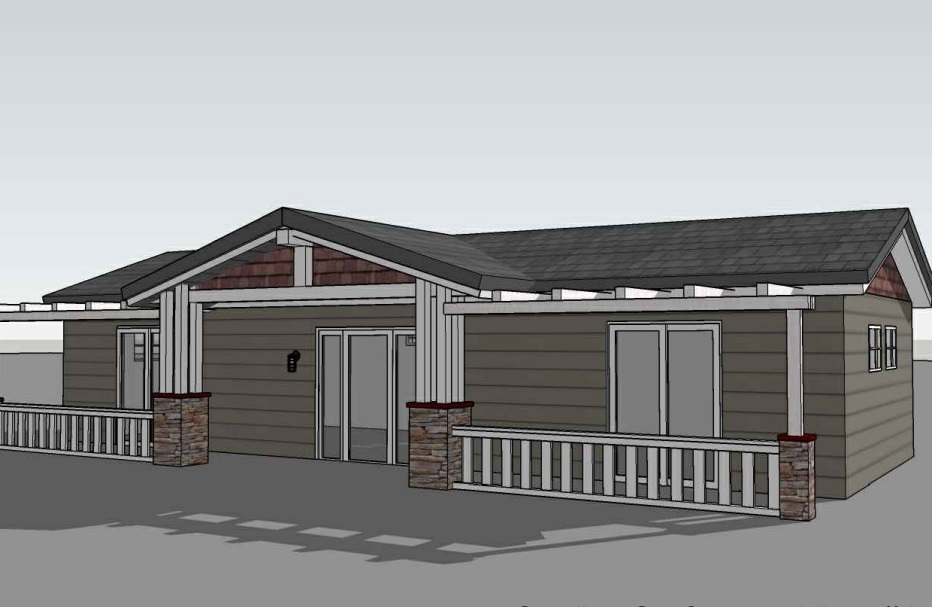


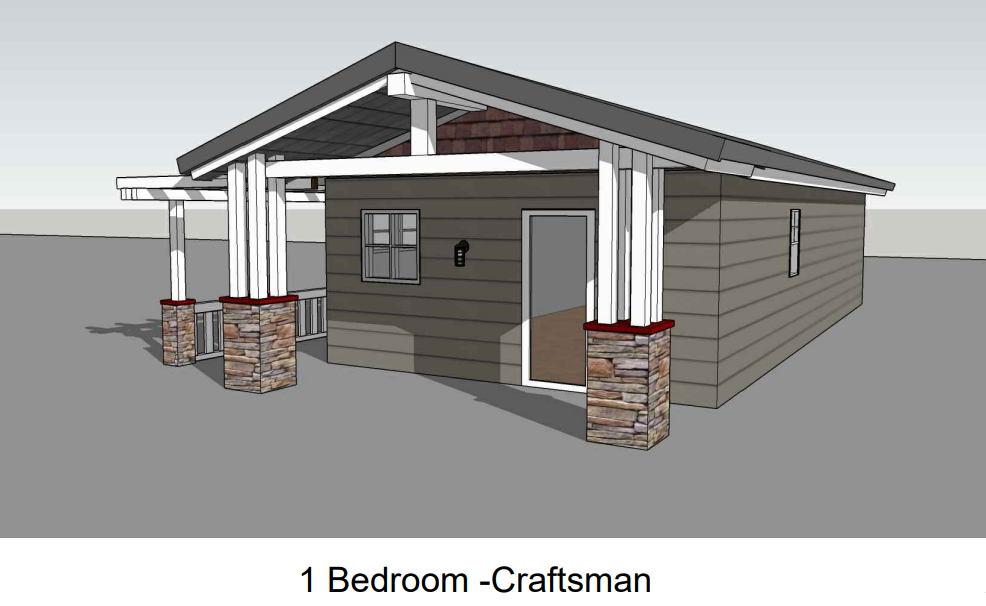
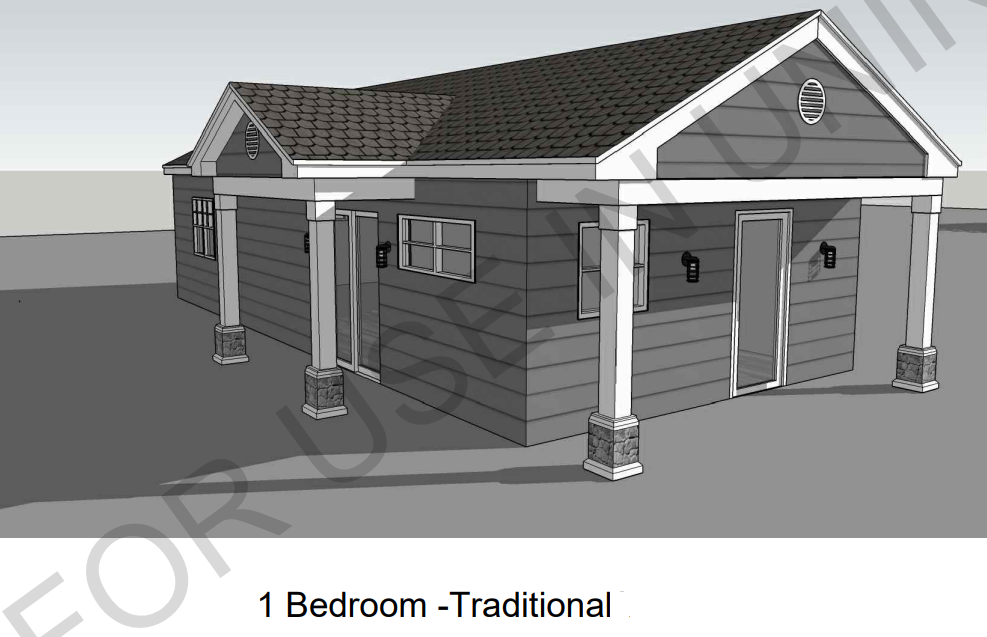

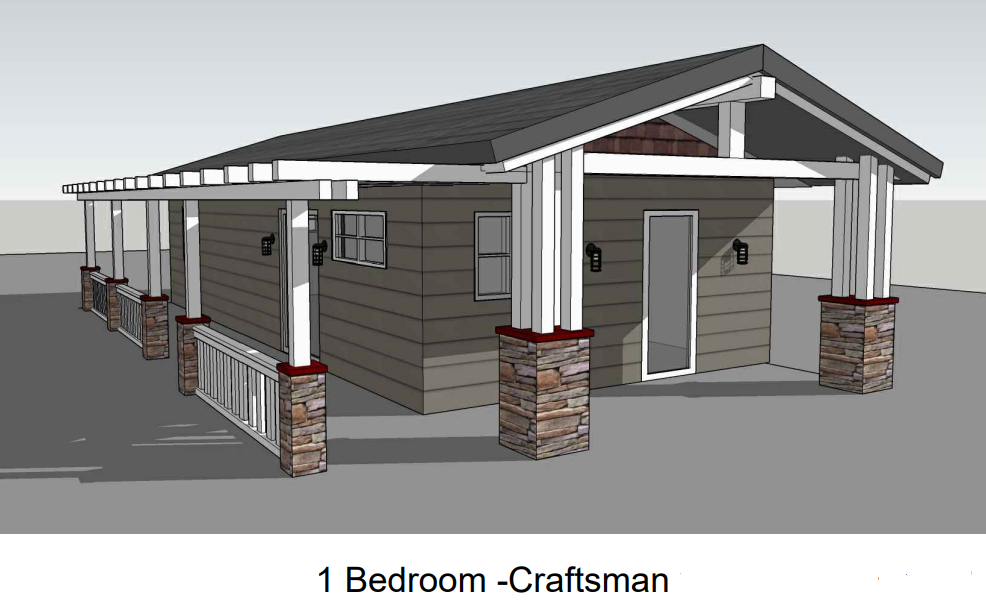

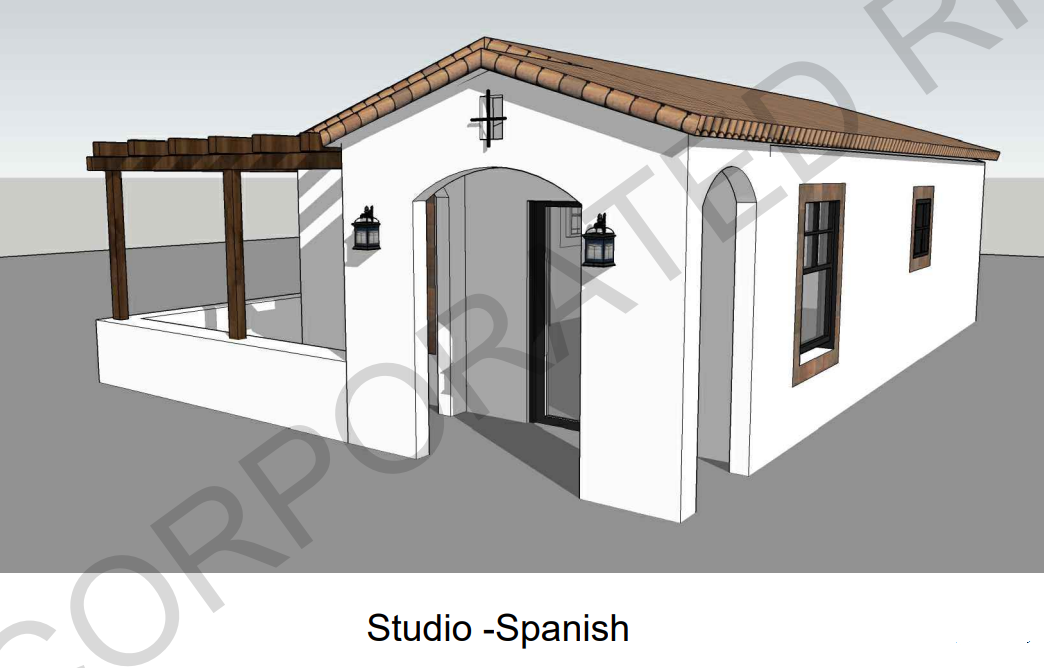

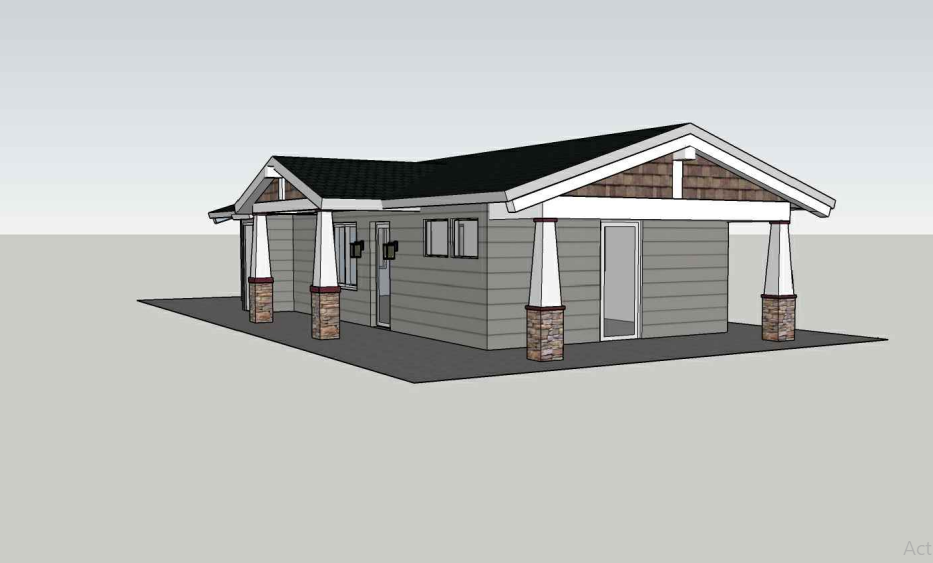
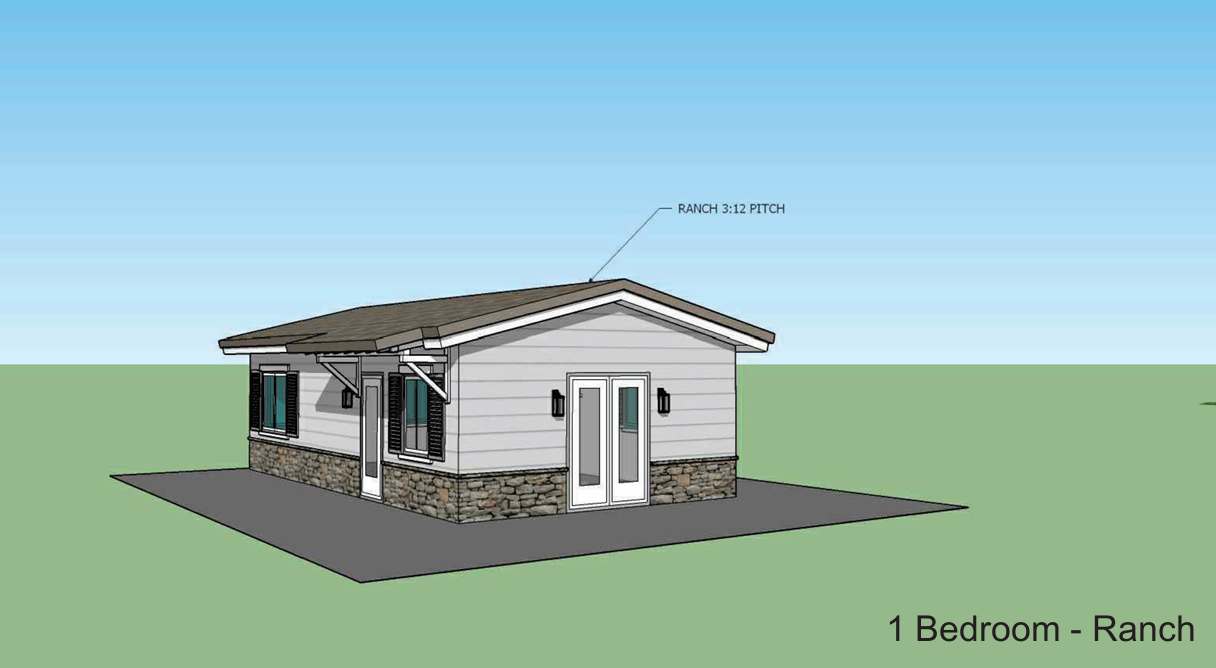
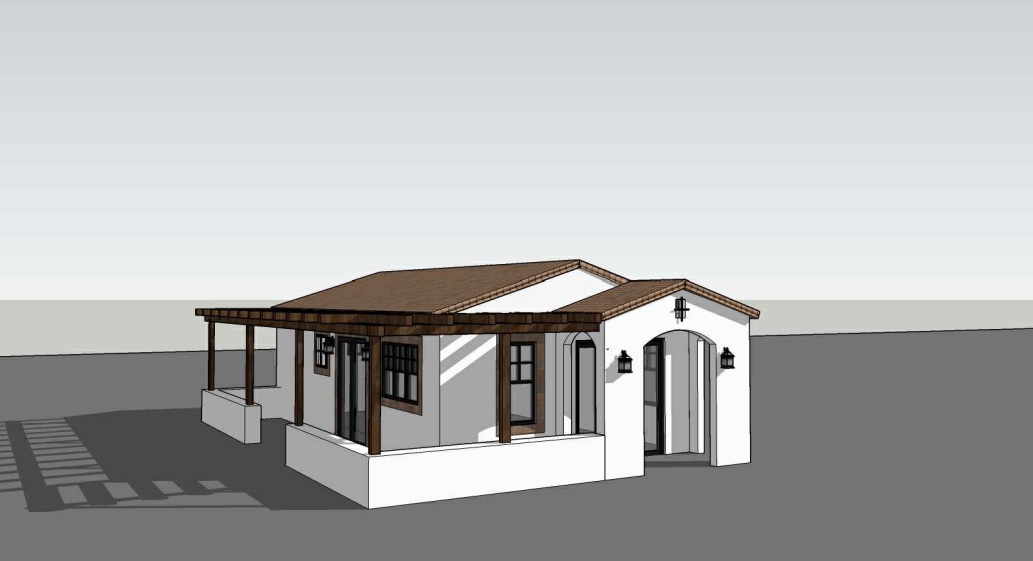
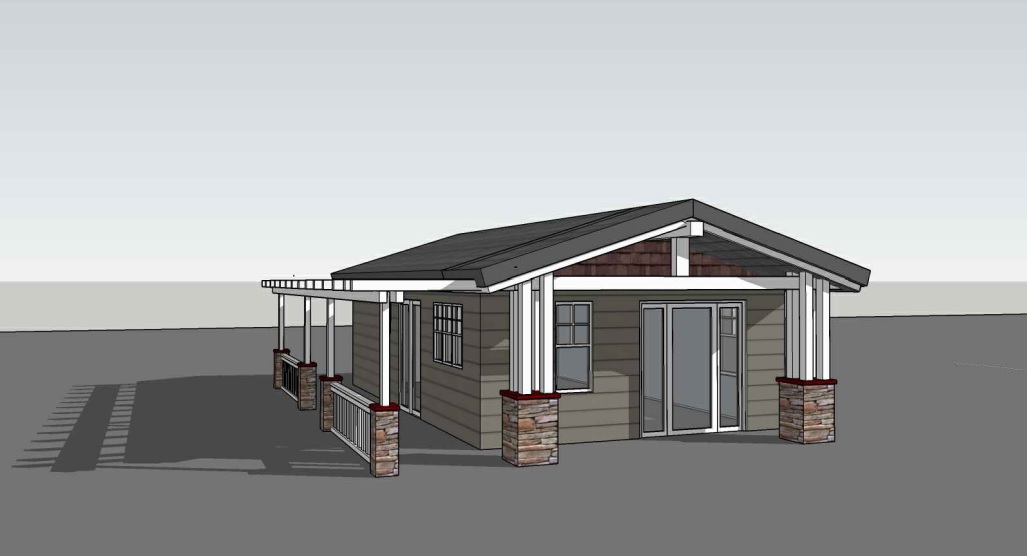
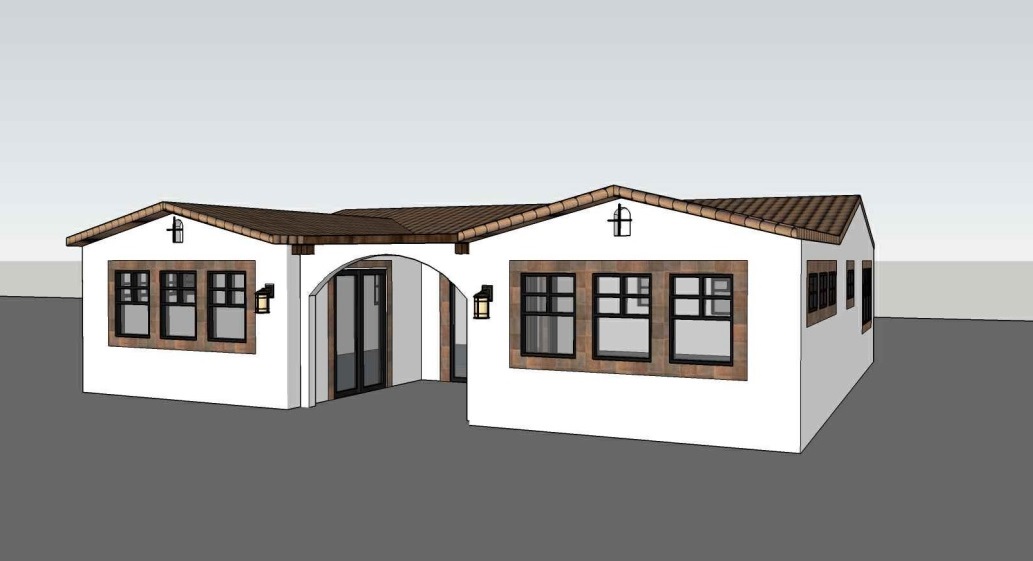
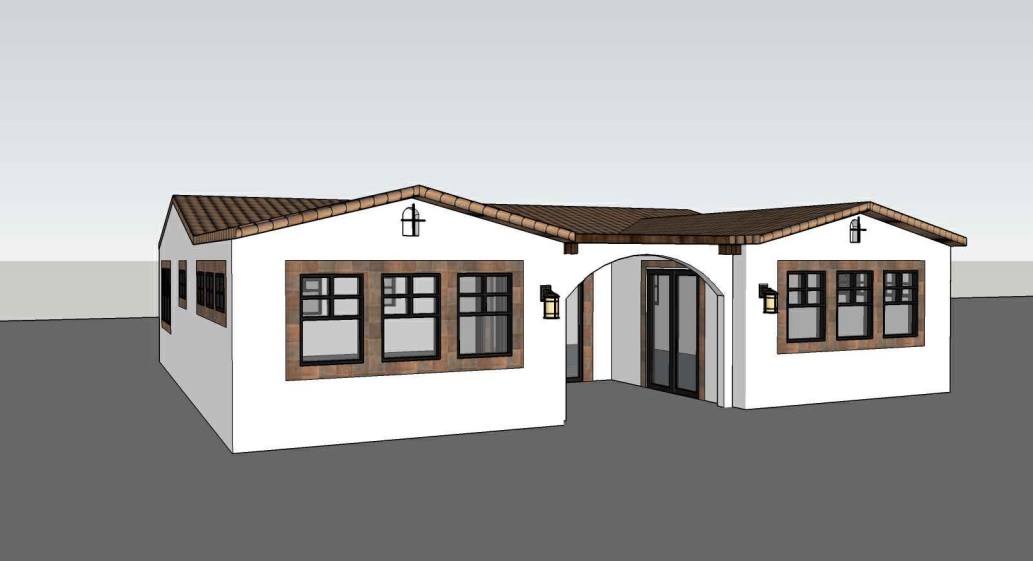
Riverside County 499 sq ft Studio 1 Bath Craftsman Maneuvering
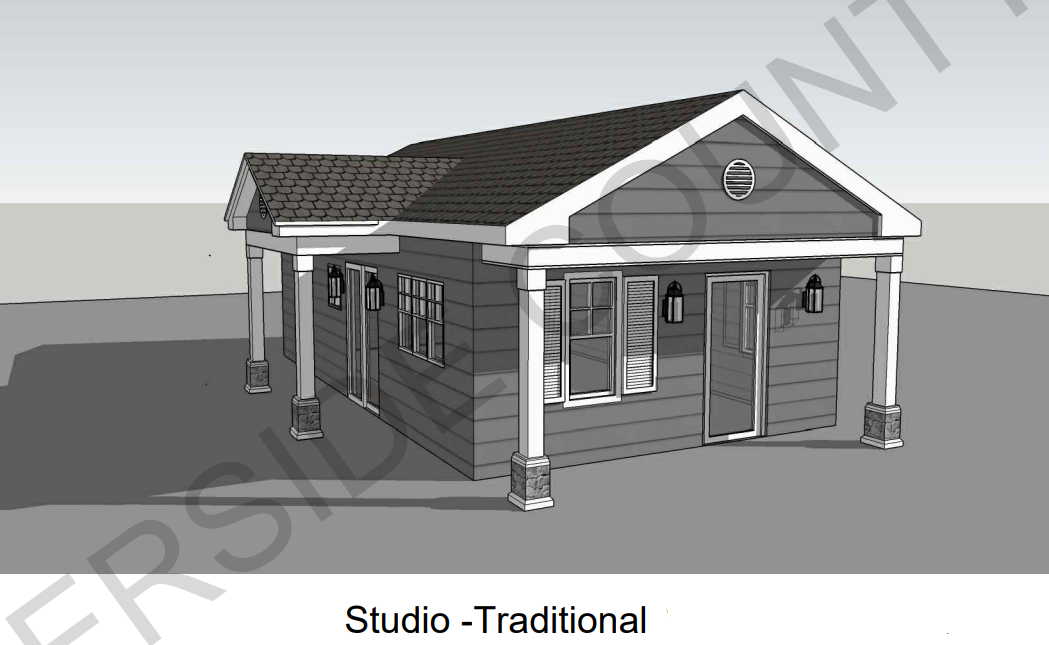
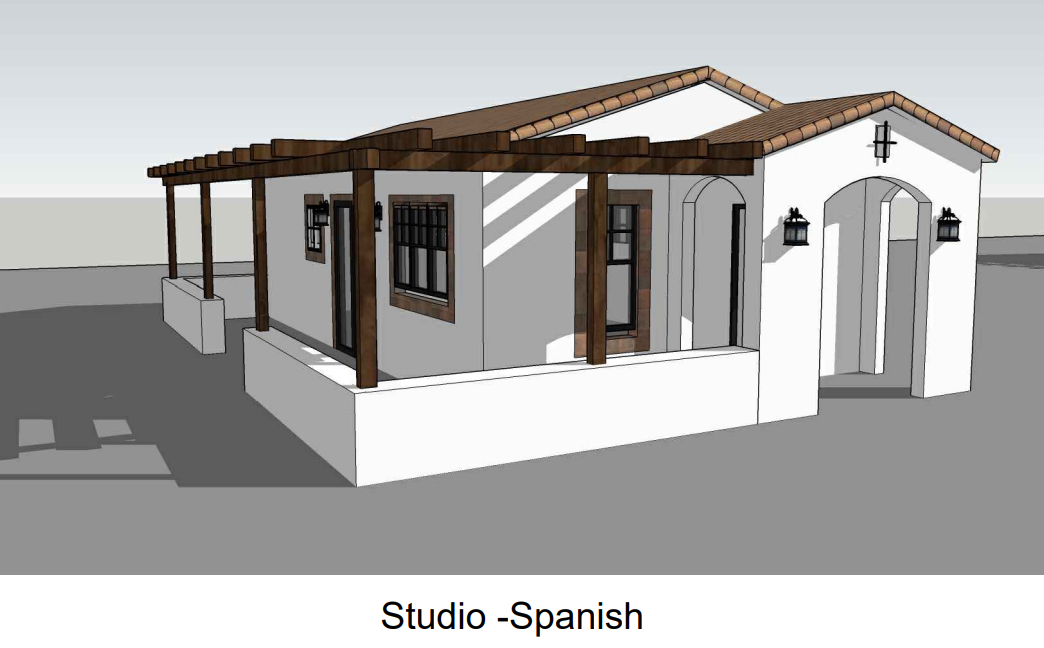

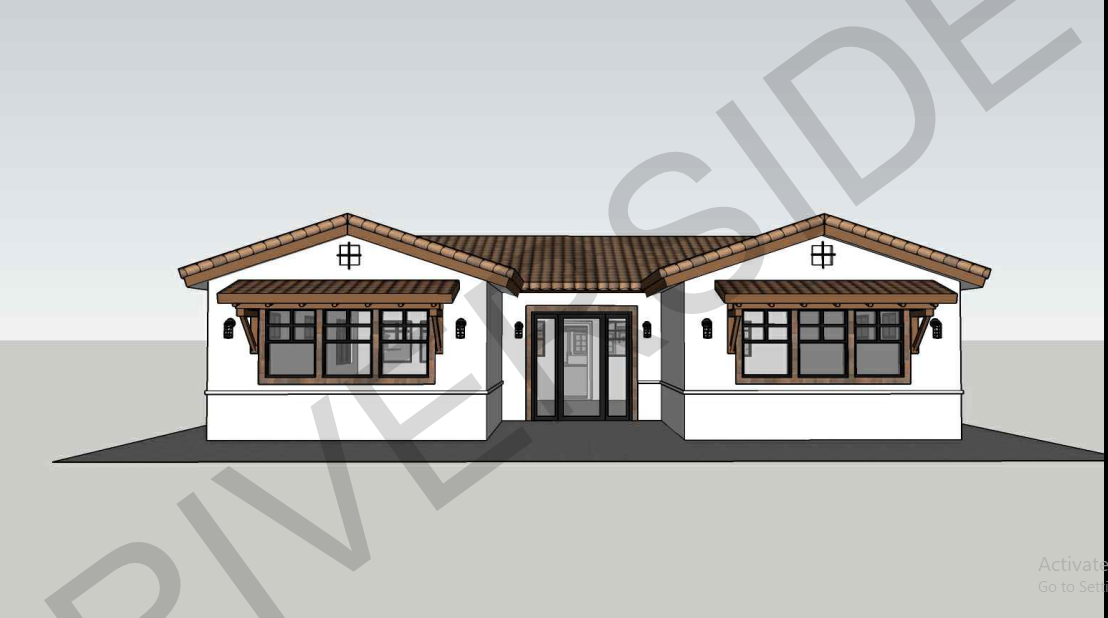
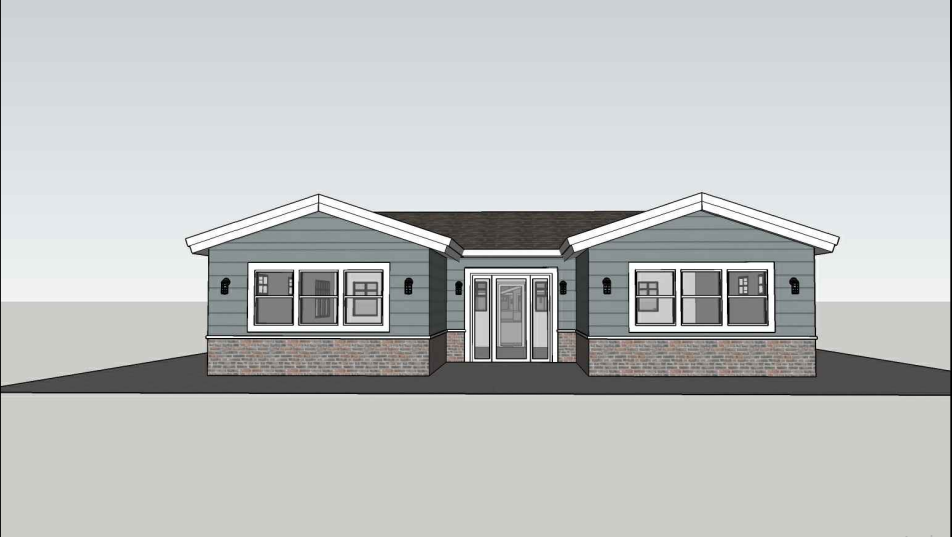


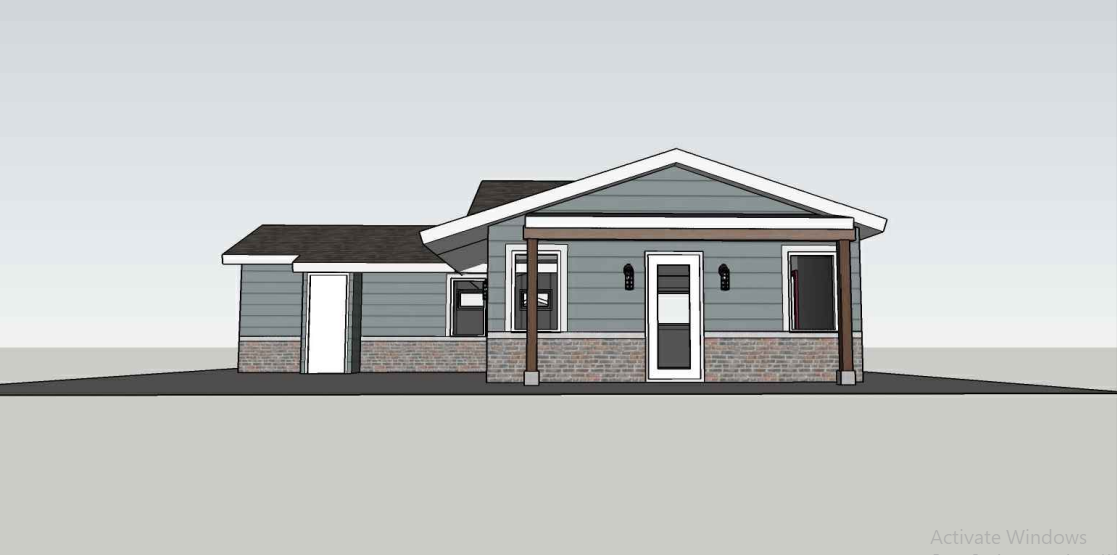
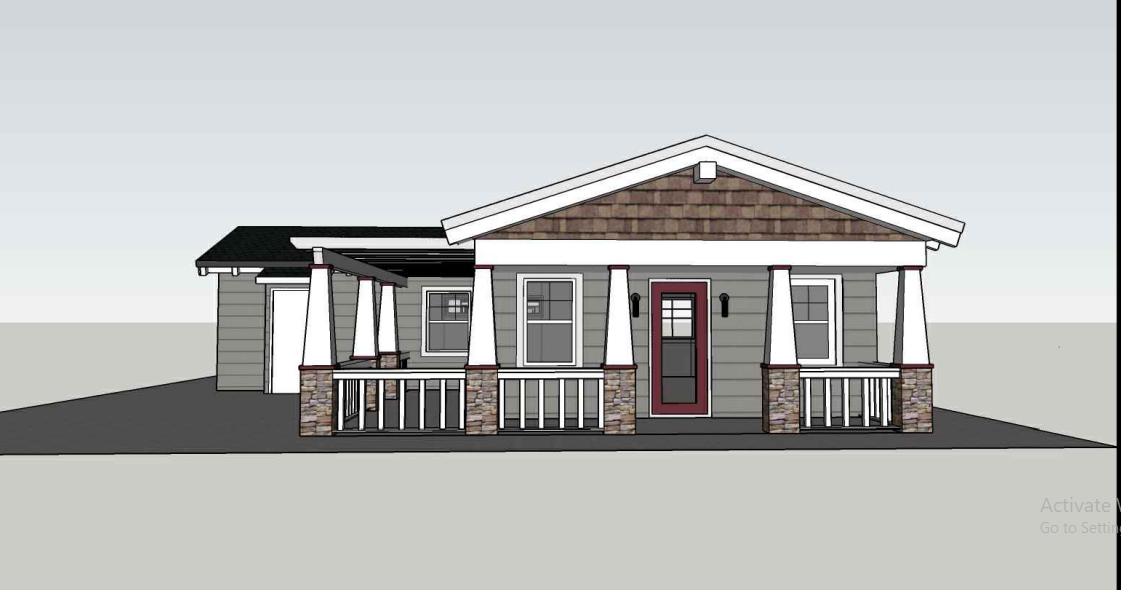

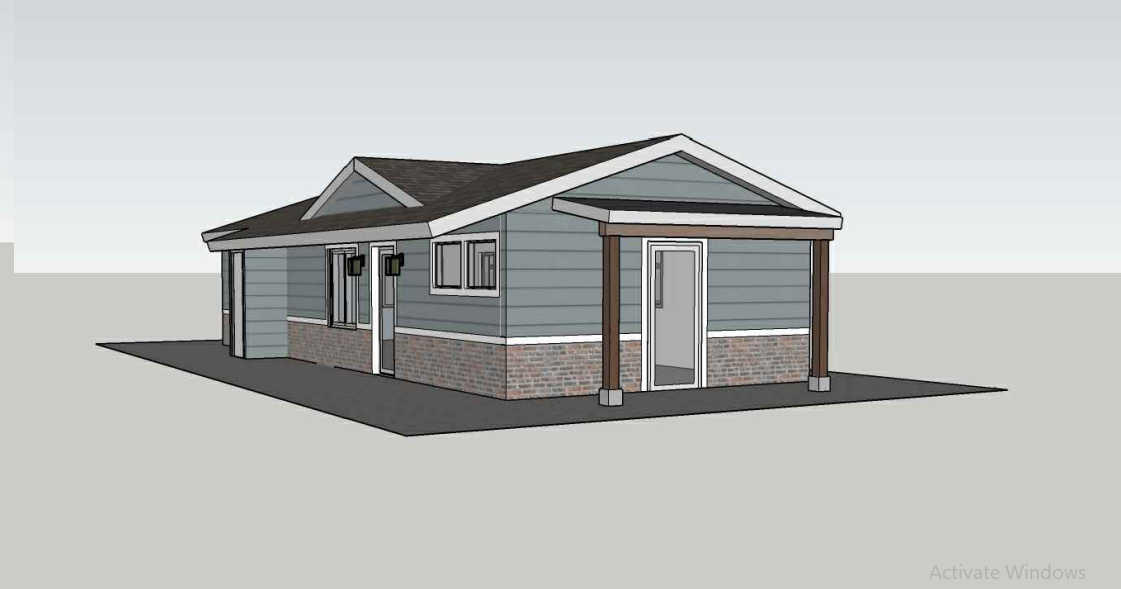

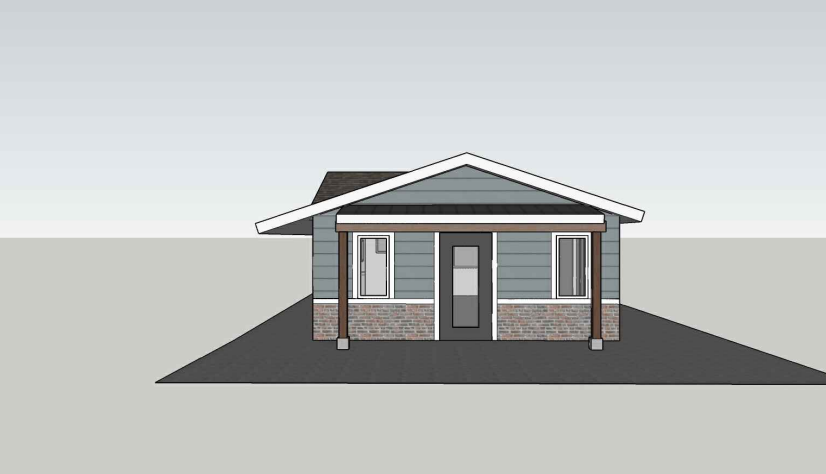
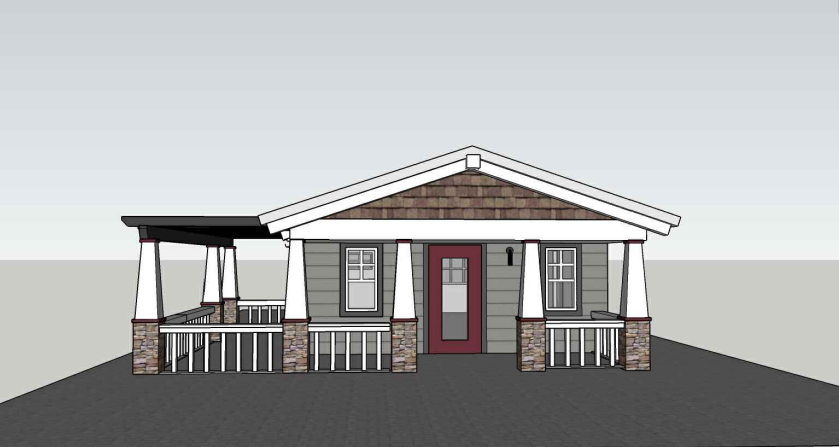
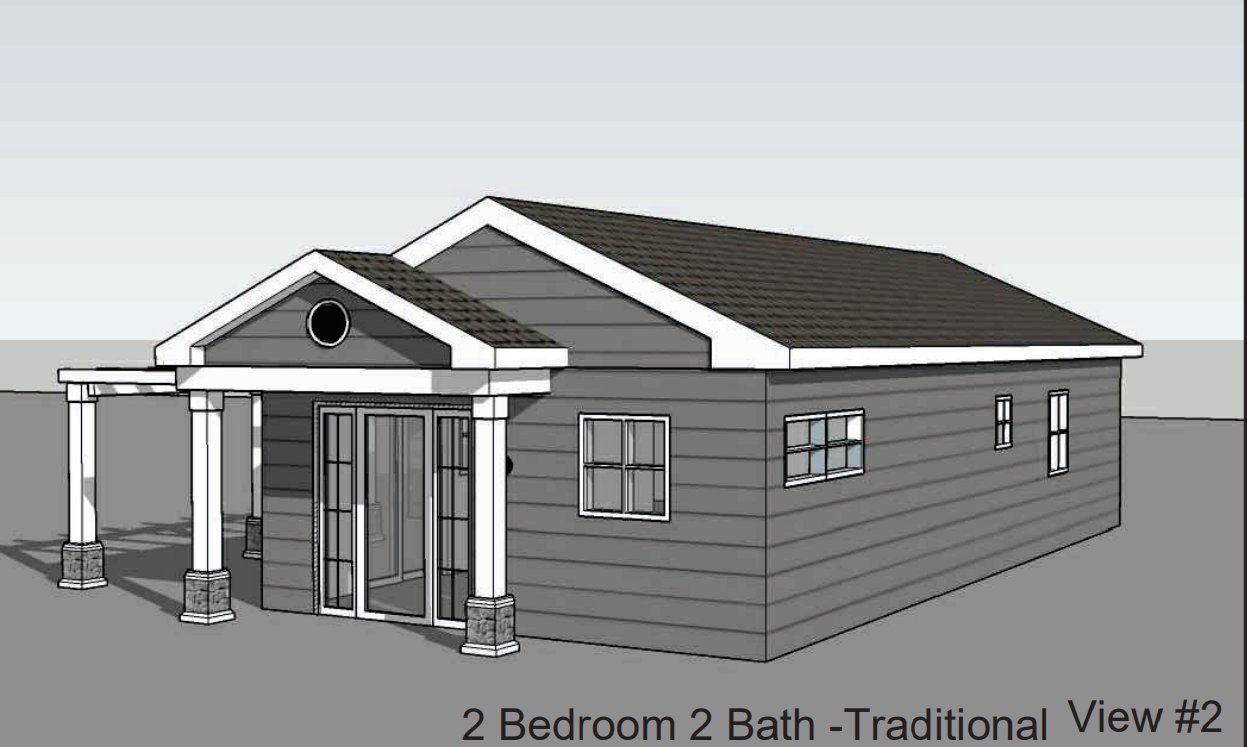

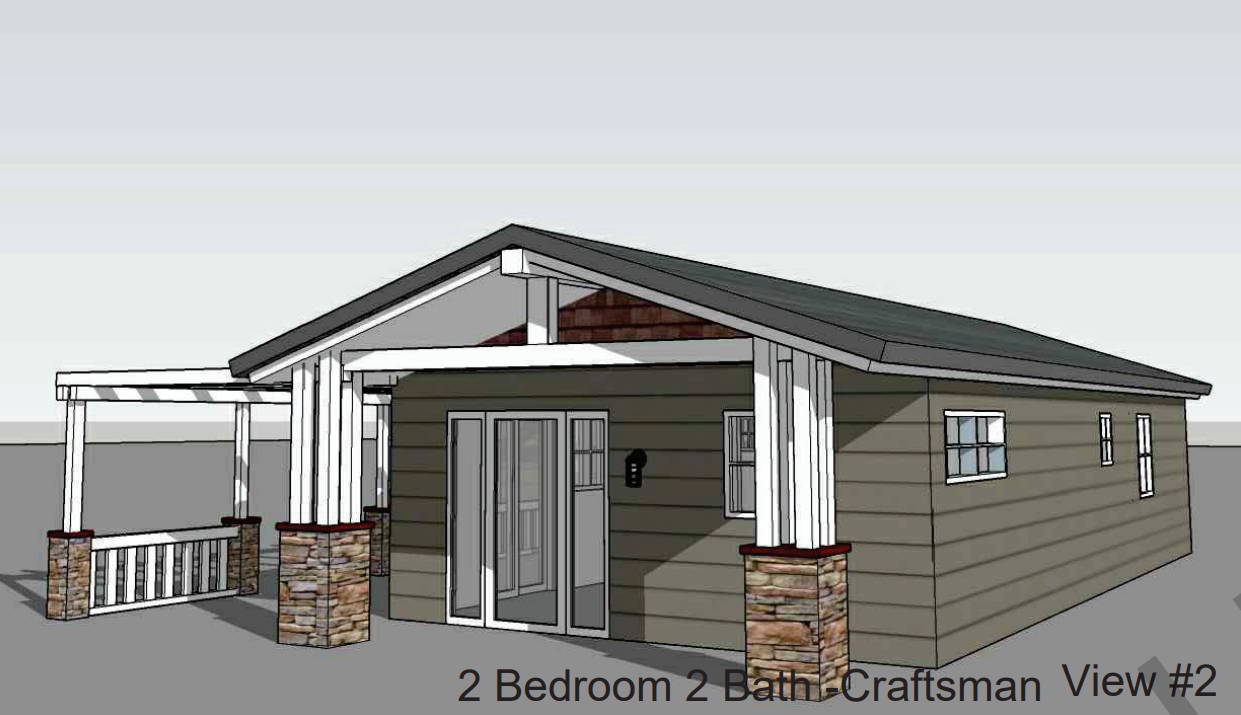
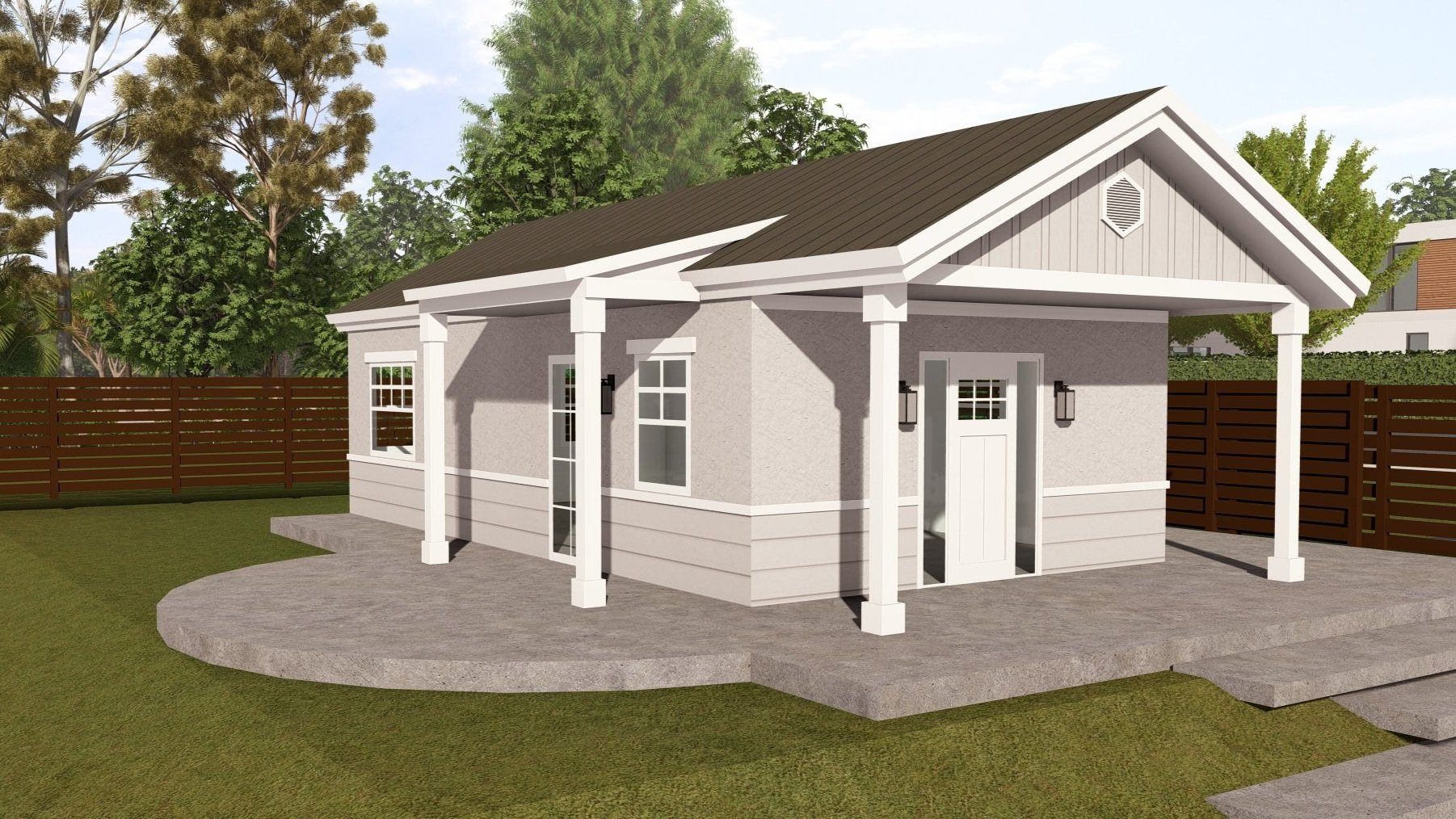
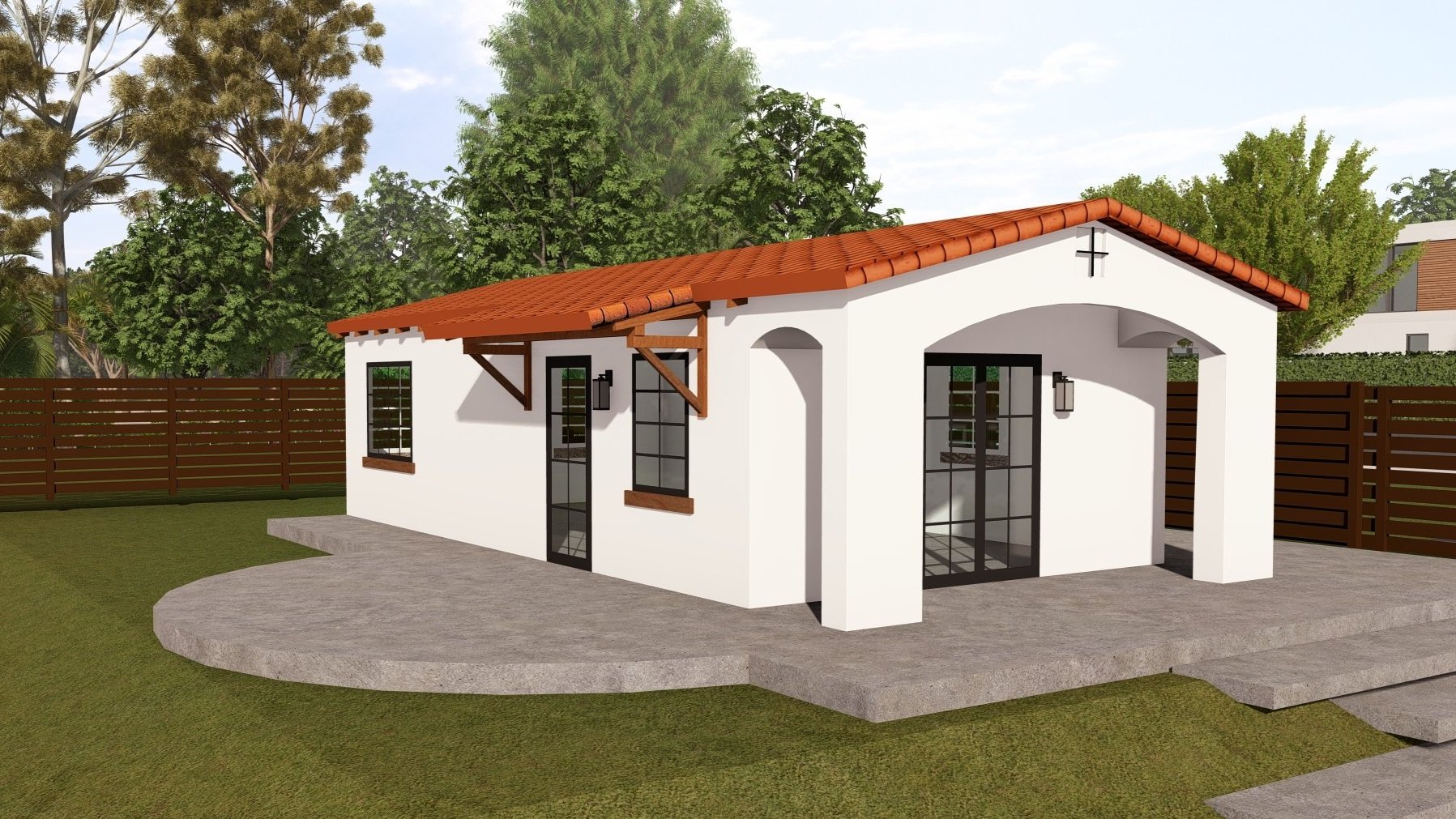
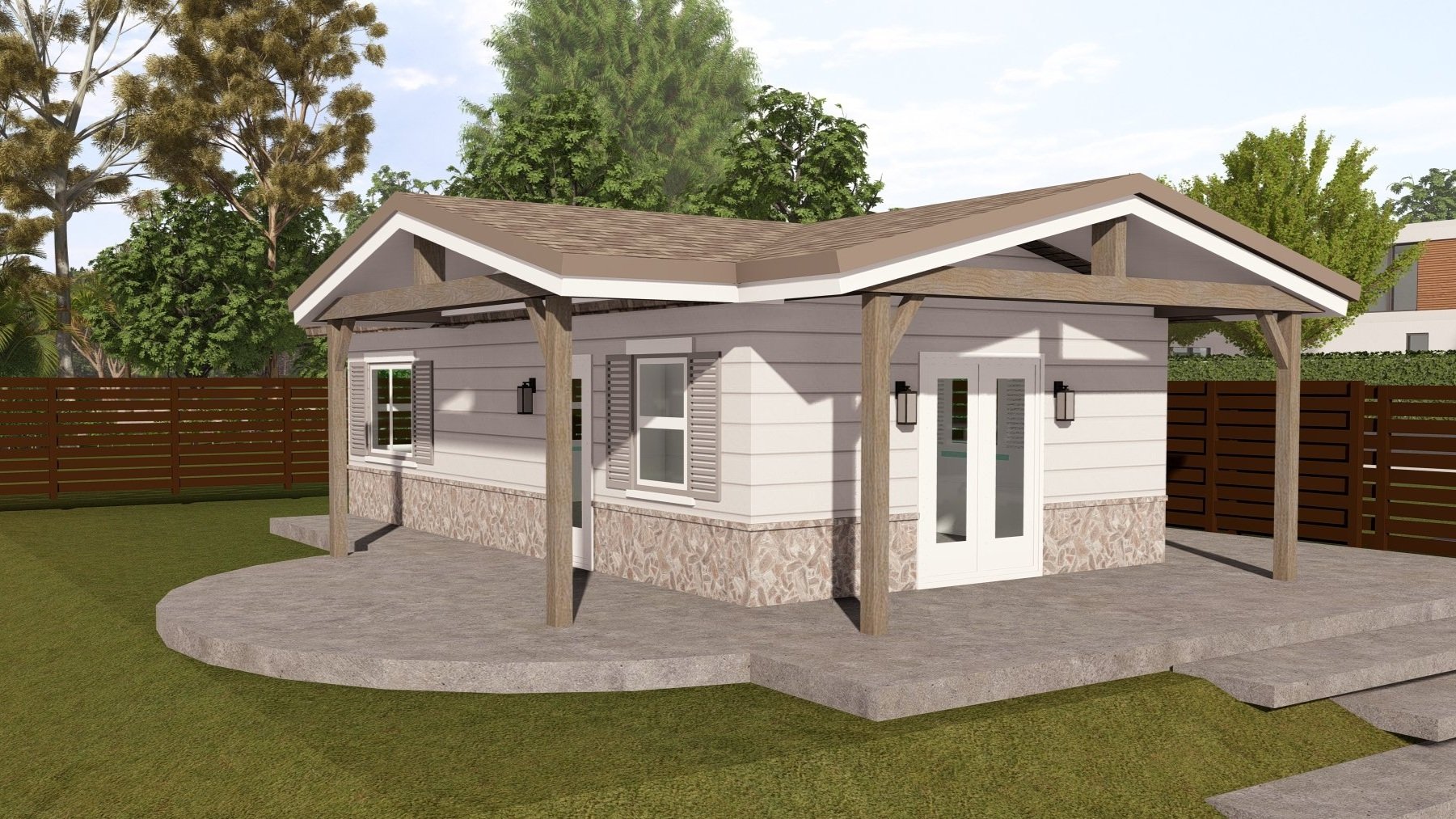
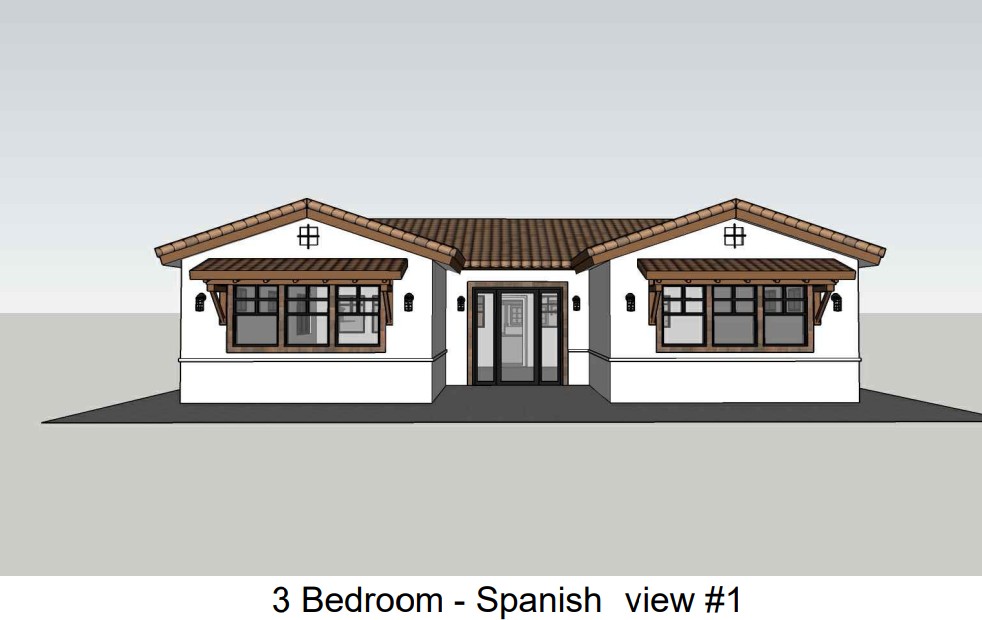

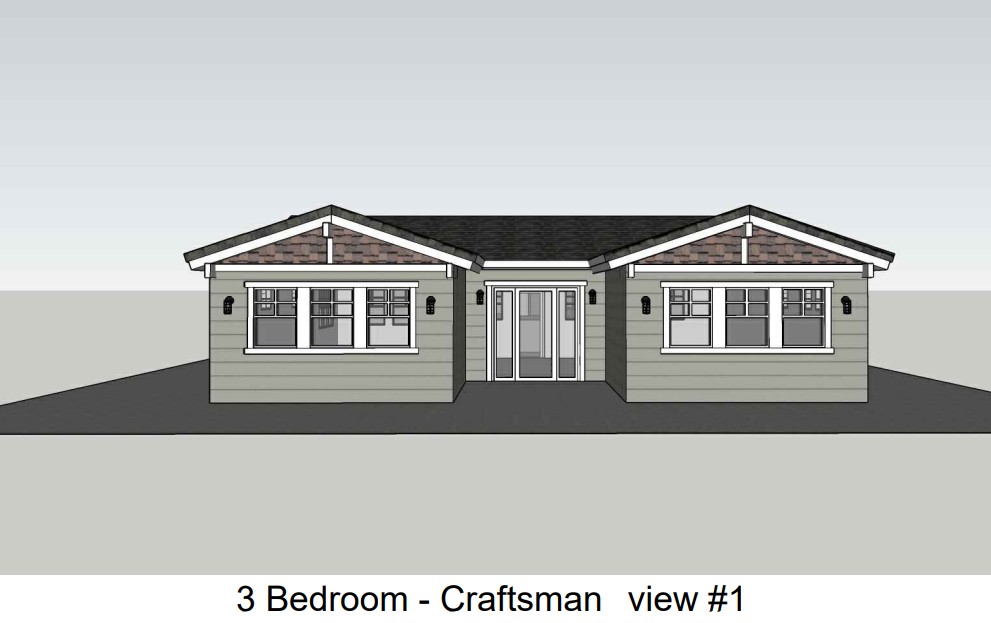
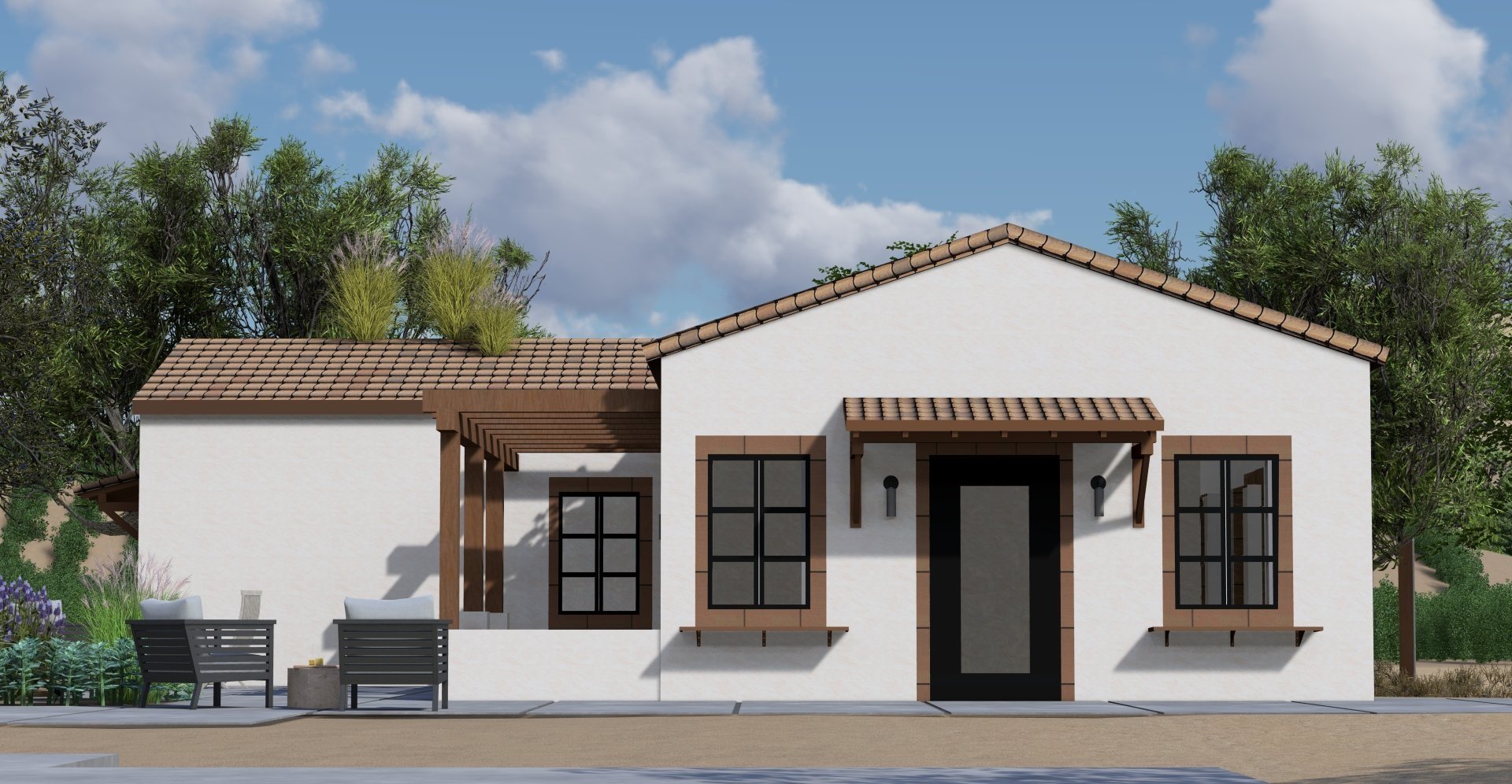
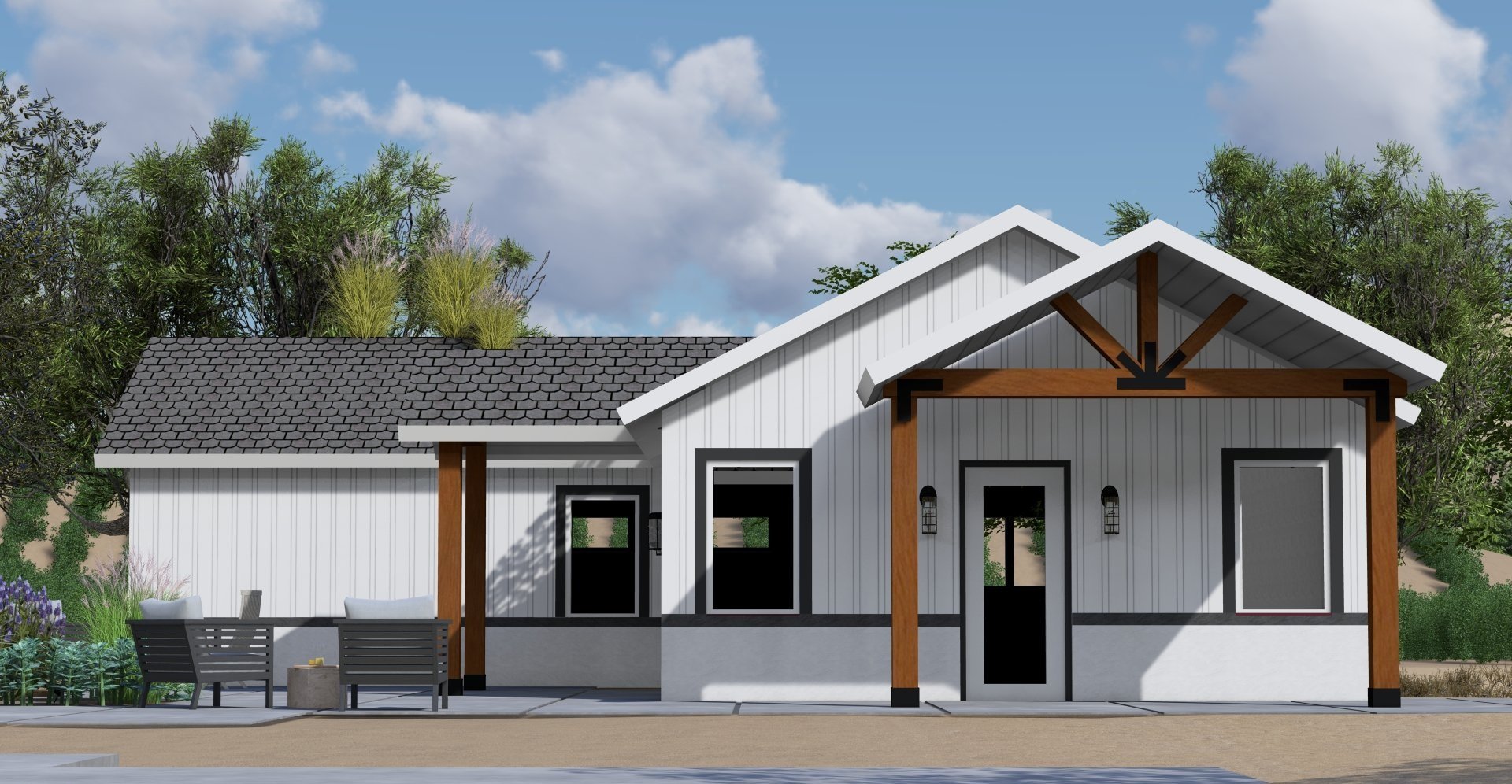
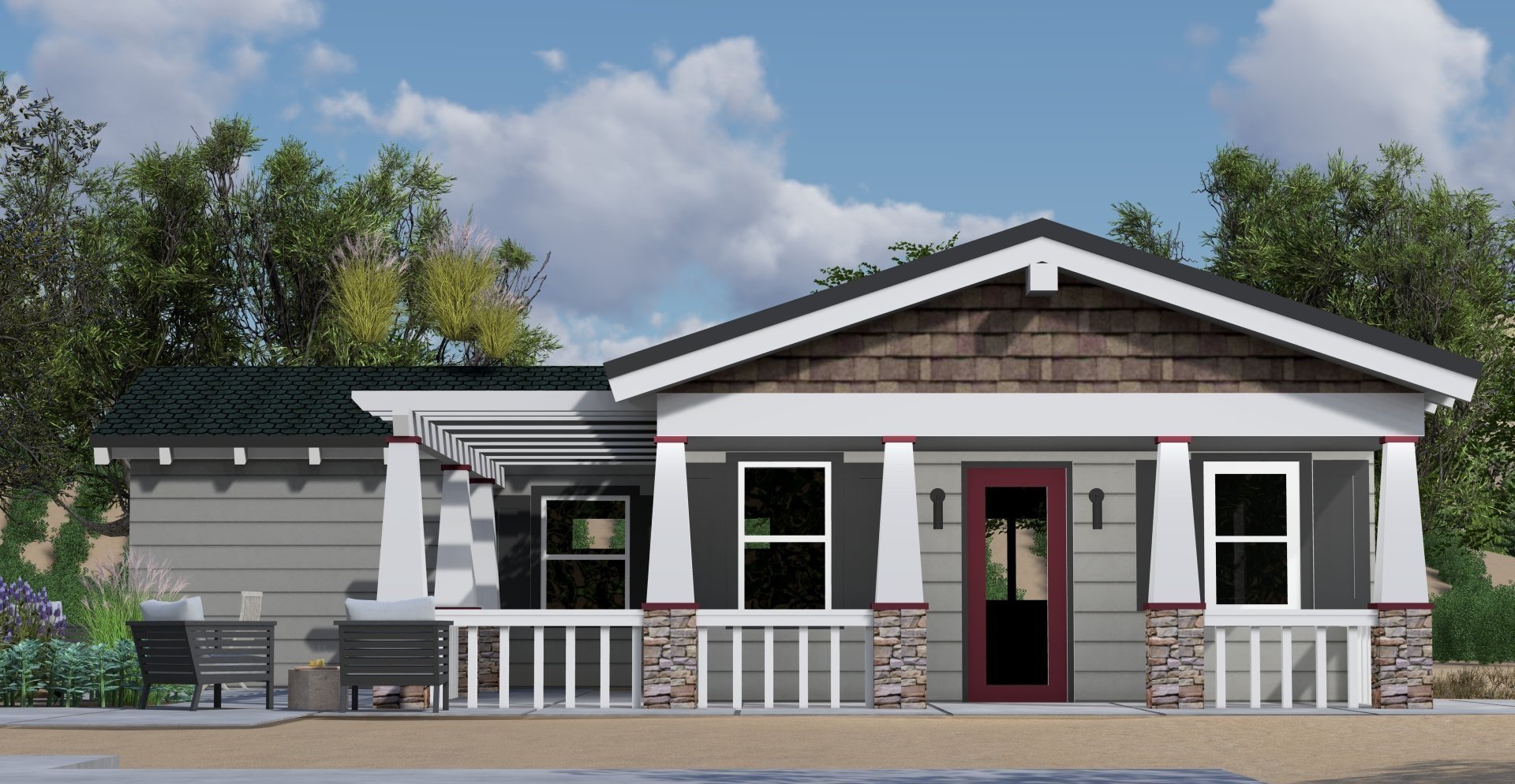
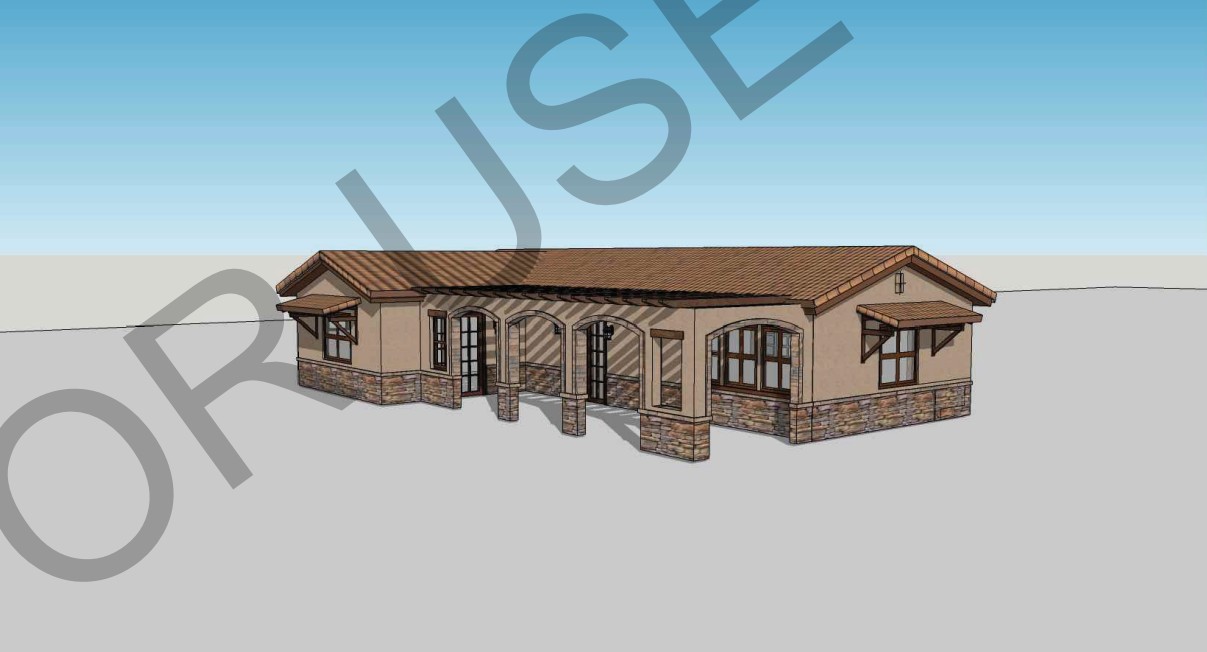
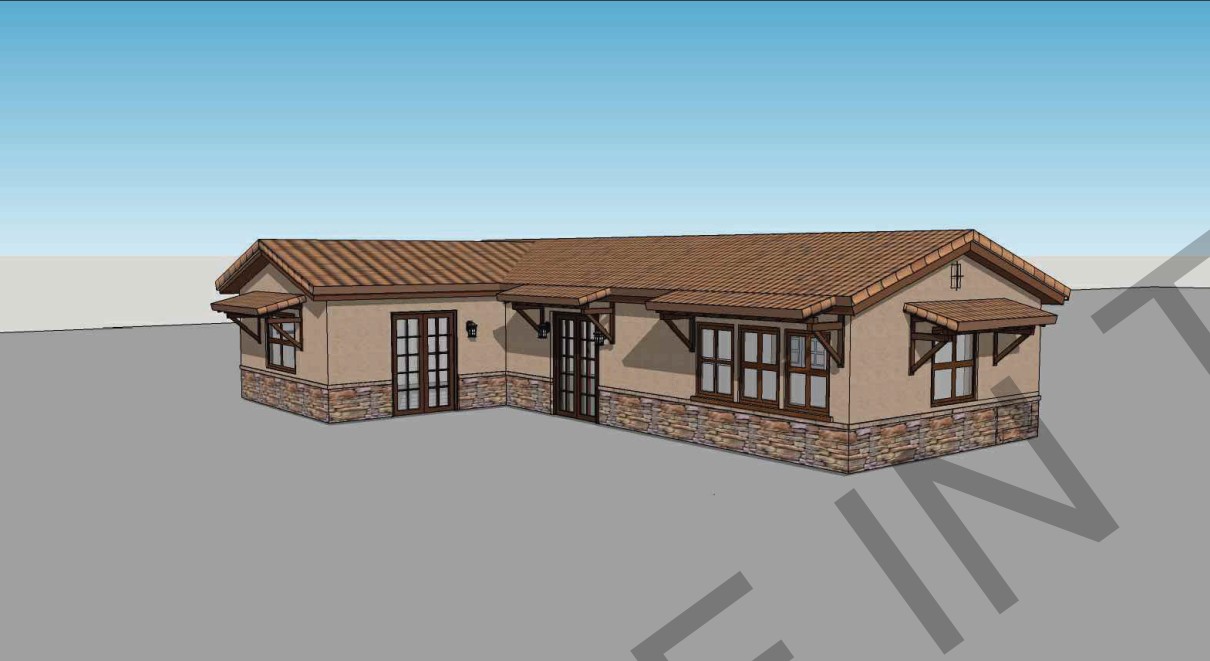

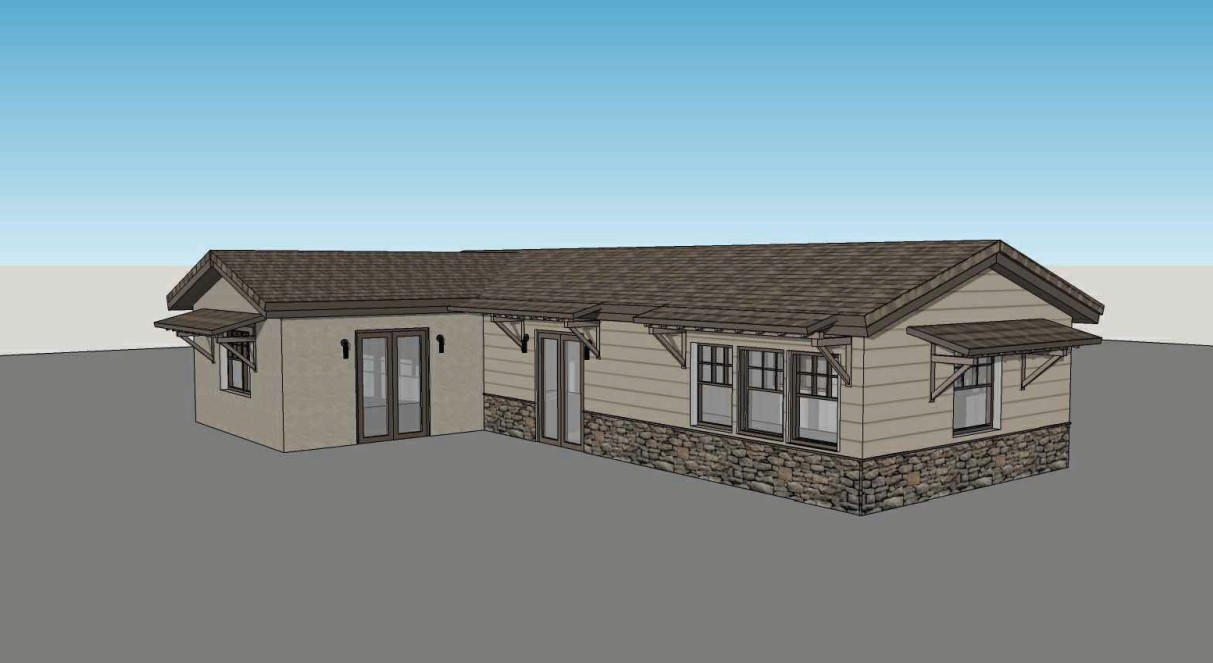
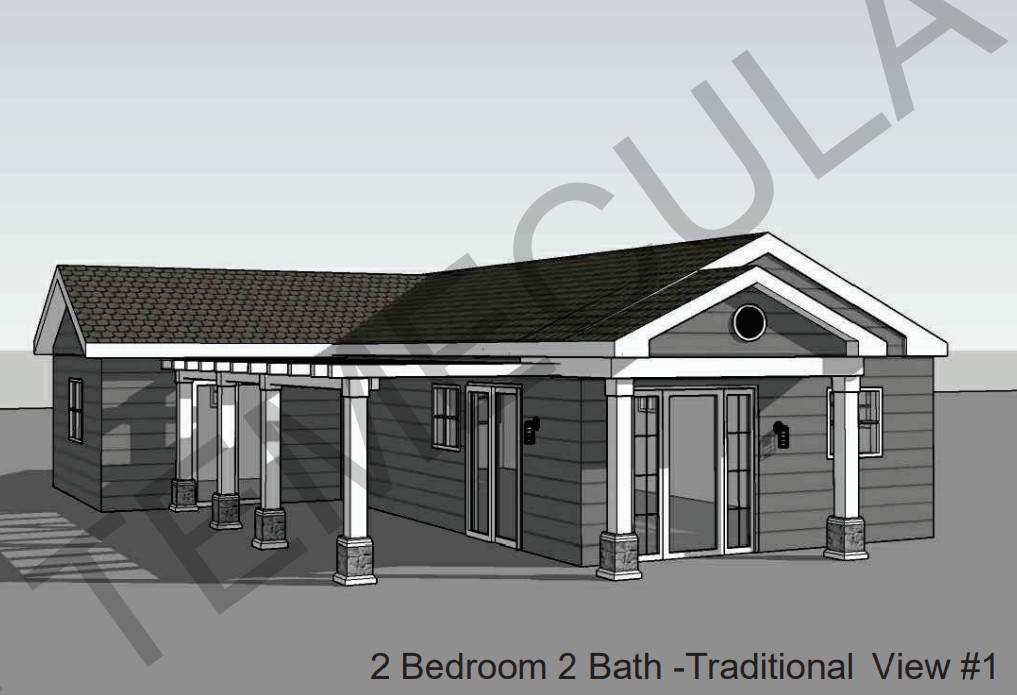
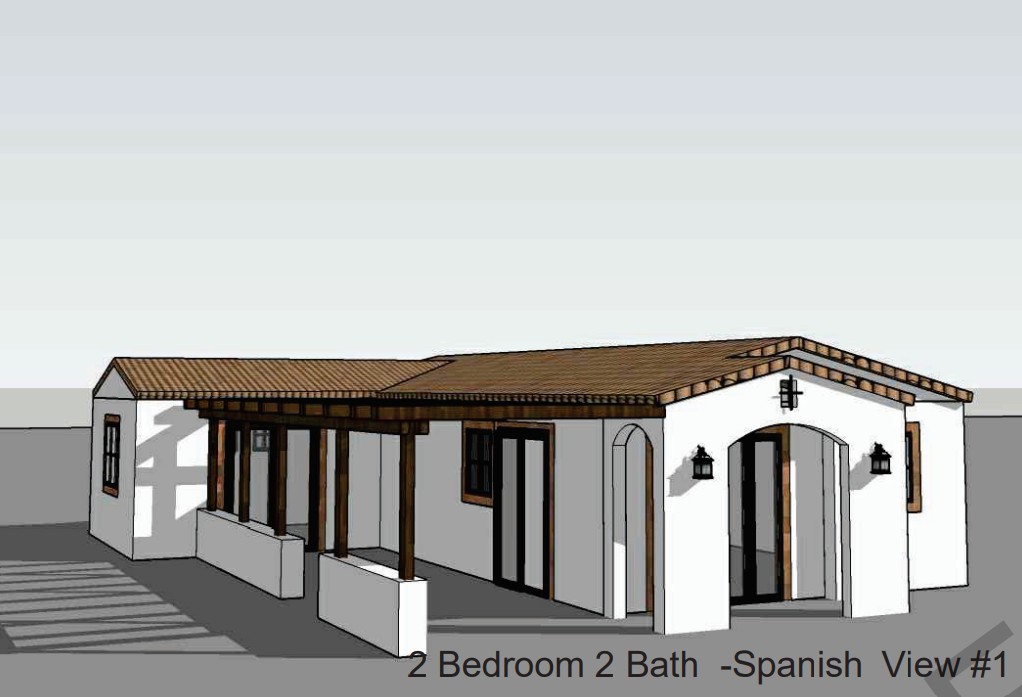
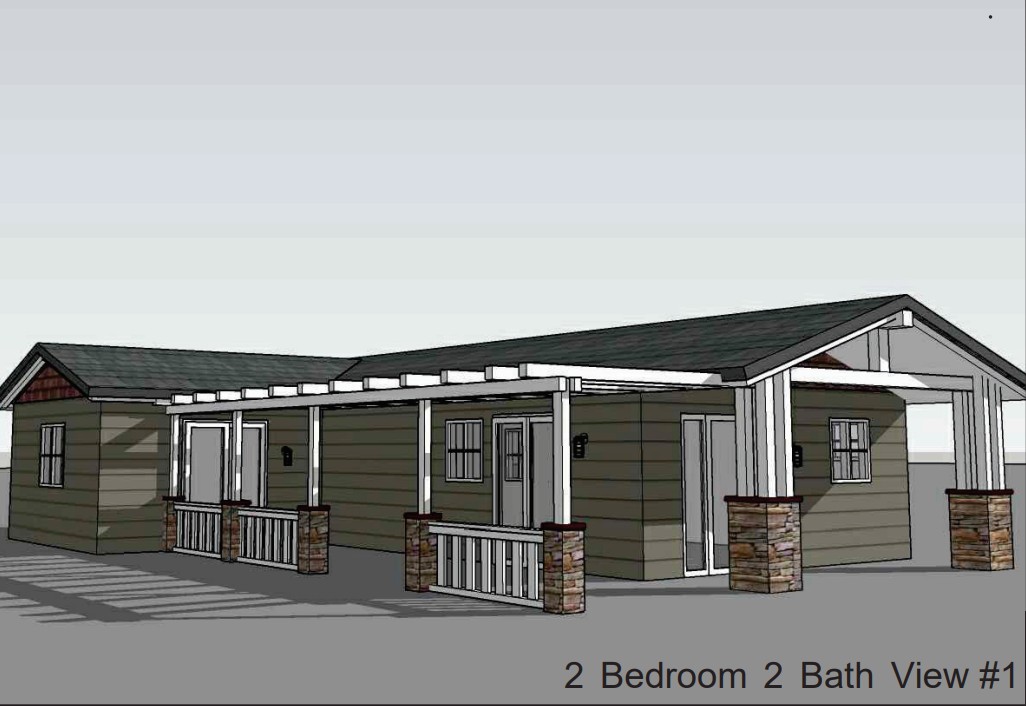
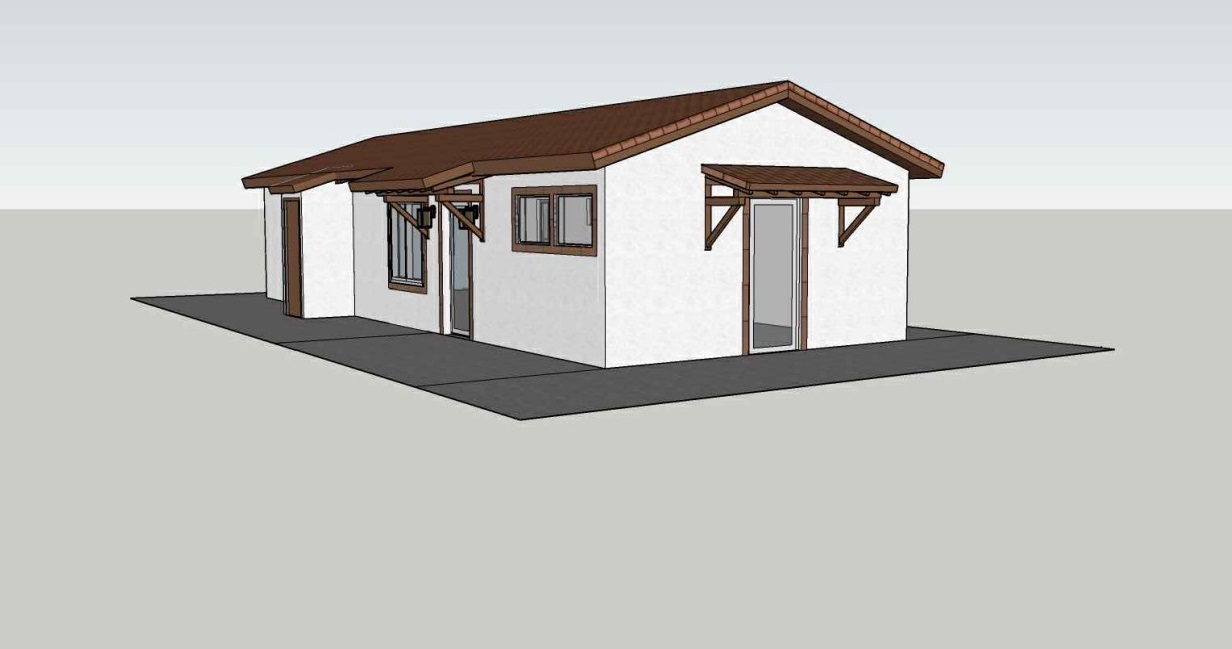
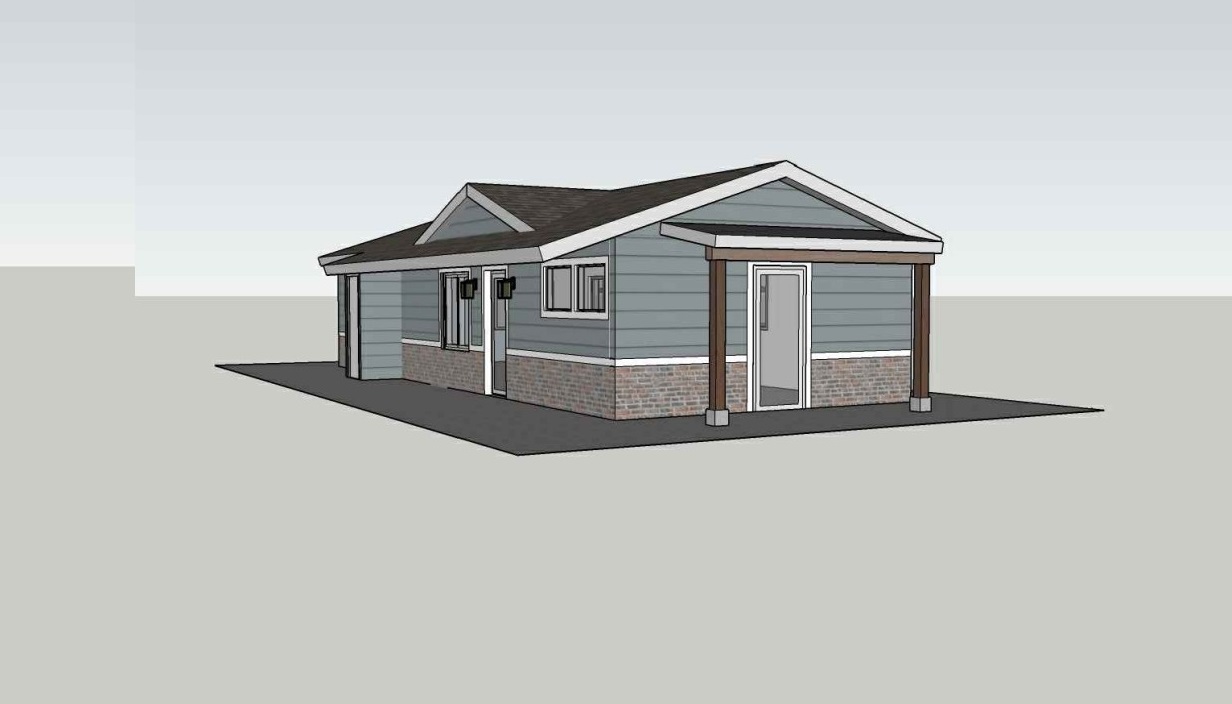
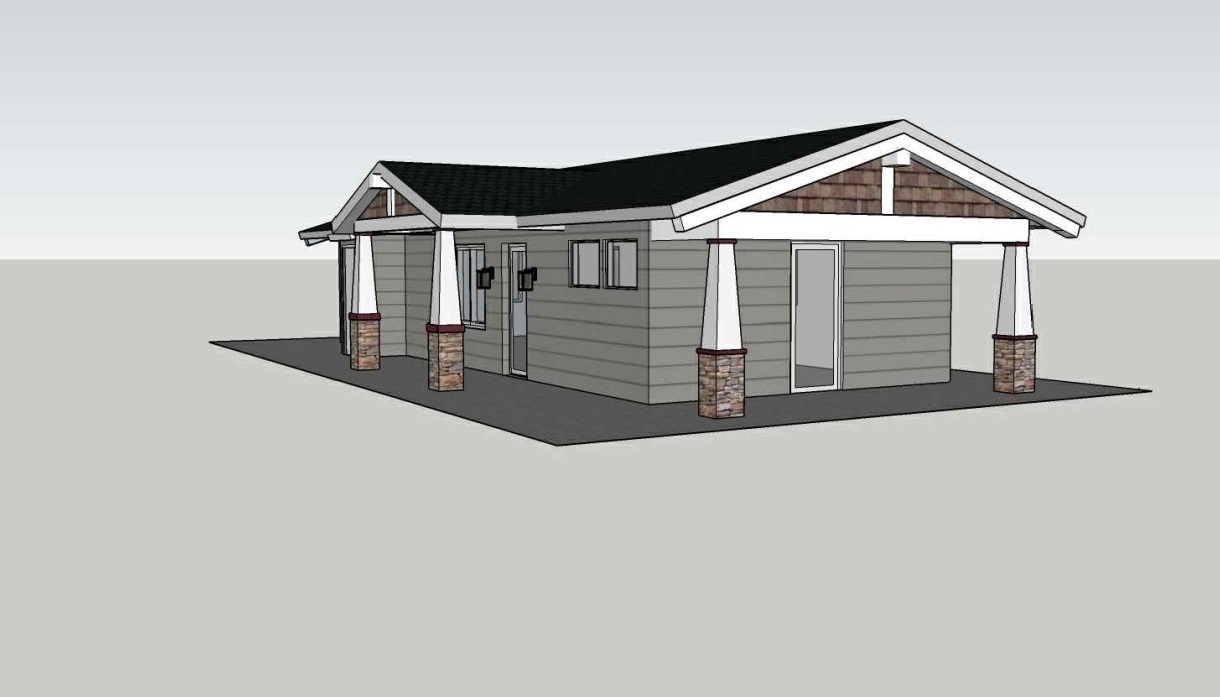


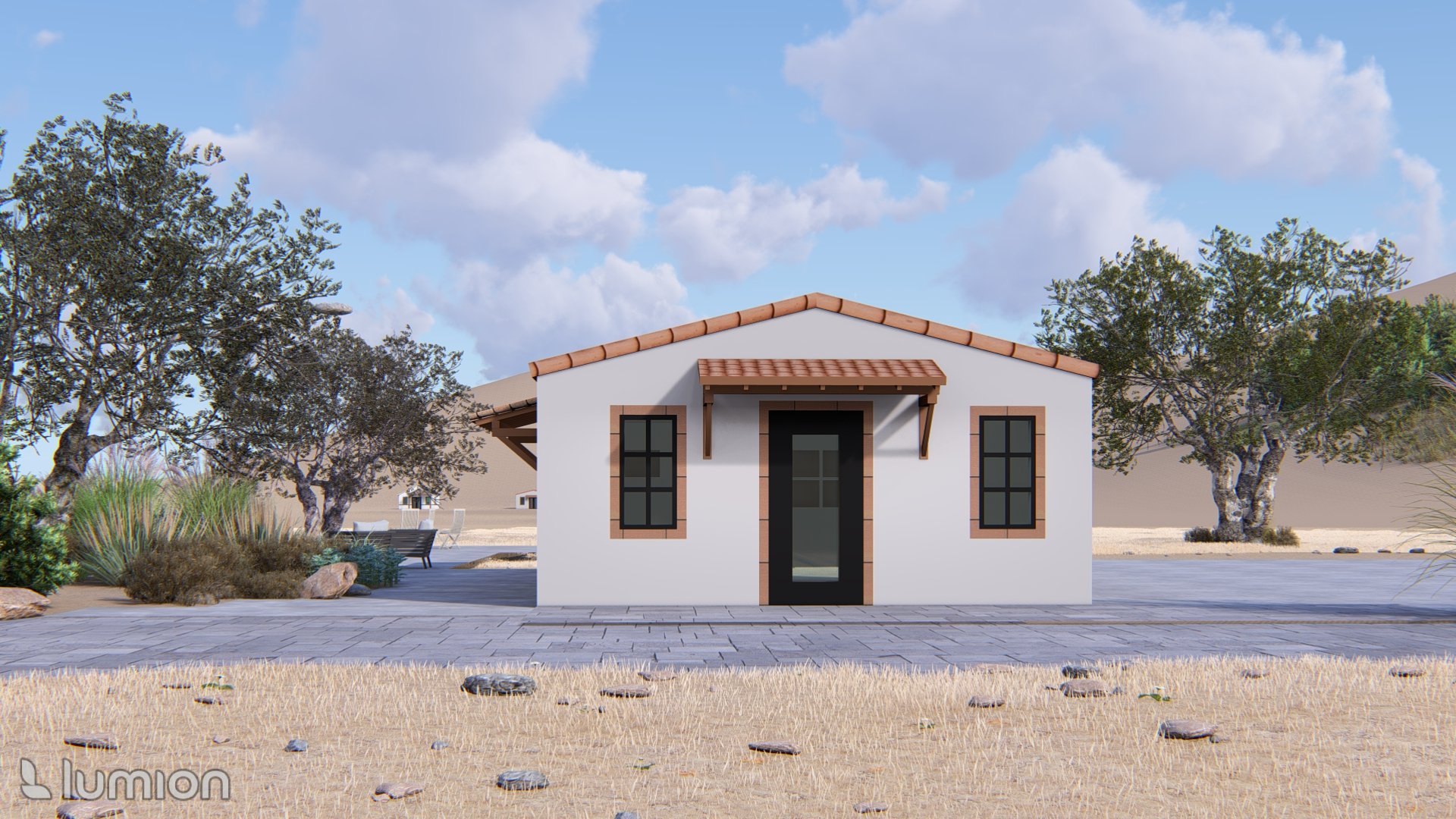
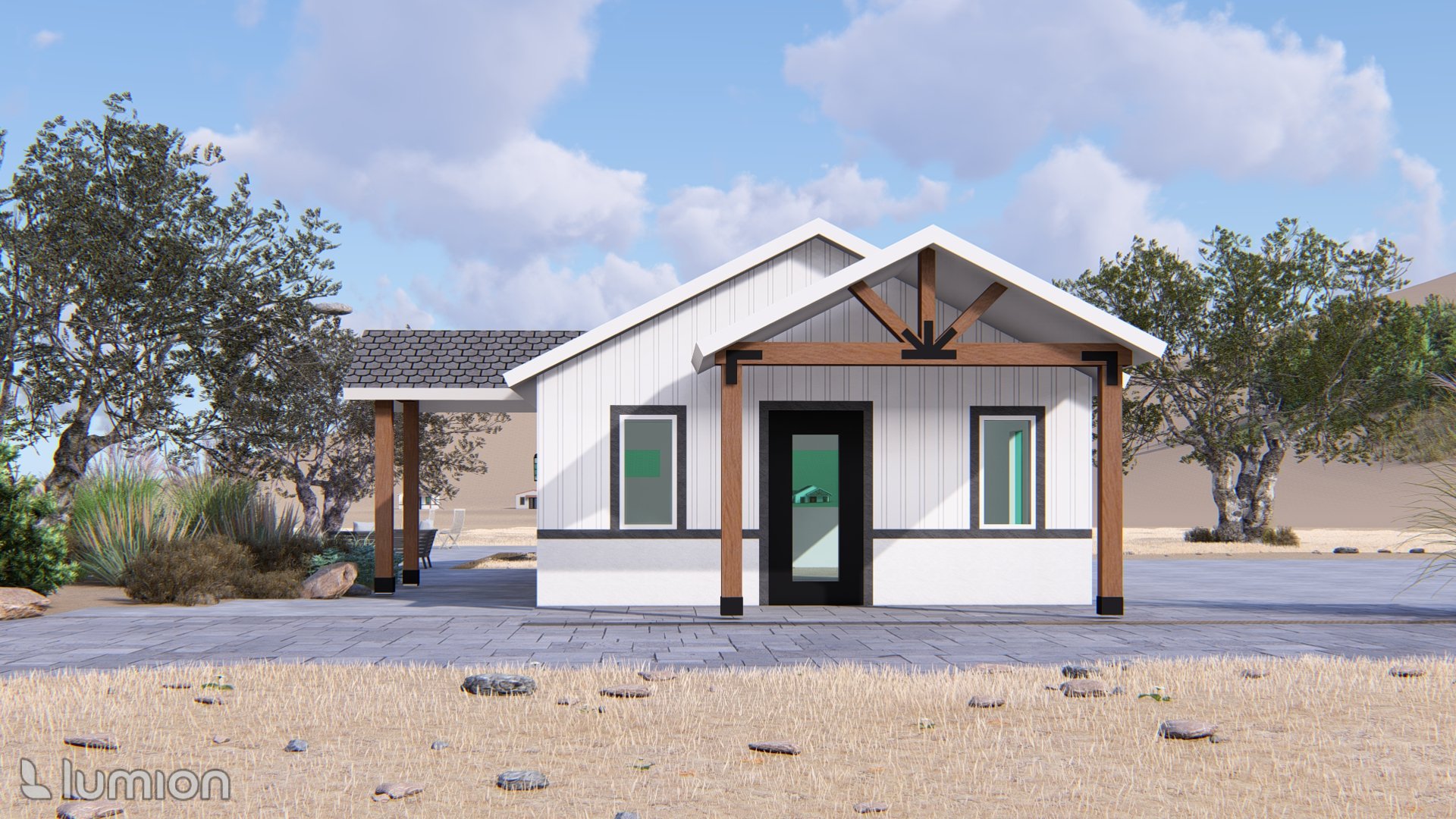
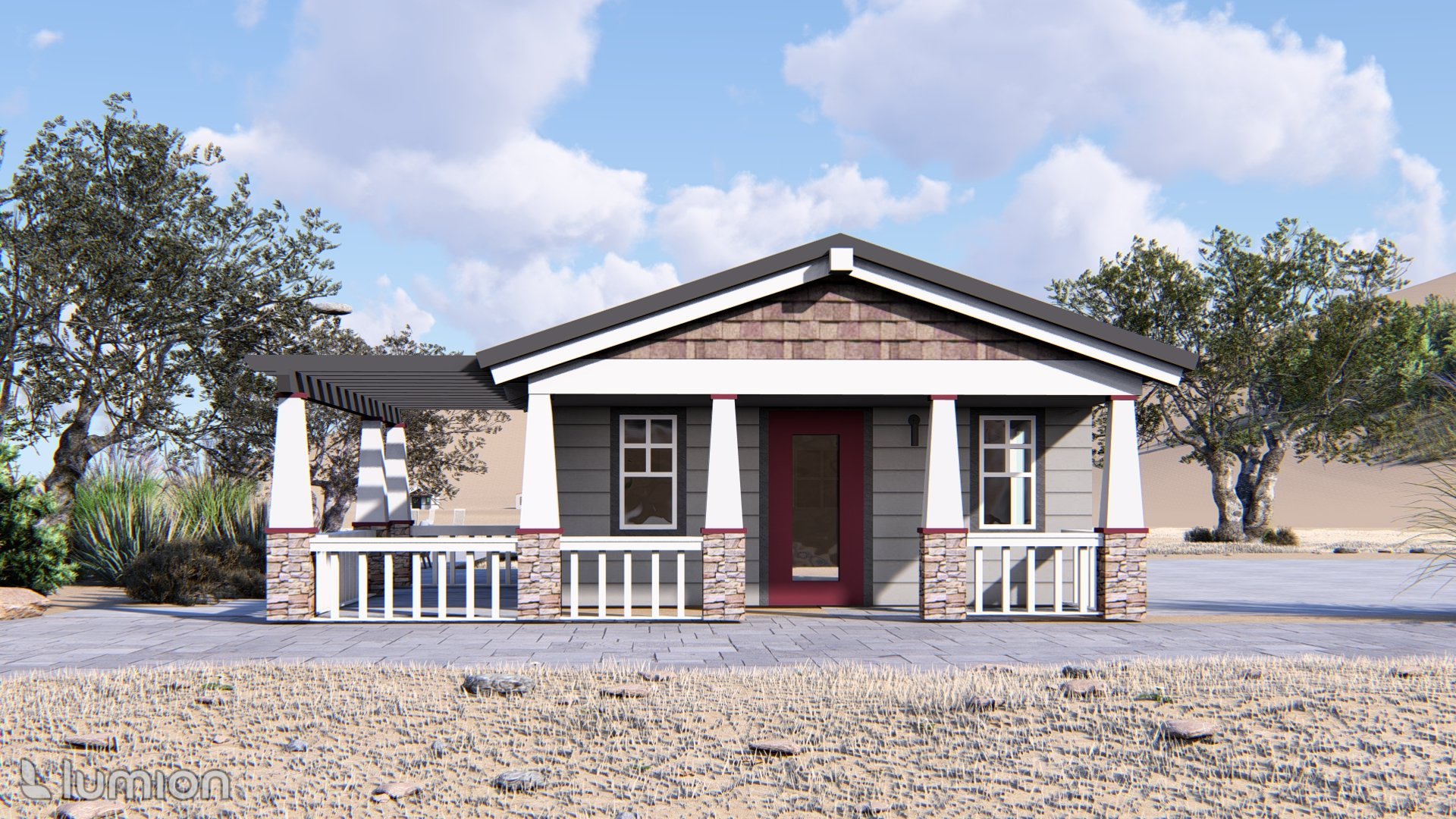

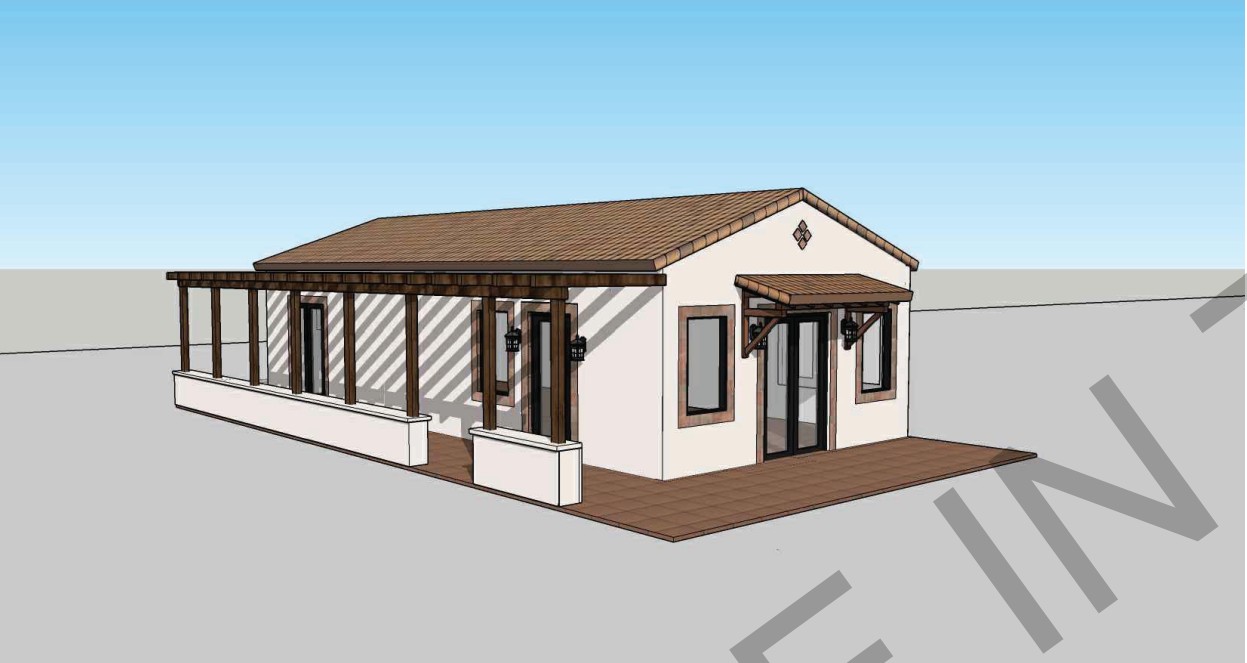
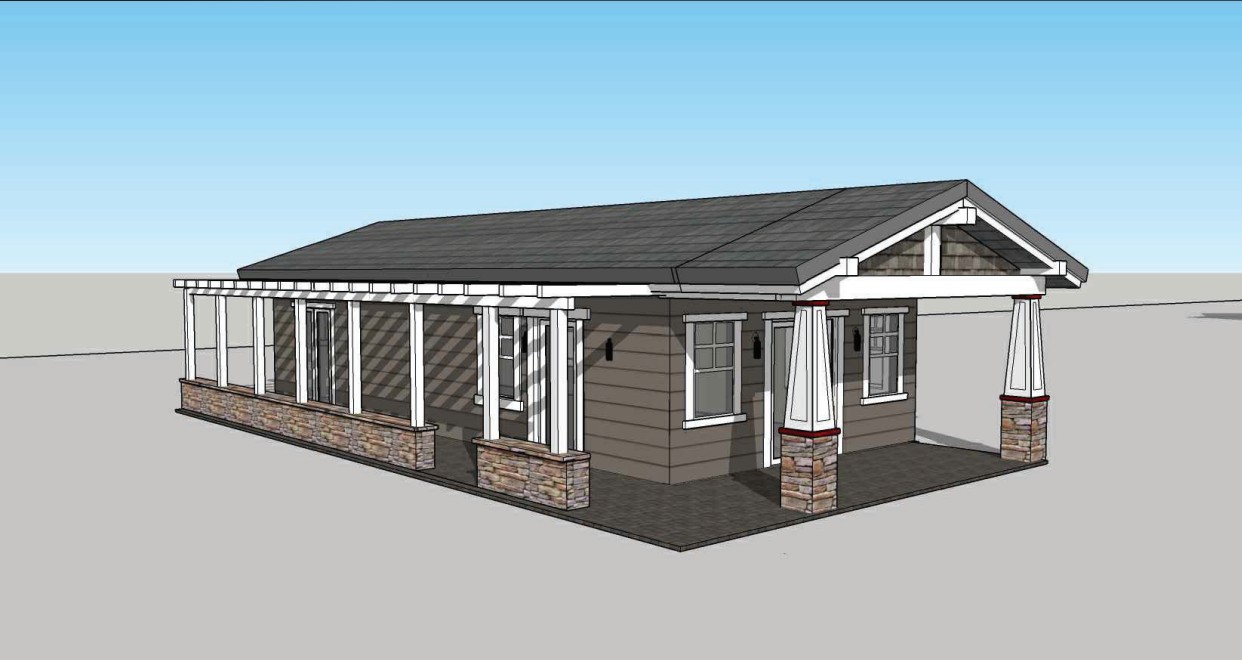
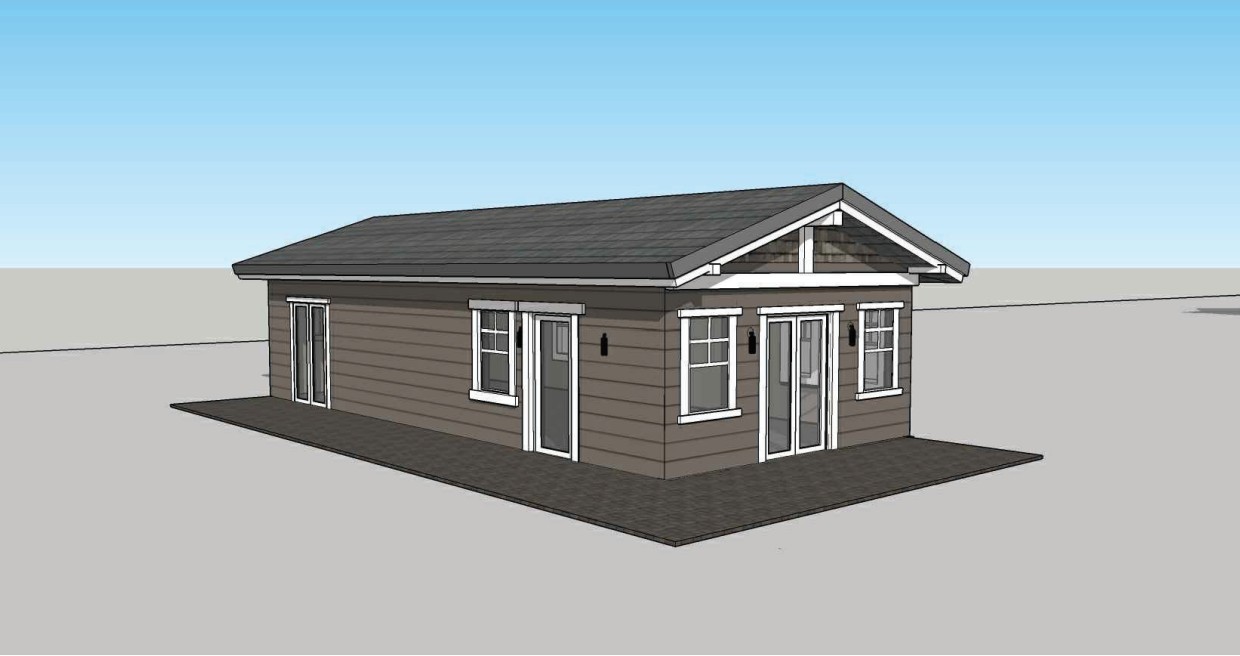
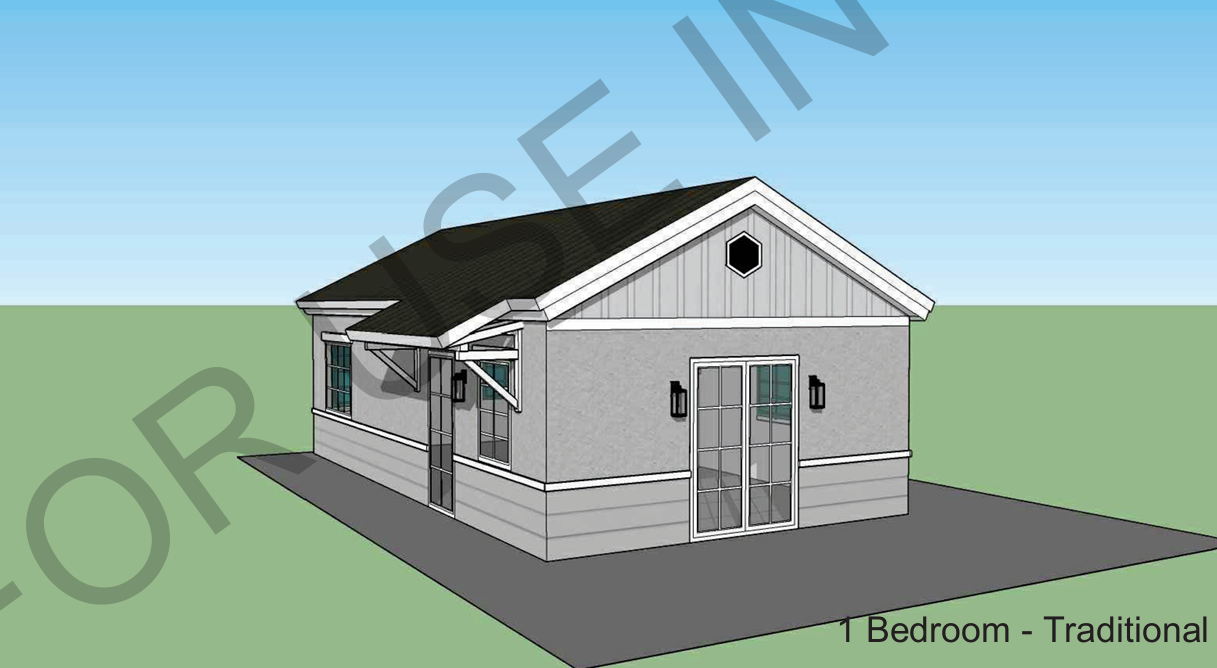
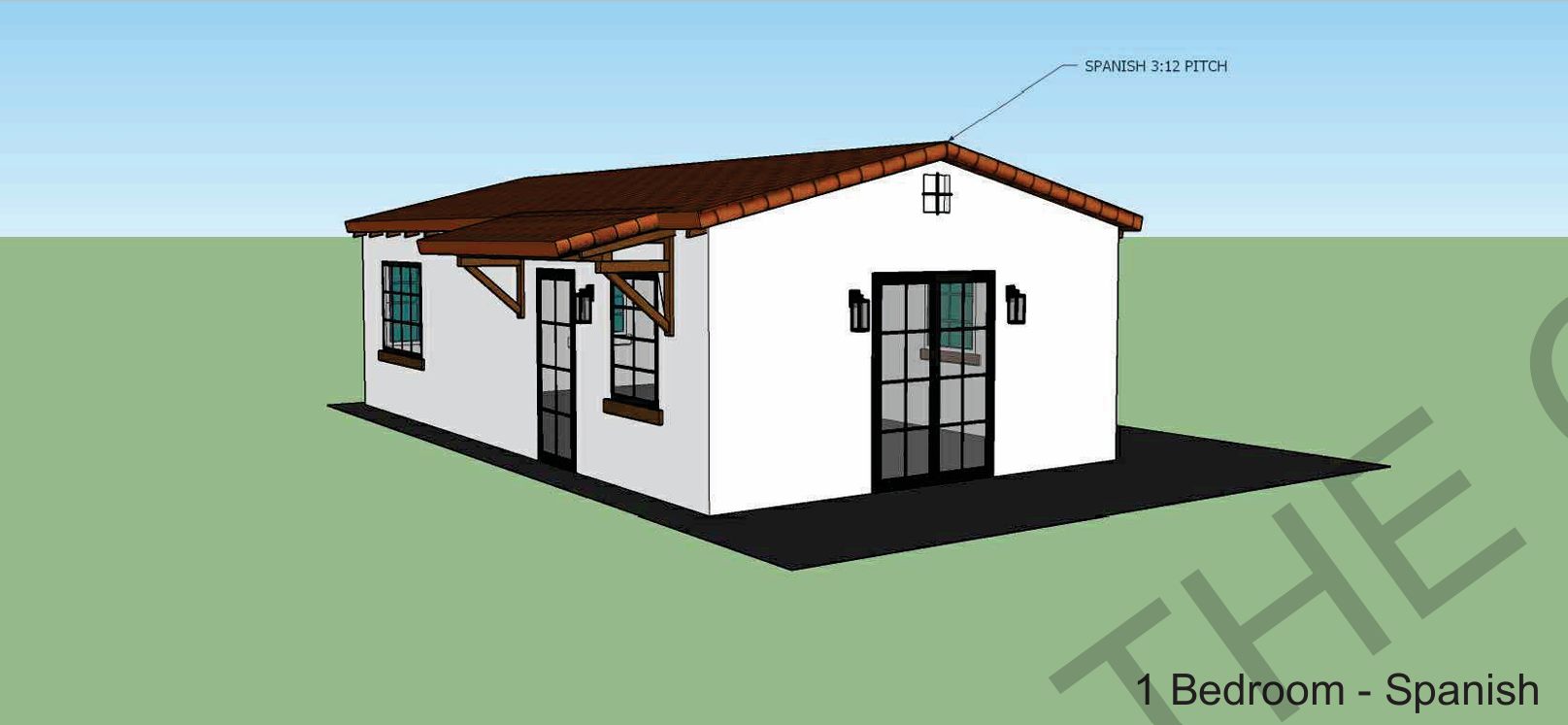
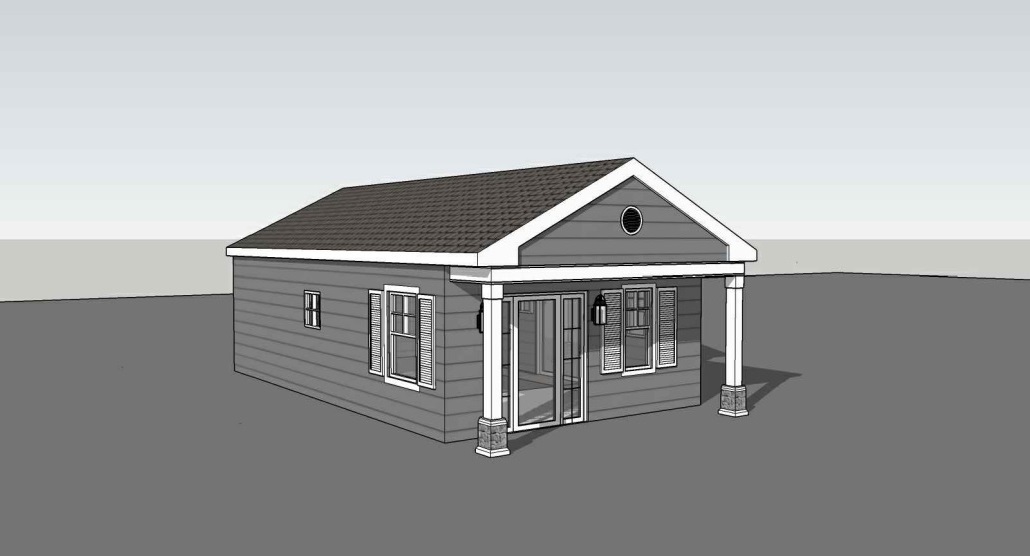
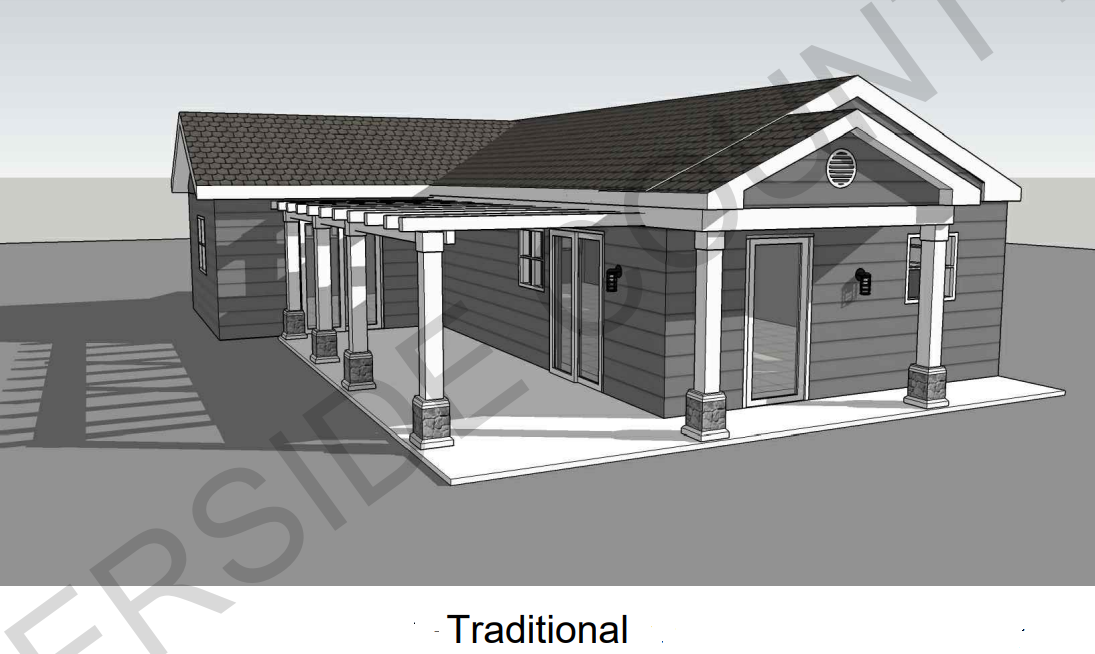
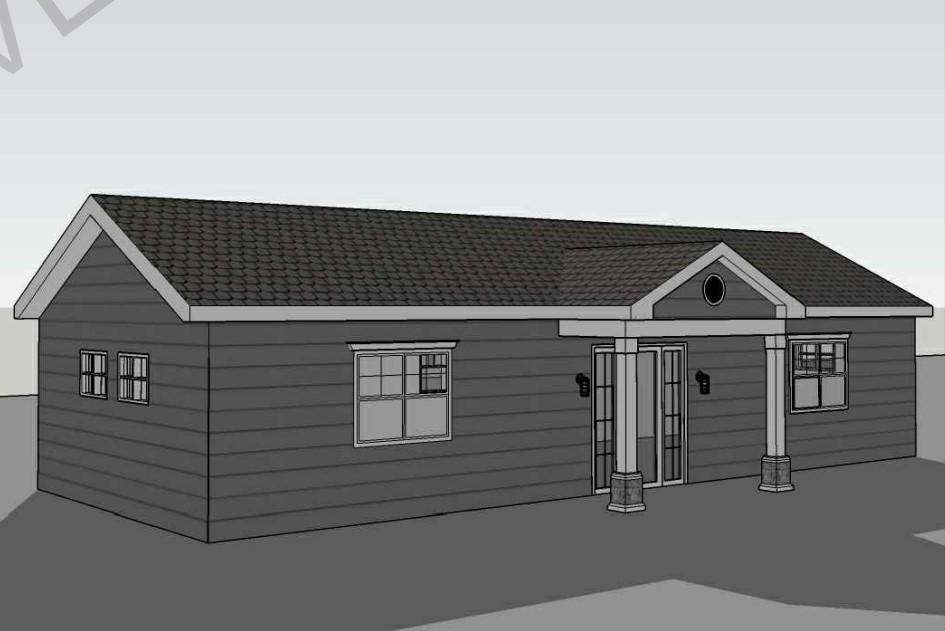
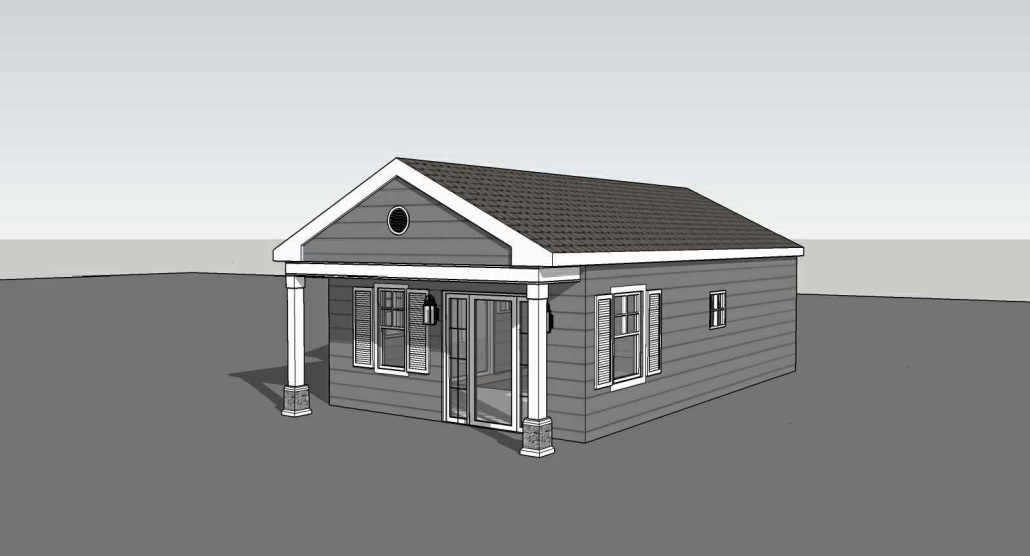
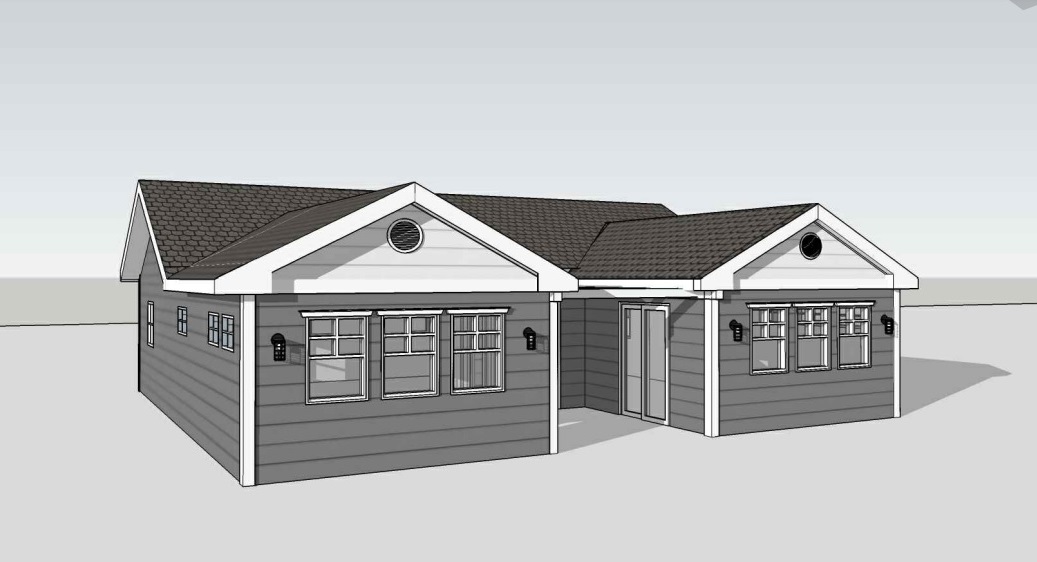
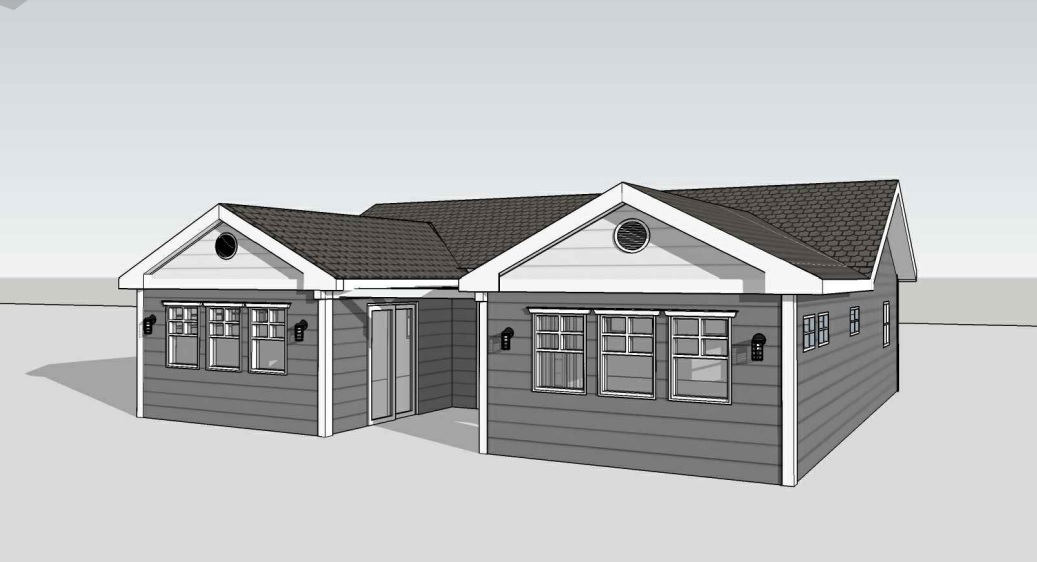
Perris 499 sq ft Studio 1 Bath Traditional Maneuvering Reverse




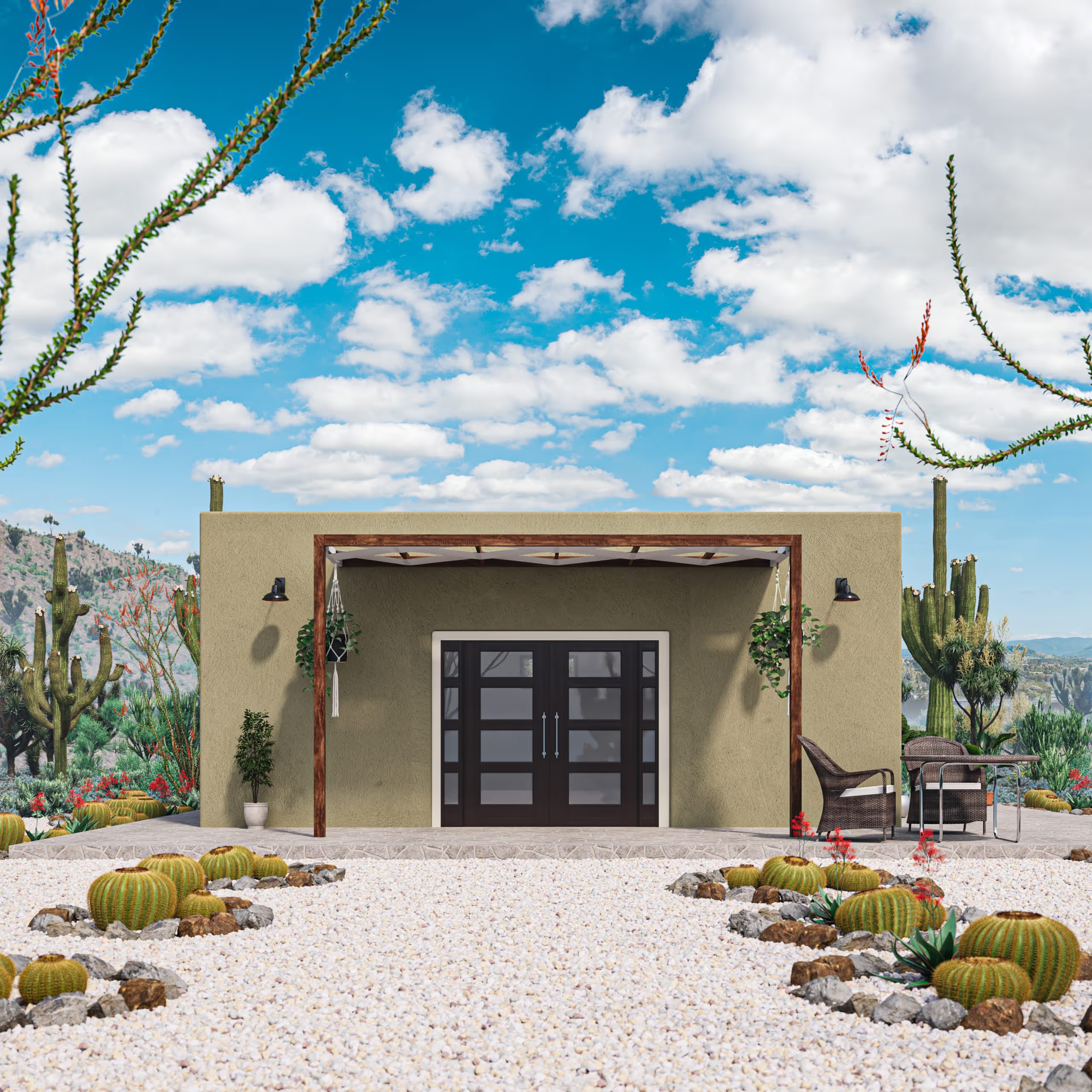
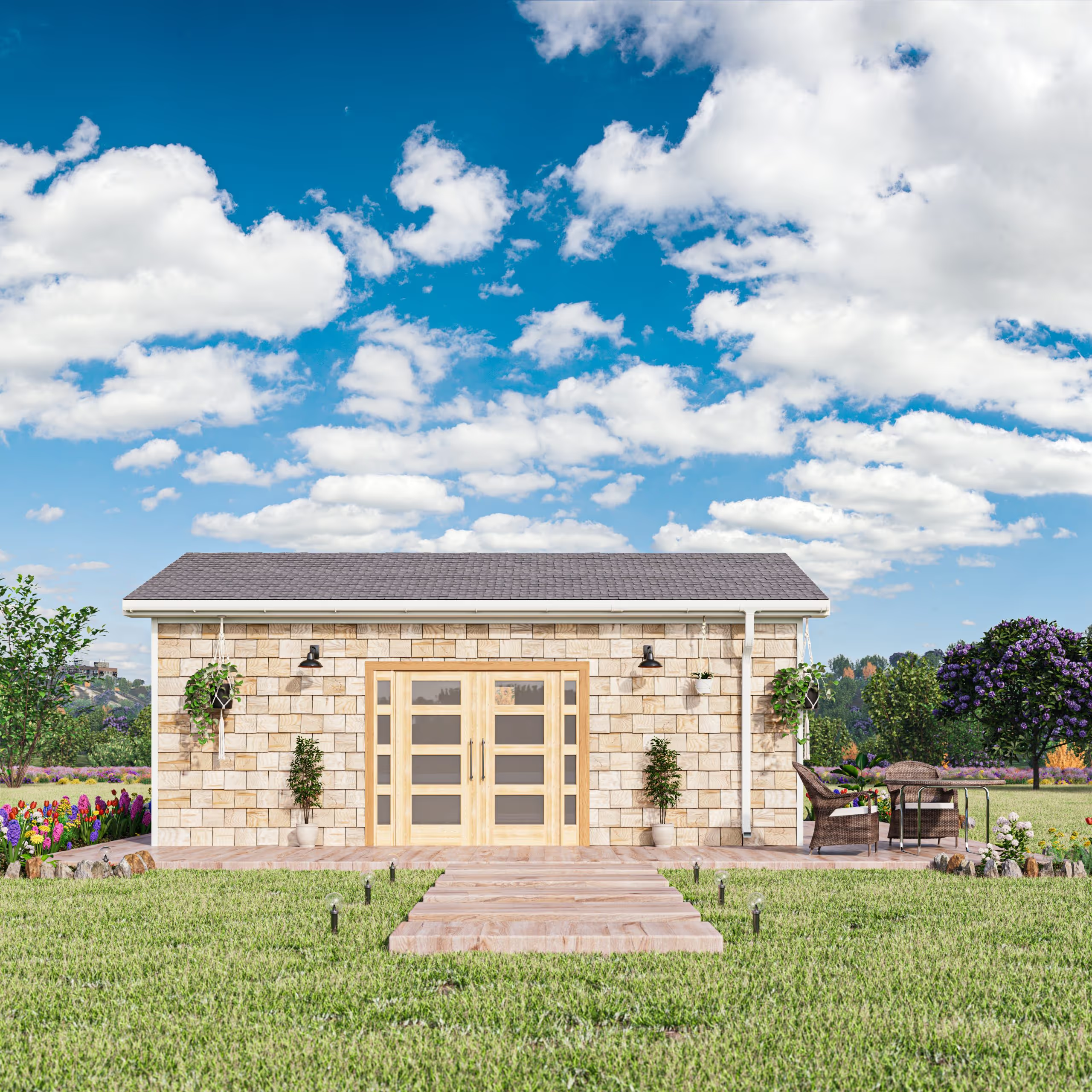
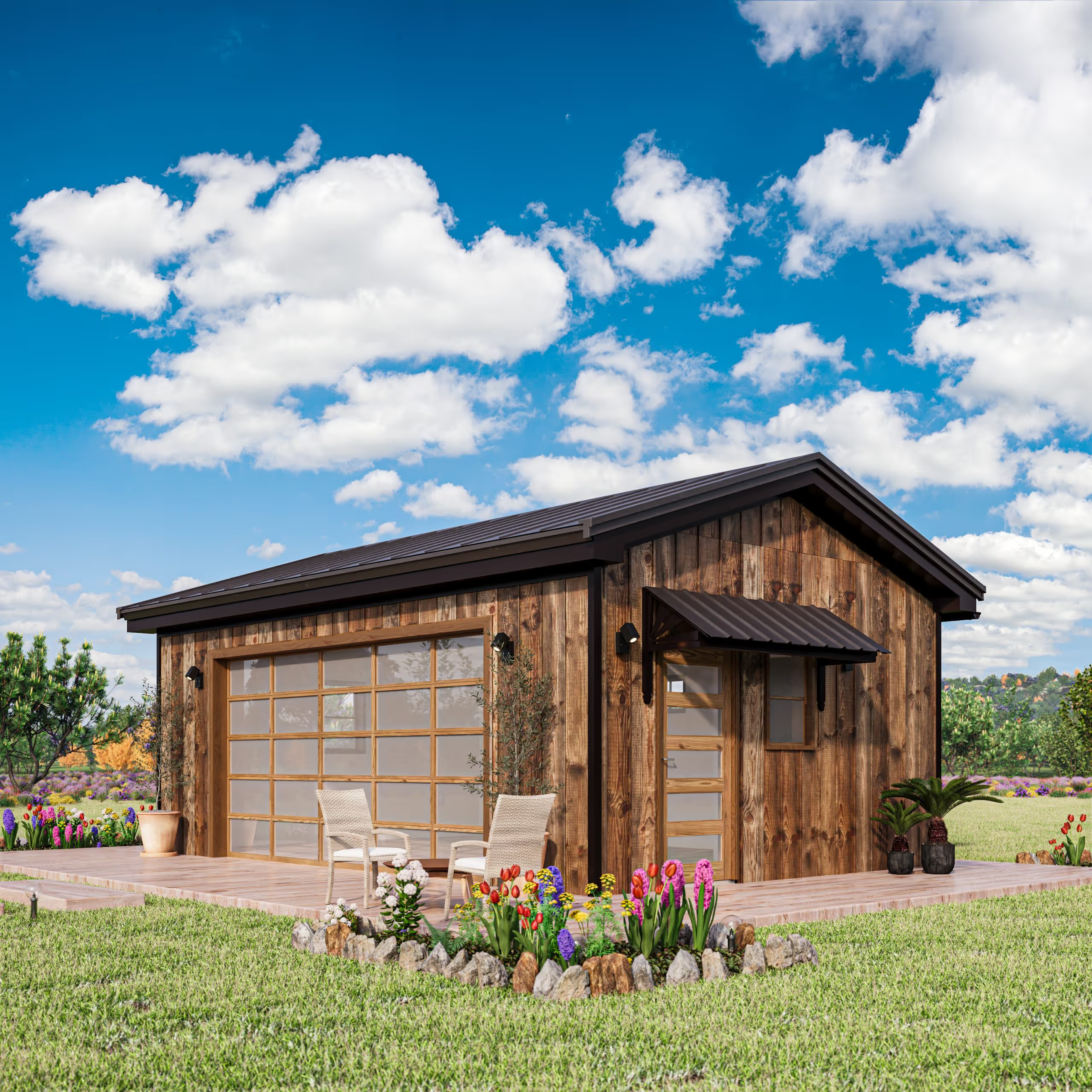
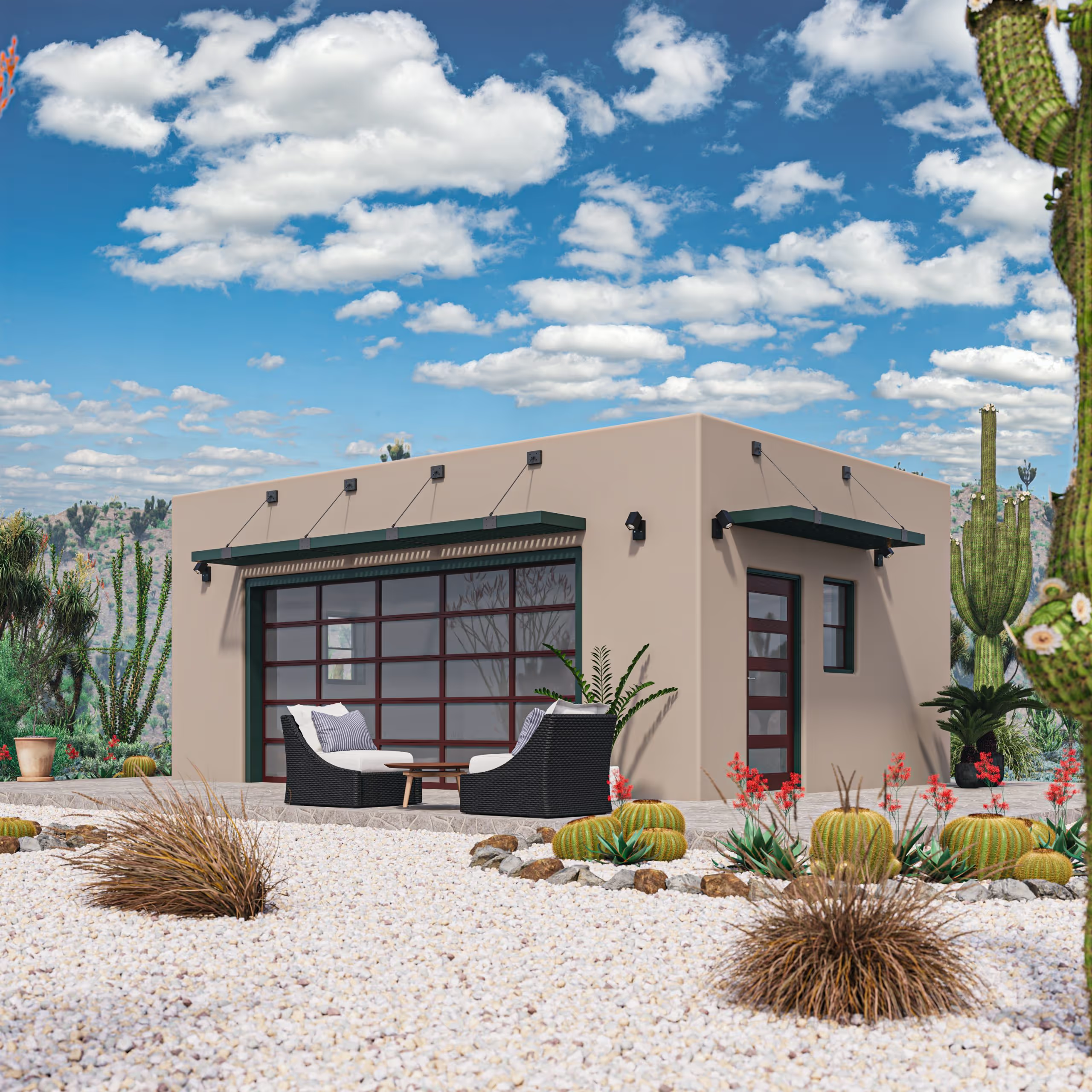


.avif)

Why Steel Frame House Construction Is Changing the Way Homes Are Built

Steel frame house construction uses engineered steel framing instead of traditional wood framing to create the structural skeleton of a home. Cold-formed steel (CFS) offers important advantages for residential construction, including dimensional stability, non-combustible framing, resistance to termites and rot, precision manufacturing, and efficient assembly.
For homeowners, builders, developers, and general contractors looking for greater predictability before construction begins, steel frame house construction provides an alternative to conventional wood framing.
But the real advantage is not simply replacing wood studs with steel studs. Modern steel construction can connect design, structural engineering, manufacturing, material planning, and field assembly into a more coordinated building process.
What Is Steel Frame House Construction?
Steel frame house construction is a building method in which cold-formed steel members are used to form the structural walls, roof system, and other framing components of a home.
Cold-formed steel is manufactured by forming sheet steel into precise structural shapes such as studs, tracks, joists, and other framing members.
Unlike wood, steel does not shrink, warp, twist, split, or rot. It is also not a food source for termites and other wood-destroying insects.
For residential construction, these characteristics can provide a more dimensionally consistent structural frame from manufacturing through assembly.
Learn more about the benefits of cold-formed steel framing.
Why Are Builders Using Cold-Formed Steel for Homes?
Builders and homeowners are increasingly considering cold-formed steel because it addresses several uncertainties associated with conventional framing.
From dimensional stability to precision manufacturing, steel can help create a more predictable structural system before materials arrive at the jobsite.
1. Steel Provides Dimensional Stability
Wood is a natural material, and its dimensions can change as moisture conditions change. Framing members can shrink, twist, bow, or warp.
Cold-formed steel is dimensionally stable.
That means properly manufactured framing components maintain consistent dimensions, helping builders achieve straighter walls, more predictable connections, and accurate alignment.
For builders, precision at the framing stage can also help reduce problems that might otherwise carry into later stages of construction.
2. Cold-Formed Steel Is Non-Combustible
Cold-formed steel is a non-combustible framing material.
Steel does not provide fuel to a fire in the way combustible structural framing materials can. This can make steel framing particularly attractive for projects where resilience and fire-conscious construction are priorities.
It is important, however, to distinguish the framing material from the performance of the entire building. A home's overall fire performance depends on the complete wall, roof, insulation, cladding, openings, and other assemblies—not simply the framing material.
3. Steel Is Resistant to Termites and Rot
Termites can damage wood framing because wood is an organic food source.
Steel is not.
Cold-formed steel framing is also not susceptible to rot. These characteristics remove two common sources of deterioration associated with wood structural framing.
For homeowners and builders, that can mean greater confidence in the long-term integrity of the structural skeleton.
4. Precision Manufacturing Can Make Construction More Predictable
One of the most important advantages of modern steel framing happens before the frame arrives at the jobsite.
Cold-formed steel components can be manufactured to precise dimensions based on engineered building information.
With FrameUpNow, the objective is to coordinate the frame with the engineered plans before manufacturing begins. This creates a clearer path from design to production to field assembly.
Instead of relying heavily on jobsite cutting and interpretation, builders receive framing components designed for their intended locations within the structure.
This can reduce uncertainty during framing and create a more repeatable construction process.
Can Steel Framing Make a Home Faster to Frame?
Steel framing can make the framing stage more efficient when the structure is properly designed, engineered, manufactured, and organized before it reaches the site.
The key distinction is between total construction time and framing efficiency.
A home's complete construction schedule depends on permitting, site preparation, foundation work, subcontractor availability, inspections, utilities, finishes, weather, and many other variables.
However, pre-engineered and manufactured steel framing can simplify the structural assembly stage because many framing decisions have already been resolved upstream.
Homeowners and builders who want to understand the process can see how DIY steel frame building works before deciding which parts of a project they may want to handle themselves and which should be completed by professionals.
Is Steel Framing Sustainable?
Steel offers several sustainability advantages.
Steel is recyclable, and precision manufacturing can reduce unnecessary framing waste at the jobsite. Components manufactured to specified dimensions can also reduce the amount of cutting and discarded material associated with conventional framing.
However, sustainability should be evaluated across the entire building rather than based on a single material.
Building size, insulation, mechanical systems, windows, orientation, finishes, durability, transportation, and expected service life all contribute to a home's overall environmental impact.
Are Steel Frame Homes More Energy Efficient?
Steel framing does not automatically make a house more energy efficient.
This is an important distinction.
Steel conducts heat more readily than wood, which means the wall assembly must be properly designed to address thermal bridging. Continuous exterior insulation and other appropriate building-envelope strategies can be used as part of an energy-efficient steel-framed wall system.
Energy performance ultimately depends on the complete building envelope, including insulation, air sealing, windows, doors, roofing, HVAC systems, climate, and construction quality.
The advantage of steel framing is therefore not that steel itself is an insulating material. It is the precision and structural consistency it can bring to a properly designed high-performance building assembly.
Is a Steel Frame House More Expensive Than a Wood Frame House?
The answer depends on the project.
Comparing only the price of steel studs with wood studs does not provide an accurate picture of total construction cost.
A meaningful comparison should consider:
- Structural engineering
- Material quantities
- Labor
- Framing time
- Jobsite waste
- Transportation
- Required equipment
- Construction complexity
- Local labor rates
- Long-term maintenance
- Project location
Steel may cost more in one part of the project while creating savings or greater predictability elsewhere.
For this reason, homeowners and builders should evaluate the total installed building system, rather than comparing the price of individual framing materials.
Can a Steel Frame House Be Customized?
Yes. Cold-formed steel framing can be engineered for many different architectural styles, floor plans, roof configurations, and home sizes.
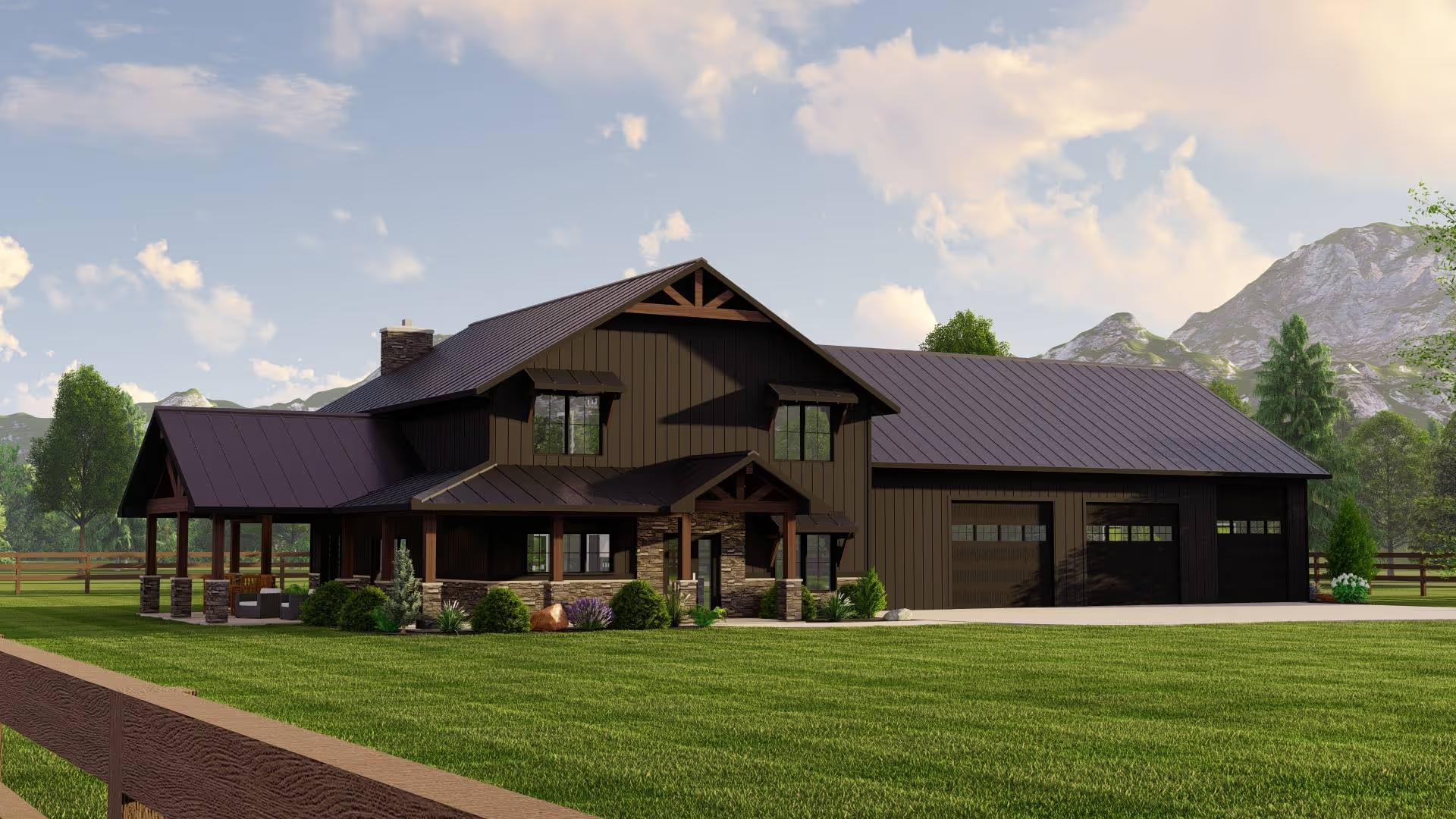
Steel framing does not require a home to look industrial or resemble a metal building.
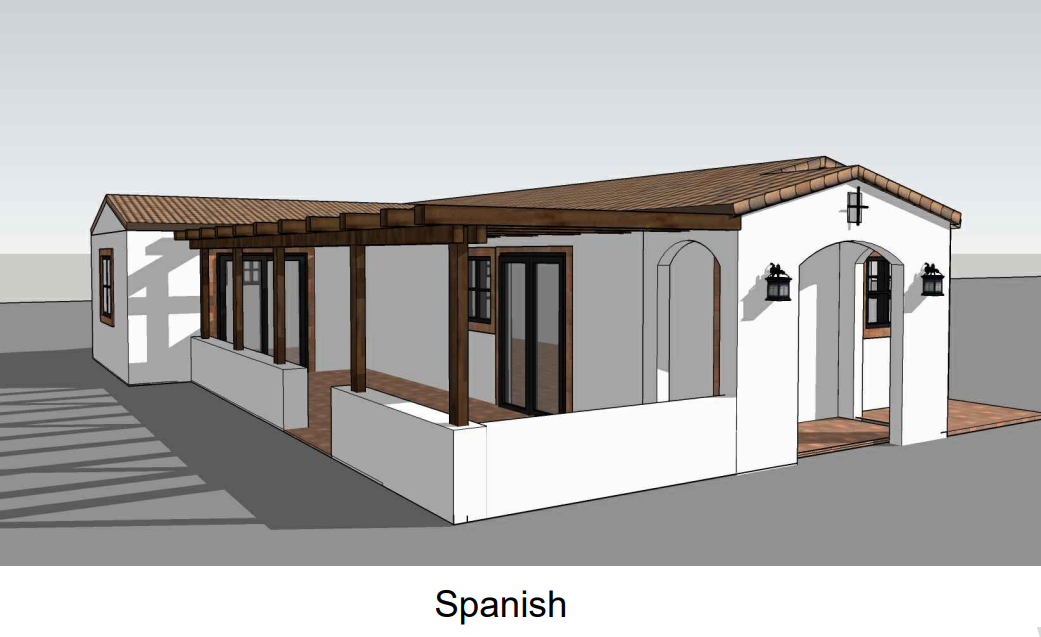
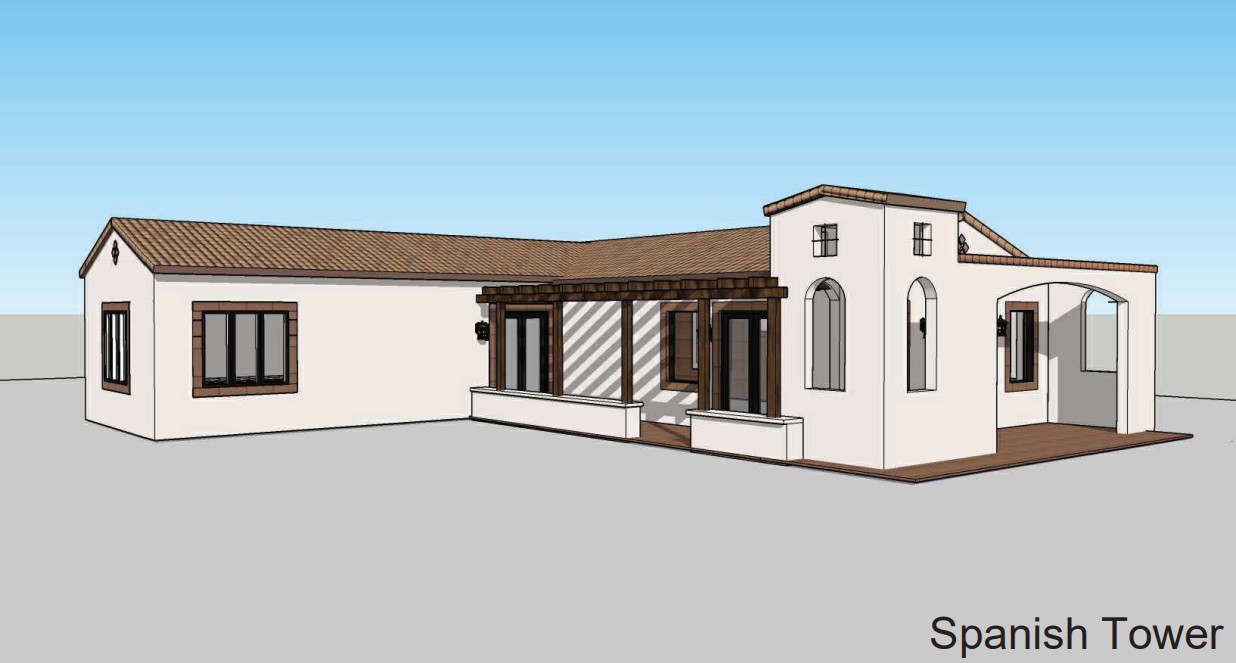
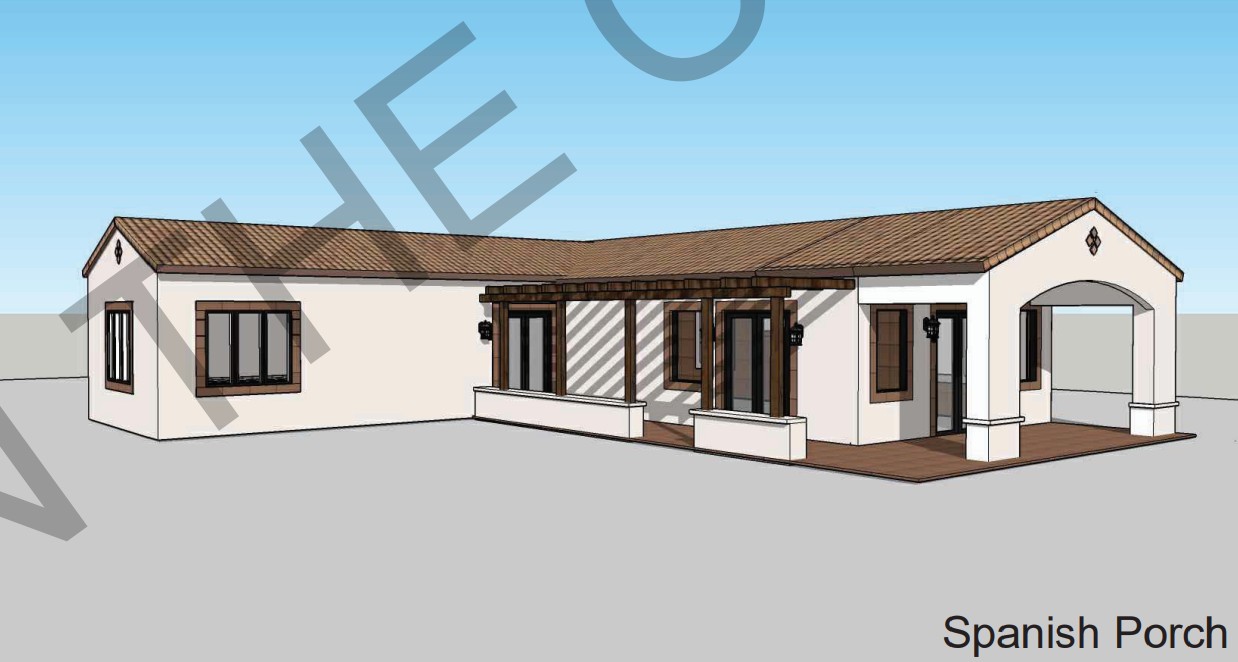
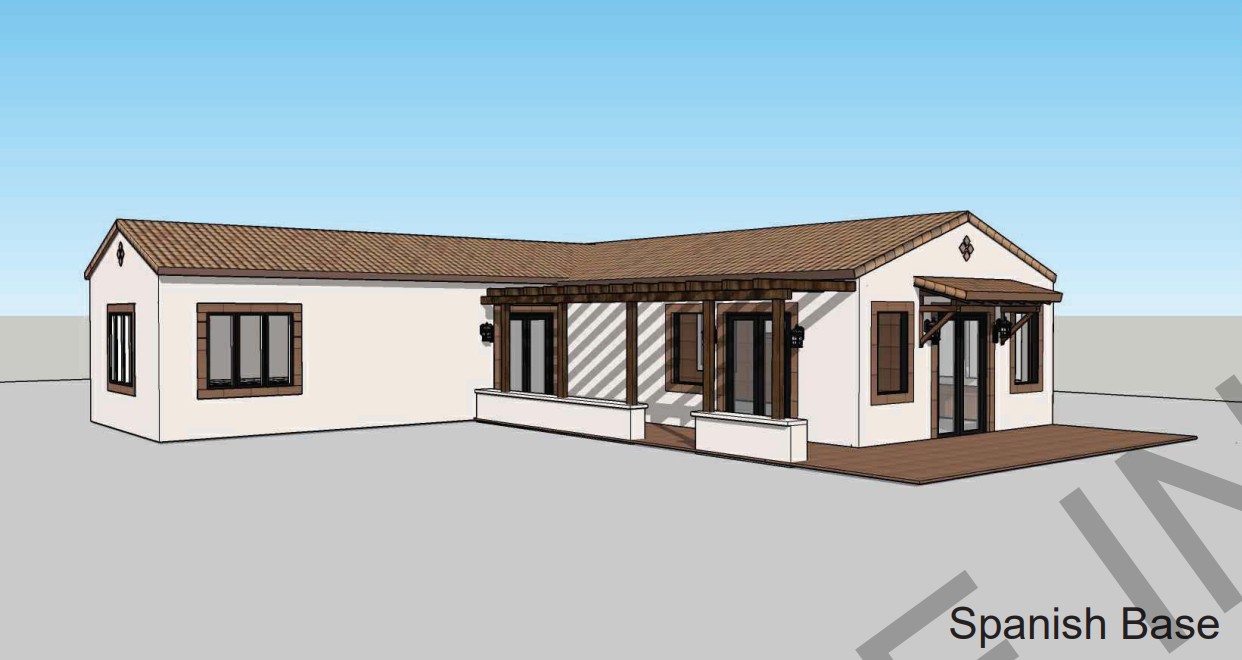
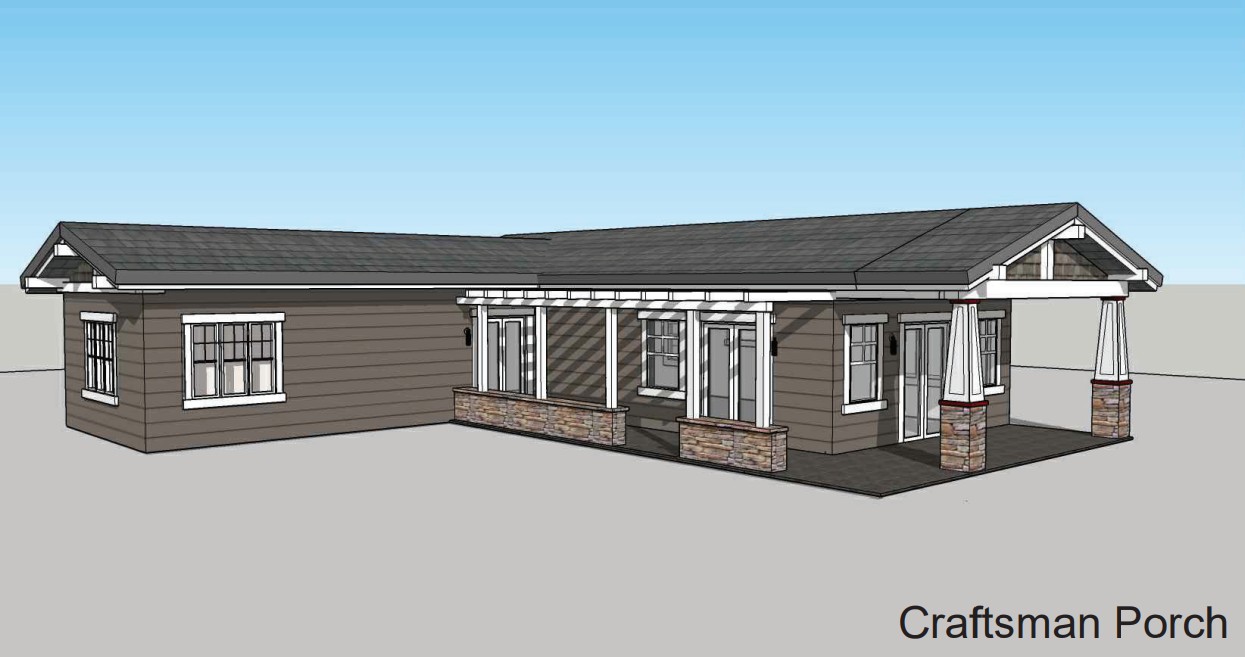
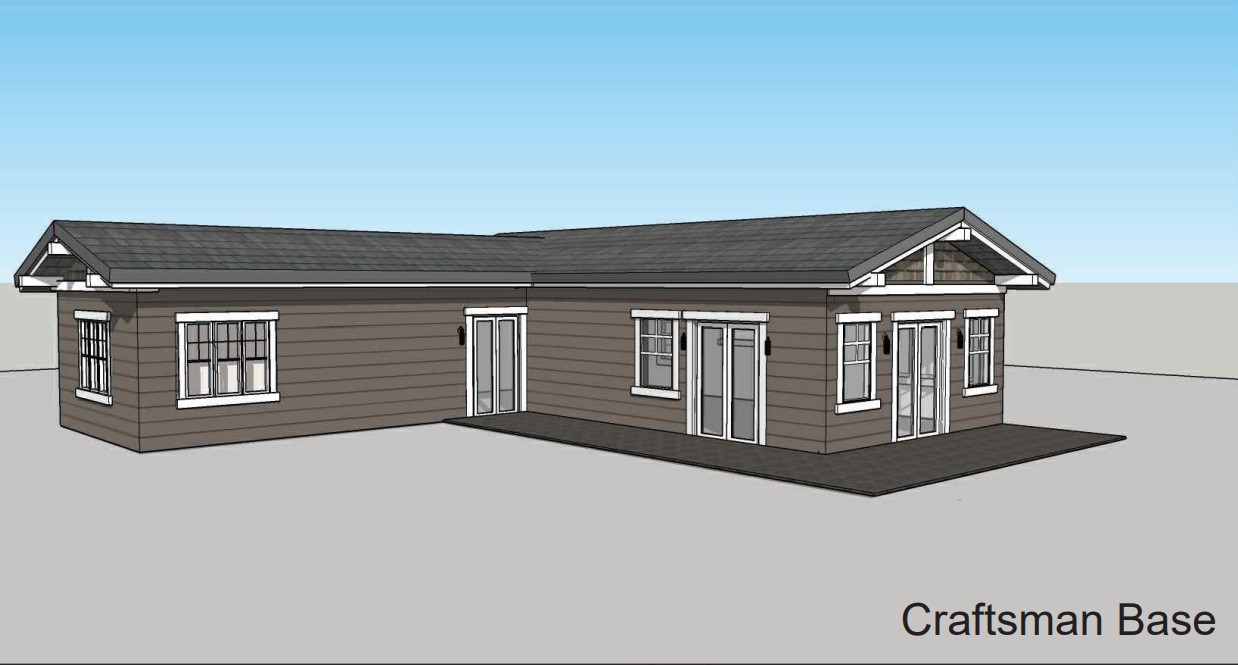
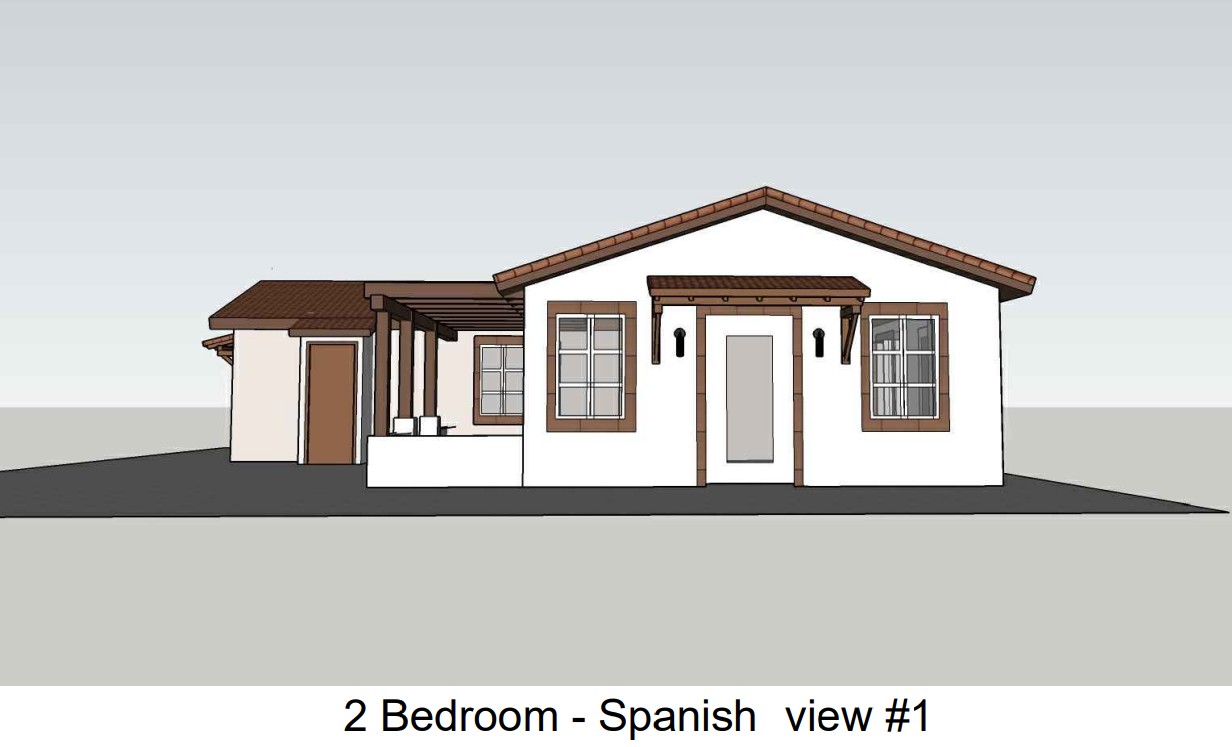
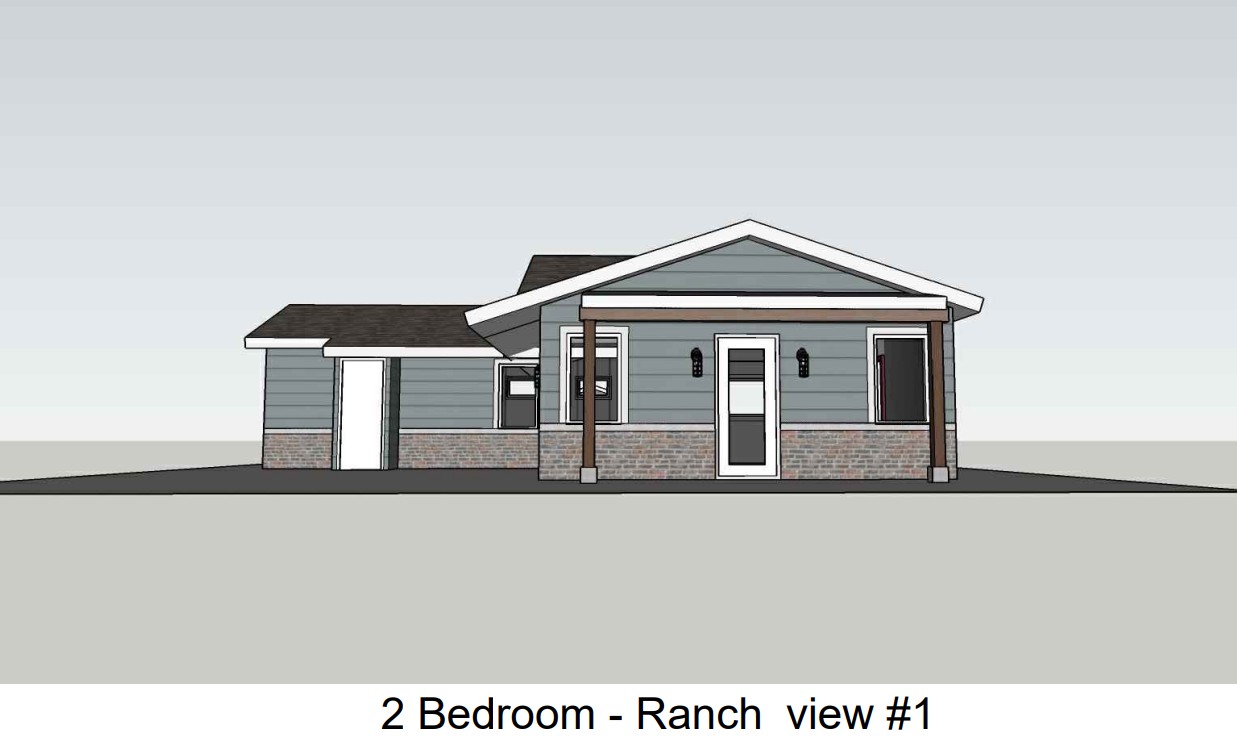
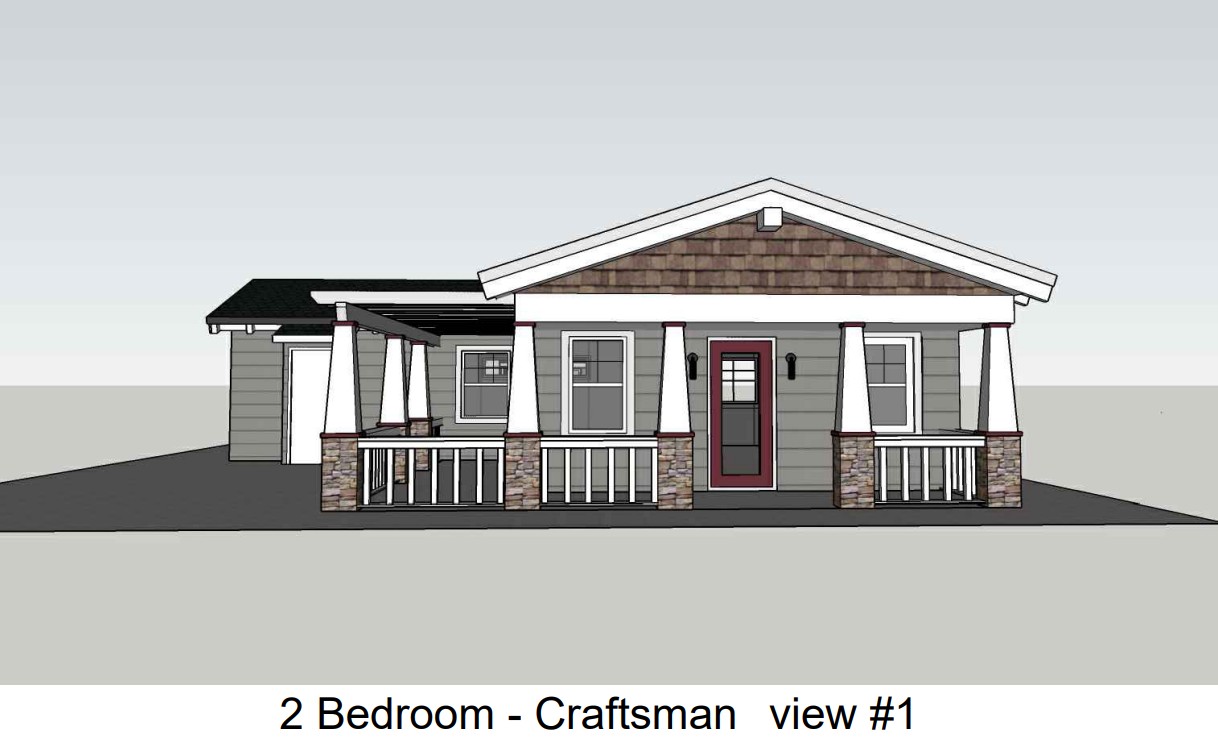
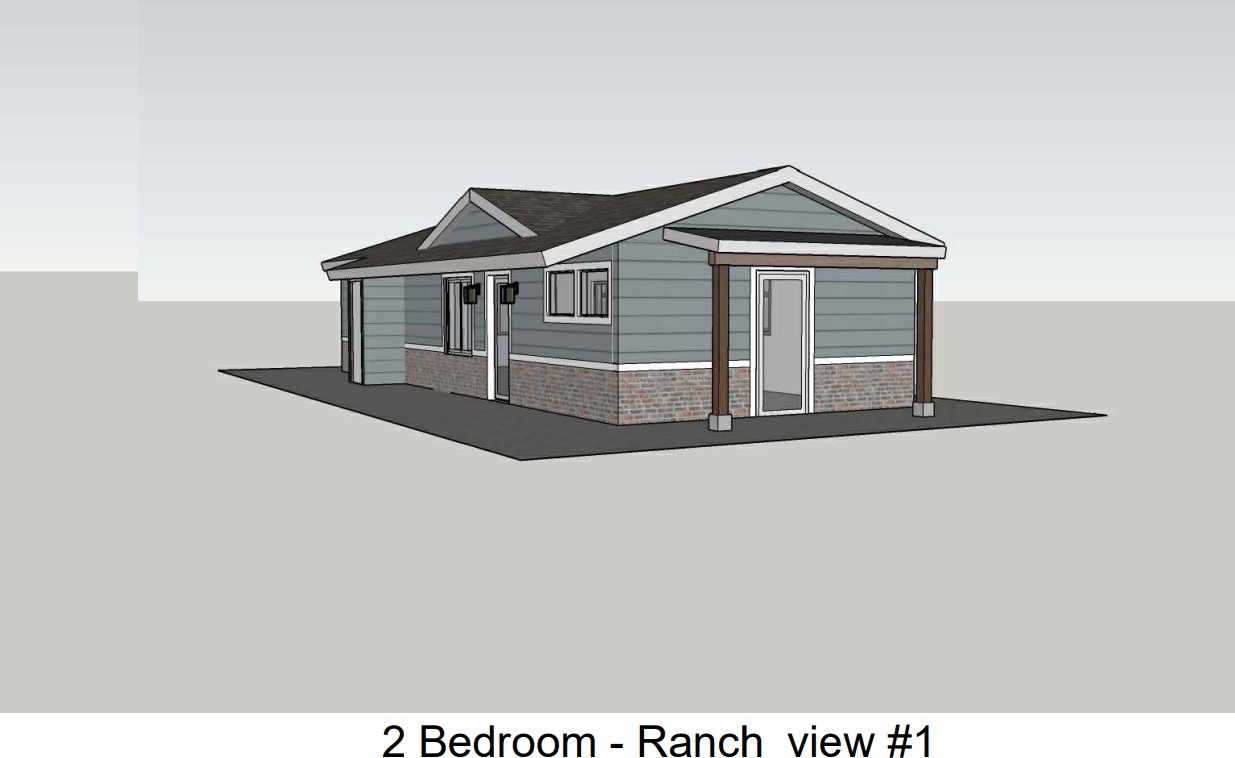
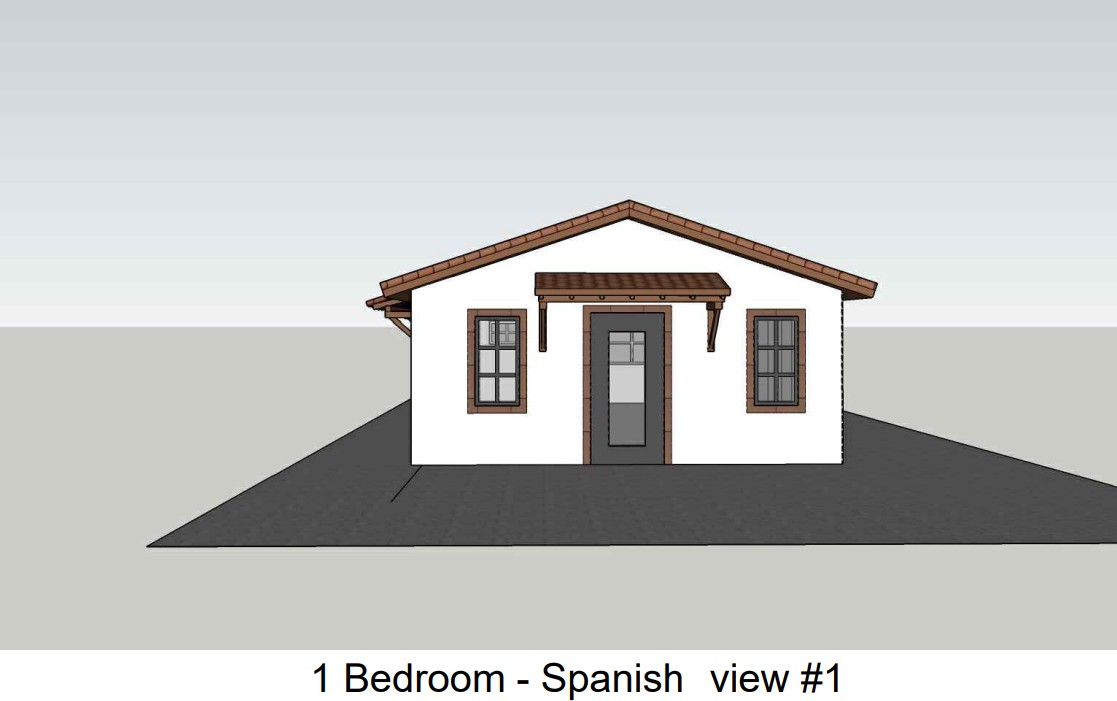
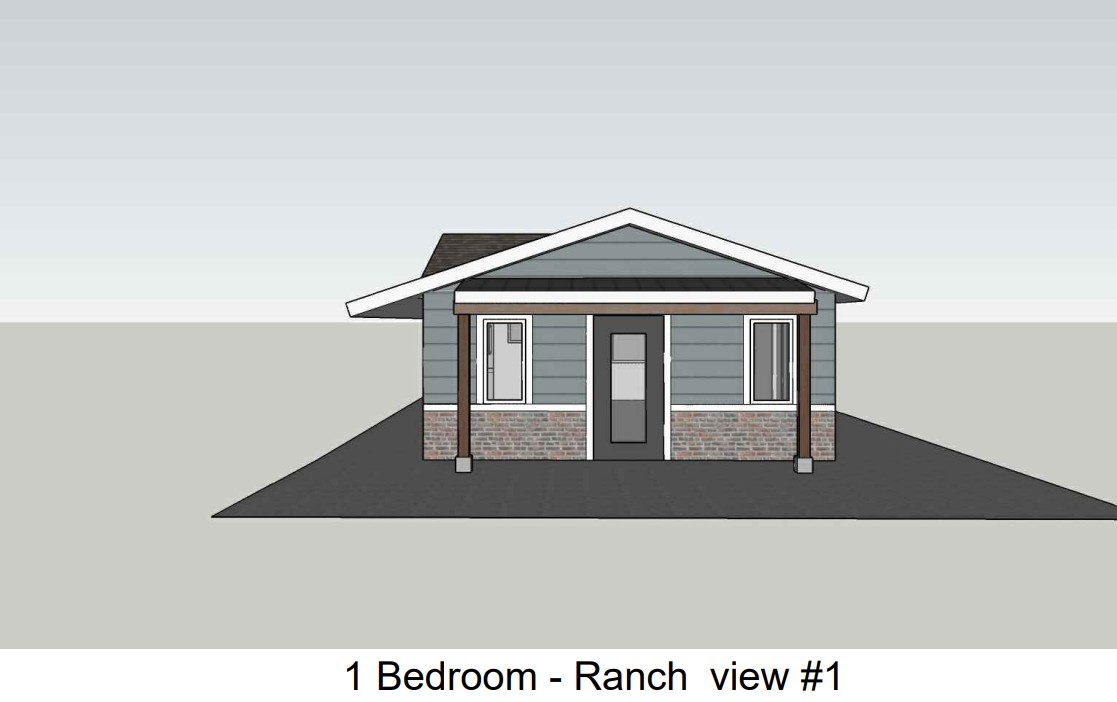
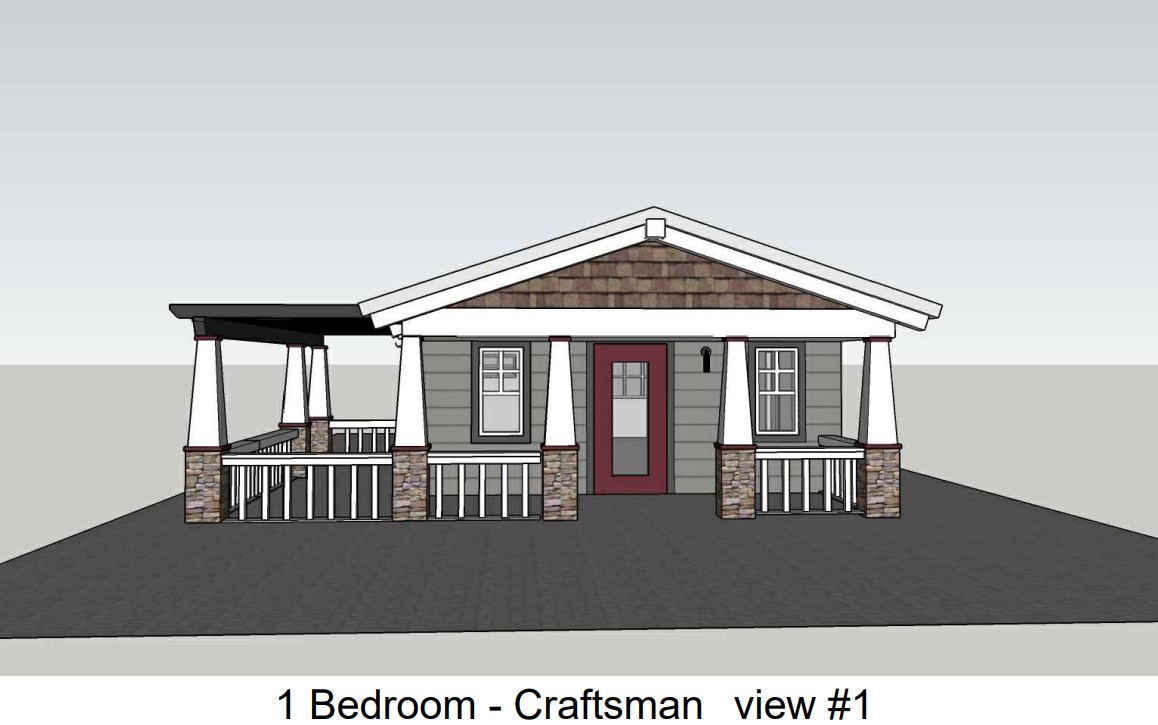
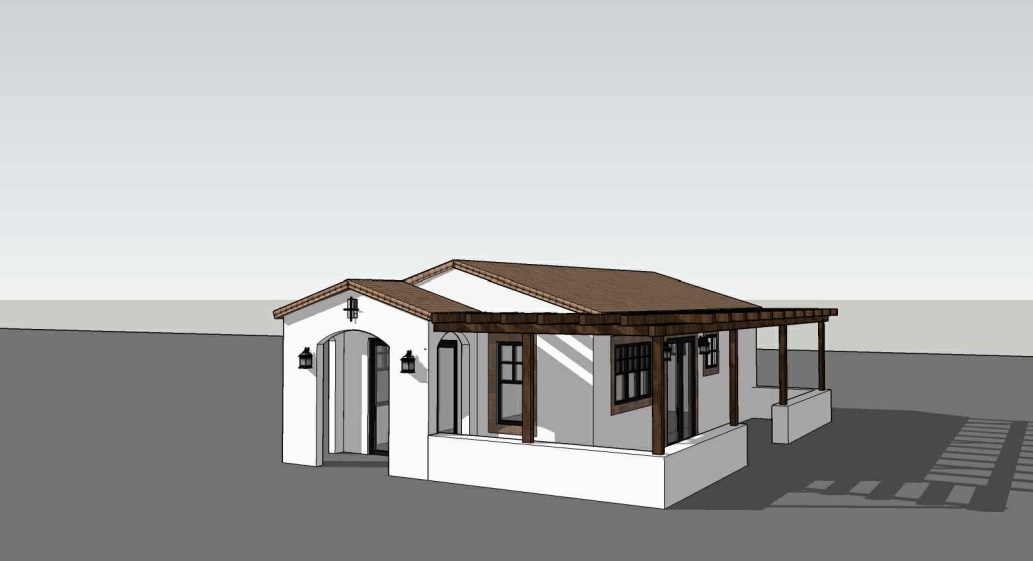
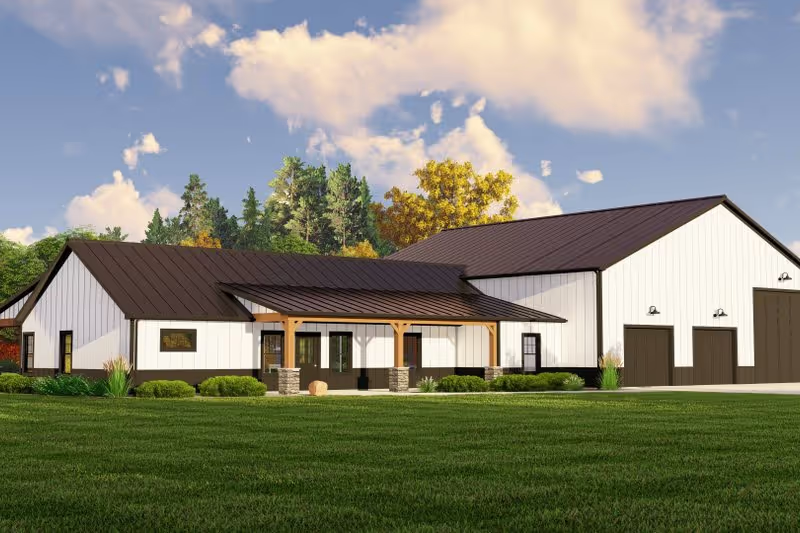
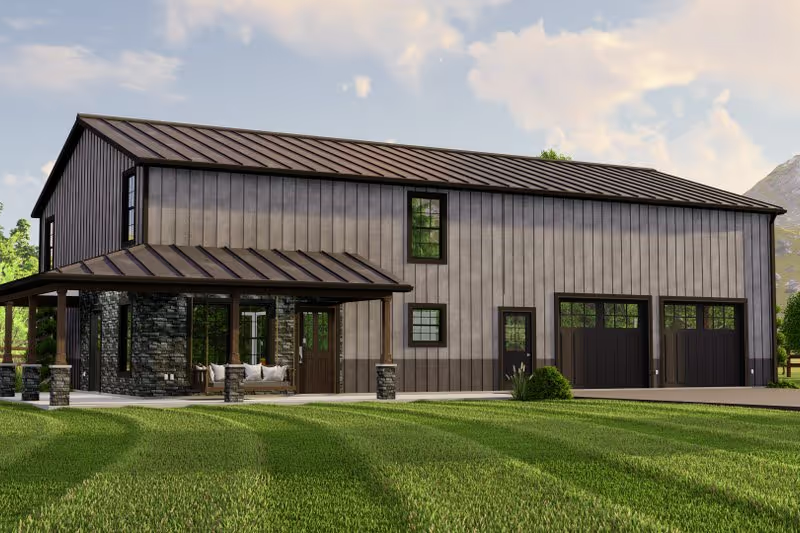
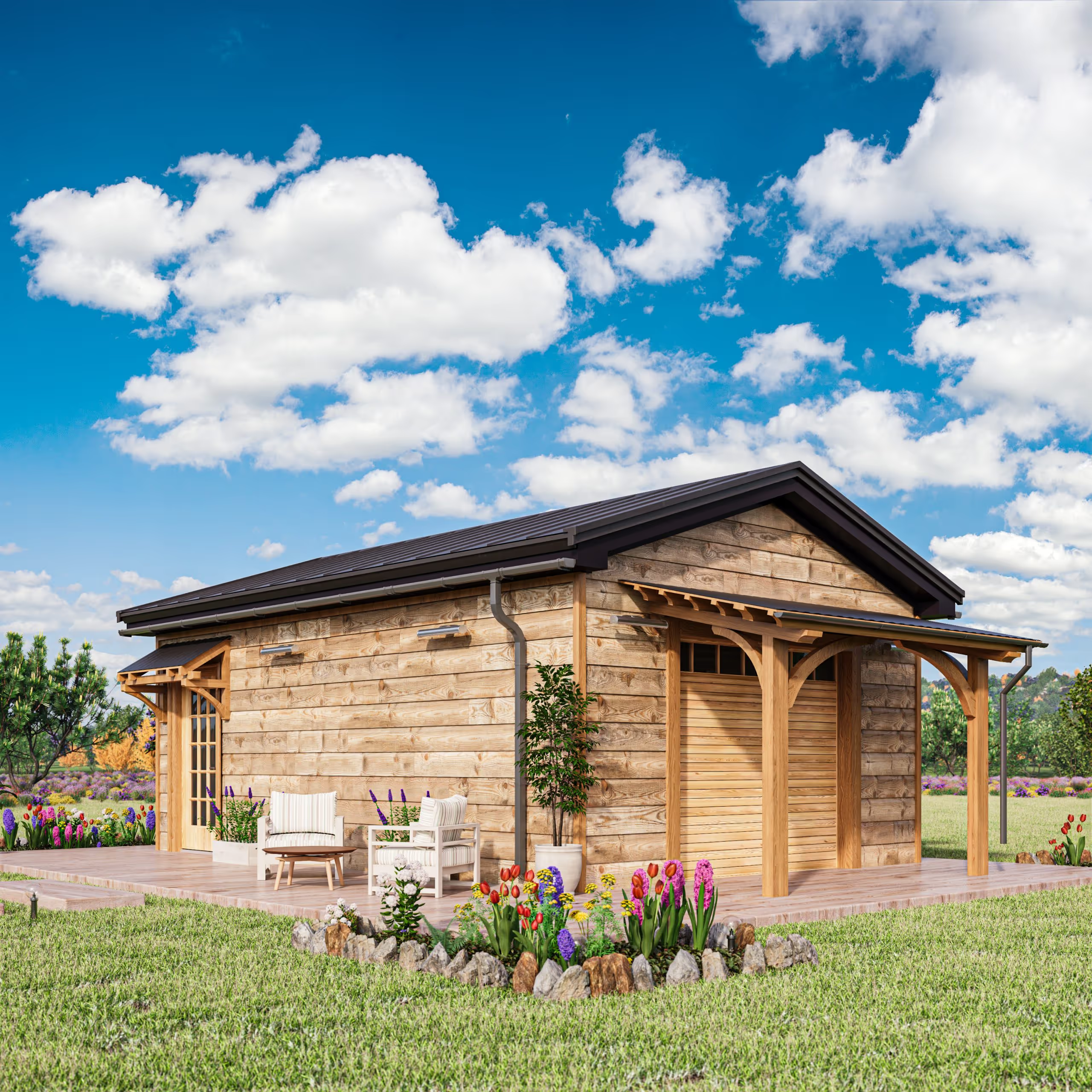
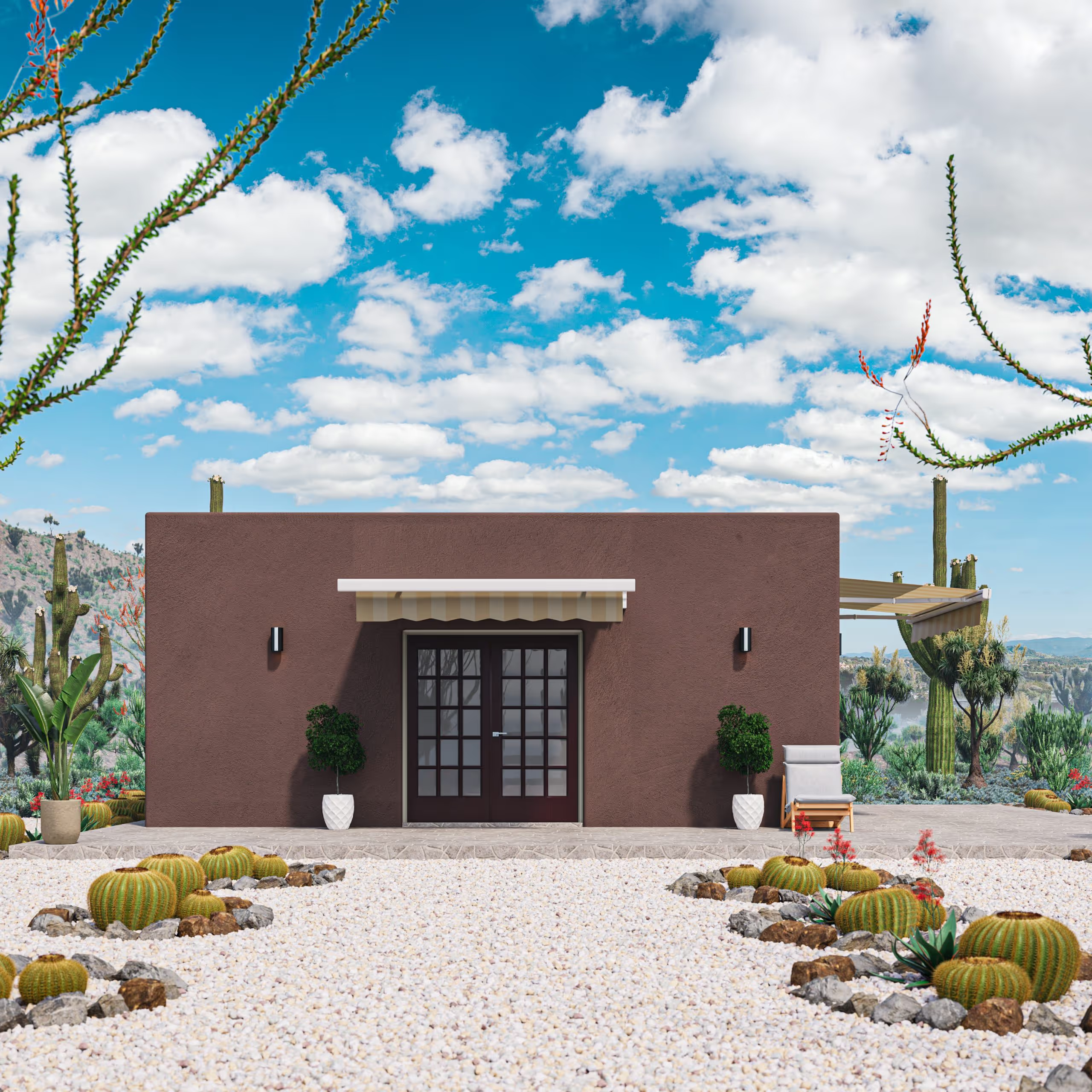
Once construction is complete, a steel-framed home can have contemporary, traditional, farmhouse, ranch, Spanish, or many other architectural appearances.
The steel is the structural skeleton behind the finished home.
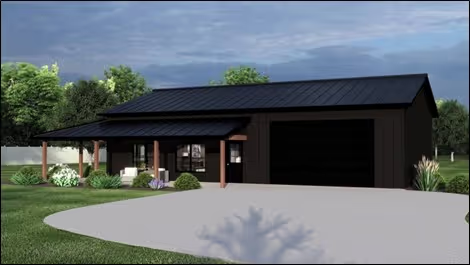
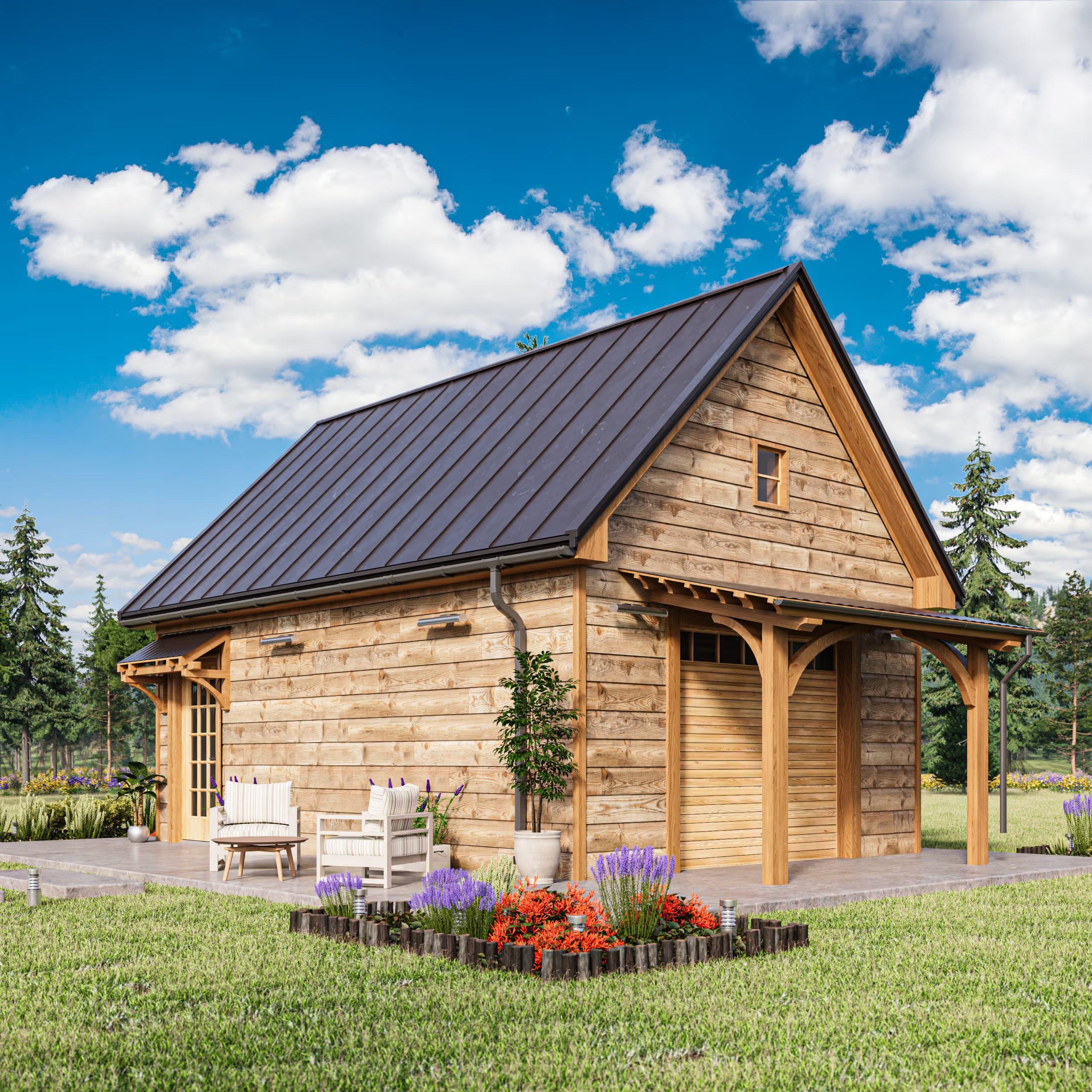
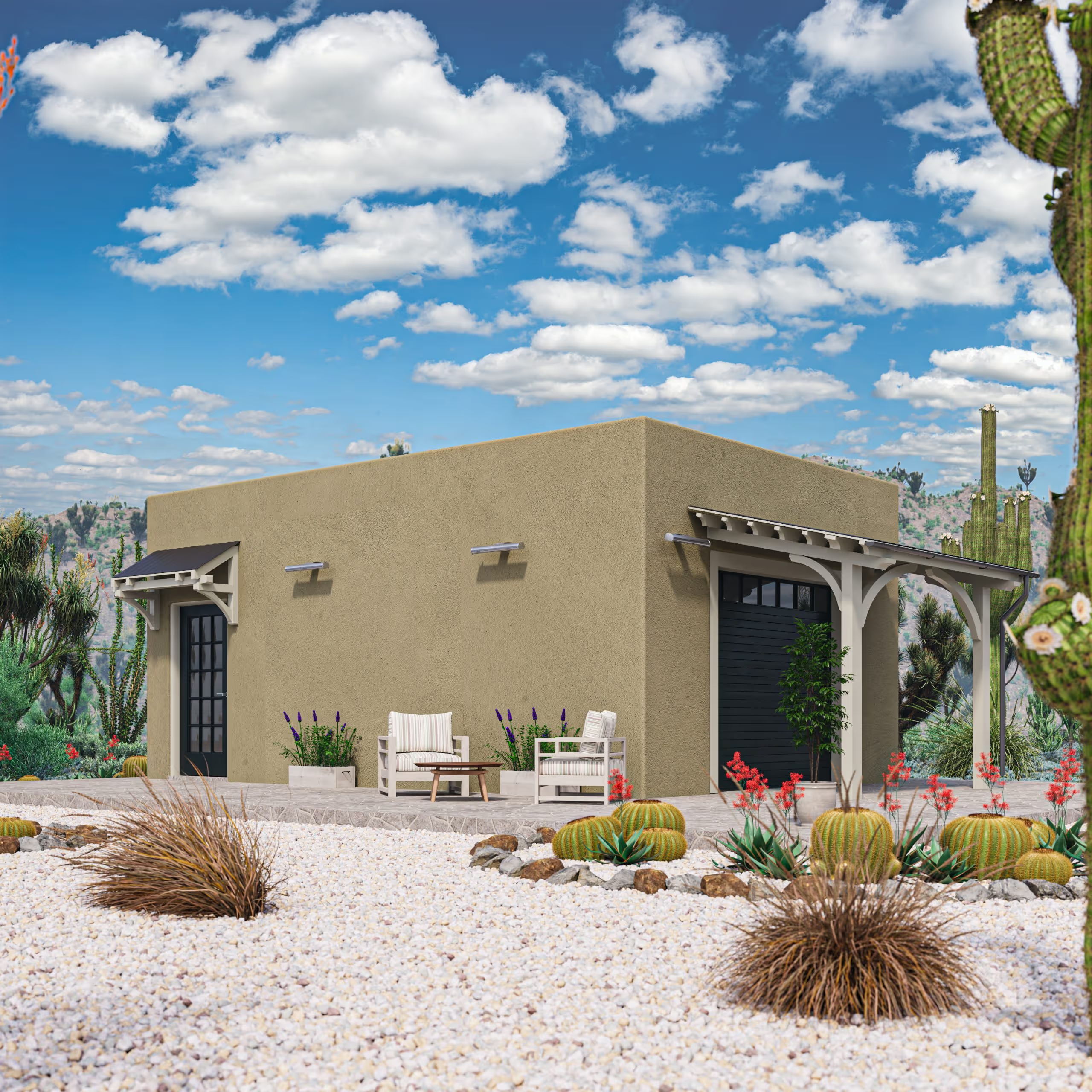
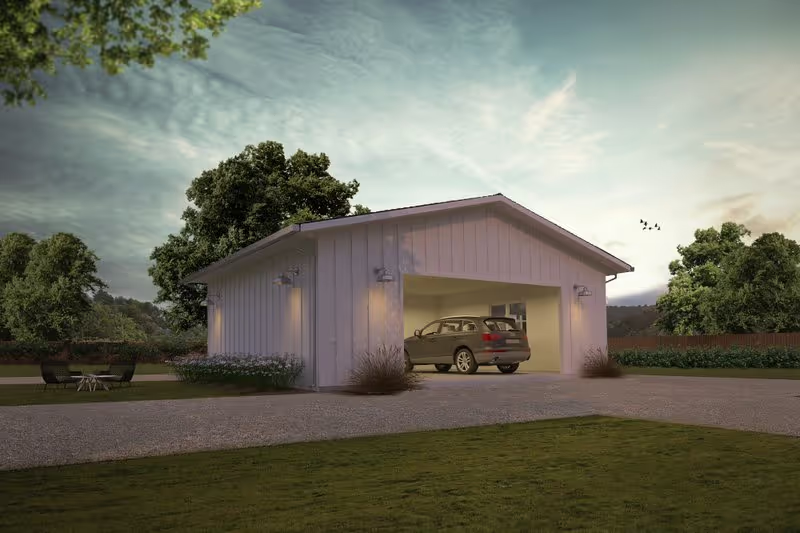
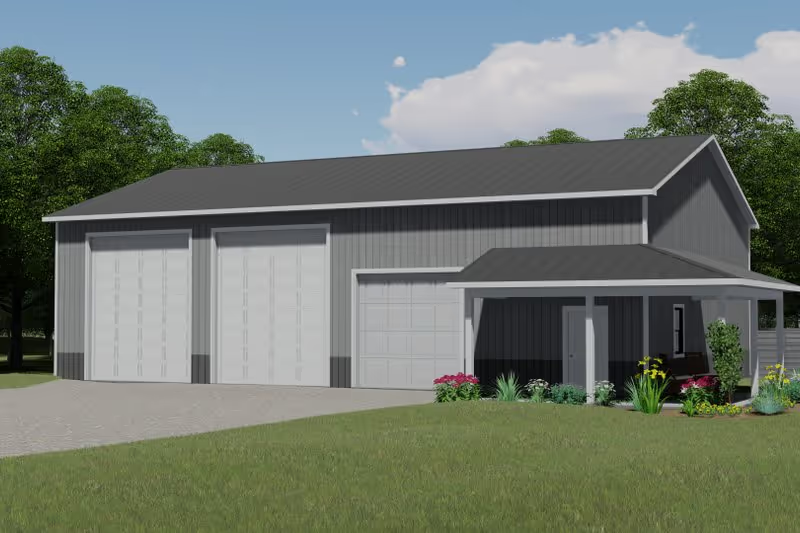
FrameUpNow offers existing steel frame home, small home, casita, and ADU designs, while custom projects can also be engineered and manufactured in cold-formed steel.
What Makes an Engineered Steel Framing System Different?
Choosing steel is only the first decision.
The greater opportunity is using design and engineering information to determine what needs to be manufactured and assembled before construction begins.
FrameUpNow manufactures cold-formed steel framing to conform to engineered plans. This approach connects structural information with precision manufacturing so builders have greater clarity about the frame they will assemble.
The goal is straightforward:
Resolve more questions before construction so fewer questions have to be answered on the jobsite.
That can provide greater structural clarity, material predictability, and construction certainty.
Common Myths About Steel Frame Homes
Steel framing is becoming more familiar in residential construction, but homeowners and builders still have questions about how it compares with conventional framing.
Myth: Steel Homes Look Industrial
Reality: The structural framing does not dictate the architectural style. Steel-framed homes can use many of the same exterior and interior finishes found on conventionally framed homes.
Myth: Steel Framing Cannot Be Customized
Reality: Cold-formed steel can be engineered for a wide variety of floor plans, roof forms, openings, and architectural styles.
Myth: Steel Automatically Makes a Home Energy Efficient
Reality: Energy efficiency depends on the complete building-envelope design. Proper insulation and thermal-bridging strategies are particularly important with steel framing.
Myth: Steel Is Always More Expensive Than Wood
Reality: Material price alone does not determine total project cost. Engineering, labor, waste, assembly efficiency, local market conditions, and long-term considerations should all be evaluated.
Myth: Steel Framing Is Only for Commercial Buildings
Reality: Cold-formed steel is used for residential construction as well as commercial projects and can be engineered for single-family homes, ADUs, casitas, and other residential structures.
Have more questions about residential steel framing? Explore FrameUpNow's steel framing FAQs.
Frequently Asked Questions About Steel Frame House Construction
What Is the Biggest Advantage of a Steel Frame House?
One of the biggest advantages is predictability. Cold-formed steel is dimensionally stable, precision manufactured, non-combustible, and resistant to termites and rot.
When the frame is connected to engineered plans and manufacturing information, builders can resolve more structural details before construction begins.
Does a Steel Frame House Rust?
Cold-formed structural steel framing is typically manufactured with a protective metallic coating designed to resist corrosion. Proper design, installation, moisture management, and appropriate material selection remain important for the completed structure.
Do Termites Eat Steel Framing?
No. Steel is not a food source for termites or other wood-destroying insects.
Can You Build an ADU or Casita With Steel Framing?
Yes. Cold-formed steel can be used for ADUs, casitas, small homes, single-family homes, and other residential structures.
Is Cold-Formed Steel the Same as Structural Steel?
No. Cold-formed steel framing typically consists of relatively thin steel formed into lightweight structural members. It differs from the heavier structural steel beams and columns commonly associated with large commercial buildings.
Can Homeowners Build a Steel Frame Home Themselves?
Some steel frame projects can be suitable for experienced DIY builders or hybrid projects in which homeowners perform portions of the work and hire professionals for others.
Engineering, permitting, foundations, electrical, plumbing, HVAC, and other requirements still need to comply with applicable local codes.
Explore FrameUpNow's DIY steel framing resources.
Is Steel Frame Construction the Future of Homebuilding?
Steel framing will not replace every other construction method. Different projects, climates, budgets, building codes, and local labor markets require different solutions.
But cold-formed steel offers compelling advantages for builders and homeowners who value precision, durability, non-combustible framing, dimensional stability, and construction predictability.
More importantly, modern steel framing allows more of the construction process to move upstream—from field decisions to coordinated design, engineering, and manufacturing.
That is where the greatest change may occur.
The future of homebuilding is not simply about choosing steel instead of wood.
It is about knowing more about the building before construction begins.
Explore FrameUpNow steel frame homes and building solutions.
Ready to explore cold-formed steel for your home, ADU, casita, or building project?
Request a Quote from FrameUpNow.