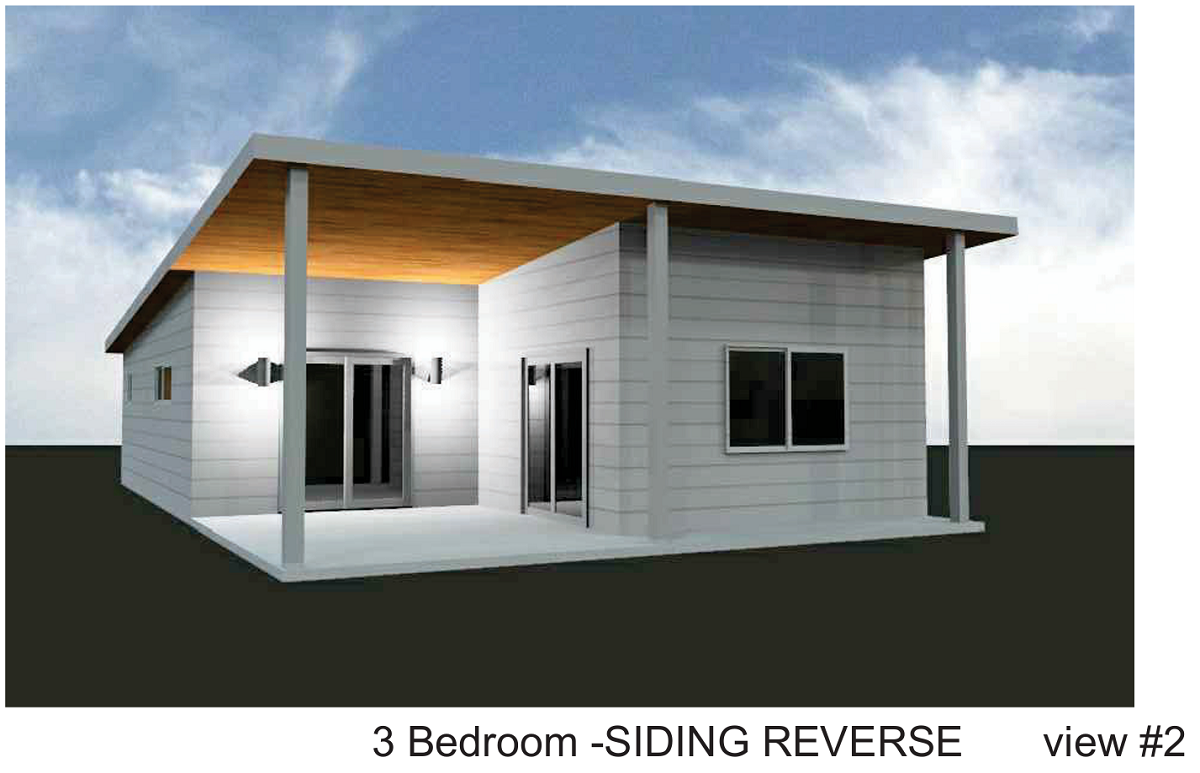
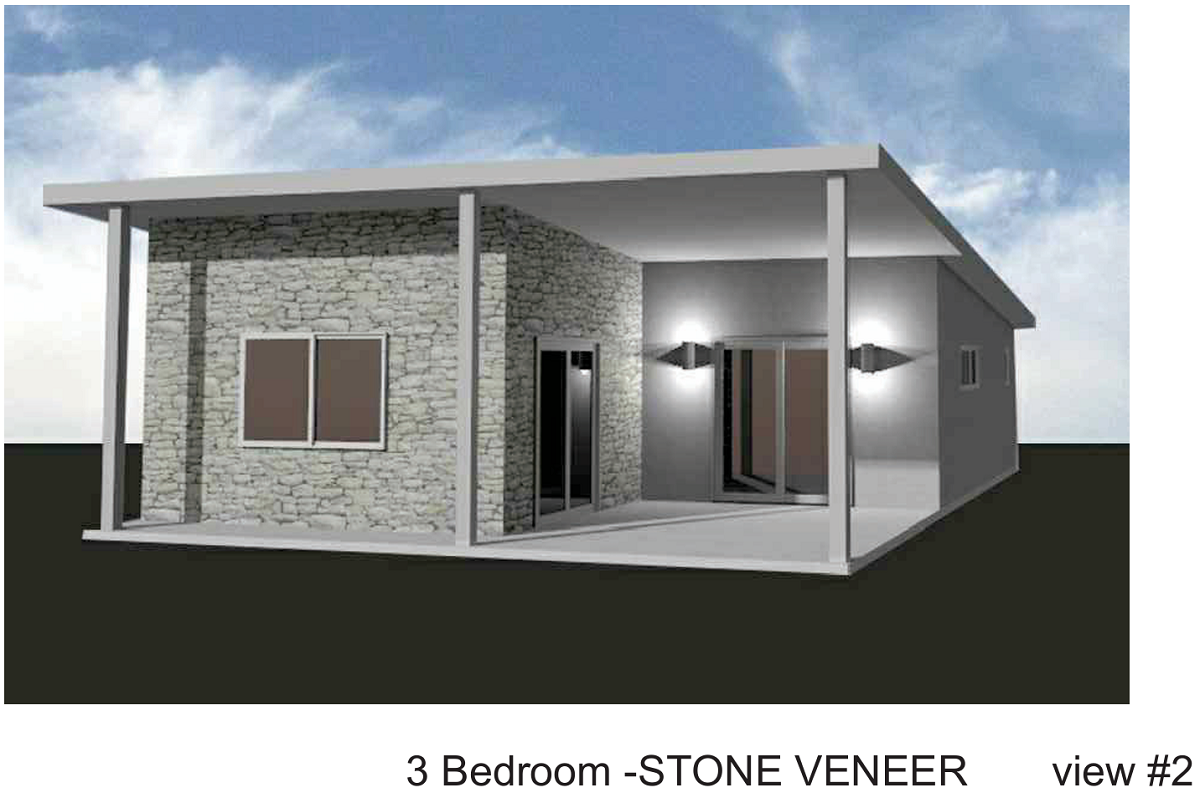
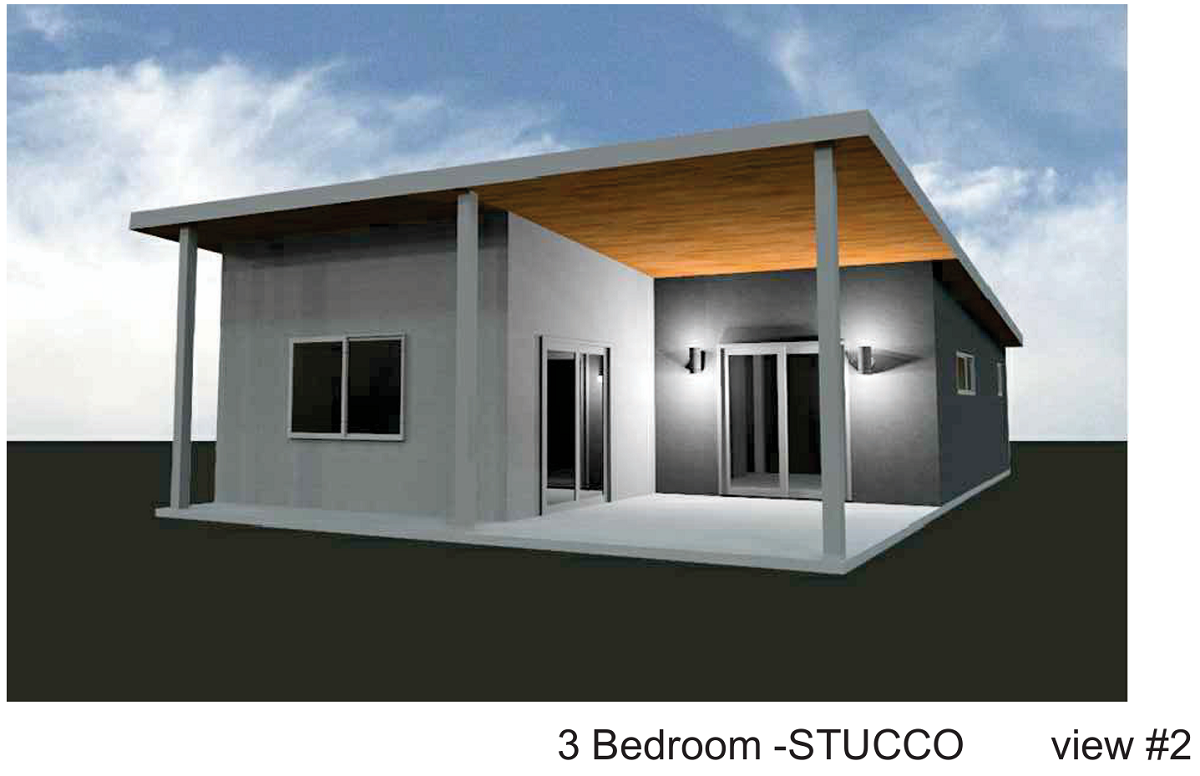
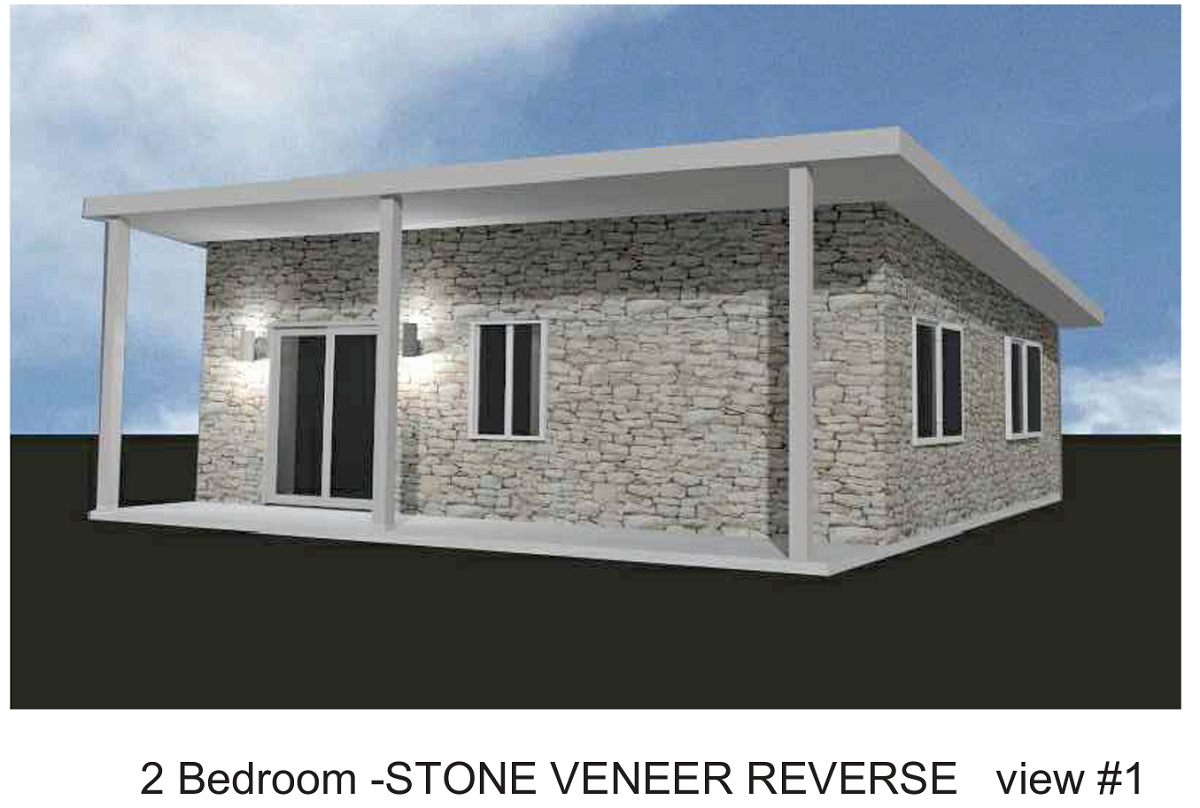
No Results Found
FrameUpNow engineers certainty into every steel frame community — at build-to-rent scale.
We engineer residential steel frames to International Building Code (IBC) standards and generate a precise, BIM-derived Material List directly from the structure — repeated across every unit in your community, with defined quantities and real cost clarity before you break ground.
Cold-formed steel offers well-established advantages over wood framing. At build-to-rent scale, repeated across dozens or hundreds of units, those advantages compound directly into schedule and cost predictability across the whole portfolio.
Steel doesn't burn, so the structural frame doesn't contribute fuel to a fire — improving fire performance and resilience across every unit in the community.
Not susceptible to termites or wood-destroying insects, reducing the risk of hidden structural damage across a portfolio you'll hold and operate long-term.
Steel doesn't shrink, warp, or rot — helping eliminate door and window fit issues, wall shifting, and finish cracking. Fewer warranty callbacks protect operating margins and improve cap-rate performance at sale.
Components are manufactured to precise dimensions and steel scrap is fully recyclable — lower disposal costs multiplied across every phase.
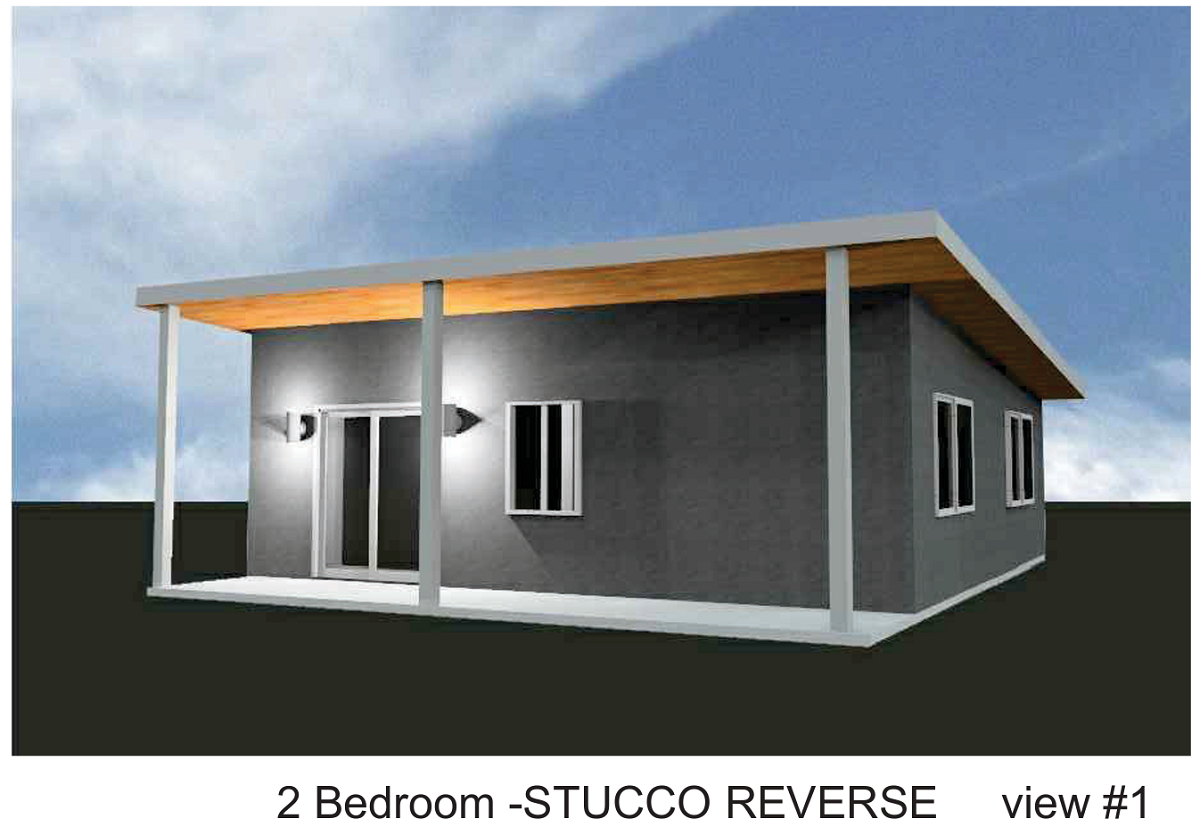
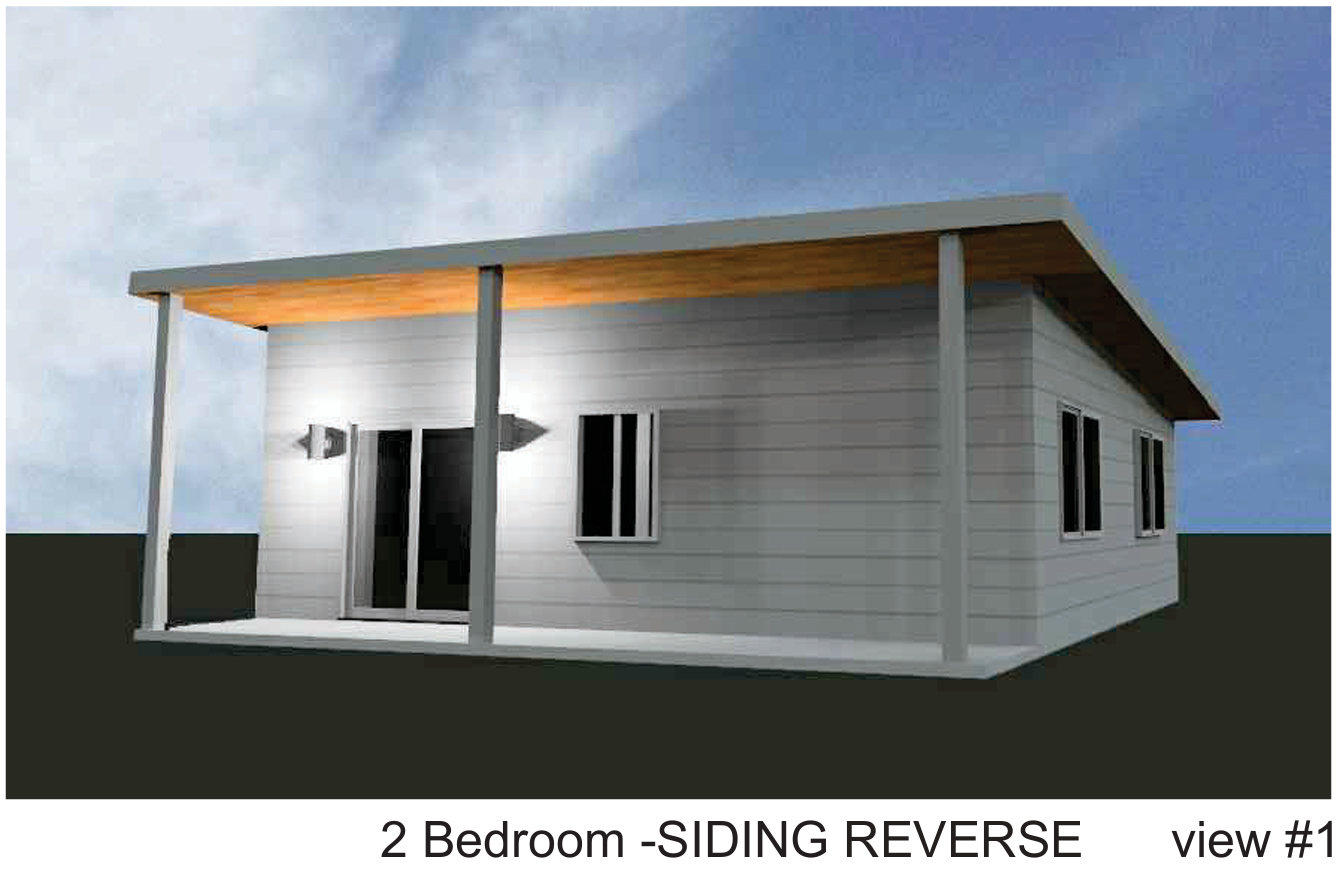
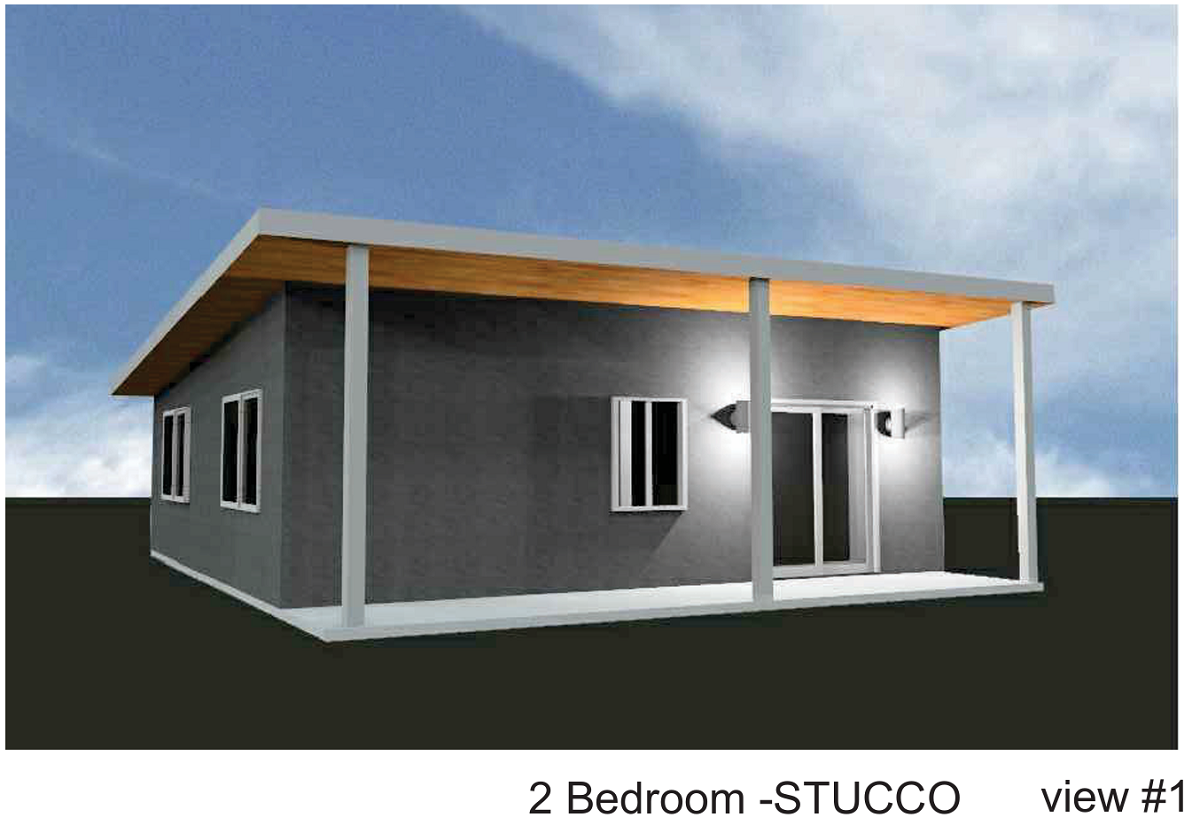
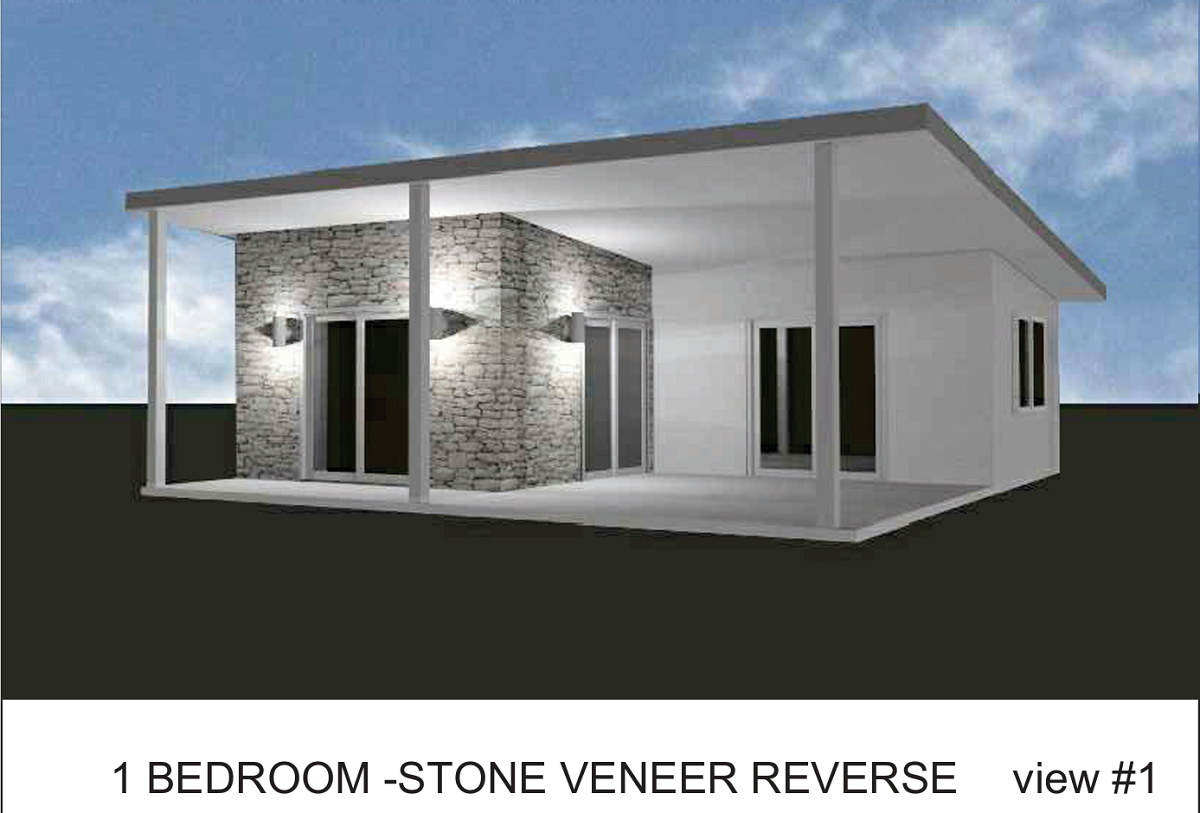
High structural strength relative to weight, supporting design loads without unnecessary bulk — useful flexibility across repeated single-story plans.
Kit pricing doesn't move with the lumber market, so unit 80 costs what unit 1 costs — a material advantage that only compounds as your unit count grows.
FrameUpNow doesn't sell prescriptive plans or estimated takeoffs. Every design is engineered to International Building Code standards, and Building Information Modeling generates a precise Material List directly from the structure — defined quantities and real cost clarity, before you ever break ground.
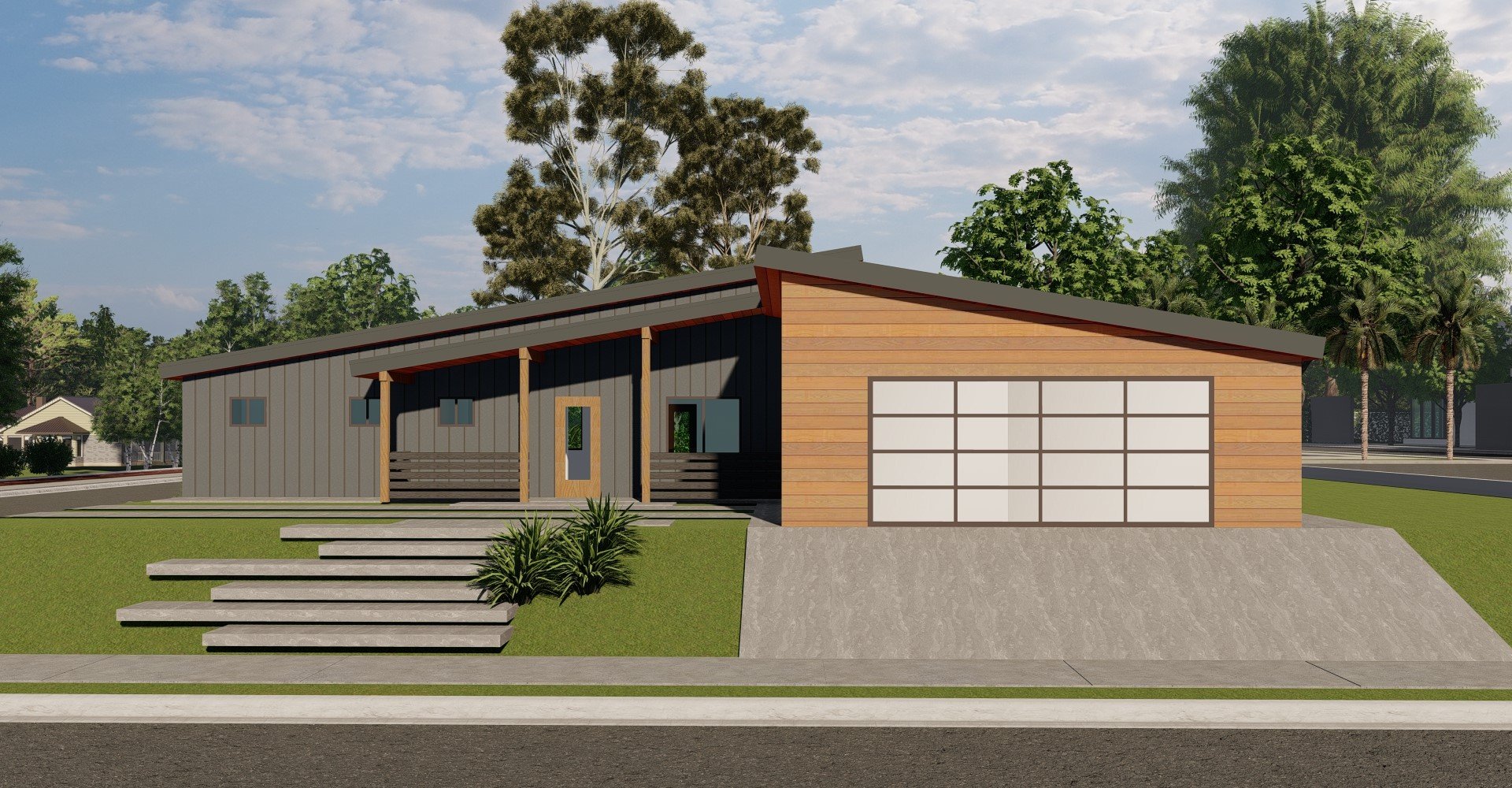
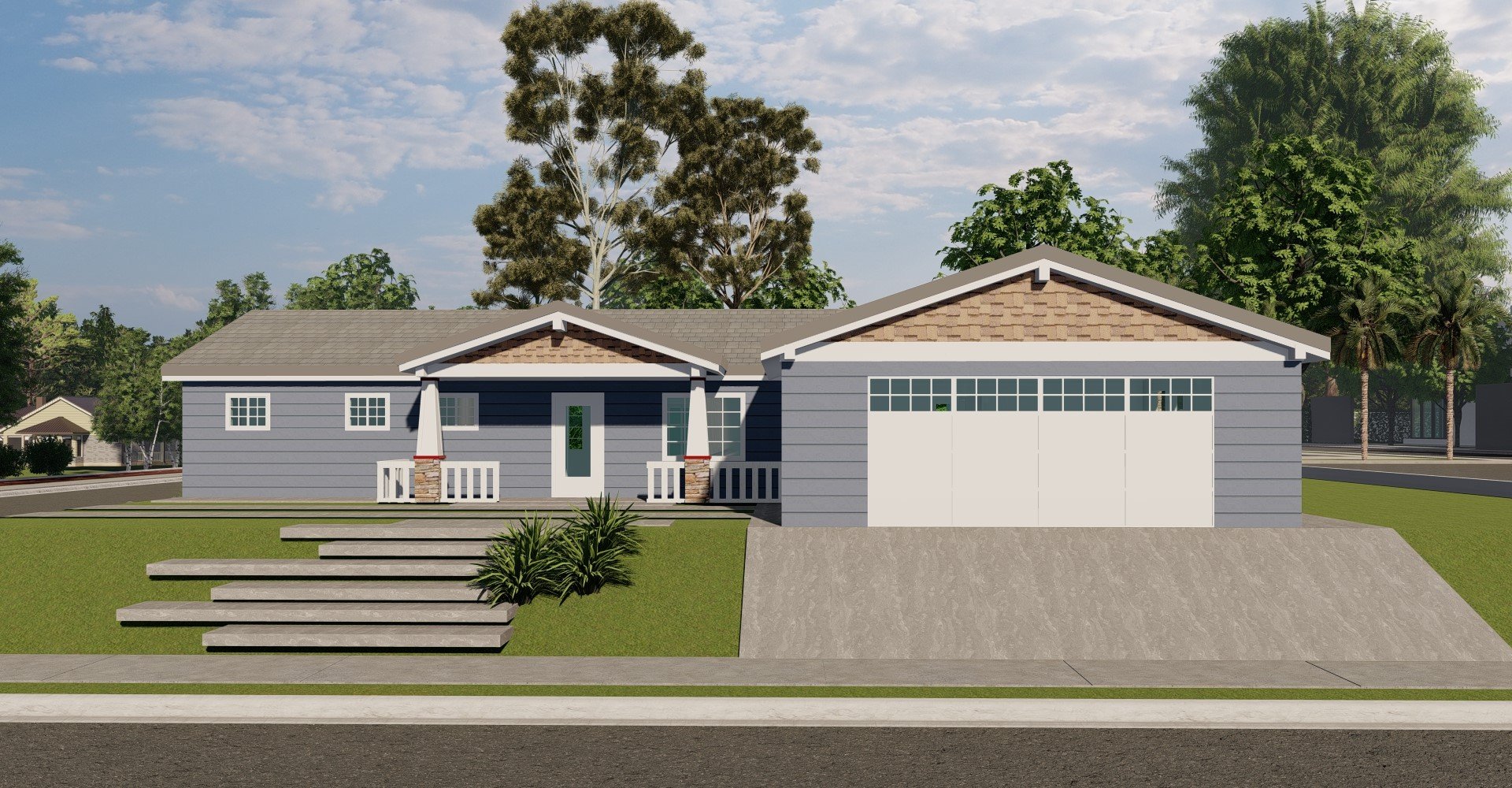
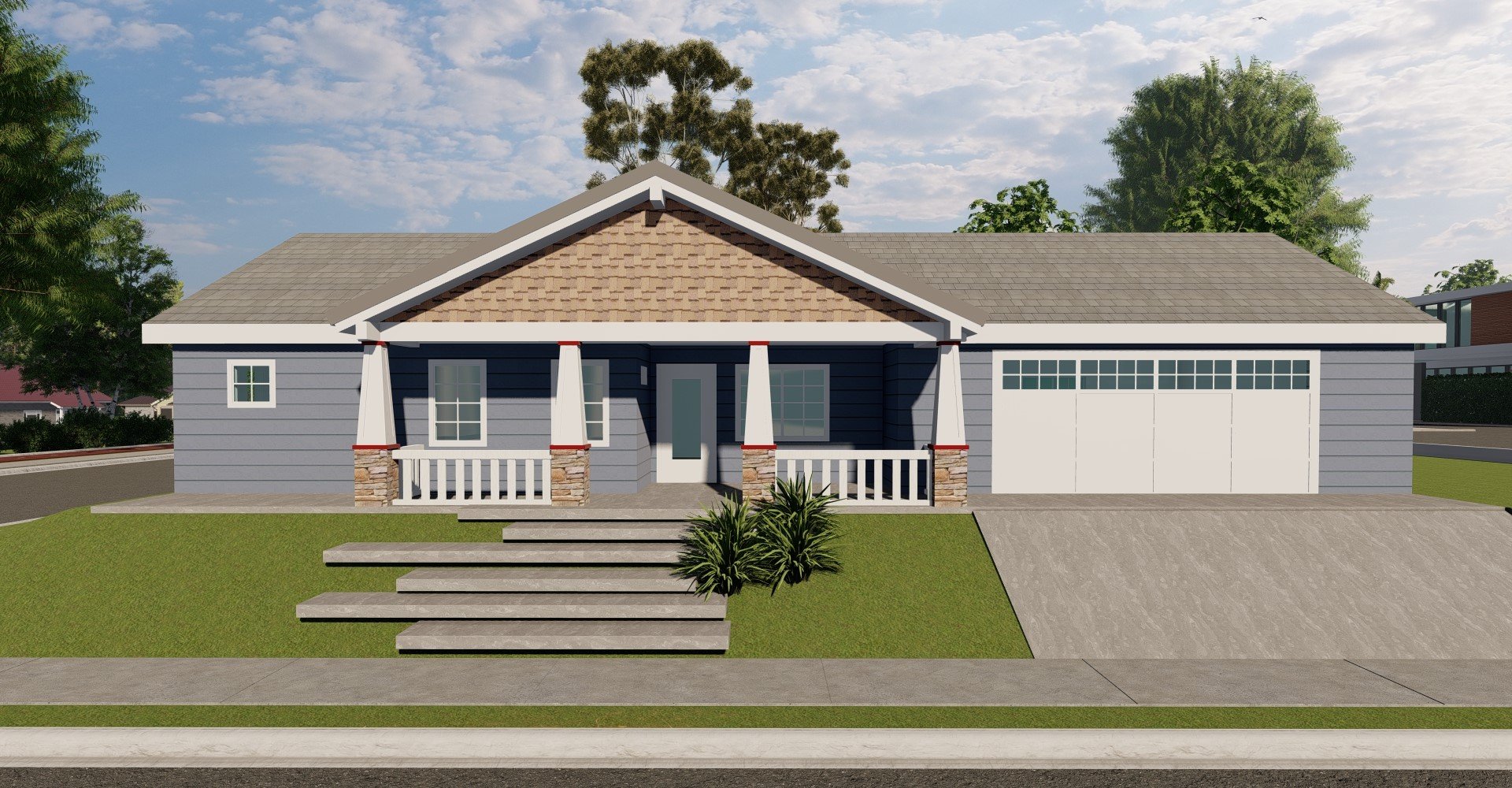
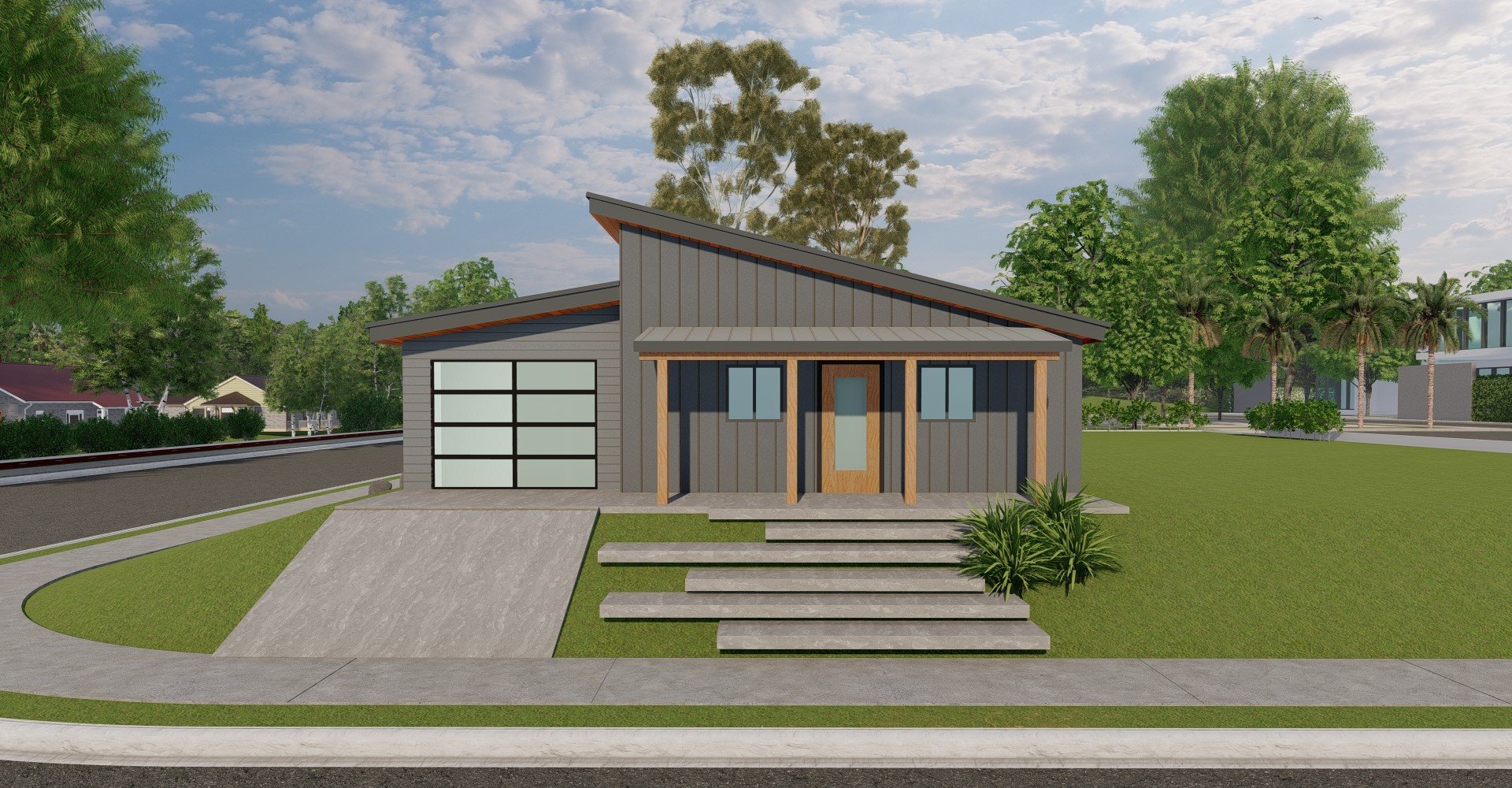
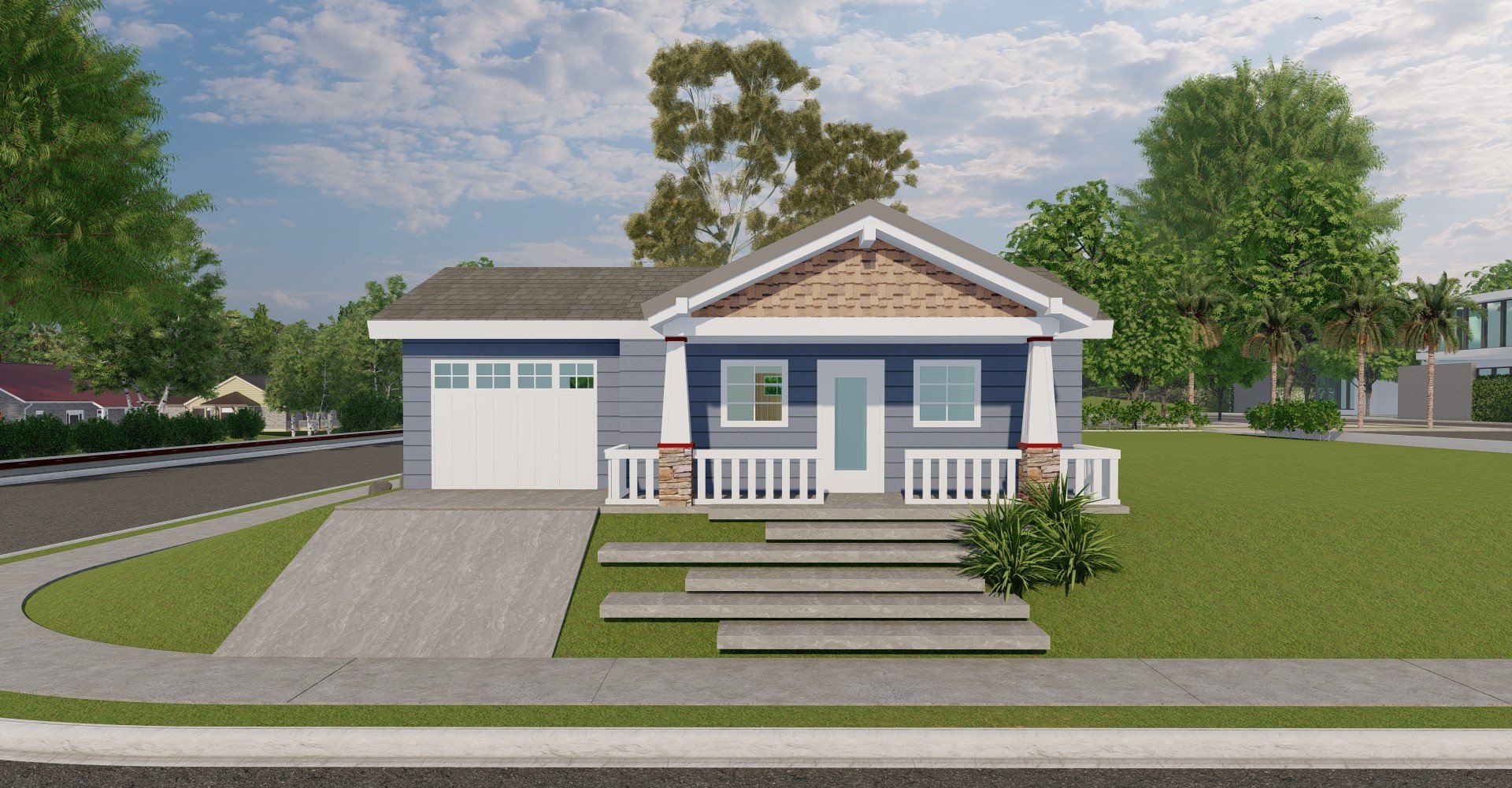
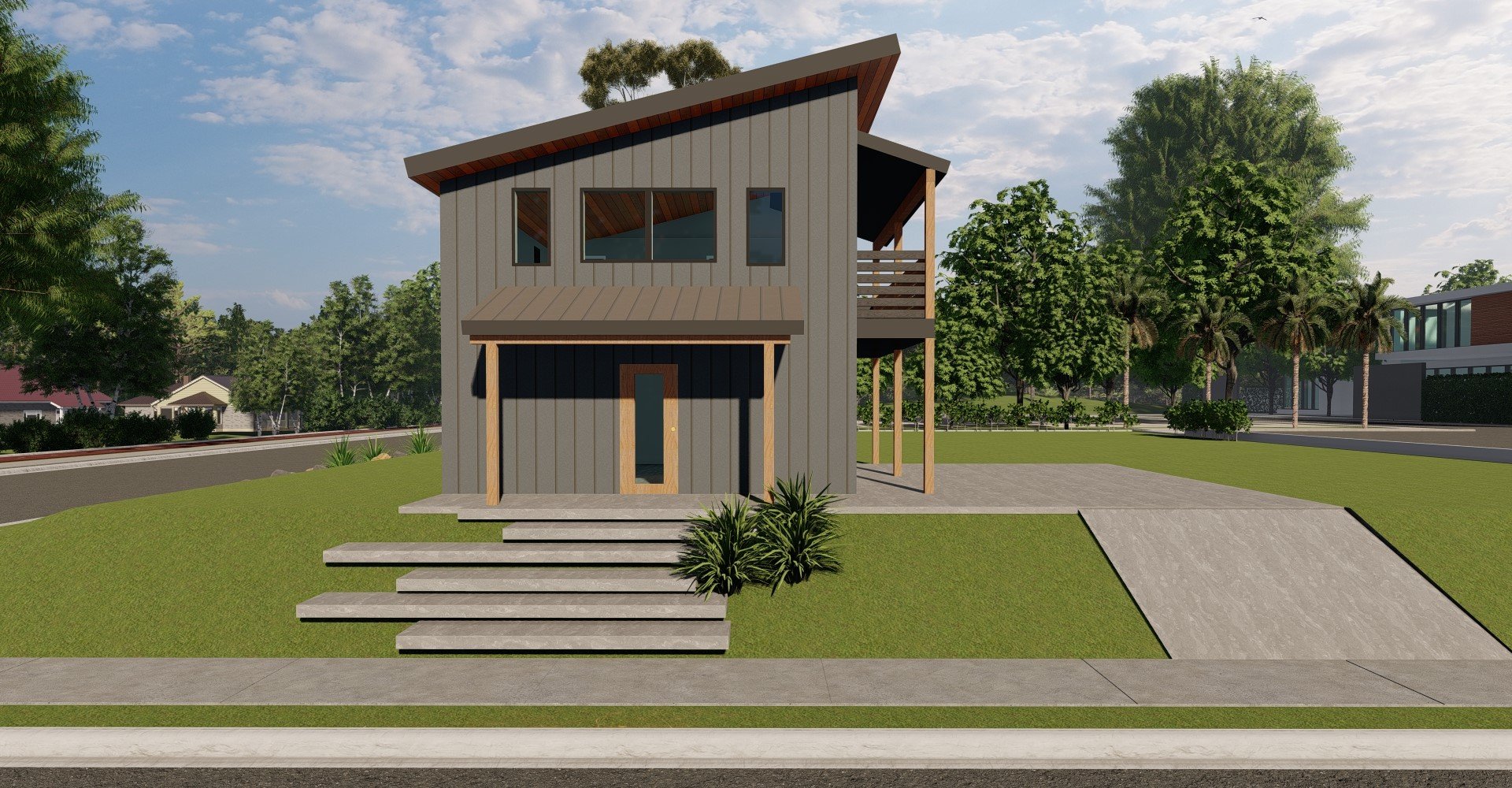
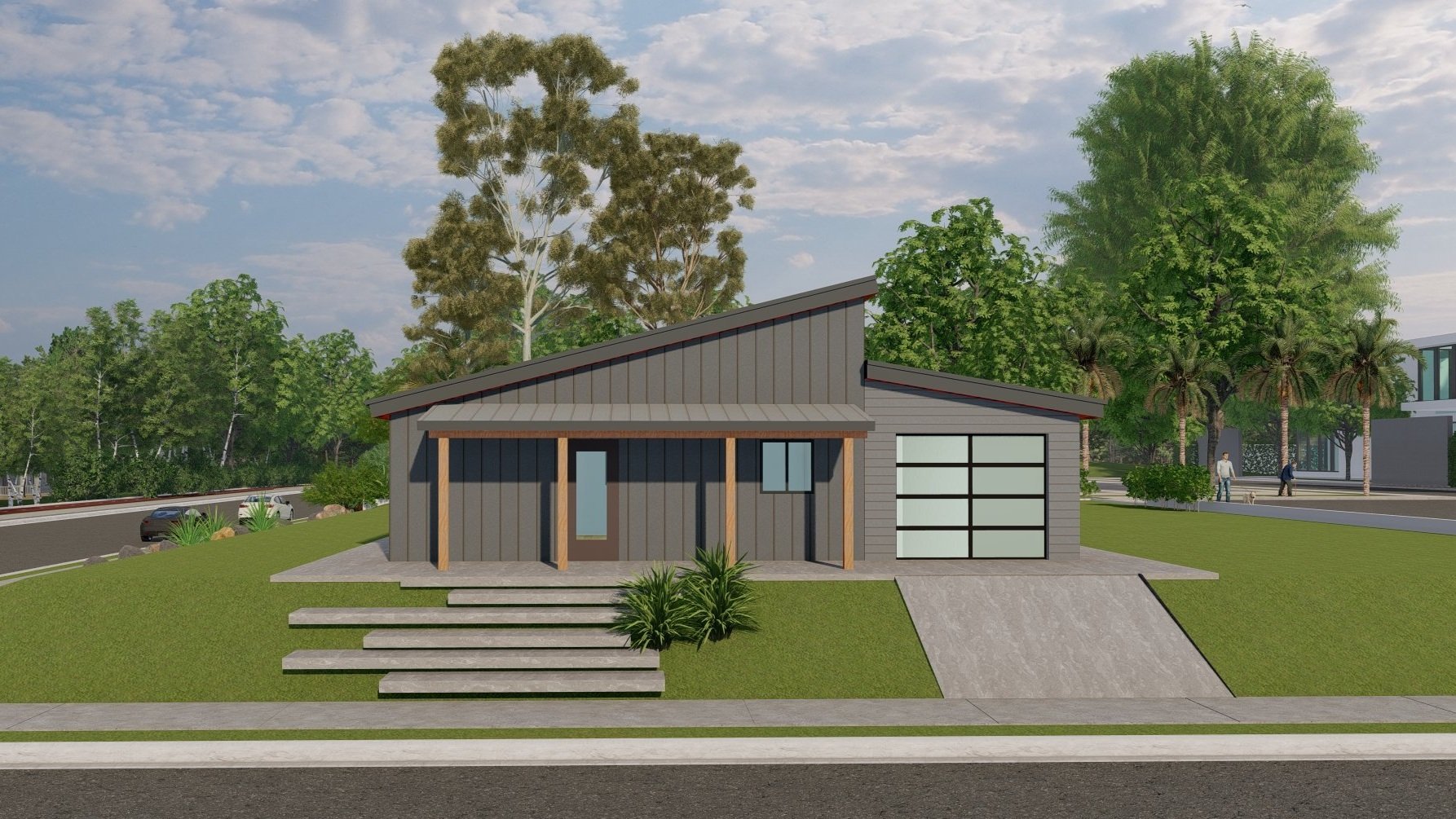
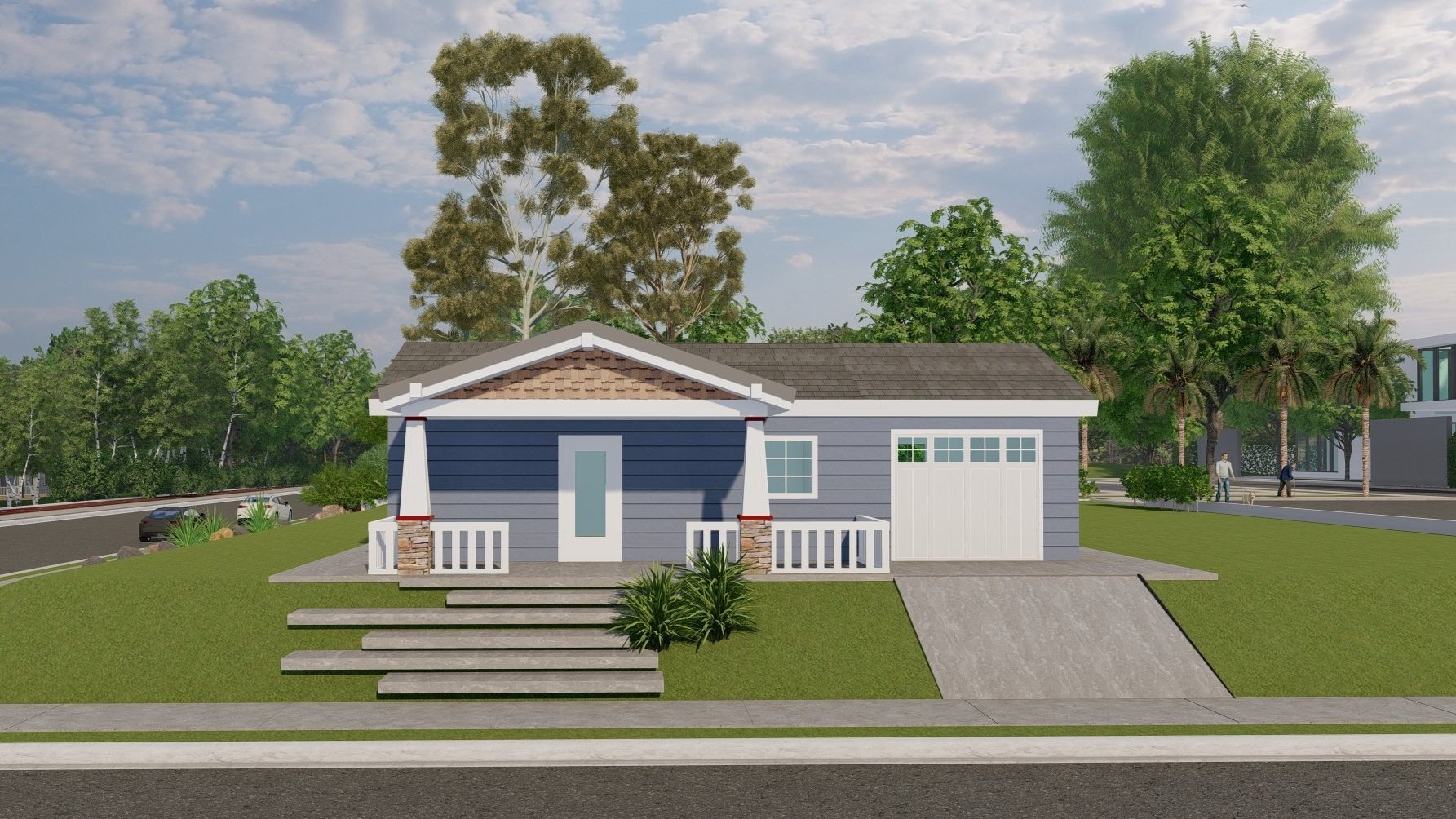
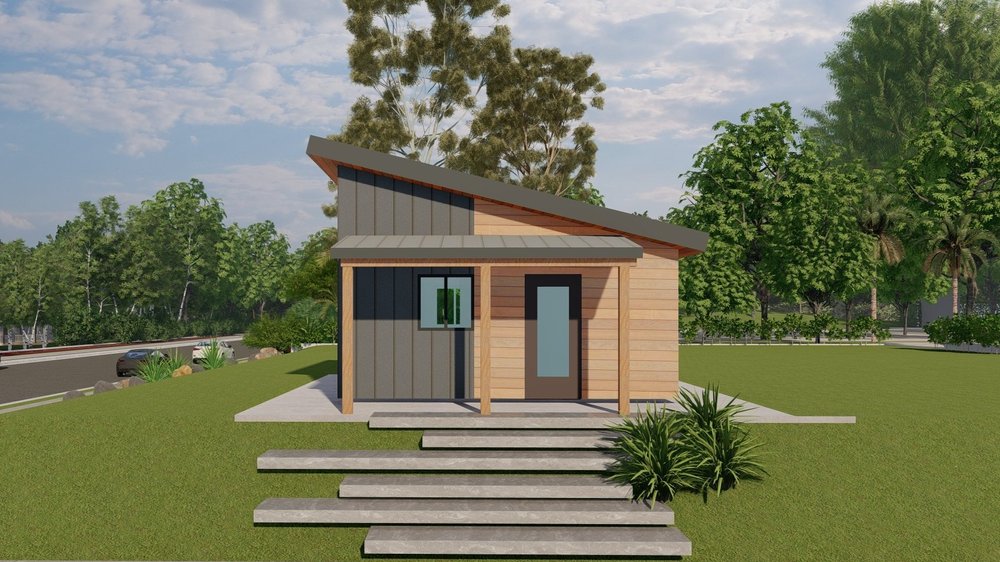
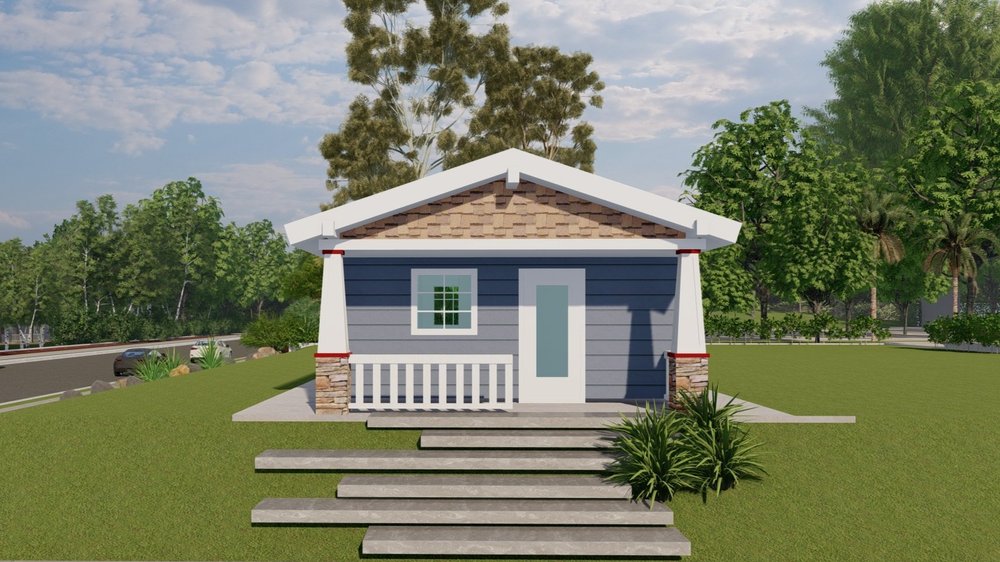
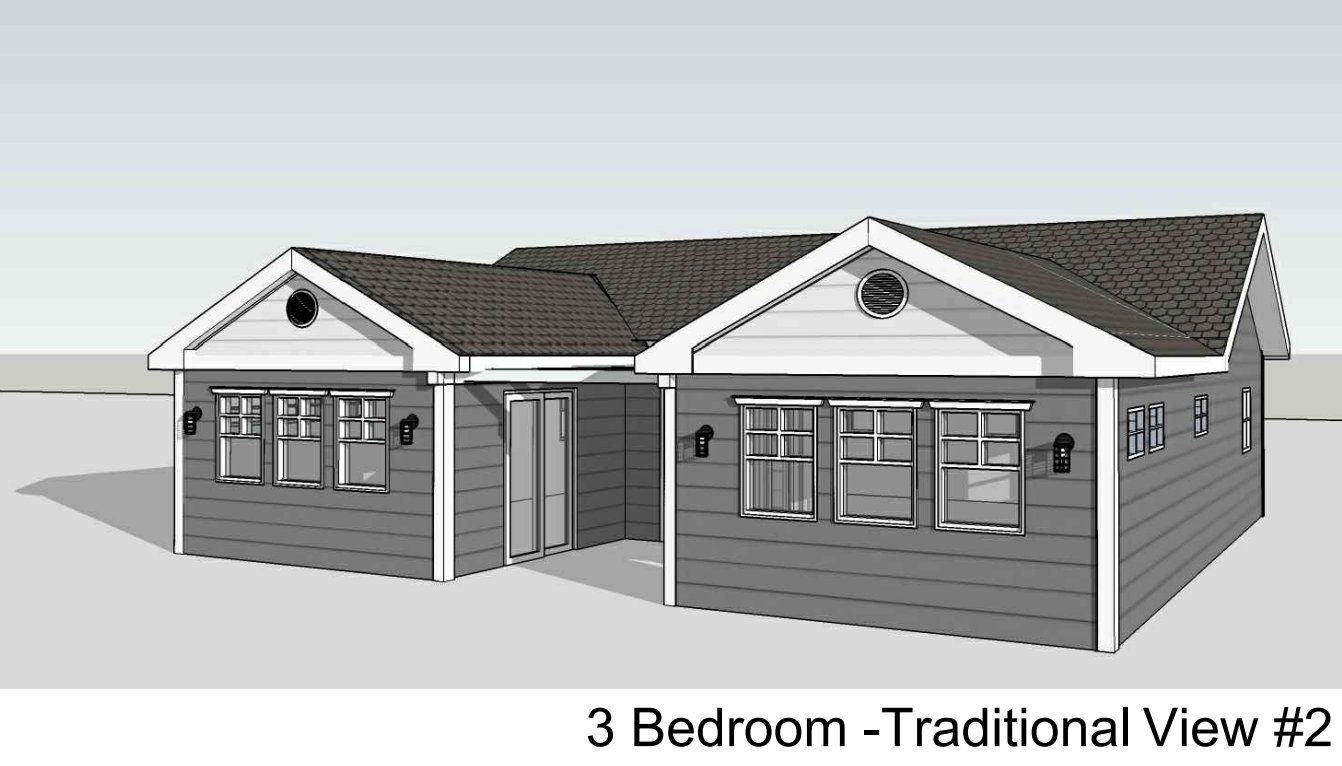
Unit count, plan type, and market — we match it to a permit-ready design and engineered kit.
FrameUpNow engineers your plan from IRC to IBC standards and runs all structural calculations, so the design holds up at portfolio scale.
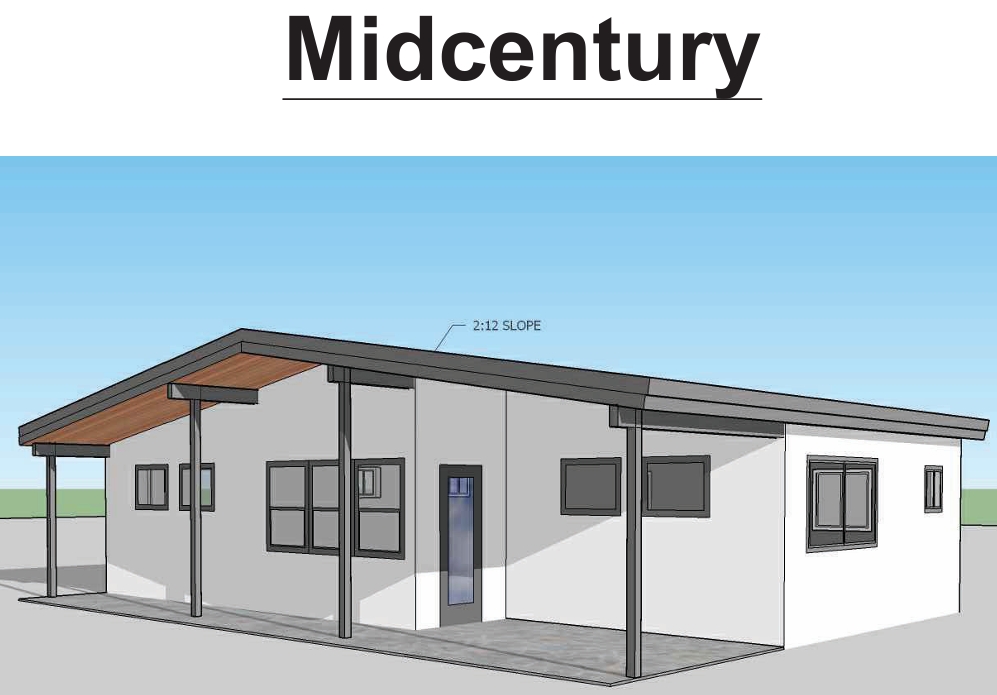
A complete shopping list generated automatically for each model on each lot — defined quantities and real costs, without your team hand-building takeoffs.
Pre-cut, panelized, and ready to stand — phase by phase, unit by unit.
Hold the line on unit cost, reduce warranty exposure, and produce greater exit profit from the first building to the last.
Tell us your target community size and market, and we'll send framing costs specific to your project — not a generic estimate.
Prefer to talk it through first? Schedule a call and we'll walk your project's numbers together before you fill out anything.
Schedule an appointment →Steel isn't always cheaper on a single-unit, single-week basis, but its price doesn't move with lumber market cycles. Across a multi-phase BTR community, that stability usually closes or reverses the gap versus wood once you account for the full build-out, not just one week's material quote.
It's a materials quantity list generated directly from the engineered structural model for a specific plan version on a specific lot — not a hand-built estimate. It reflects the actual structure, including any lot-specific plan variations, rather than a category-level average.
IBC (International Building Code) engineering means the design has documented structural calculations behind it, rather than relying on the prescriptive tables used for one-off residential construction (IRC). At BTR scale, where the same plan repeats across dozens or hundreds of units, that documentation matters far more than it does for a single home.
Kits ship 3 days after order, pre-cut and ready to stand. That fixed, short window is most valuable when it's coordinated against site readiness and crew scheduling, rather than treated as a stand-alone fix for a construction schedule.
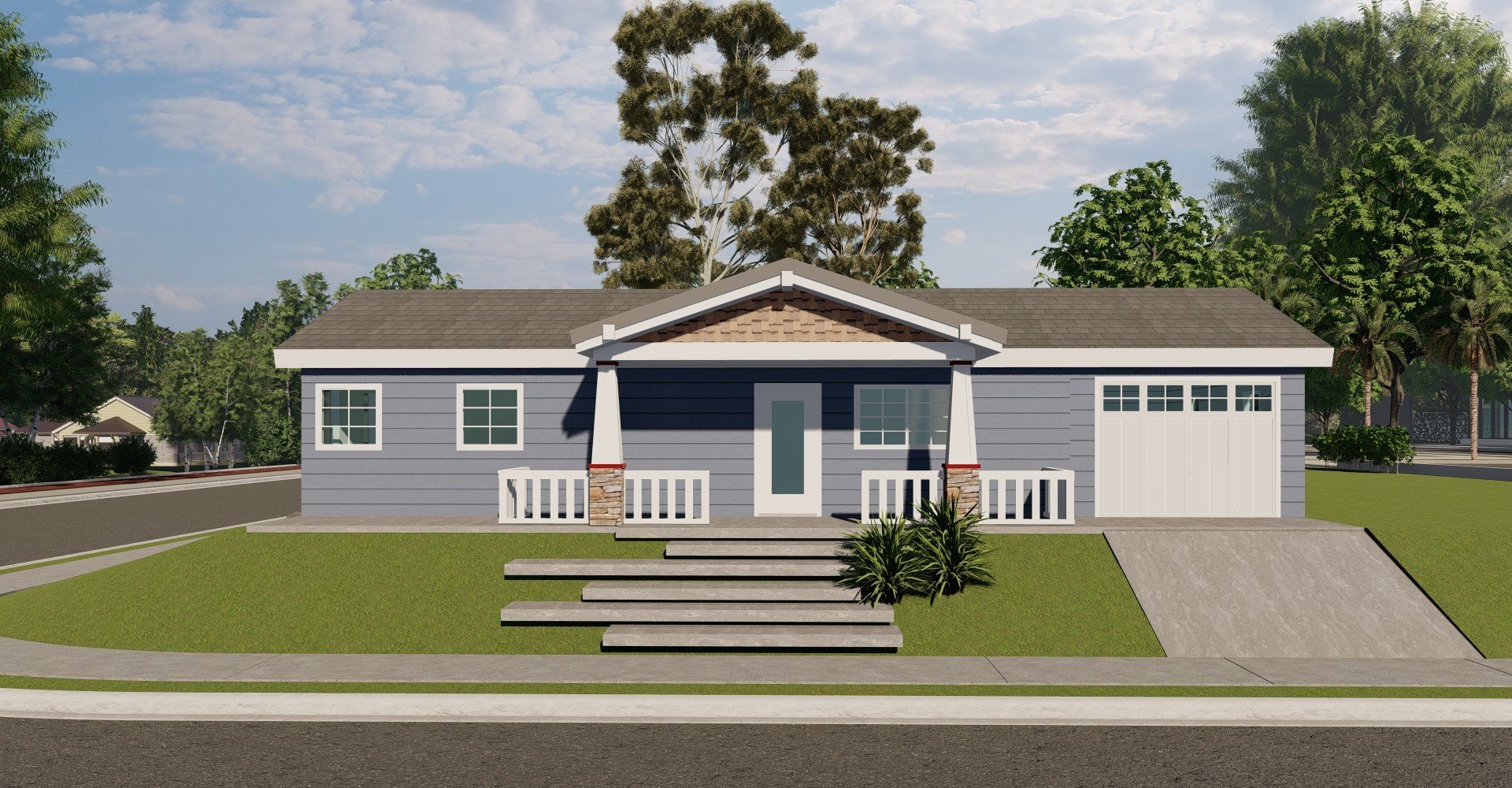
Yes — since BTR communities often mix plan variations across lots (garage vs. no garage, corner-lot setbacks), the material list is generated for the exact version assigned to each lot, so the builder's team isn't hand-adjusting takeoffs for every variation.
A BTR operator holds and maintains the asset for years, so framing decisions around cost stability, dimensional stability, and long-term maintenance matter more than they do for a for-sale builder who sells at closing. Repetition across a small number of plans also pays off more in BTR, where unit variety matters far less than it does in a competitive resale market.