





























.avif)

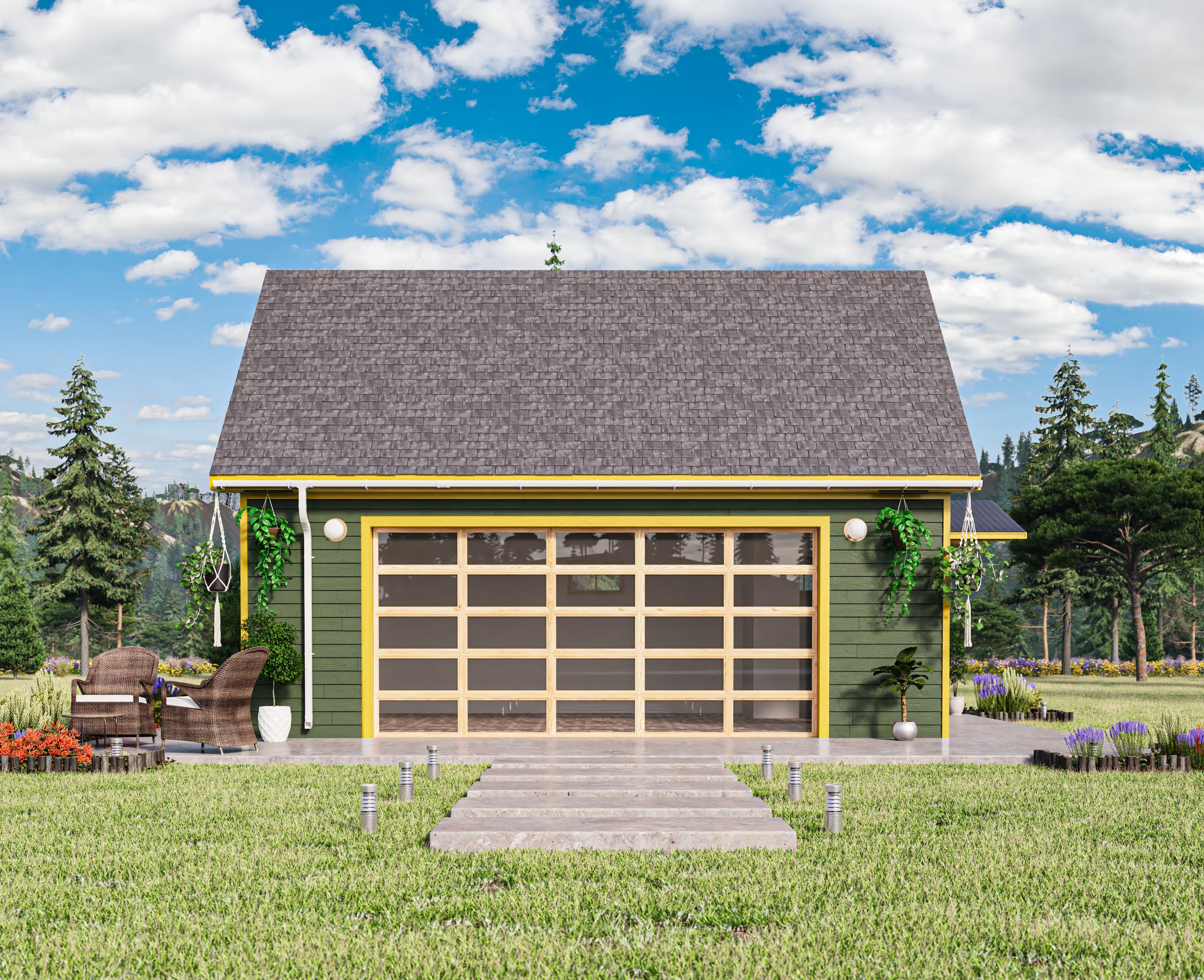
How Modern Steel Framing Is Changing Residential Architecture

Construction is becoming more precise, more digital and more predictable.
Modern steel framing combines structural engineering, cold-formed steel, Building Information Modeling and precision manufacturing to create a more defined path from architectural design to construction.
For residential builders, developers and homeowners, this approach can provide greater dimensional consistency, design flexibility and clarity before the structure reaches the jobsite.
FrameUpNow manufactures engineered cold-formed steel framing systems for homes, ADUs and other residential structures. Its current framing systems are designed around engineered plans and can include wall panels, trusses, joists and beams.
What Is Modern Steel Framing?
Modern residential steel framing typically uses cold-formed steel, or CFS, to create structural walls, floors and roof systems.
Cold-formed steel is produced from structural-quality sheet steel formed into lightweight structural members such as studs, tracks, joists and trusses.
Unlike the heavy structural steel commonly associated with skyscrapers and large commercial buildings, CFS is well suited to residential and light construction.
The Steel Framing Industry Association’s BuildSteel resource provides additional background on how cold-formed steel is manufactured and used.
Why Is Modern Steel Framing Becoming More Popular?
Modern steel framing works particularly well with engineering, digital modeling and precision manufacturing.
Instead of relying entirely on field measuring, cutting and interpretation, more of the structural work can be defined before construction begins.
The process can be summarized as:
Plan → Engineer → BIM → Manufacture → Deliver → Assemble
FrameUpNow uses this type of approach to manufacture CFS framing to engineered plans and provide more structural clarity before construction starts.
1. Does Steel Framing Provide Structural Strength?
Yes. Cold-formed steel provides a high strength-to-weight structural system that can be engineered for the loads and conditions of a specific project.
Engineering requirements can include:
- Wind
- Snow
- Seismic conditions
- Roof loads
- Building geometry
- Structural connections
The important point is not that steel is simply “stronger than everything else.”
It is that cold-formed steel can be engineered as a complete structural system based on the building design and applicable requirements.
2. How Does Steel Framing Improve Design Flexibility?
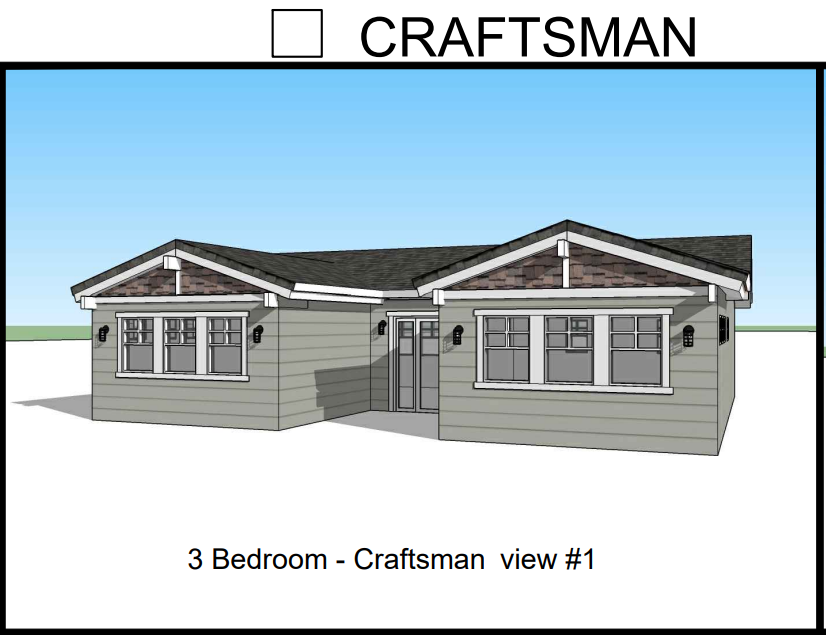
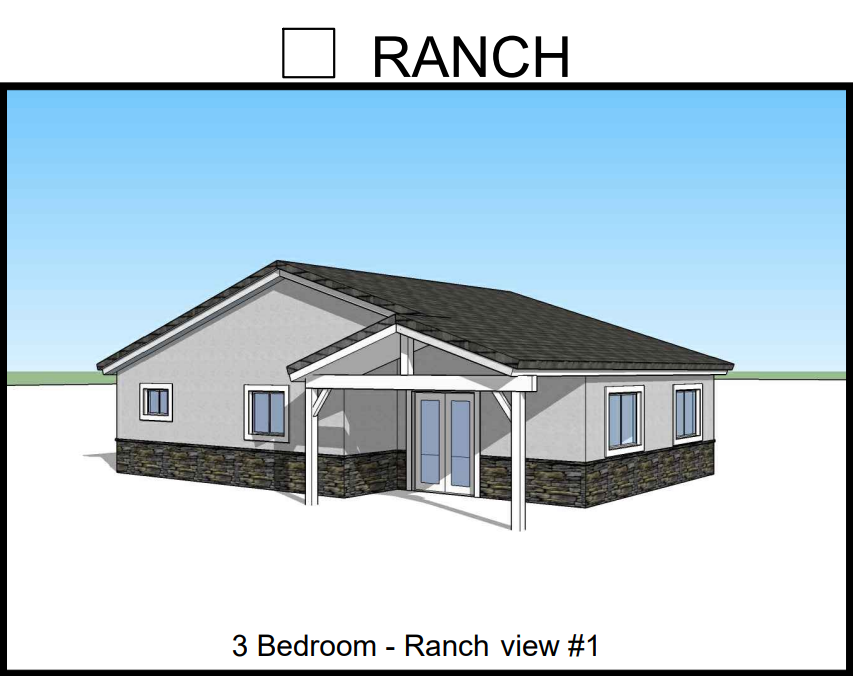
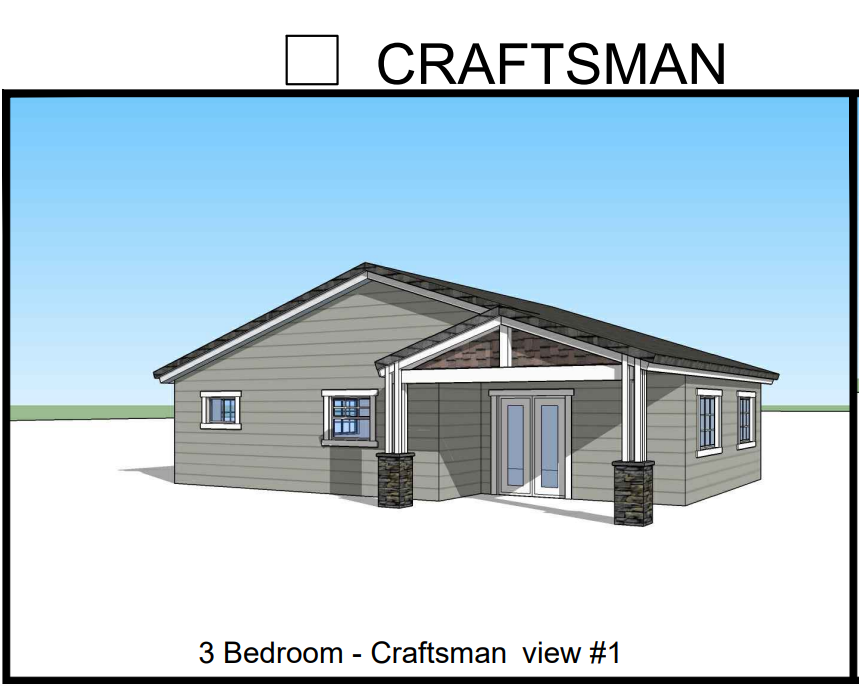
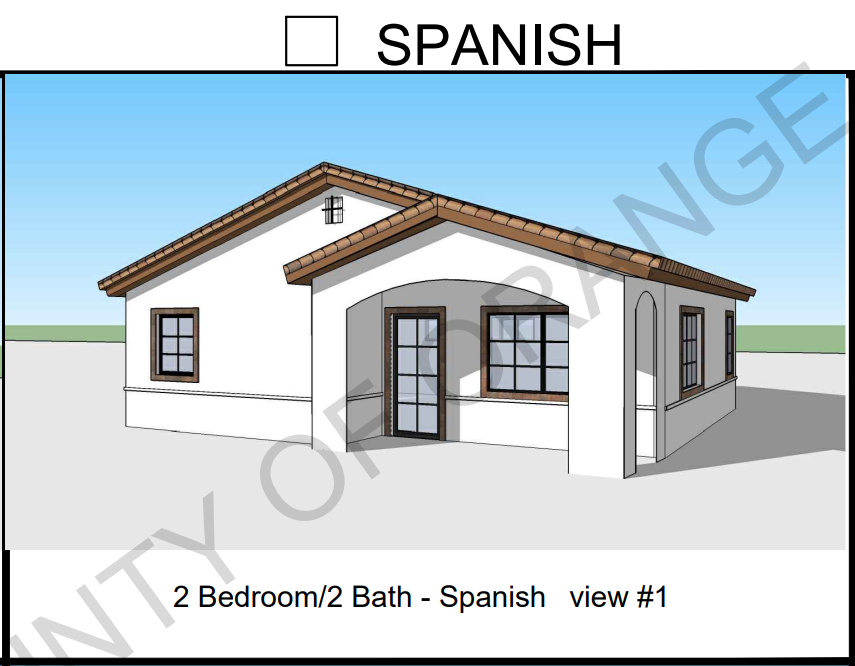
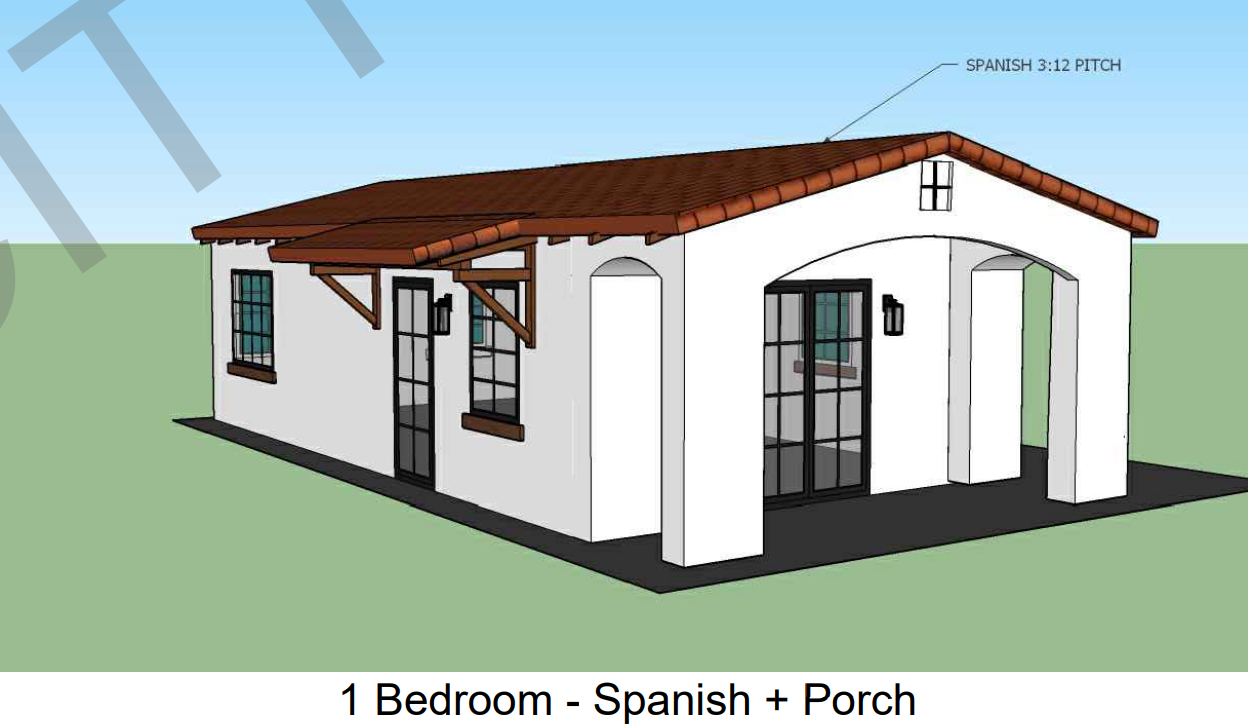
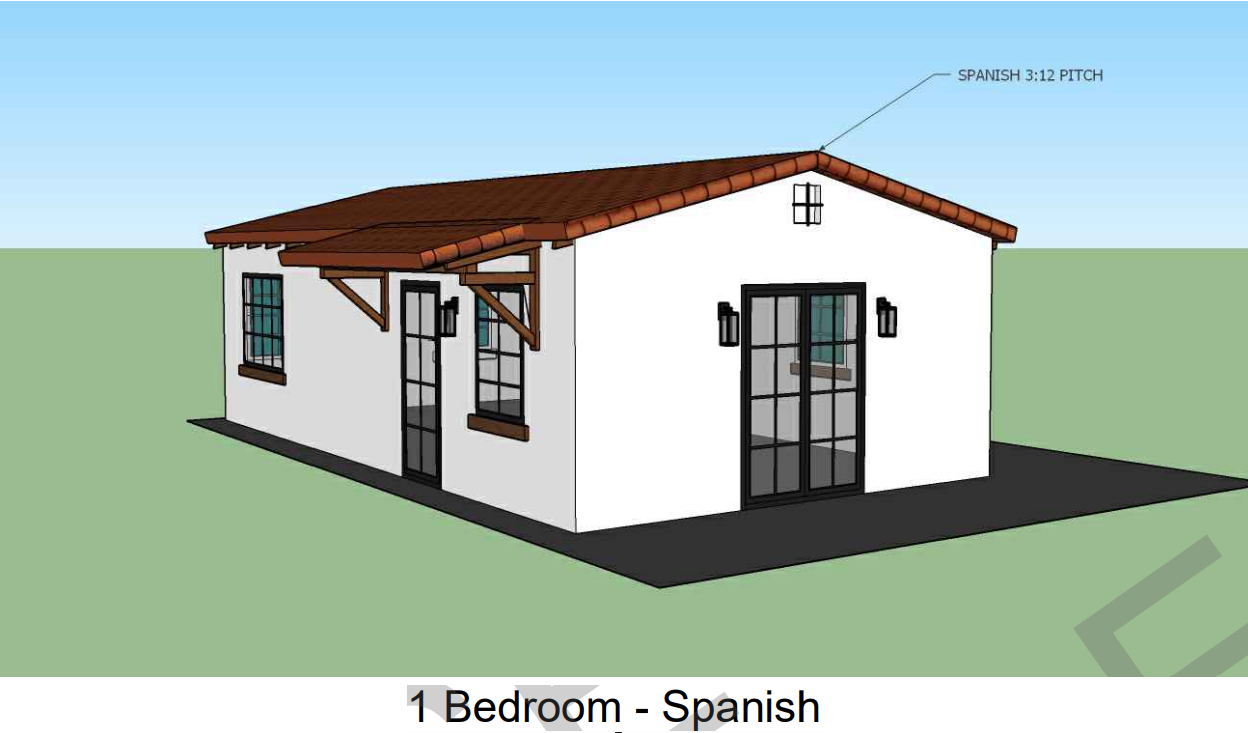
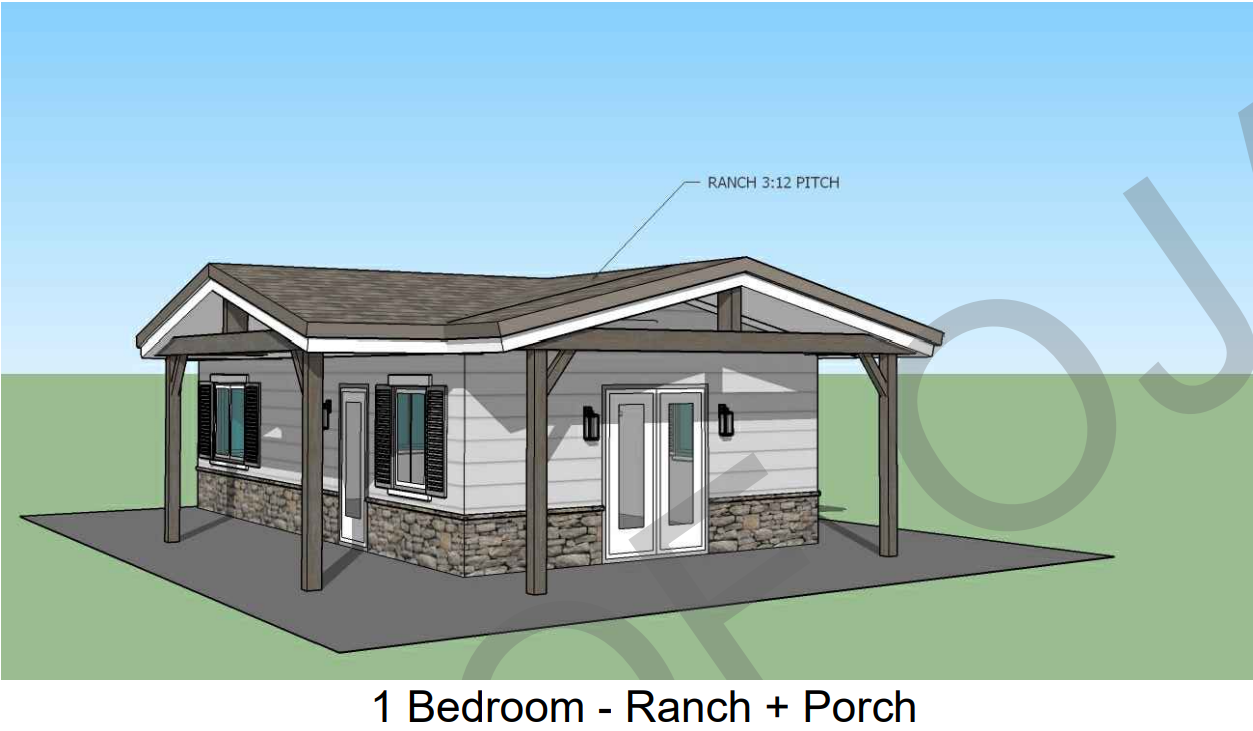
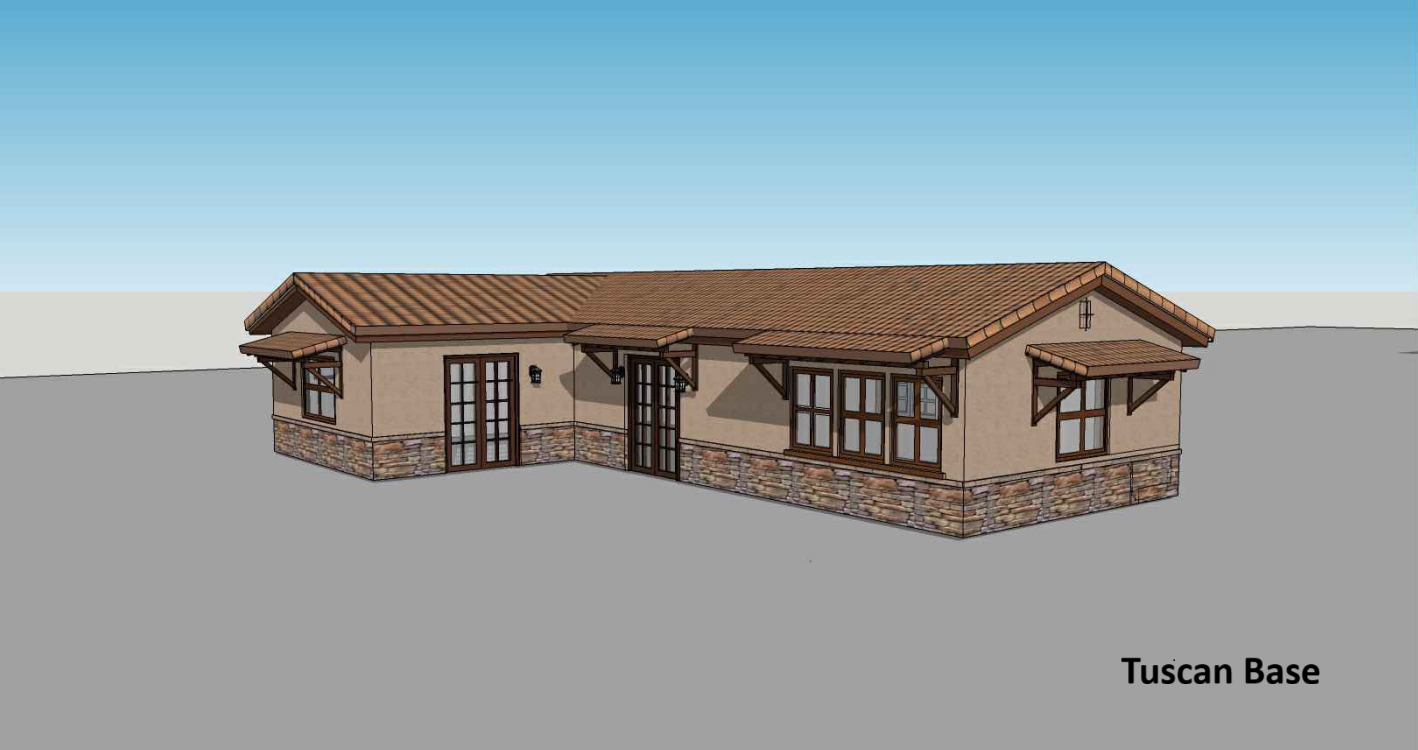
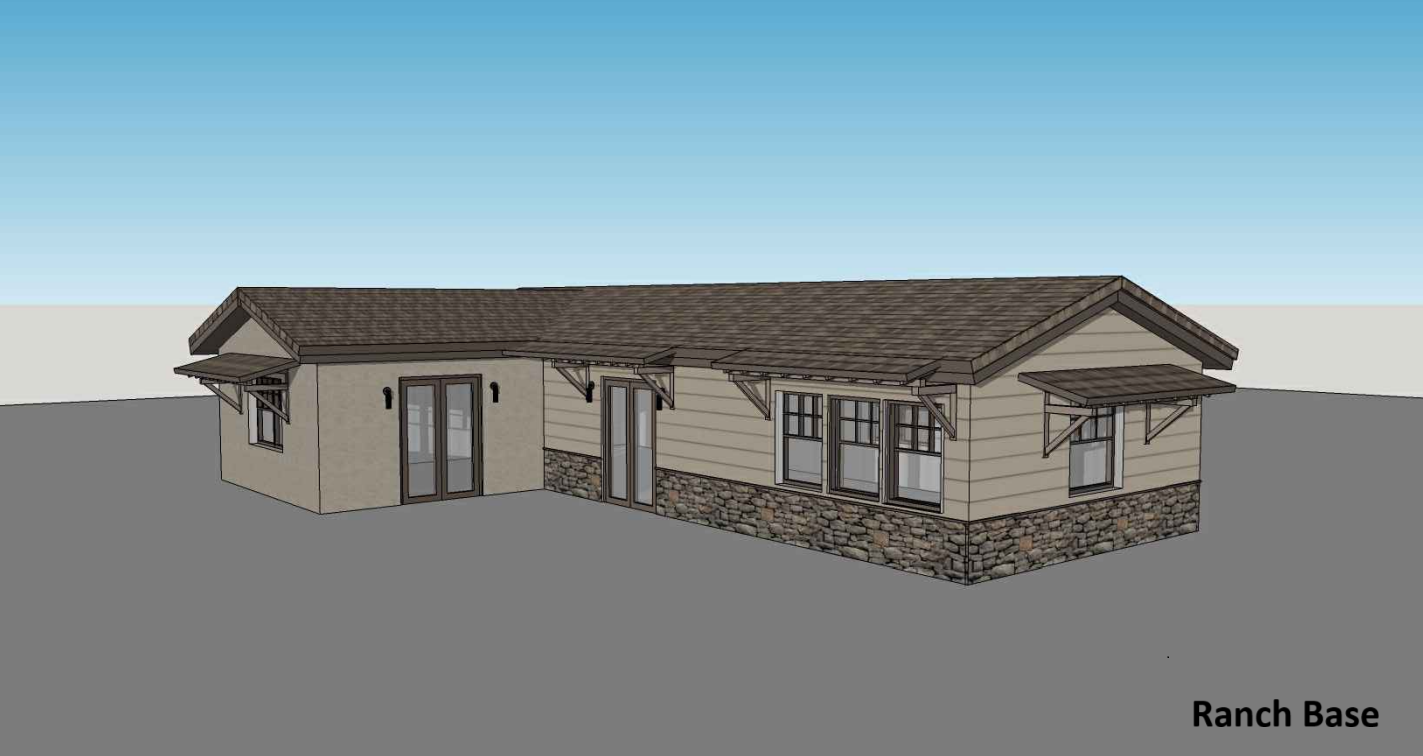
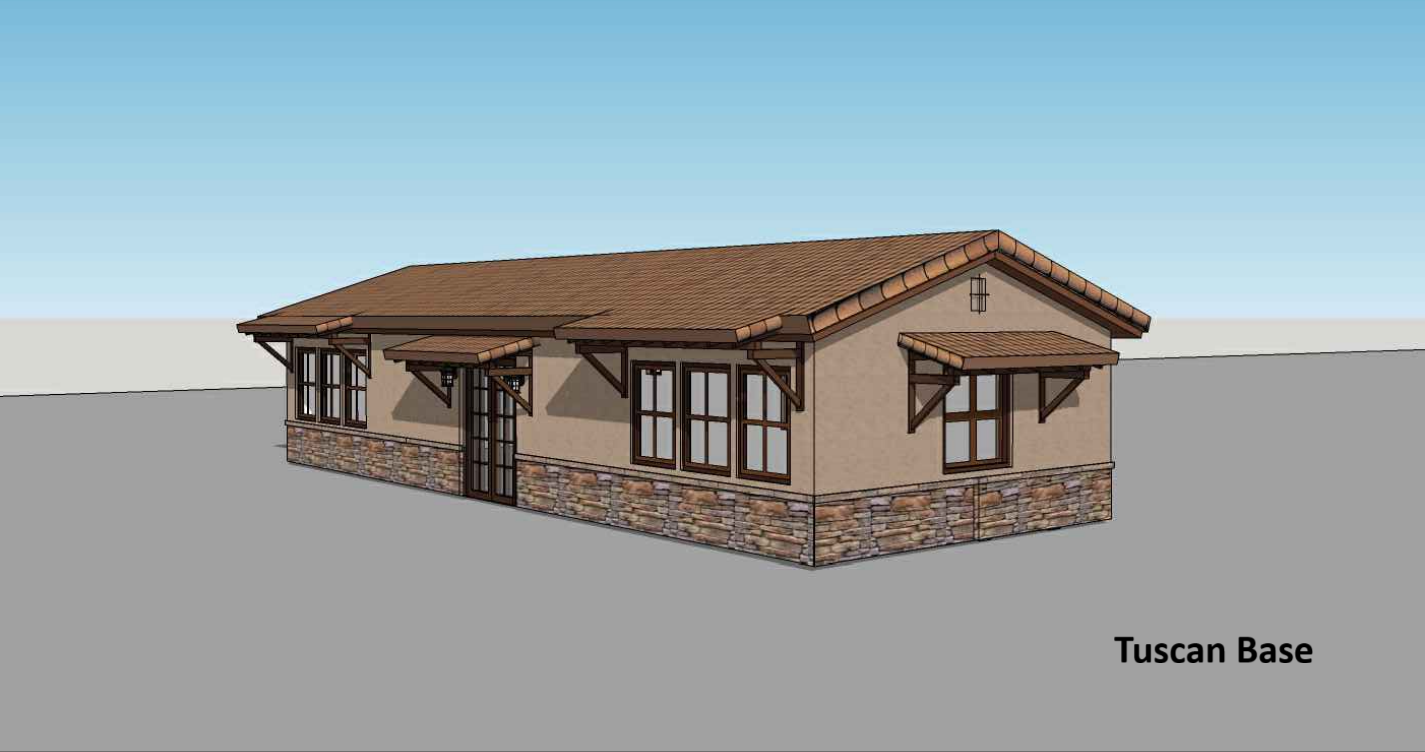
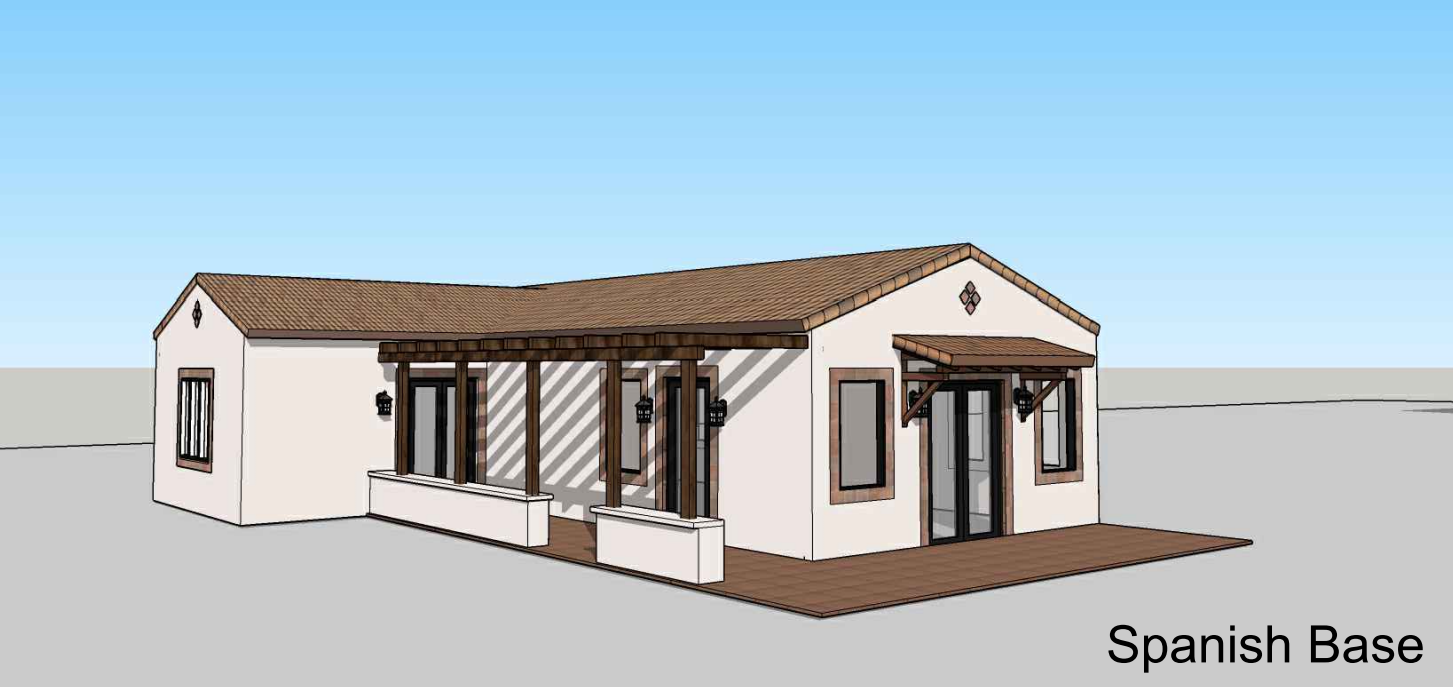
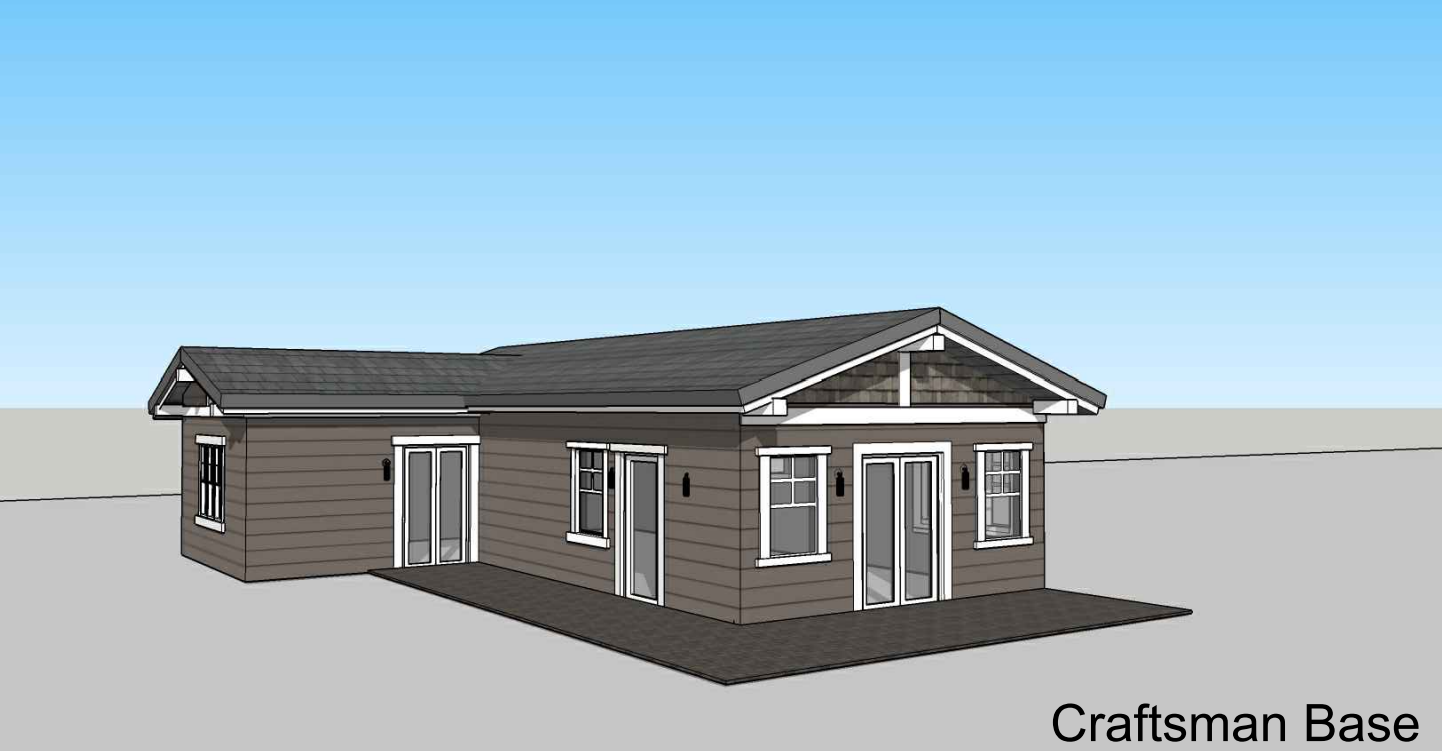
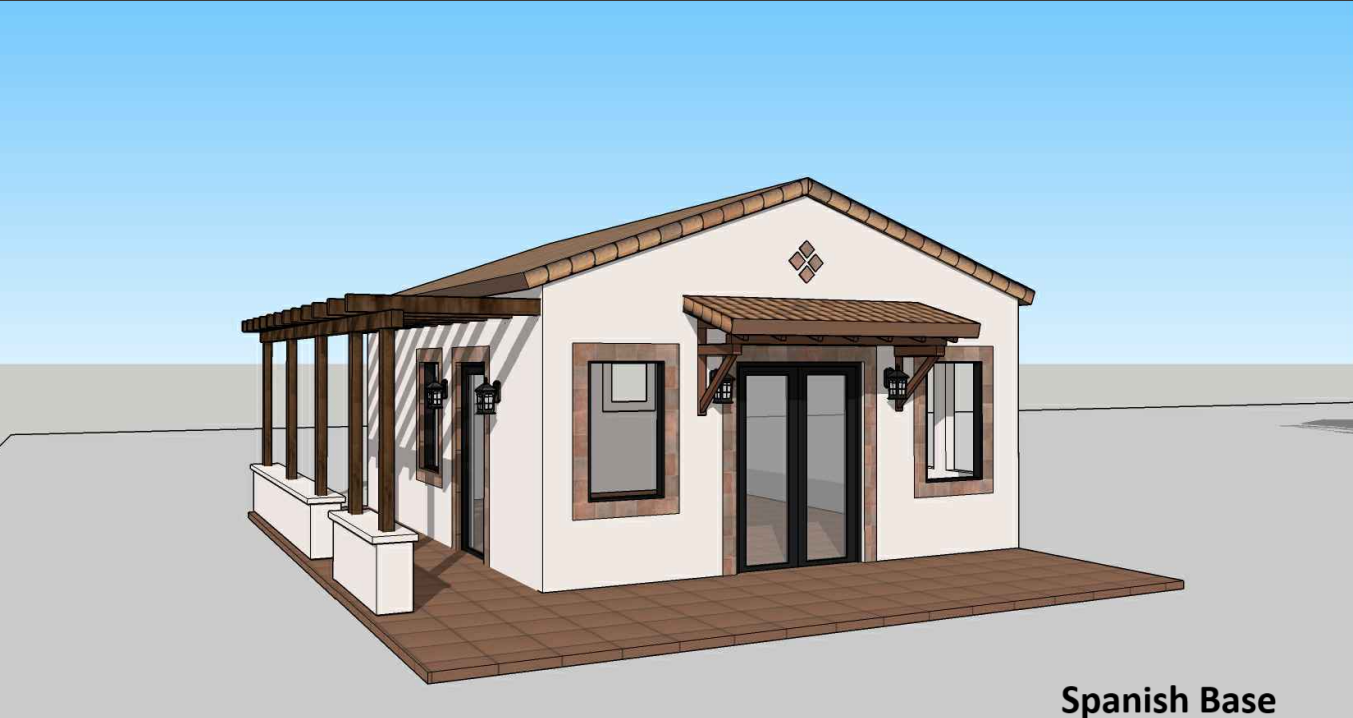
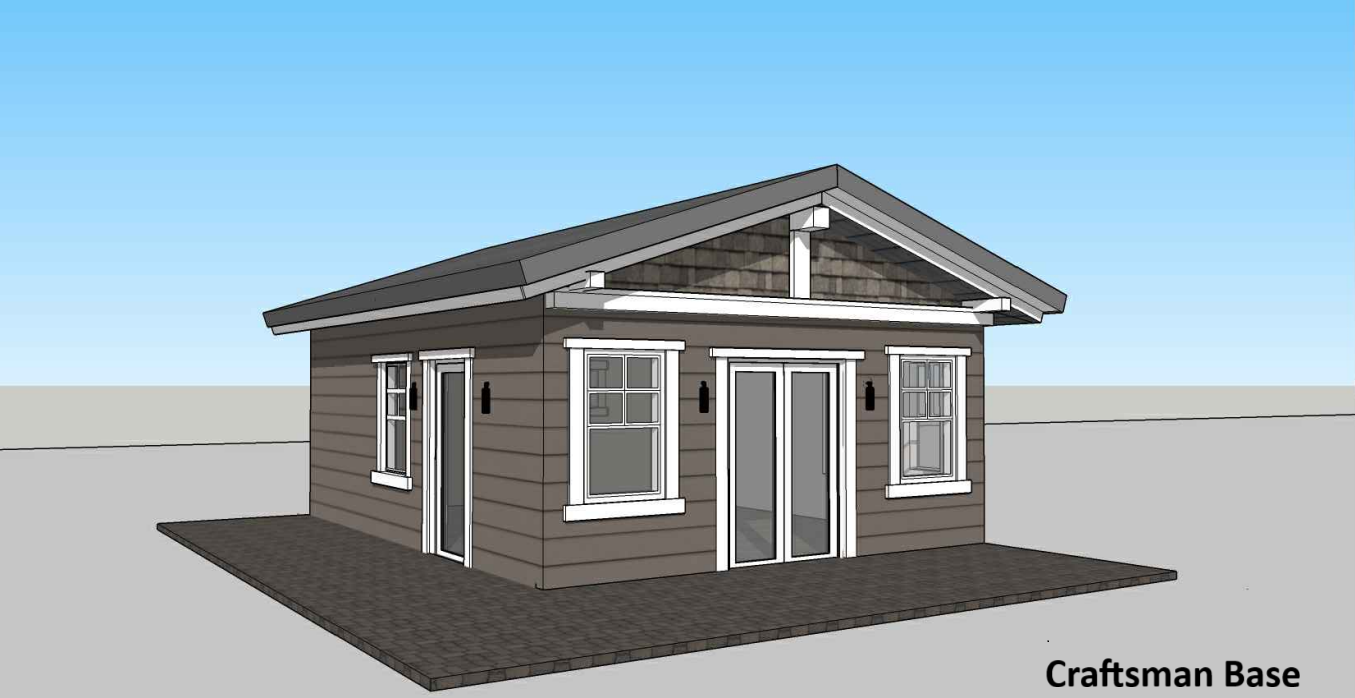
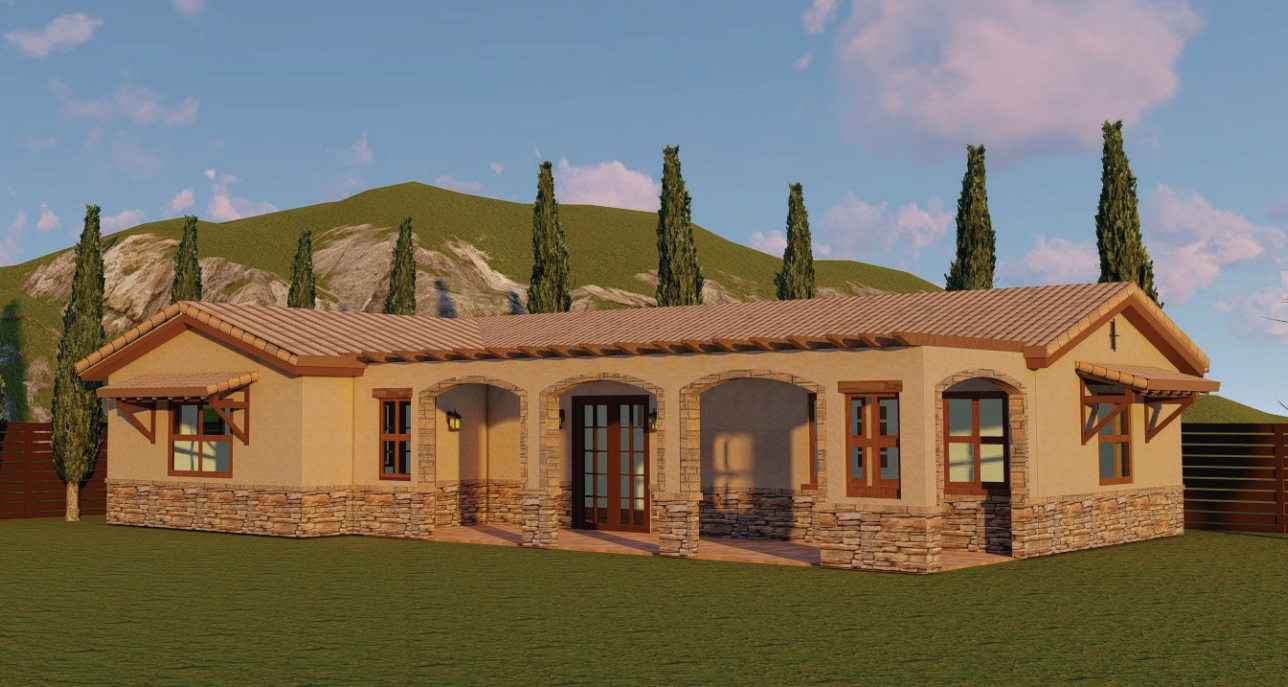
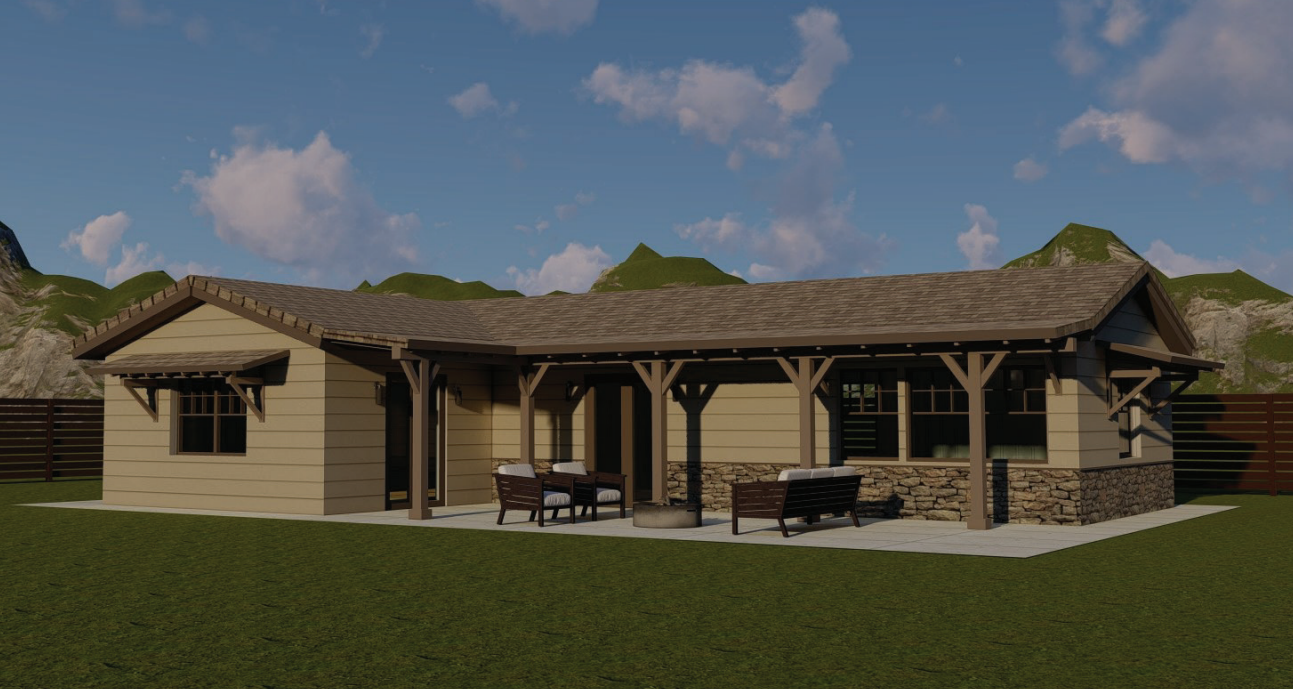
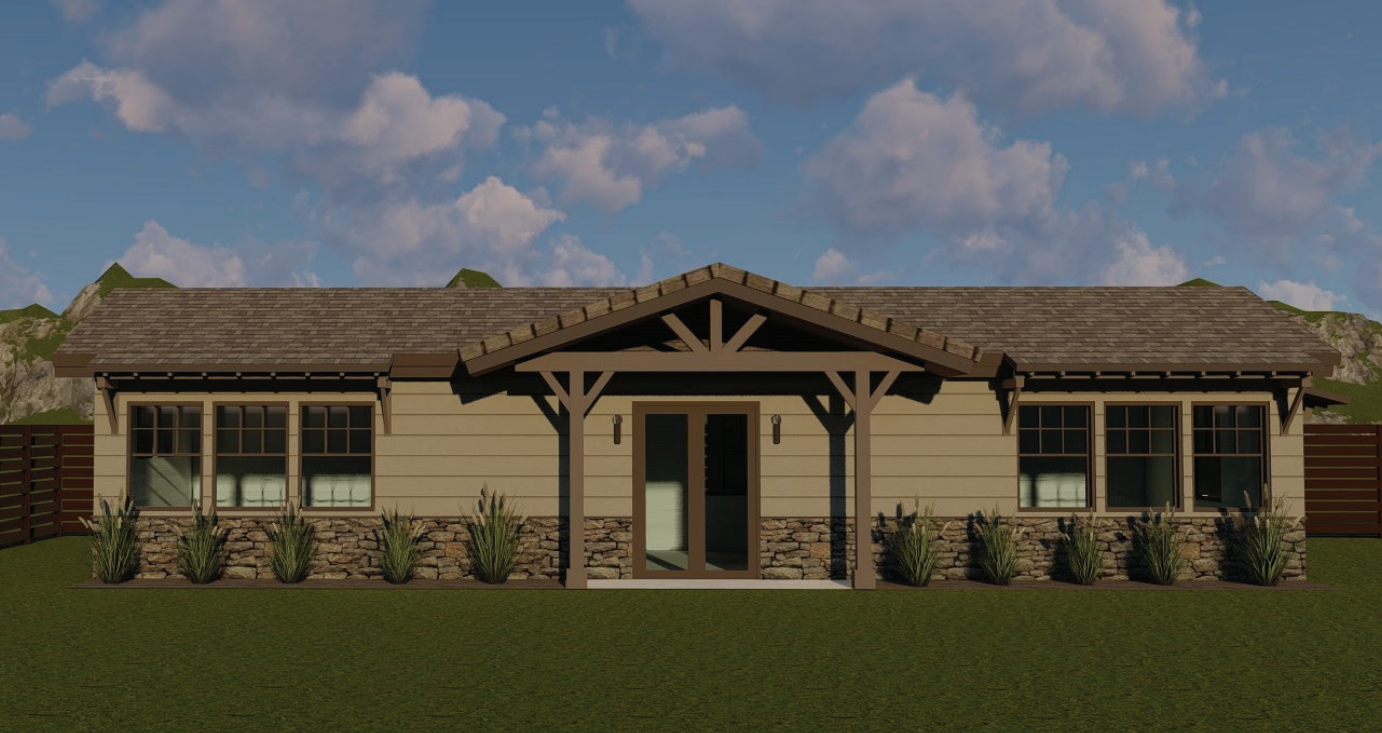
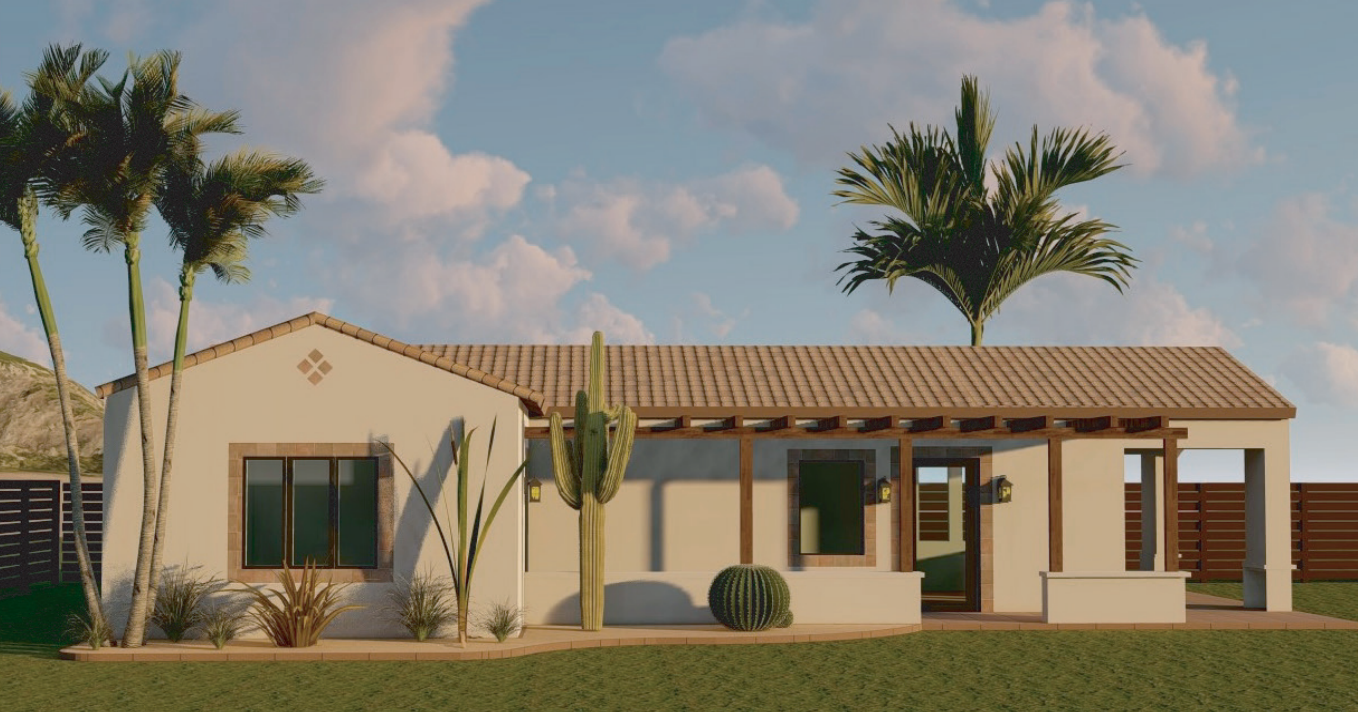
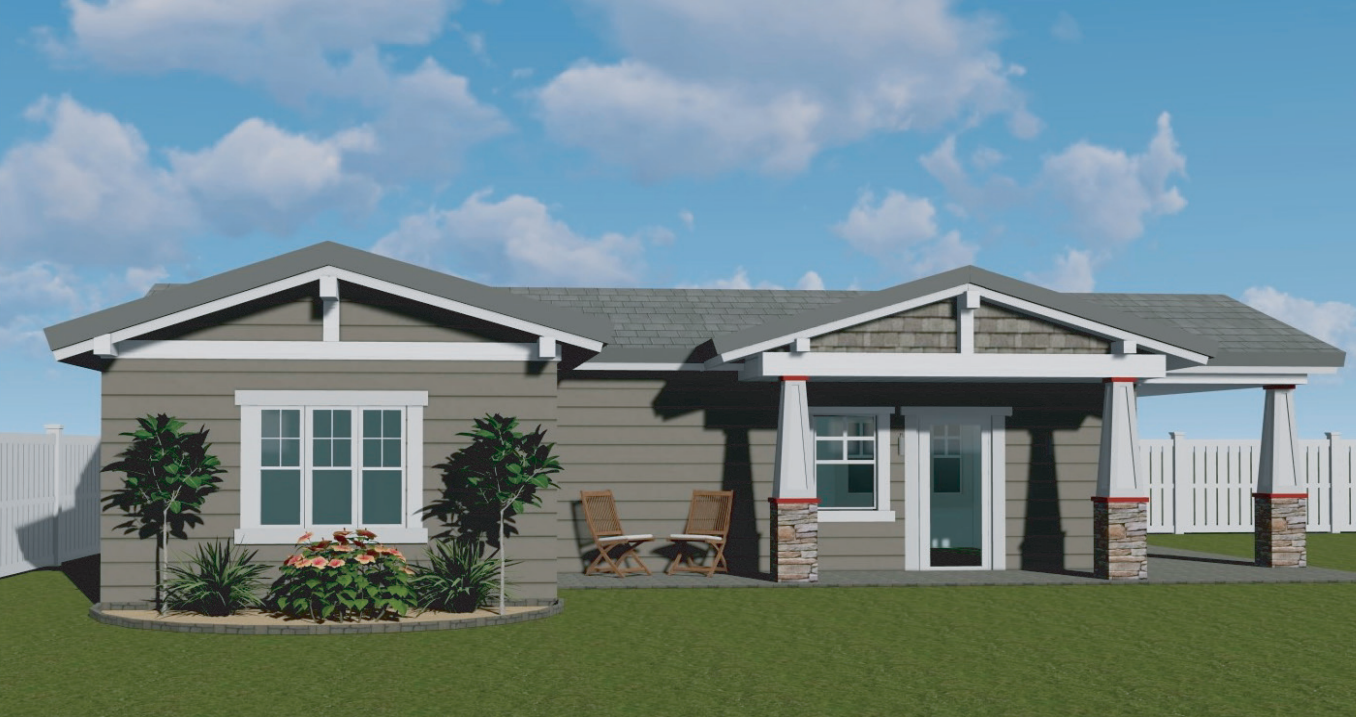
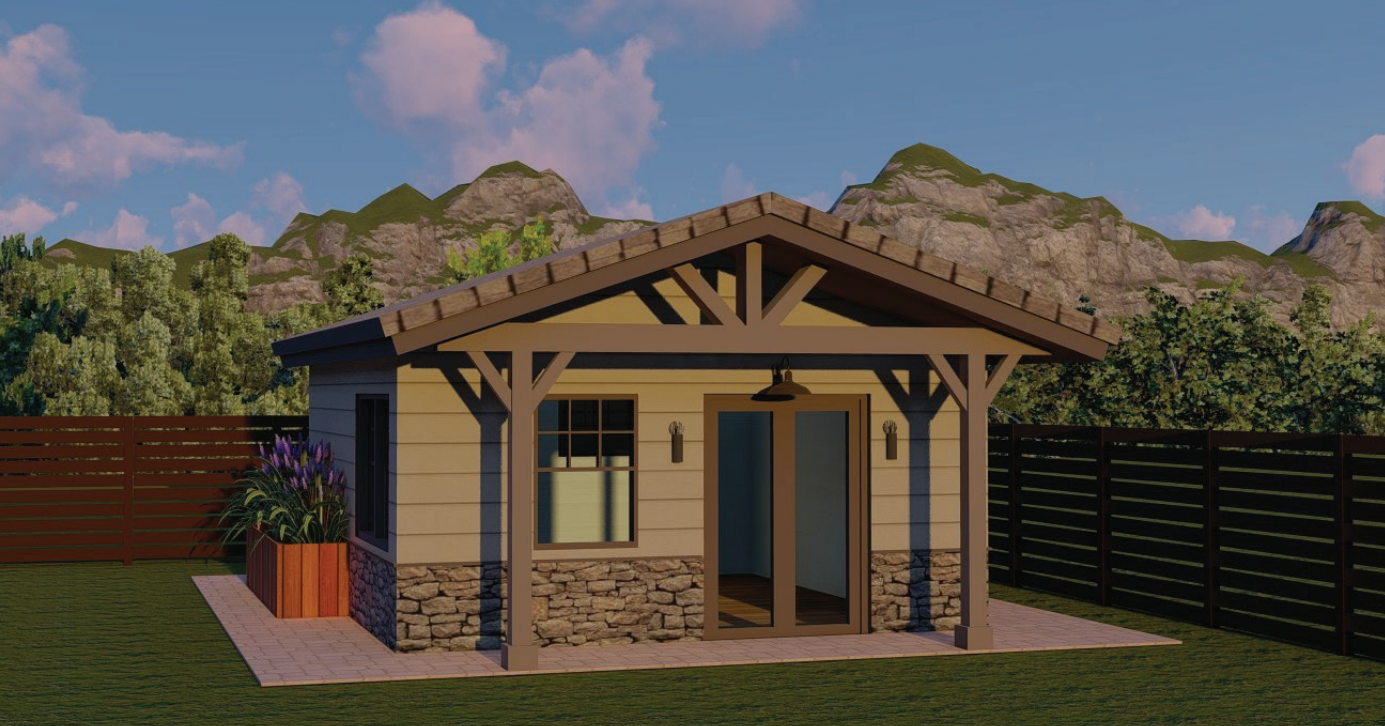
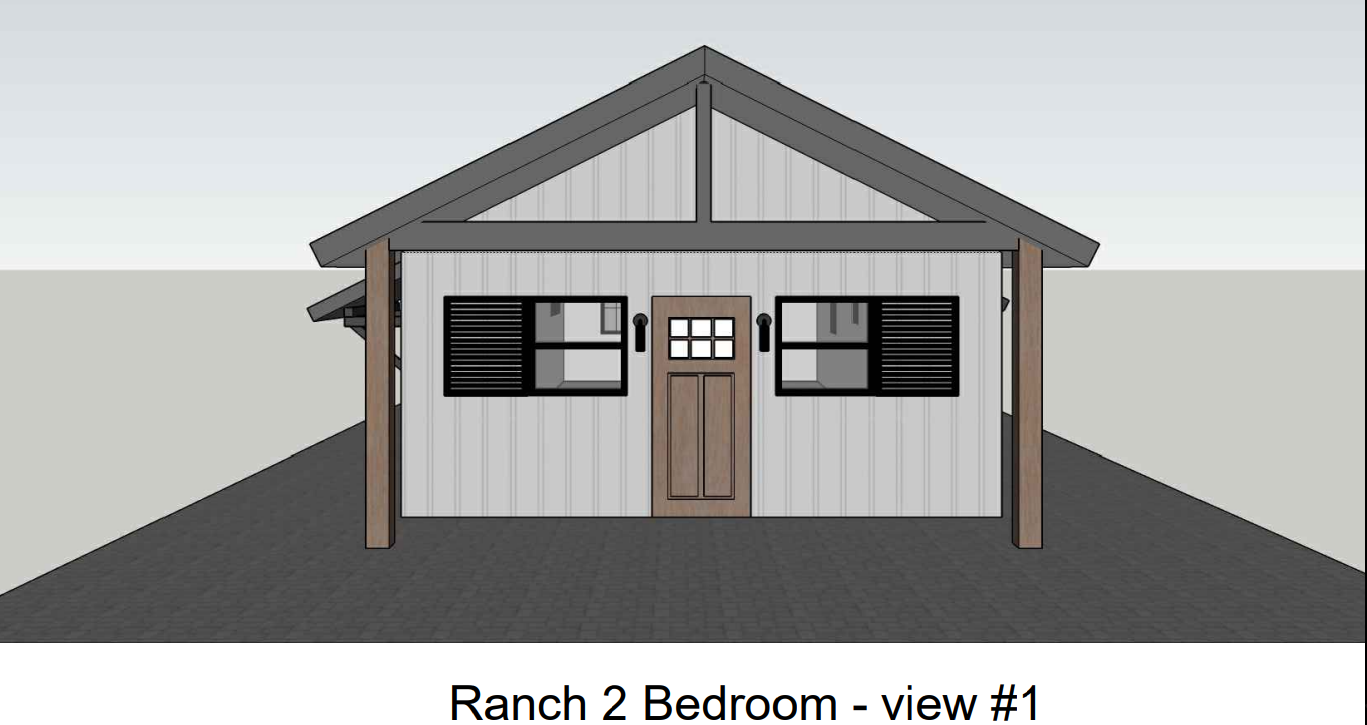
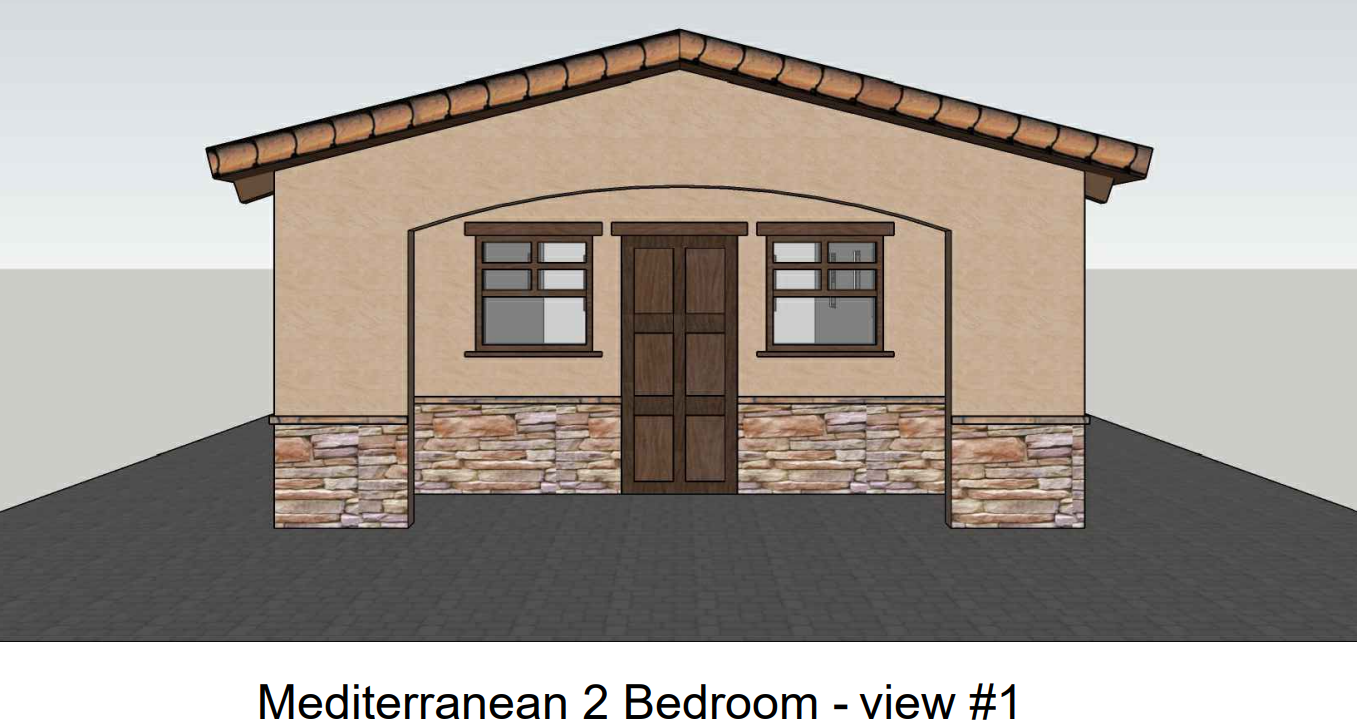
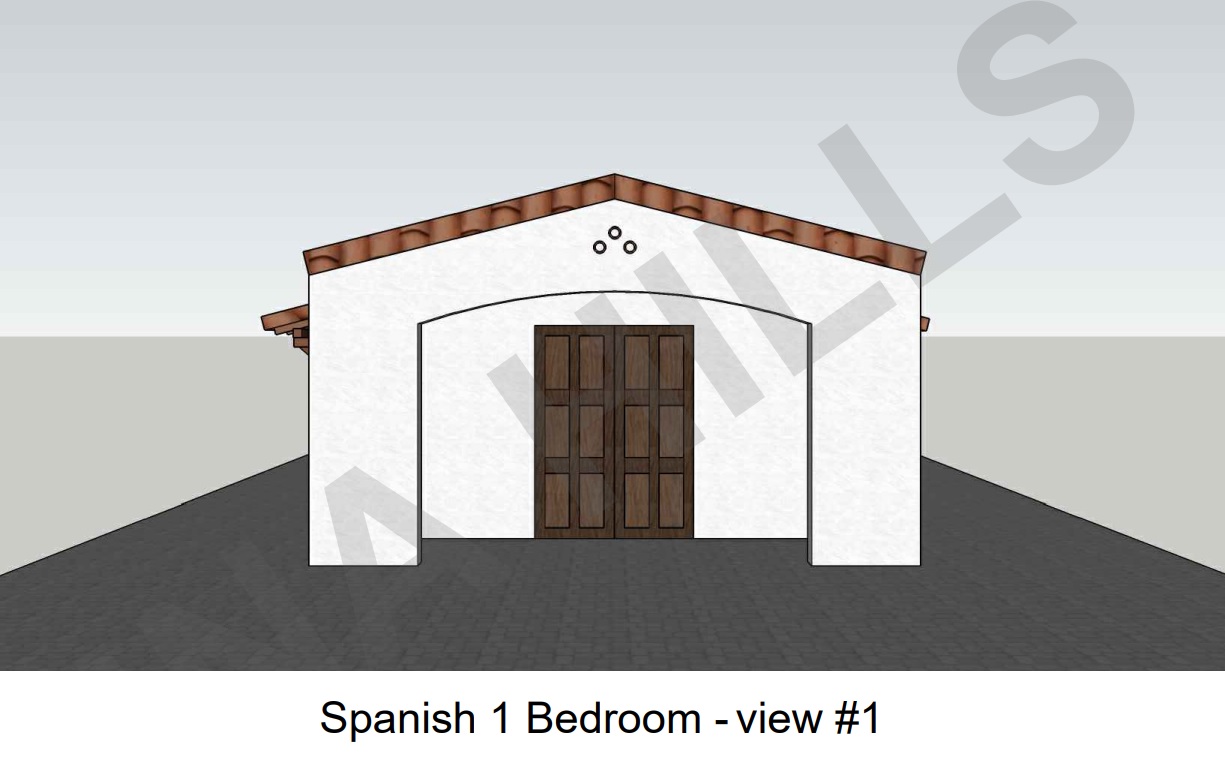
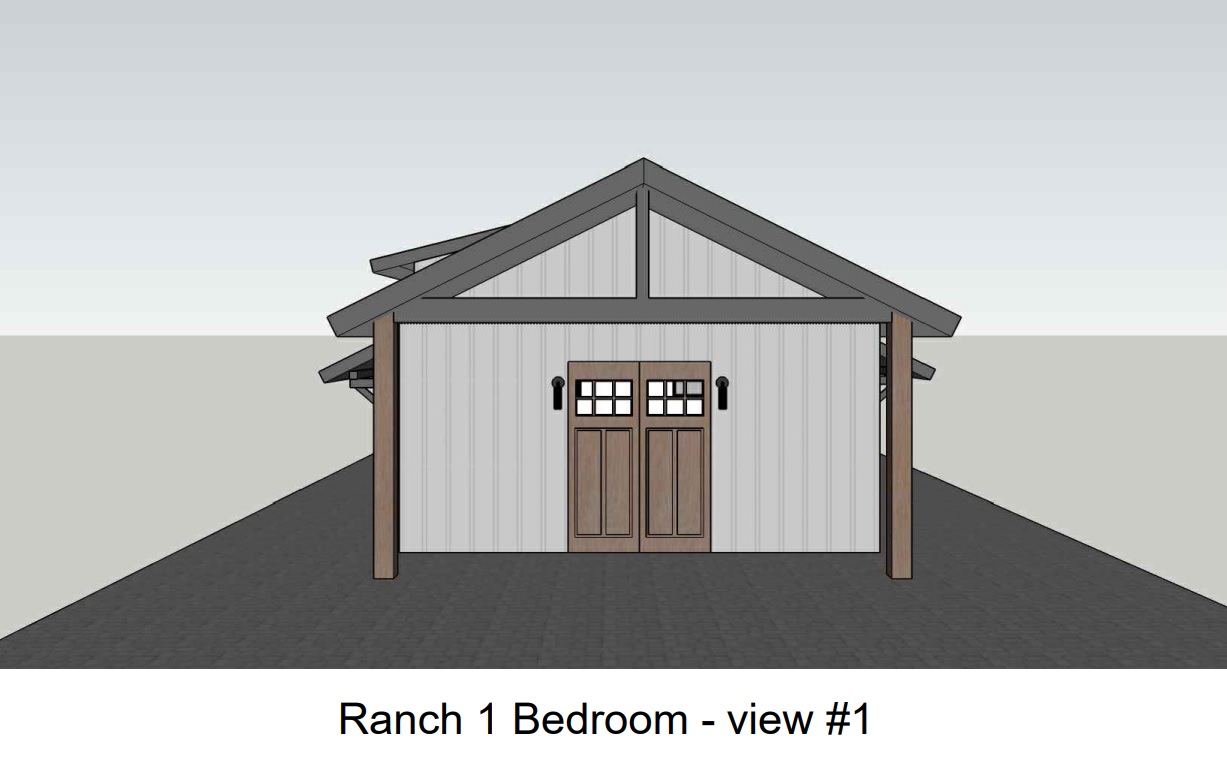
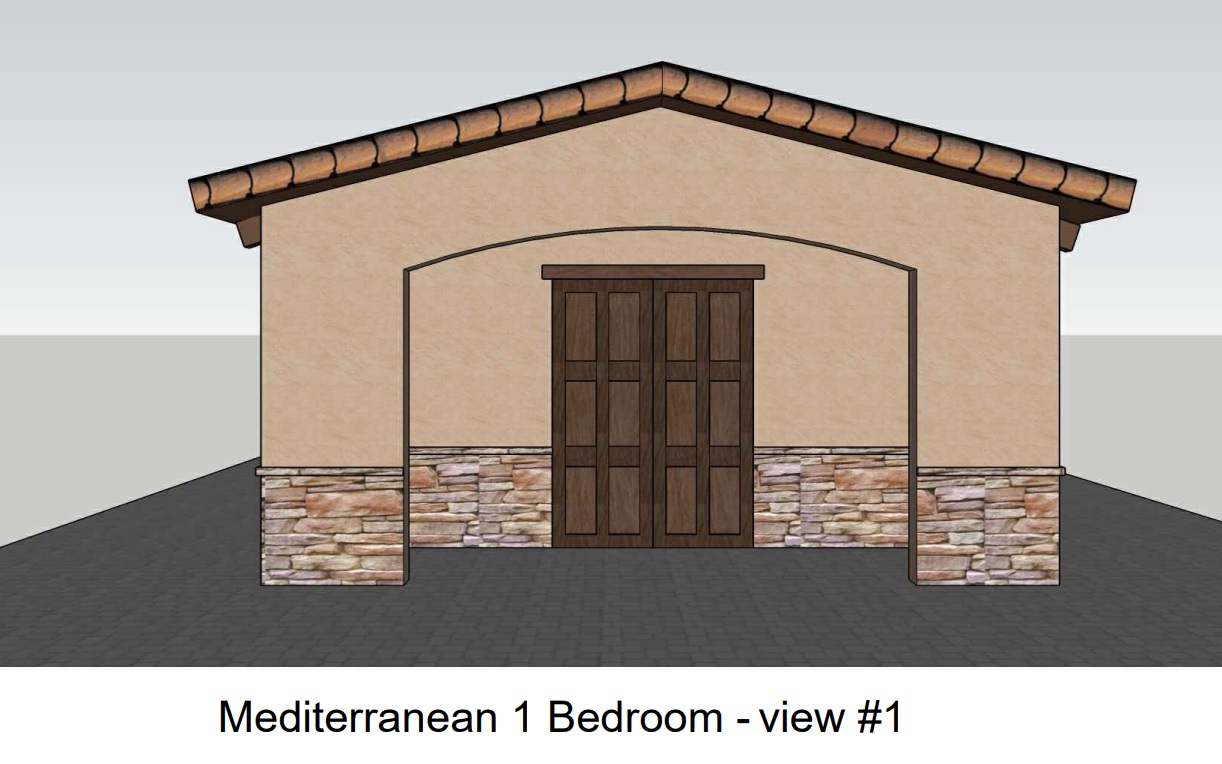
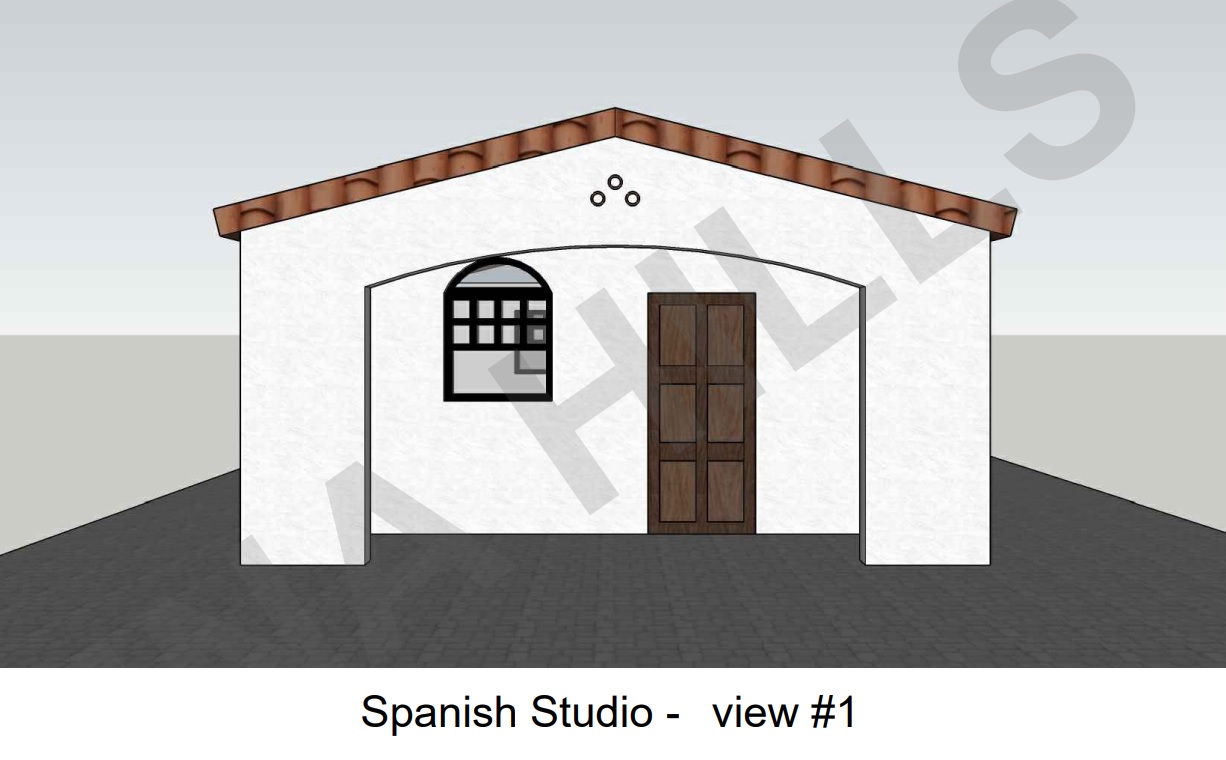
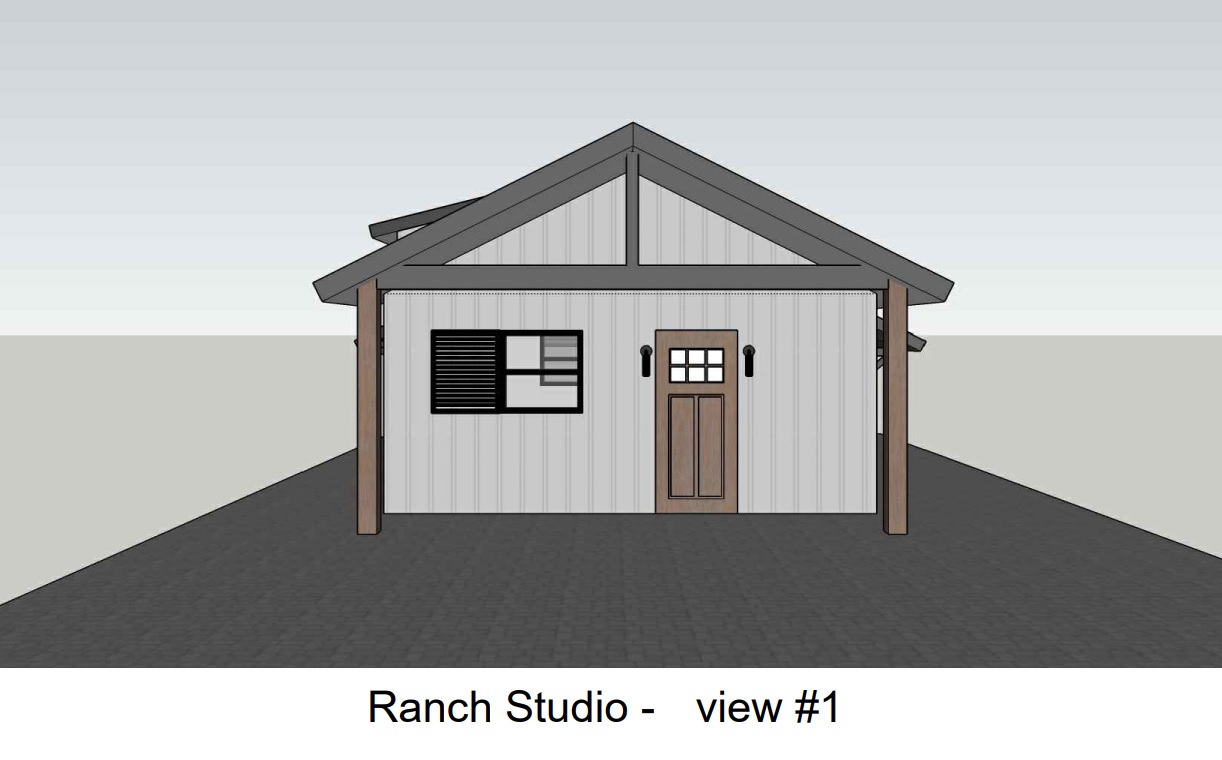
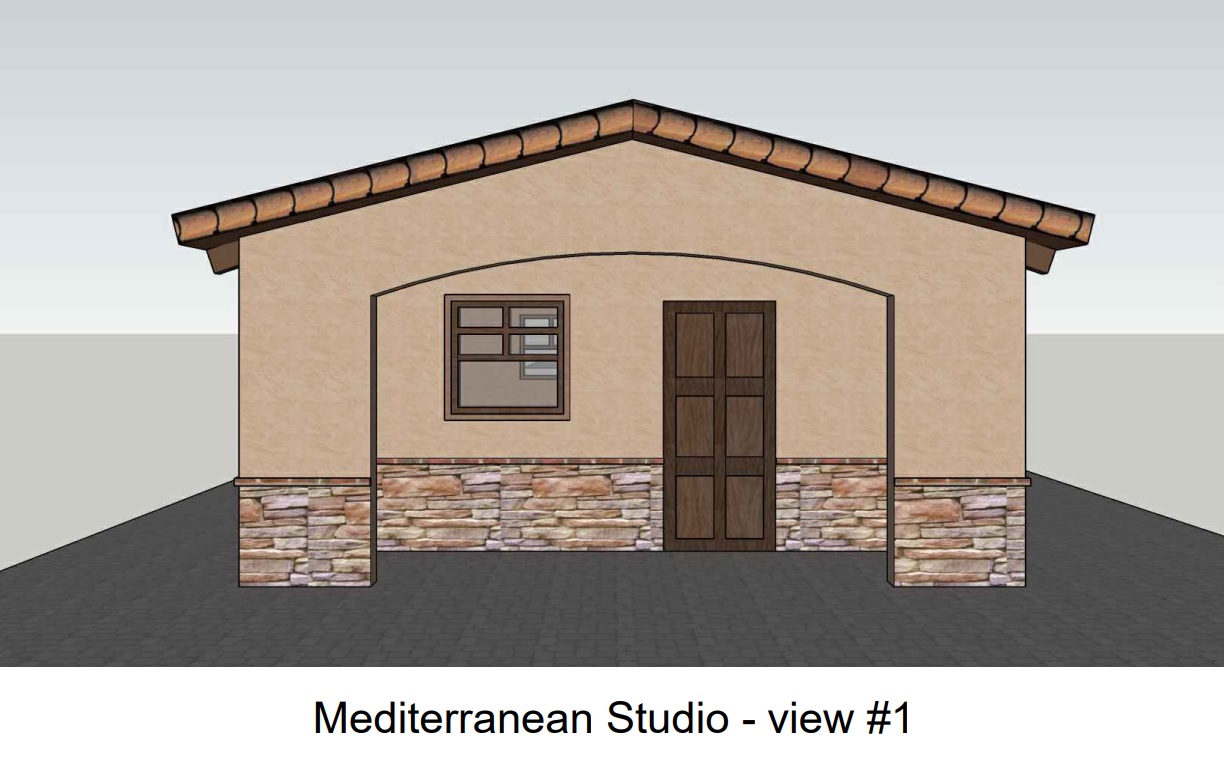
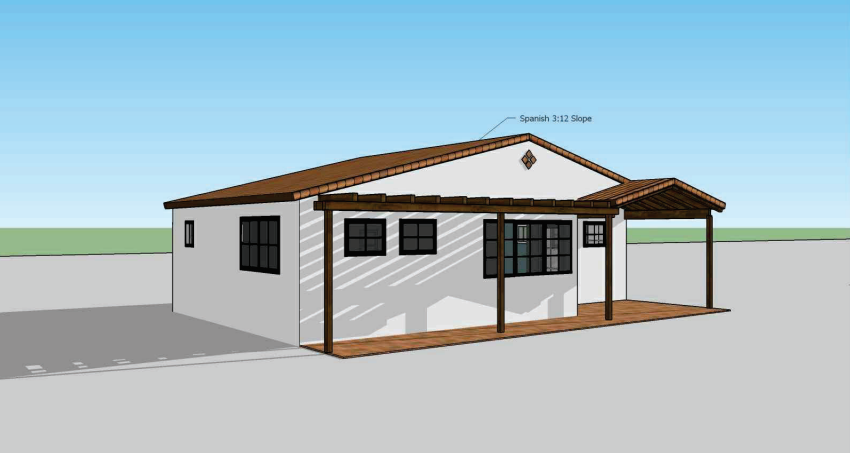
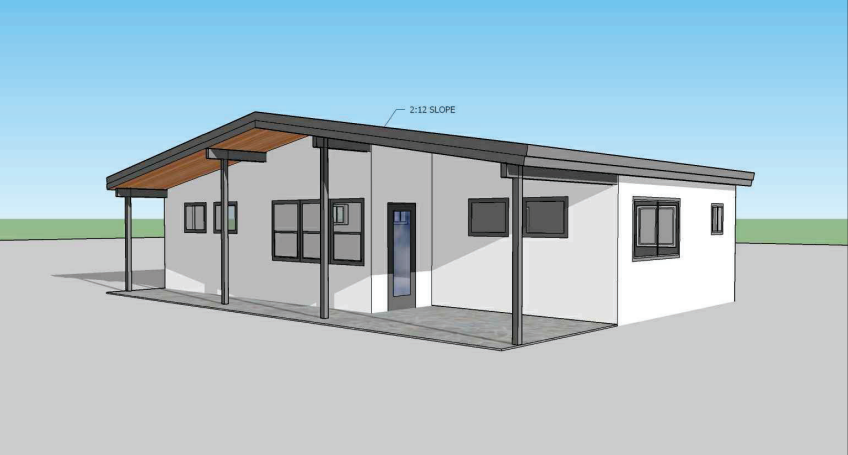
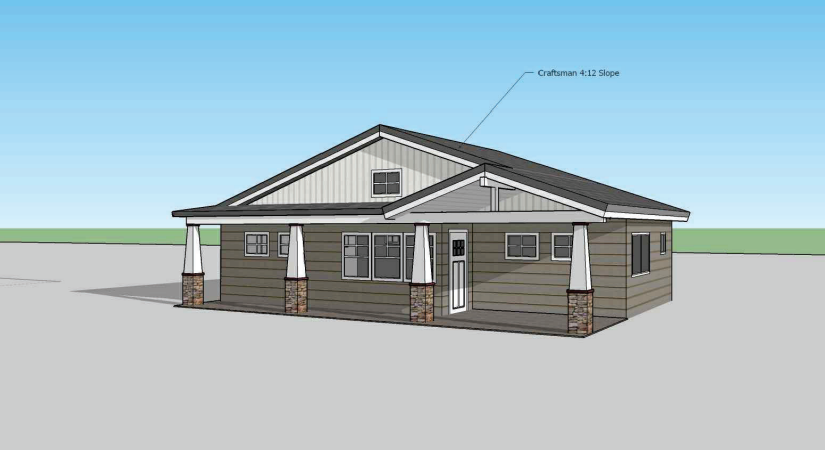
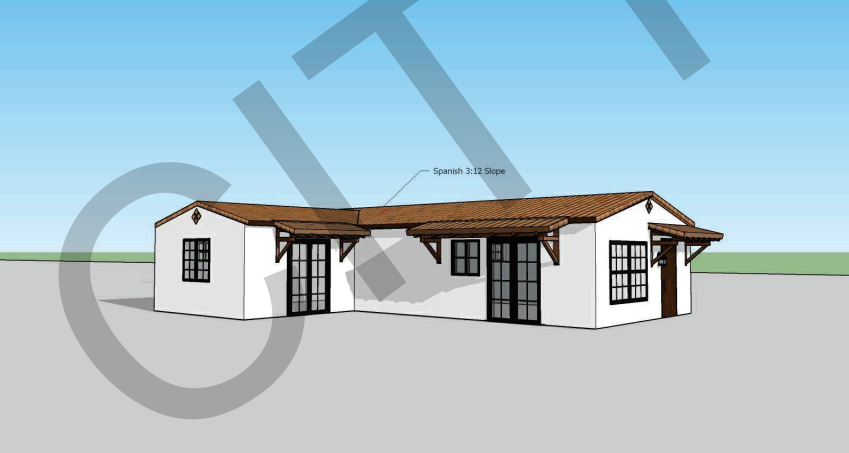
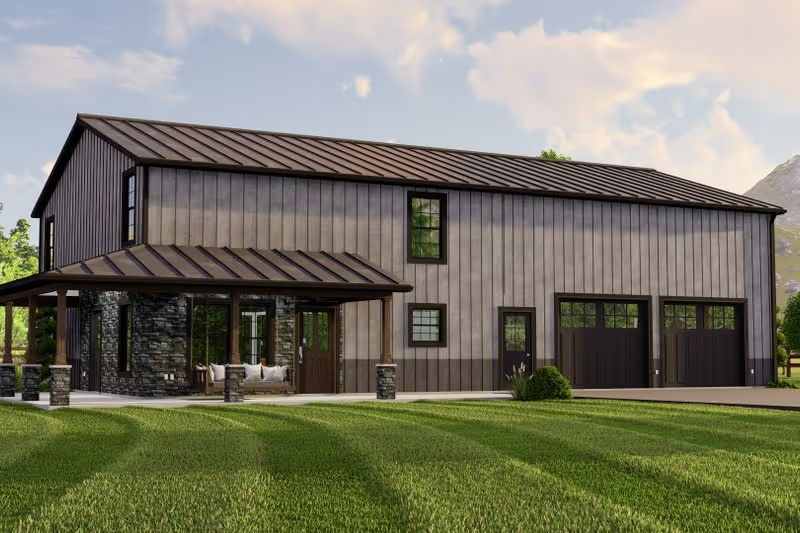
Cold-formed steel can support a wide range of residential architectural styles and layouts.
The framing material determines the structural skeleton—not the appearance of the finished home.
Steel-framed buildings can incorporate:
- Open floor plans
- Contemporary architecture
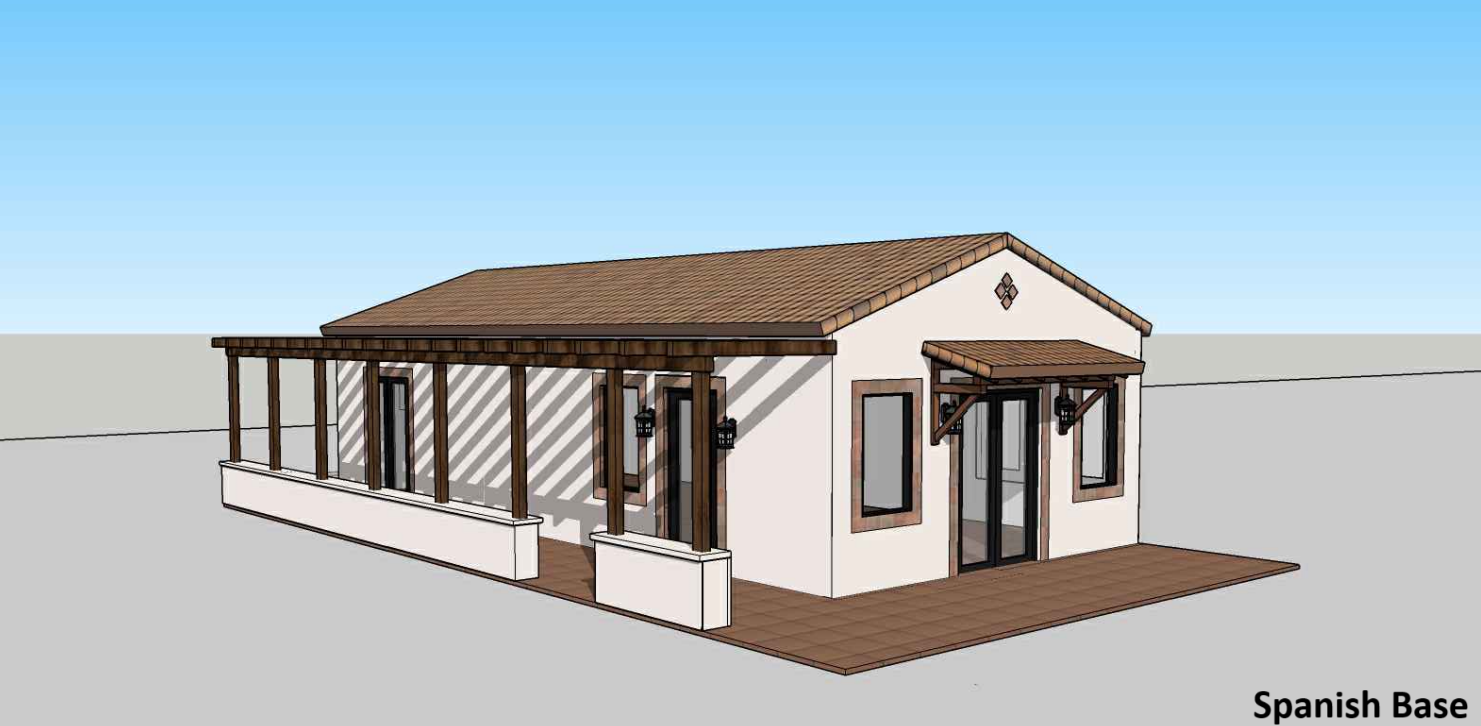
- Traditional home designs
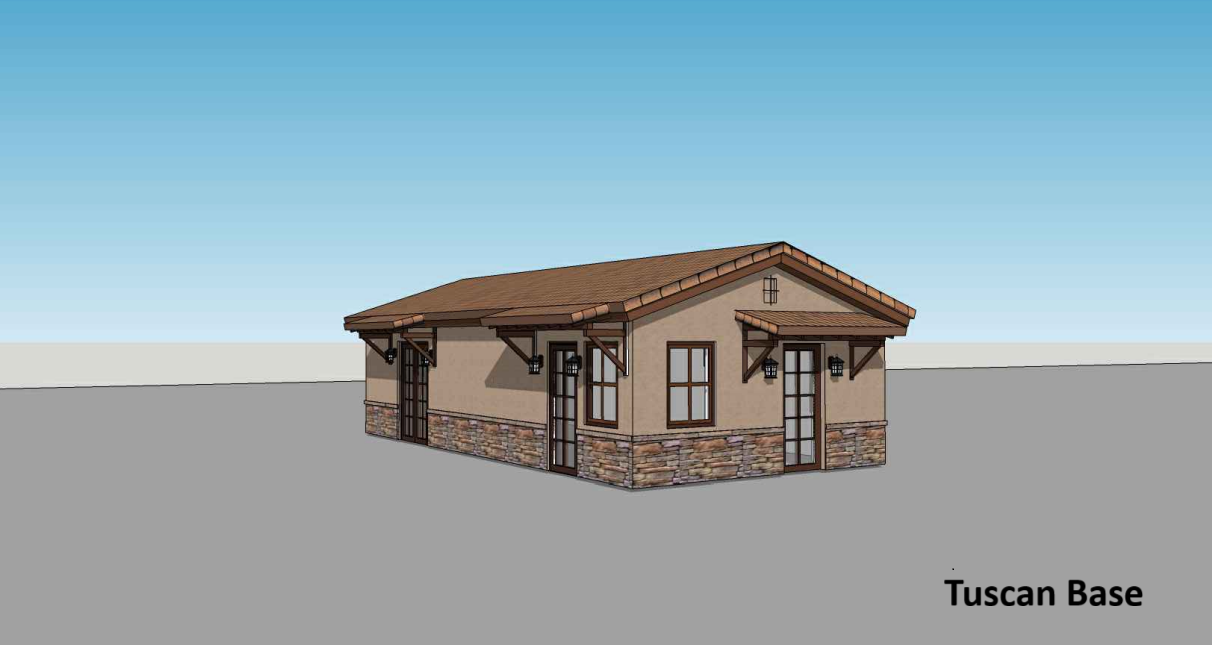
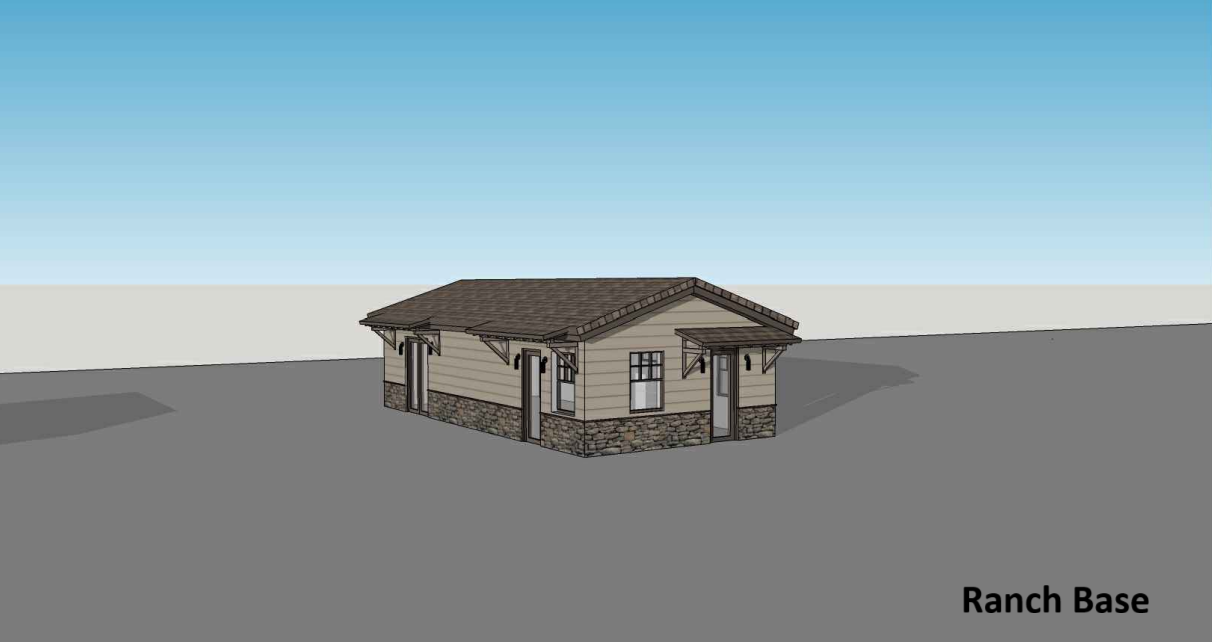
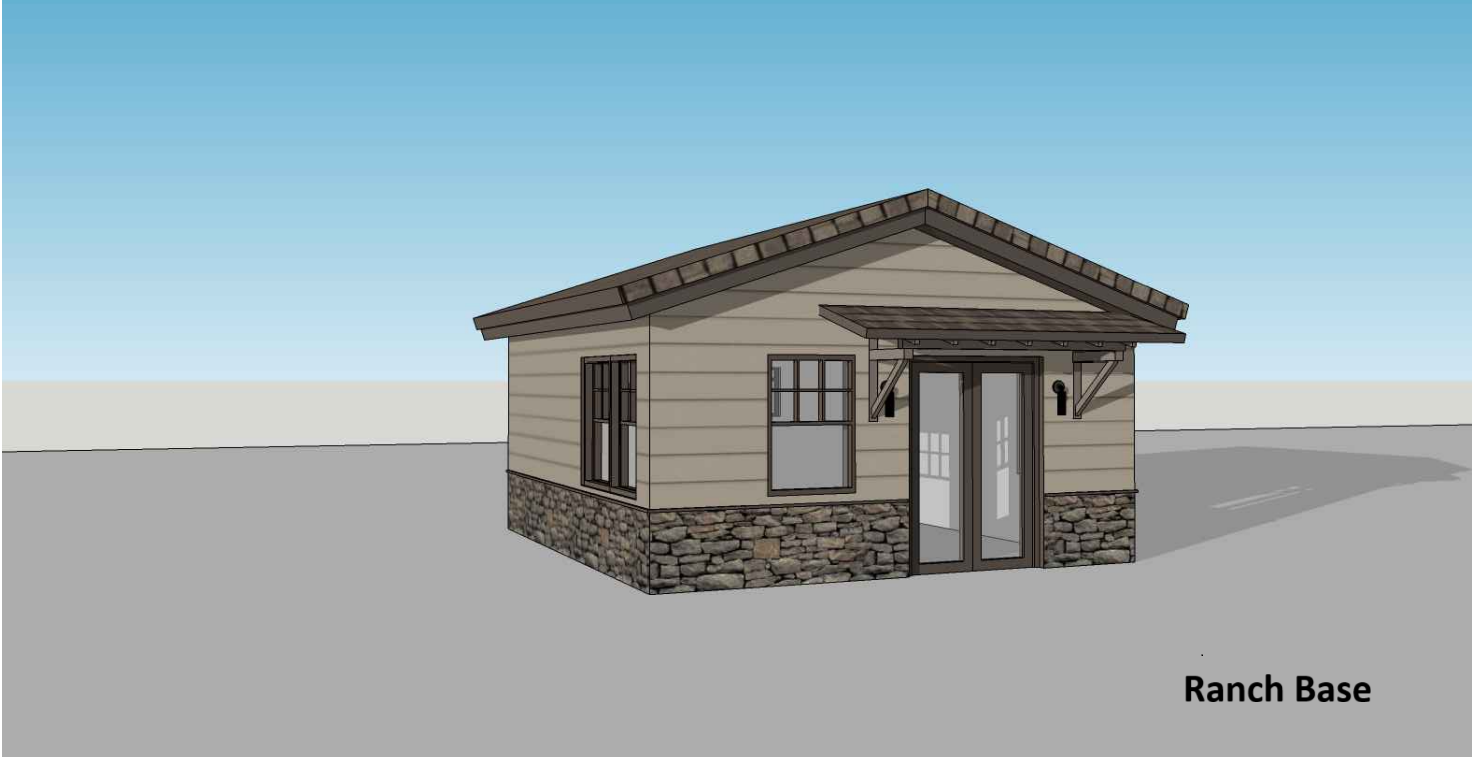
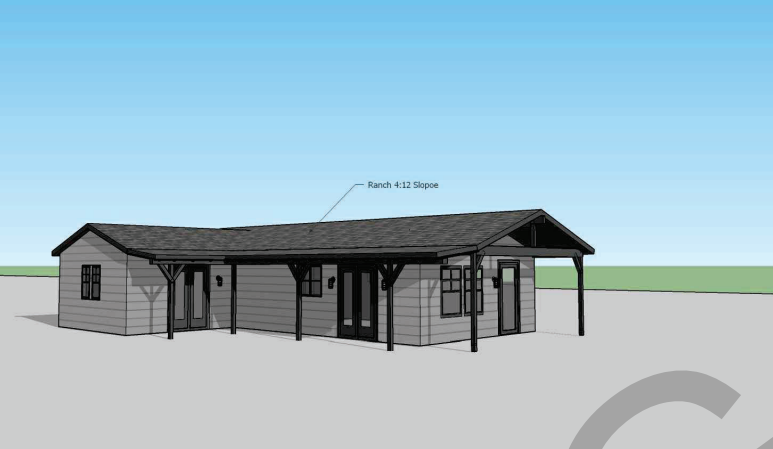
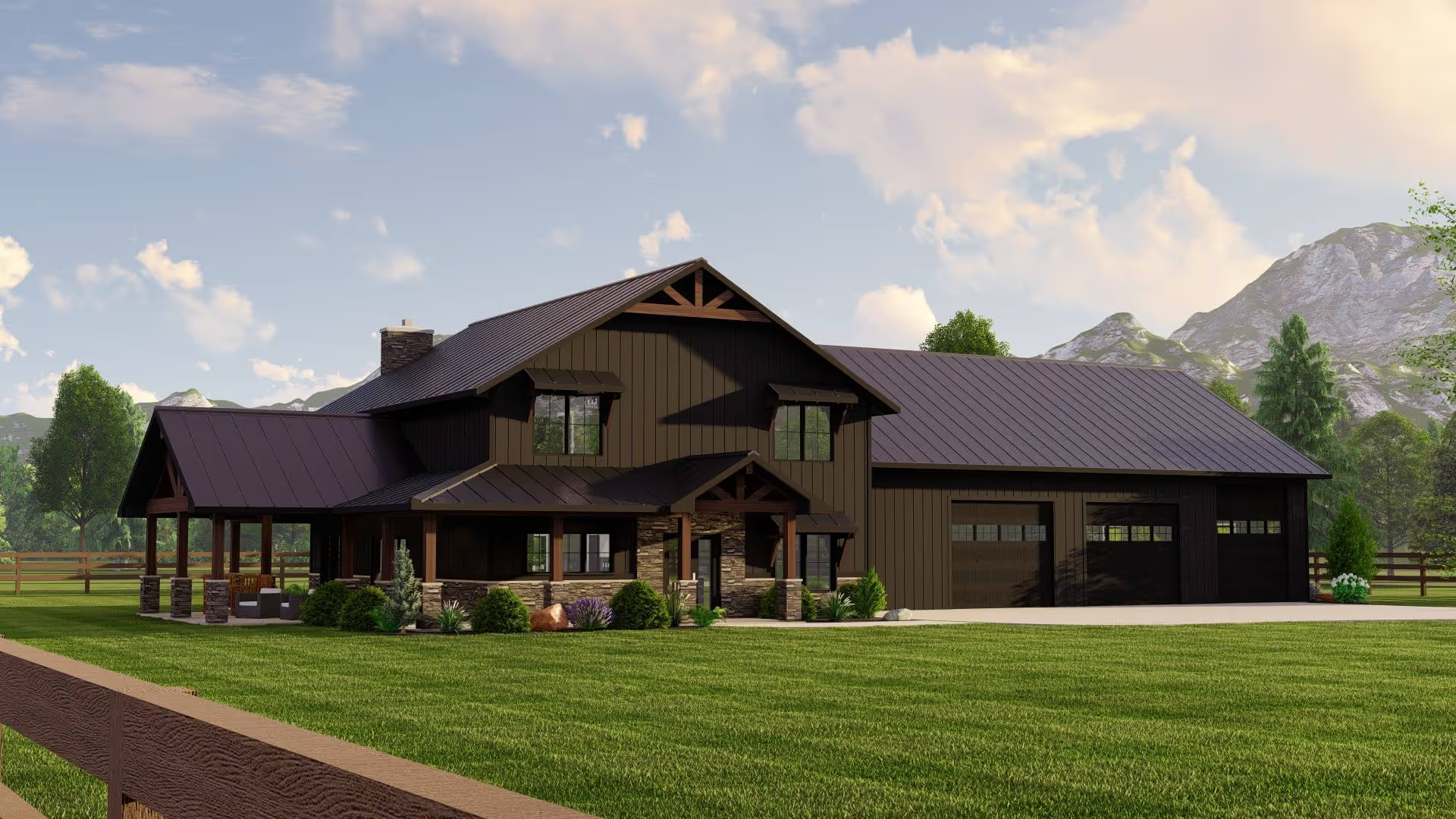
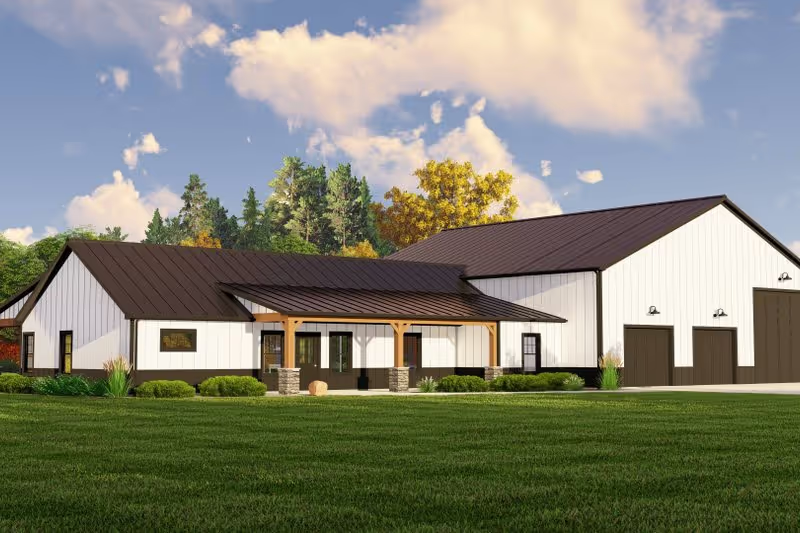
- Ranch and farmhouse styles
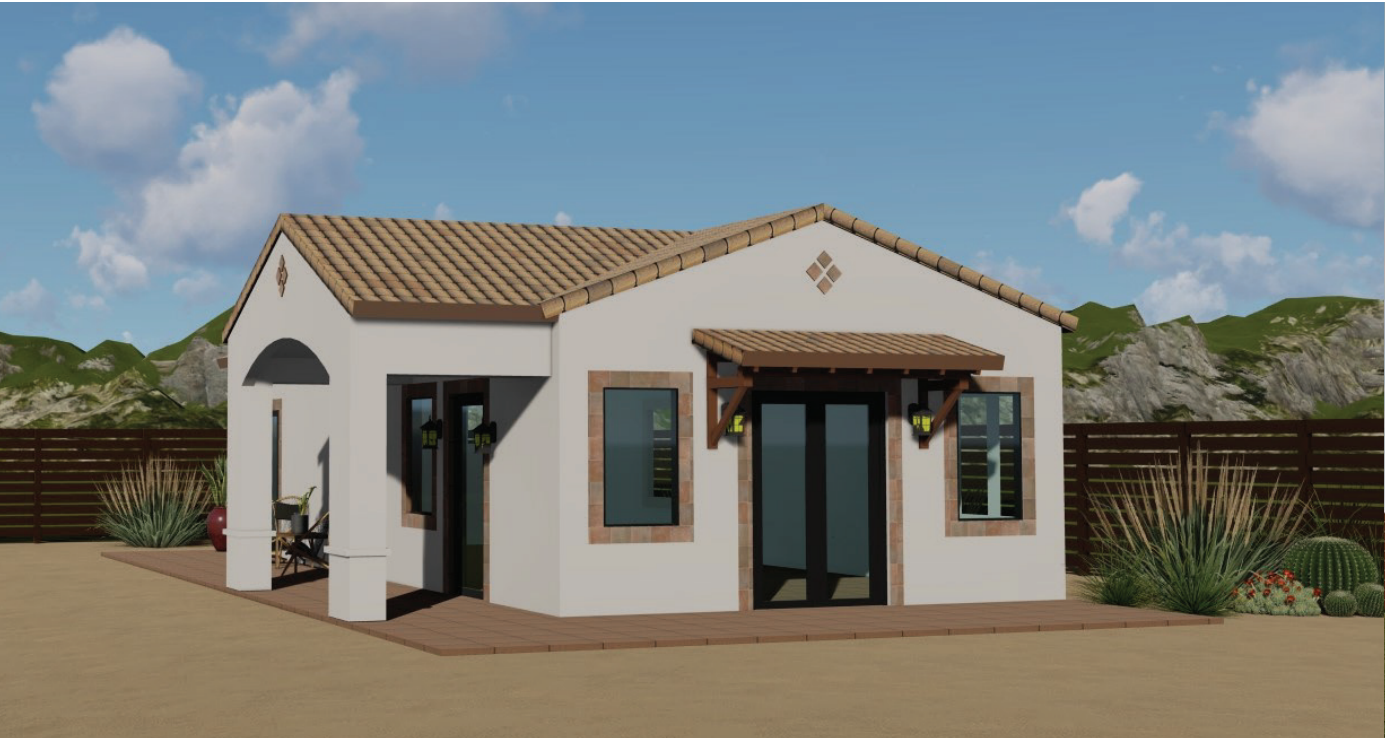
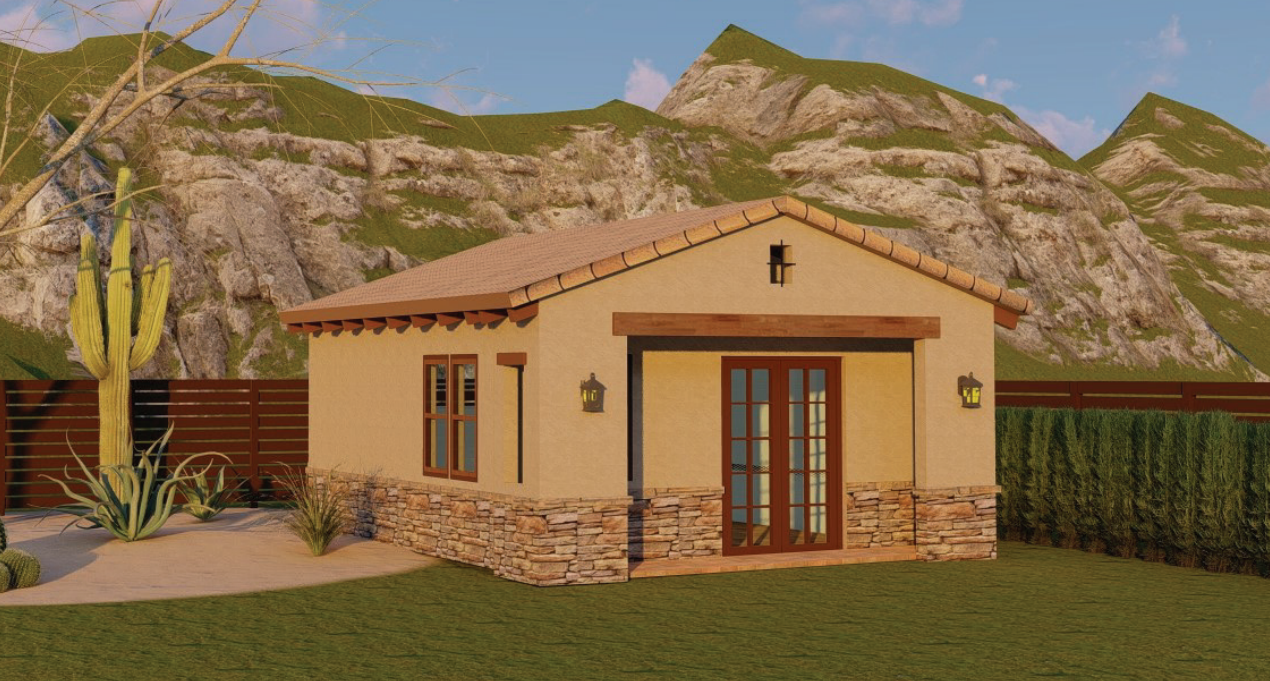
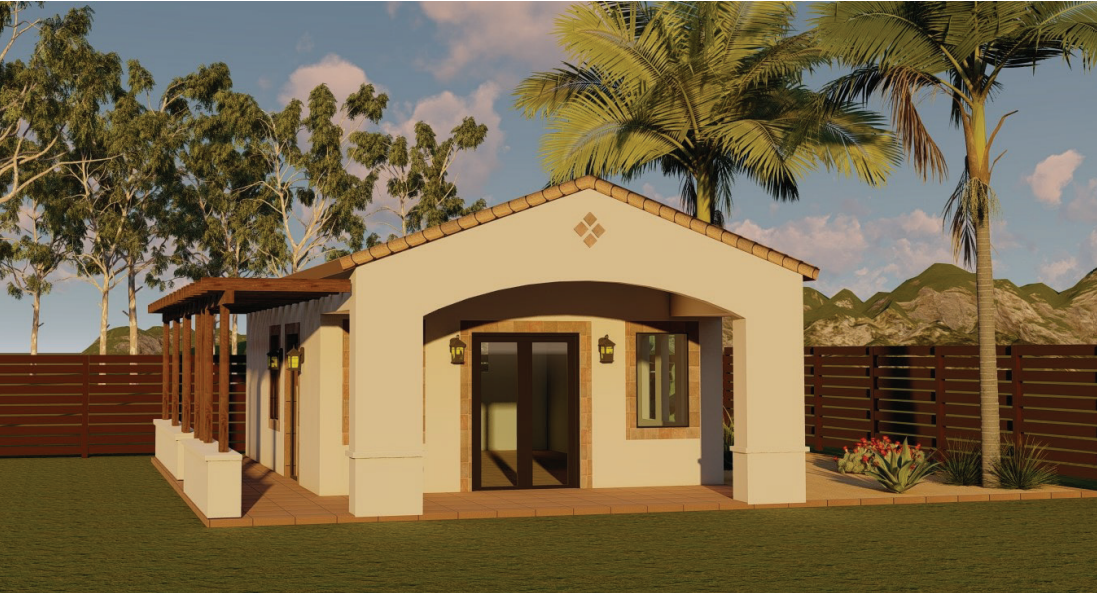
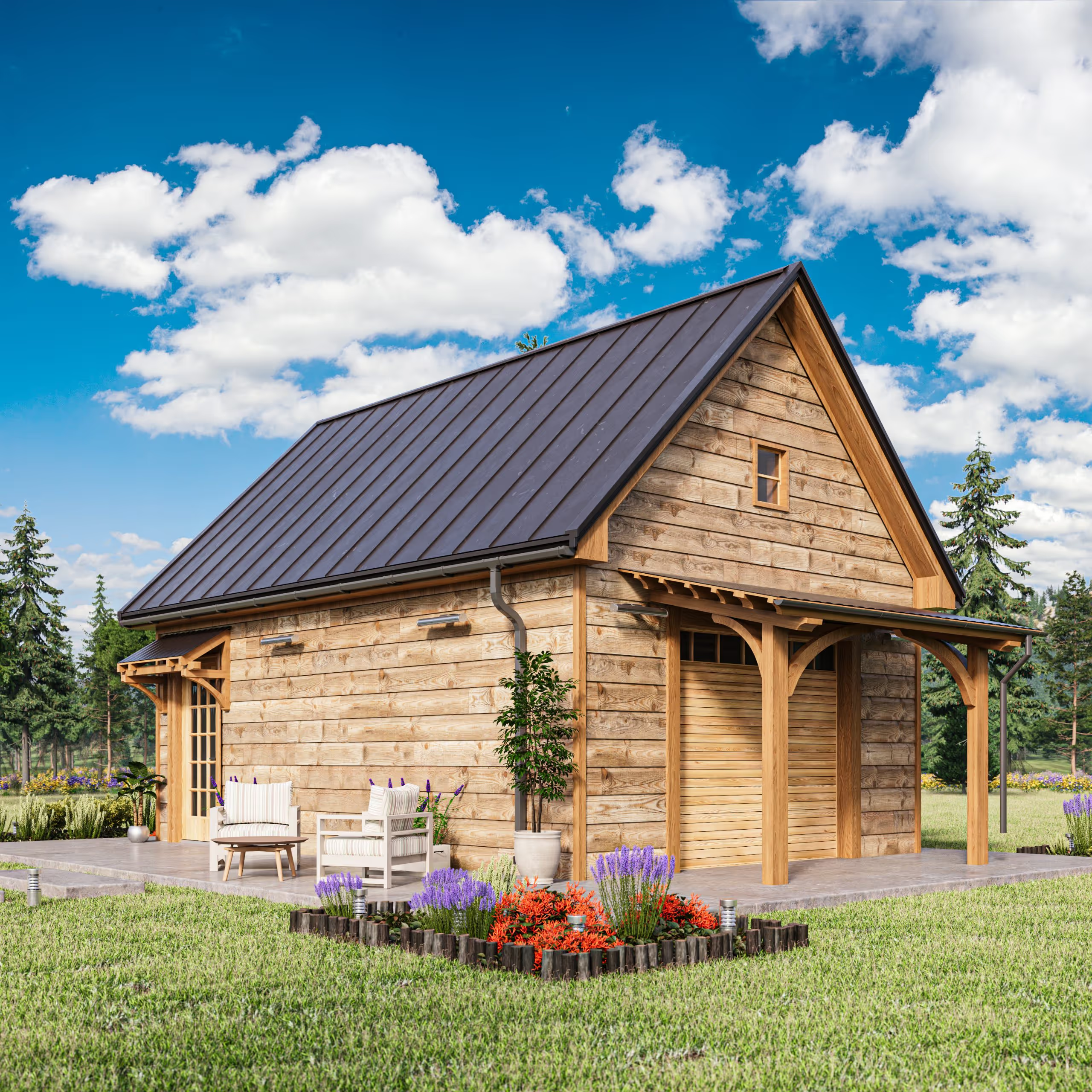
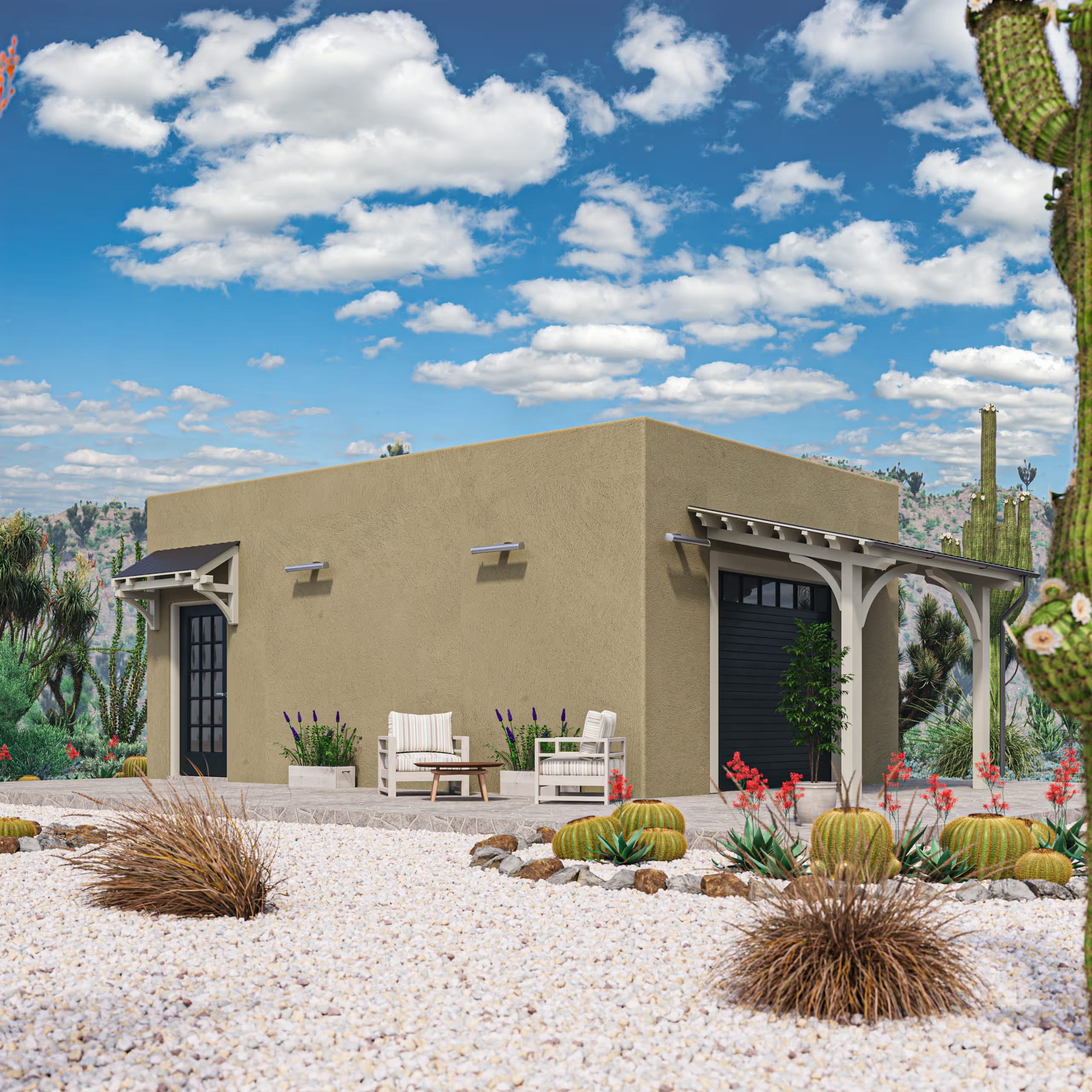
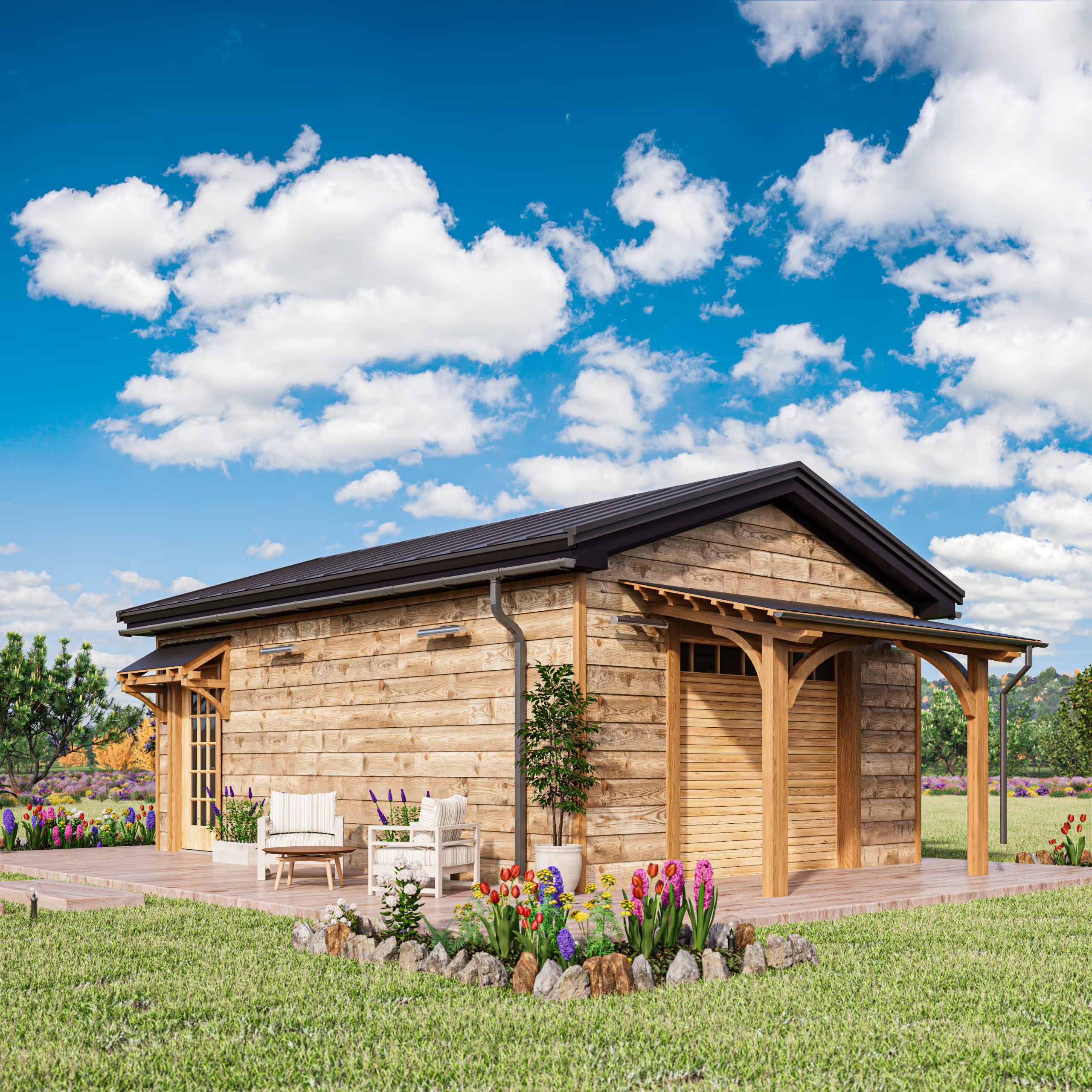
- ADUs and casitas
- Garages and workshops
- Build-to-rent housing
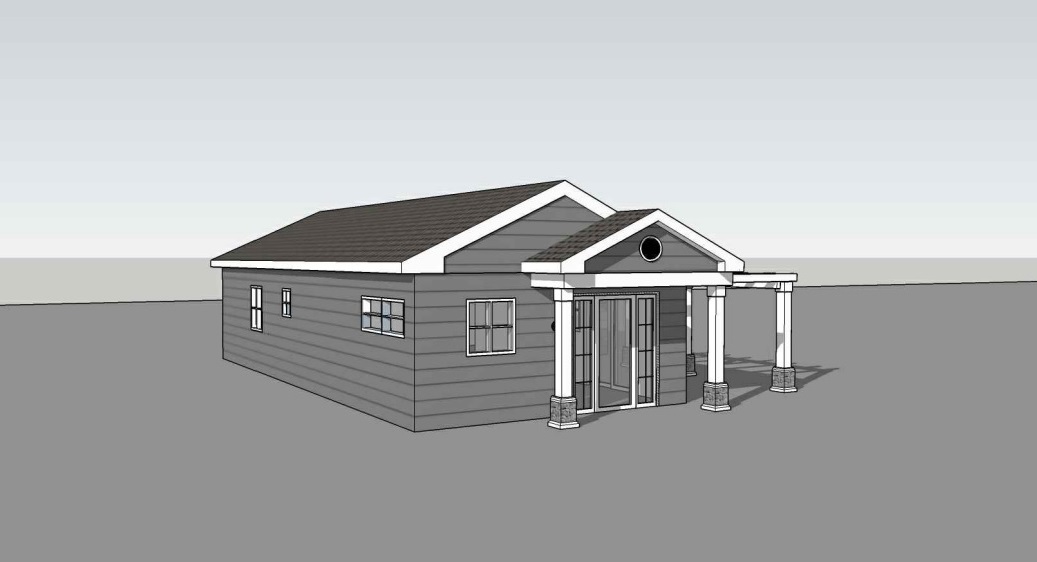
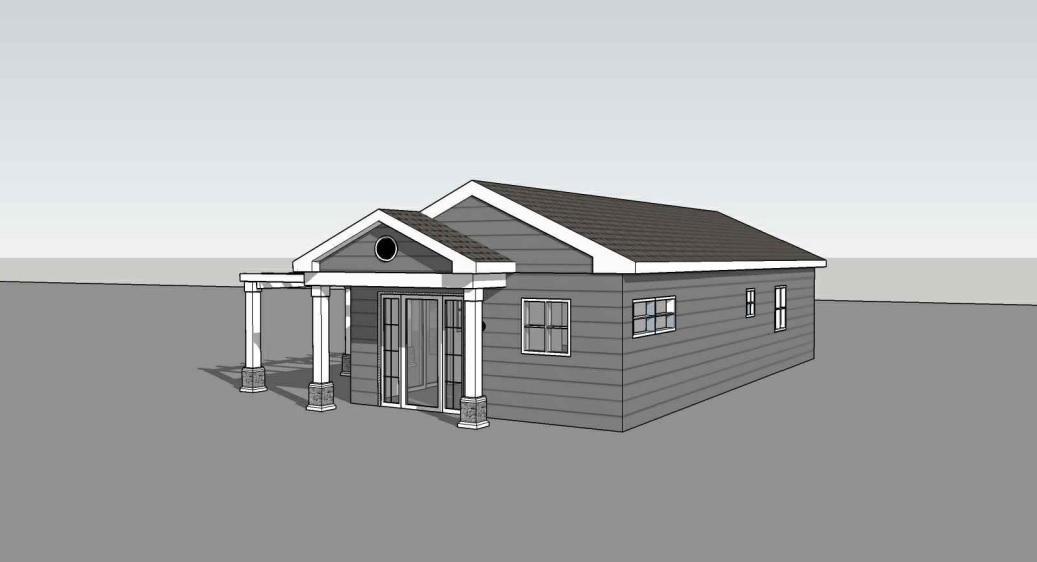
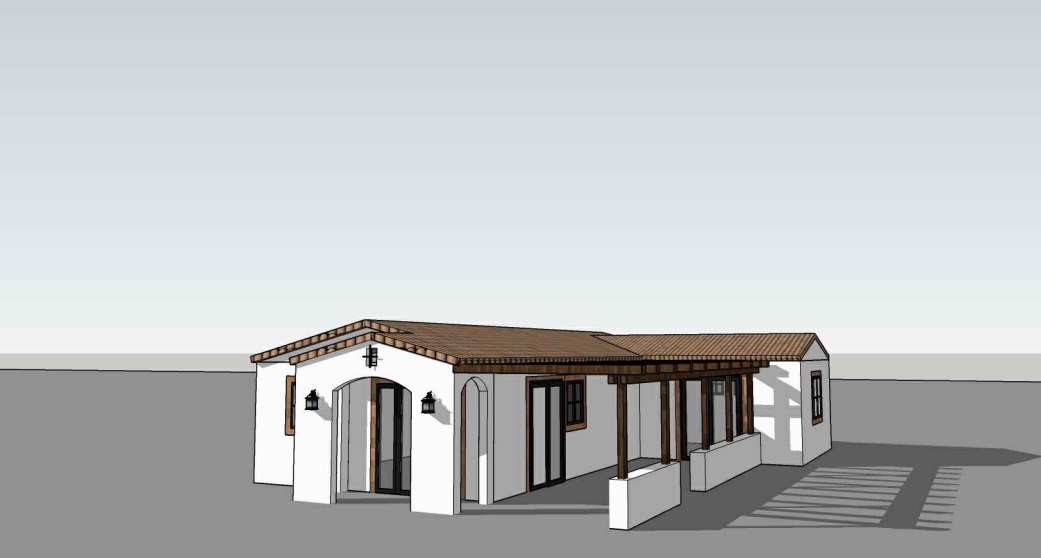
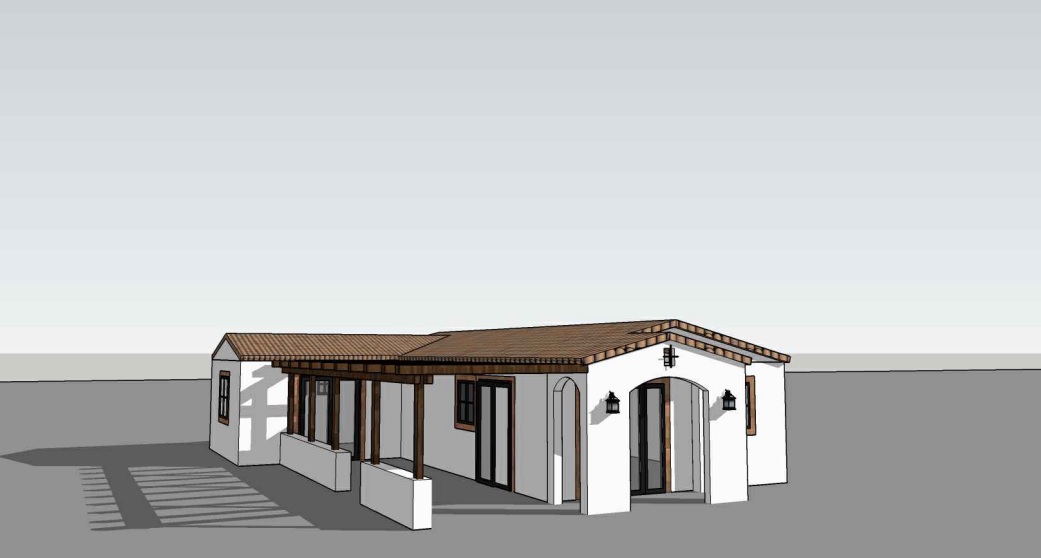
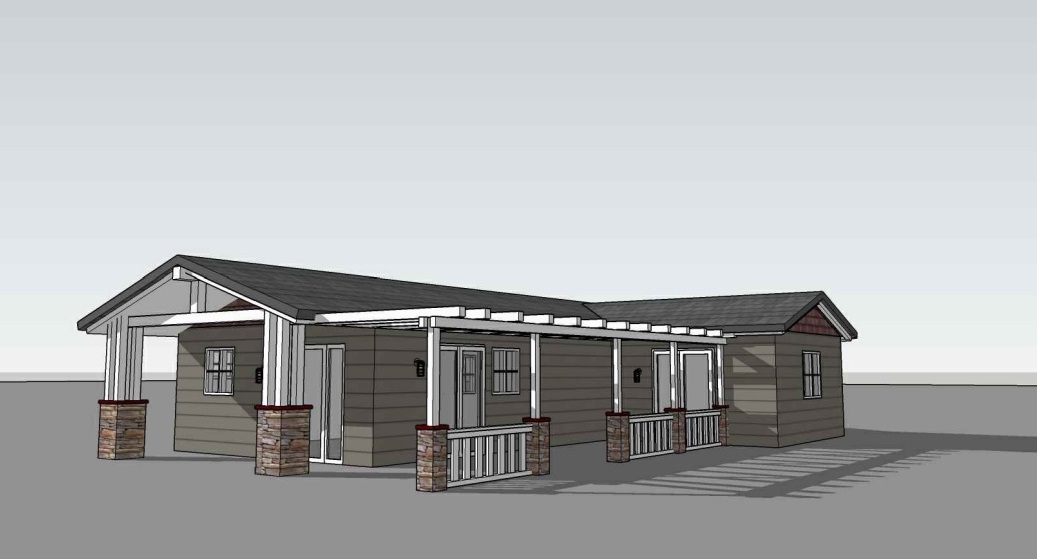
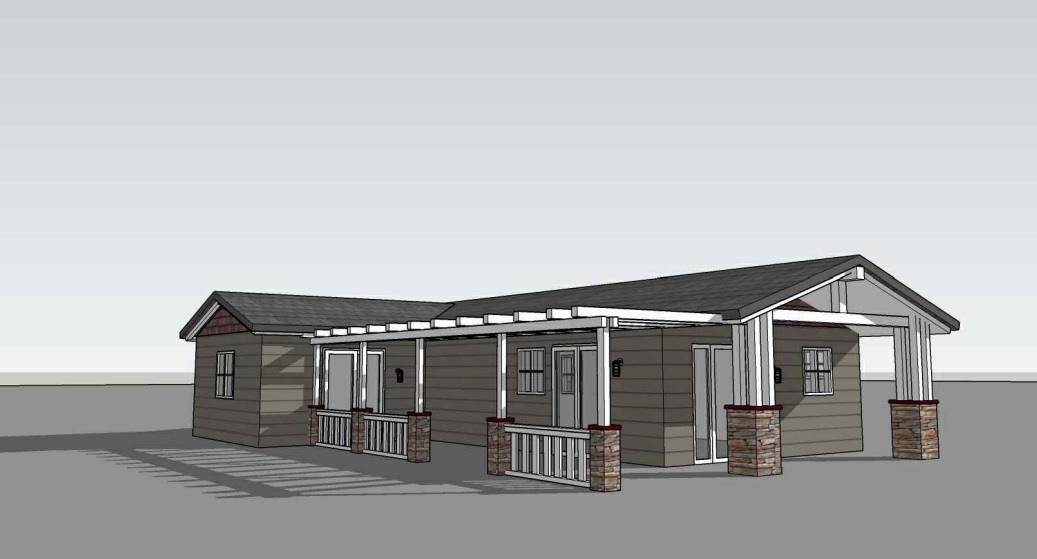
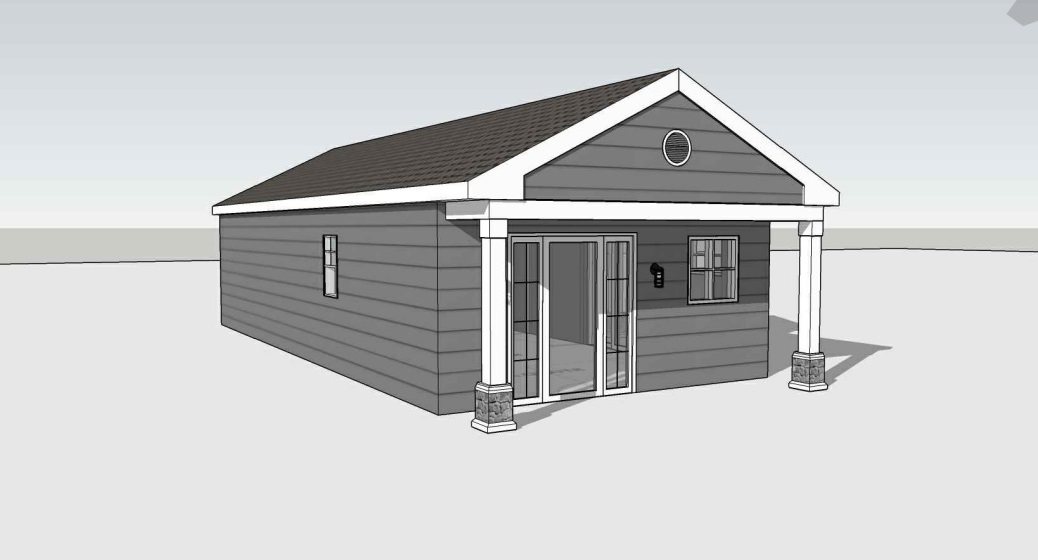
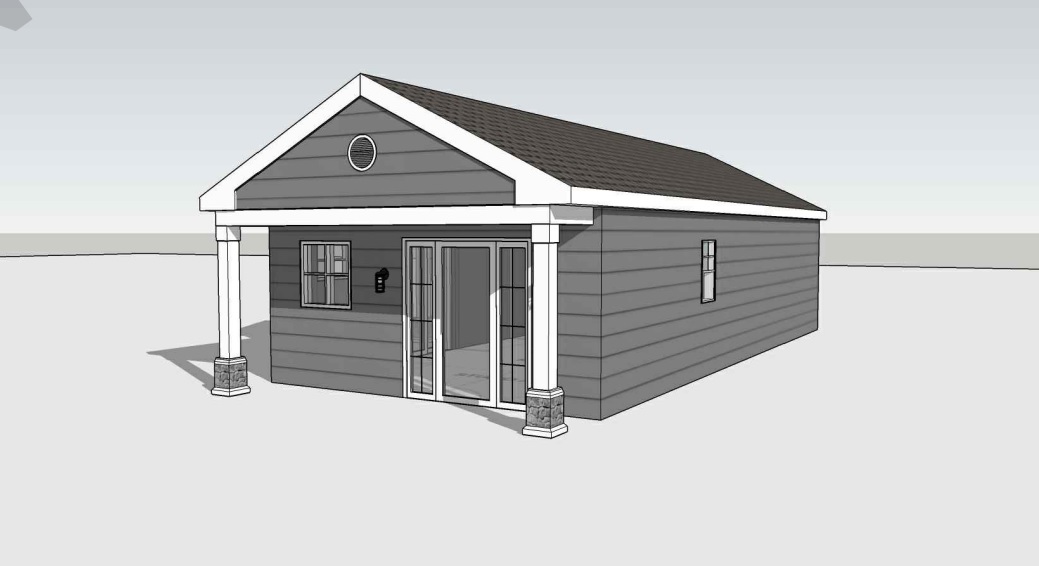
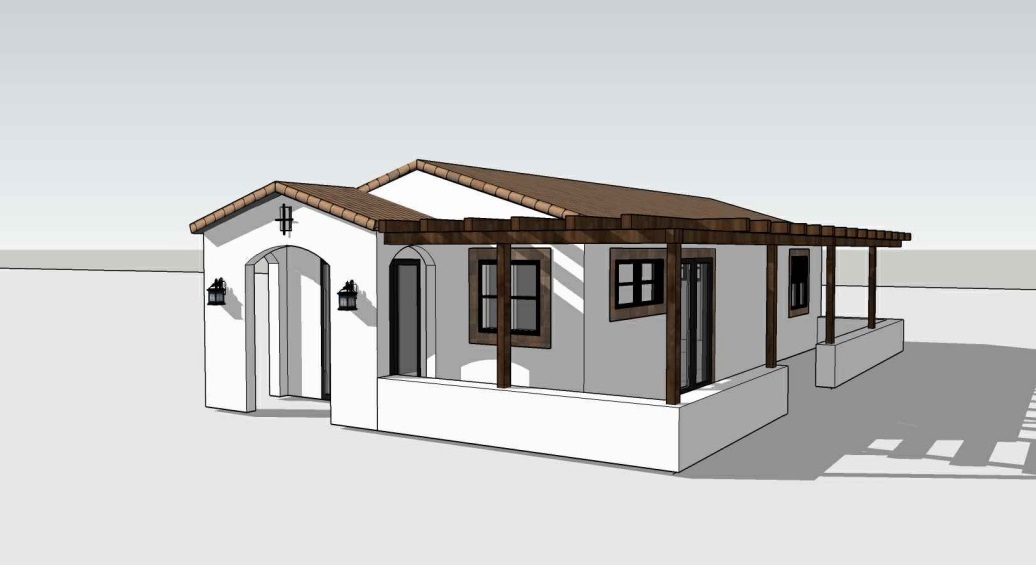
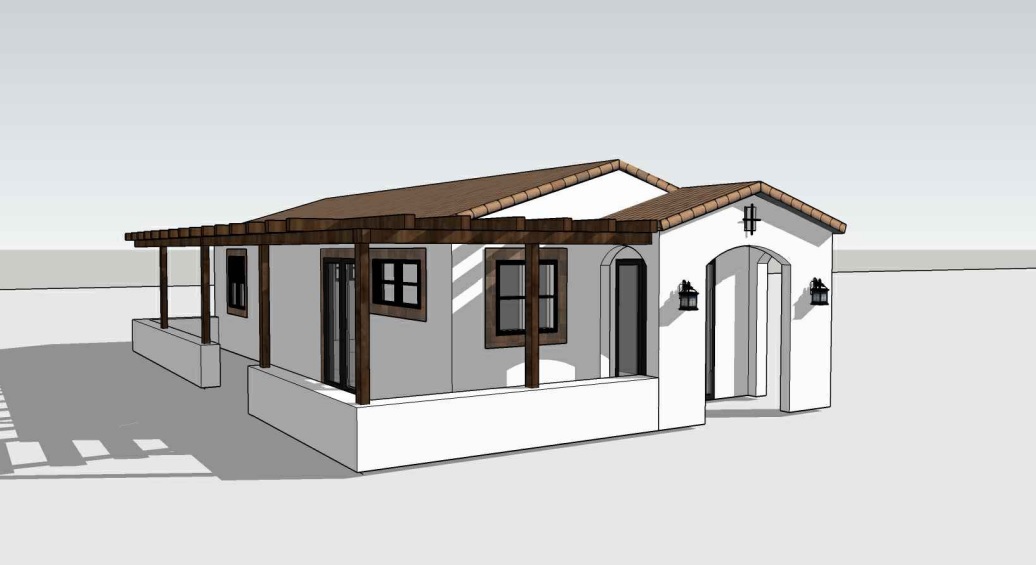
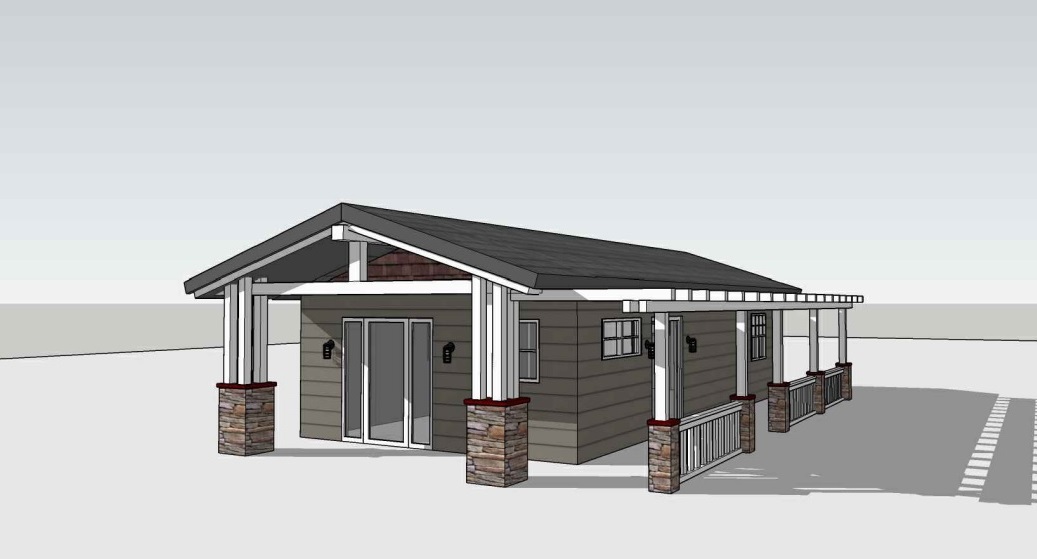
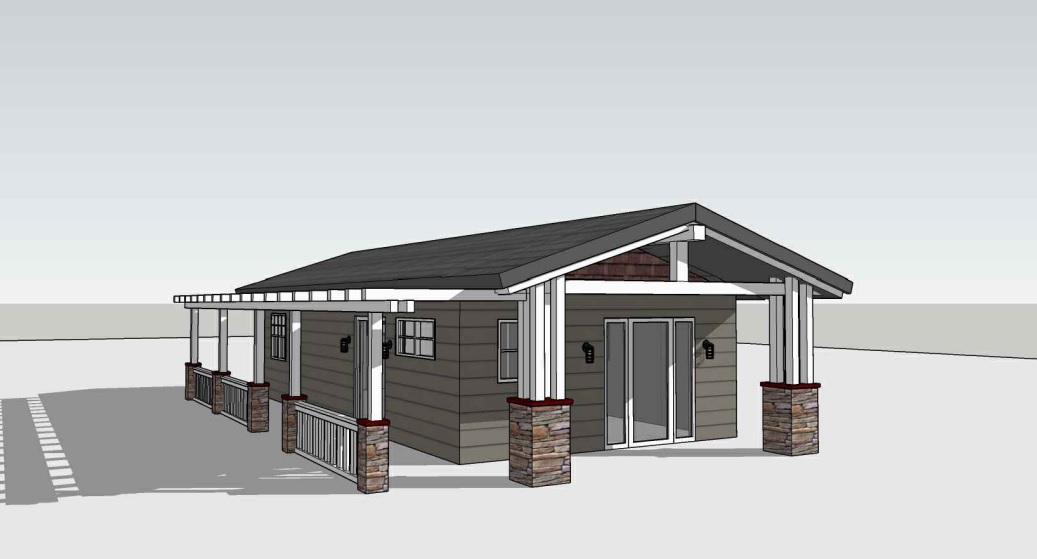
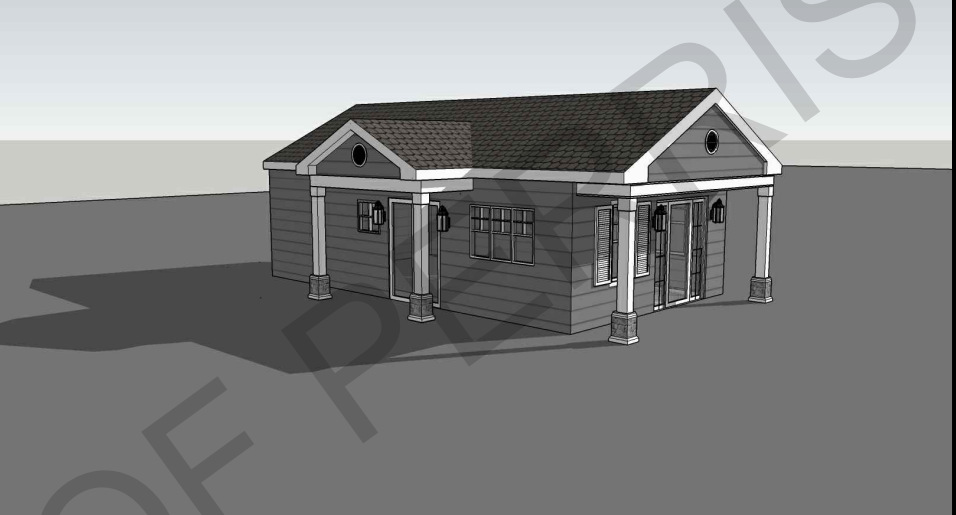
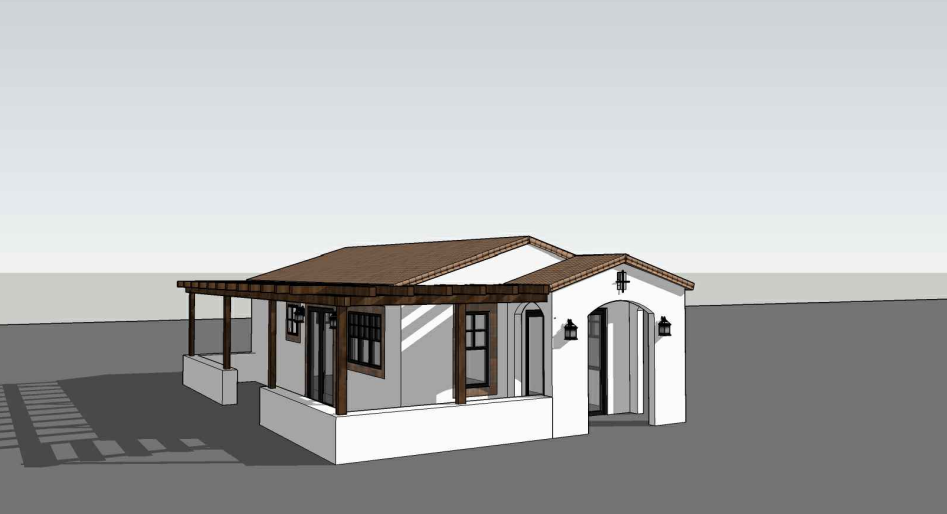
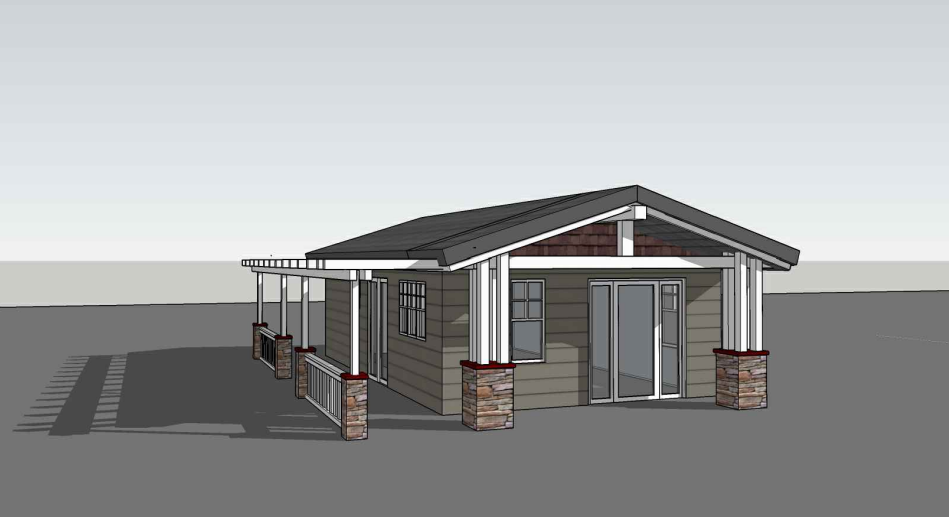
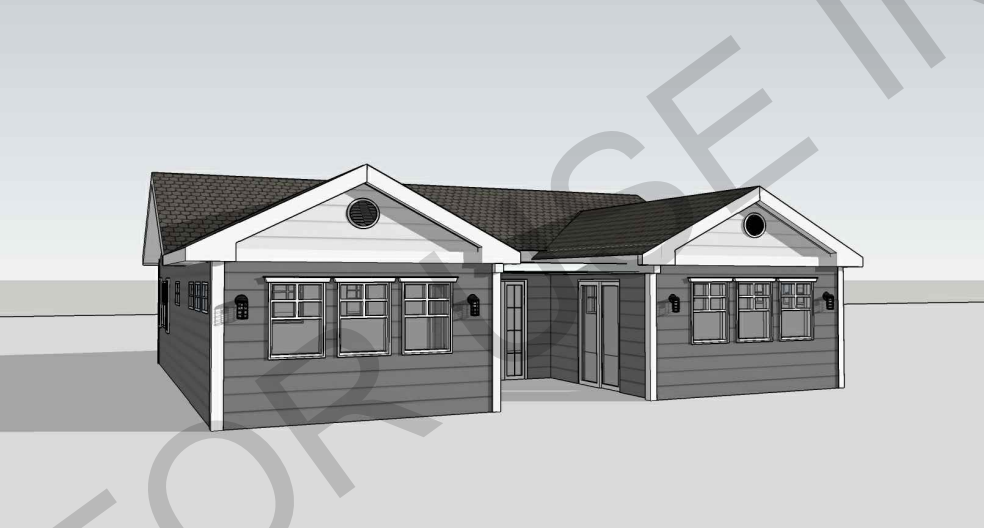
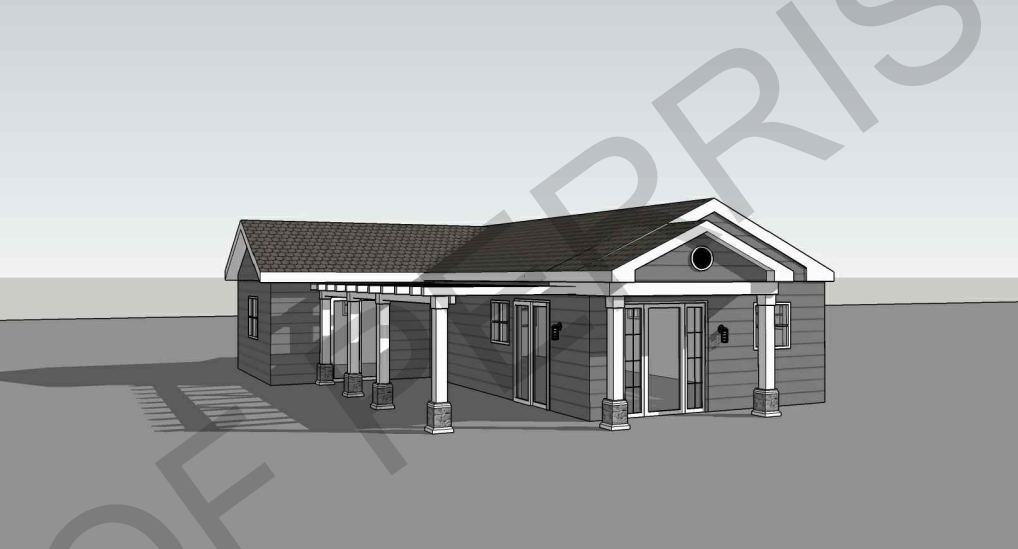
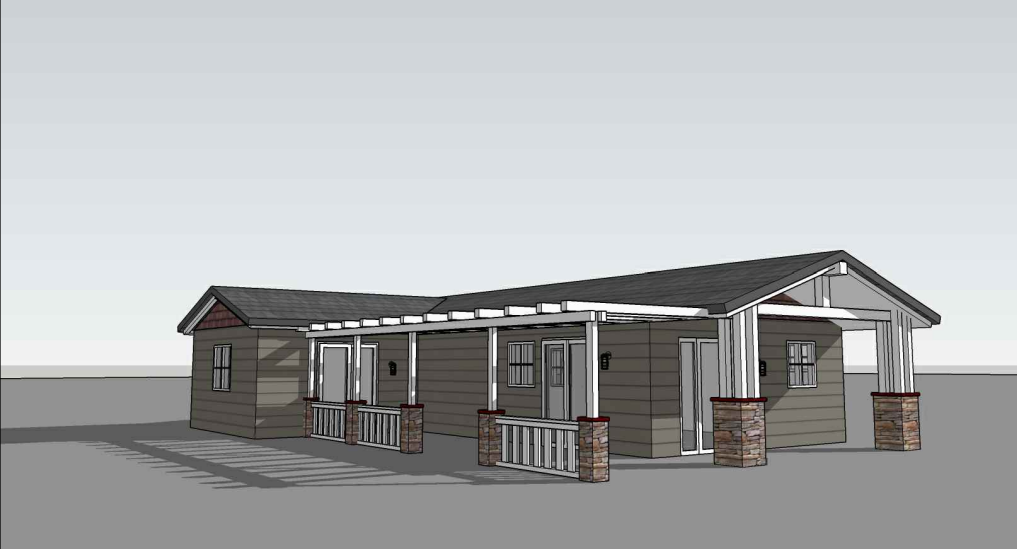
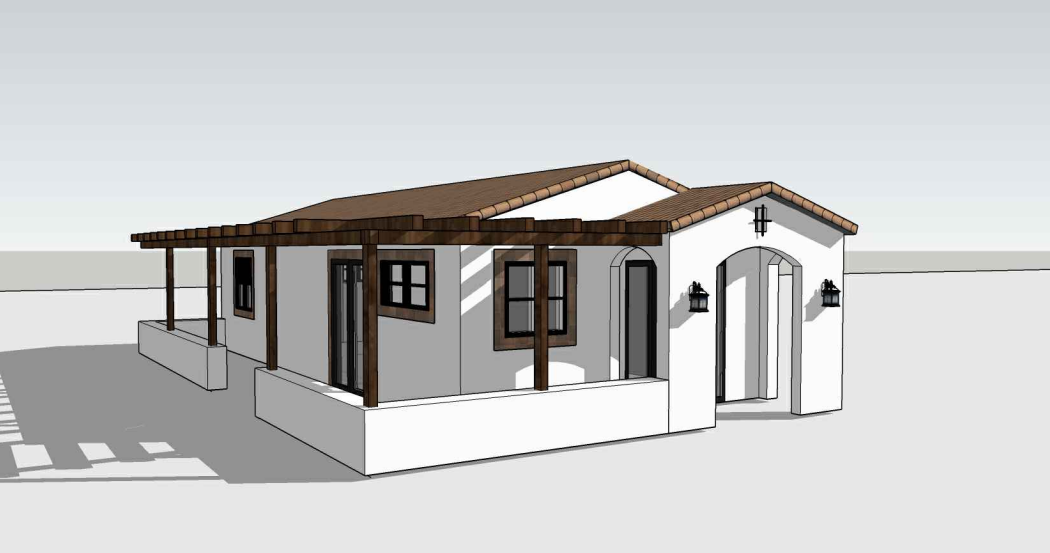
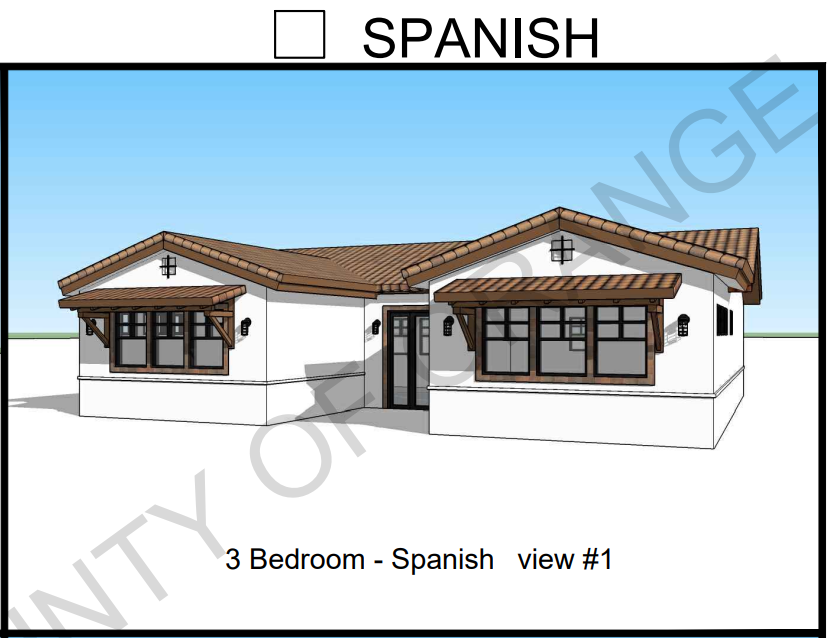
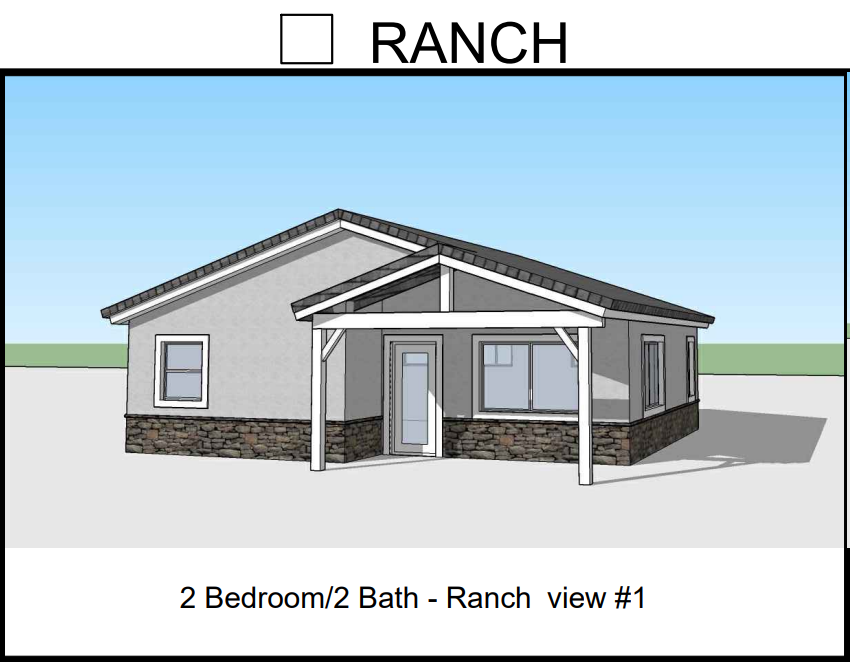
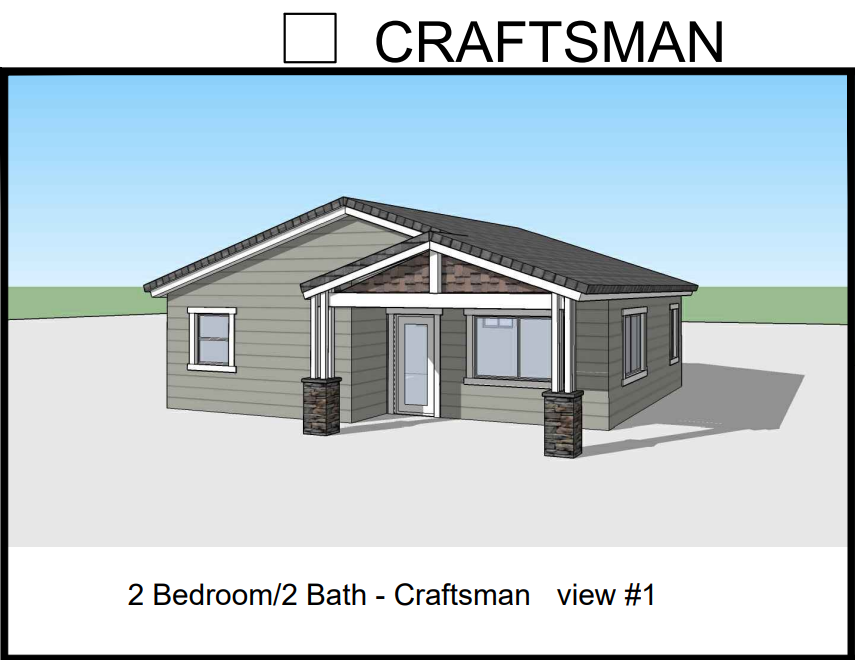
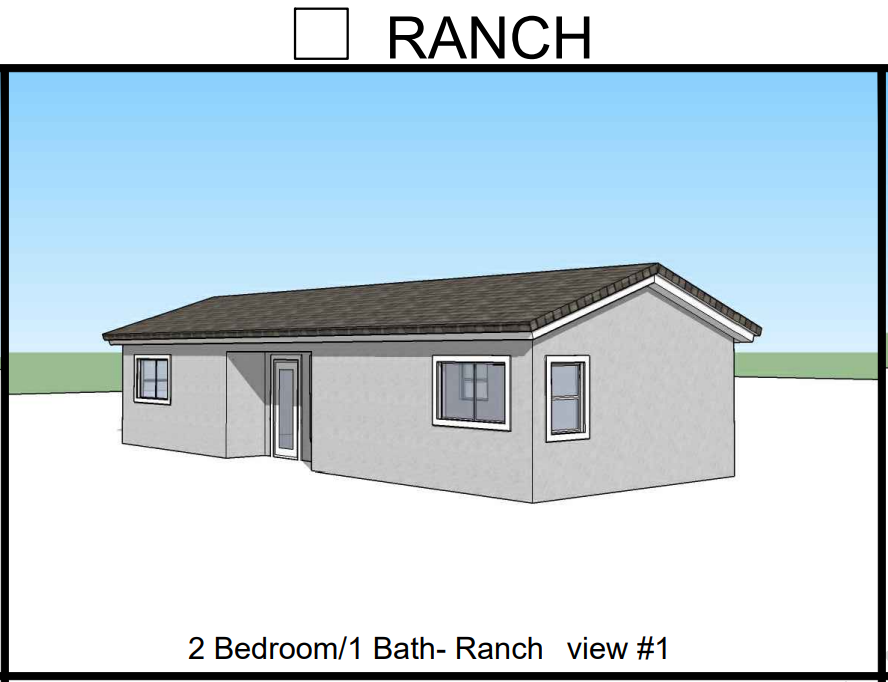
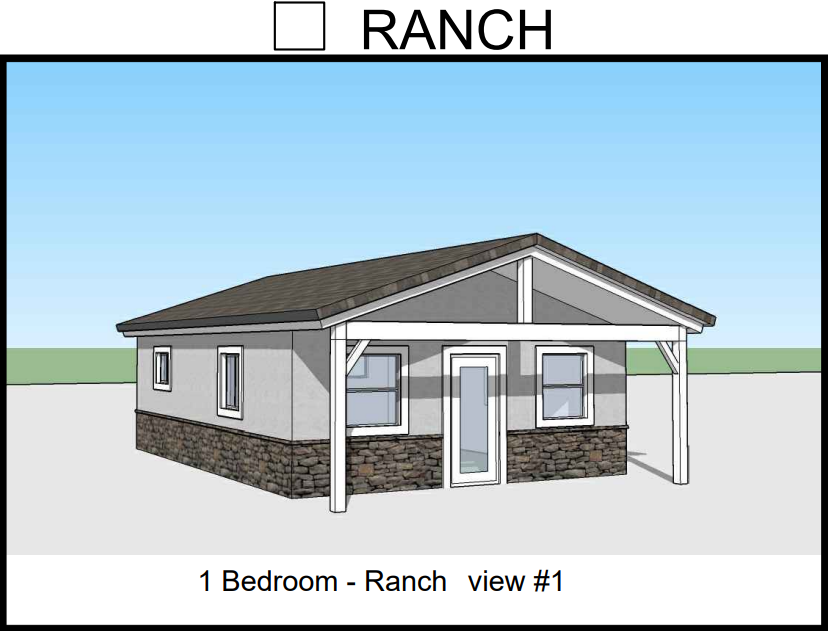
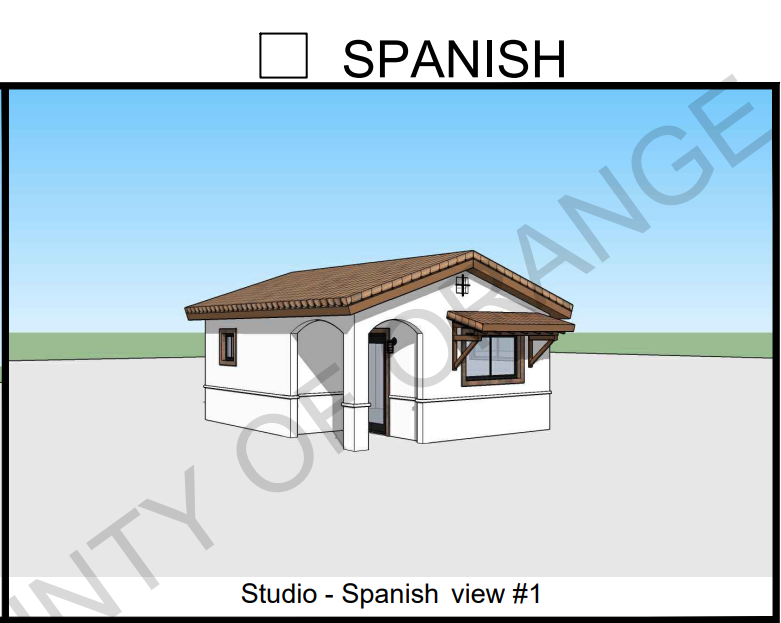
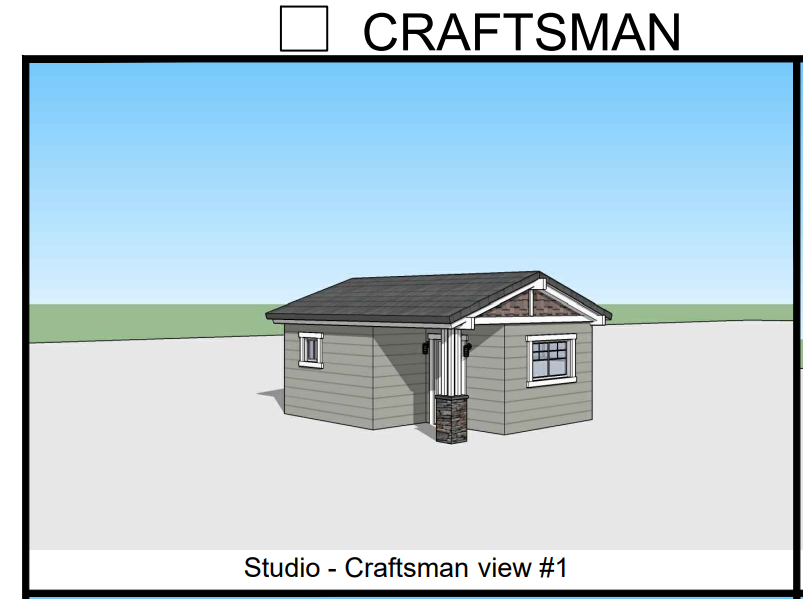
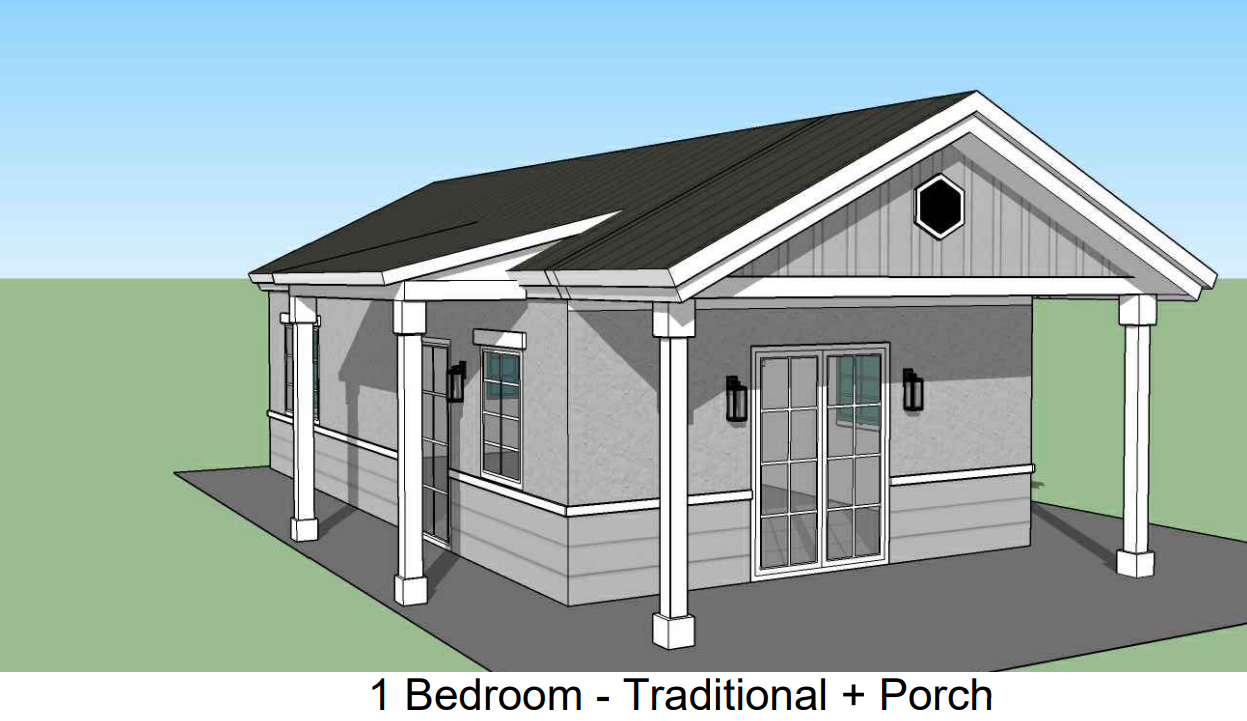
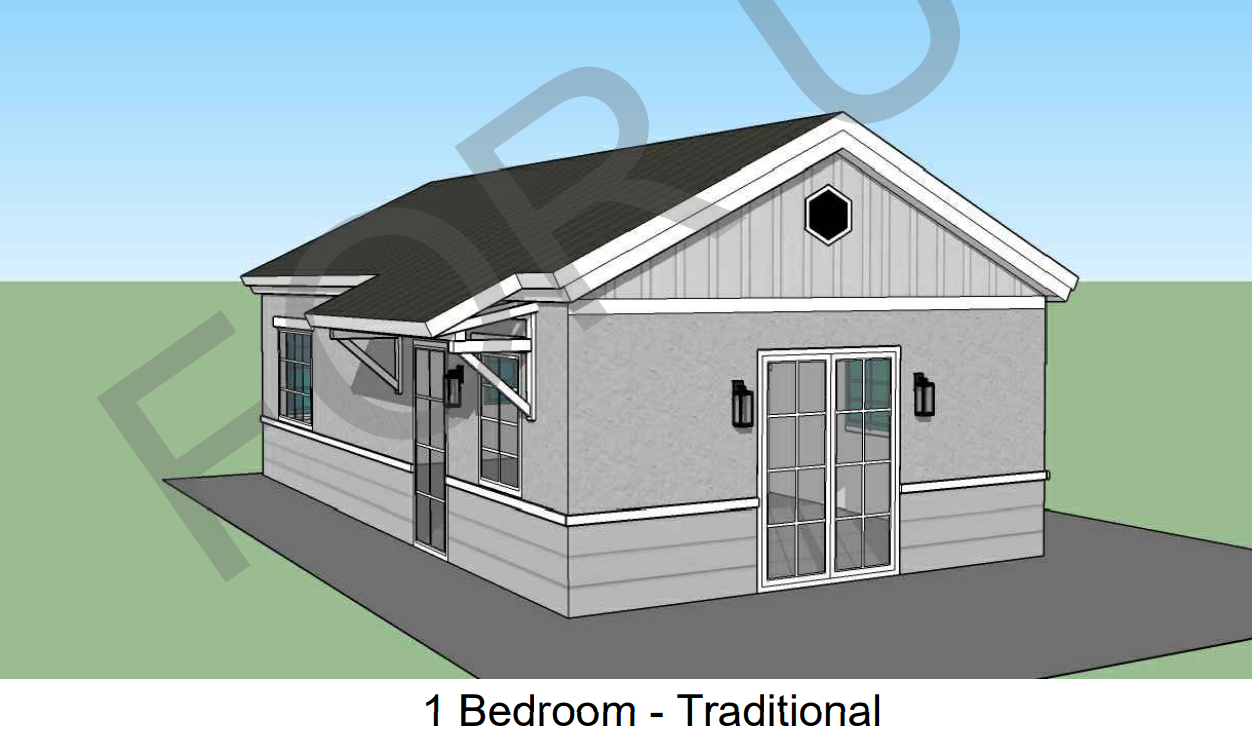
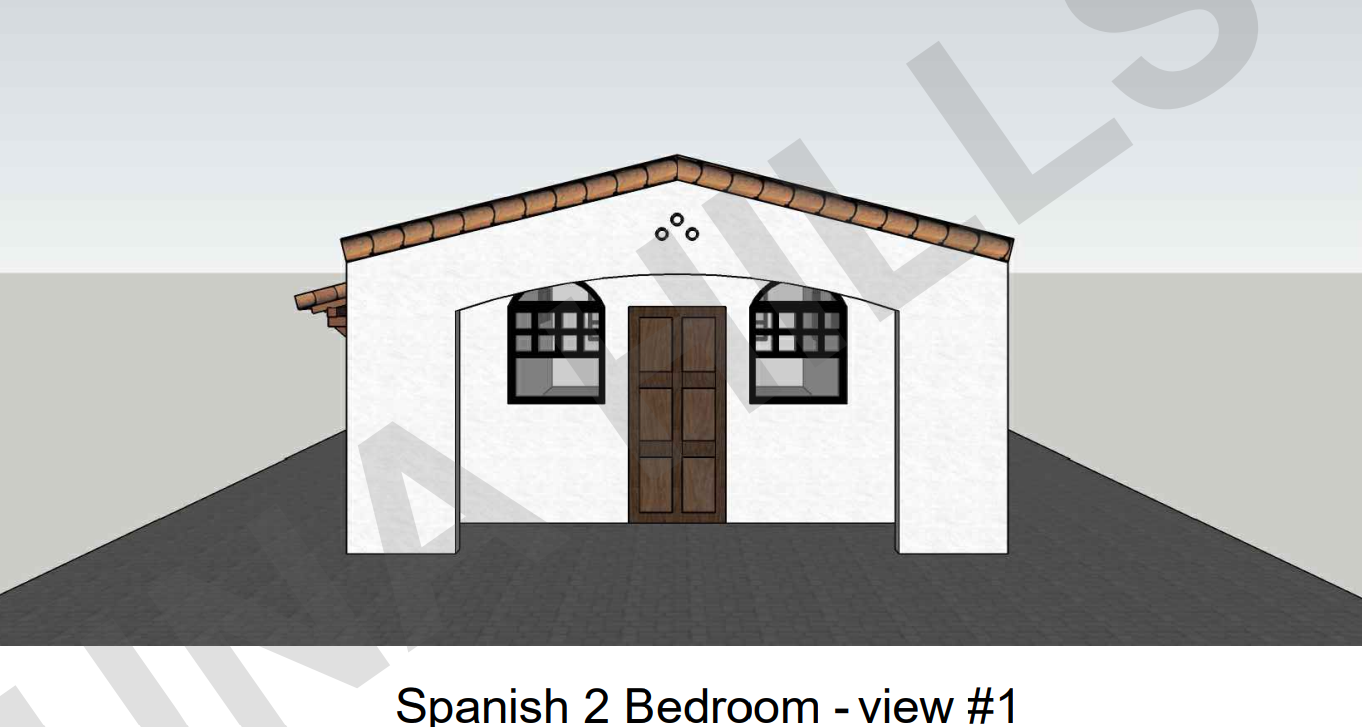
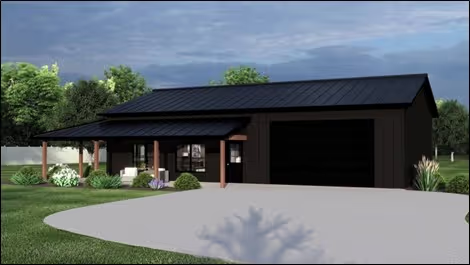
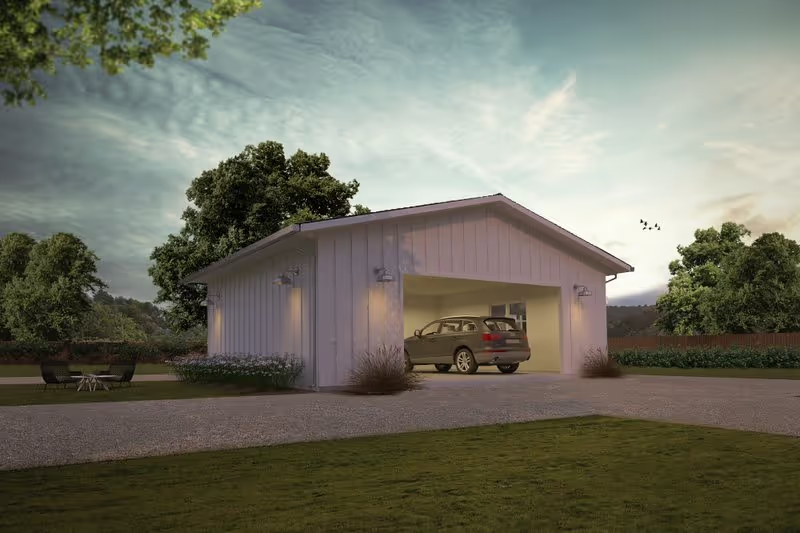
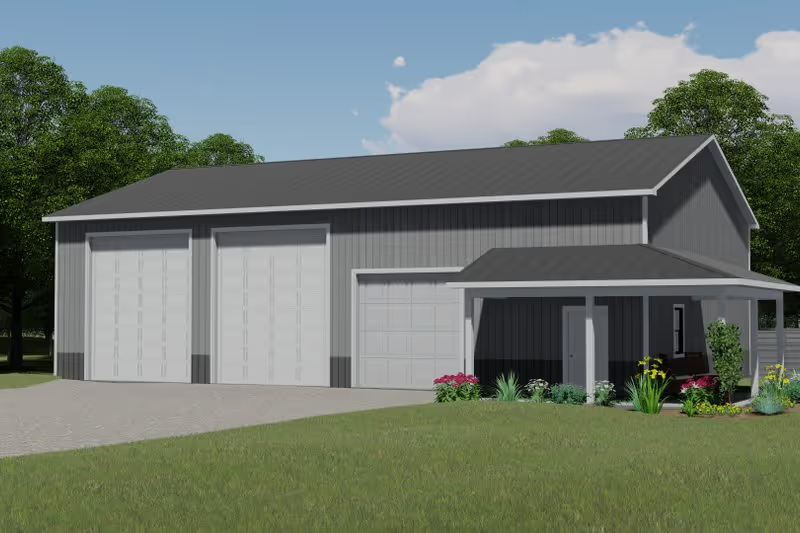
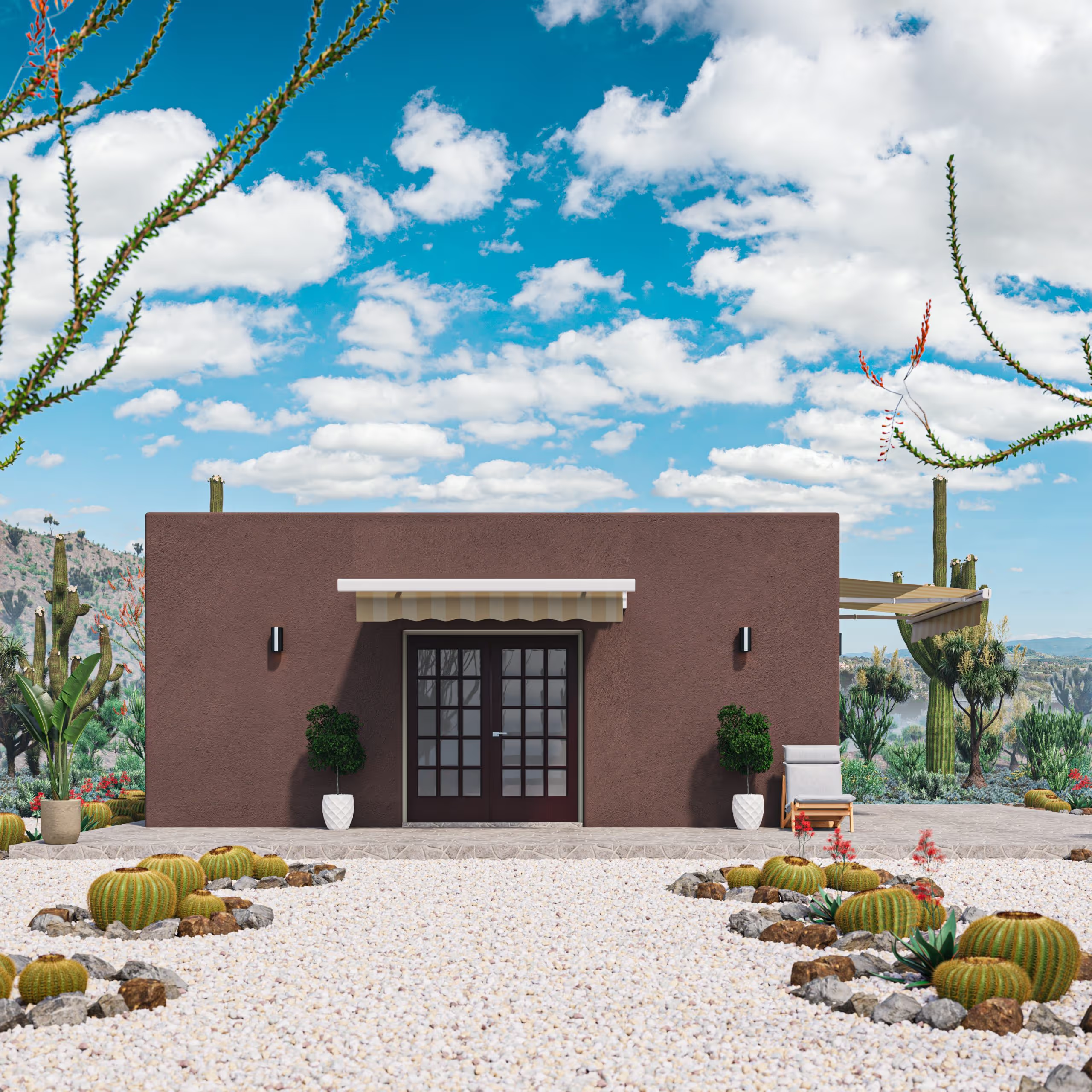
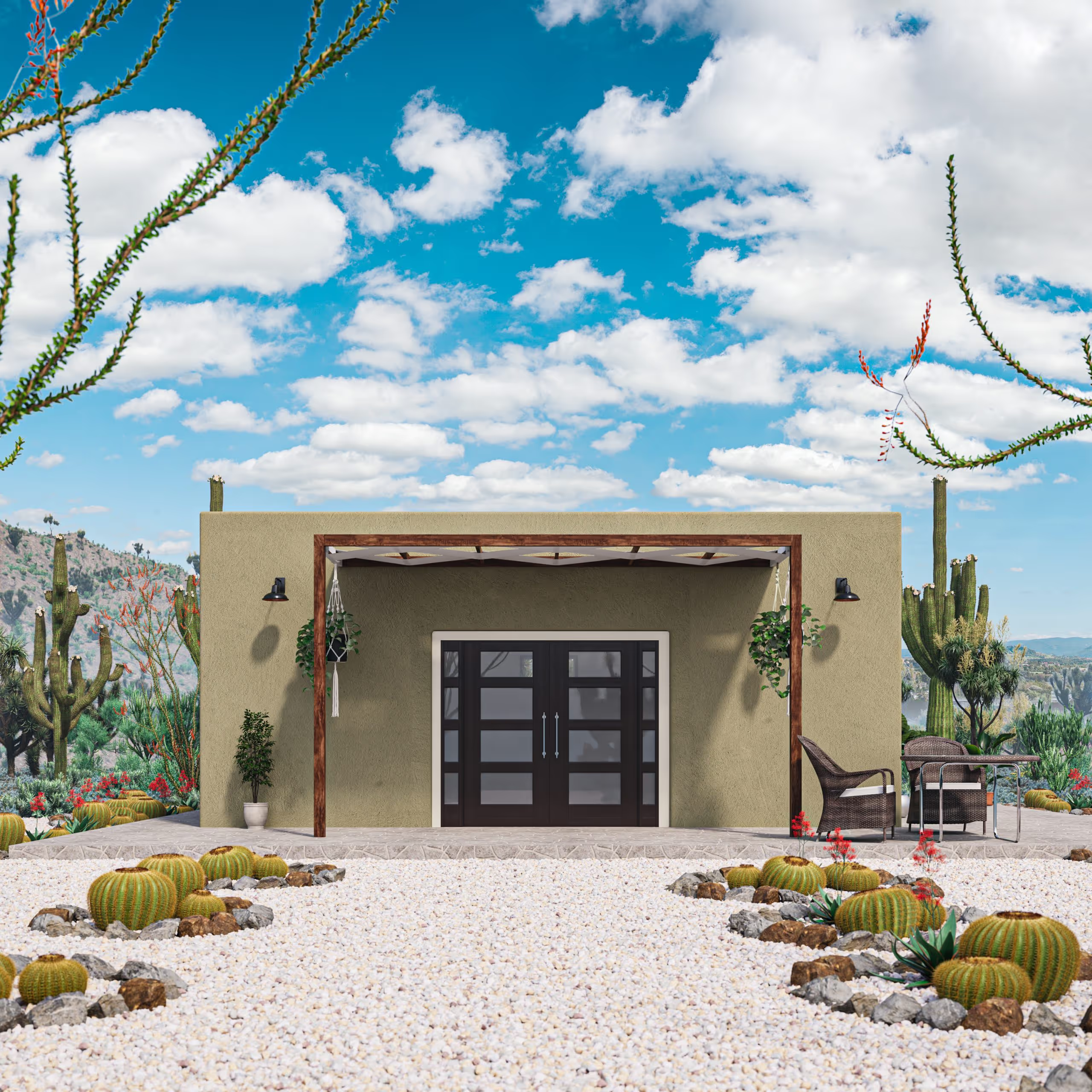
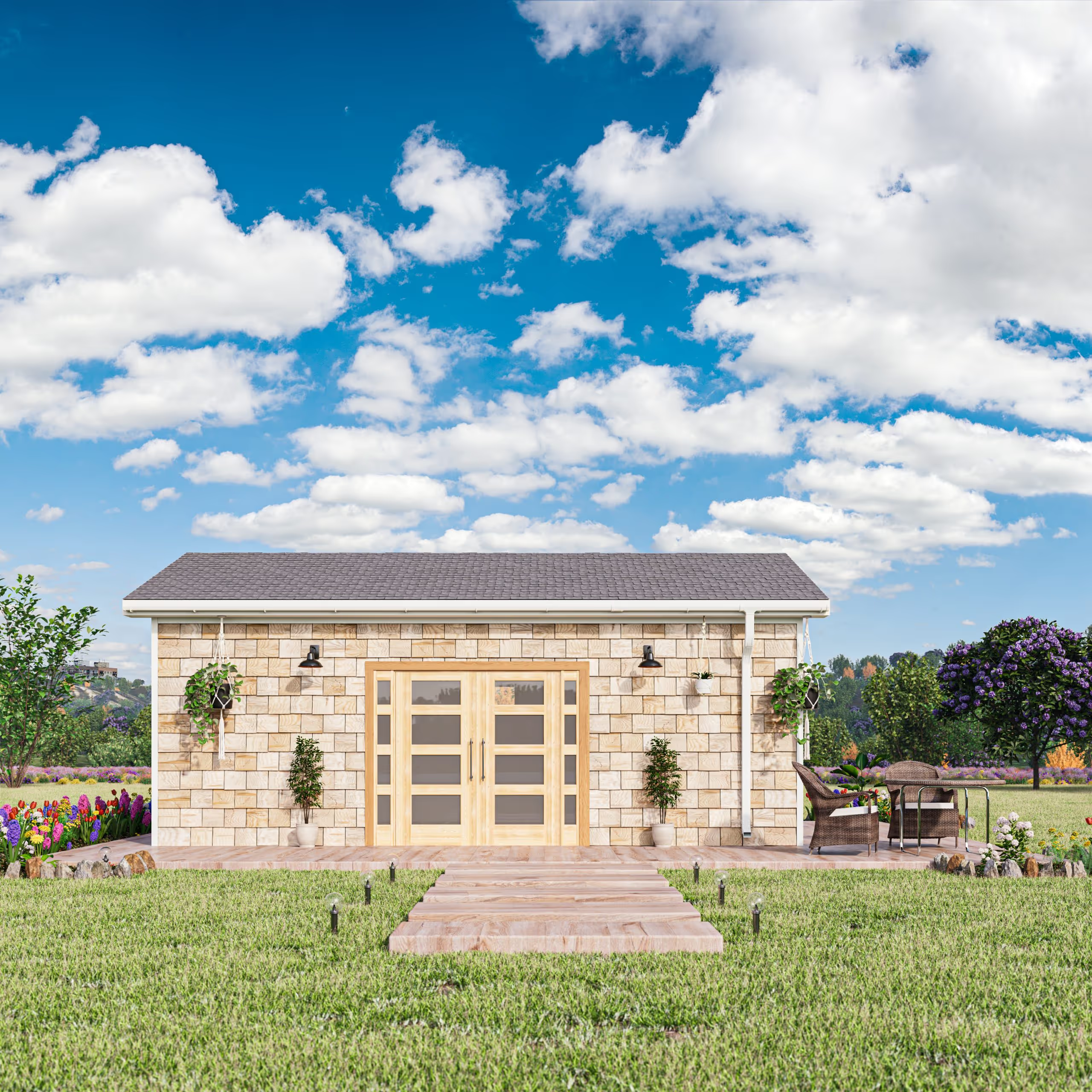
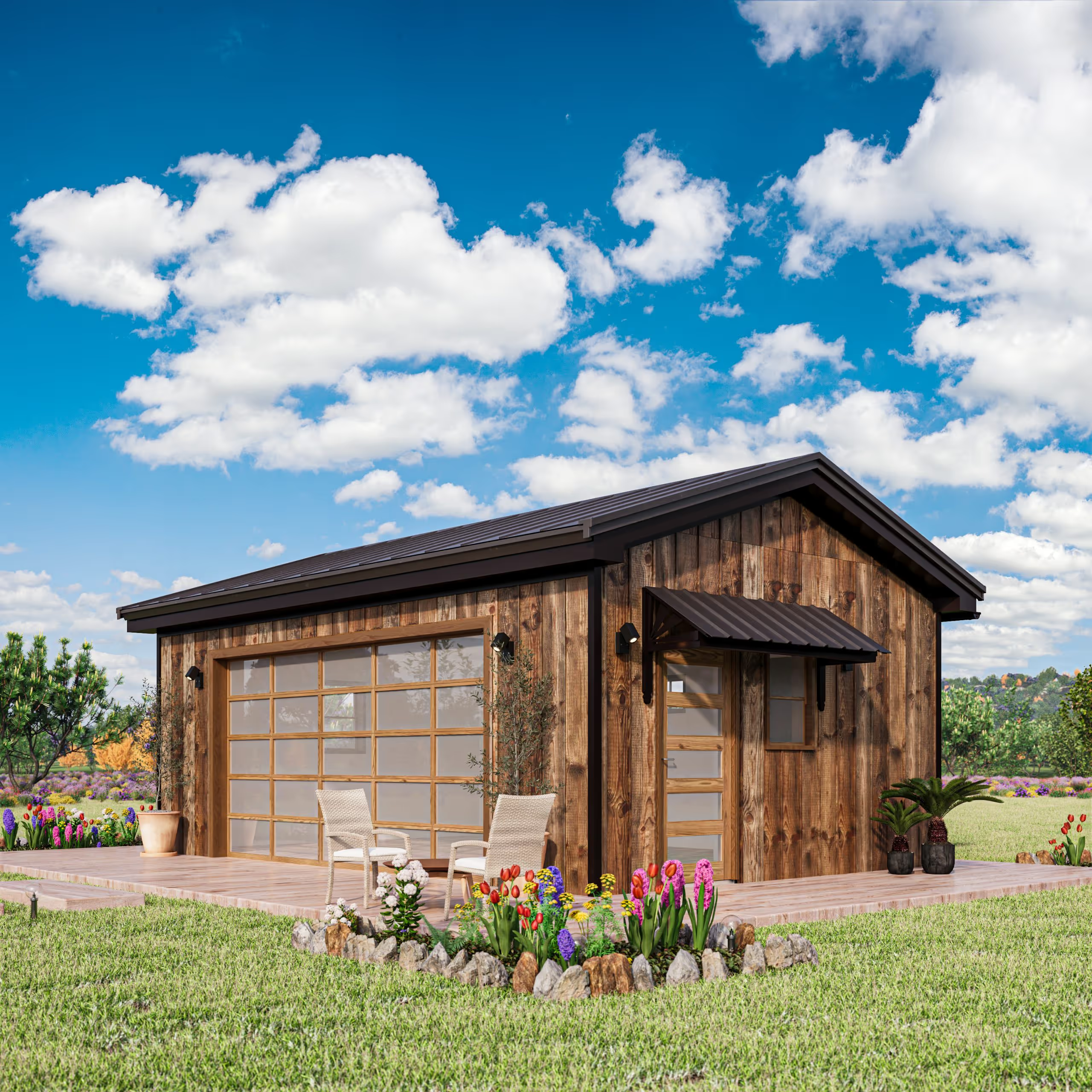
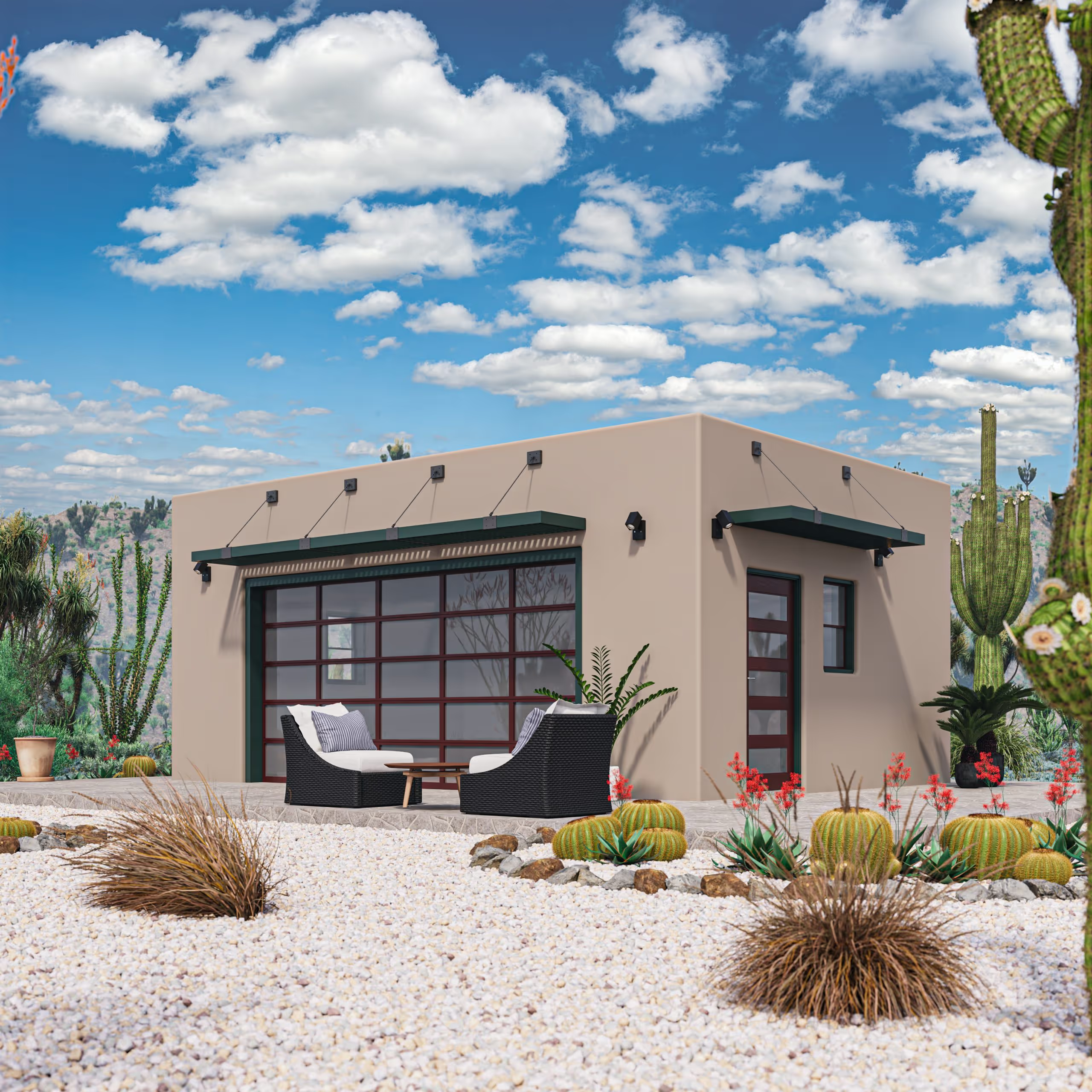
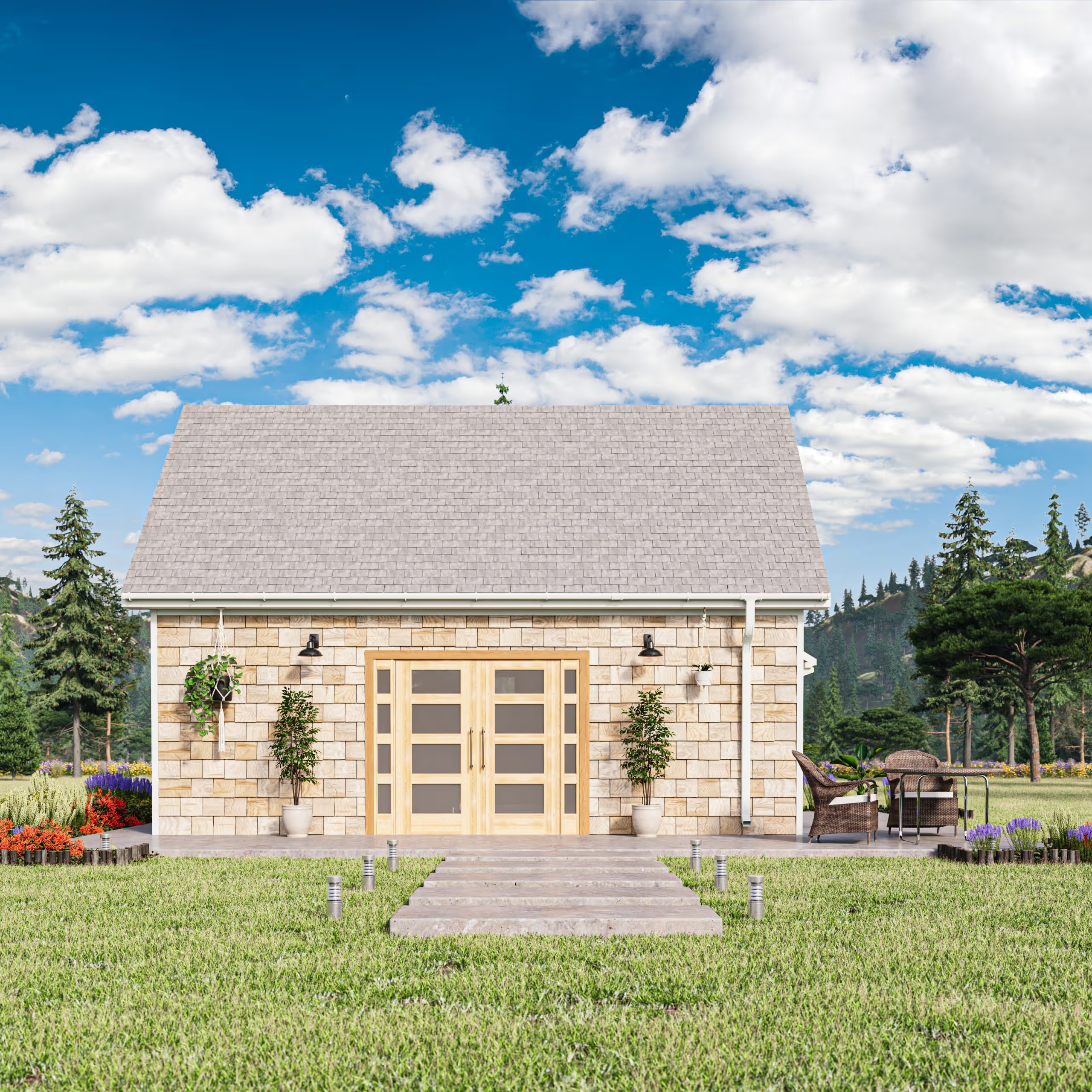
You can see examples of residential applications in FrameUpNow Frames & Plans. FrameUpNow’s current plan library includes homes, ADUs, tiny homes, garages, shops and multiple architectural collections.
3. Why Does Precision Manufacturing Matter?
One of the biggest advantages of modern steel framing is the ability to manufacture structural components to defined dimensions before they reach the jobsite.
Cold-formed steel is dimensionally stable and can be produced to tight tolerances.
FrameUpNow currently describes its framing as precision-manufactured off-site and delivered pre-cut and panelized, helping reduce some jobsite complexity and field fabrication.
Depending on the project, components can include:
- Pre-cut framing members
- Identified wall components
- Pre-assembled wall panels
- Joists
- Trusses
- Beams and headers
That allows more of the structural system to be understood before assembly begins.
4. Does Modern Steel Framing Speed Up Construction?
Precision-manufactured framing can reduce field measuring, cutting and fabrication and may make structural assembly more efficient.
Actual construction time still depends on:
- Project size
- Design complexity
- Crew experience
- Site conditions
- Equipment
- Weather
- Inspections
- Trade coordination
It is better to think of the benefit as greater construction efficiency, rather than promising that every steel-framed building will always be completed faster.
FrameUpNow also provides construction guidance and assembly resources through its DIY steel frame building program.
5. Is Cold-Formed Steel Durable?
Yes. Cold-formed steel avoids several material-related issues associated with wood structural framing.
Steel does not:
- Rot
- Provide a food source for termites
- Shrink like wood can
- Warp like wood can
- Twist like wood can
FrameUpNow’s current FAQ and benefits pages specifically describe CFS as dimensionally stable, resistant to pests and rot, and not subject to warping, shrinking or twisting in the same way as wood framing.
6. Is Steel Framing Fire Resistant?
Cold-formed steel is a noncombustible structural framing material.
That is an important advantage over combustible structural materials.
However, a steel-framed building should not be described as fireproof.
Fire performance depends on the complete building assembly, including:
- Roofing
- Exterior cladding
- Insulation
- Drywall
- Windows
- Doors
- Penetrations
- Interior materials
The framing itself does not provide fuel to a fire, but the performance of the finished building must be considered as a complete system.
7. Is Modern Steel Framing Sustainable?
Steel is highly recyclable and can be repeatedly recycled into new steel products.
The American Iron and Steel Institute states that steel can be continuously recycled without loss of quality or strength, and that U.S. steelmaking consumes large quantities of domestic recycled steel scrap each year. Learn more about steel recycling from AISI.
Modern steel framing can also support more controlled material planning because framing components can be manufactured according to the engineered design rather than relying entirely on field cutting.
Sustainability should still be evaluated across the complete building, including insulation, energy performance, transportation, finishes and long-term use.
8. Does Steel Framing Require Less Maintenance?
Cold-formed steel can reduce certain material-related maintenance concerns because it does not rot, shrink, warp or provide a food source for termites.
That does not mean a steel-framed building is maintenance-free.
Proper moisture management, corrosion protection, building-envelope design and general building maintenance are still required.
The benefit is that several common framing-material problems associated with wood are removed from the structural skeleton.
9. Can Steel Framing Improve Construction Predictability?
This may be one of the most important benefits of modern CFS construction.
Modern framing technology allows more information to be defined before the building reaches the field.
FrameUpNow combines:
Design → Engineering → BIM → Manufacturing → Materials → Assembly
Depending on the project, the system can include:
- Engineered cold-formed steel framing
- Pre-cut and identified components
- Pre-assembled wall panels
- IBC-engineered structural plans
- Project-specific engineering
- BIM-derived material information
- Material Shopping List
- Building Instructions Guide
- Construction resources
- Technical support
FrameUpNow currently positions this combination as a way to give builders and owners greater clarity about the structure and material requirements before construction begins.
Is Modern Steel Framing More Expensive Than Wood?
Not necessarily. The answer depends on the complete project rather than raw framing-material cost alone.
A meaningful comparison should consider:
- Structural material
- Engineering
- Manufacturing
- Labor
- Field fabrication
- Material waste
- Construction schedule
- Termite protection
- Long-term maintenance
- Project complexity
Steel may cost more in one category and provide efficiencies in another.
The better question is:
Which framing system provides the best overall value for this specific project?
Customers can begin evaluating project costs using the FrameUpNow Cost Estimator.
Can Modern Steel Framing Be Used for DIY Construction?
Yes. Cold-formed steel framing can support DIY, hybrid and general-contractor construction approaches.
FrameUpNow currently offers DIY steel frame resources and describes its kit-home approach as prefabricating major framing components before they are delivered to the jobsite for assembly.
DIY does not mean every homeowner should perform every trade.
An owner might:
- Participate in frame assembly
- Hire a framing crew
- Manage subcontractors
- Complete selected finish work
- Hire a general contractor for the entire project
The appropriate strategy depends on experience, time and local construction requirements.
Is Modern Steel Framing Only for Commercial Buildings?
No. Cold-formed steel framing is increasingly relevant to residential construction.
FrameUpNow currently engineers and manufactures CFS framing for homes, ADUs and other small residential structures.
Applications can include:
- Single-family homes
- ADUs
- Casitas
- Guest houses
- Cottages
- Garages
- Workshops
- Build-to-rent housing
That makes modern steel framing much broader than the traditional image of steel being reserved for skyscrapers and industrial buildings.
What Is the Future of Modern Steel Framing?
The future of steel framing is not simply about replacing wood with metal.
It is about combining a predictable structural material with better information and better manufacturing.
Engineering, BIM and precision manufacturing allow builders to understand more about the structure before construction begins.
That changes the construction conversation from:
“How do we figure this out in the field?”
to:
“How much can we define before it reaches the field?”
That shift may ultimately be more important than the framing material itself.
Build with Greater Certainty
Modern steel framing brings structural engineering, precision manufacturing and digital planning together in a way that can improve clarity from design through assembly.
FrameUpNow applies that approach specifically to residential construction.
Design it. Engineer it. Manufacture it. Assemble it.
Explore FrameUpNow Frames & Plans, review the benefits of cold-formed steel framing, or contact FrameUpNow to discuss your project.