
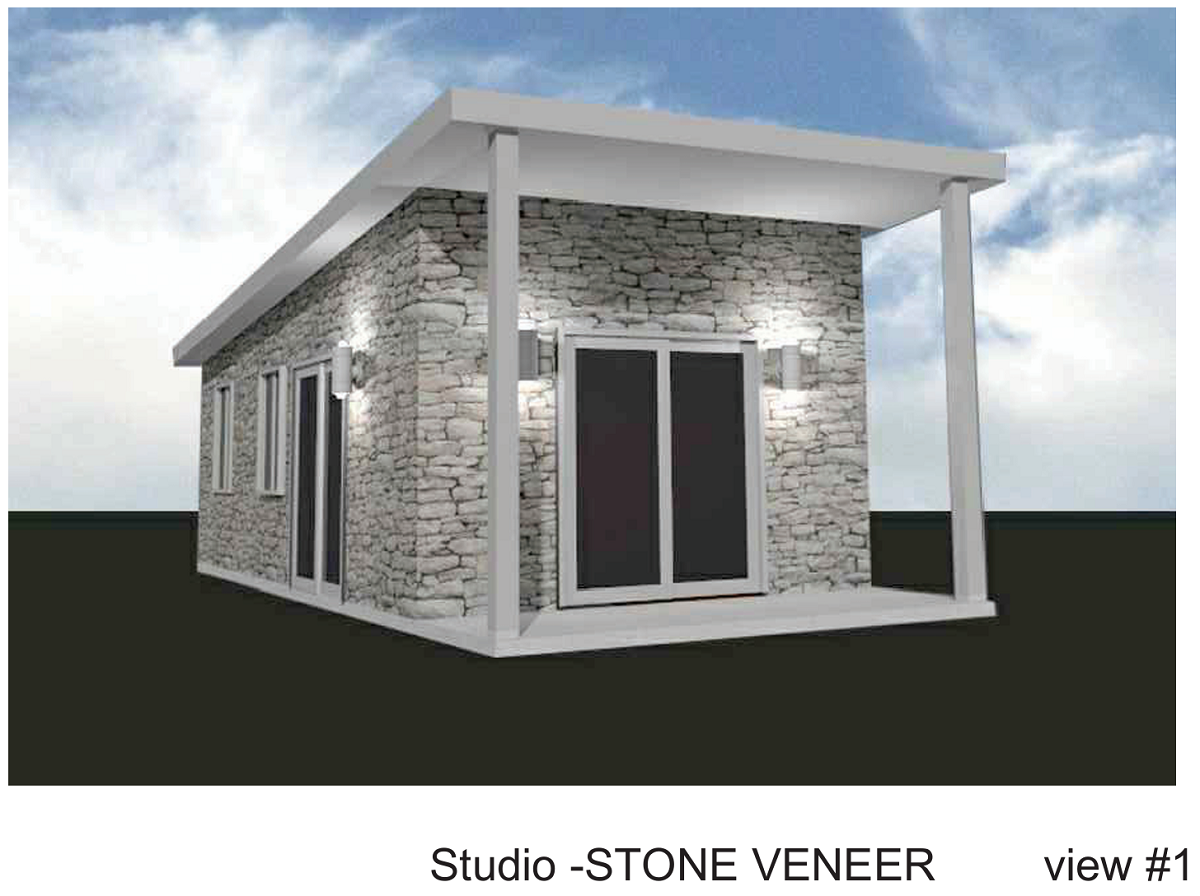
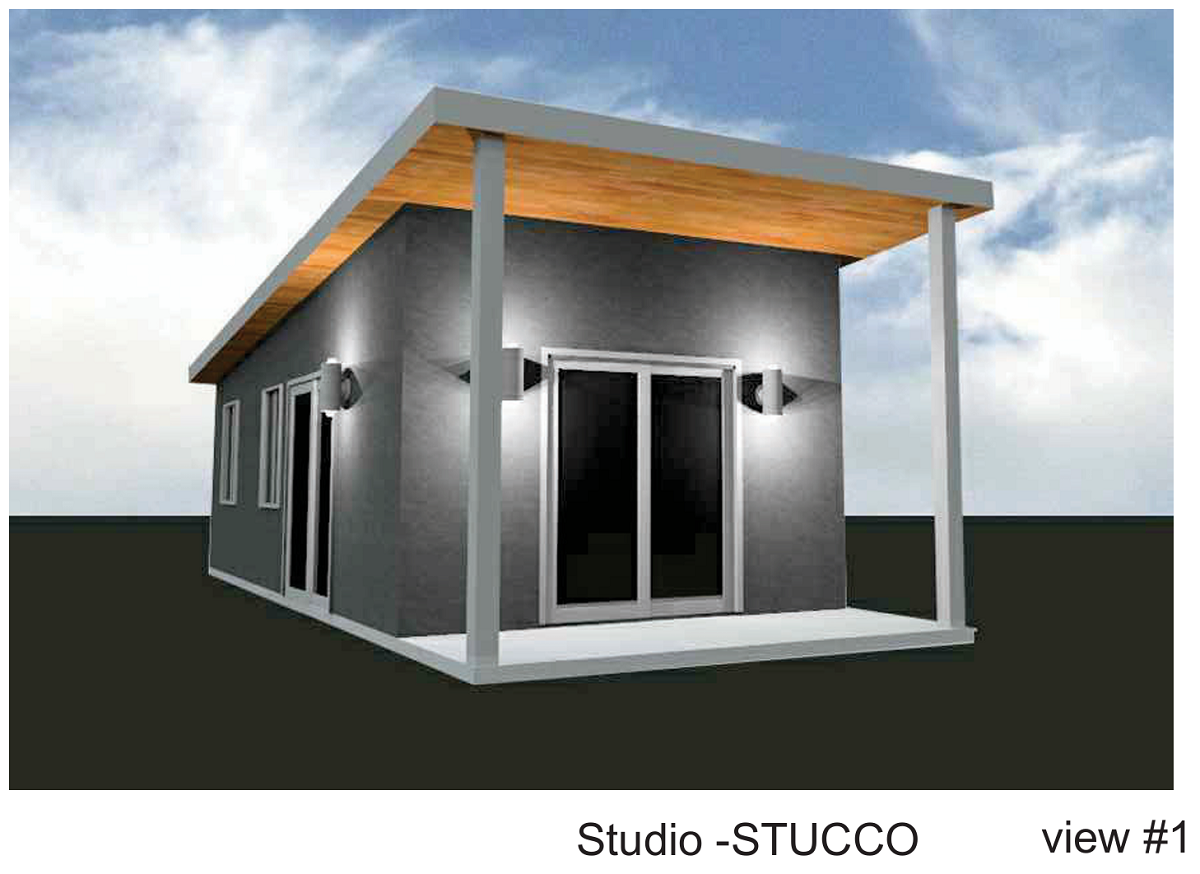
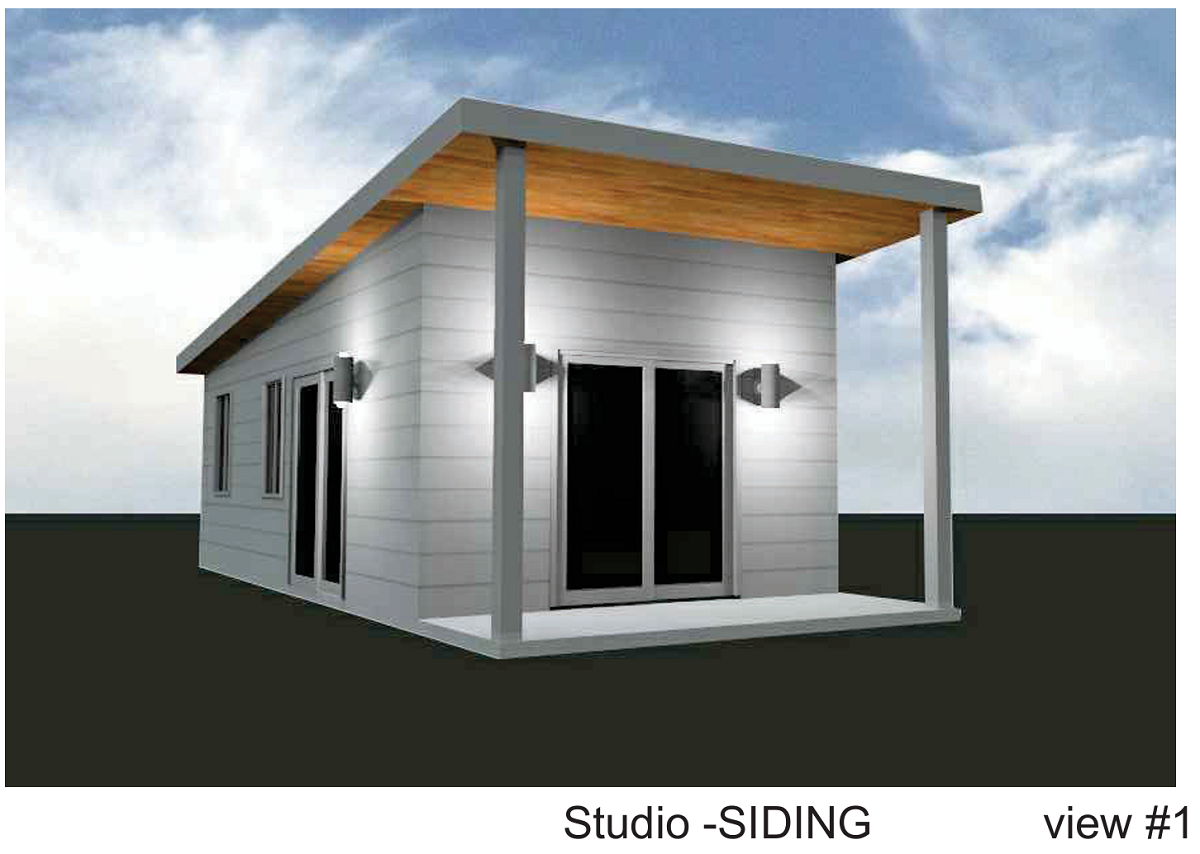
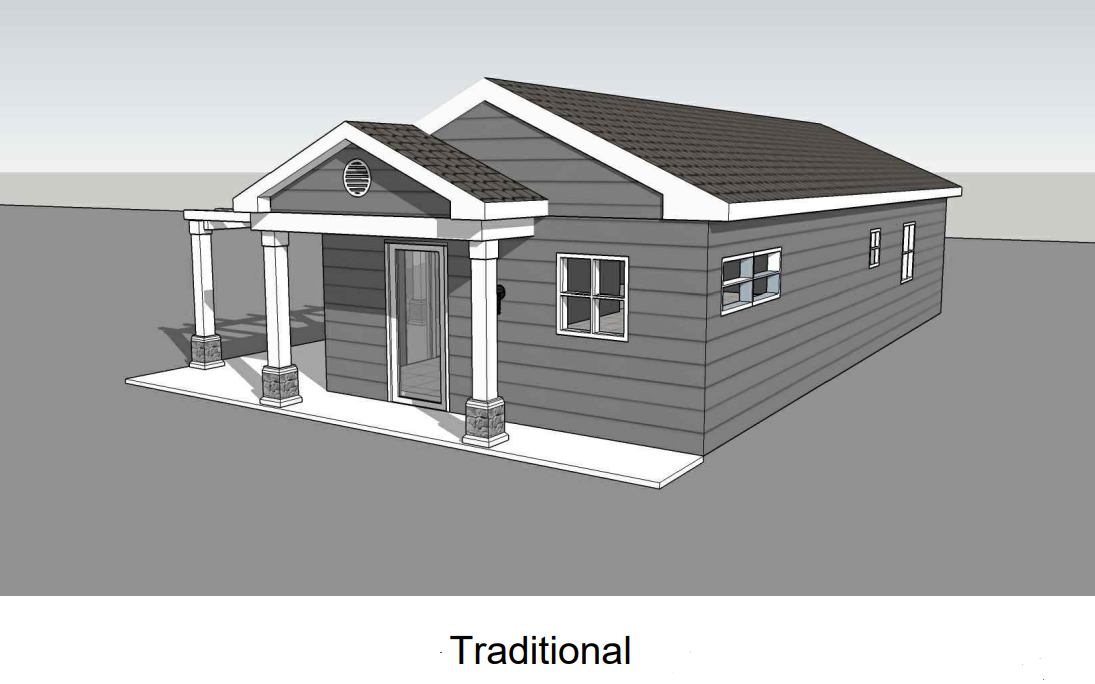
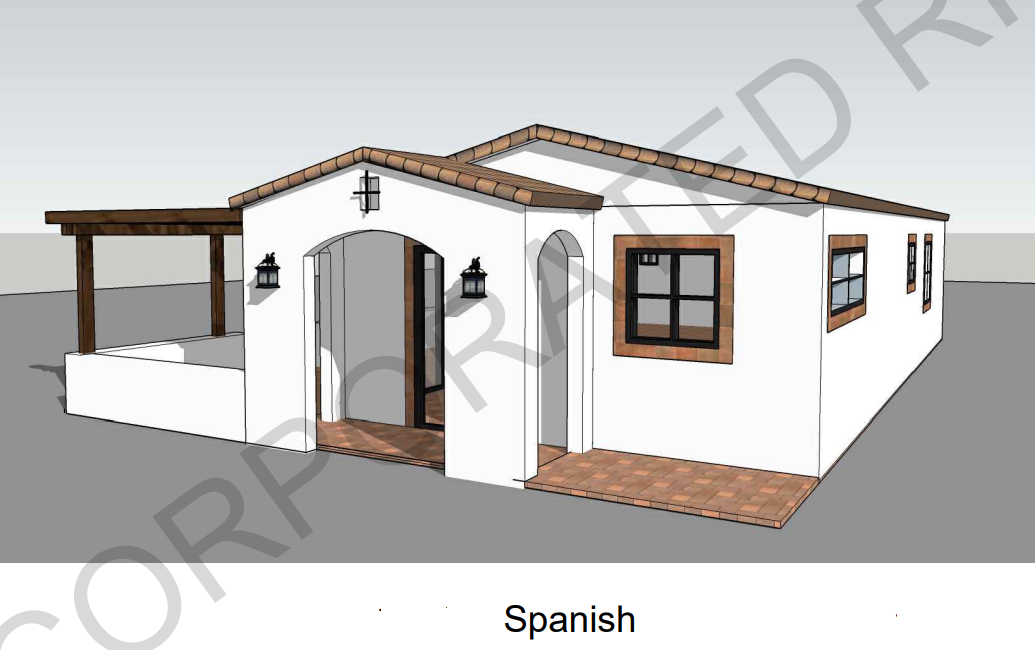
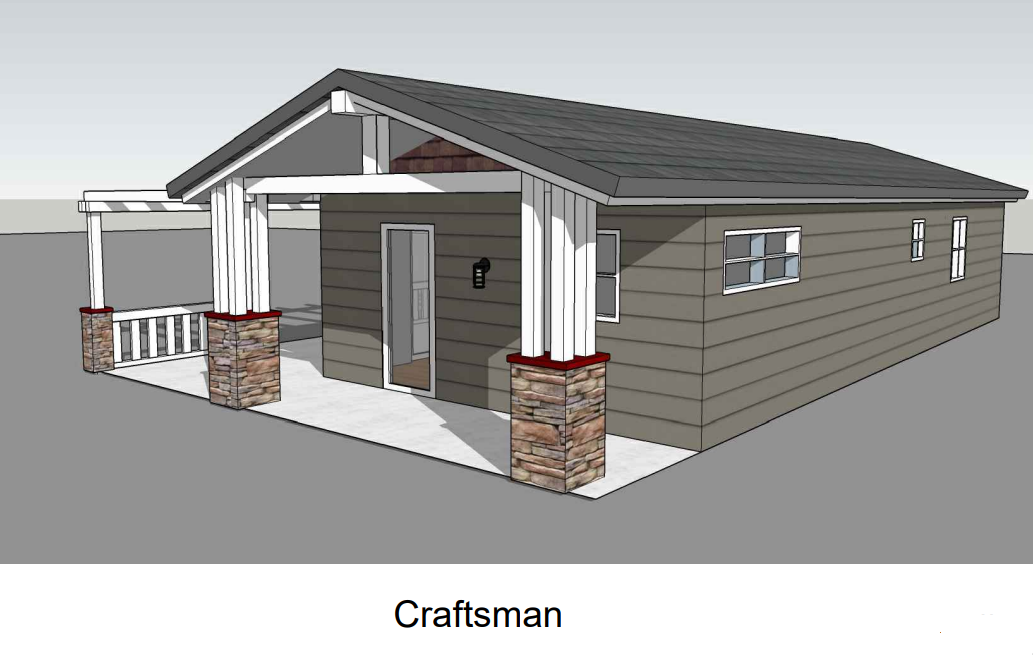
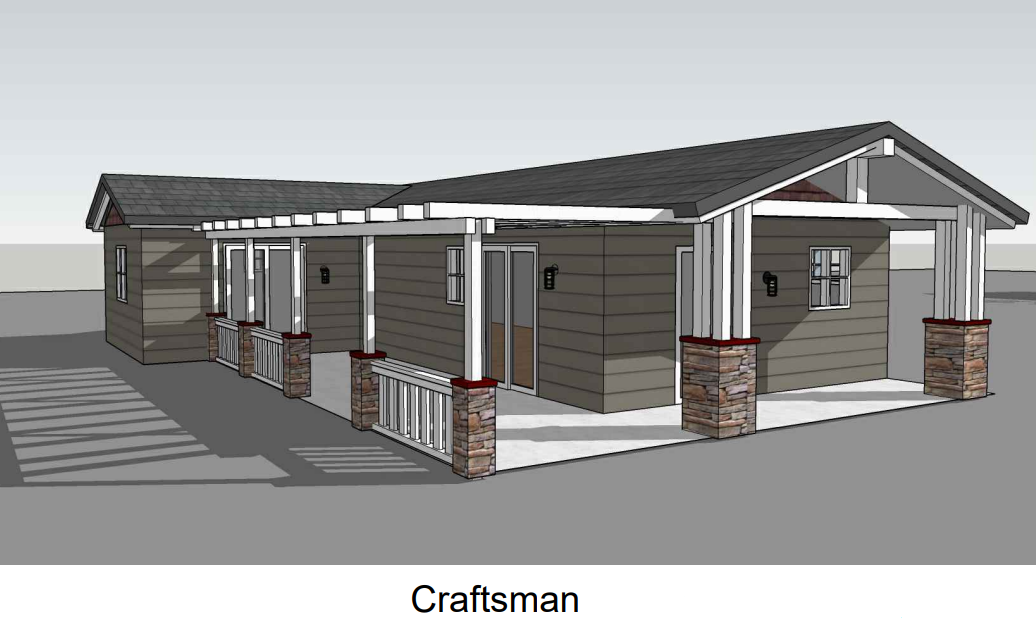
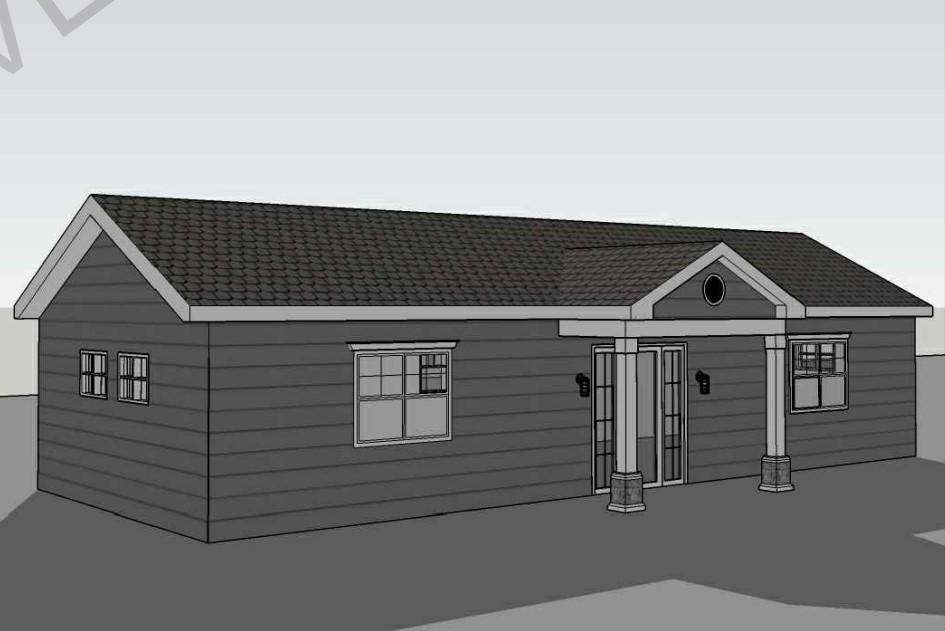
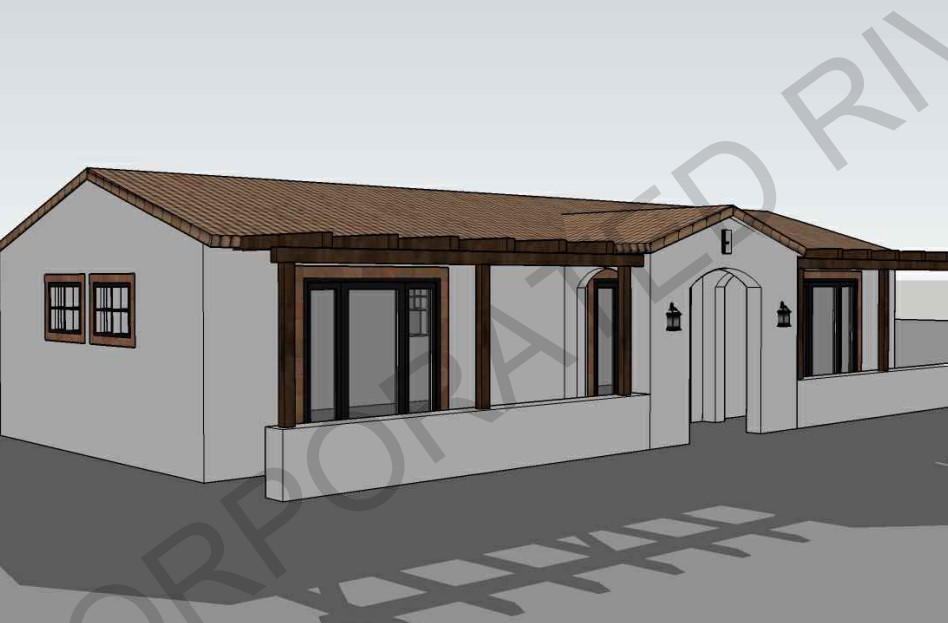
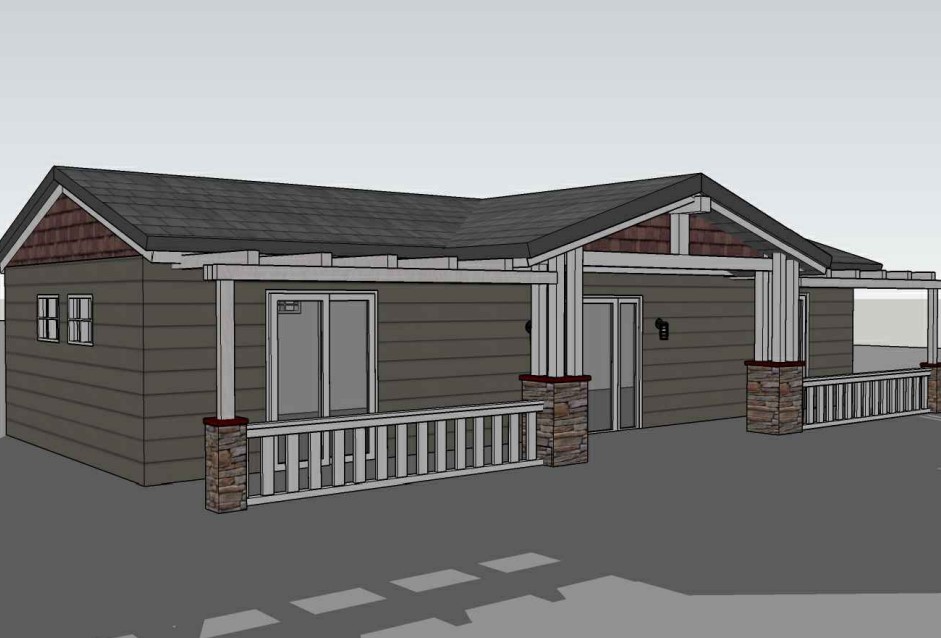
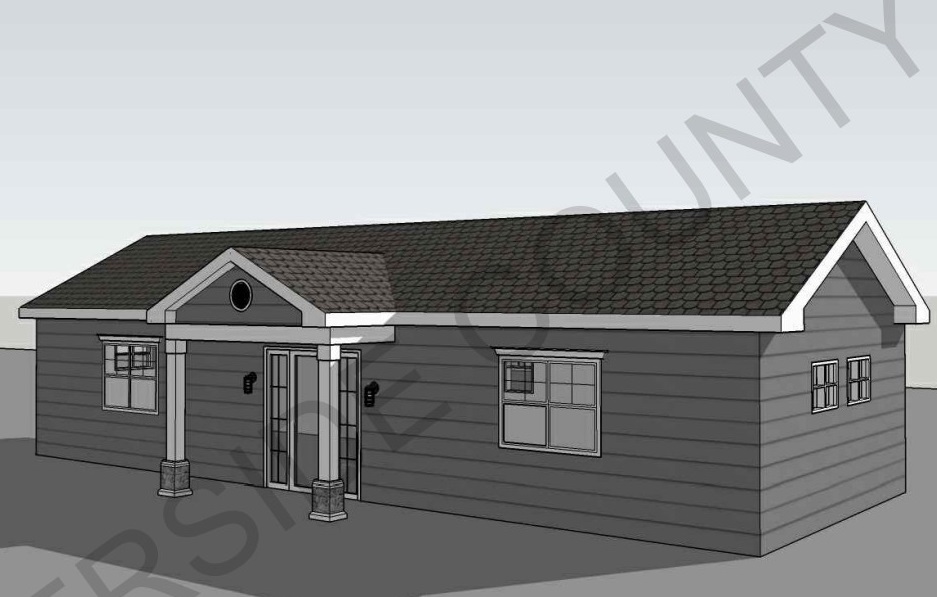
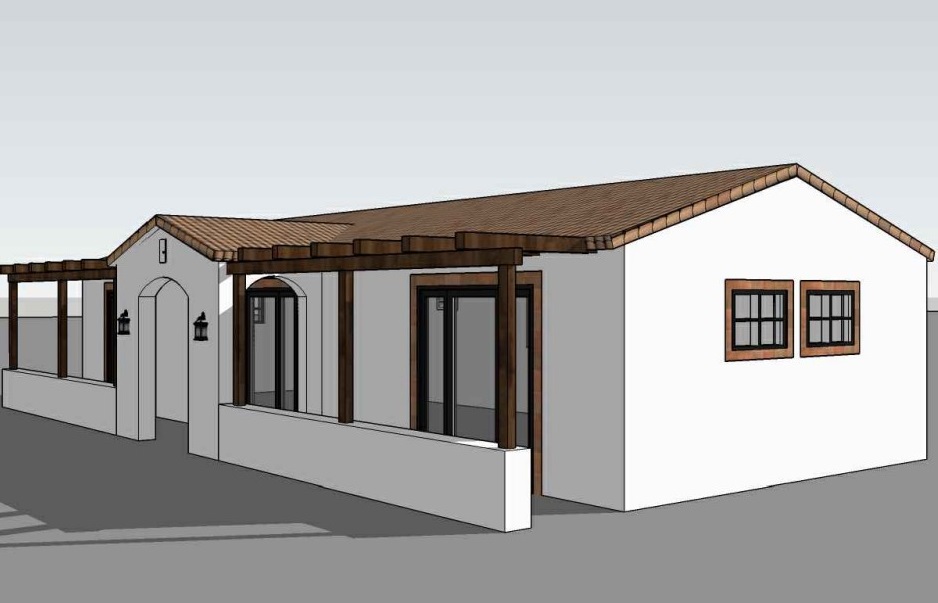
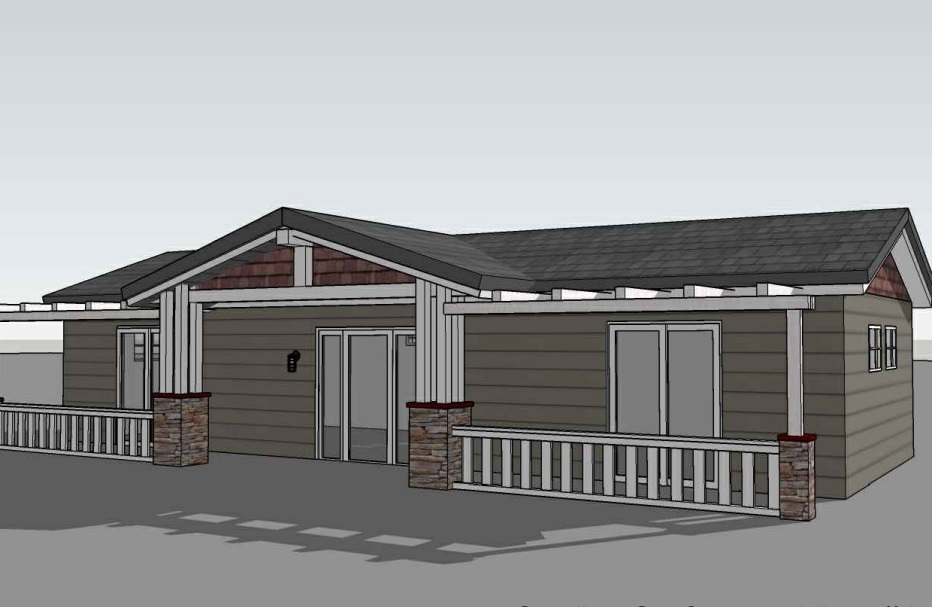


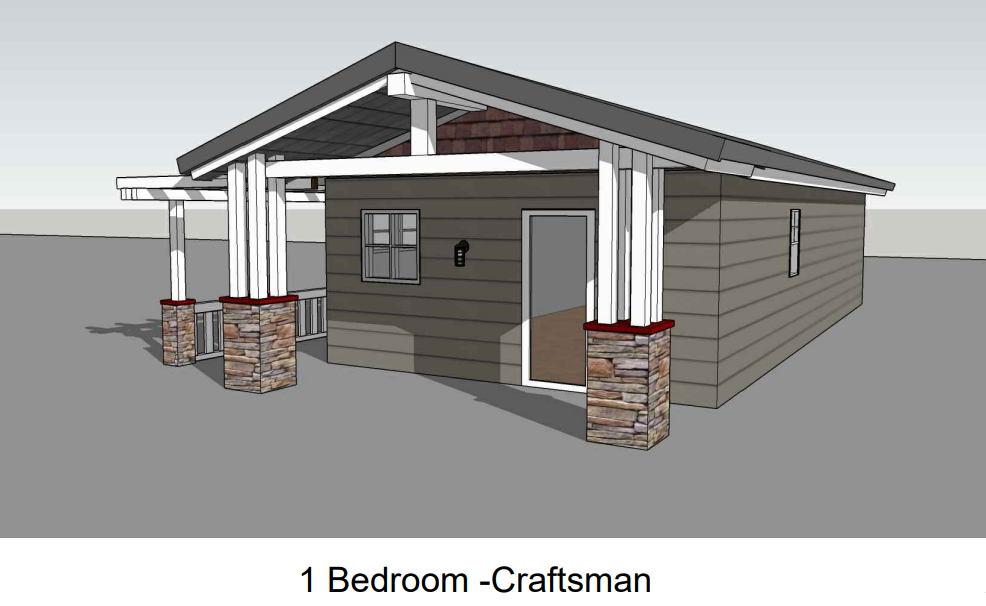
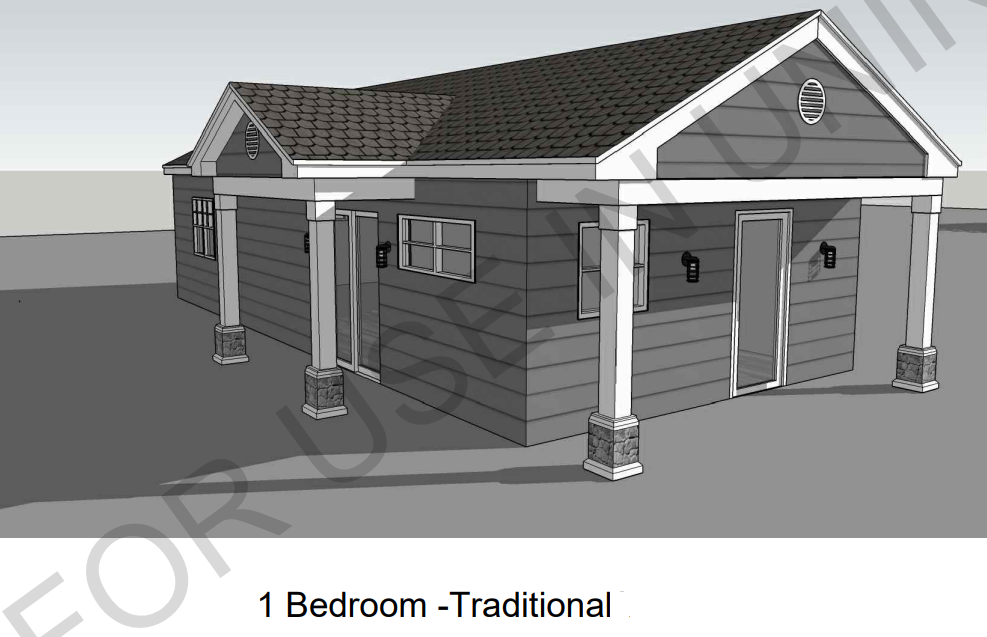

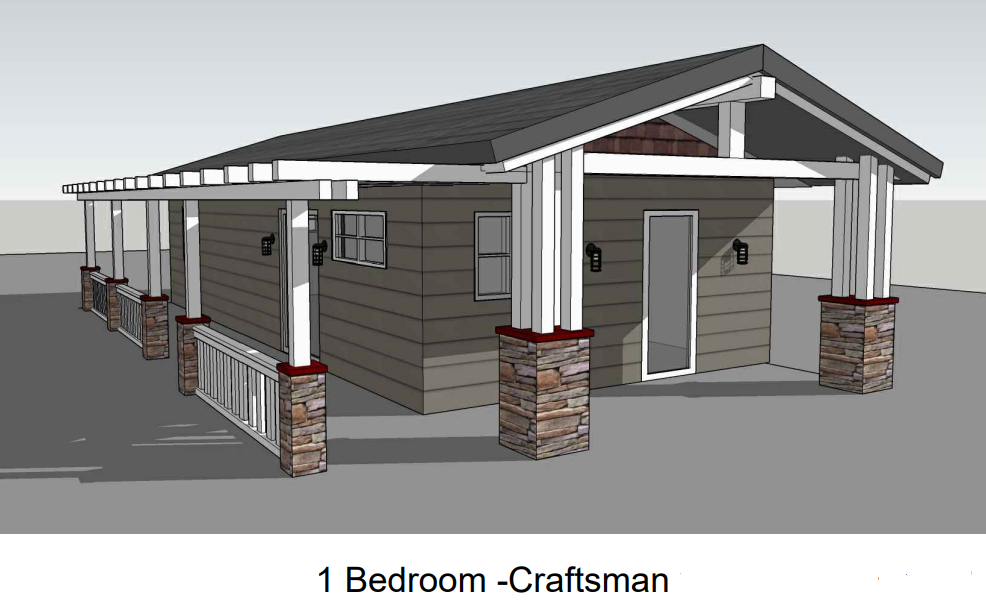

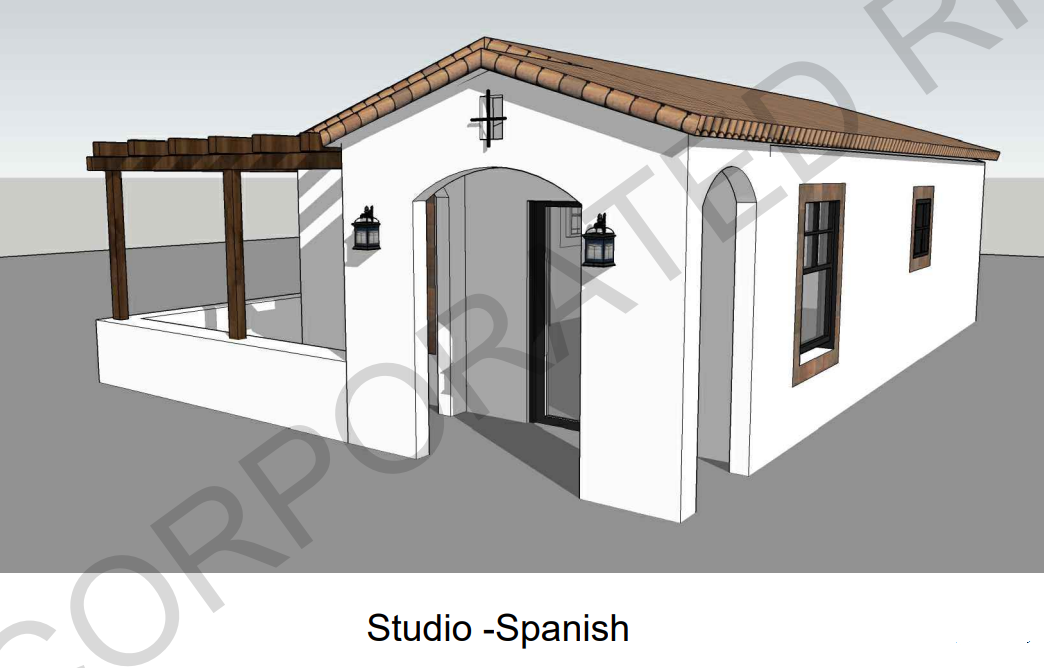

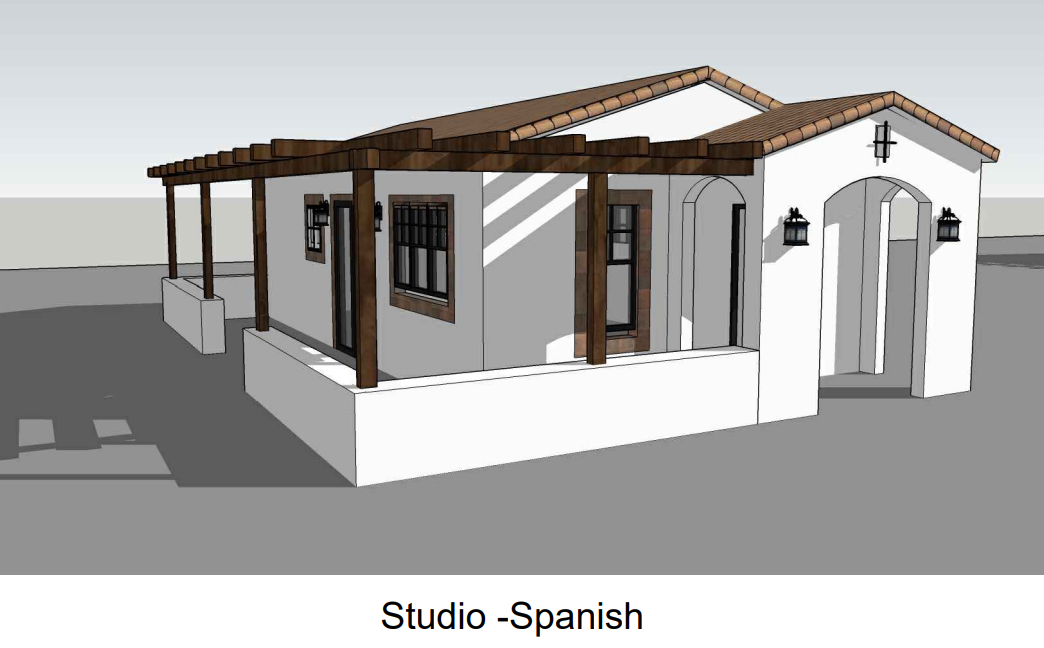
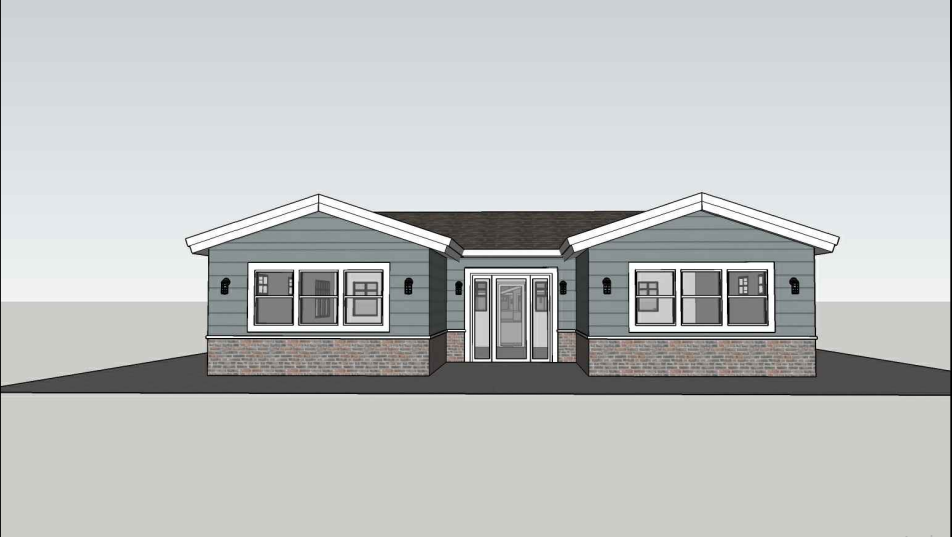
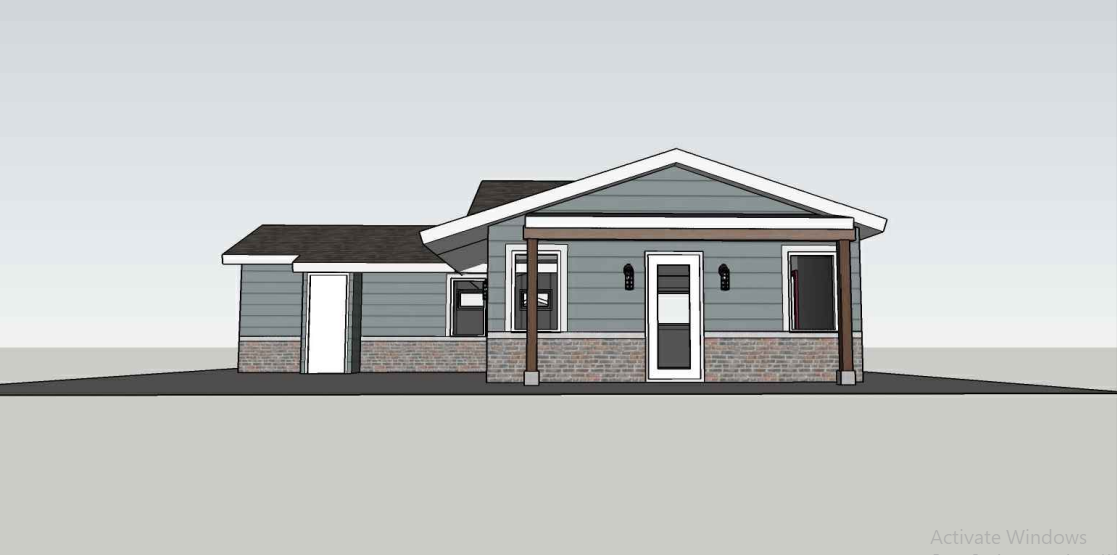
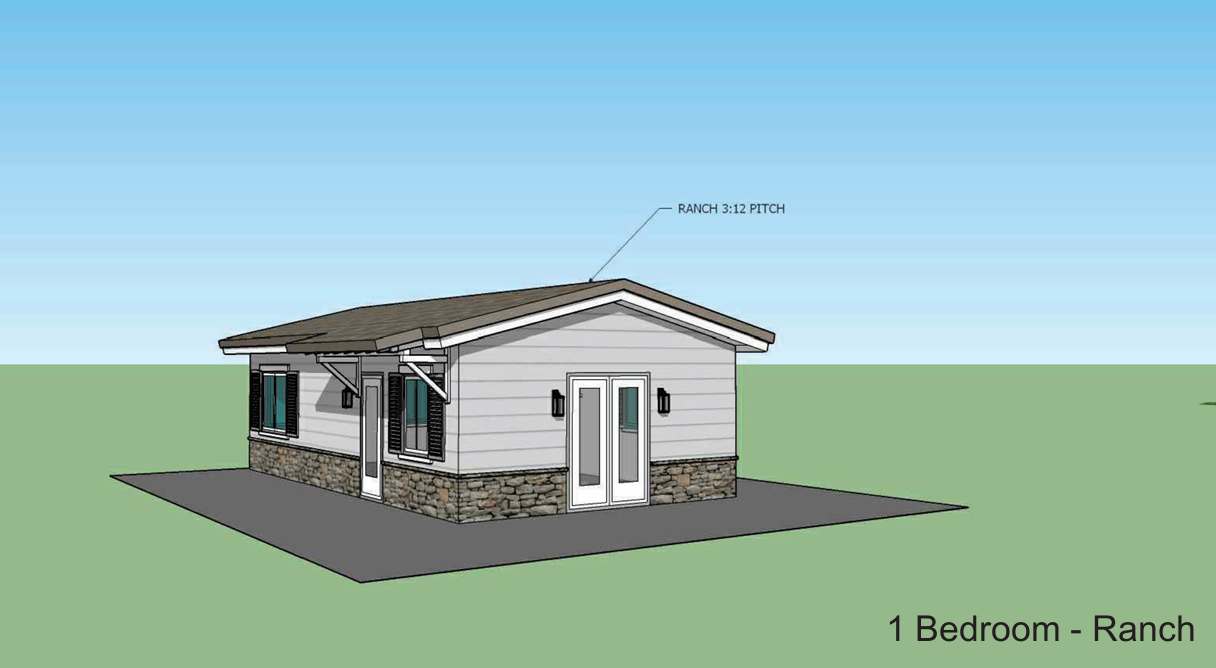
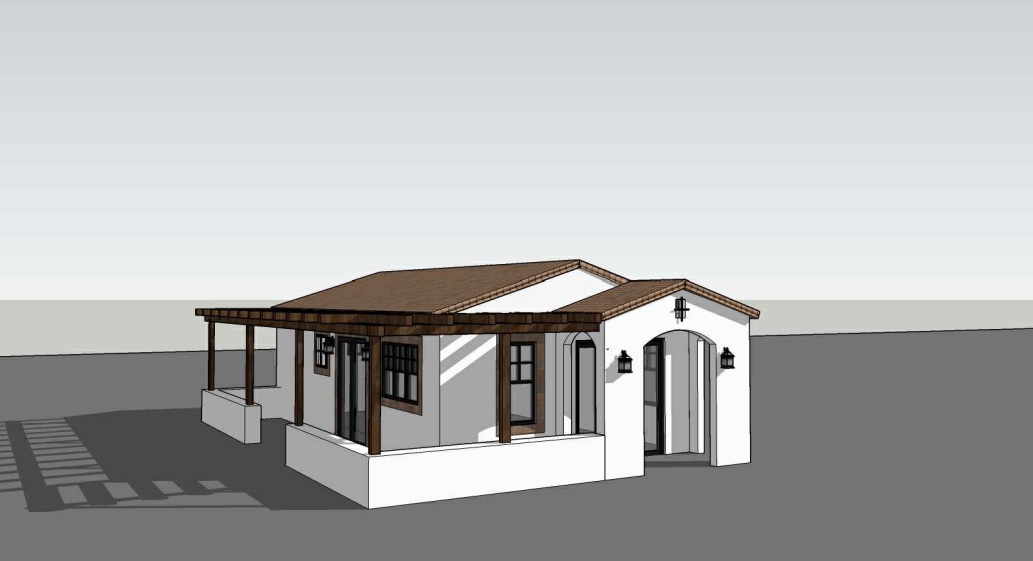
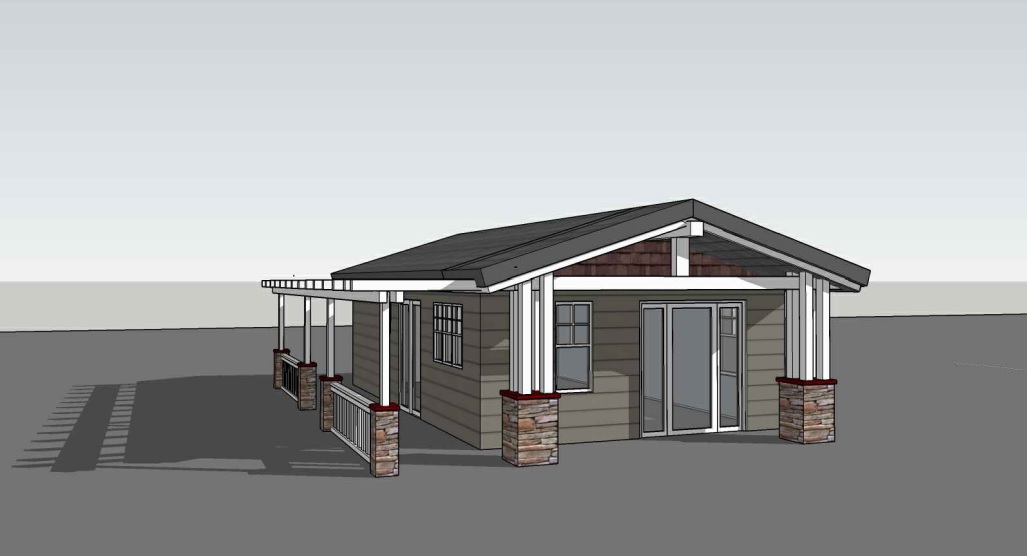
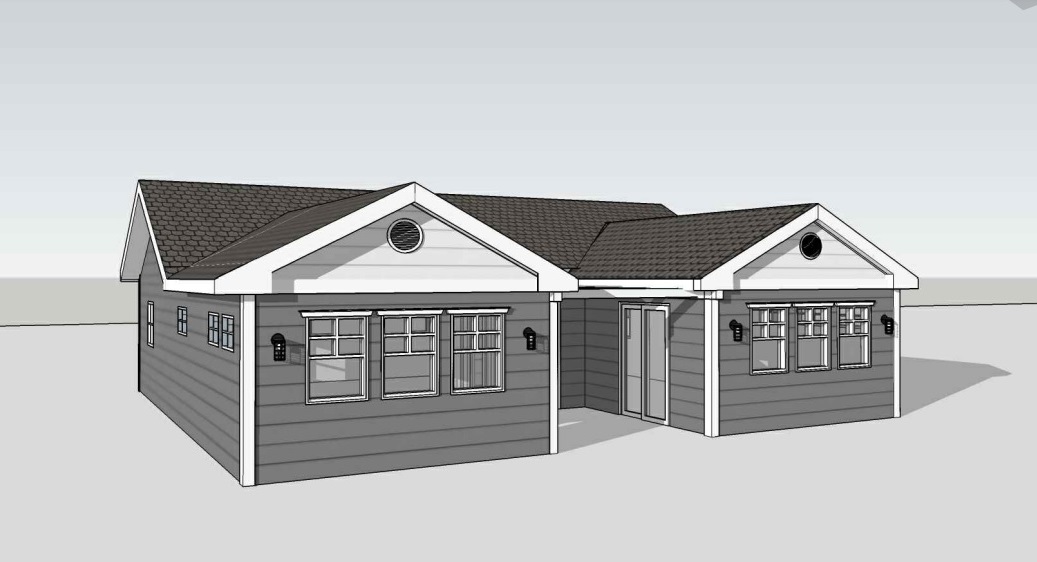
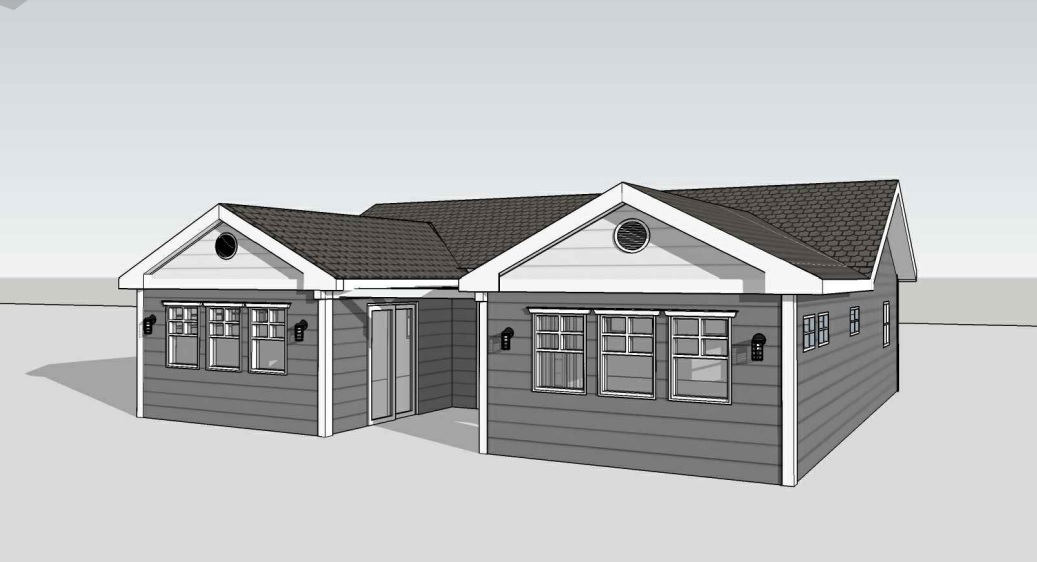
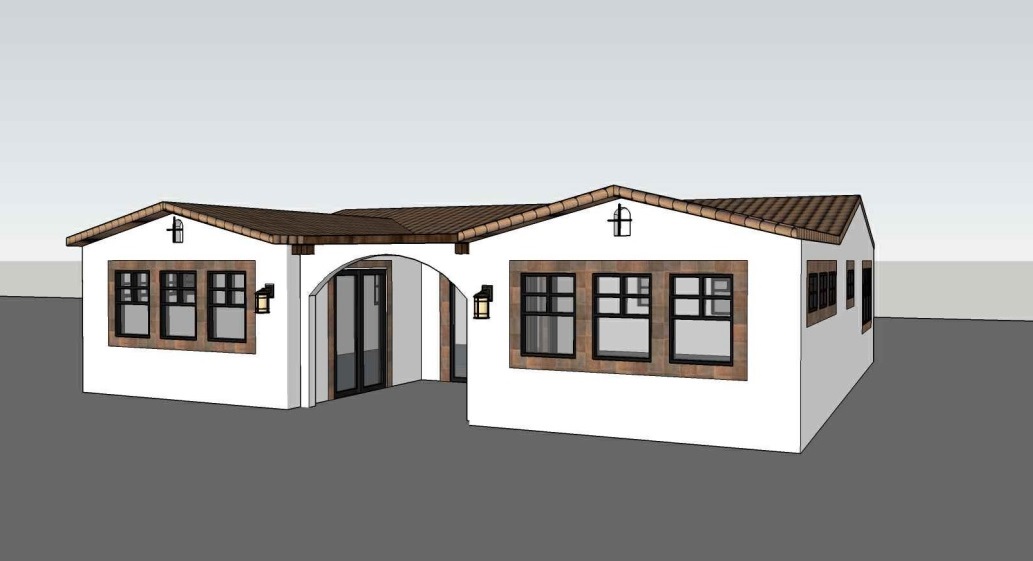
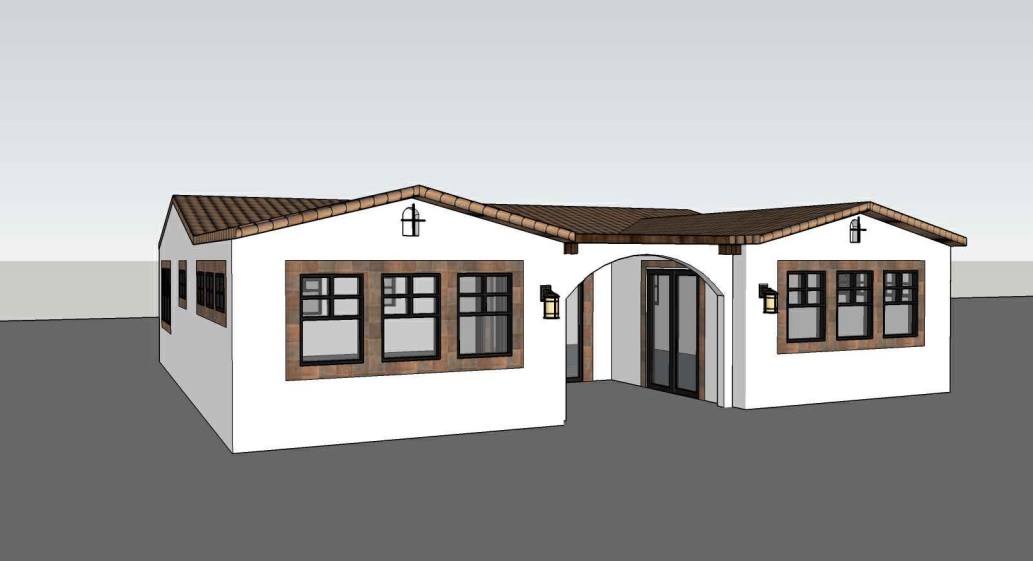
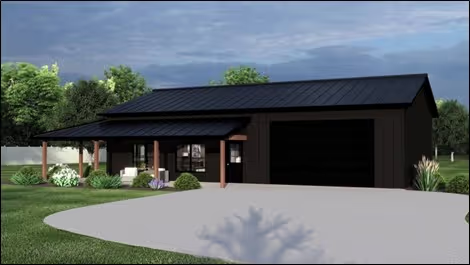
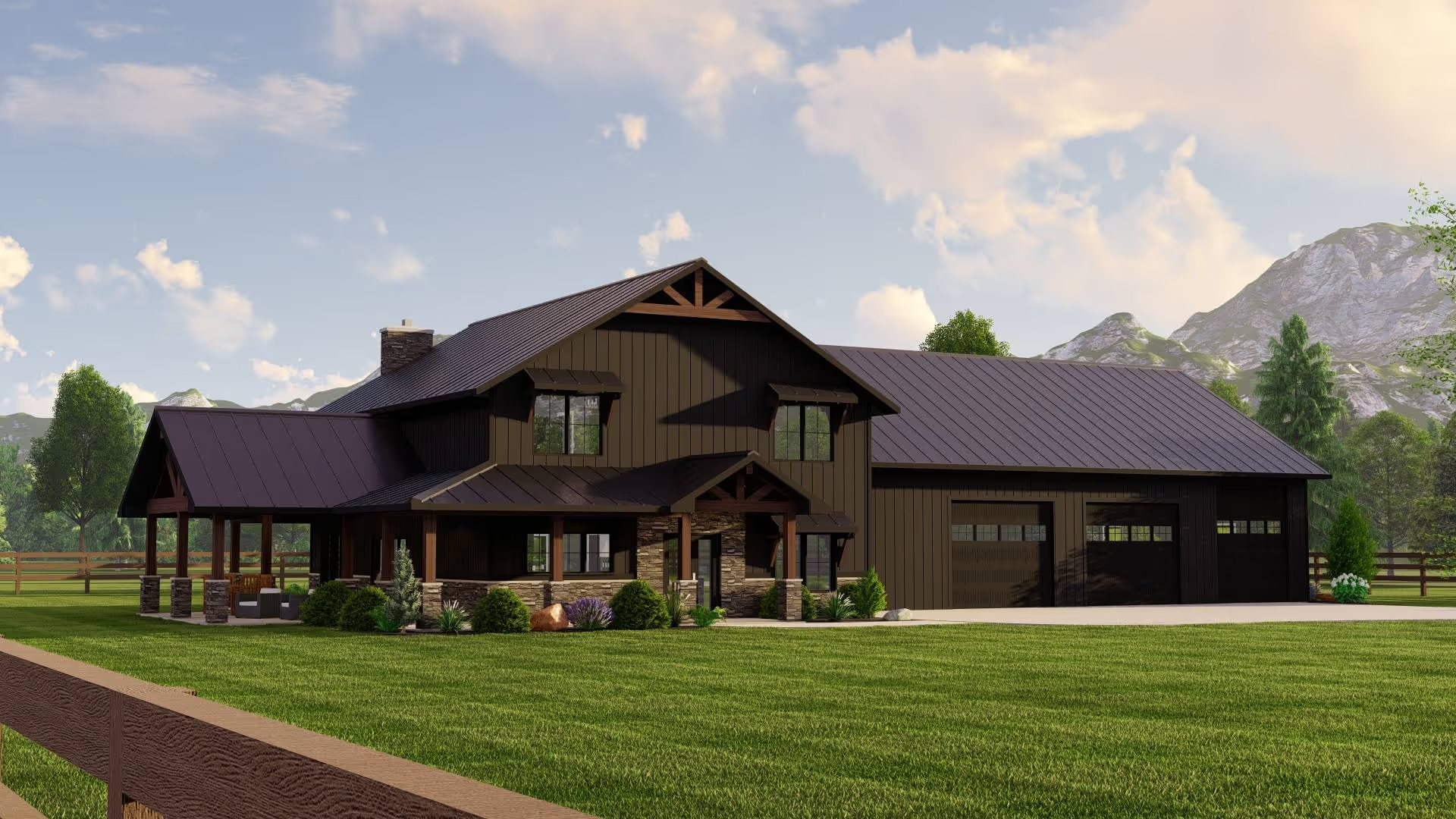
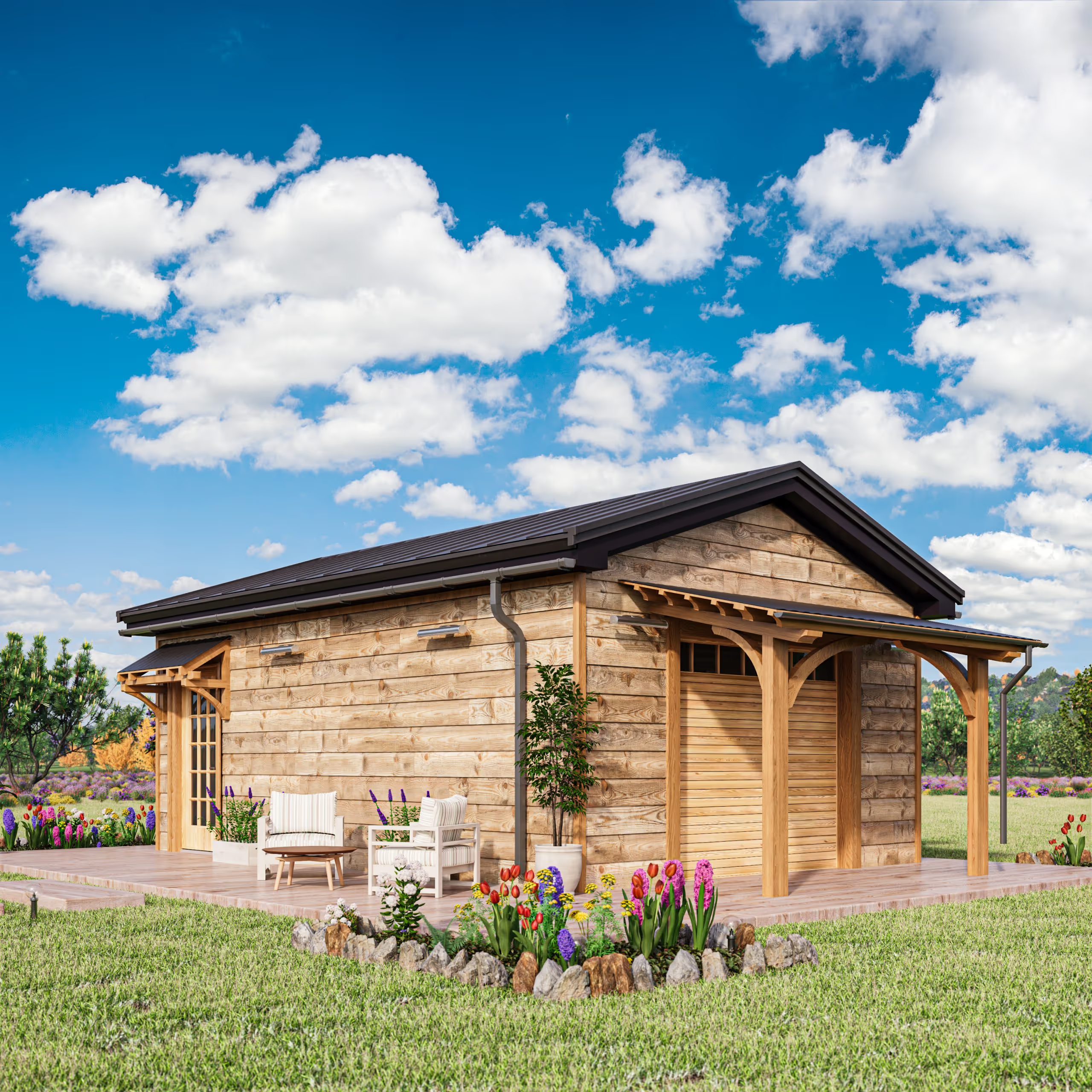
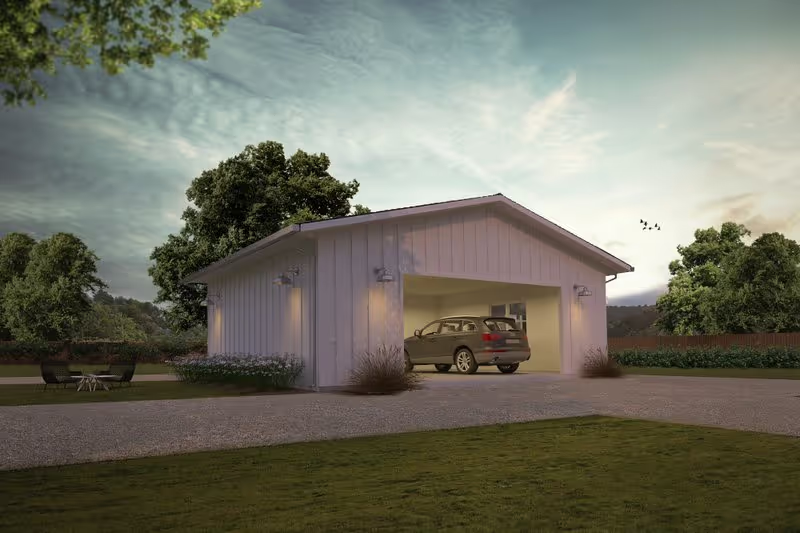
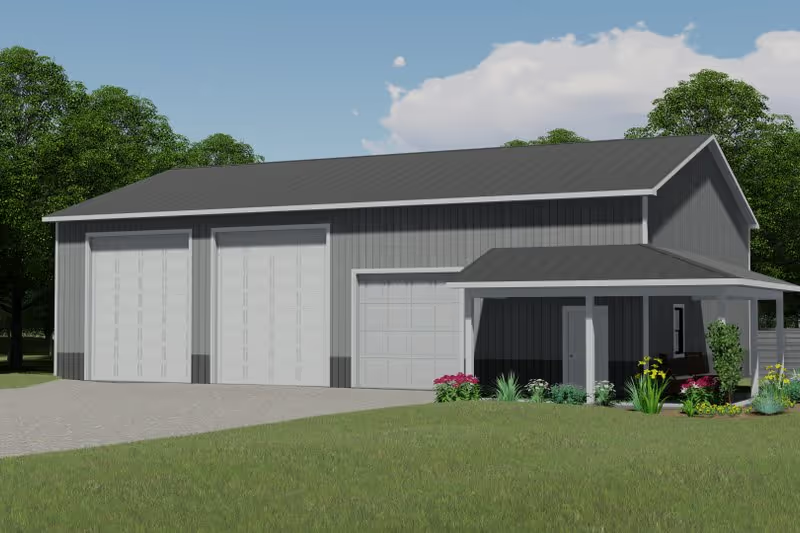
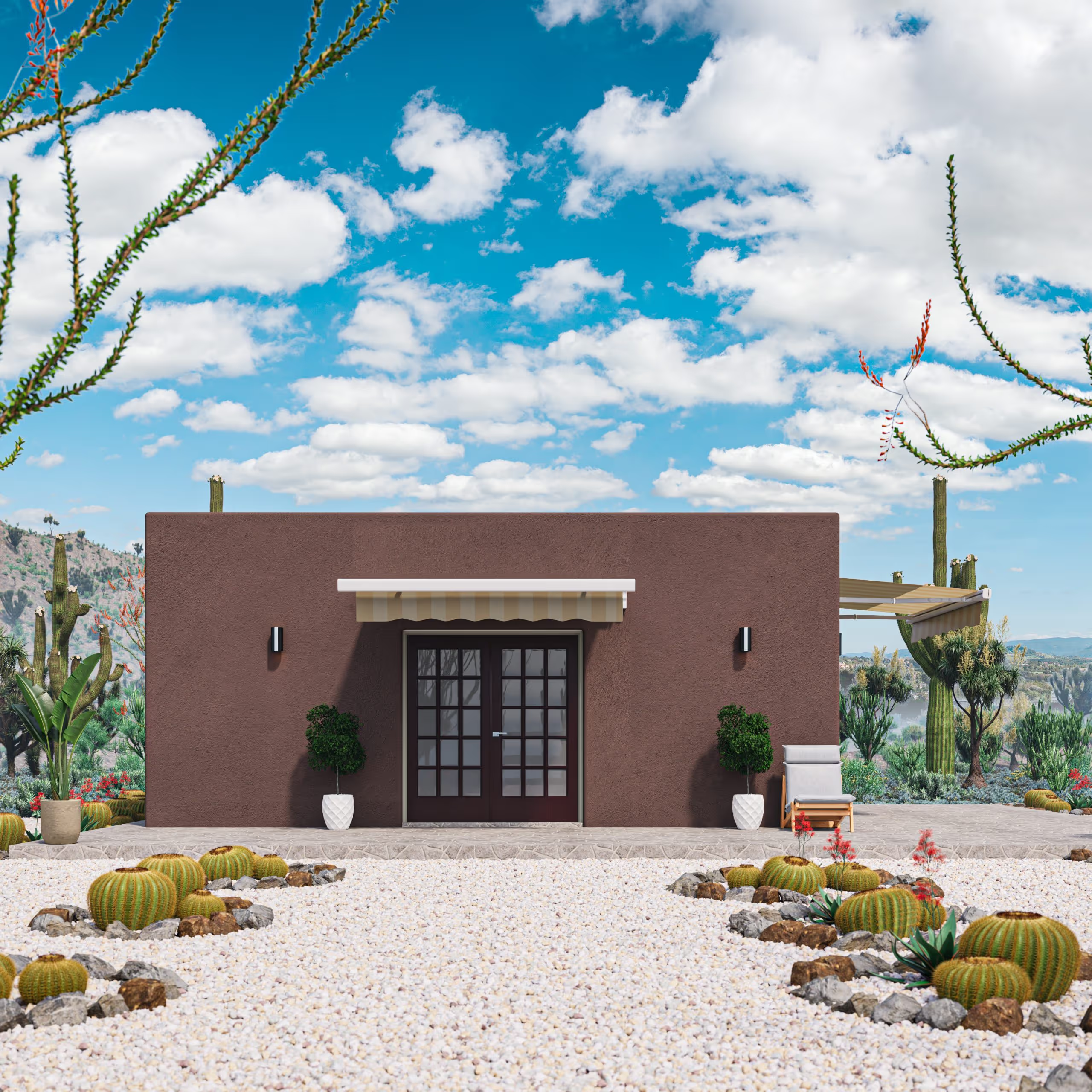
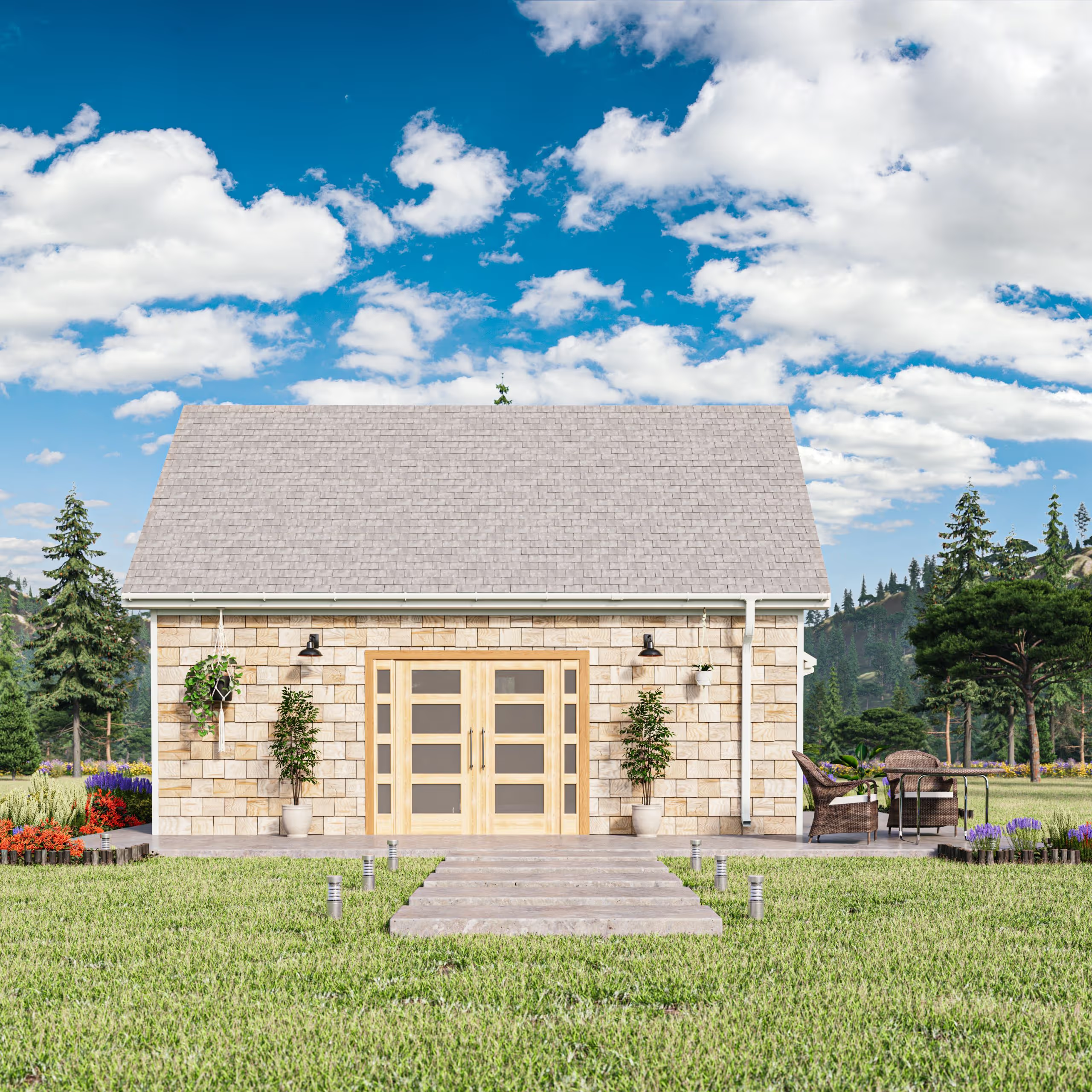
Riverside County 499 sq ft Studio 1 Bath Craftsman Maneuvering
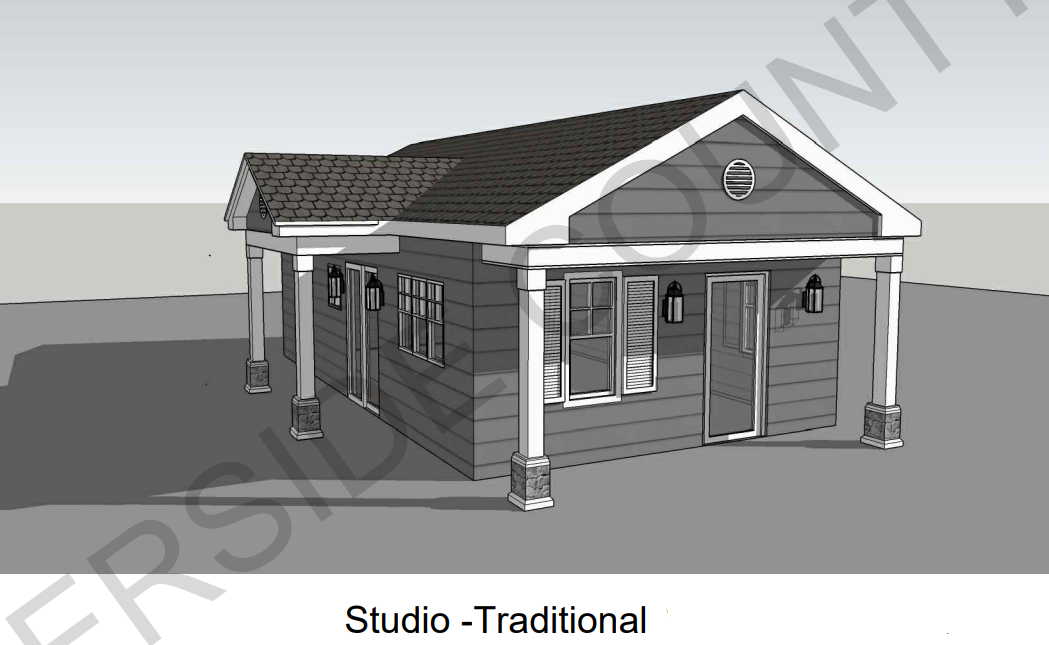

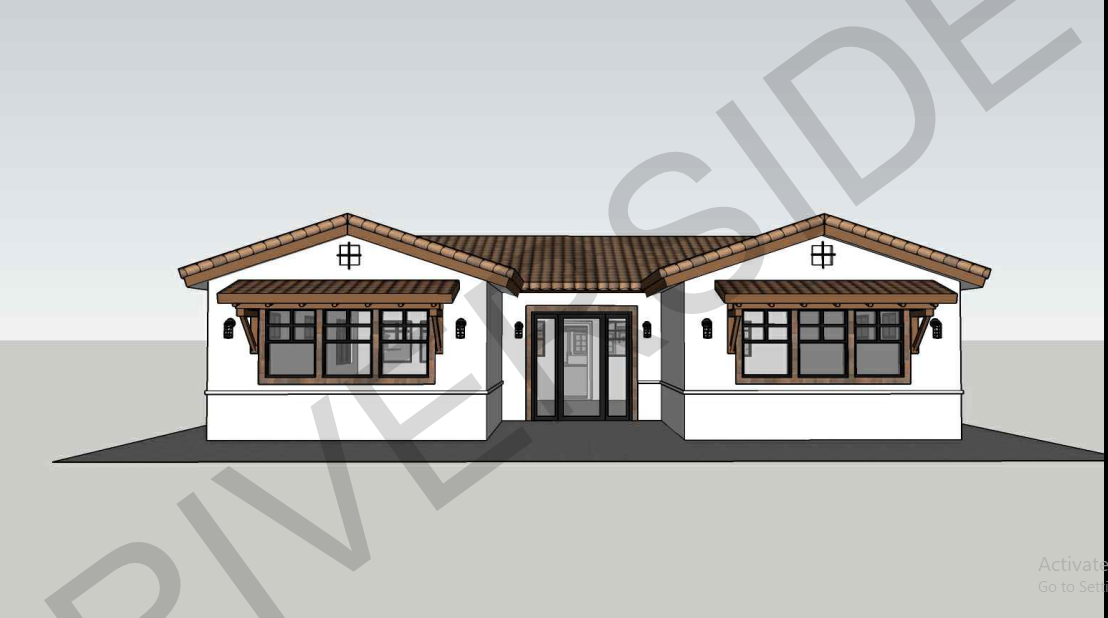


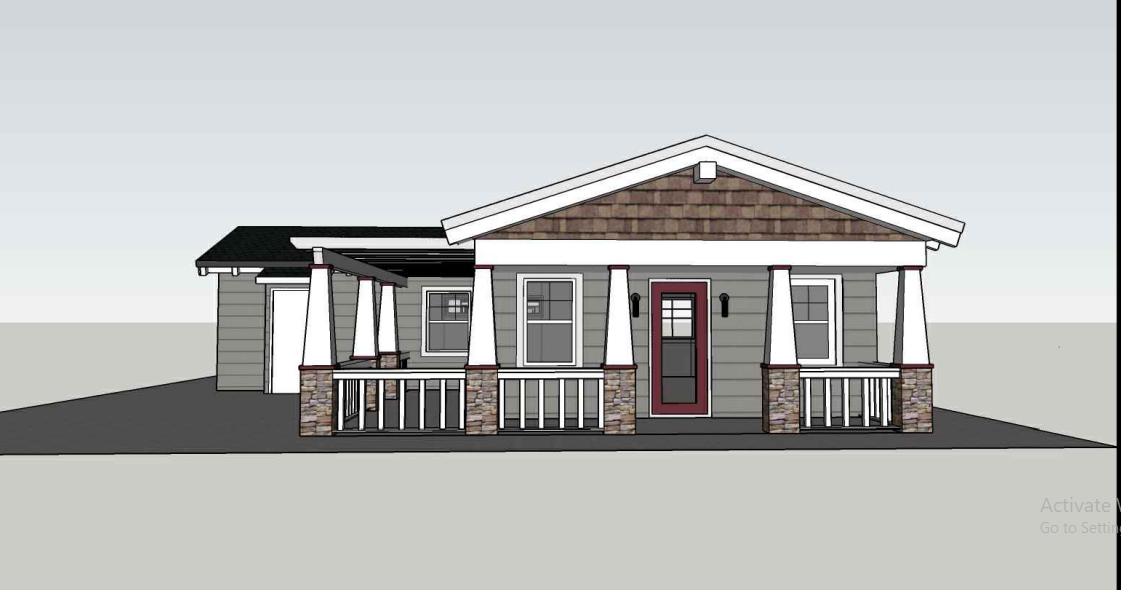

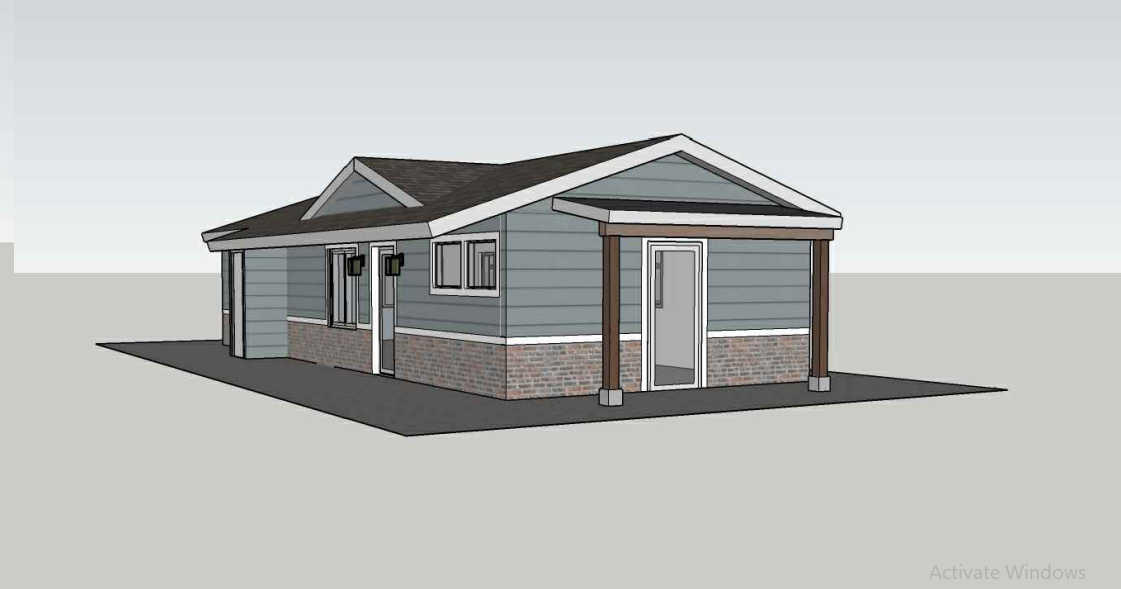
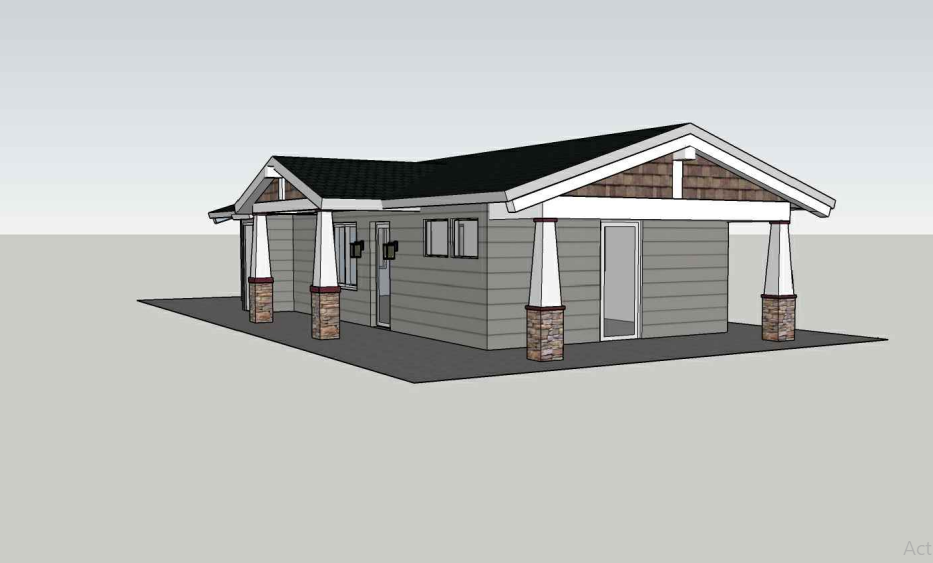

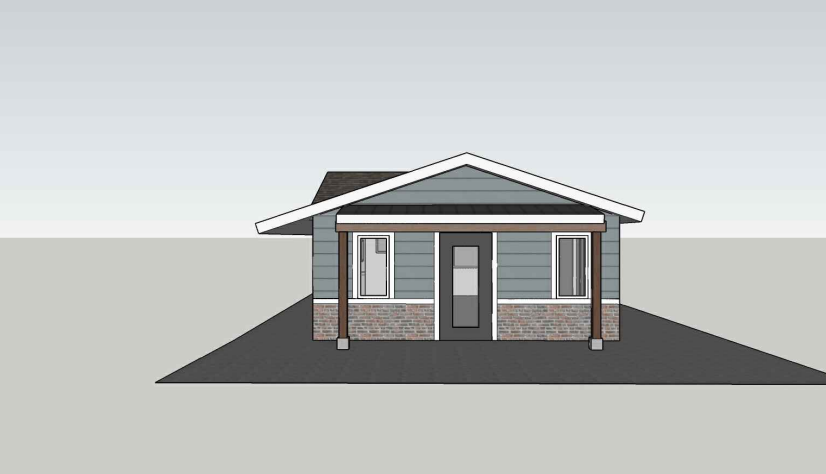
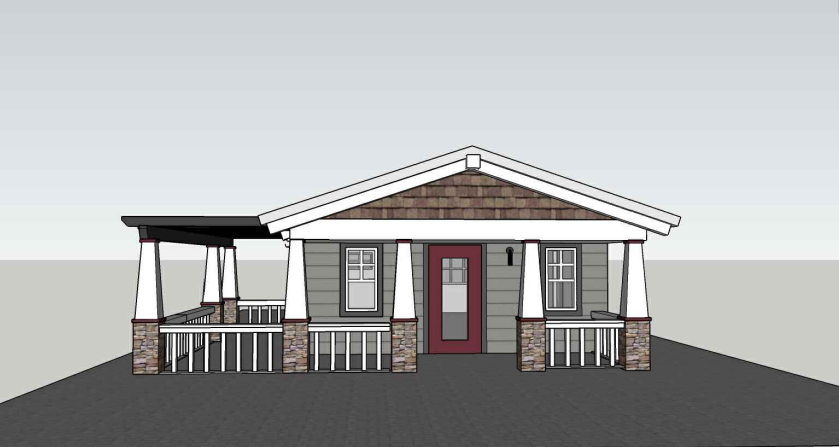
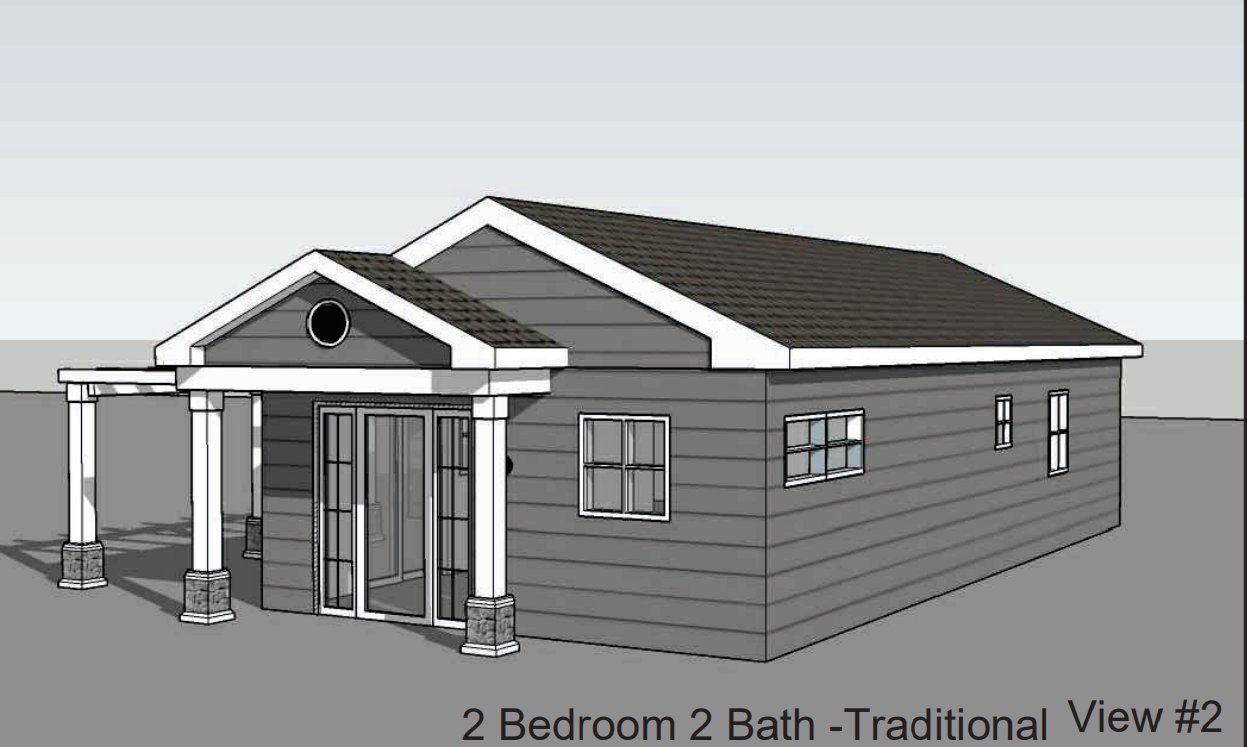

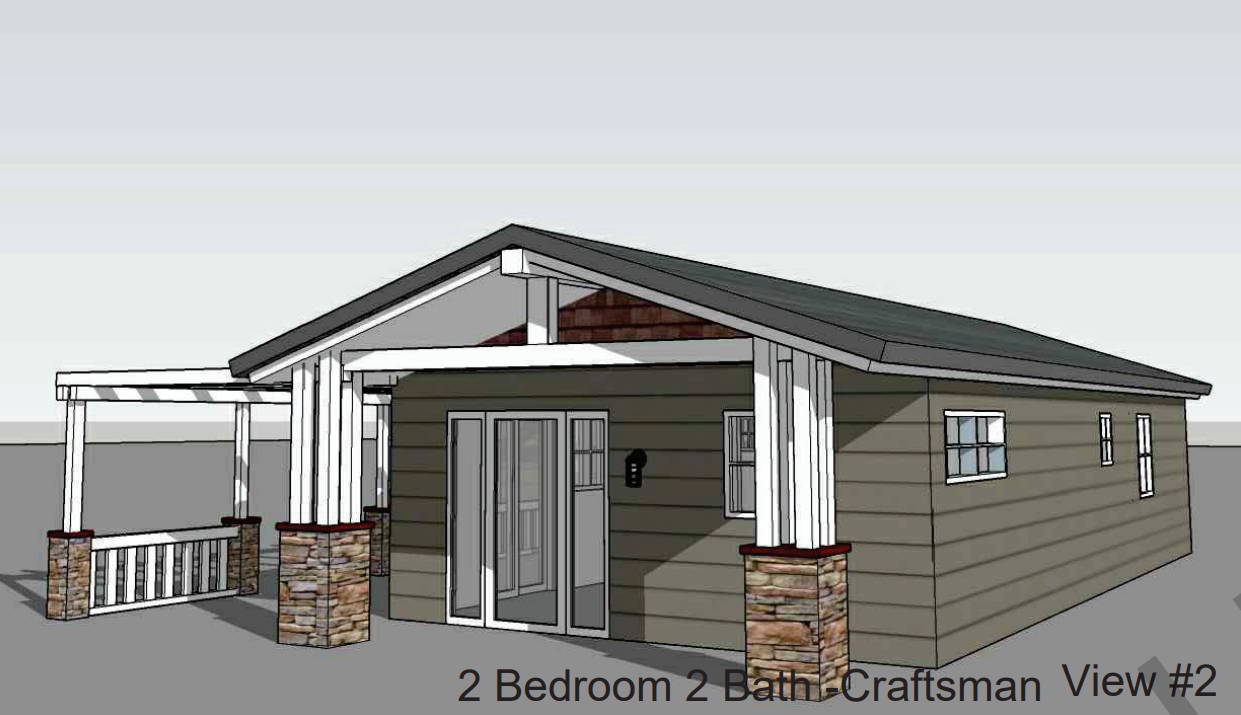
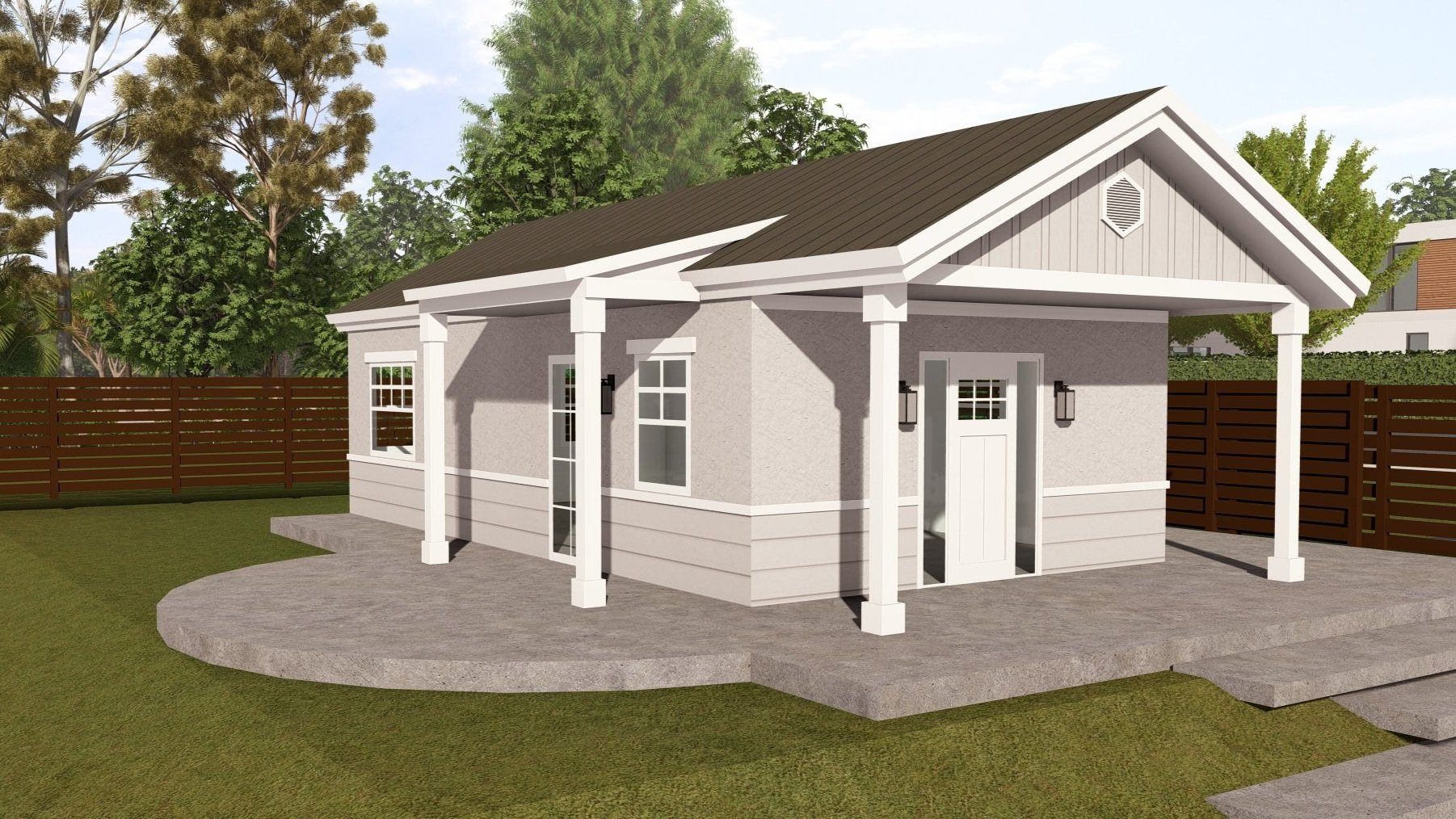
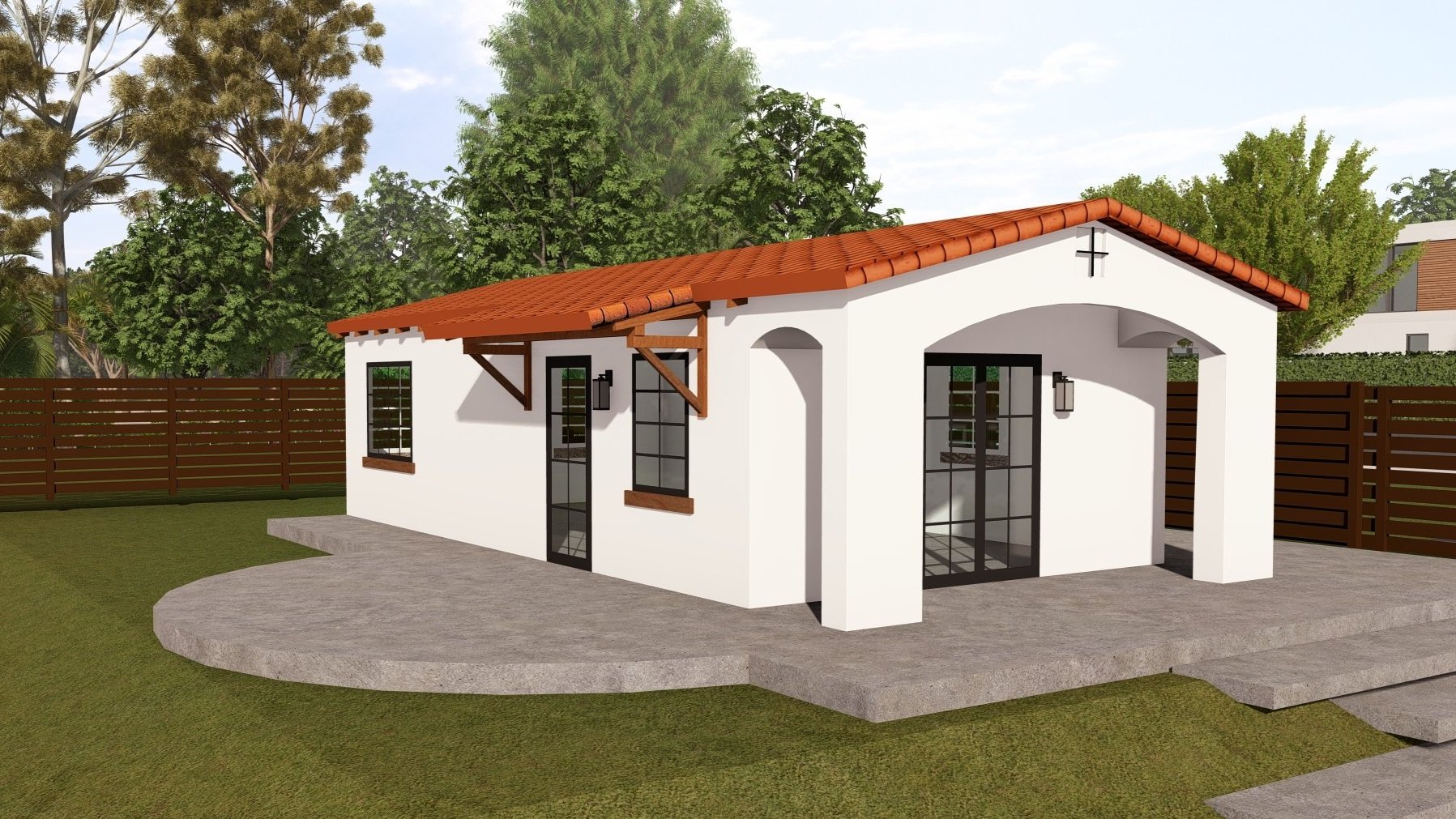
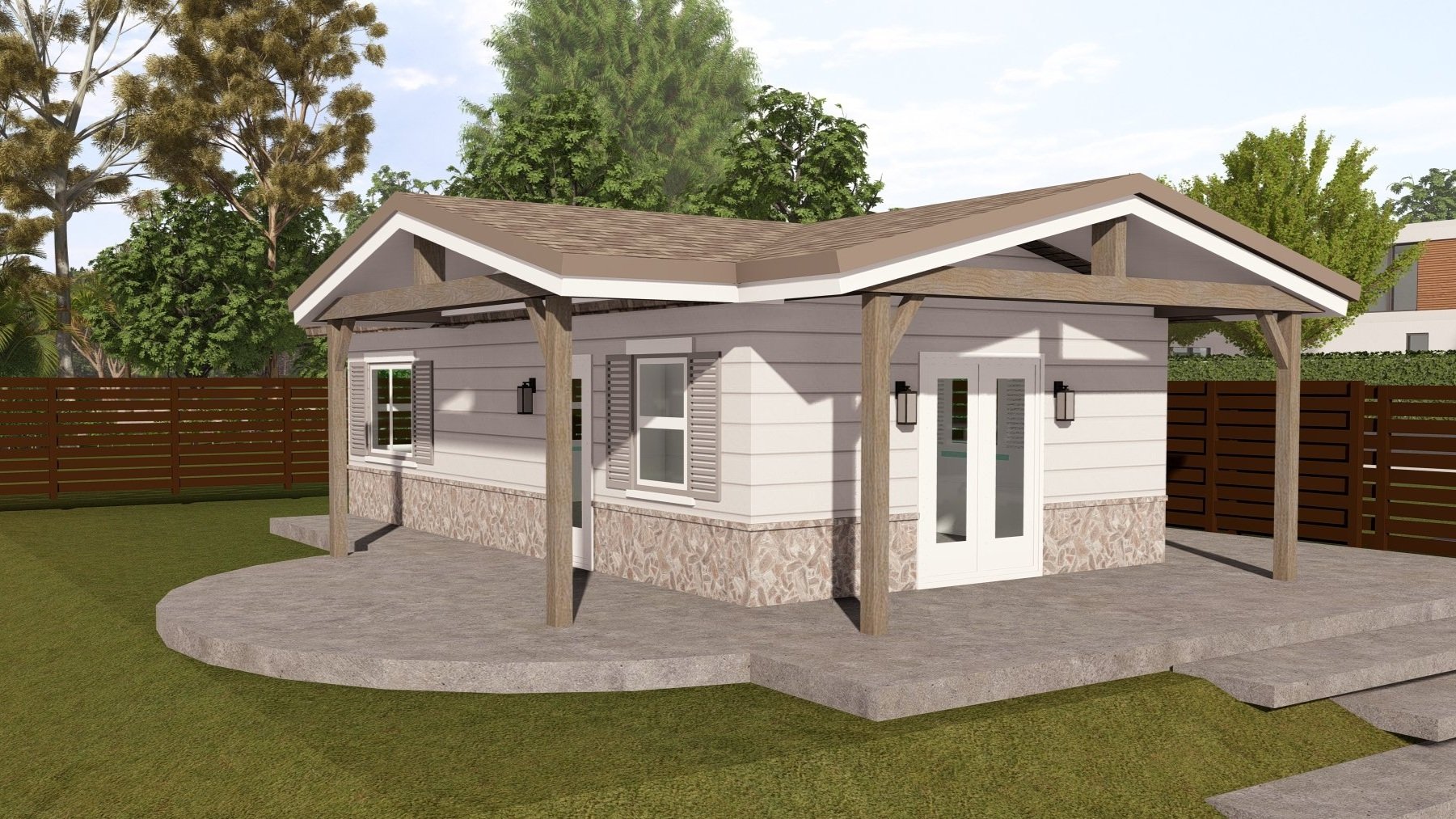
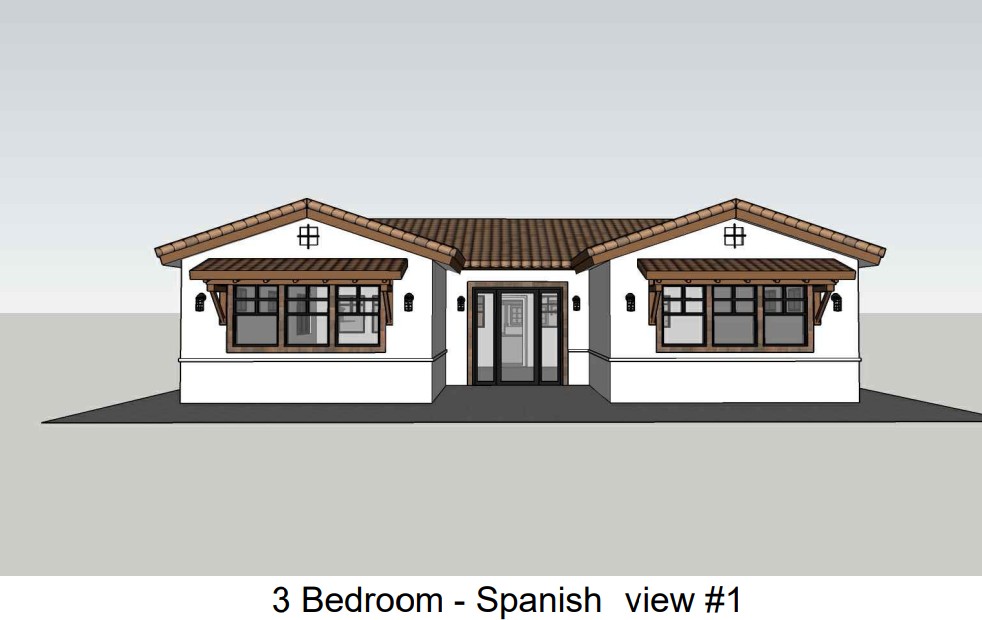

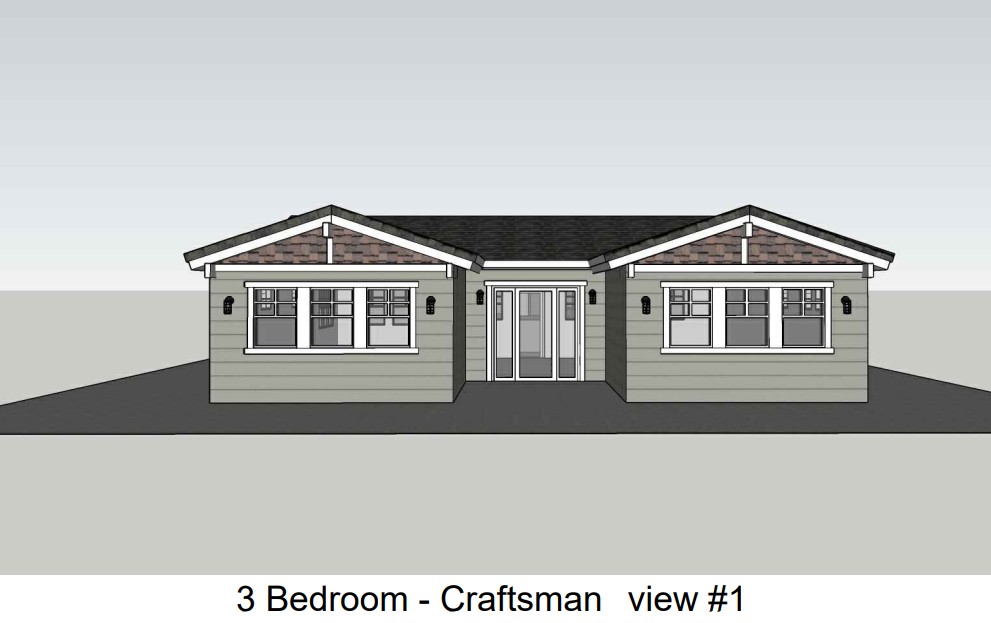
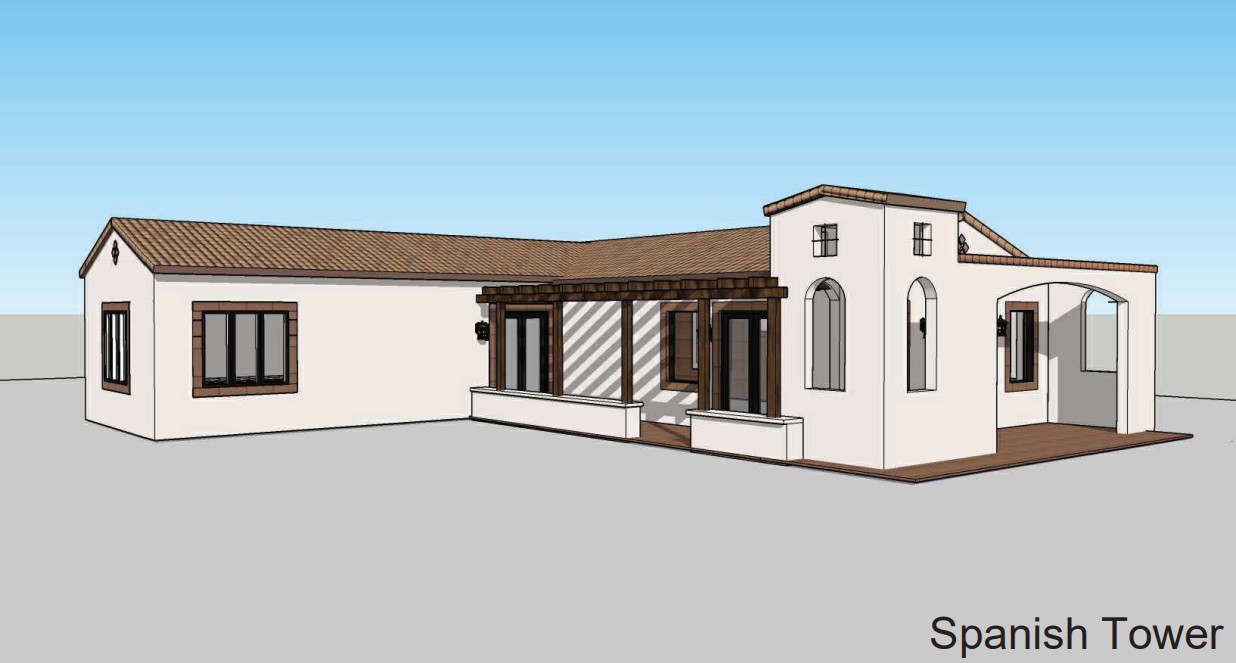
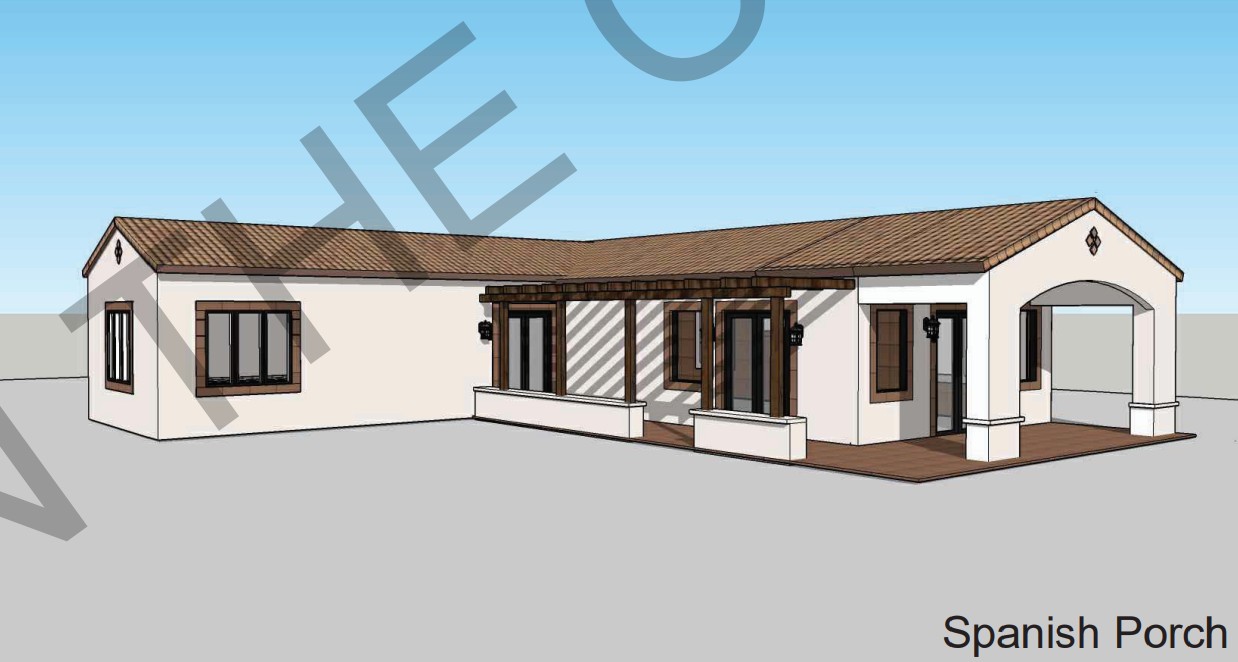
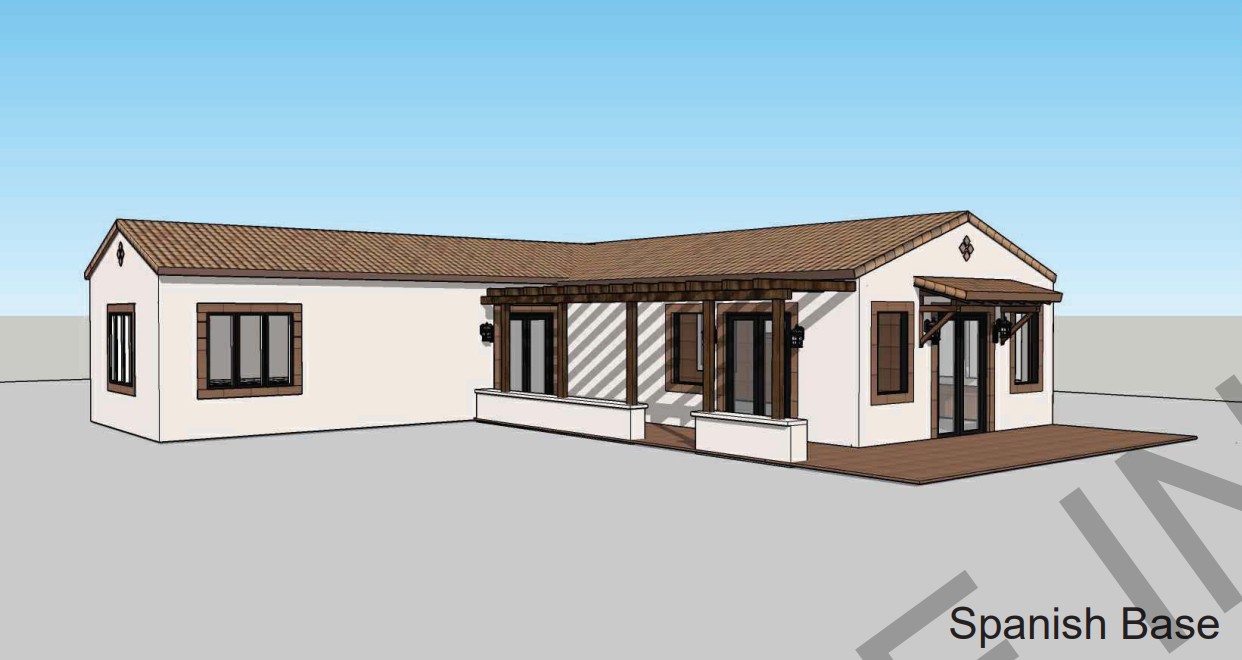
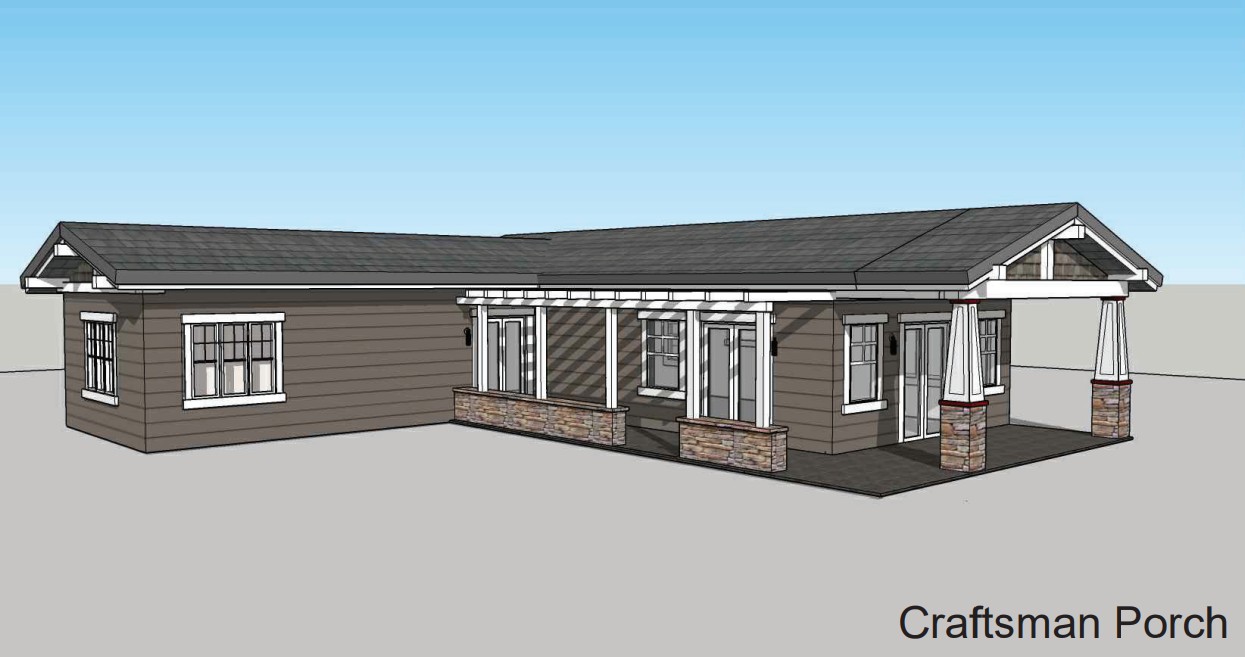
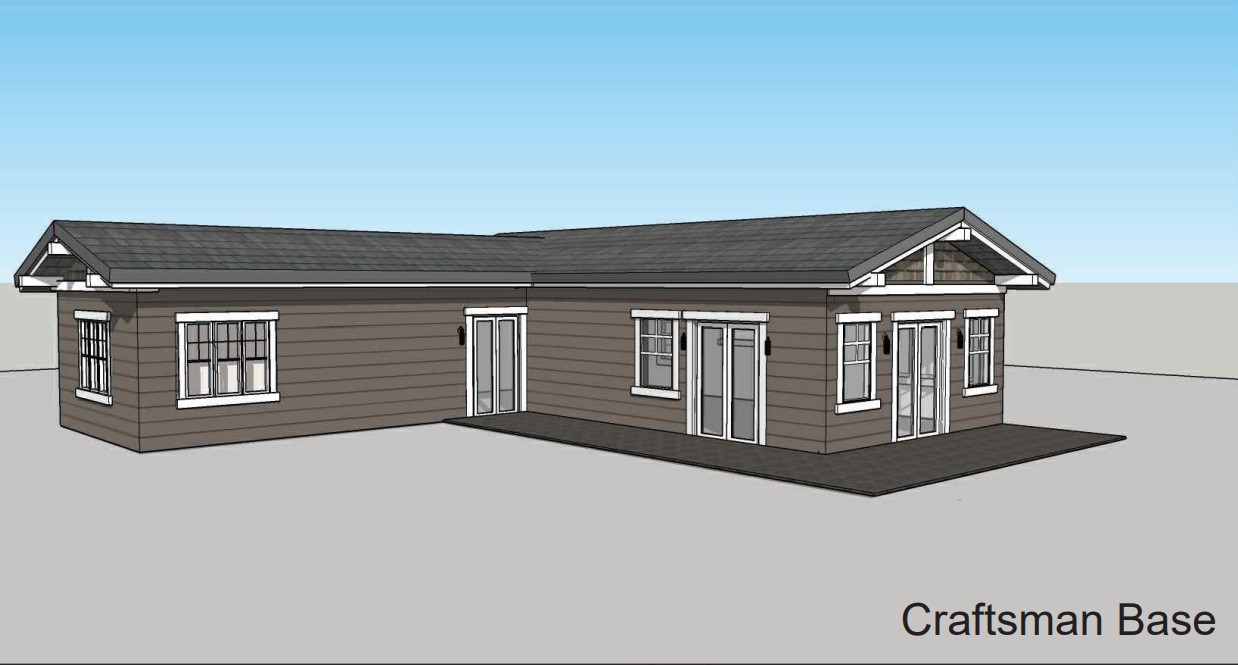
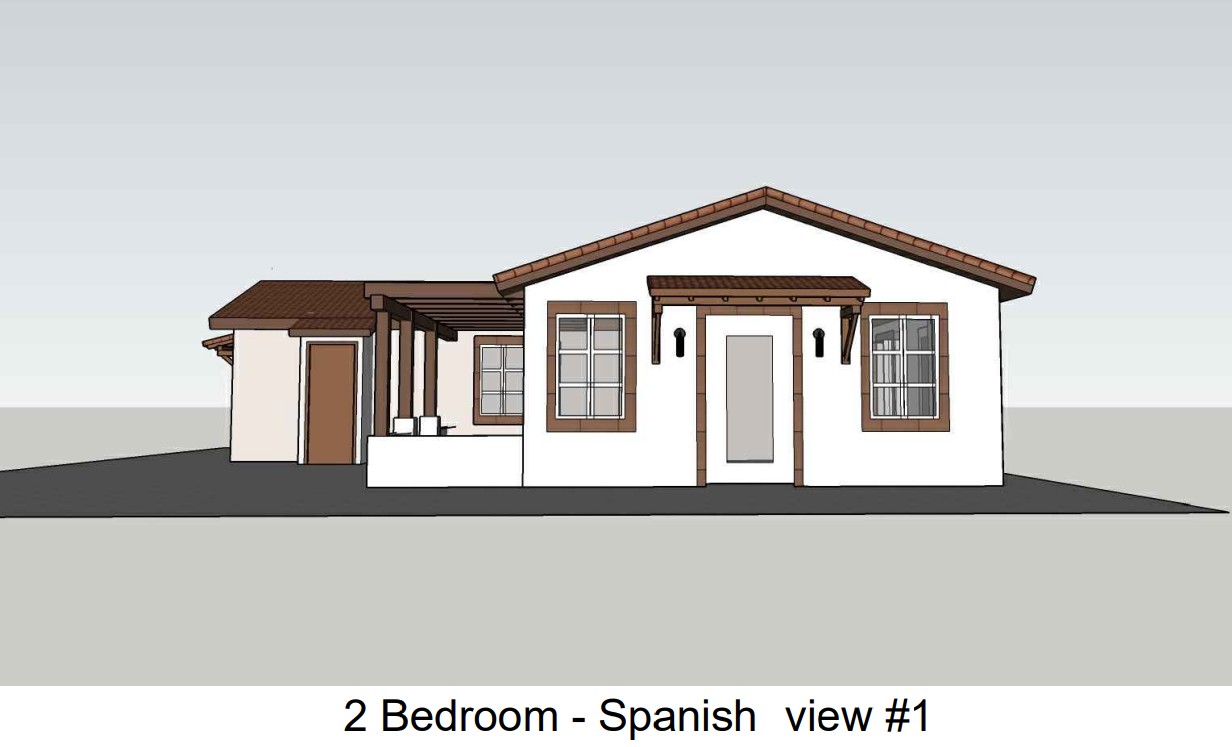
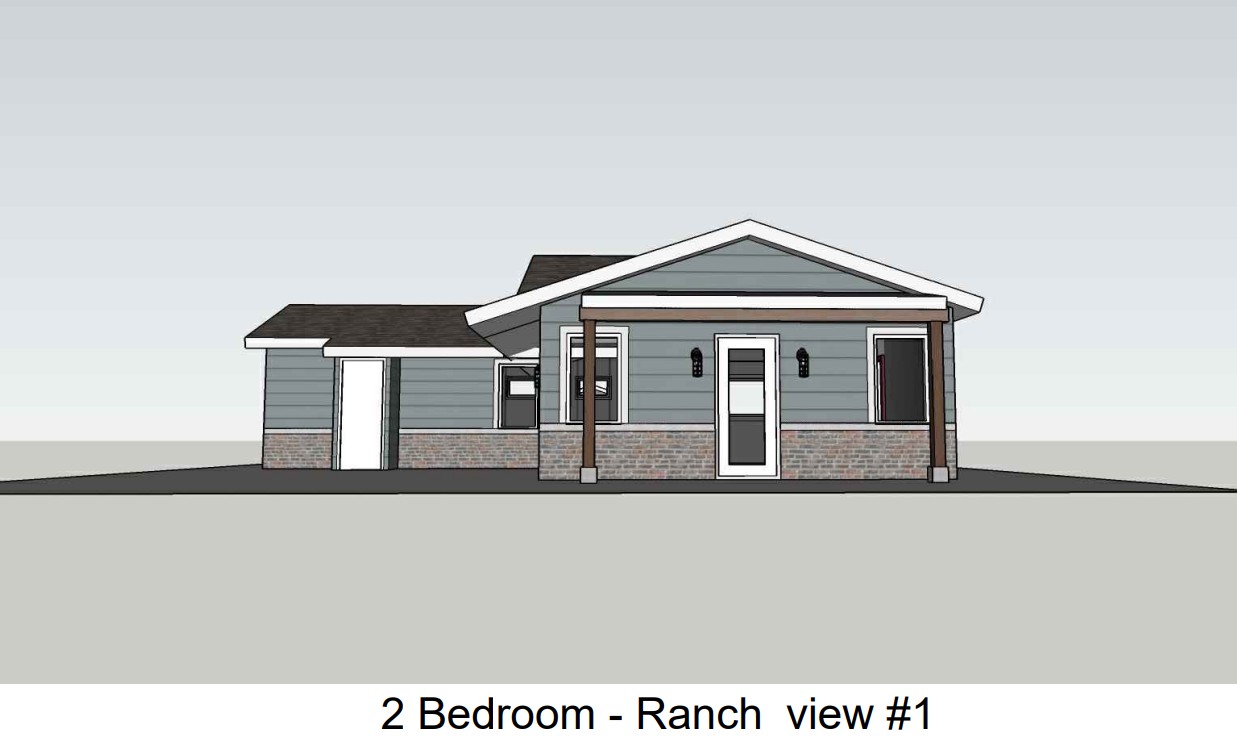
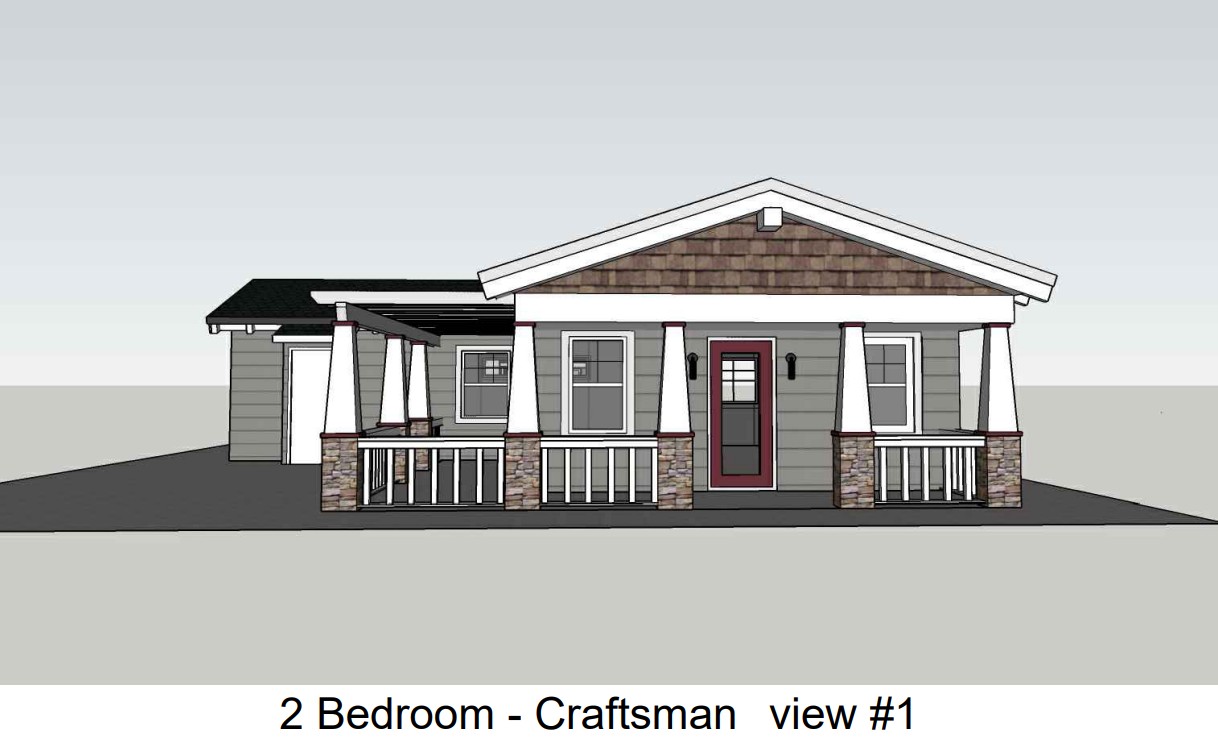
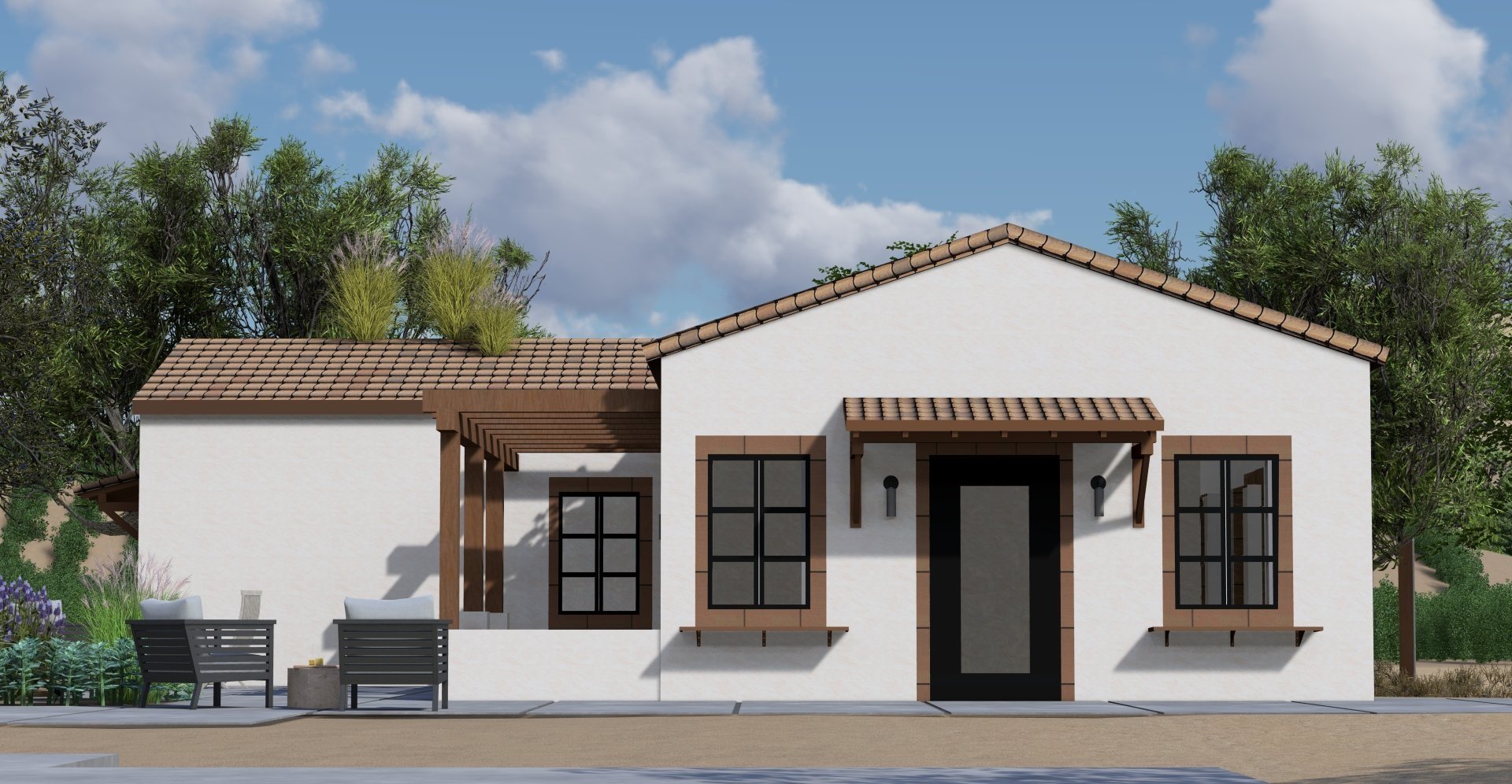
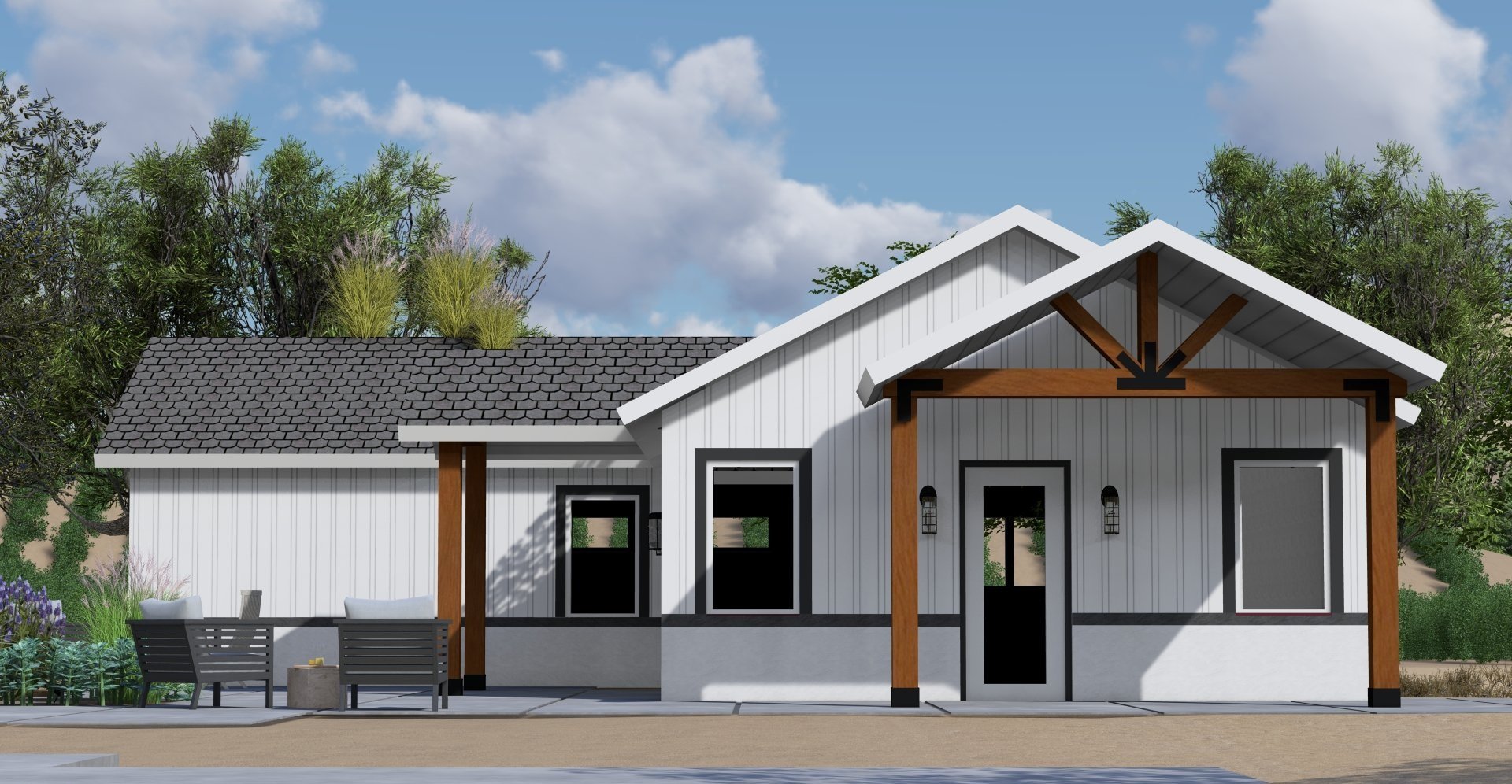
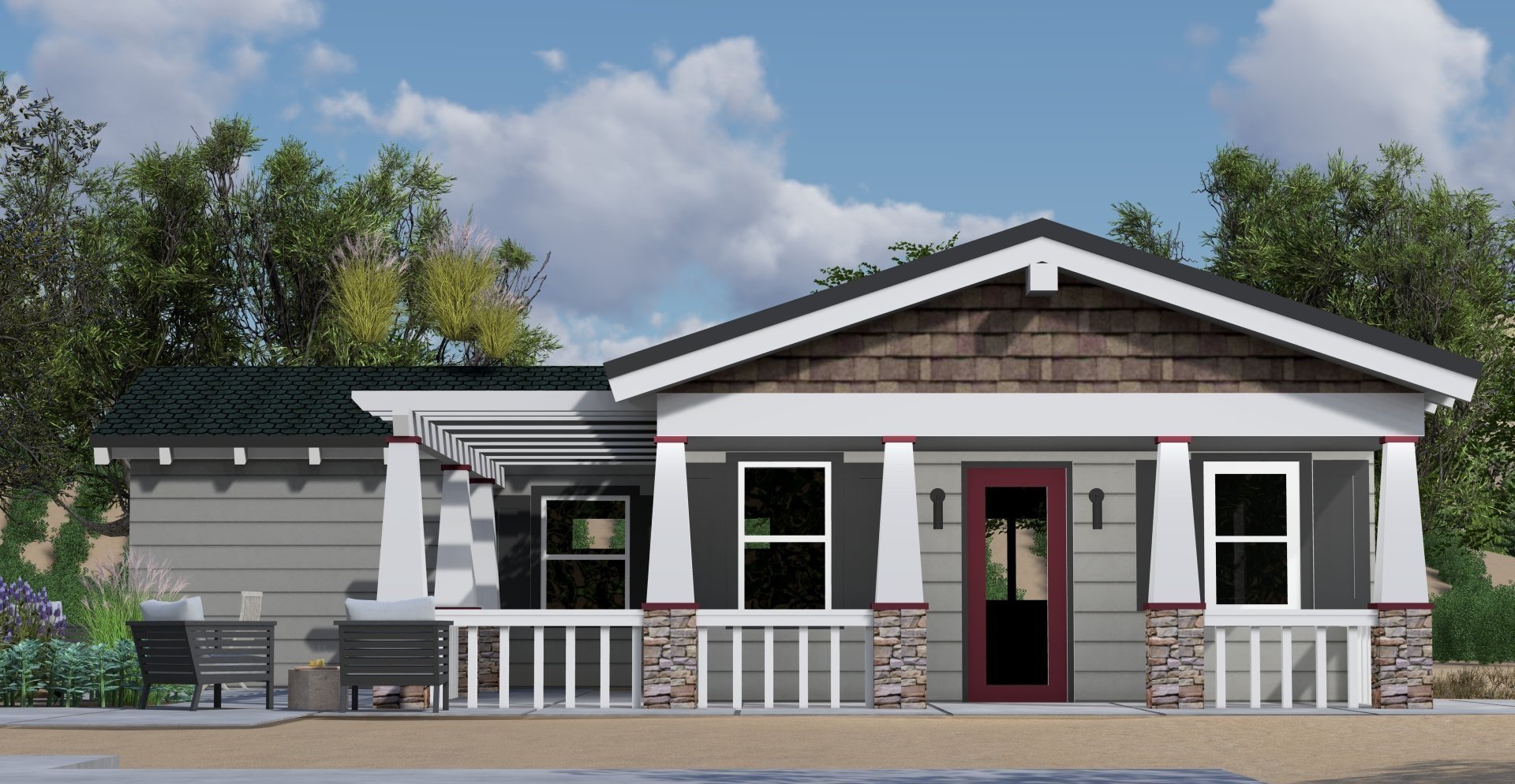
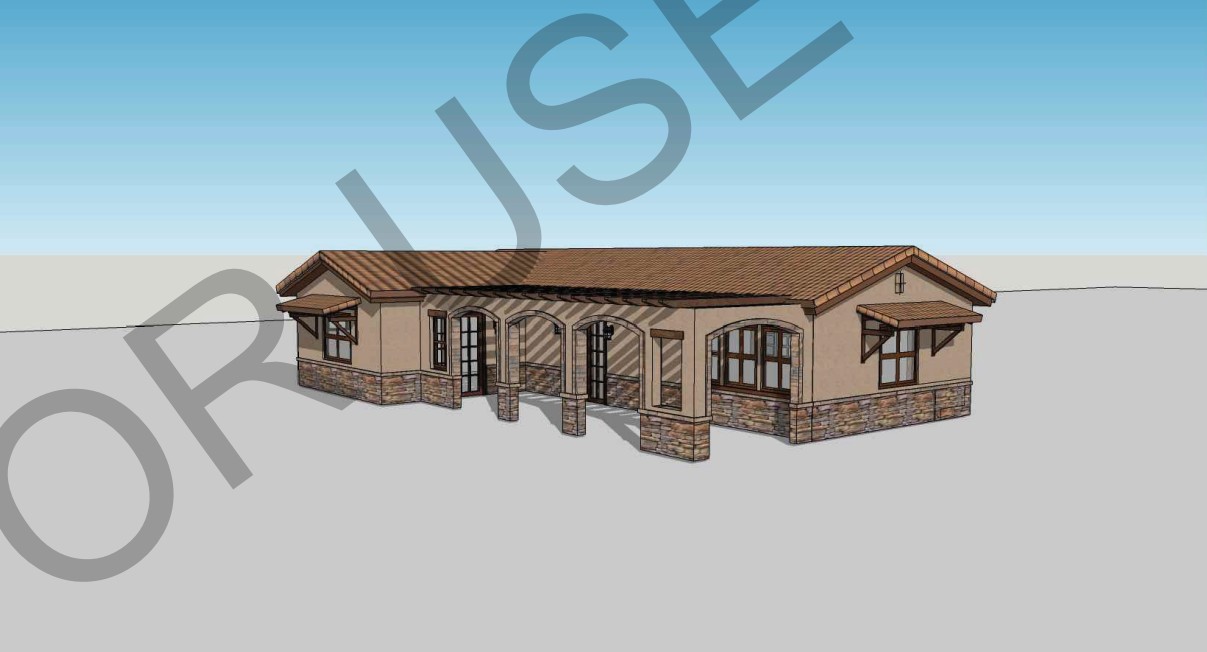
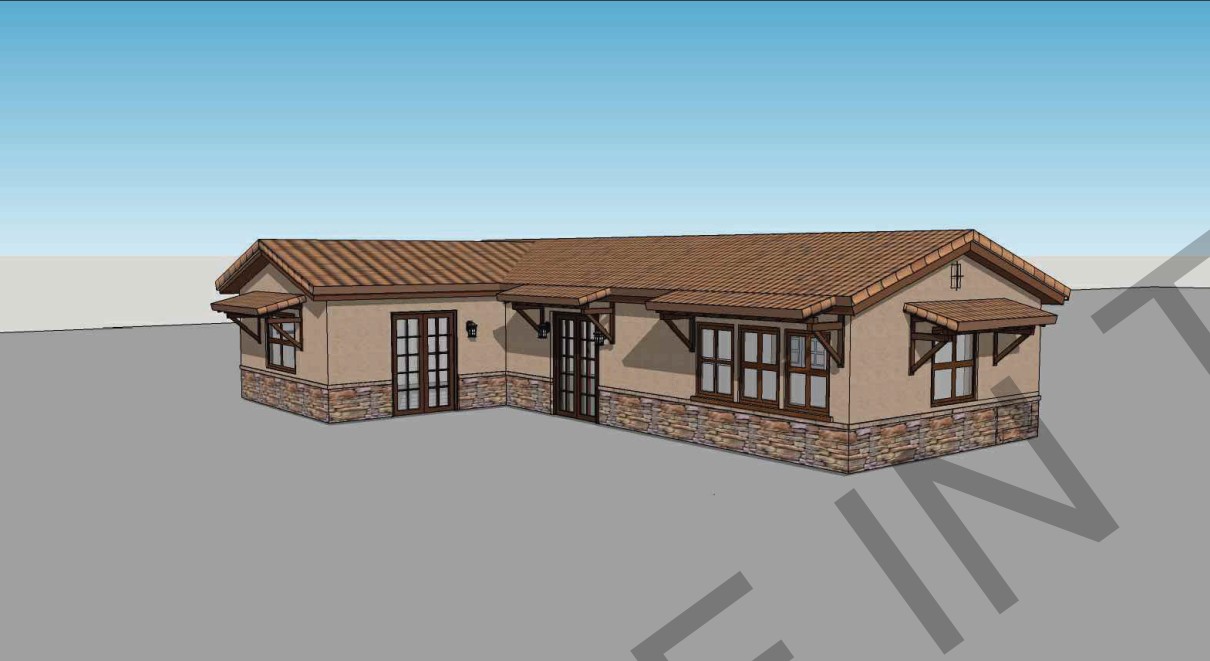

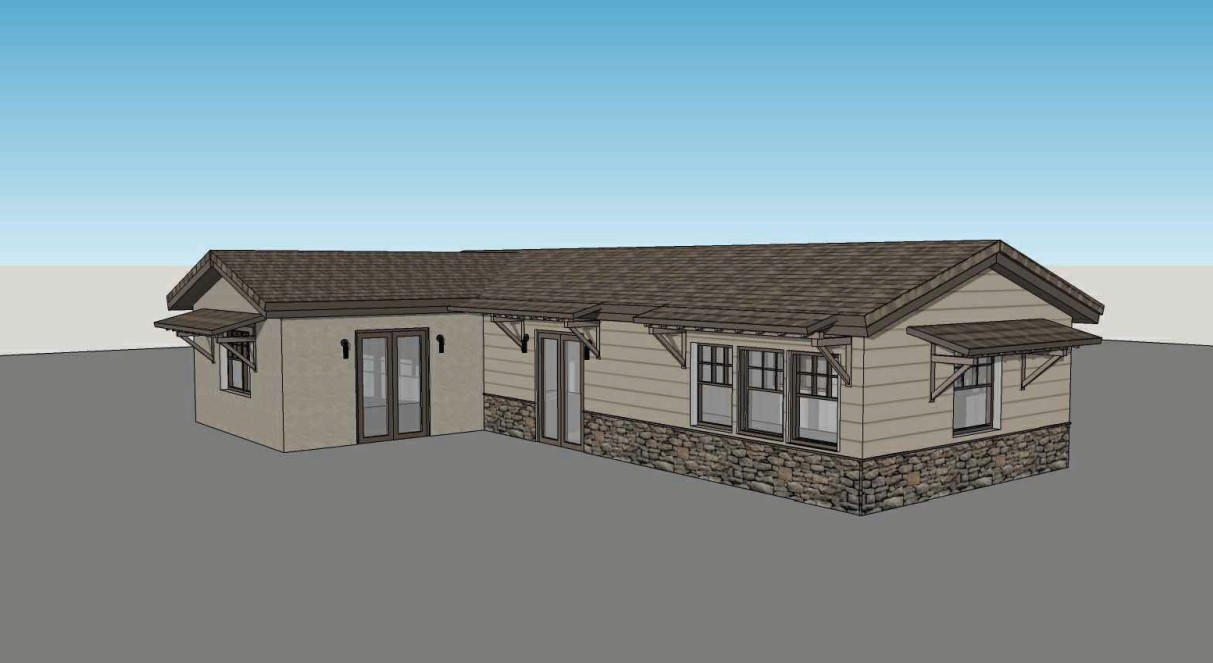
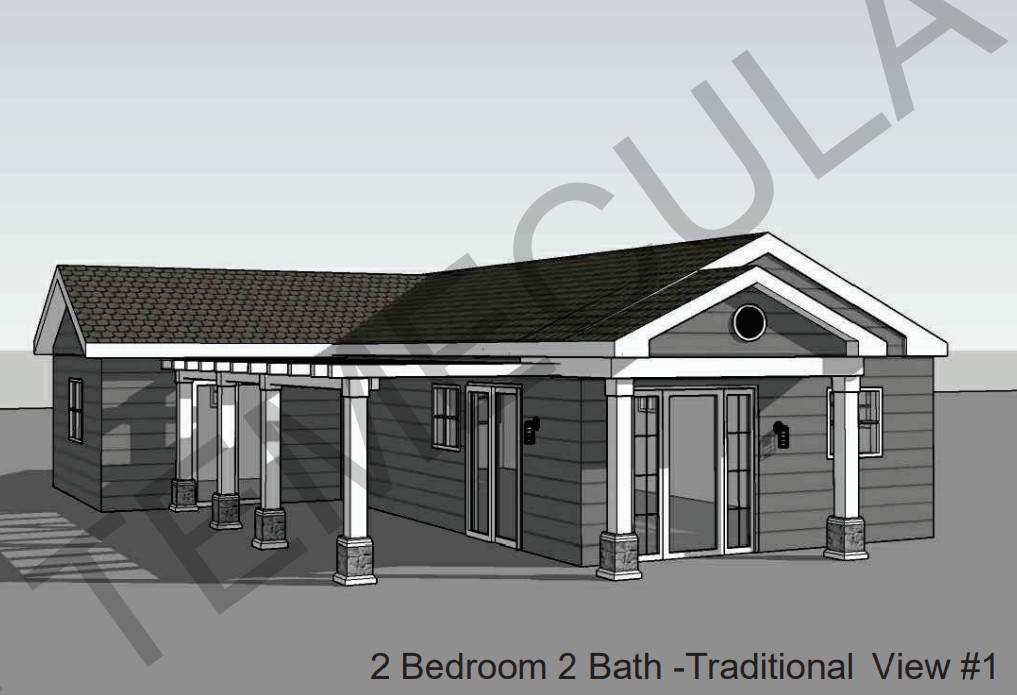
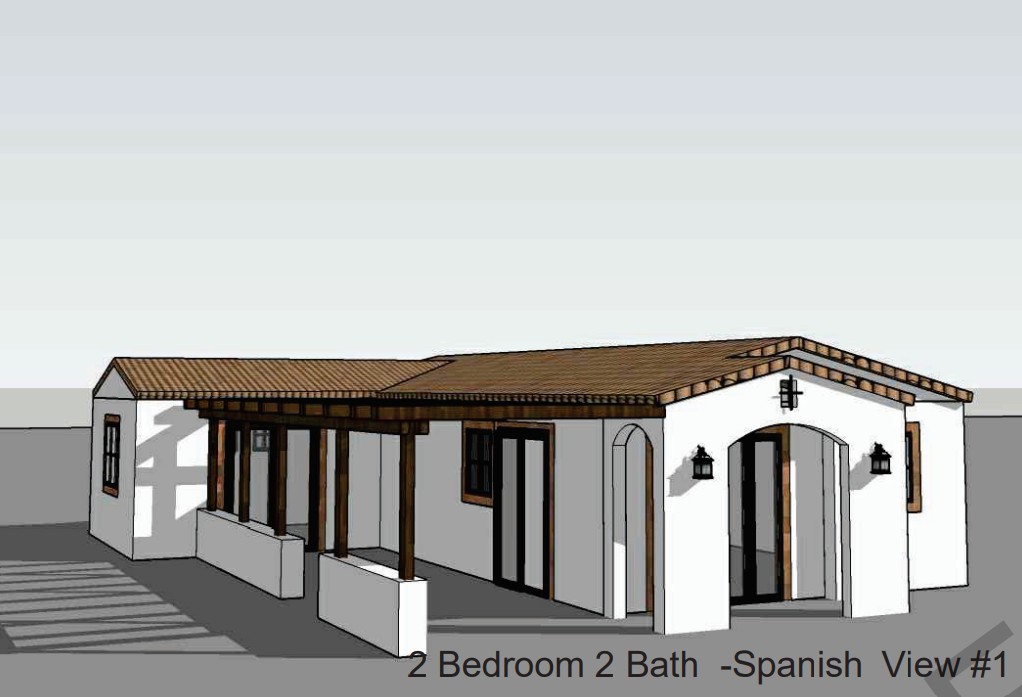
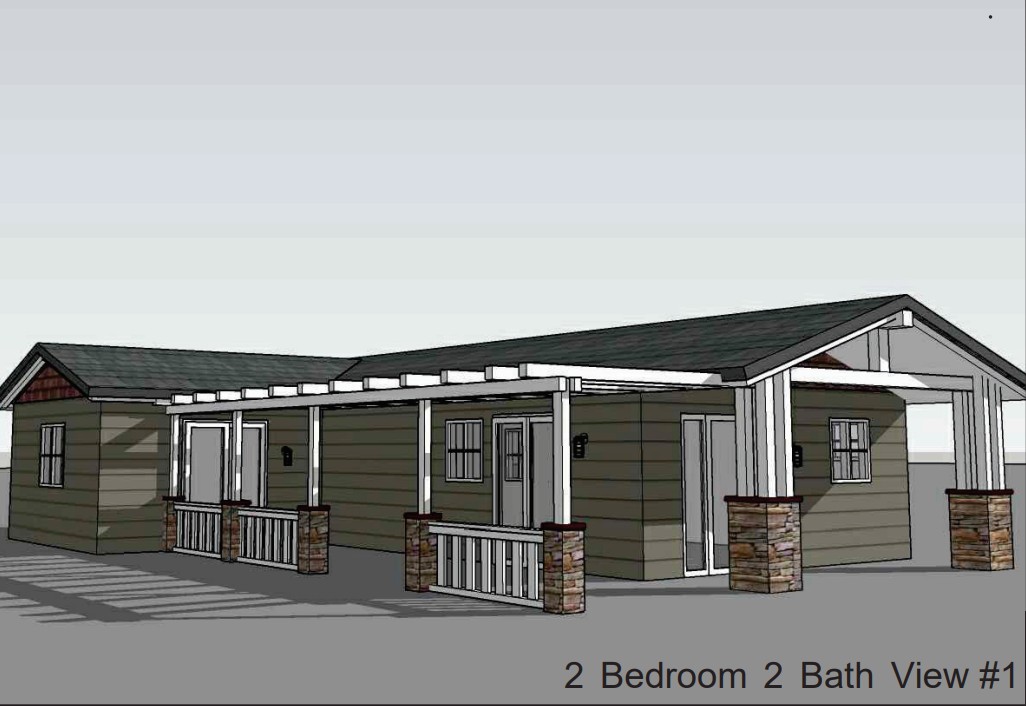
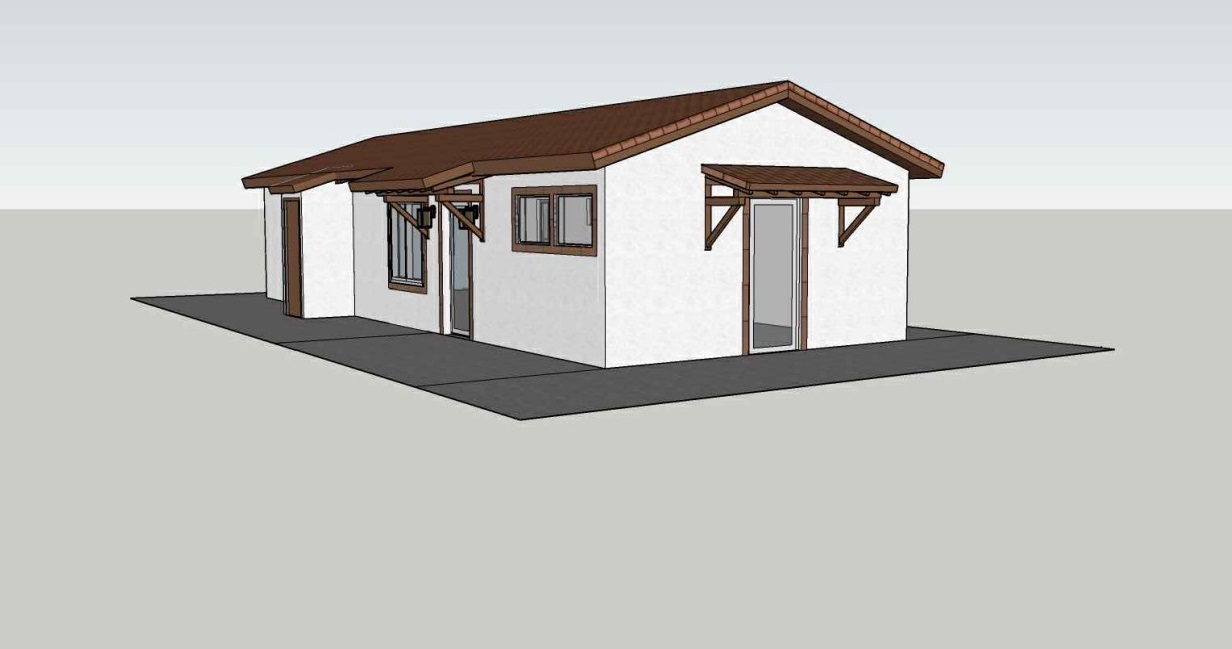
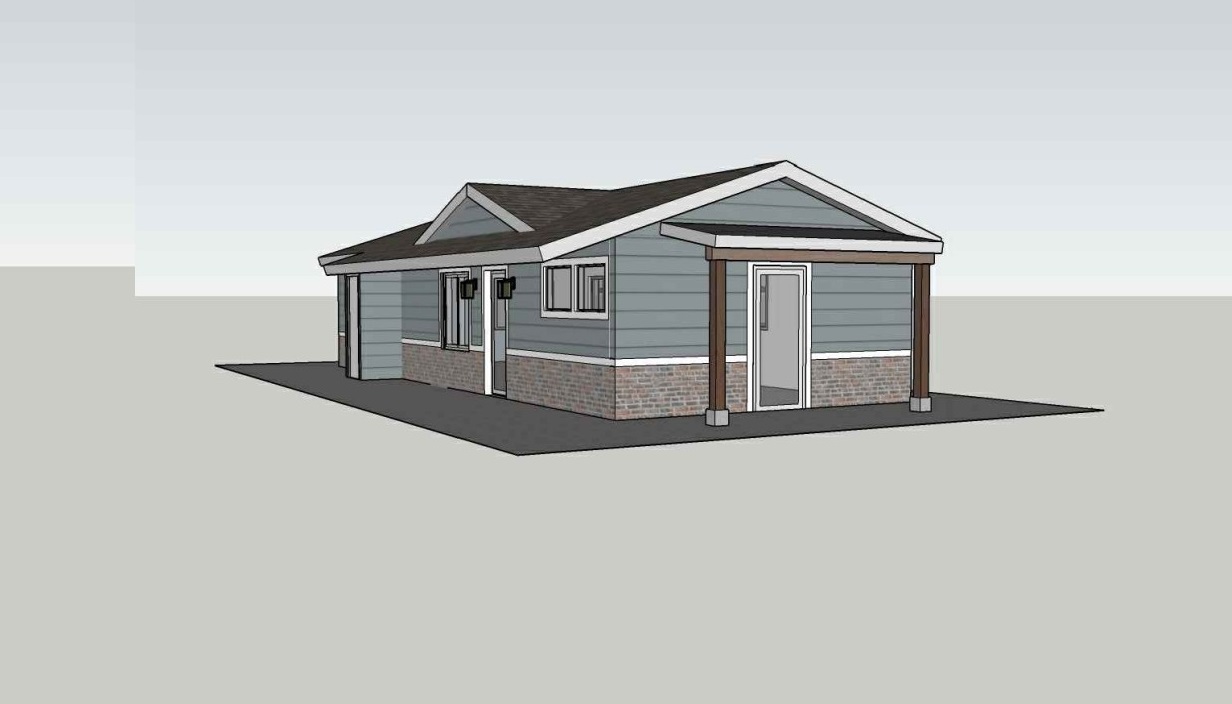
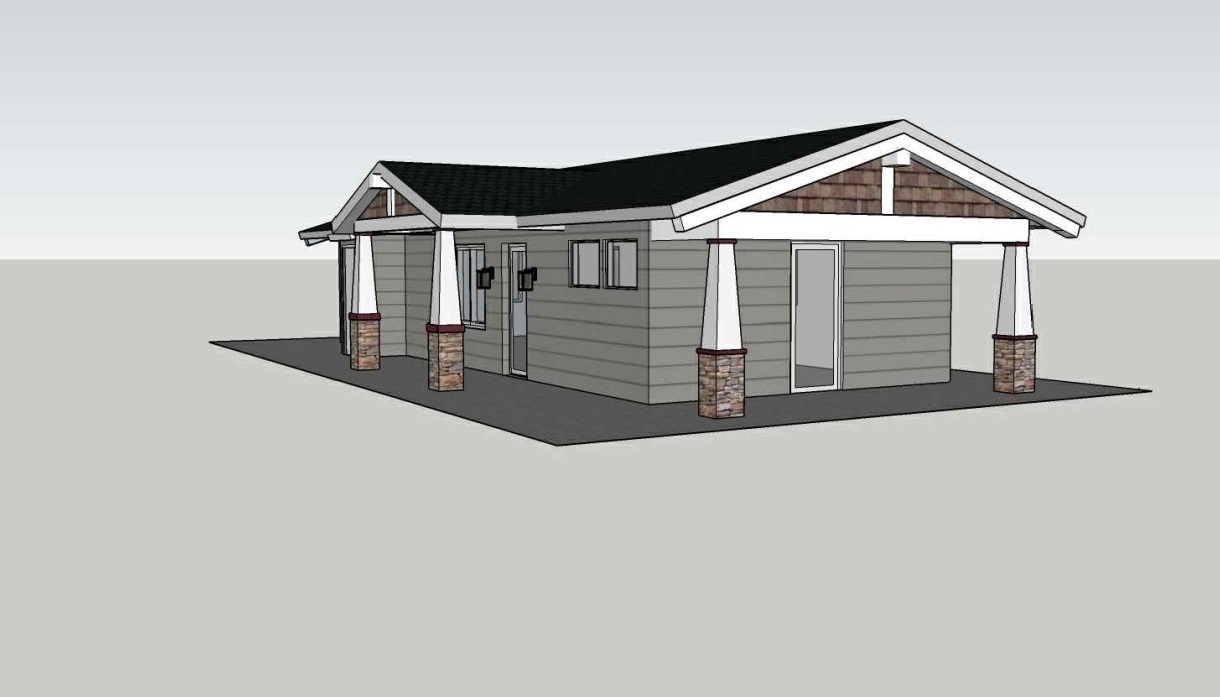

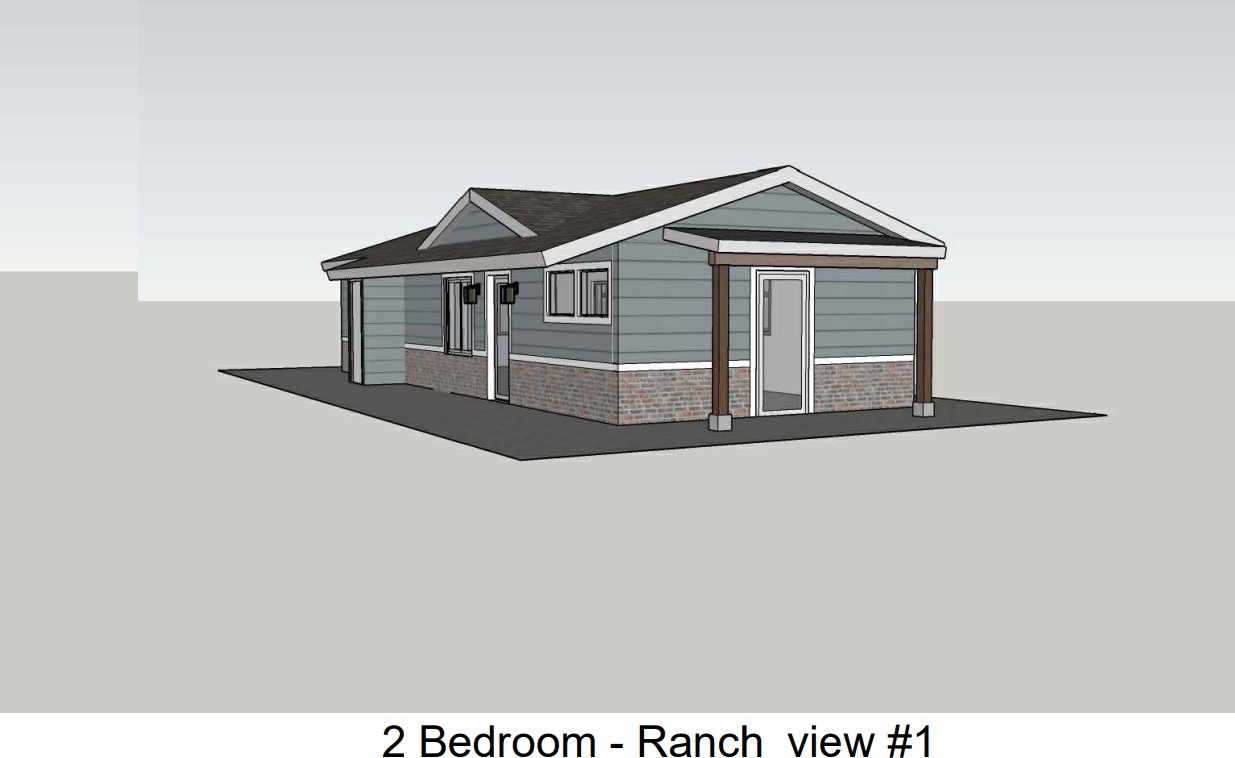

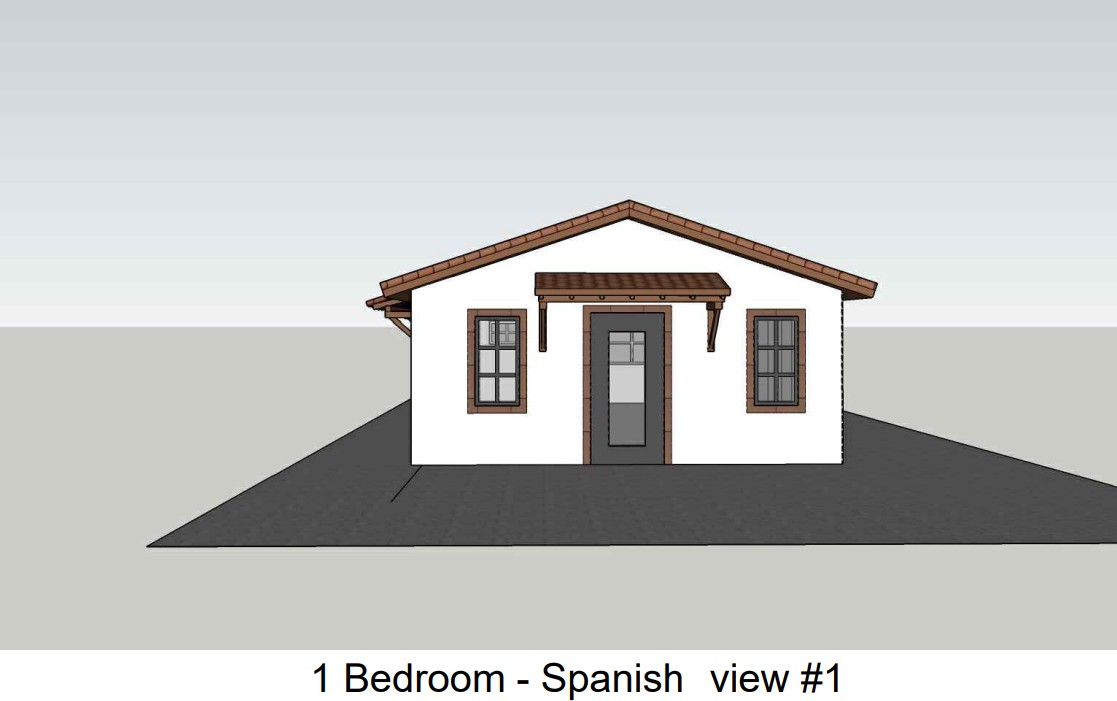
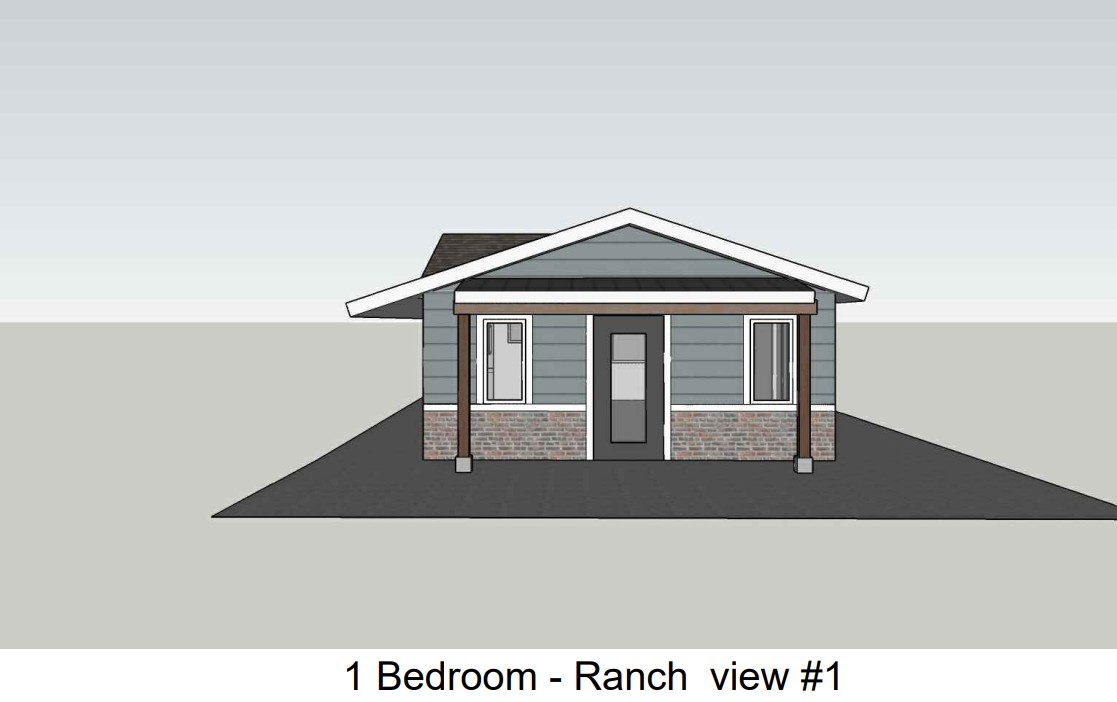
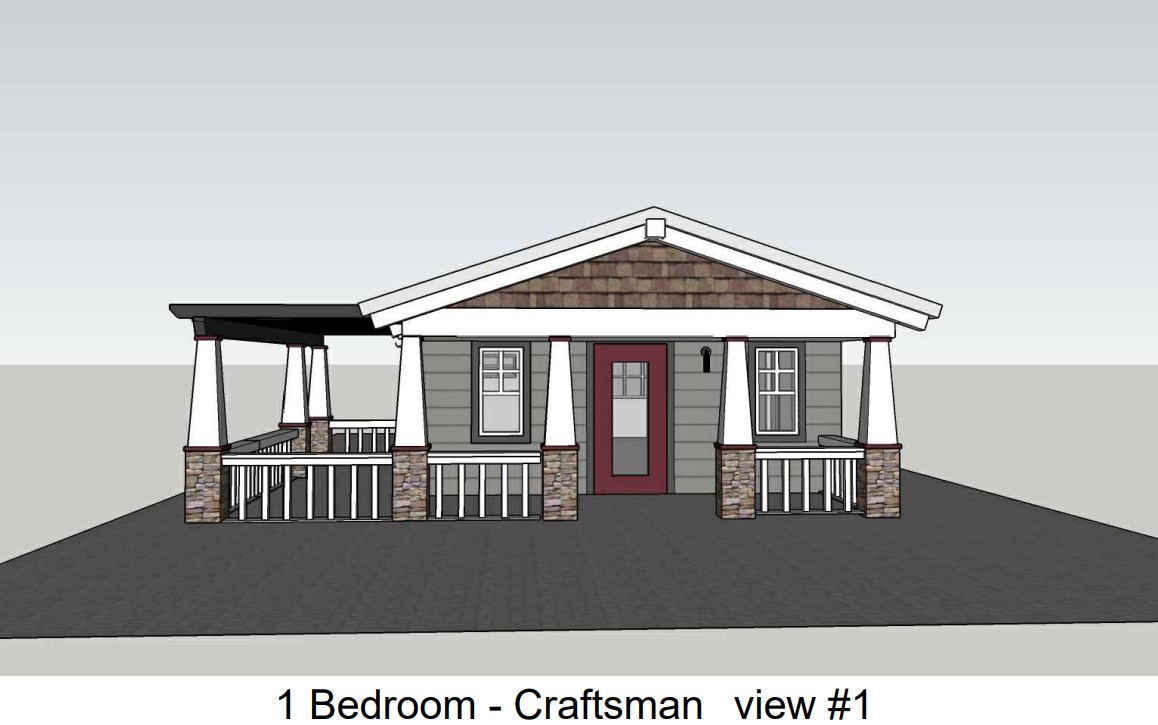
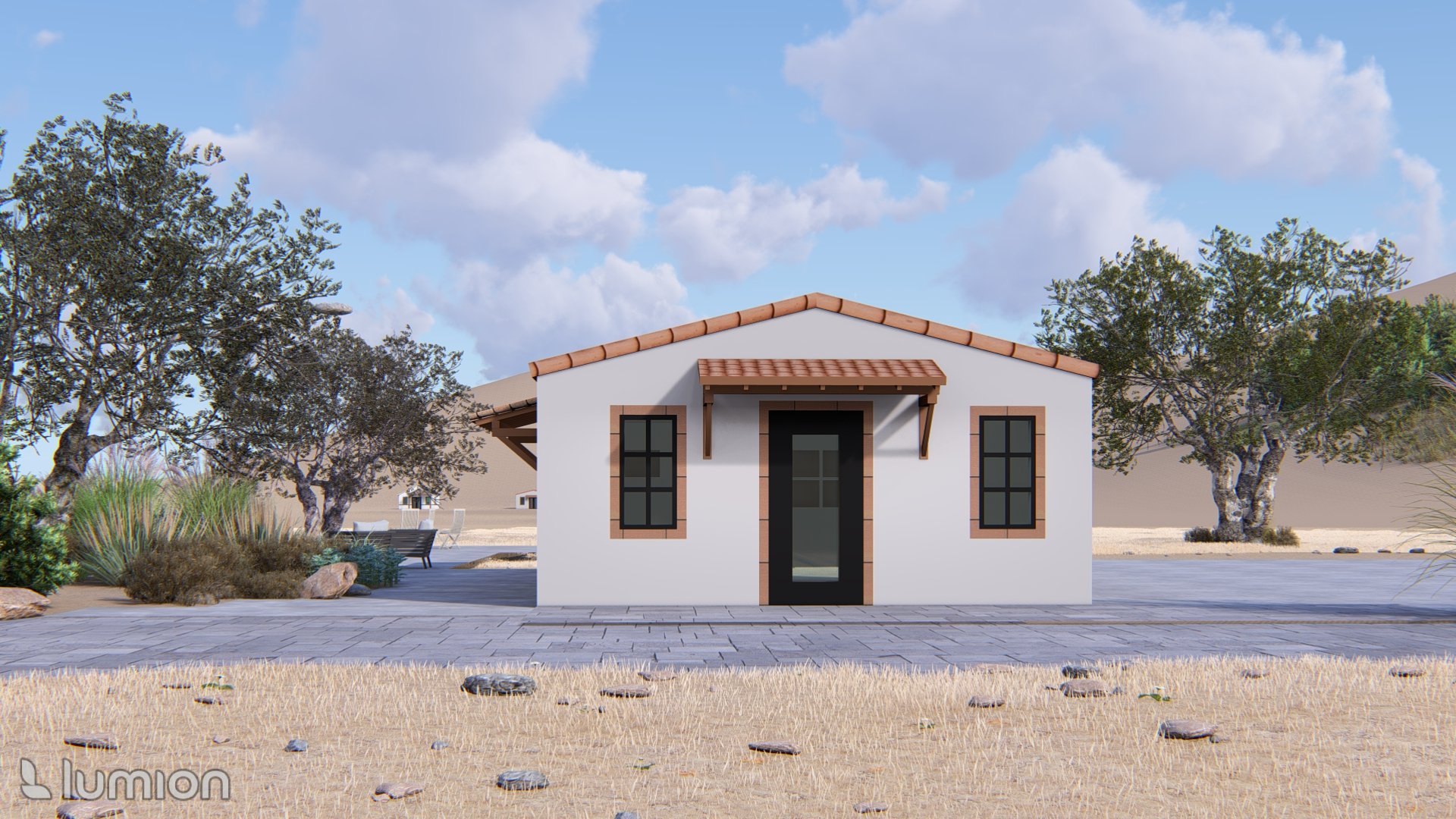
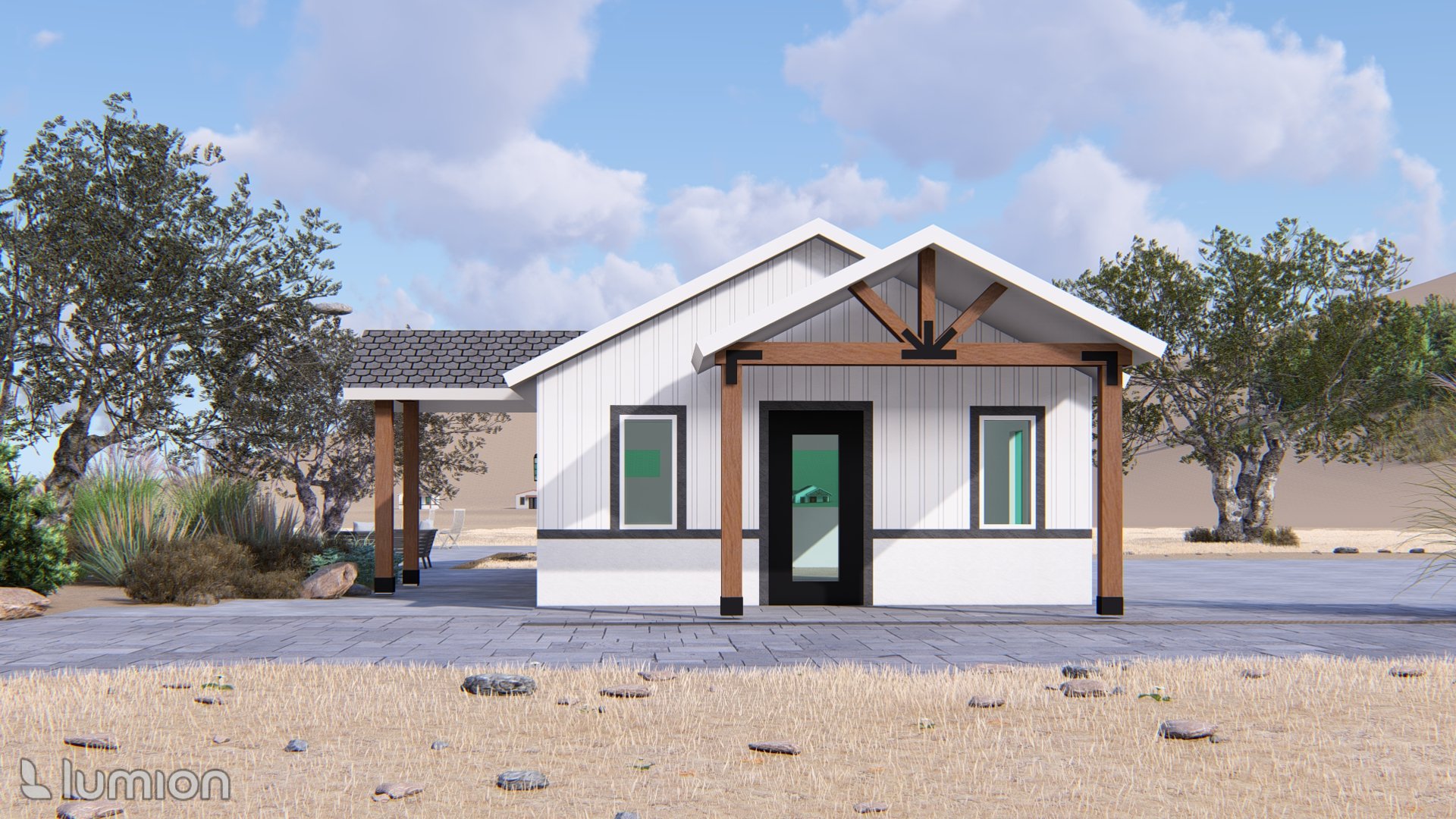
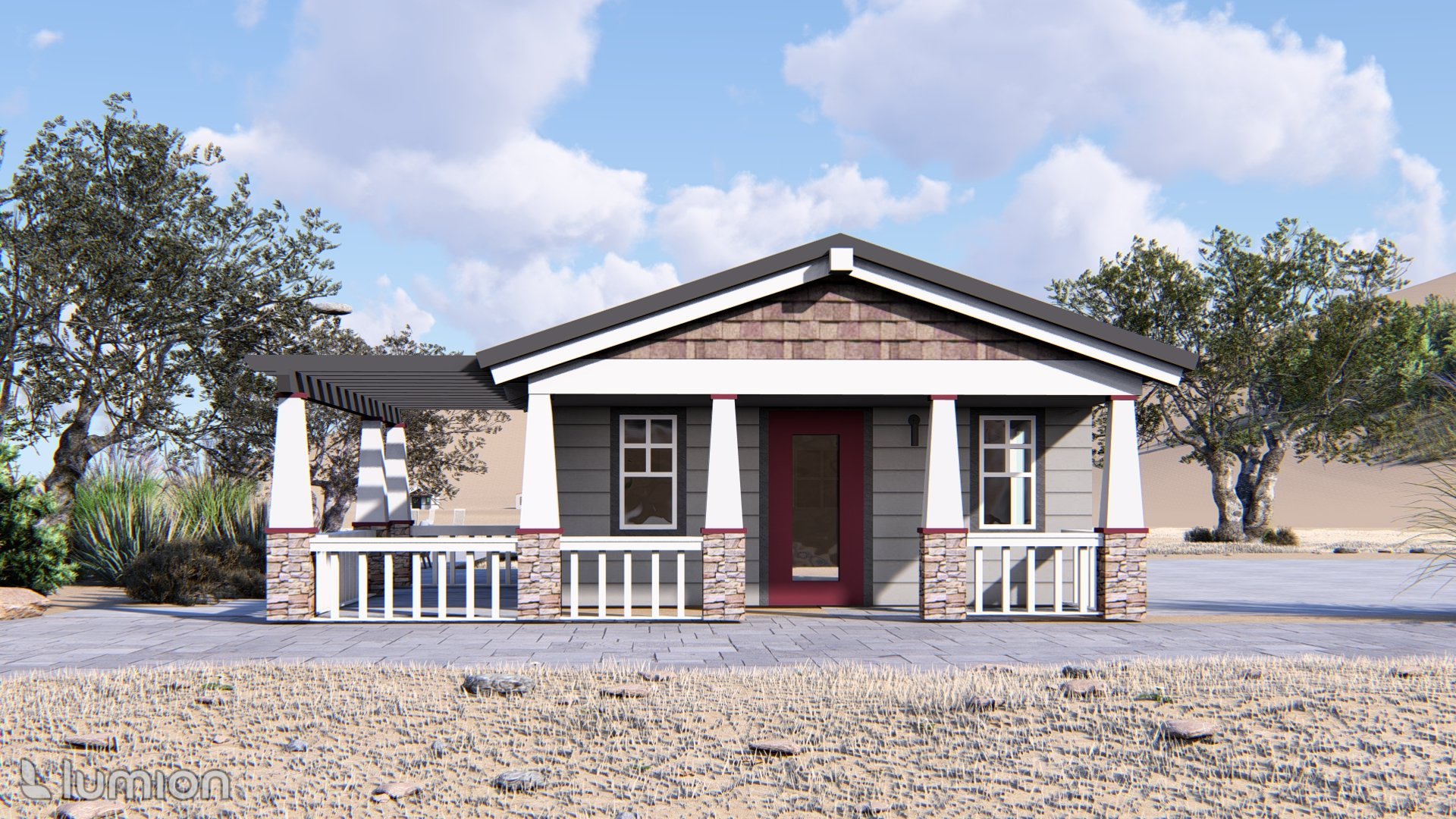

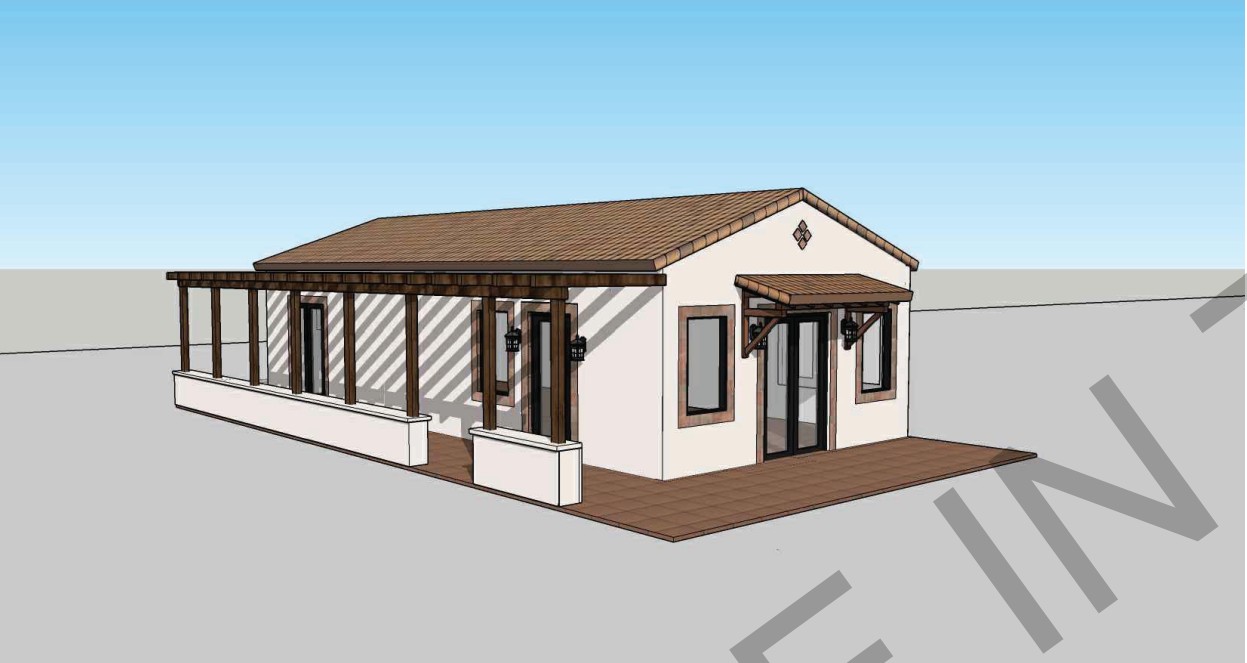
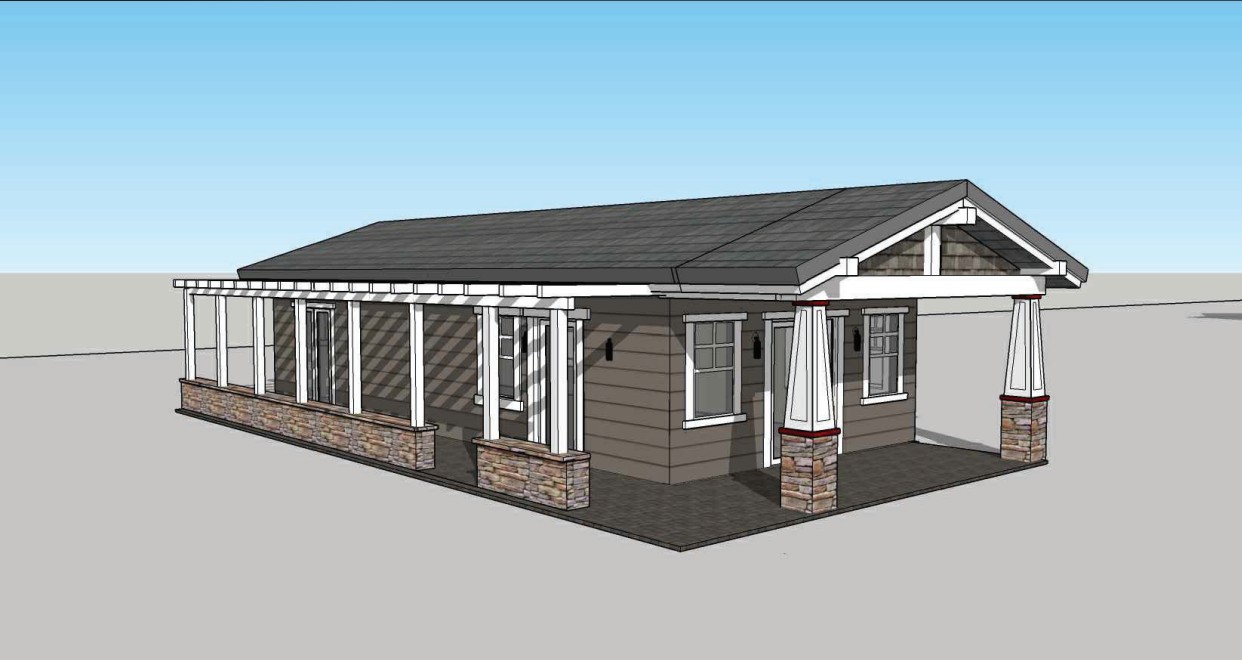
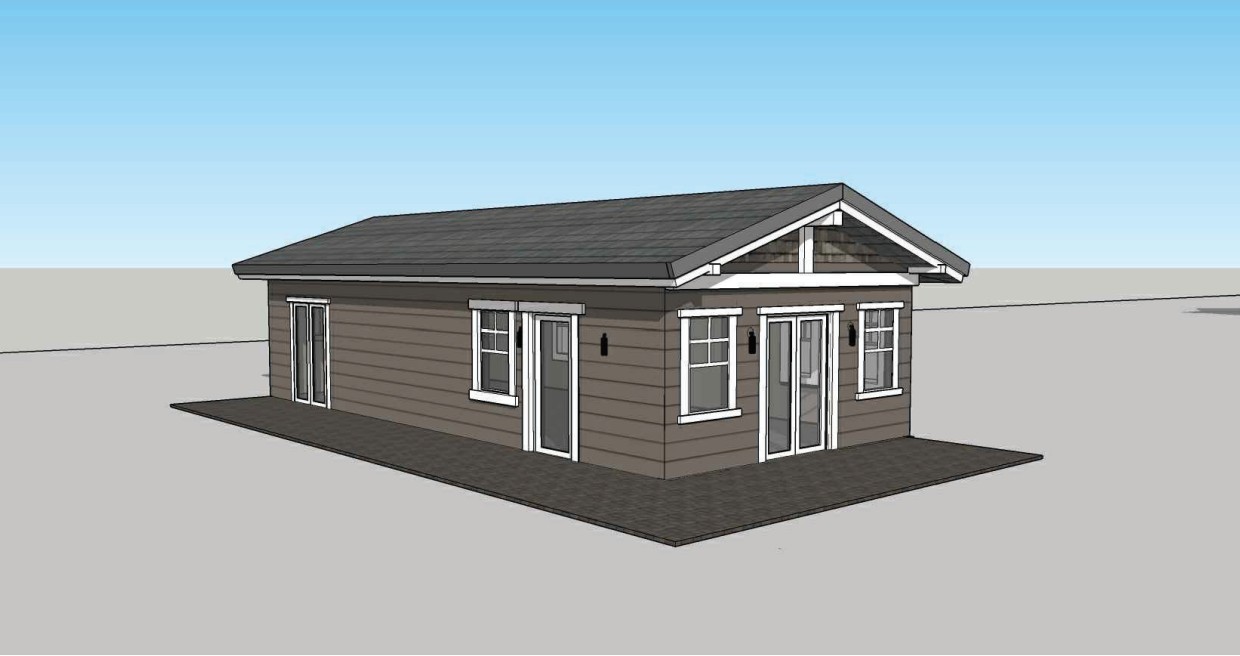
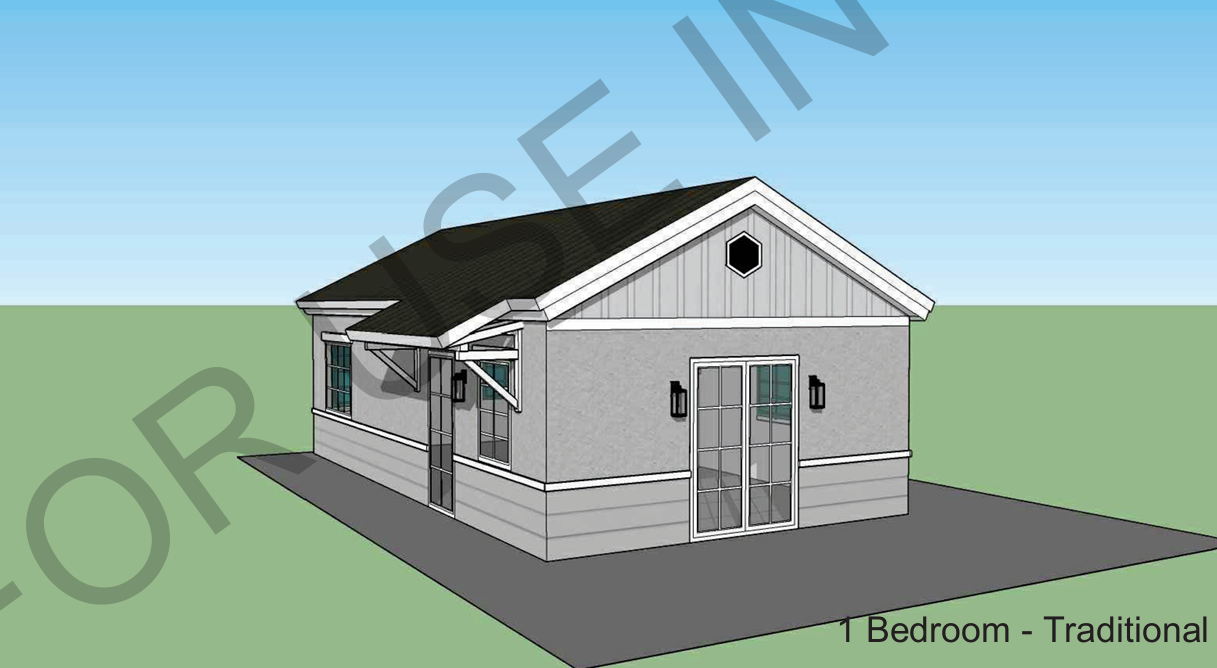
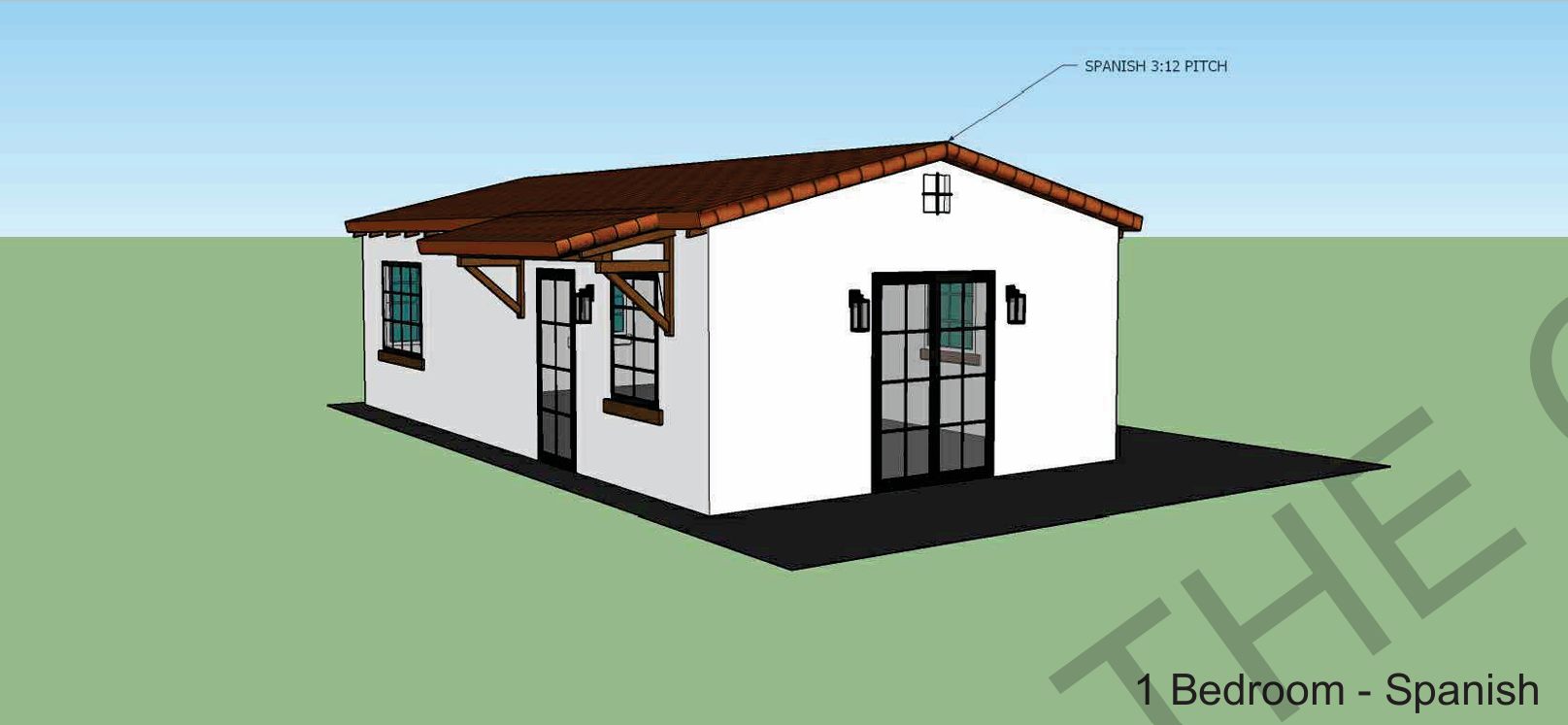
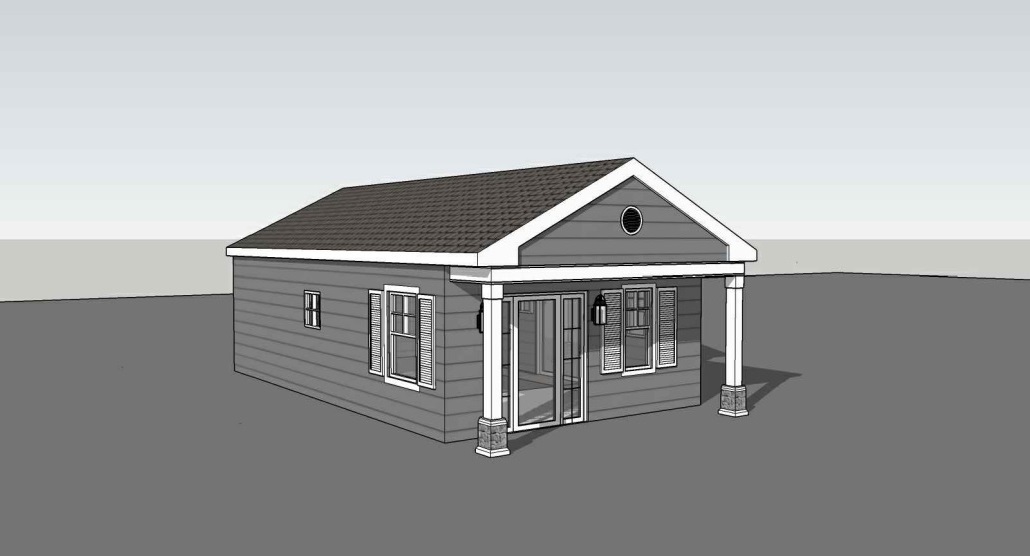
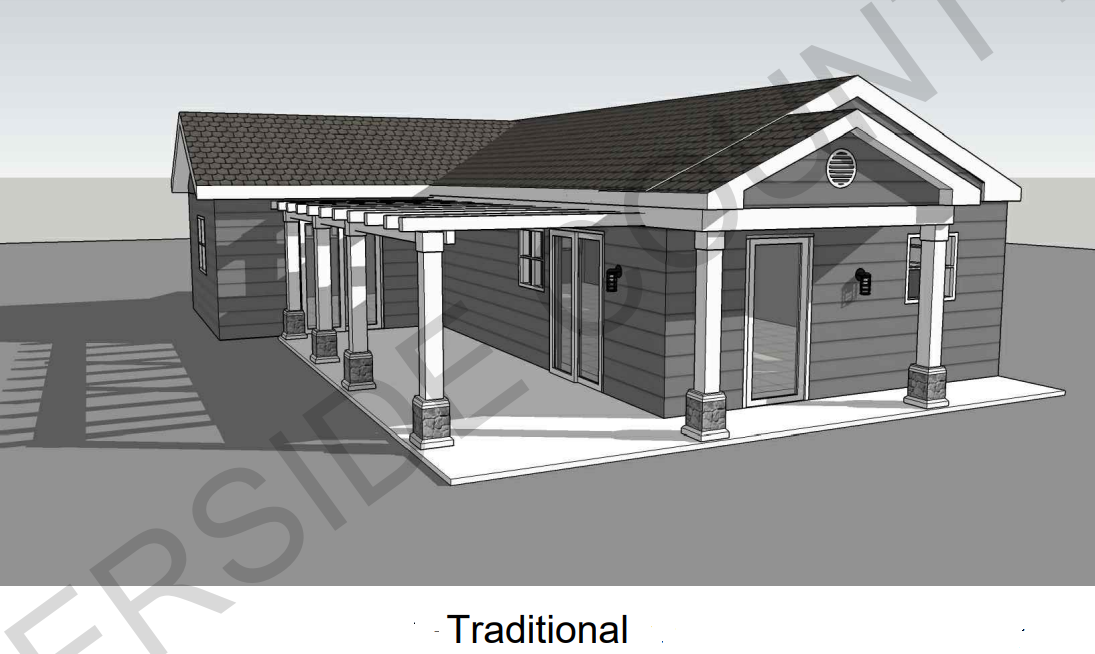
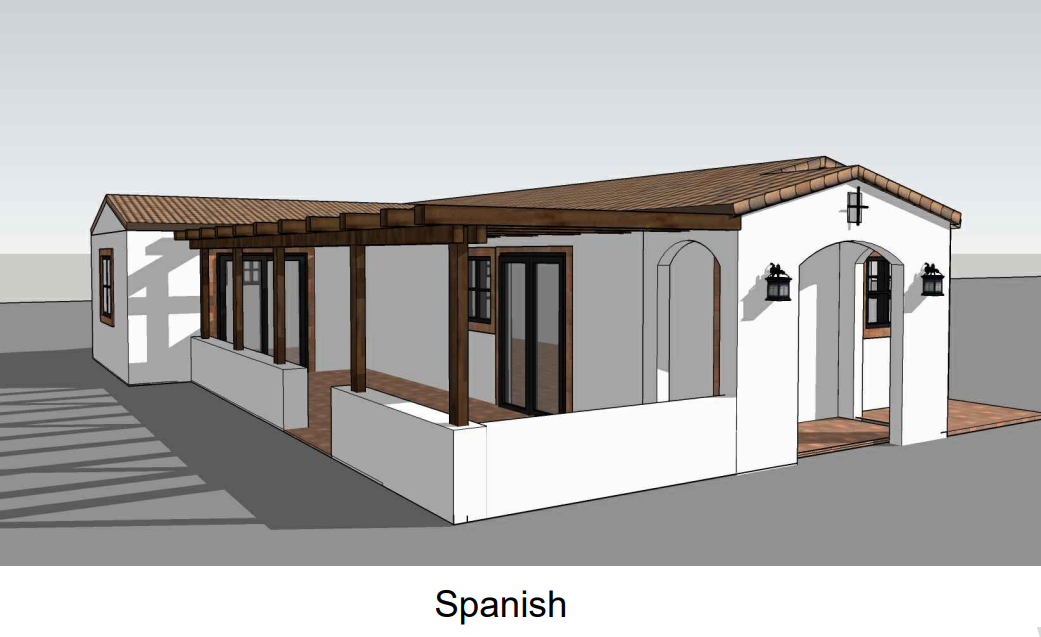
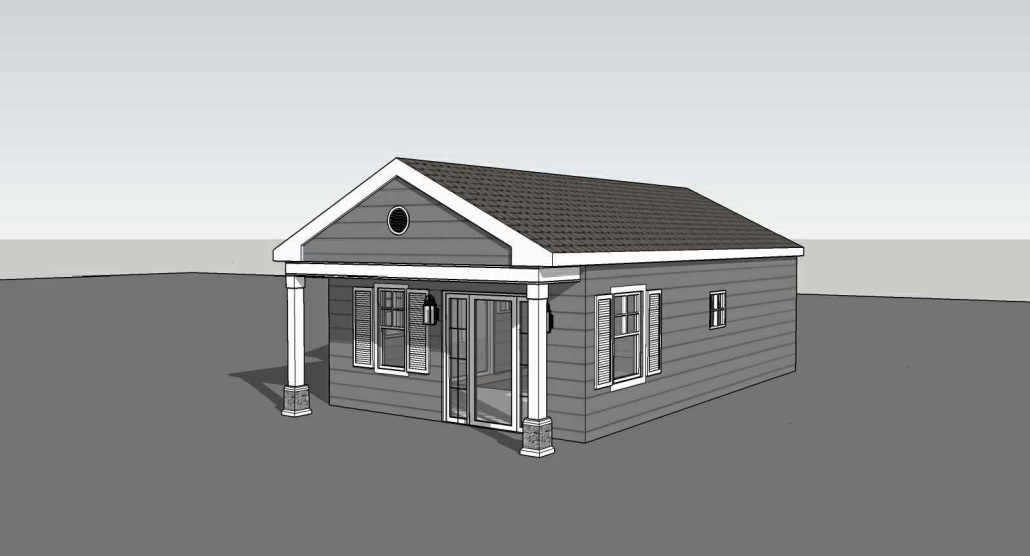
Perris 499 sq ft Studio 1 Bath Traditional Maneuvering Reverse
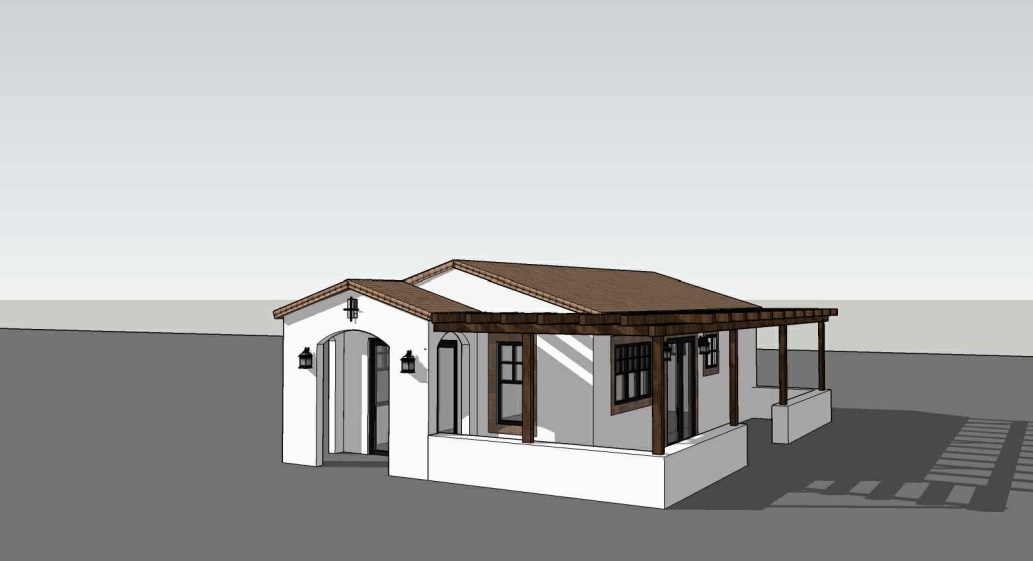




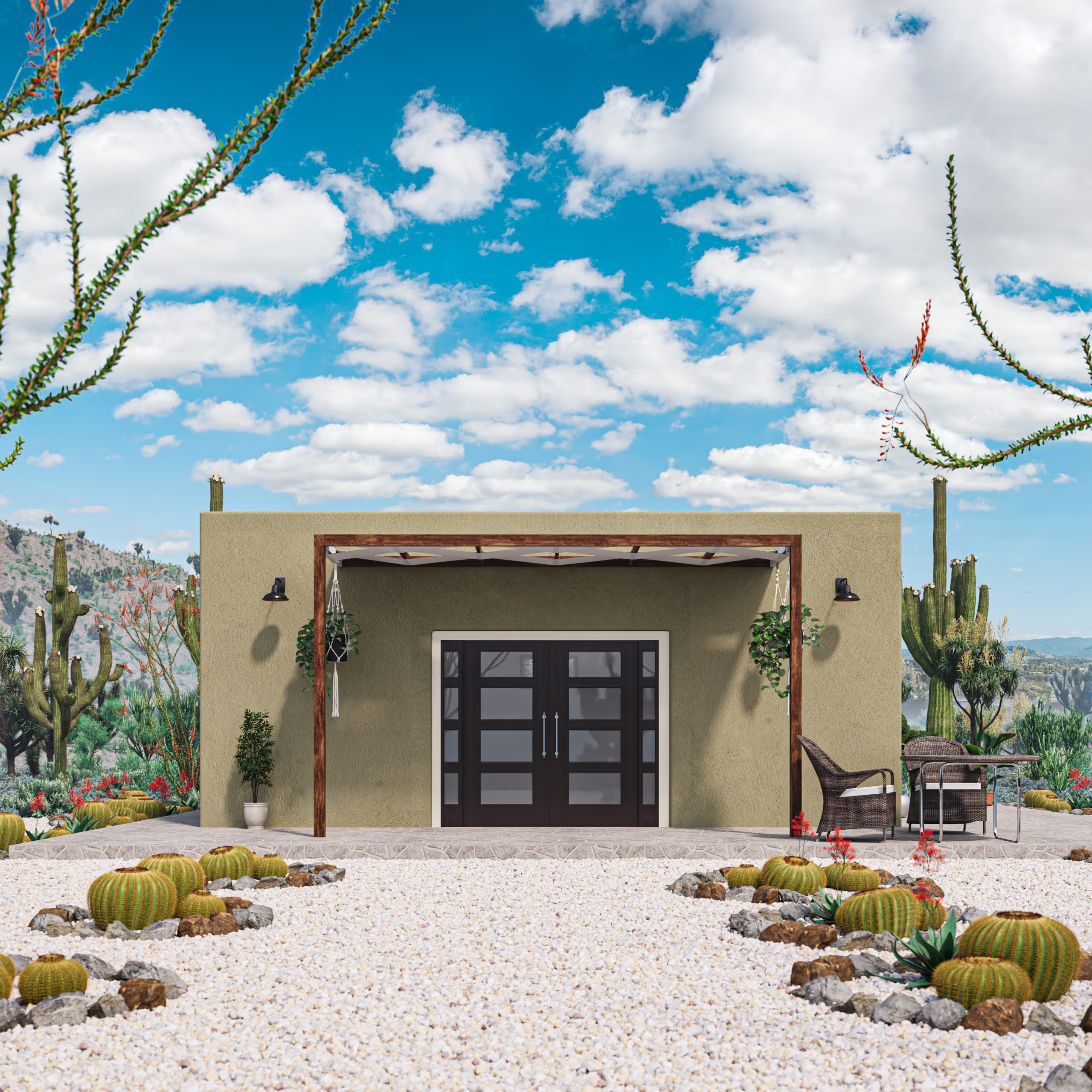
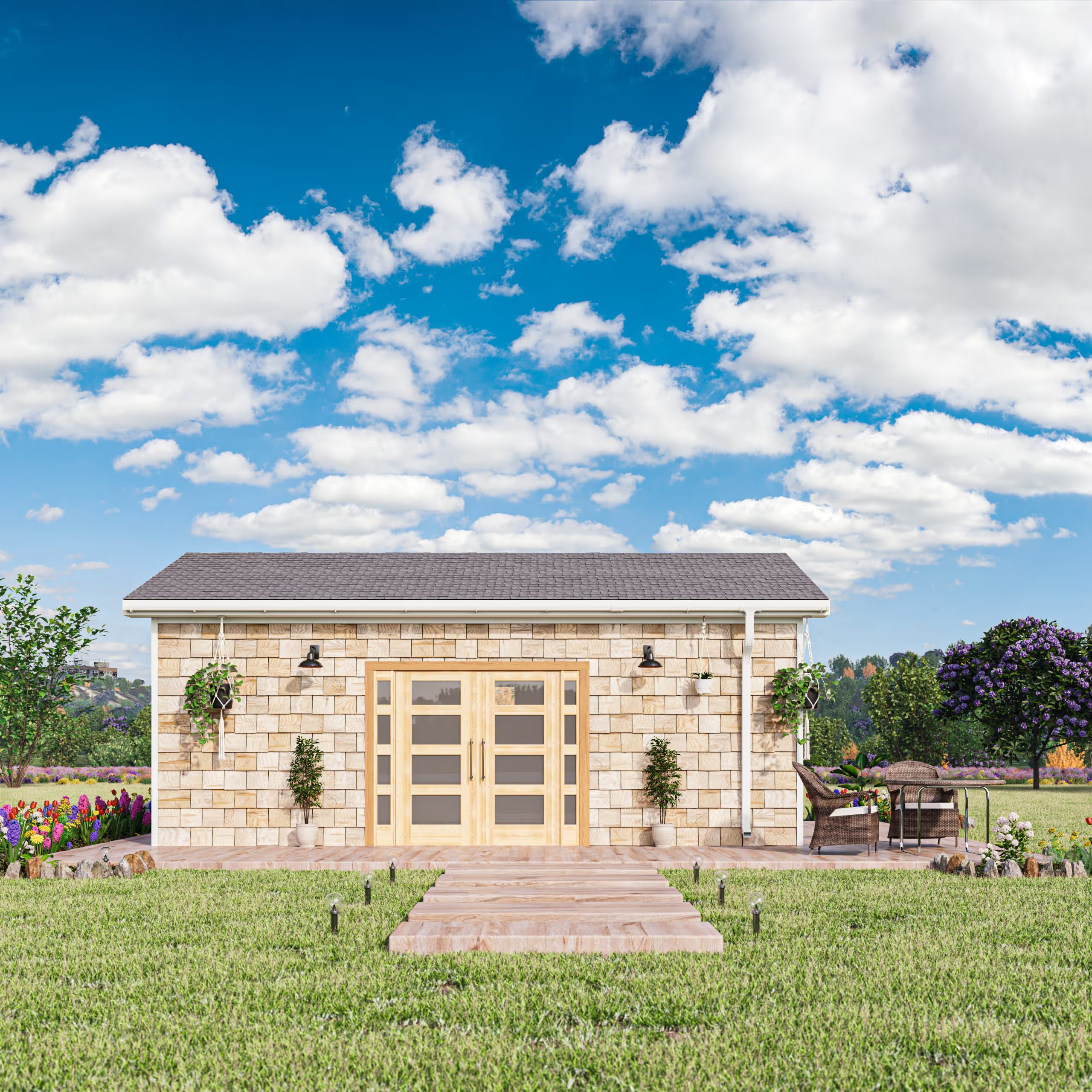
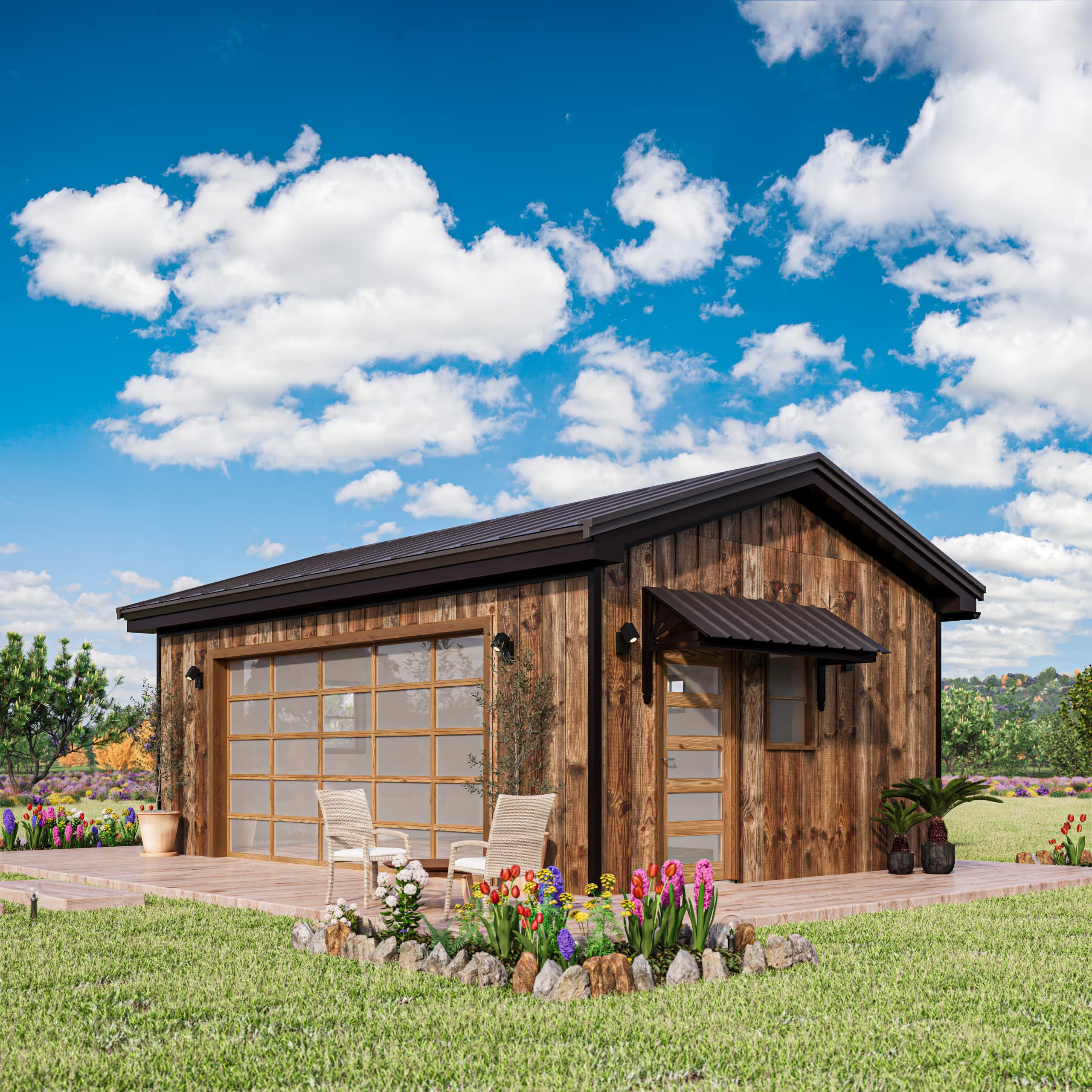
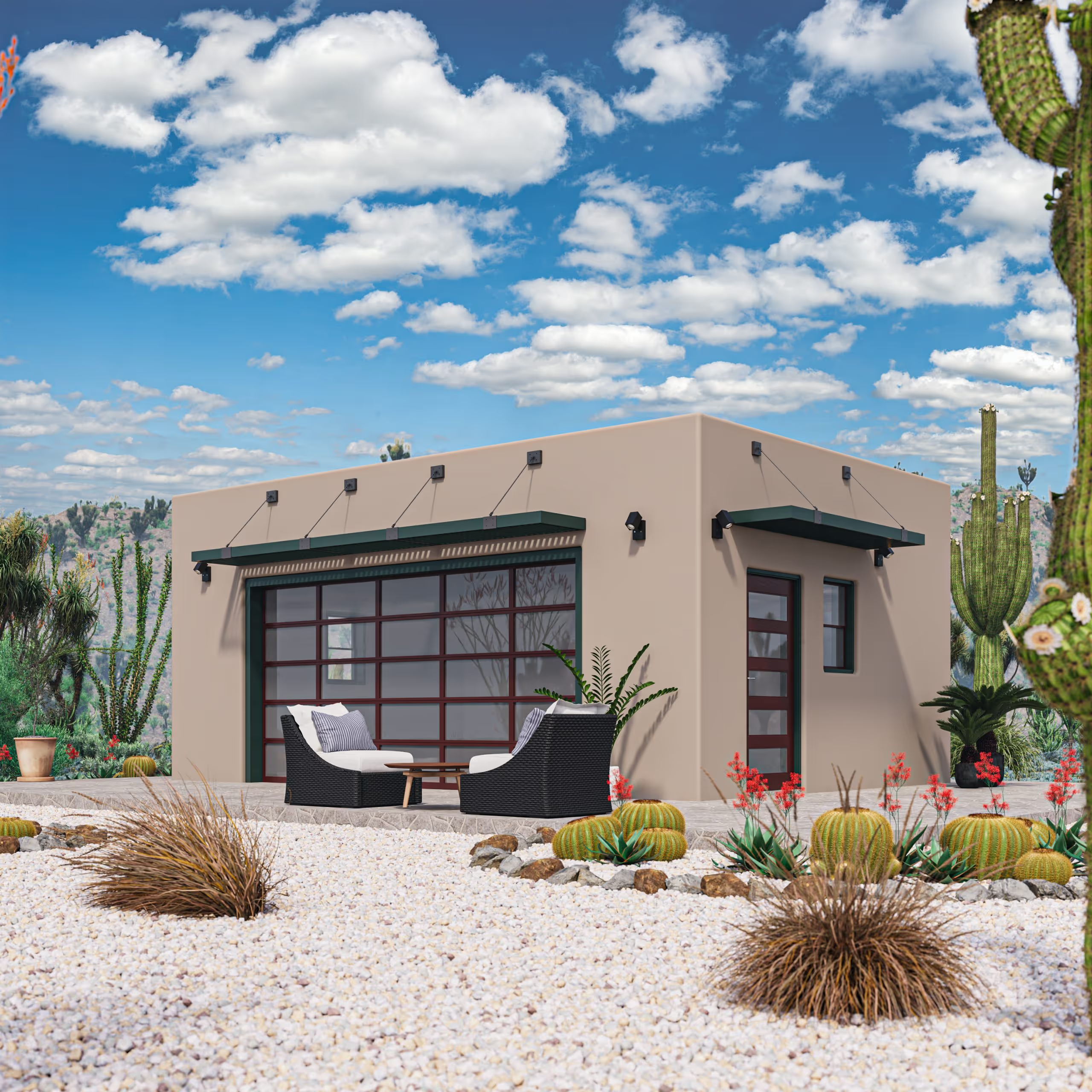


.avif)

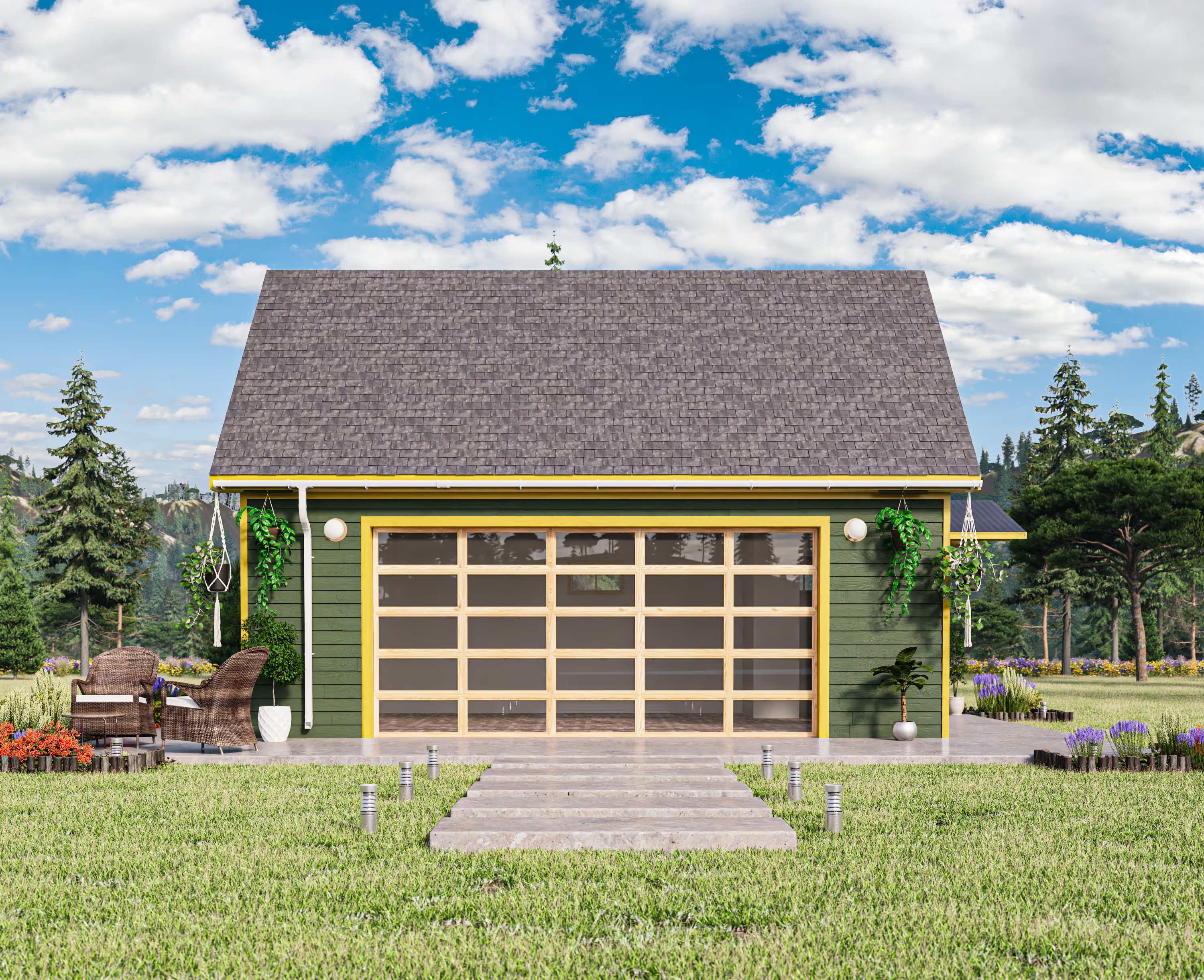
Cold-Formed Steel Framing in Arizona: 8 Benefits for Construction

Arizona builders and homeowners have more structural framing choices than ever before.
Cold-formed steel framing offers a combination of dimensional stability, durability, noncombustibility, precision manufacturing and design flexibility that can make it an attractive alternative to traditional wood framing for Arizona homes, ADUs, casitas and other structures.
Cold-formed steel, commonly called CFS or light-gauge steel framing, is structural steel formed into components such as studs, tracks, joists and trusses.
FrameUpNow uses engineered cold-formed steel framing to create structural systems designed around the building plans and project location.
Here are eight important benefits to consider.
1. Why Is Cold-Formed Steel Framing Durable?
Cold-formed steel is dimensionally stable and does not experience many of the material-related problems associated with wood framing.
Steel does not:
- Rot
- Shrink like wood can
- Warp like wood can
- Twist like wood can
- Split
- Provide a food source for termites
That consistency can be especially valuable when framing is manufactured to precise dimensions before it reaches the jobsite.
Cold-formed steel structural framing is also supported by established AISI standards governing its design, manufacture, installation and quality. AISI cold-formed steel design standards provide additional technical information.
2. Why Consider Steel Framing in Arizona?
Arizona's climate and building conditions make material stability, pest resistance and project-specific engineering important considerations.
Cold-formed steel does not absorb moisture or change dimensions in the same manner as wood. It also eliminates the structural framing itself as a food source for termites.
For Arizona projects, the structural system can be engineered according to applicable requirements for the specific building and location.
That can include considerations such as:
- Wind loads
- Seismic requirements
- Building geometry
- Structural loads
- Roof design
- Site-specific conditions
This is why it is better to think of cold-formed steel as an engineered structural system, rather than simply a substitute material for wood studs.
3. Is Cold-Formed Steel Resistant to Termites?
Yes. Steel does not provide a food source for termites.
That is particularly relevant in areas where termite activity can damage wood structural components.
A steel-framed home may still contain wood products or other materials that require pest protection, so using steel framing does not eliminate the need for appropriate pest-management practices.
The advantage is specific to the structure:
The cold-formed steel framing itself cannot be consumed by termites.
4. Is Cold-Formed Steel Noncombustible?
Yes. Cold-formed steel is a noncombustible structural framing material.
That is an important difference from wood framing.
However, this does not mean a steel-framed home is fireproof.
Fire performance depends on the complete building assembly, including:
- Roofing
- Exterior cladding
- Sheathing
- Insulation
- Drywall
- Windows
- Doors
- Penetrations
- Interior finishes
For projects where wildfire or fire exposure is a concern, framing material should therefore be considered as one component of a broader building-envelope and fire-resistance strategy.
5. Is Cold-Formed Steel a Sustainable Building Material?
Steel is highly recyclable and can be recycled repeatedly into new steel products.
The American Iron and Steel Institute states that steel can be recycled continuously without loss of quality or strength, and domestic steelmaking uses significant quantities of recycled steel scrap. Learn more about steel recycling from AISI.
Cold-formed steel construction can also support precision material planning.
When structural components are engineered and manufactured according to the building model, builders can have a clearer understanding of what material the structure requires before construction begins.
Sustainability should still be evaluated across the entire building, including transportation, insulation, thermal performance, finishes and long-term energy use.
6. Can Cold-Formed Steel Reduce Construction Waste?
Precision manufacturing can help control structural material quantities and reduce unnecessary field cutting.
FrameUpNow uses engineering and BIM-based information to define framing components before manufacturing.
The process can be thought of as:
Plan → Engineer → BIM → Manufacture → Deliver → Assemble
Depending on the project, components can be:
- Pre-cut
- Identified
- Organized for assembly
- Incorporated into pre-assembled framing elements
This makes the construction process more systematic than relying entirely on field measurement and fabrication.
It would be inaccurate, however, to claim that steel construction produces no waste. Every construction project generates some material waste.
The goal is better material planning and less unnecessary fabrication.
7. Does Cold-Formed Steel Offer Design Flexibility?
Yes. Cold-formed steel can be engineered for a wide variety of residential designs and building types.
Steel determines the structural skeleton—not the appearance of the finished building.
A steel-framed home can be:
- Contemporary
- Ranch-style
- Traditional
- Modern
- Cottage-style
- Custom designed
Cold-formed steel can also be used for:
- Homes
- ADUs
- Casitas
- Guest houses
- Garages
- Workshops
- Build-to-rent housing
You can explore examples through FrameUpNow Frames & Plans.
8. Does Cold-Formed Steel Make Construction More Predictable?
Precision engineering and manufacturing can create a more defined path from plans to structural assembly.
Instead of leaving much of the structural interpretation to the jobsite, FrameUpNow moves more of the work upstream into:
Engineering → BIM Coordination → Material Planning → Manufacturing
Depending on the project, a FrameUpNow package can include:
- Precision-engineered CFS framing
- Pre-cut and identified components
- Pre-assembled wall panels and framing elements
- Joists
- Trusses
- Beams and headers
- IBC-engineered structural plans
- Project-specific structural engineering
- BIM-derived material information
- Material Shopping List
- Building Instructions Guide
- Assembly resources and videos
- Technical support
This is particularly useful for builders and owner-builders who want to understand more about the structure before framing begins.
FrameUpNow's construction videos provide additional guidance on assembly and construction.
Is Cold-Formed Steel Framing More Cost-Effective Than Wood?
It depends on the project and what costs are included in the comparison.
Raw steel and lumber prices alone do not tell the entire story.
A more useful comparison considers:
- Structural material
- Engineering
- Manufacturing
- Labor
- Field fabrication
- Material waste
- Construction schedule
- Termite protection
- Maintenance
- Long-term material performance
Cold-formed steel should therefore be evaluated as a complete framing system, not simply by comparing the price of a steel stud with a wood stud.
The FrameUpNow Cost Estimator can help customers begin evaluating project costs.
Is Cold-Formed Steel Lightweight?
Yes. Cold-formed steel framing provides a high strength-to-weight structural system.
Individual framing components can often be handled without the type of heavy equipment associated with much larger structural-steel members.
That does not mean every CFS project can be erected entirely by hand.
Component size, panelization, building height, trusses, equipment requirements and jobsite conditions determine how the framing should be safely handled and installed.
Is Cold-Formed Steel Framing Suitable for Arizona Homes and ADUs?
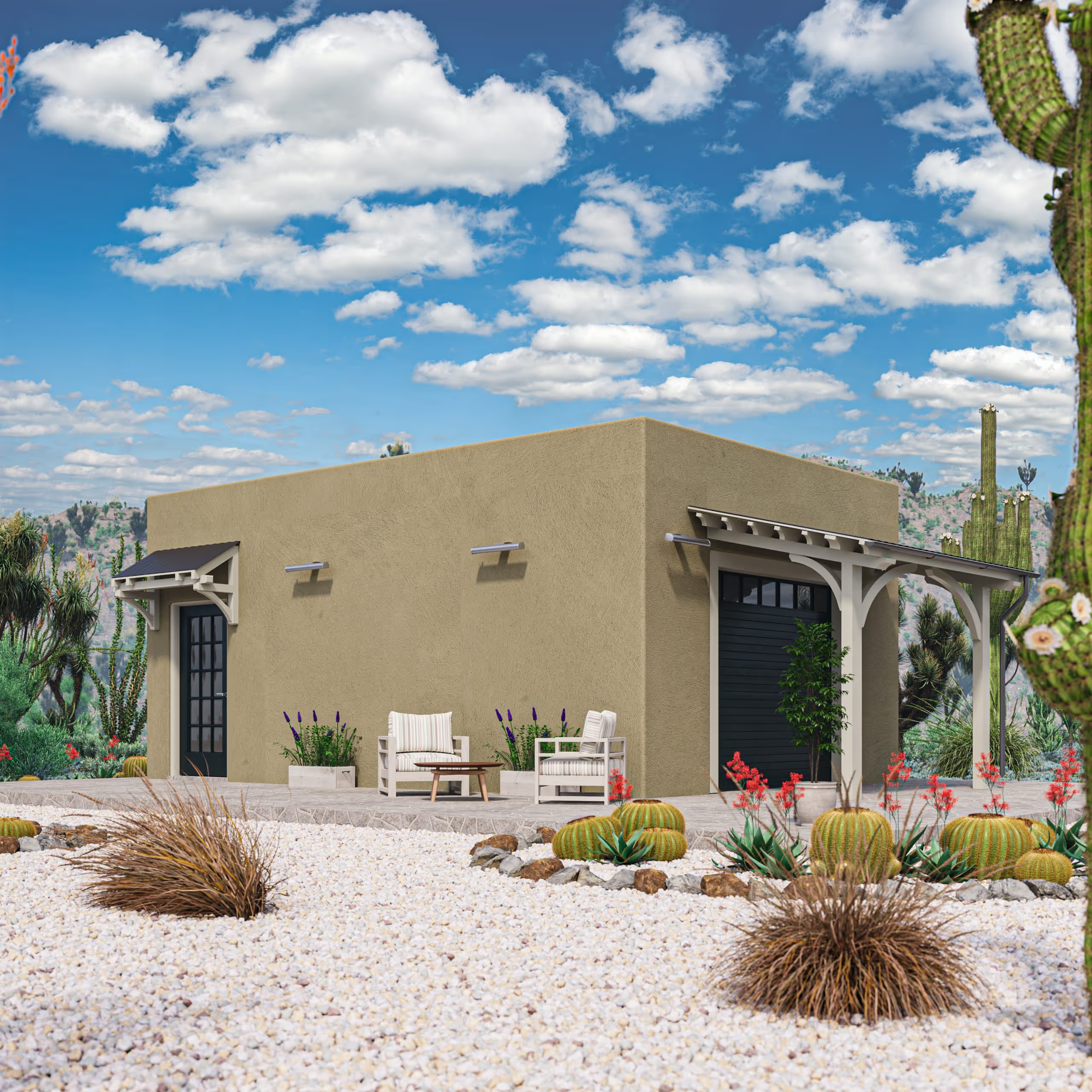
Yes. Cold-formed steel can be engineered for homes, ADUs, casitas and other residential buildings in Arizona.
AISI standards specifically address cold-formed steel structural framing, including standards that cover one- and two-family dwellings and structural light-frame construction.
For an Arizona project, the more important questions are:
What are you building? Where is it being built? What structural requirements apply?
The framing system can then be engineered around those conditions.
Why Choose FrameUpNow for Cold-Formed Steel Framing?
FrameUpNow approaches steel framing as more than a material order.
The objective is to connect the architectural design to engineering, BIM information, manufacturing and construction resources.
That provides a more defined path:
Design it → Engineer it → Manufacture it → Assemble it
FrameUpNow also offers a 50-year warranty on its cold-formed steel framing, subject to applicable warranty terms and conditions.
Builders, homeowners and developers can choose among DIY, hybrid and contractor-managed construction approaches depending on the project.
Learn more through FrameUpNow's DIY resources.
Build with Cold-Formed Steel in Arizona
Cold-formed steel framing offers Arizona builders and homeowners a different way to approach the structural skeleton of a building.
Its advantages include dimensional stability, termite resistance, noncombustibility, recyclability, precision manufacturing and design flexibility.
But perhaps the greatest advantage is the ability to combine the material with modern engineering and digital manufacturing.
Know the structure before you build the structure.
Explore FrameUpNow Frames & Plans, learn about DIY steel construction, or contact FrameUpNow to discuss an Arizona project.