
























.avif)

Americans Buy Payments, Not Houses: From a One-Unit ADU to a BTR Community

Why an income-producing ADU and a purpose-built rental community are the same economic idea—delivered at different scales
A homeowner does not buy a home. A homeowner buys a payment—and for that payment receives a home.
That simple observation explains more about today's housing economy than the usual discussion of median prices. A house can appear affordable on a listing sheet and still be unreachable when the mortgage rate converts its price into a monthly obligation. At the same time, millions of existing owners possess 3% mortgages too valuable to surrender. The result is a housing market constrained at both ends: prospective buyers cannot afford today's payments, while existing owners cannot afford to give up yesterday's payments.
This payment economy weakens traditional home-sale velocity, but it makes purpose-built build-to-rent—BTR—more relevant and more robust. Families have not stopped wanting the privacy, yard, garage, neighborhood character, and stability of a detached home. Many simply cannot justify or qualify for the ownership payment required today.
The house and the mortgage are two separate assets
A homeowner who purchased or refinanced at approximately 3% owns two valuable assets: the physical house and the inexpensive financing attached to it. The house can be sold. The mortgage generally cannot travel with the owner.
Freddie Mac reported an average 30-year fixed mortgage rate of 6.69% on August 6, 2026. On a $320,000 loan, principal and interest are approximately $1,350 per month at 3% and about $2,060 at 6.69%—roughly $710 more every month before taxes and insurance. A lateral move can therefore become a major financial step backward even when the replacement house costs the same.
The Federal Housing Finance Agency estimated that mortgage lock-in prevented approximately 1.72 million sales between the second quarter of 2022 and the second quarter of 2024. By restricting resale supply, lock-in increased prices an estimated 7%, more than offsetting the direct price-reducing effect of higher rates.

Payment affordability suppresses housing velocity
When owners remain in place, fewer starter homes reach new families, fewer growing households trade up, and fewer older owners downsize. The normal progression from starter home to family home to retirement home begins to stall. That affects much more than real estate.
· Fewer listings for first-time buyers
· Less labor mobility between communities and states
· Less spending on moving, furnishings, appliances, repairs, and remodeling
· Weaker demand for new homes because buyers qualify according to payment
· Longer project absorption and higher carrying costs for builders and developers
Why this makes BTR more robust
BTR serves the household caught between a preference and a payment. That household may want detached-home living but may not have the down payment, may not qualify at the prevailing mortgage rate, or may be unwilling to accept a payment that consumes too much income.
A purpose-built rental home can provide many of the qualities the family values without requiring it to purchase expensive money for 30 years. BTR demand can therefore include traditional renters, first-time buyers delayed by rates, relocating homeowners unwilling to buy immediately, downsizers, and established families waiting for payment conditions to improve.
There is an important distinction. Acquiring existing starter homes and holding them as rentals transfers scarce inventory from the ownership market without adding a dwelling. Purpose-built BTR creates new housing. It can expand supply while meeting a growing payment-based need.
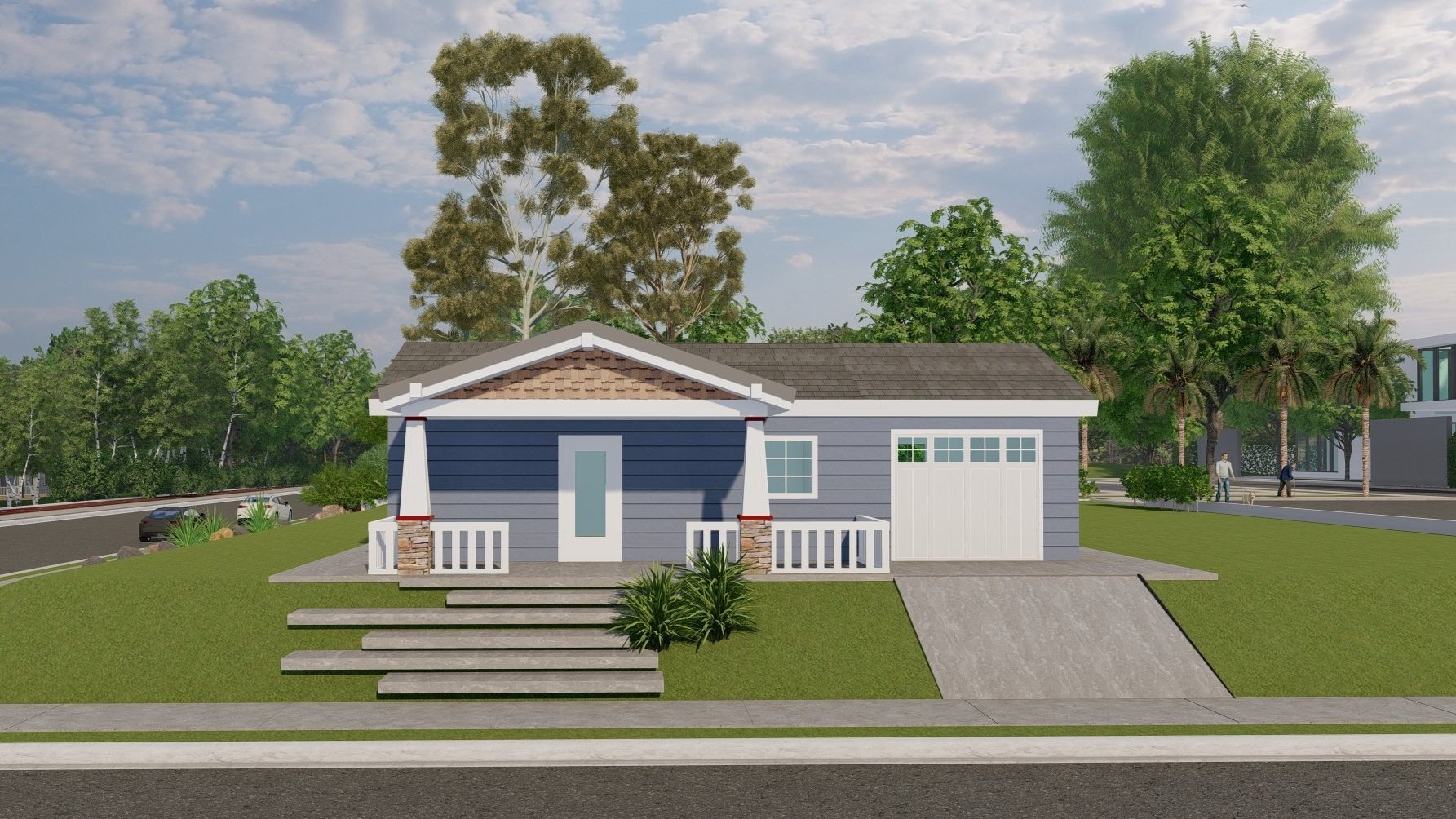
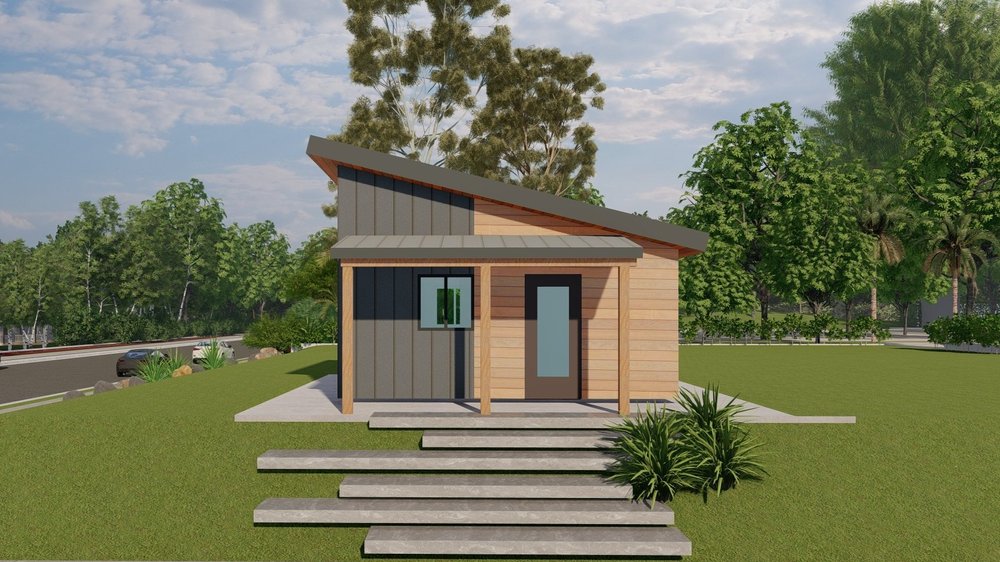
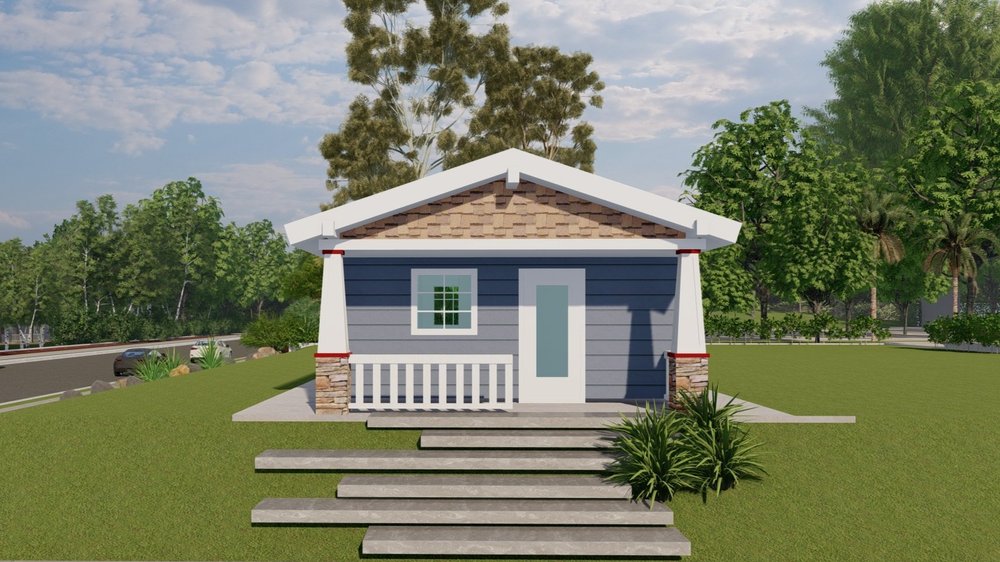
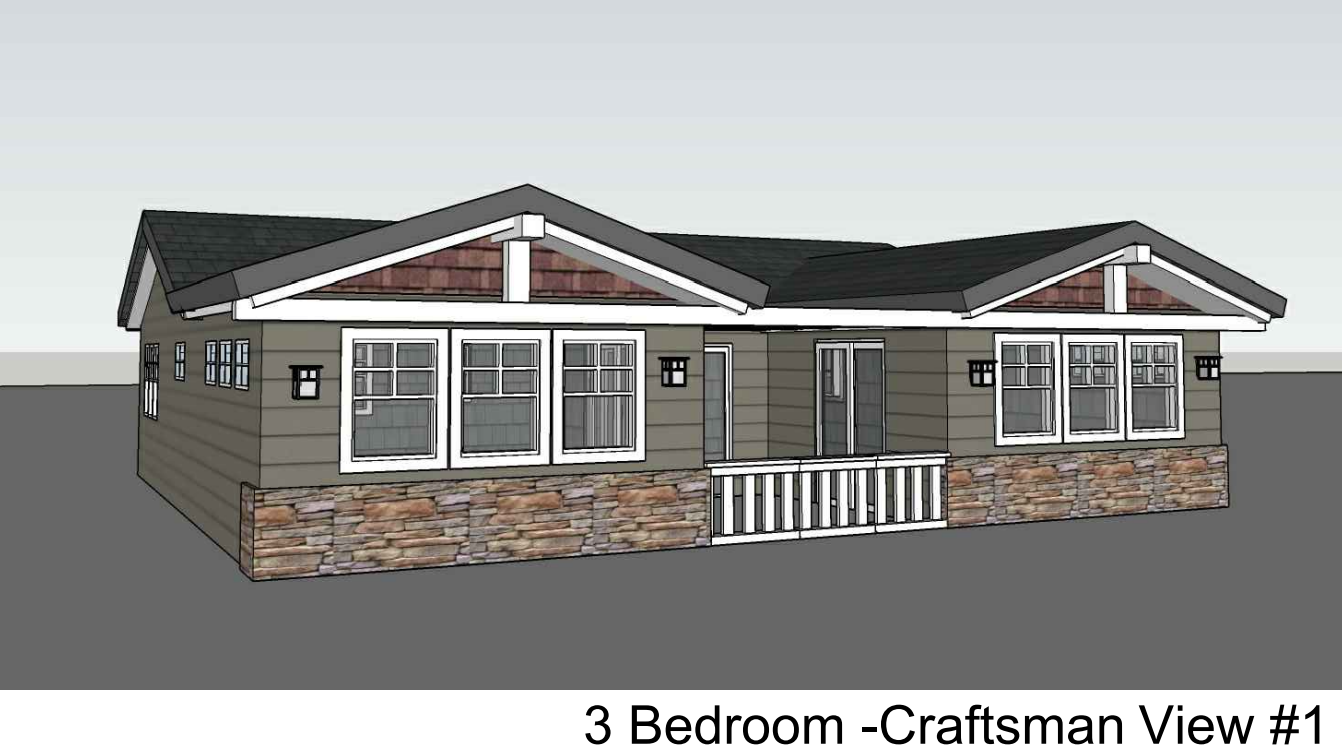
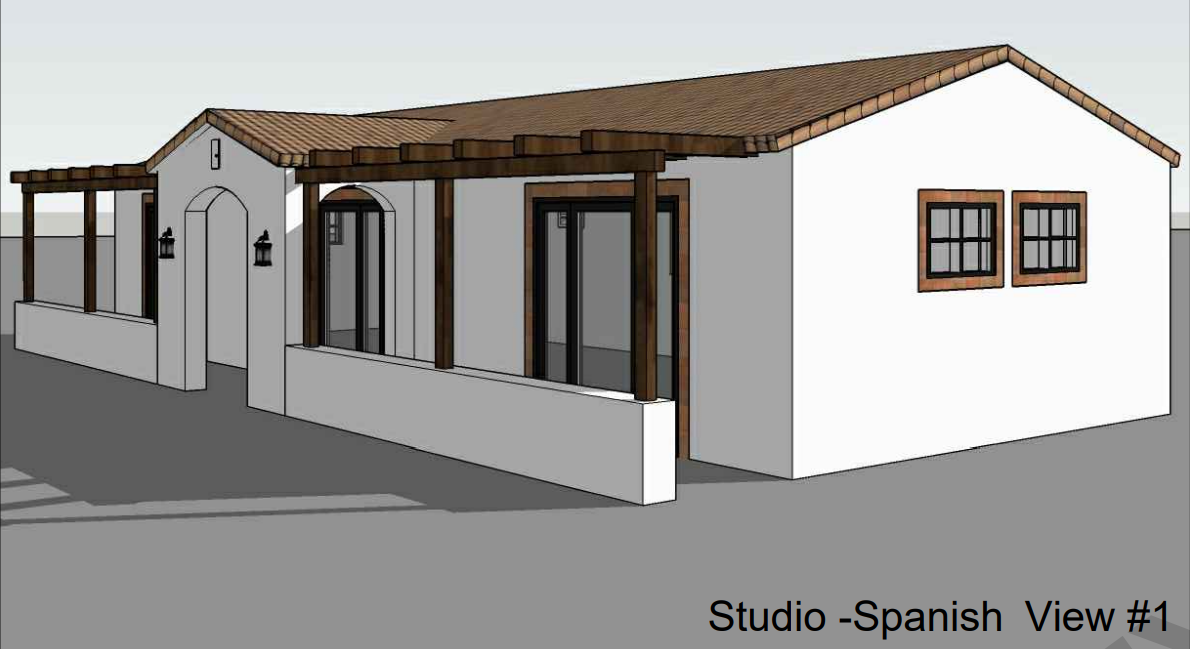
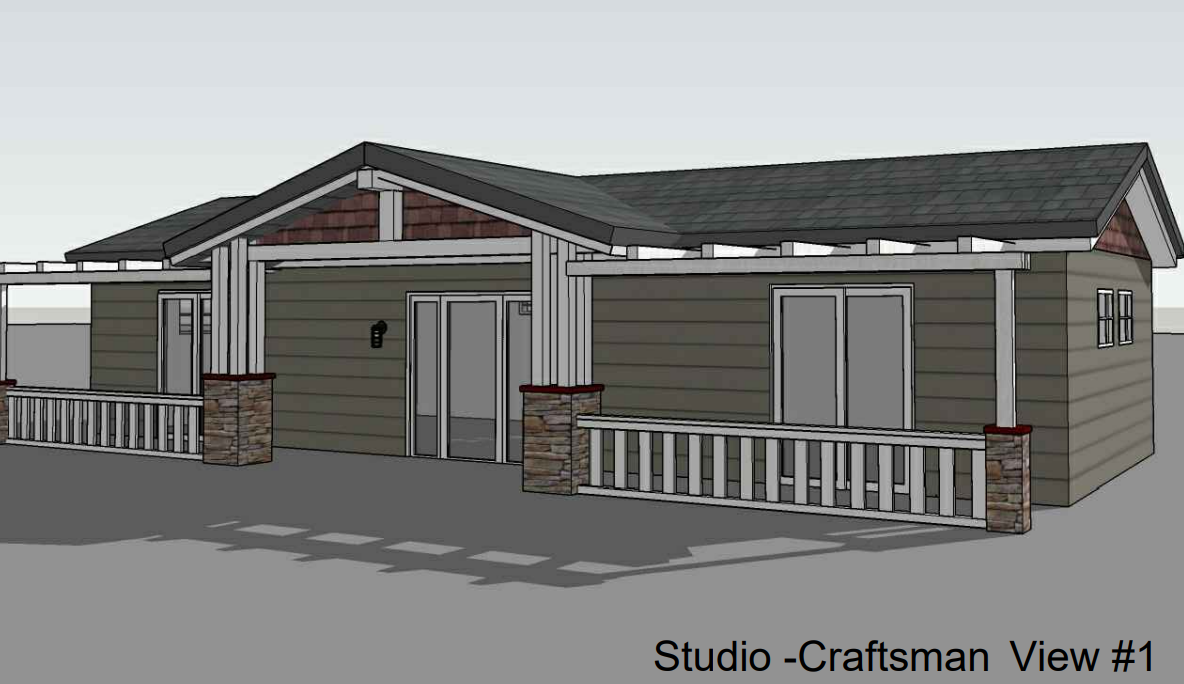
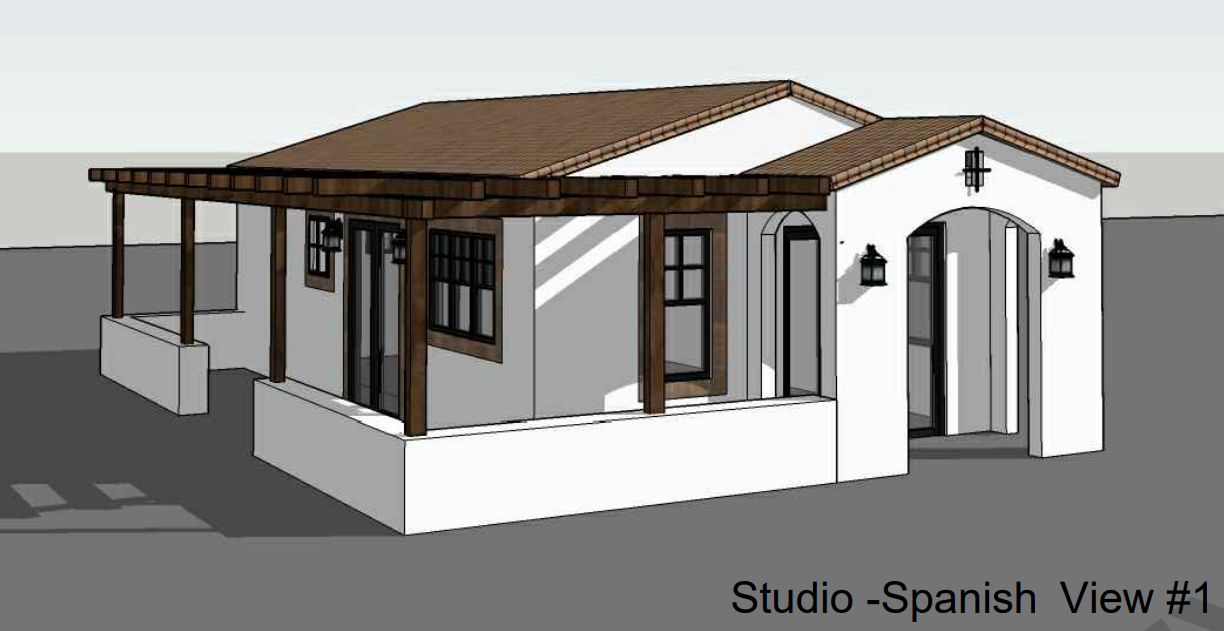
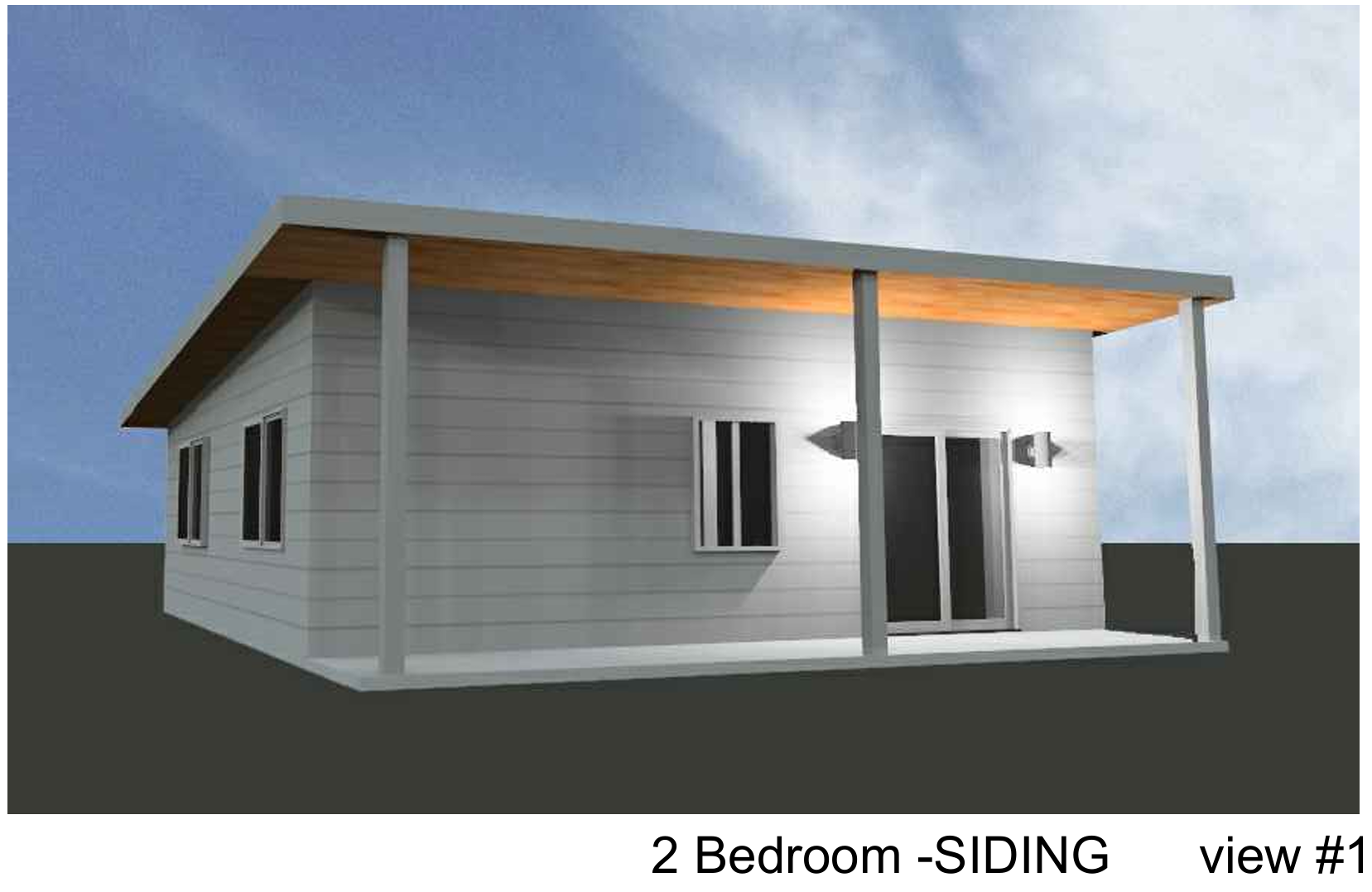
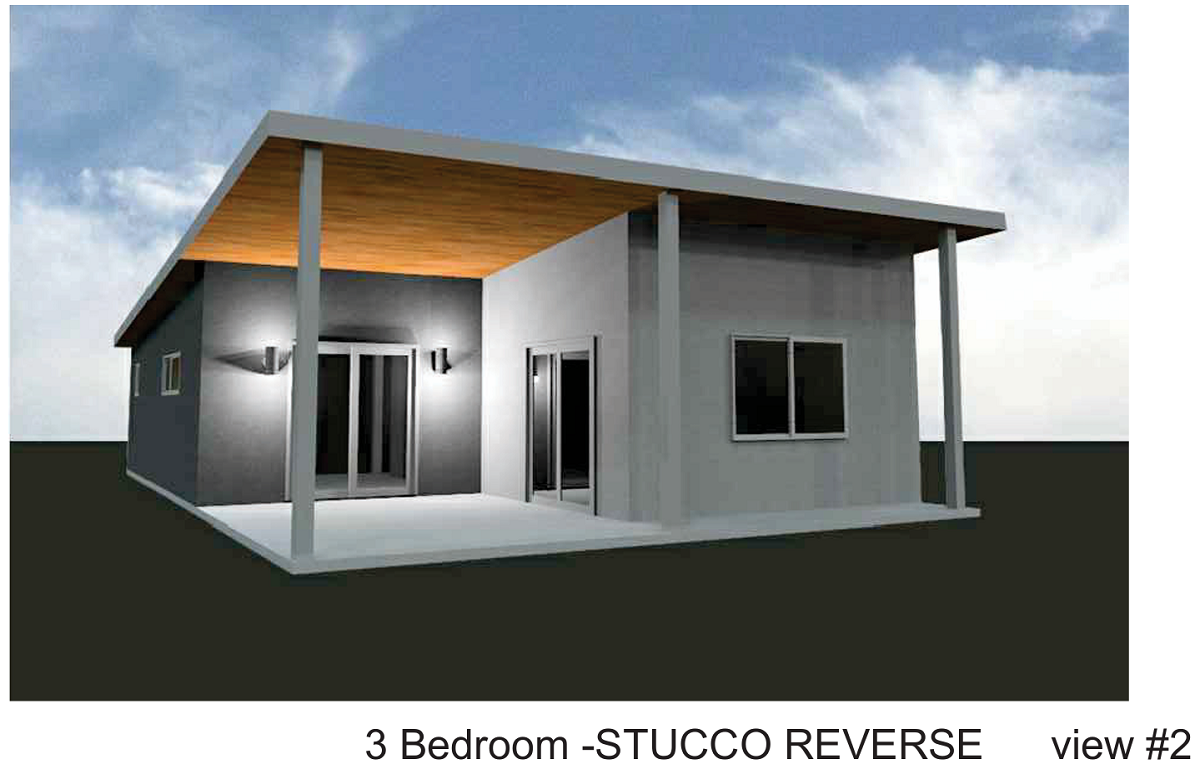
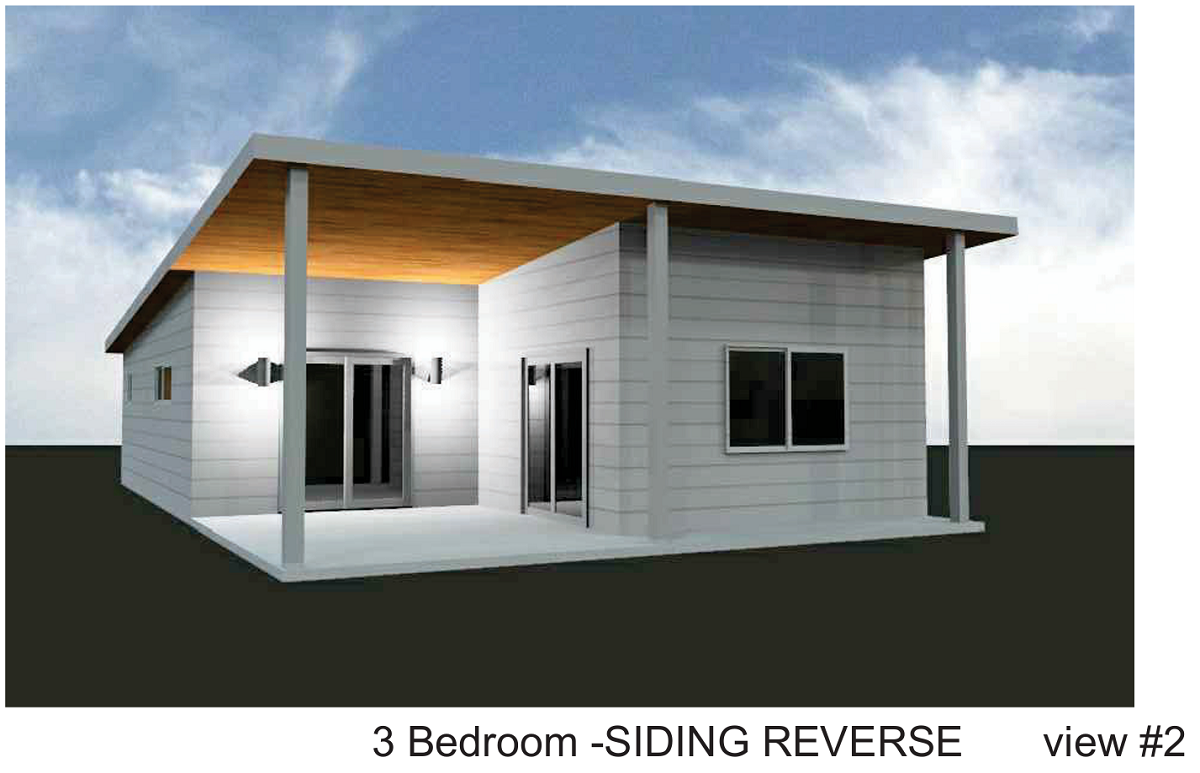
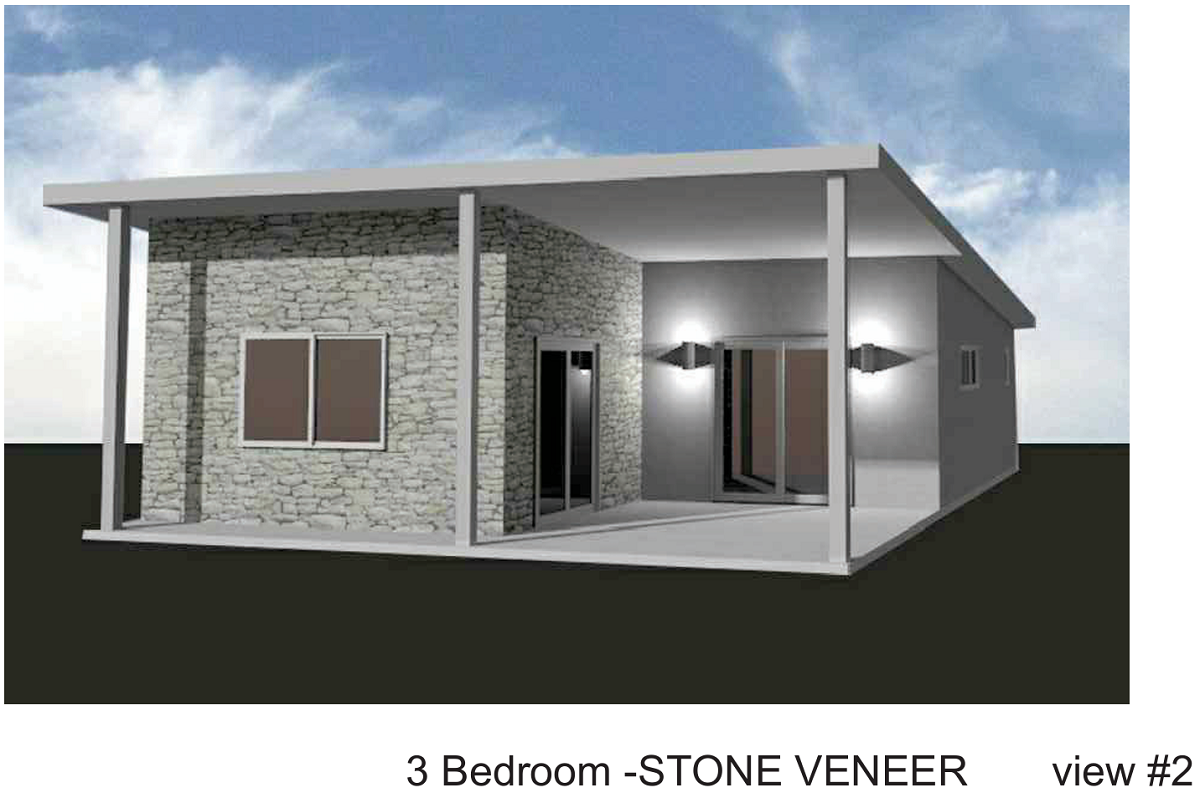
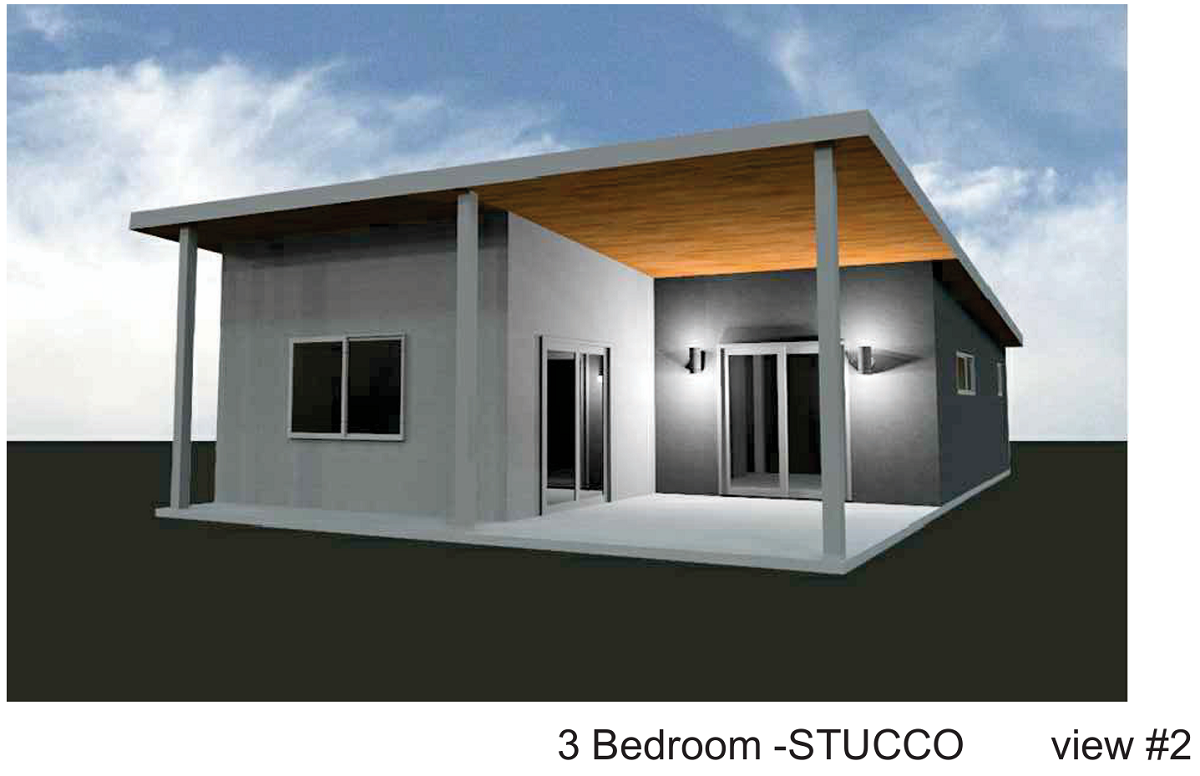
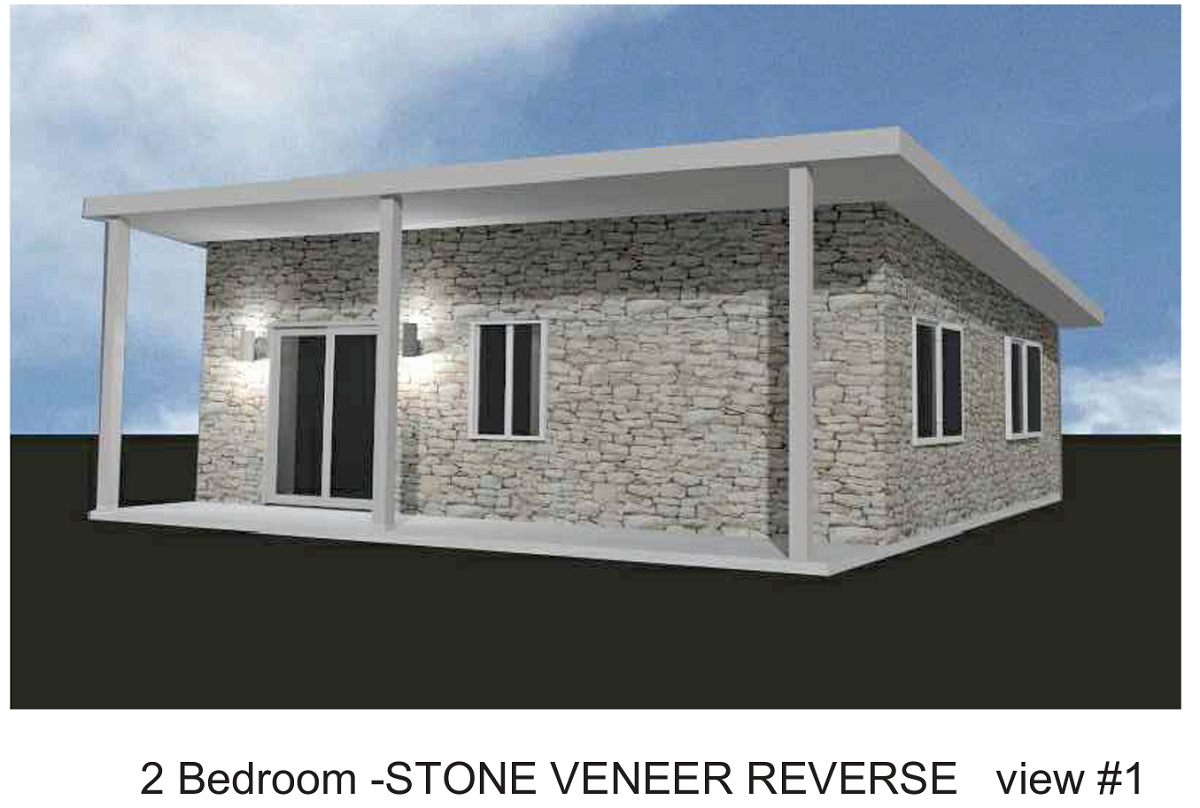
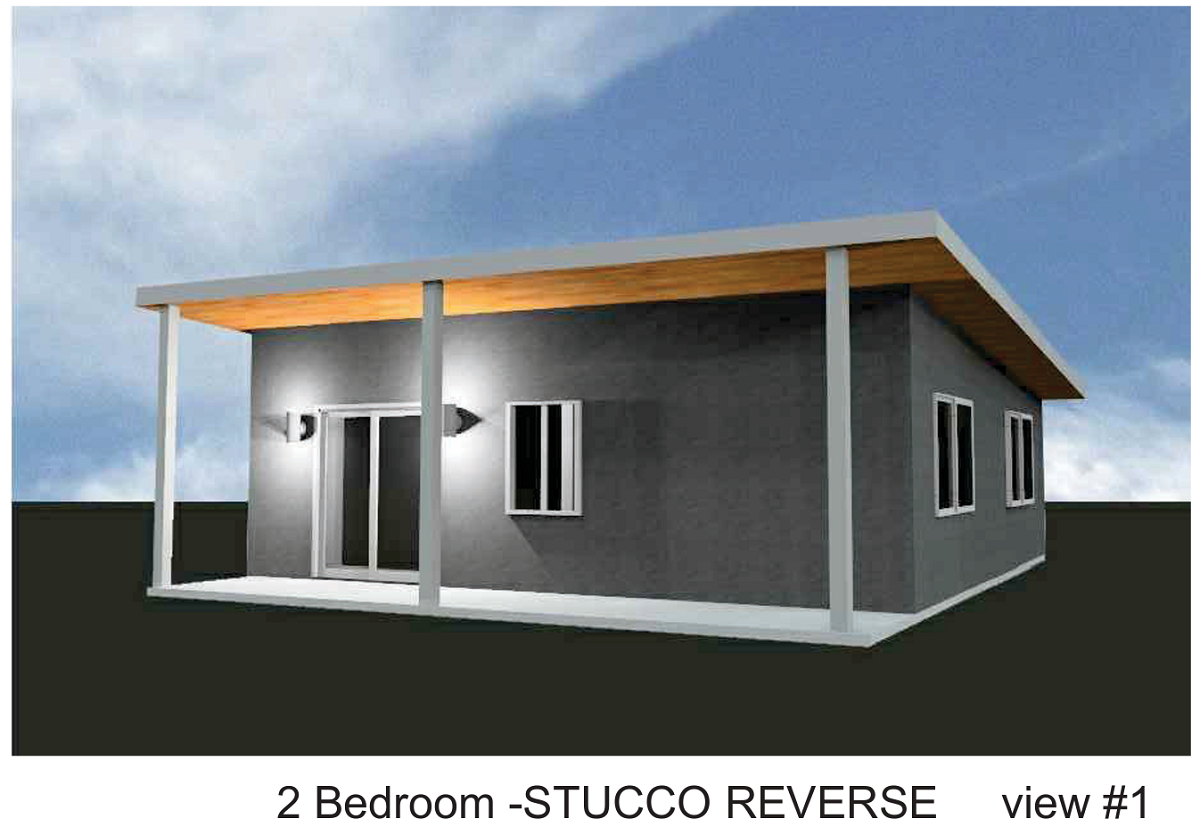
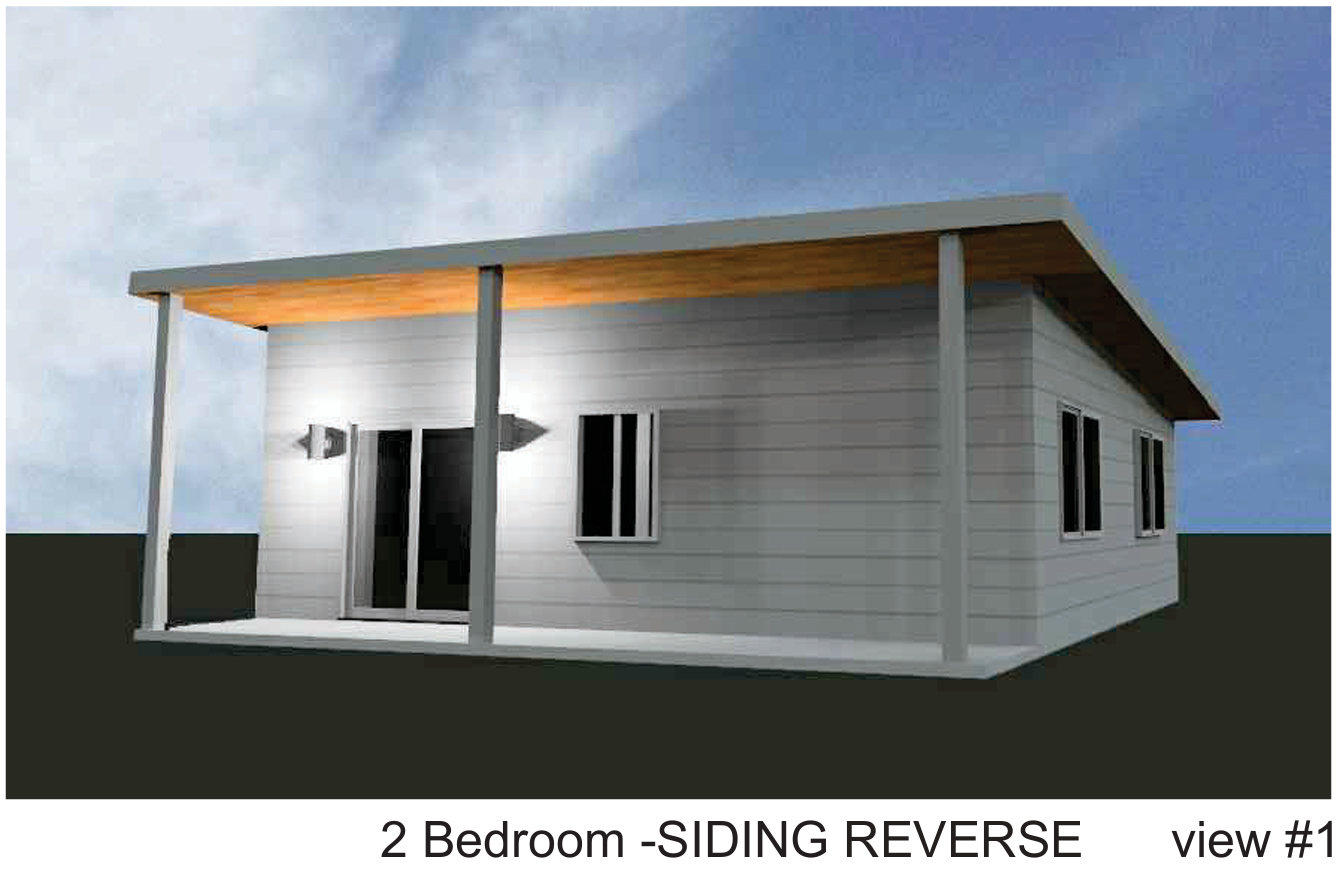
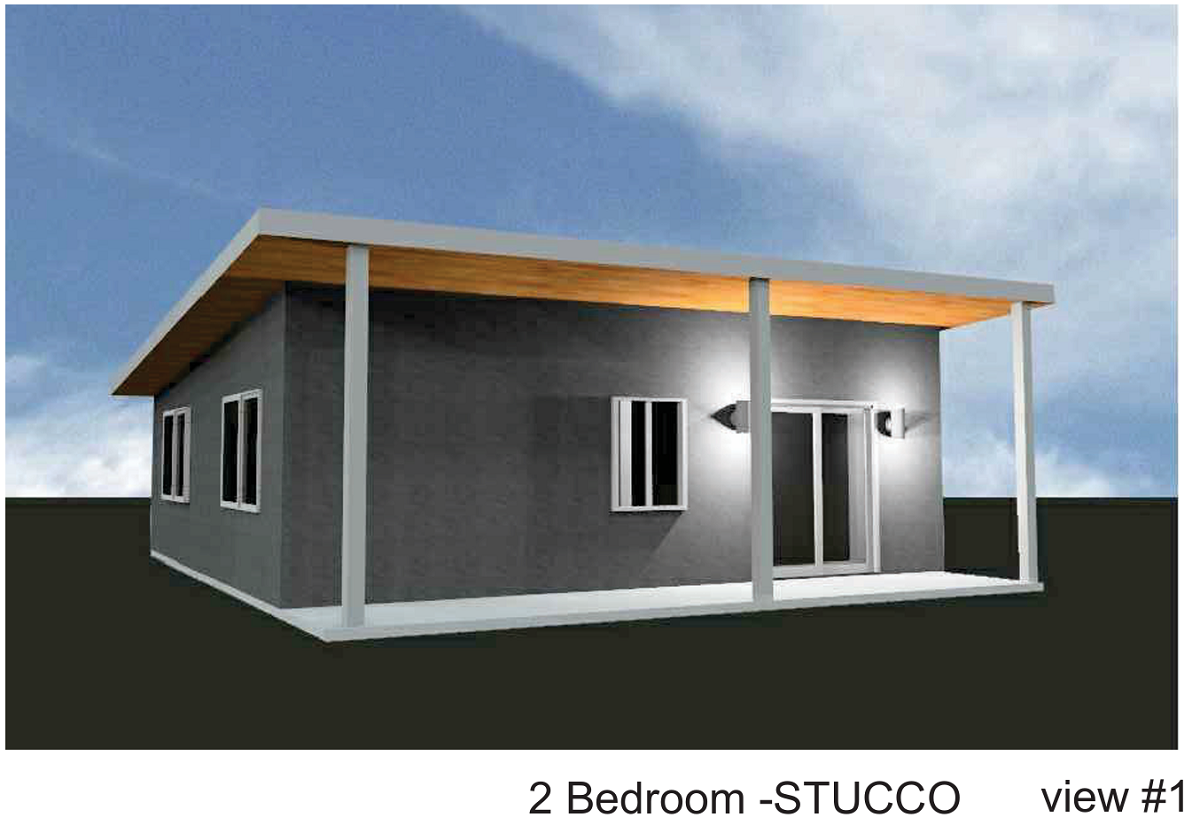
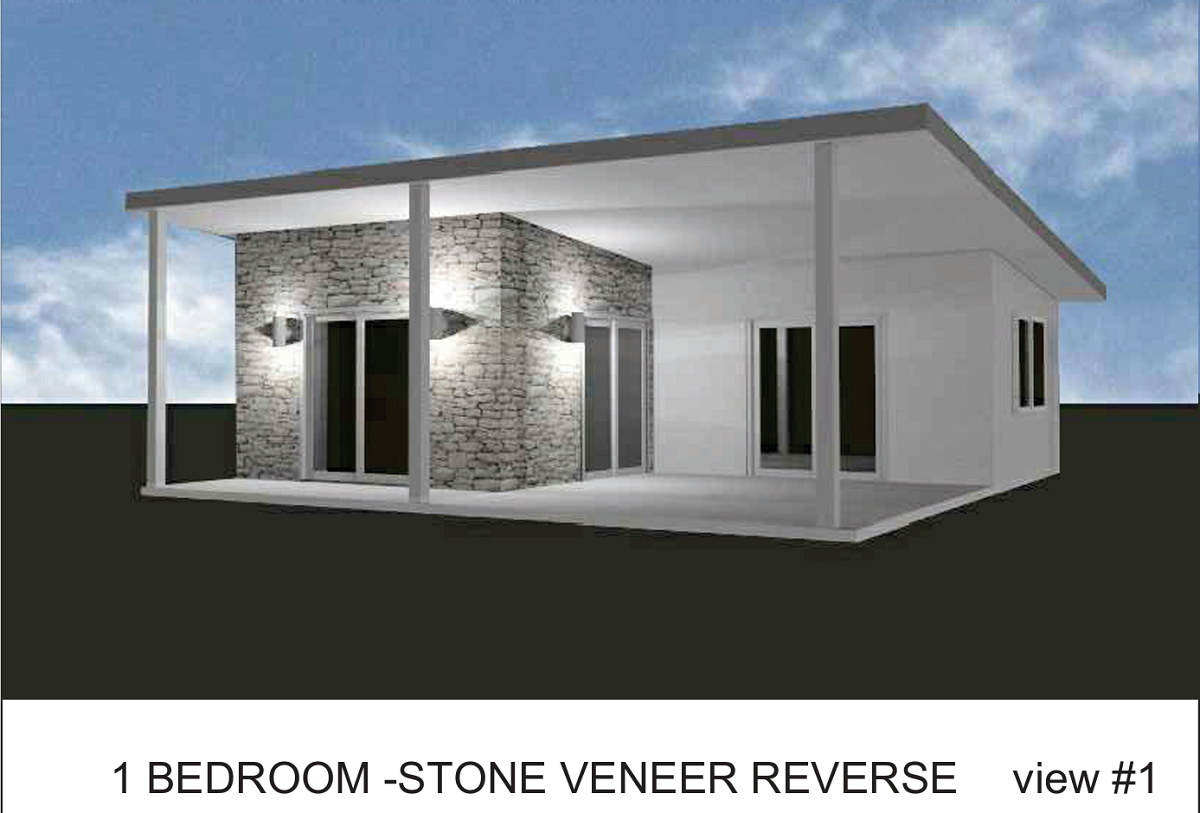
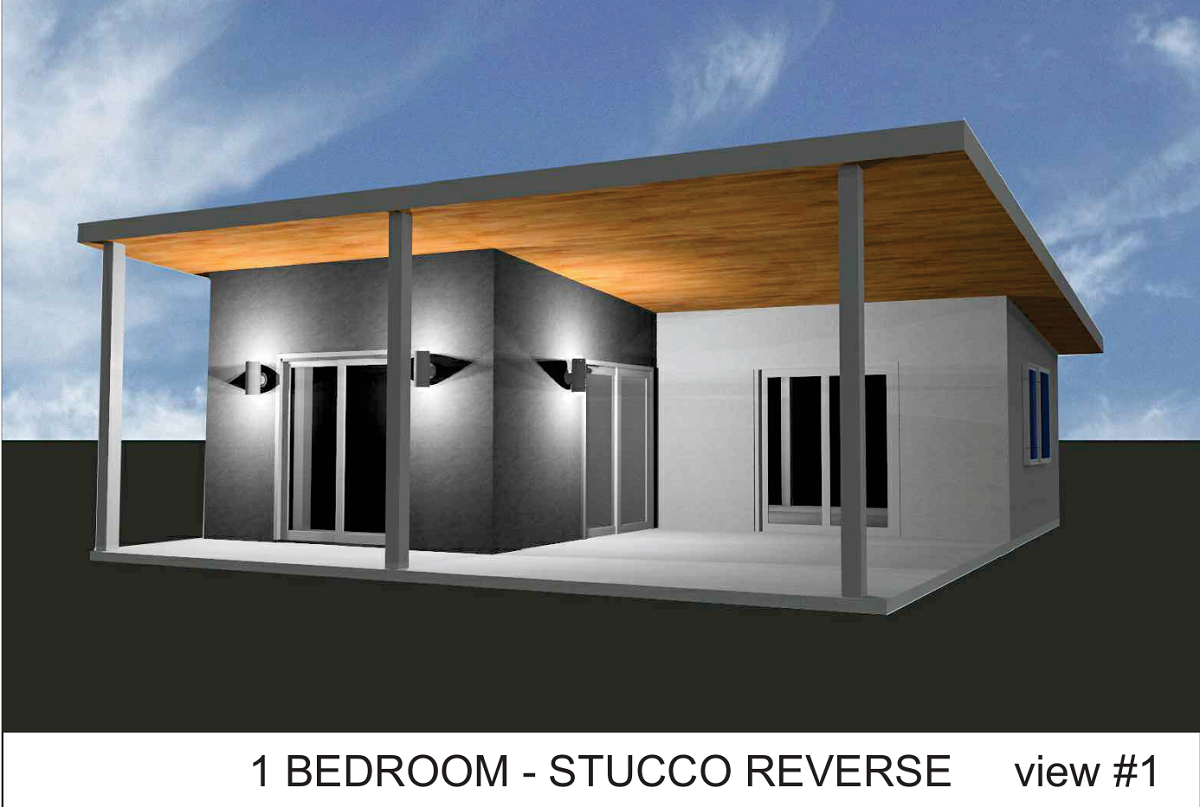
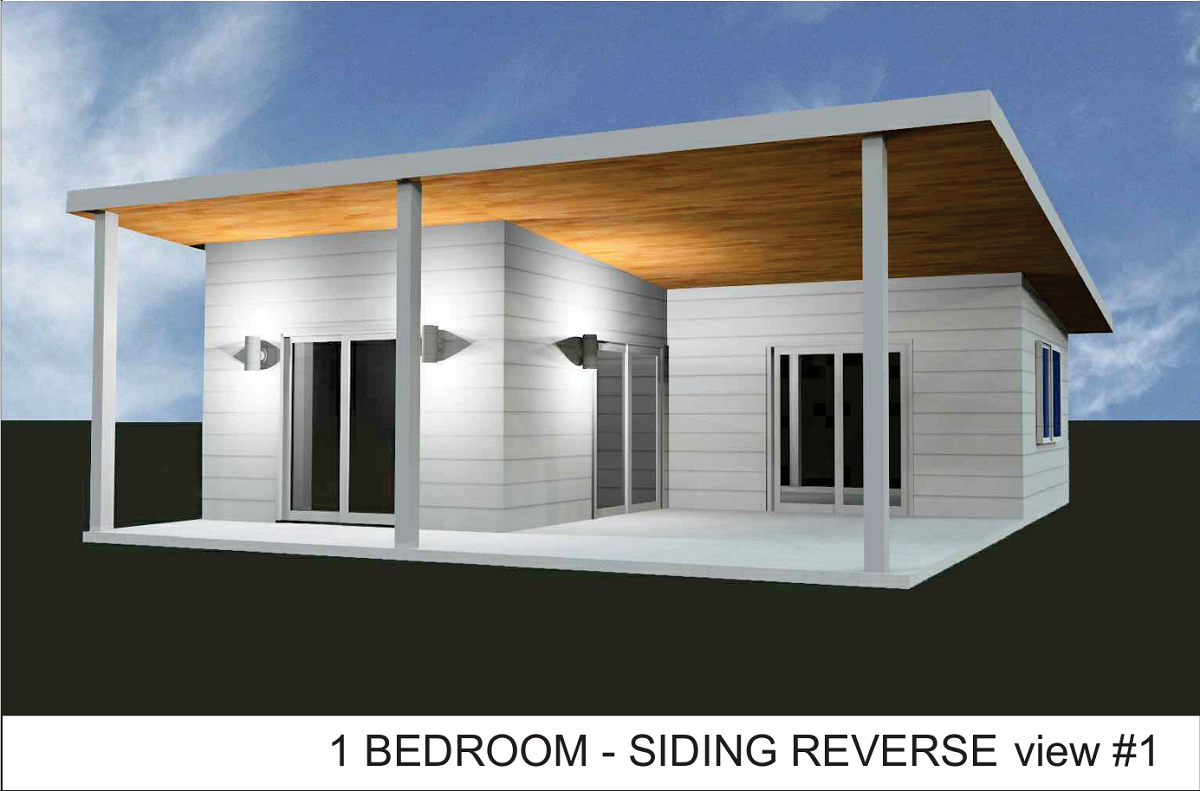
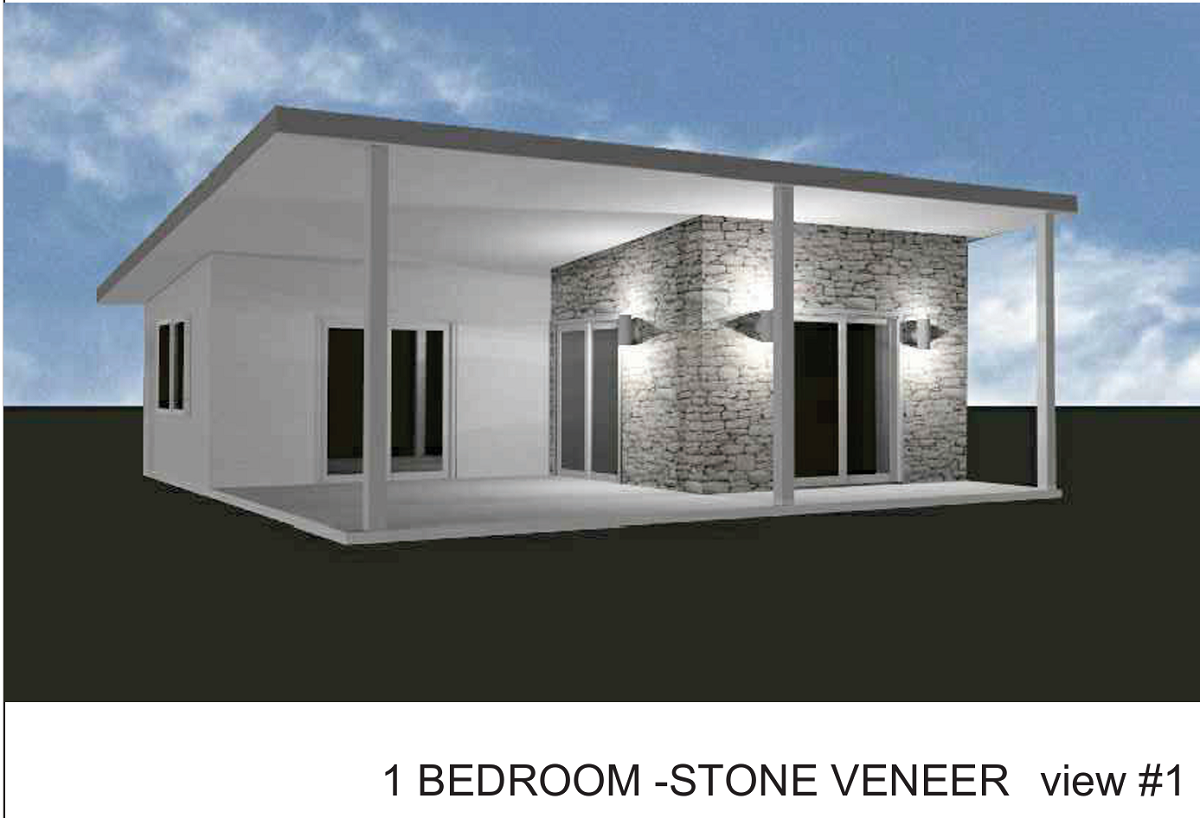
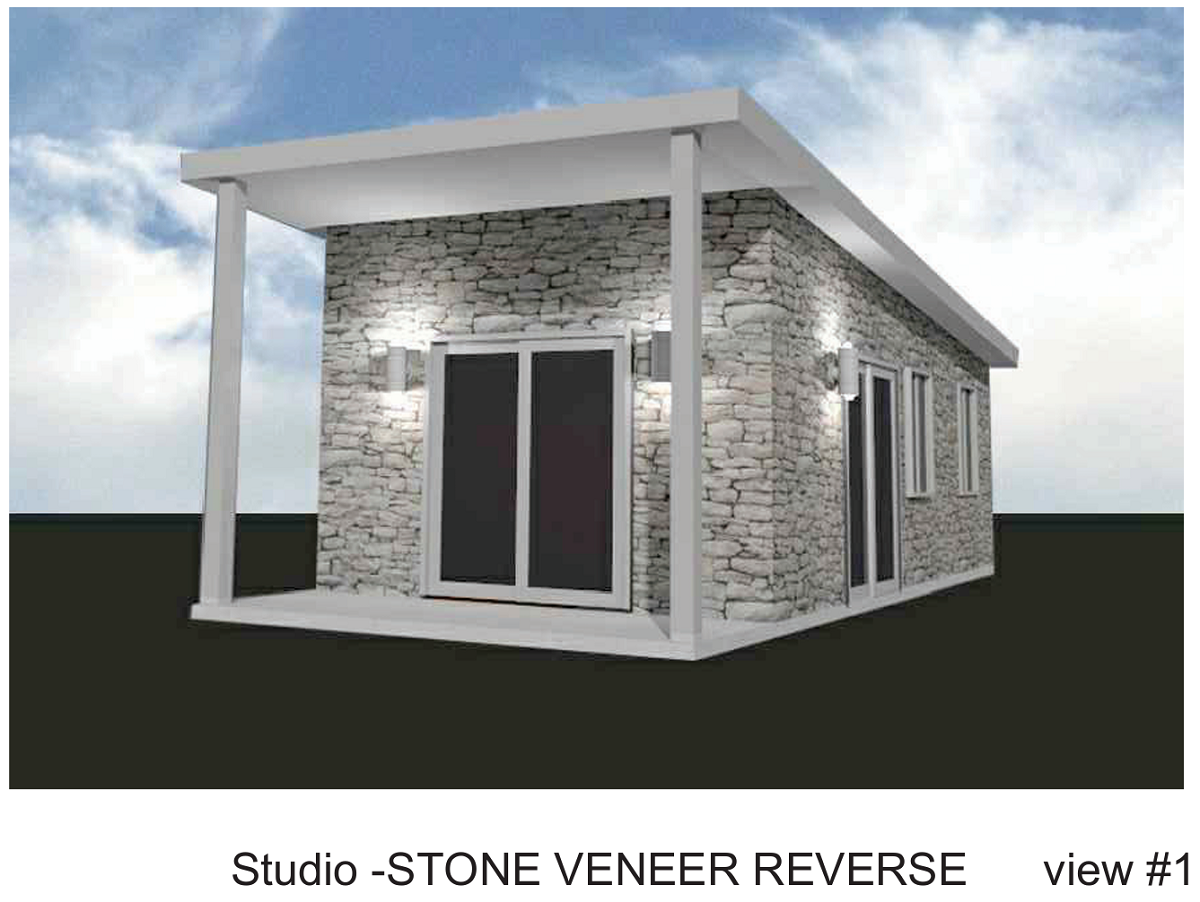
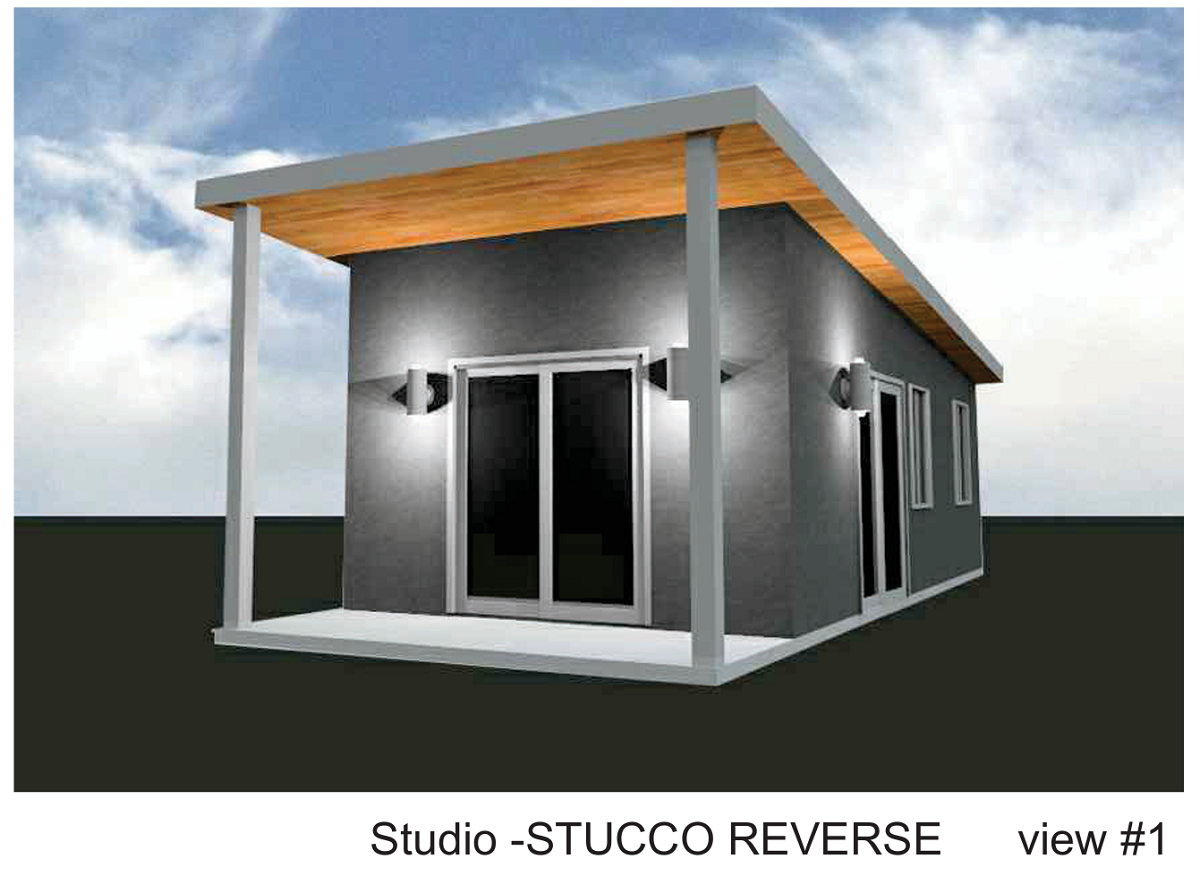
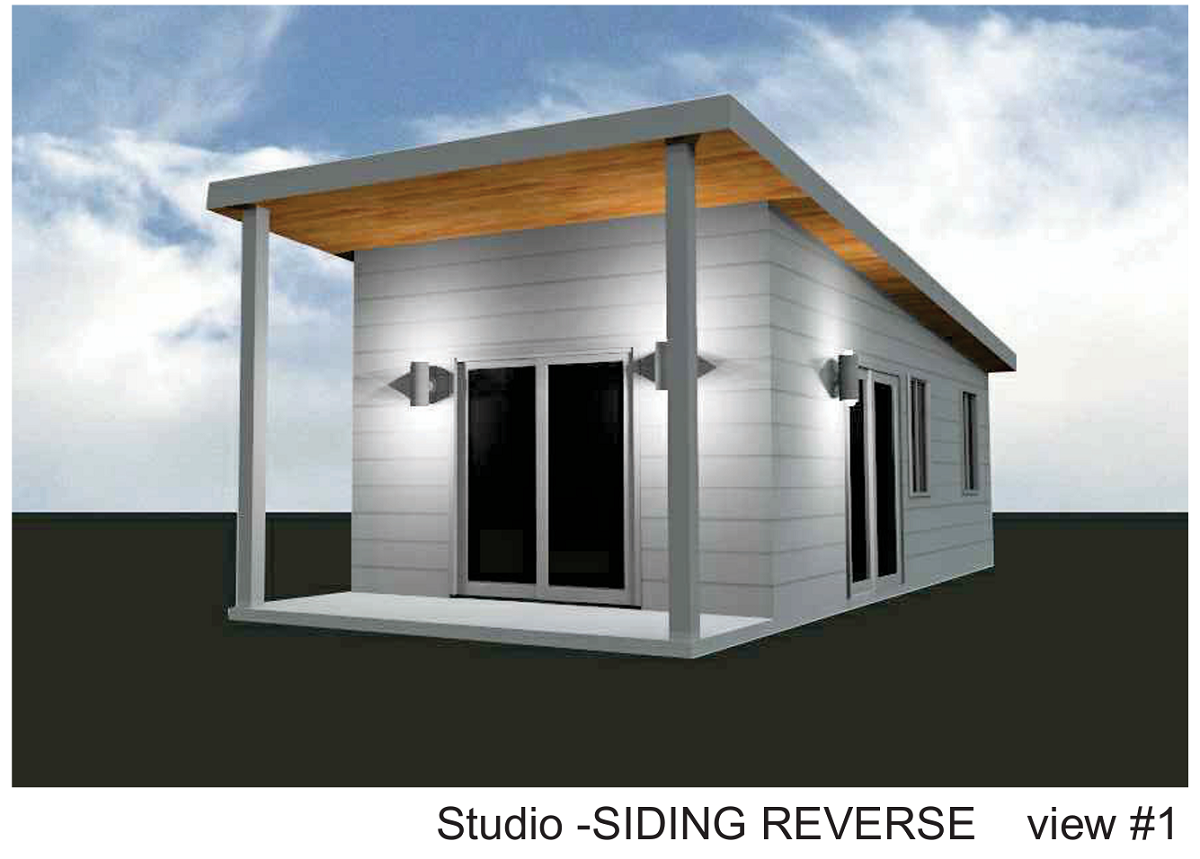
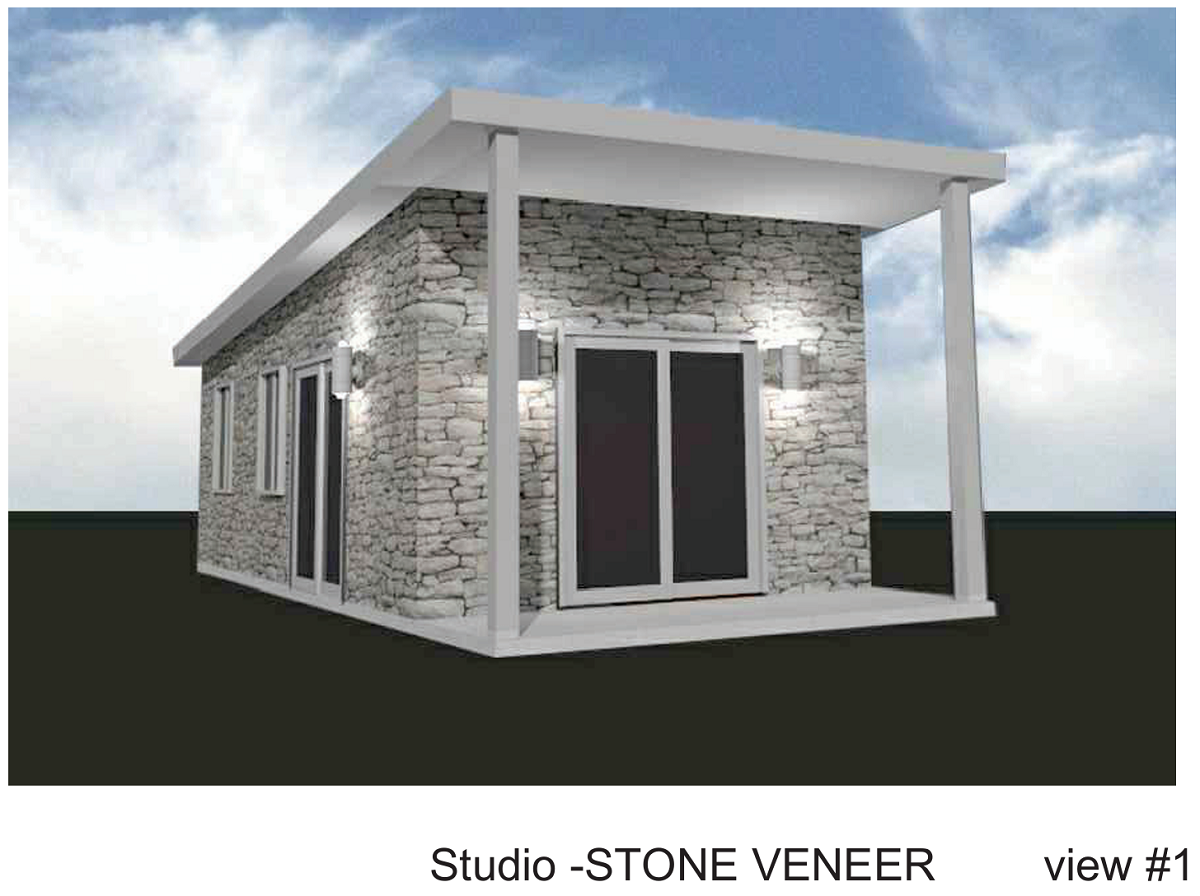
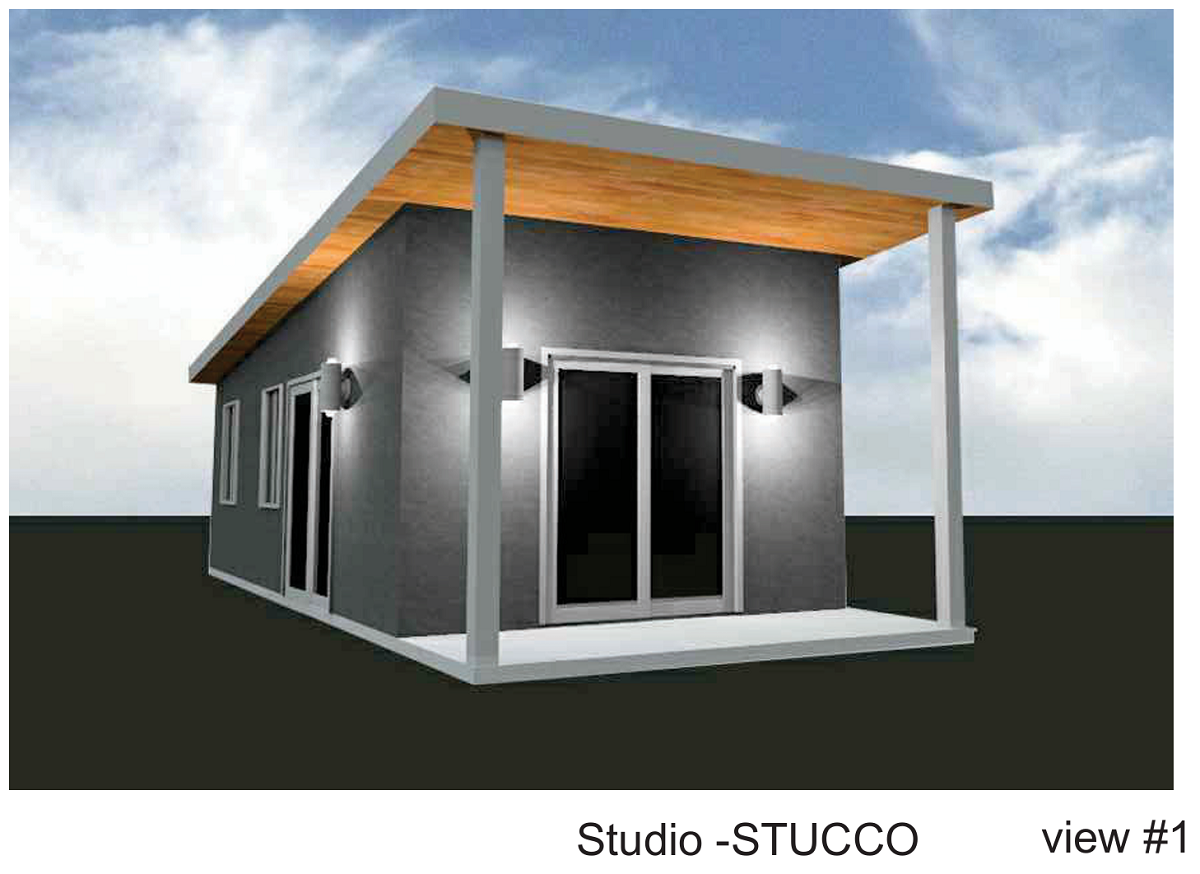
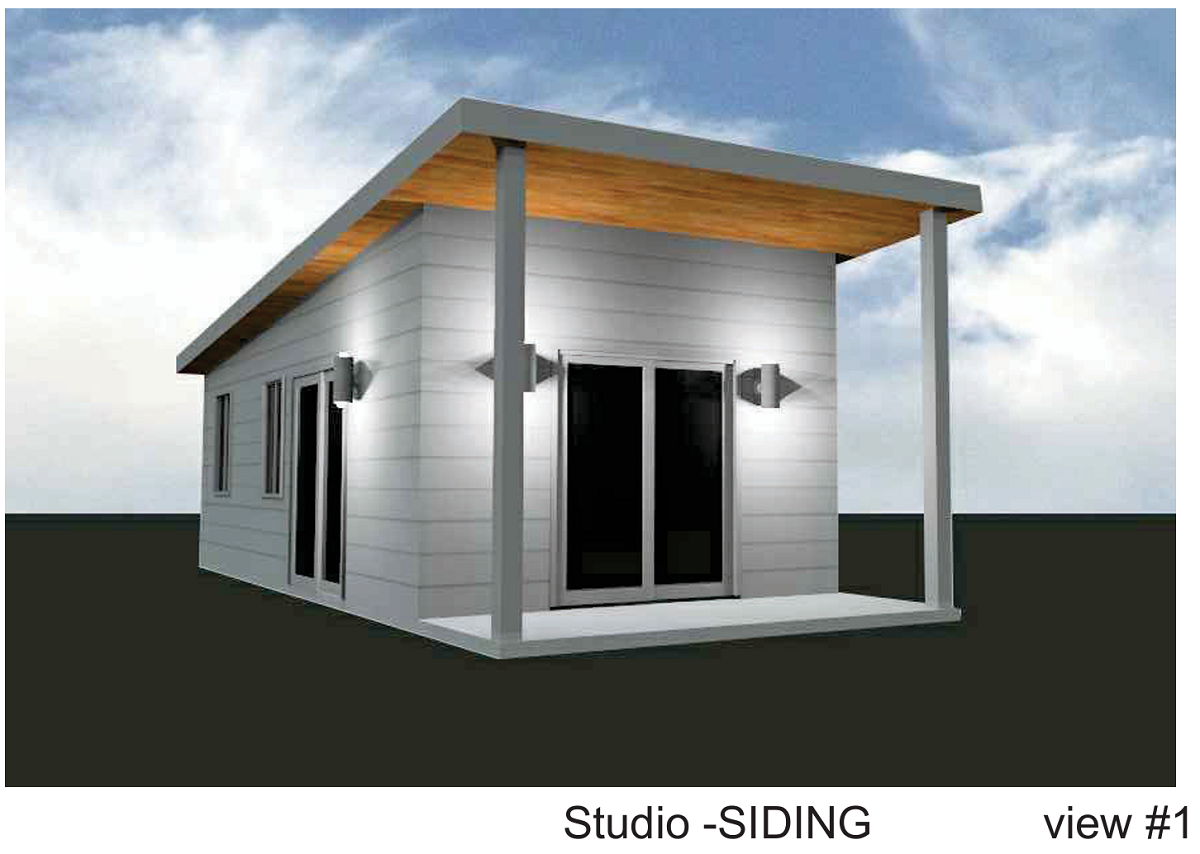
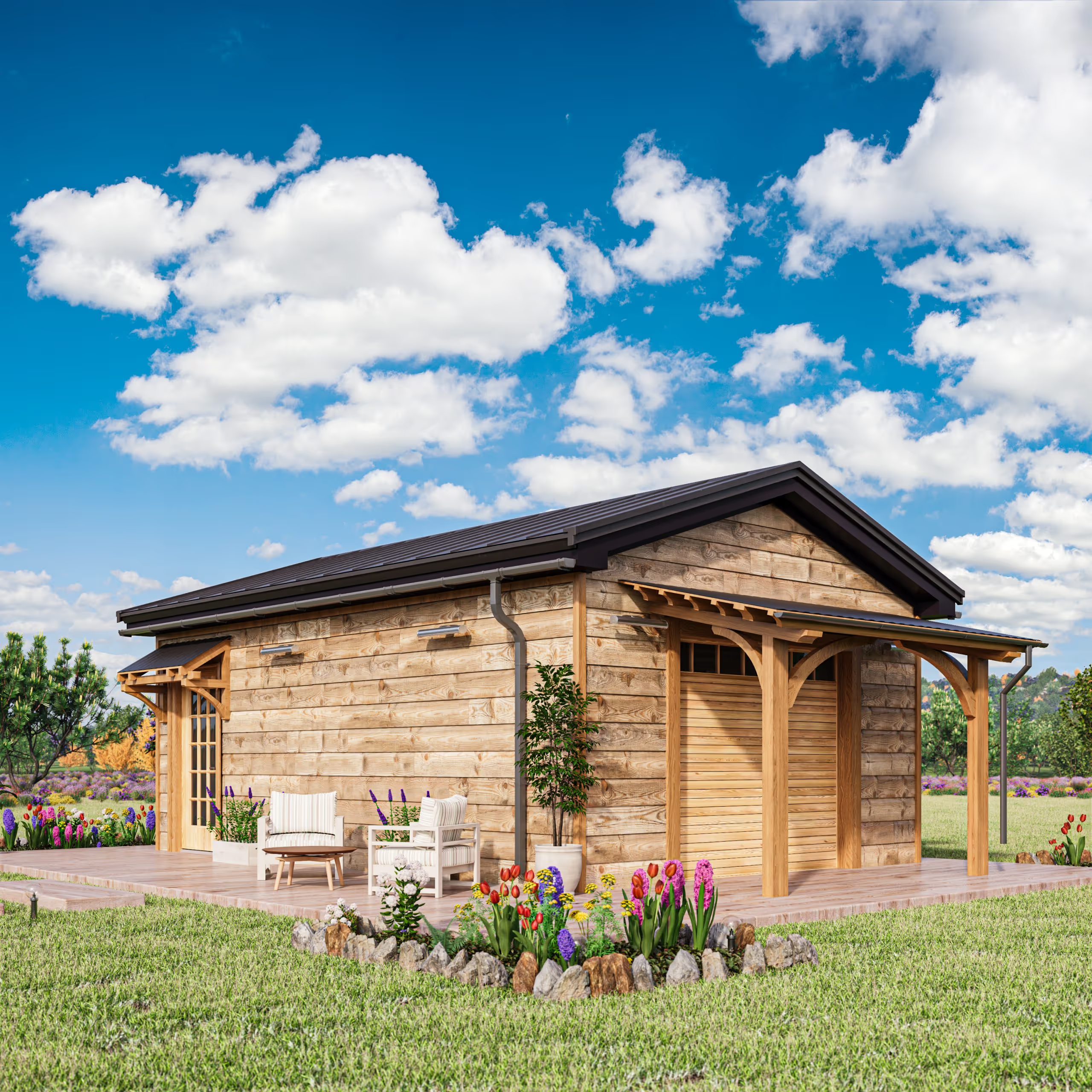
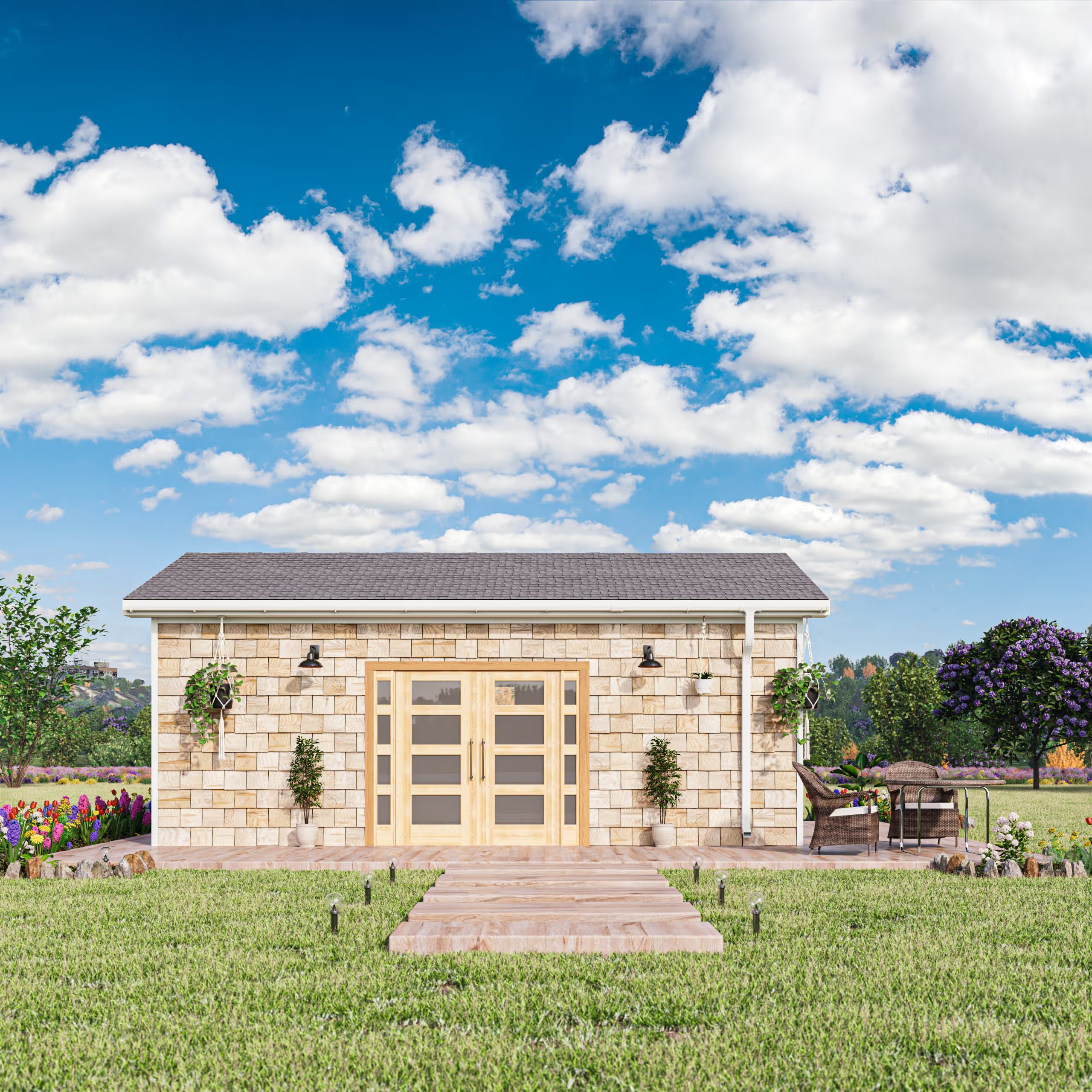
An ADU is build-to-rent in a unit of one
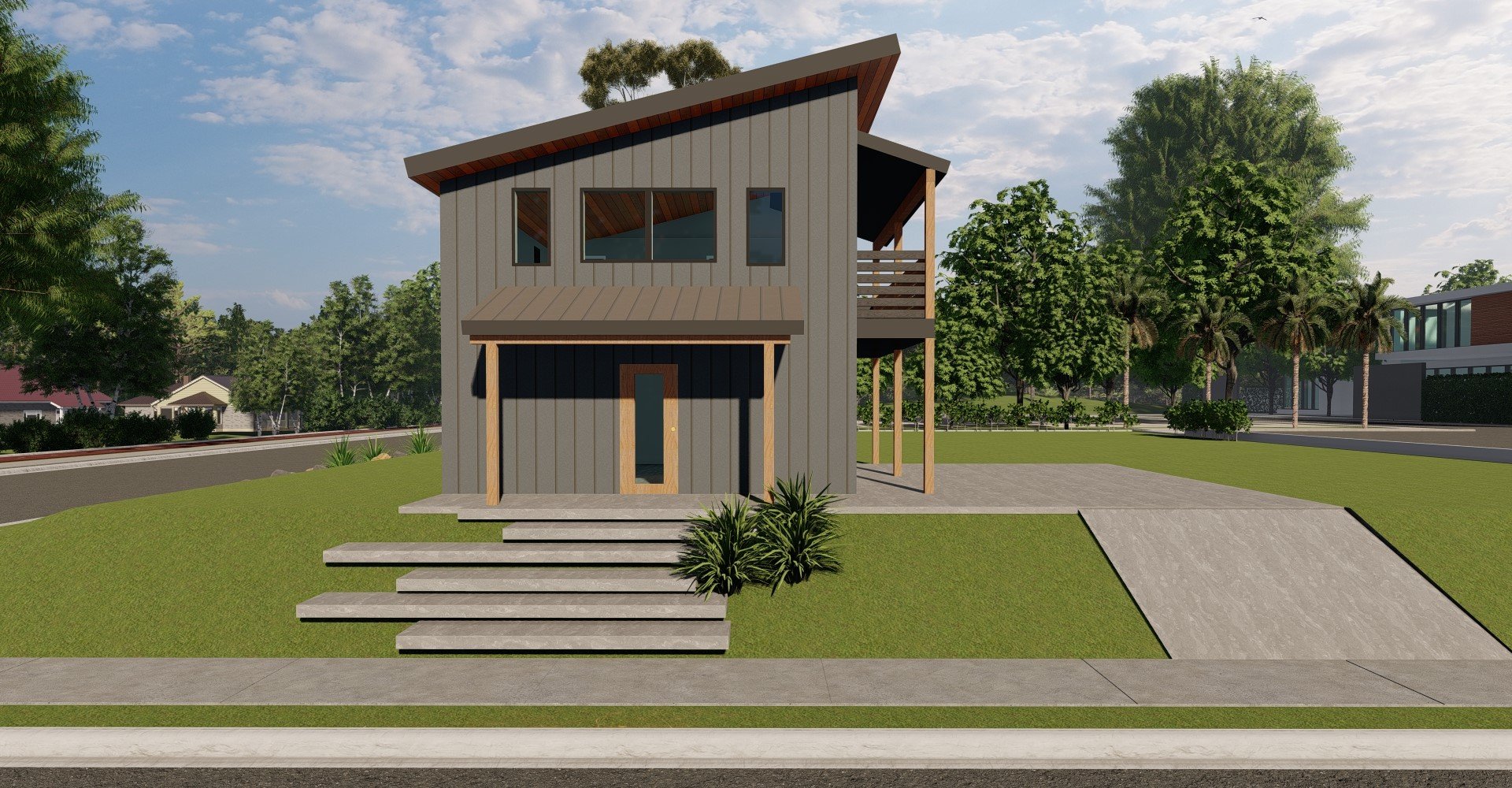
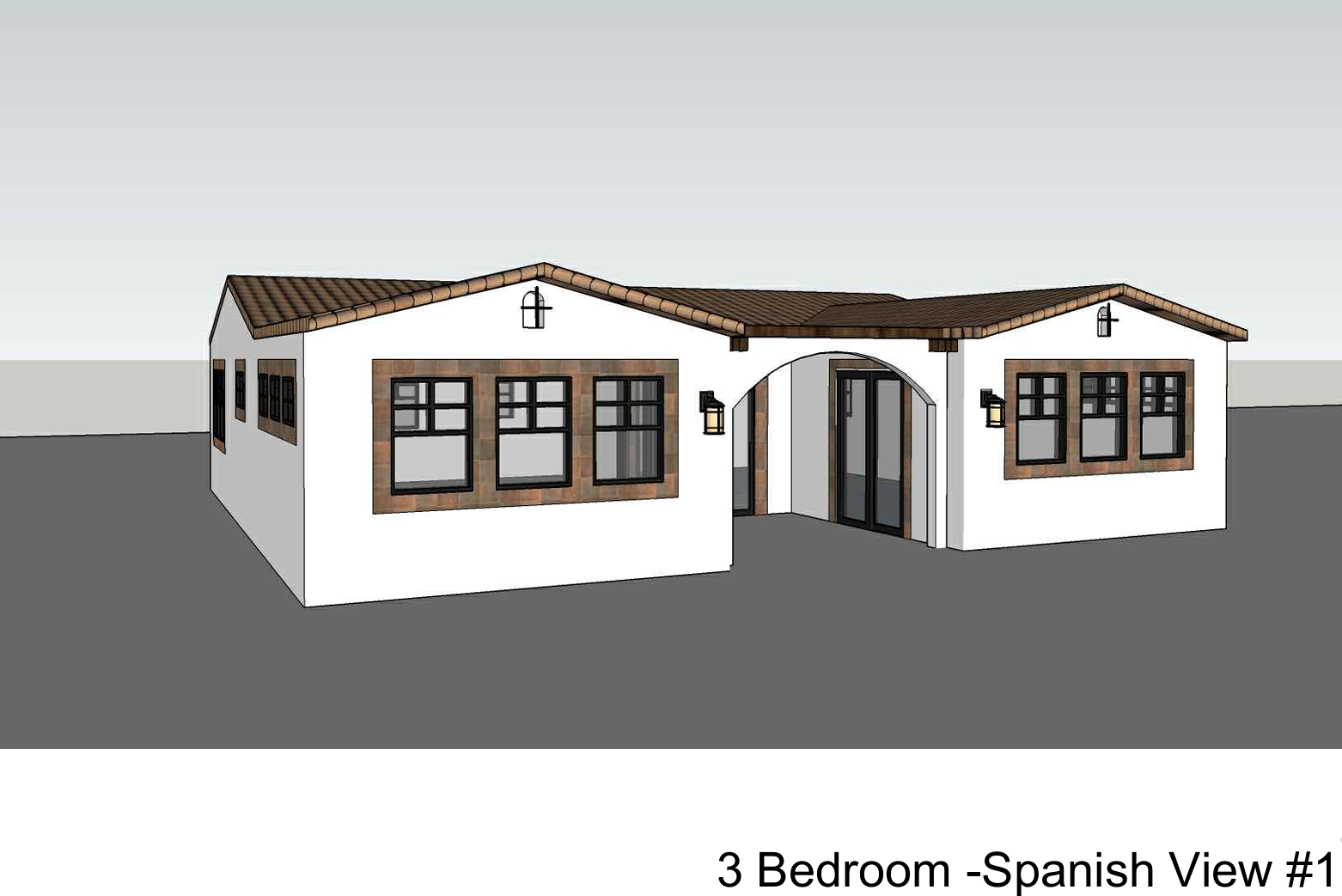
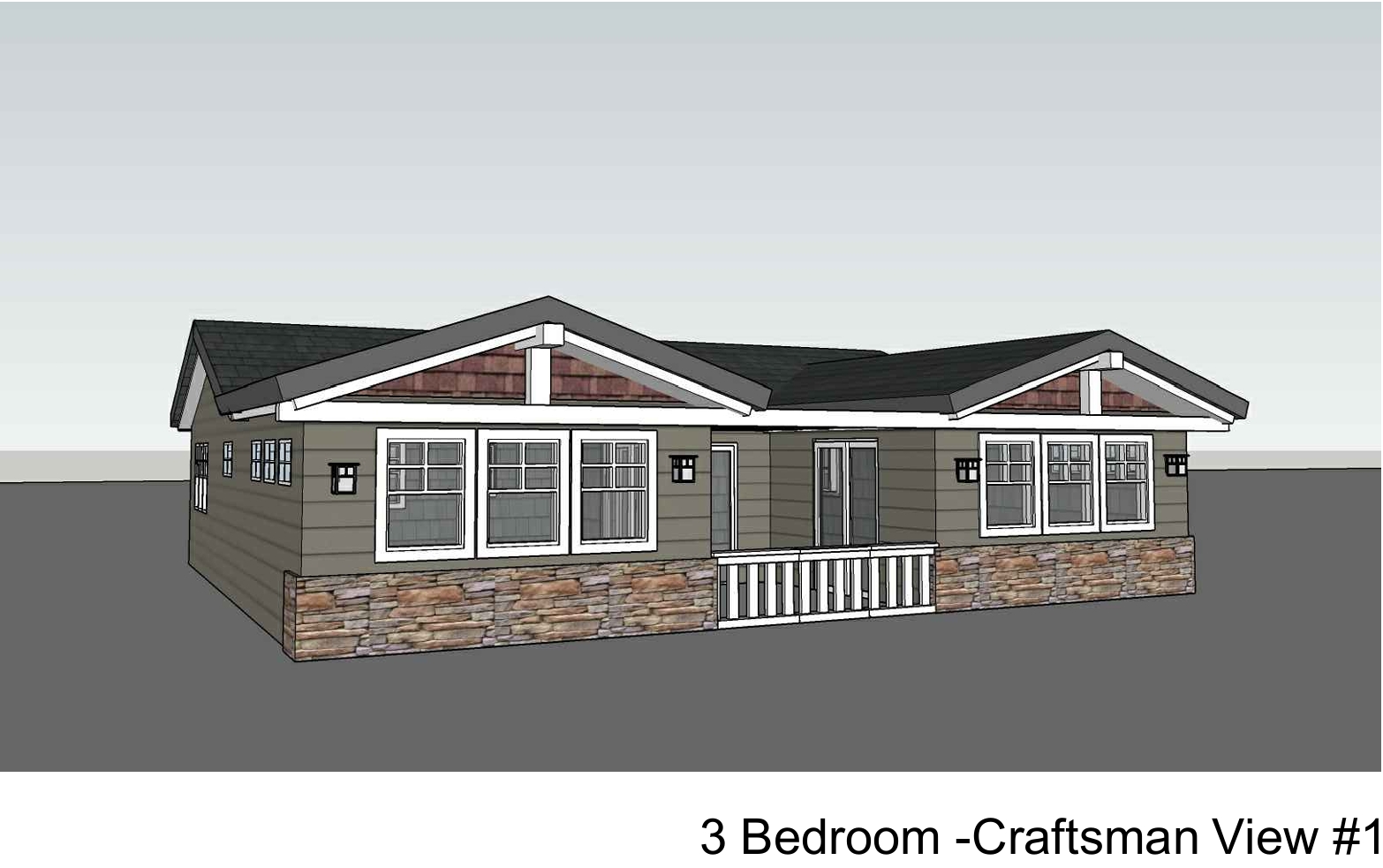
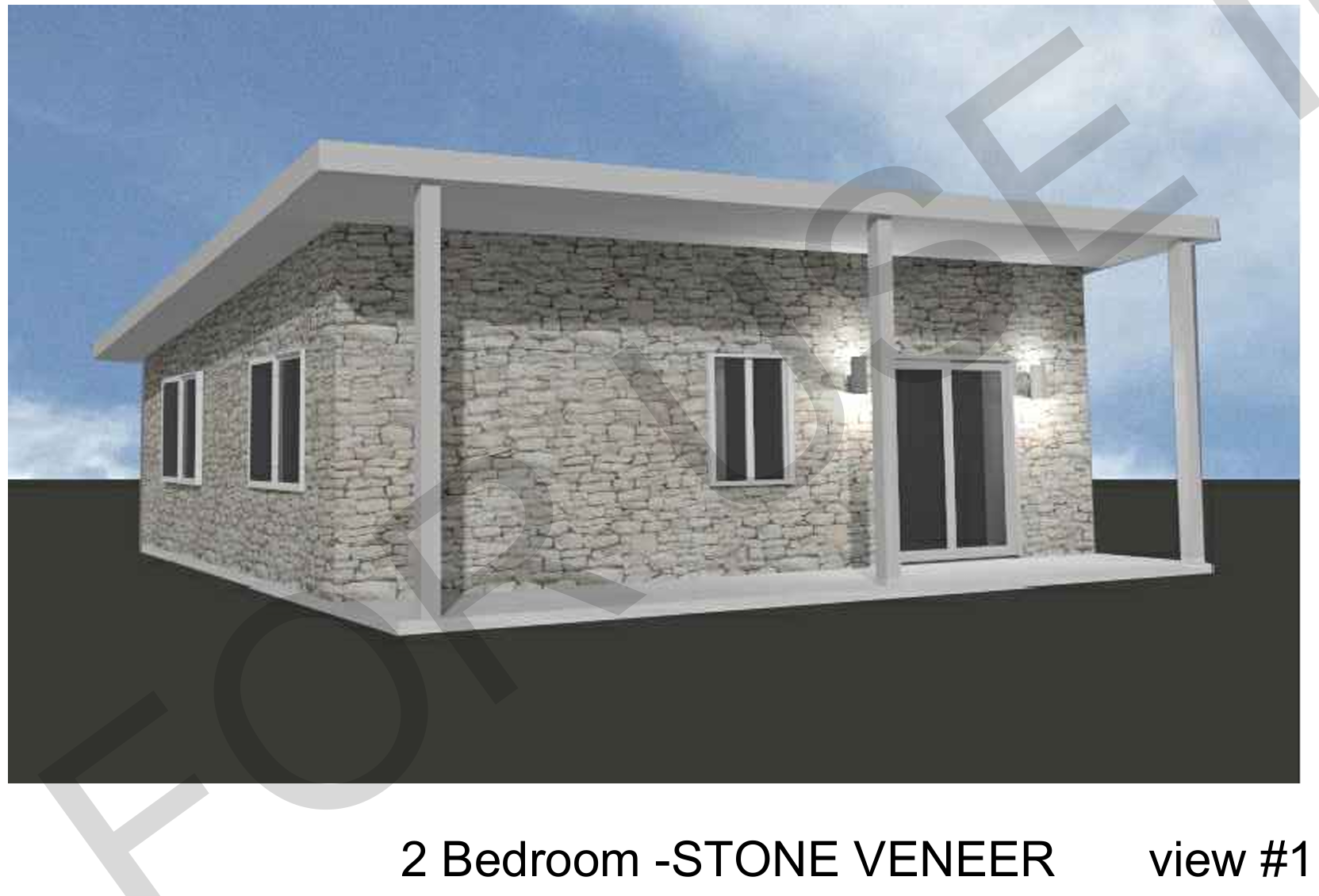
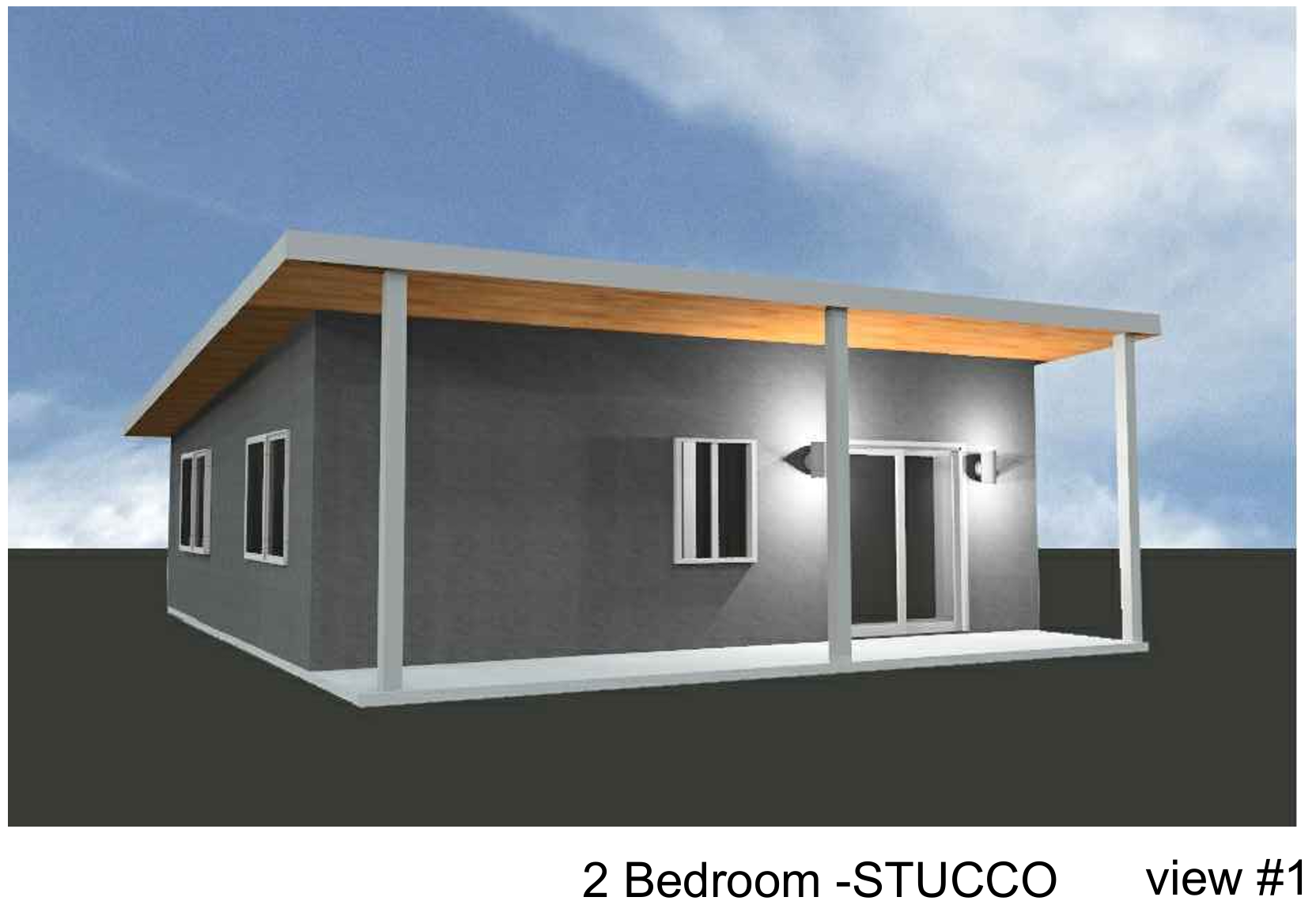
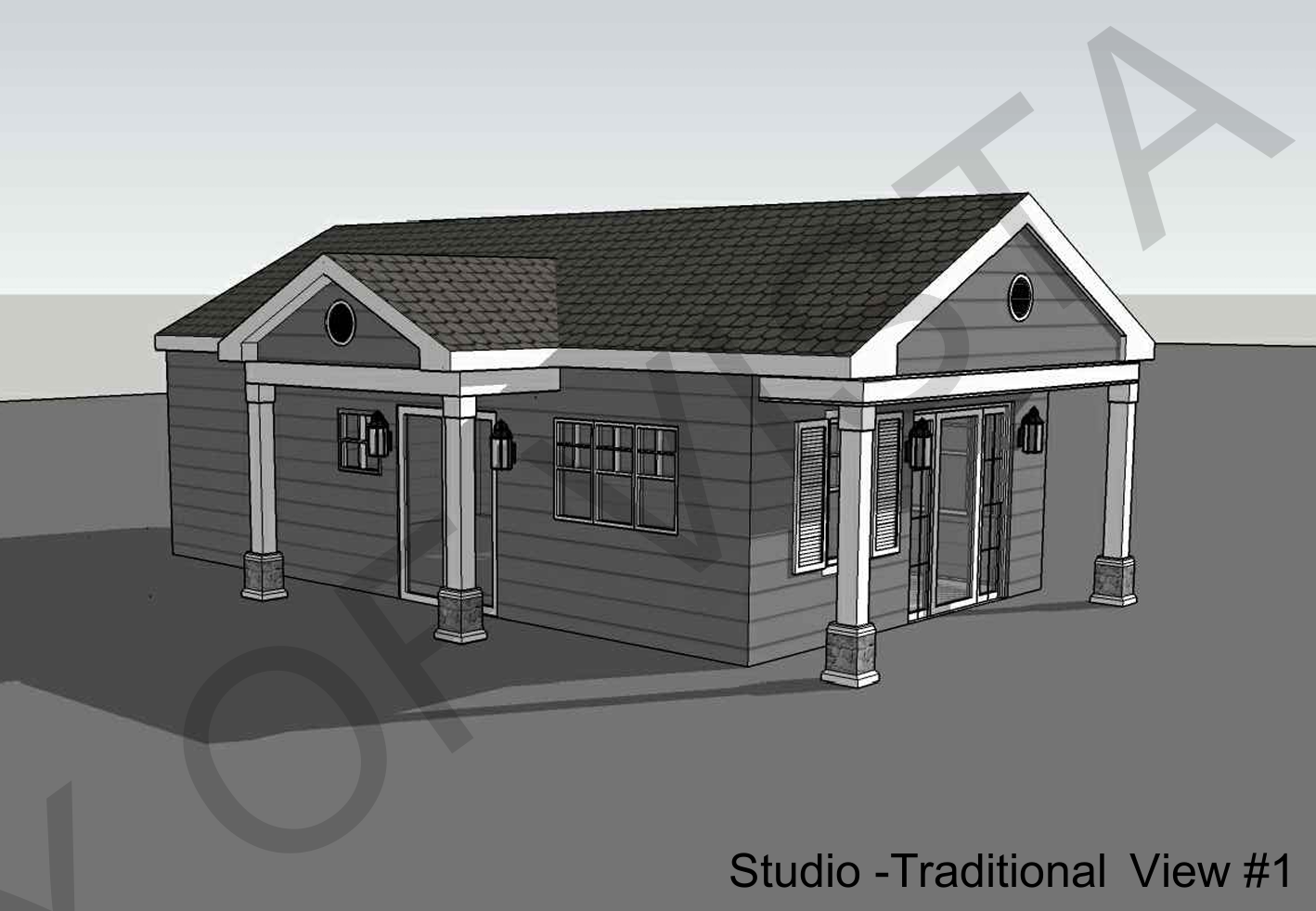
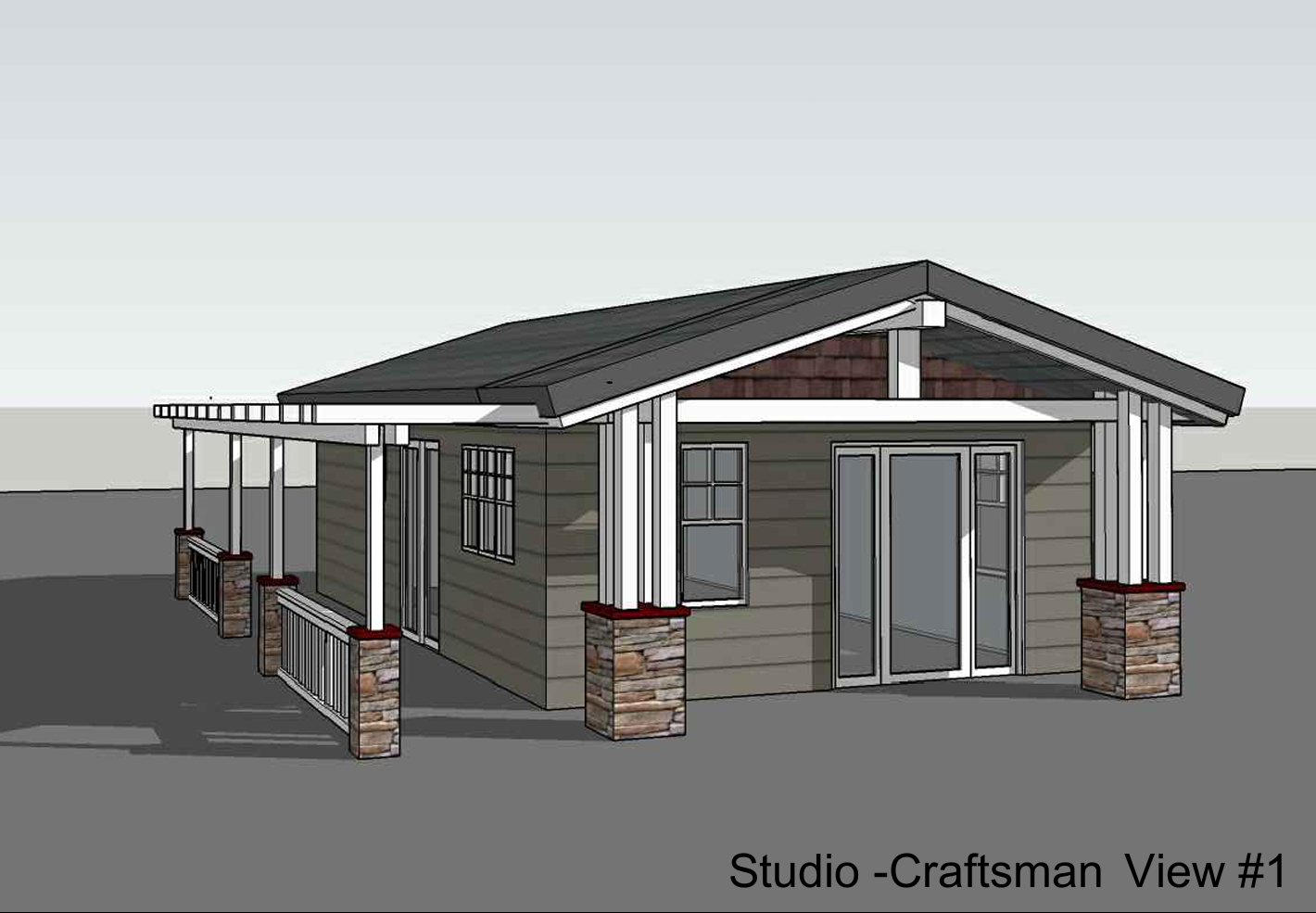
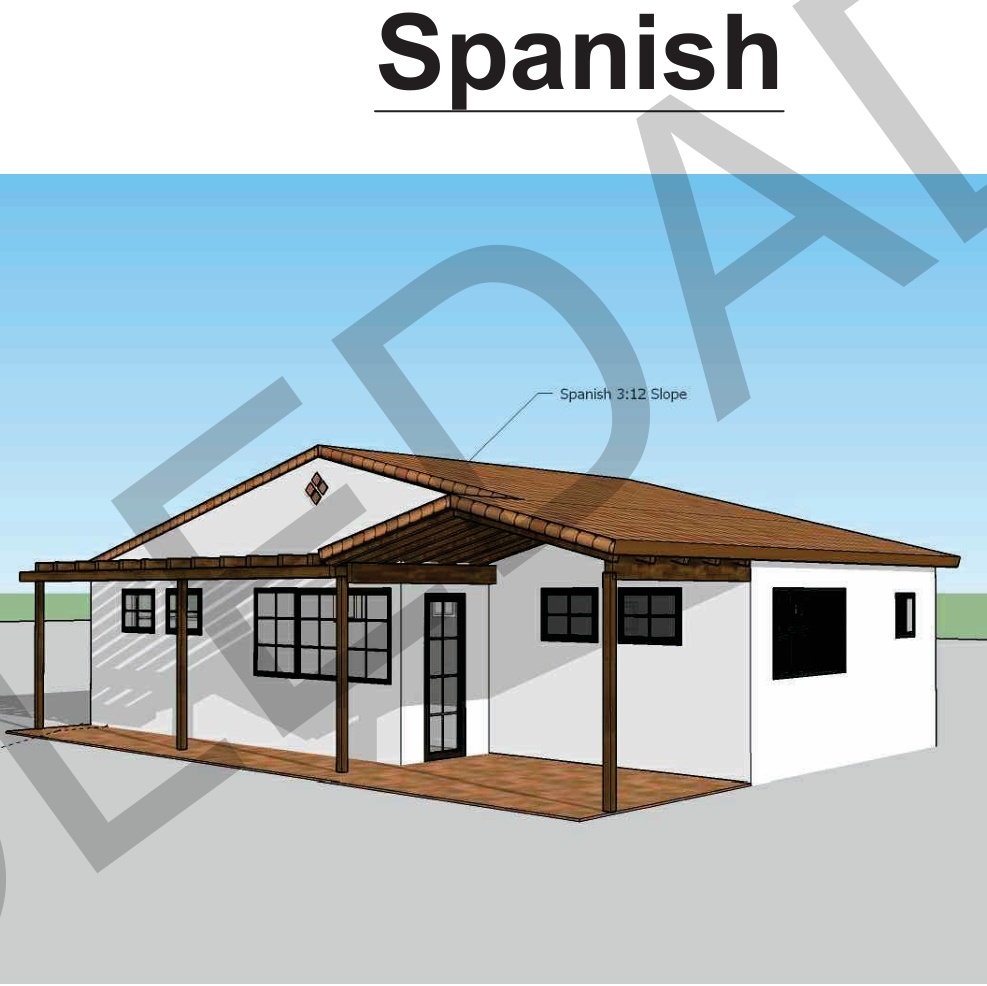
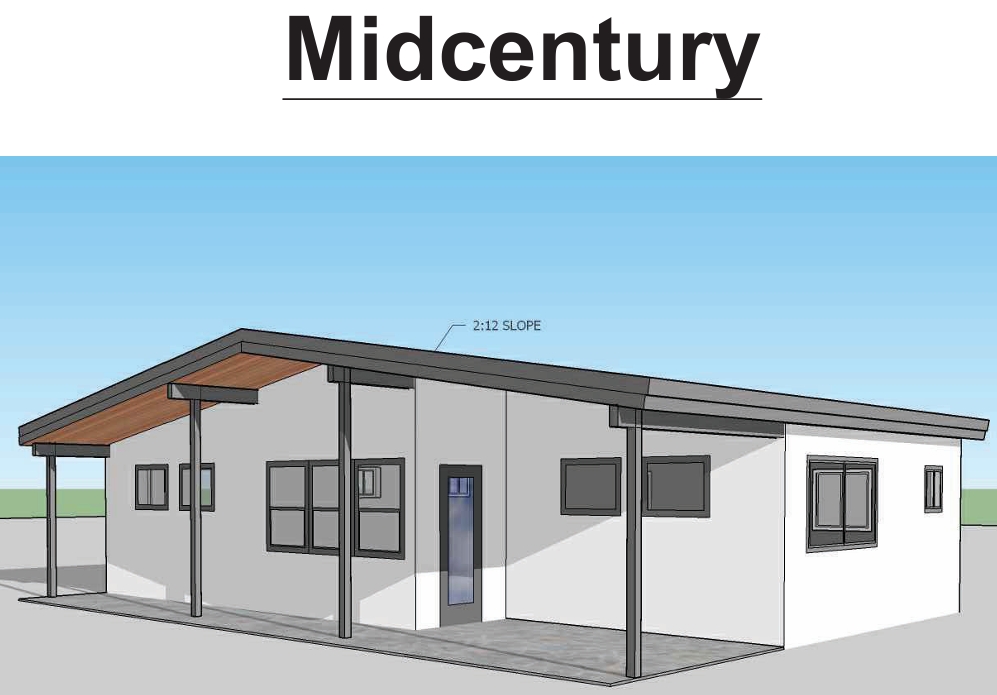
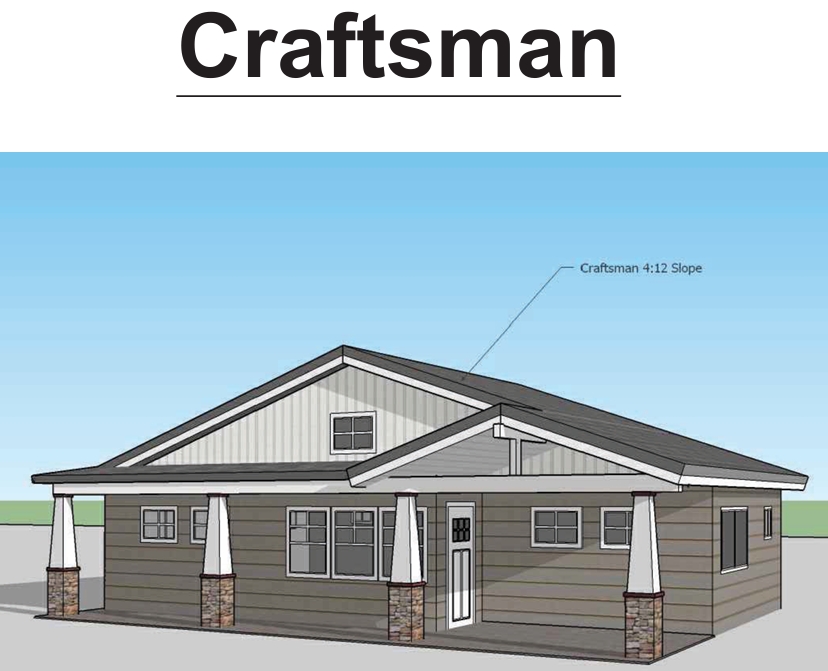
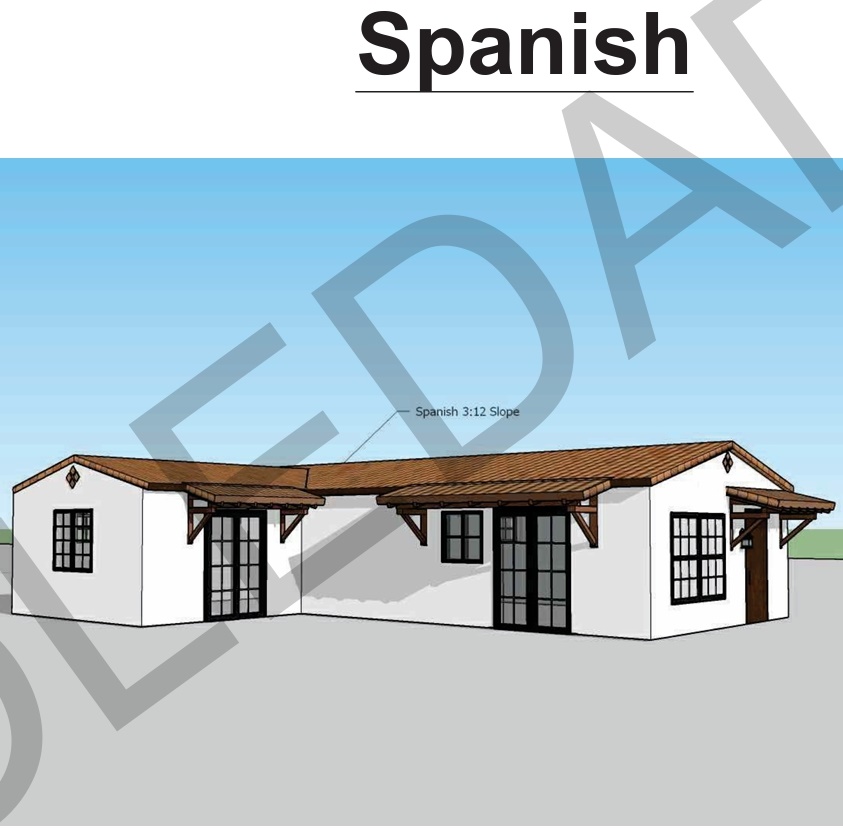
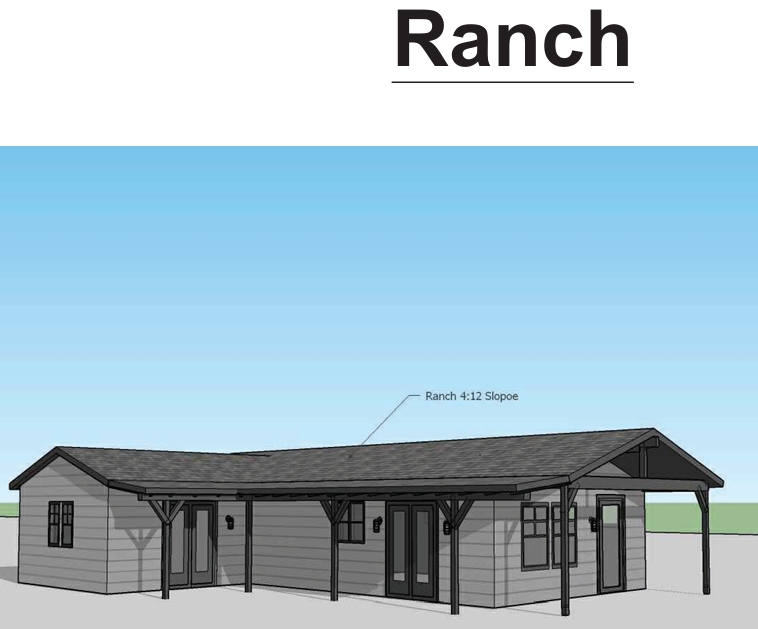
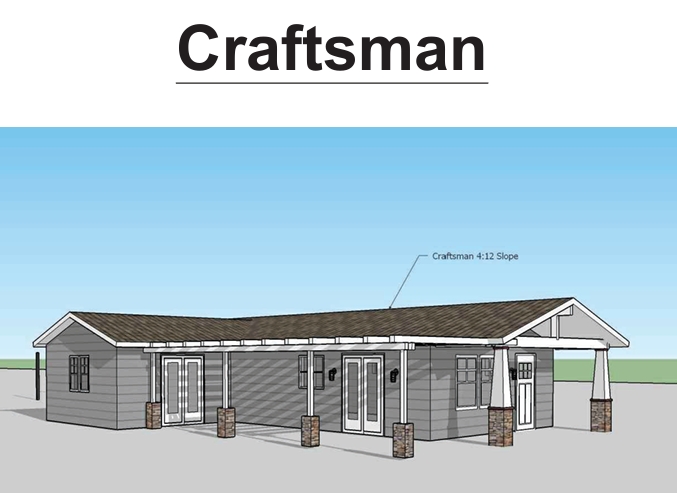
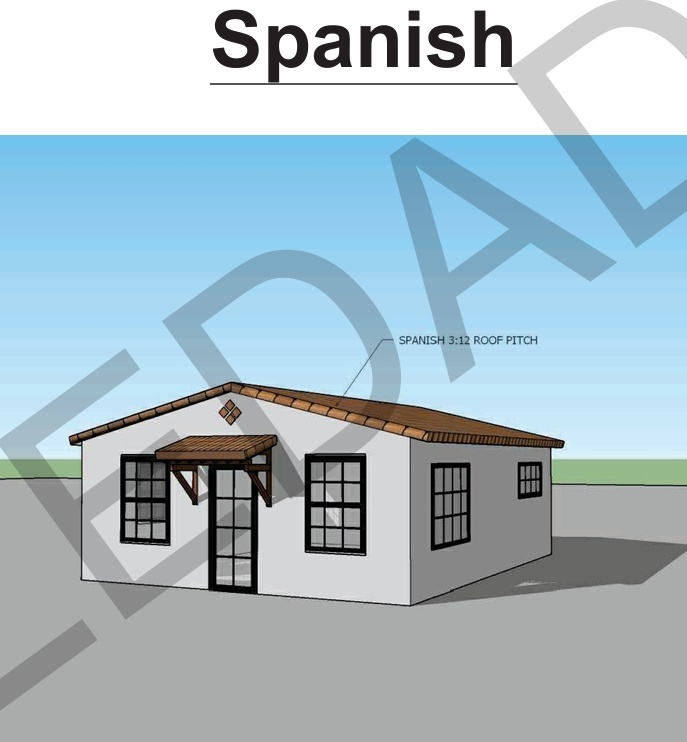
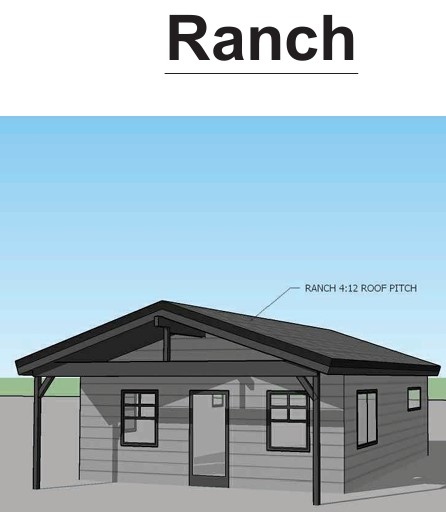
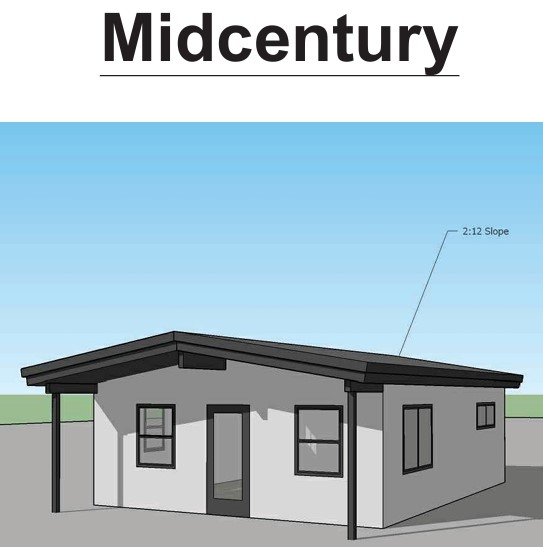
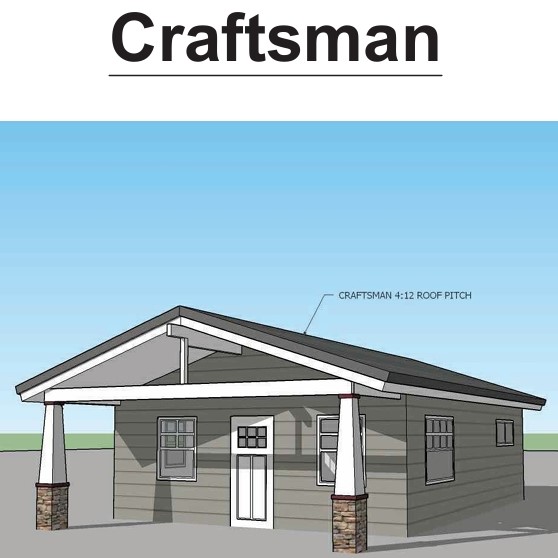
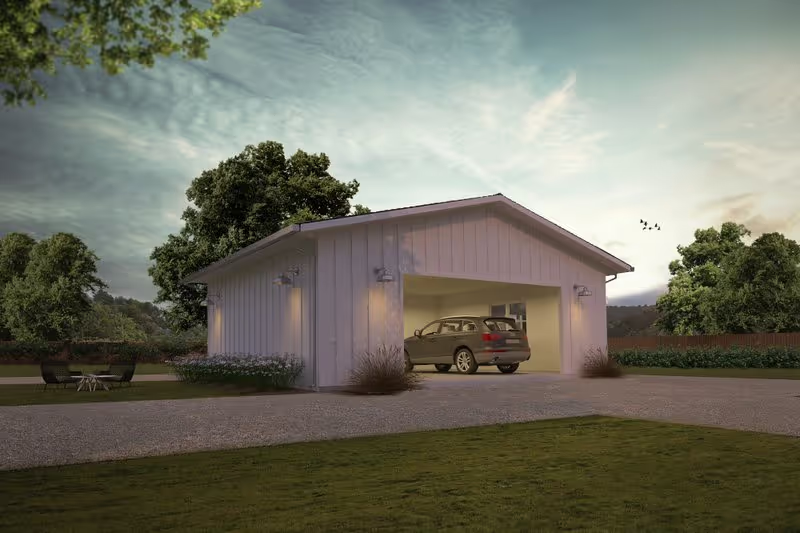
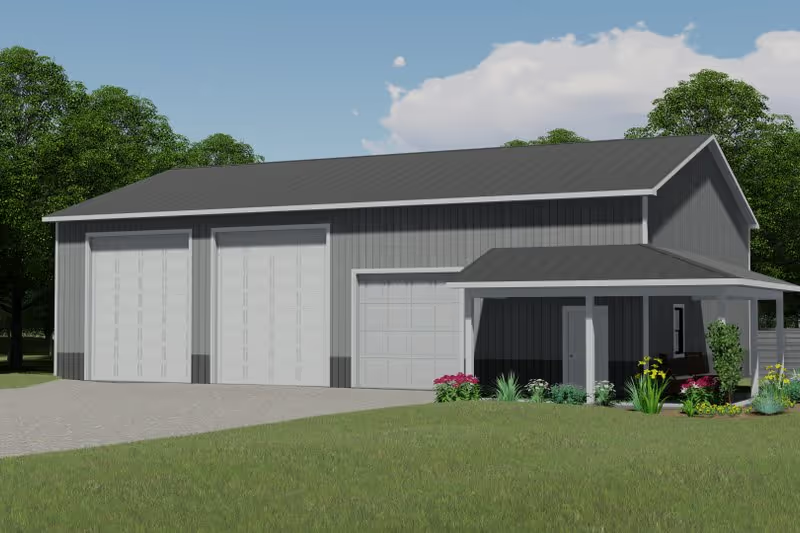
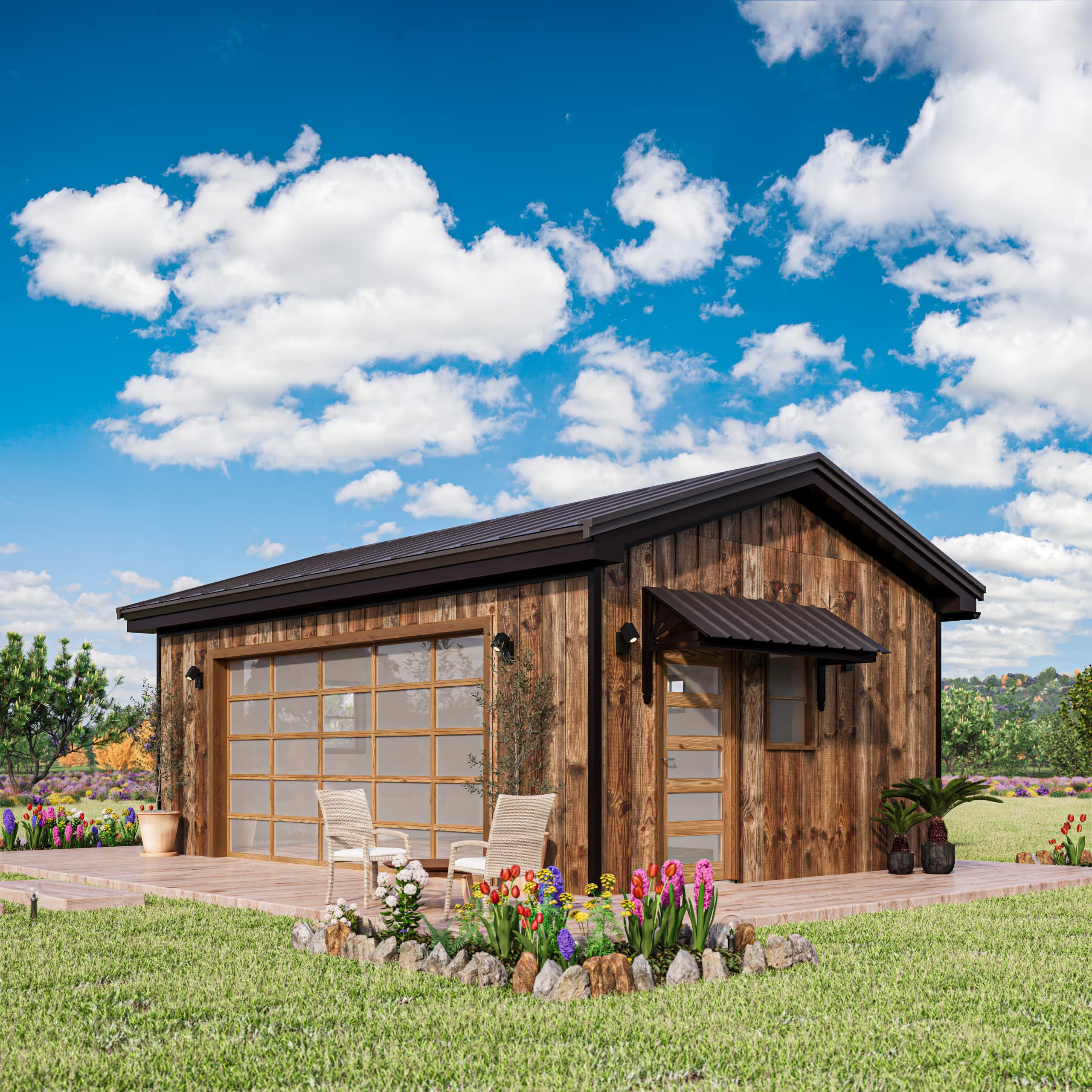
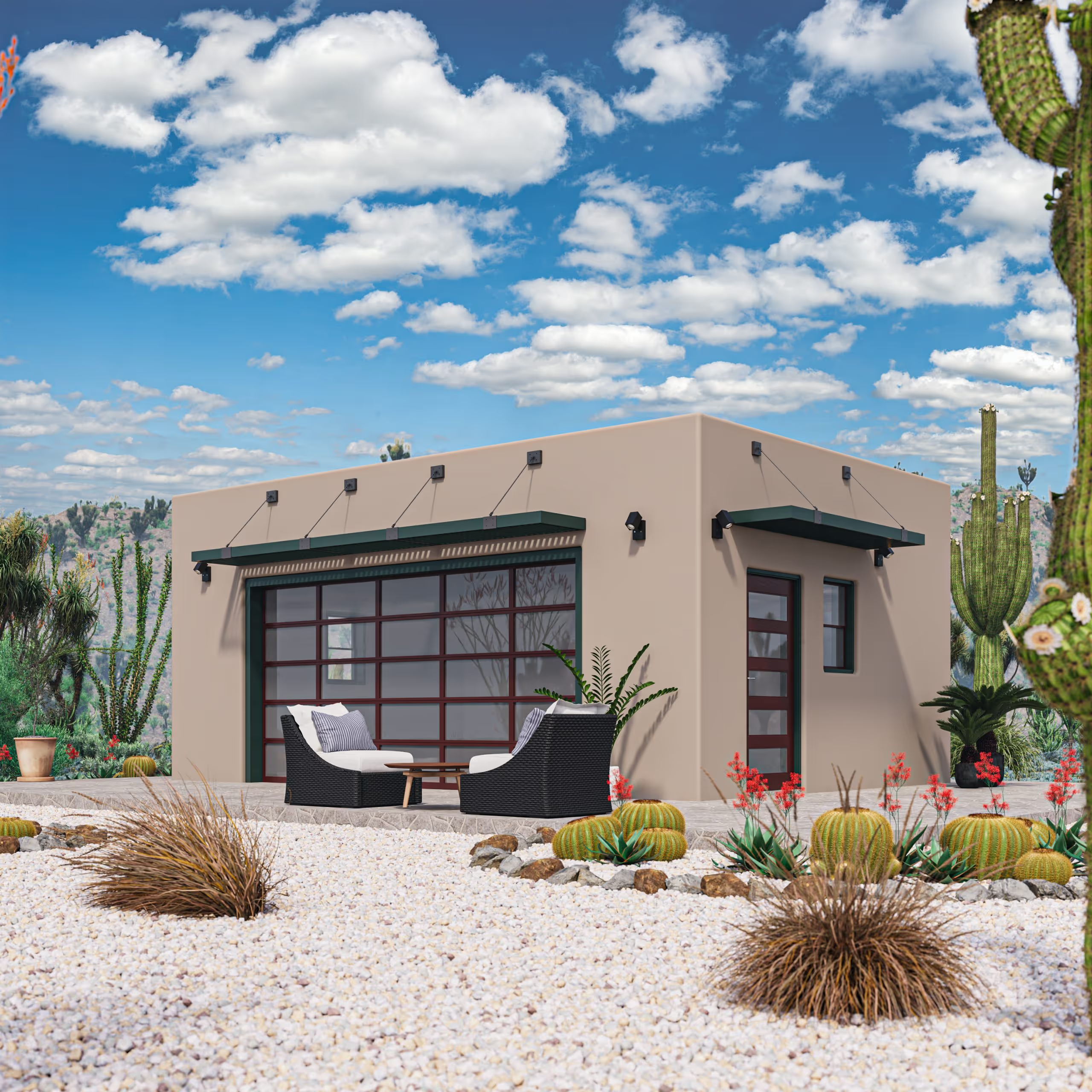
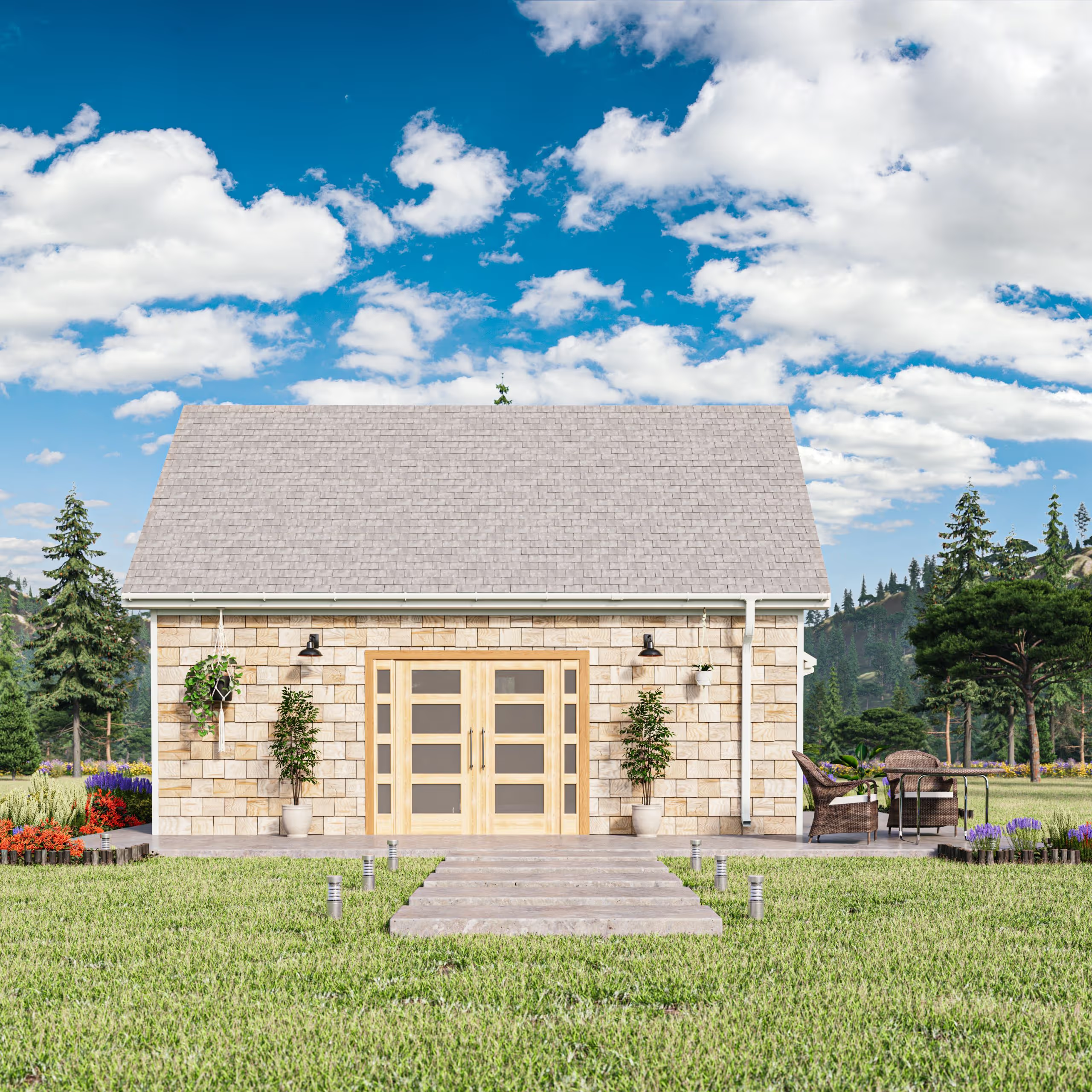
Build-to-rent is usually discussed as though it begins with a developer, a large site, and dozens or hundreds of homes. Economically, however, BTR can begin in a homeowner’s backyard. When a homeowner invests capital to construct an ADU and offers it for rent, that homeowner has created a one-unit build-to-rent development.
The homeowner is the developer. The backyard or unused portion of the property is the site. The ADU is the newly created rental unit. Monthly rent becomes incremental household income, while the owner retains a durable housing asset that may also increase the usefulness and value of the property.
The underlying model is the same at every scale: identify land, select a residential design, obtain approvals, finance construction, create a rentable dwelling, manage costs, collect recurring income, and preserve the asset. A one-unit ADU, a ten-home cottage court, and a 200-home BTR community sit on the same continuum. The principal difference is the number of units.
An income-producing ADU is not merely an addition to a home. It is BTR reduced to its smallest practical unit.
One housing model, several scales
· One homeowner + one ADU: a one-unit BTR investment
· Several ADUs or cottages: a small rental community
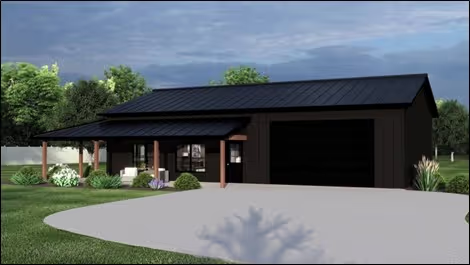
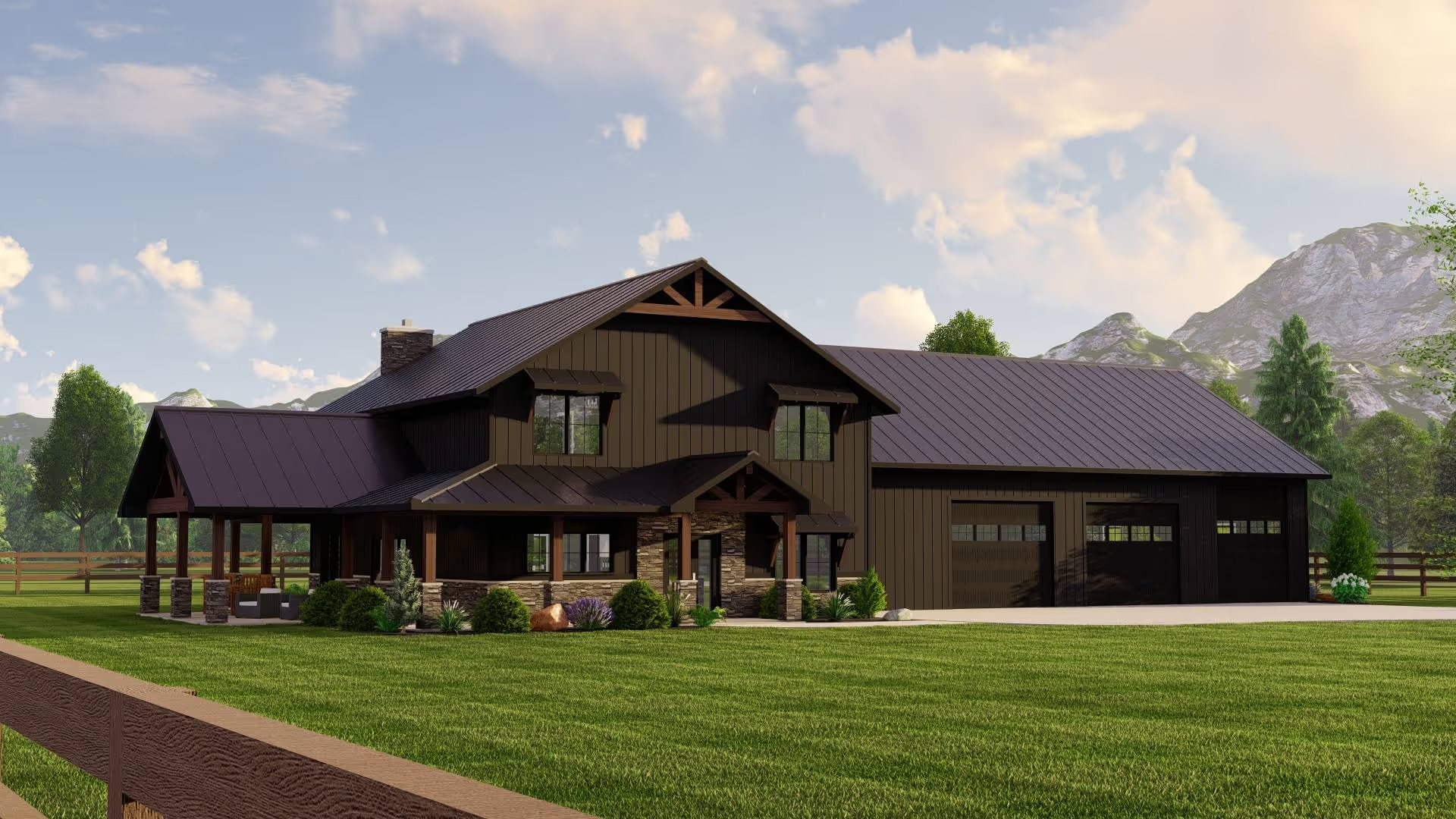
· Dozens or hundreds of detached homes: full-scale BTR
This broader definition matters because it makes housing development accessible to ordinary property owners. The homeowner does not need to become a large real-estate company. By adding one well-designed rental dwelling, the homeowner becomes a developer in miniature and participates directly in creating housing supply.
Design Path Studio and FrameUpNow make the model scalable in both directions
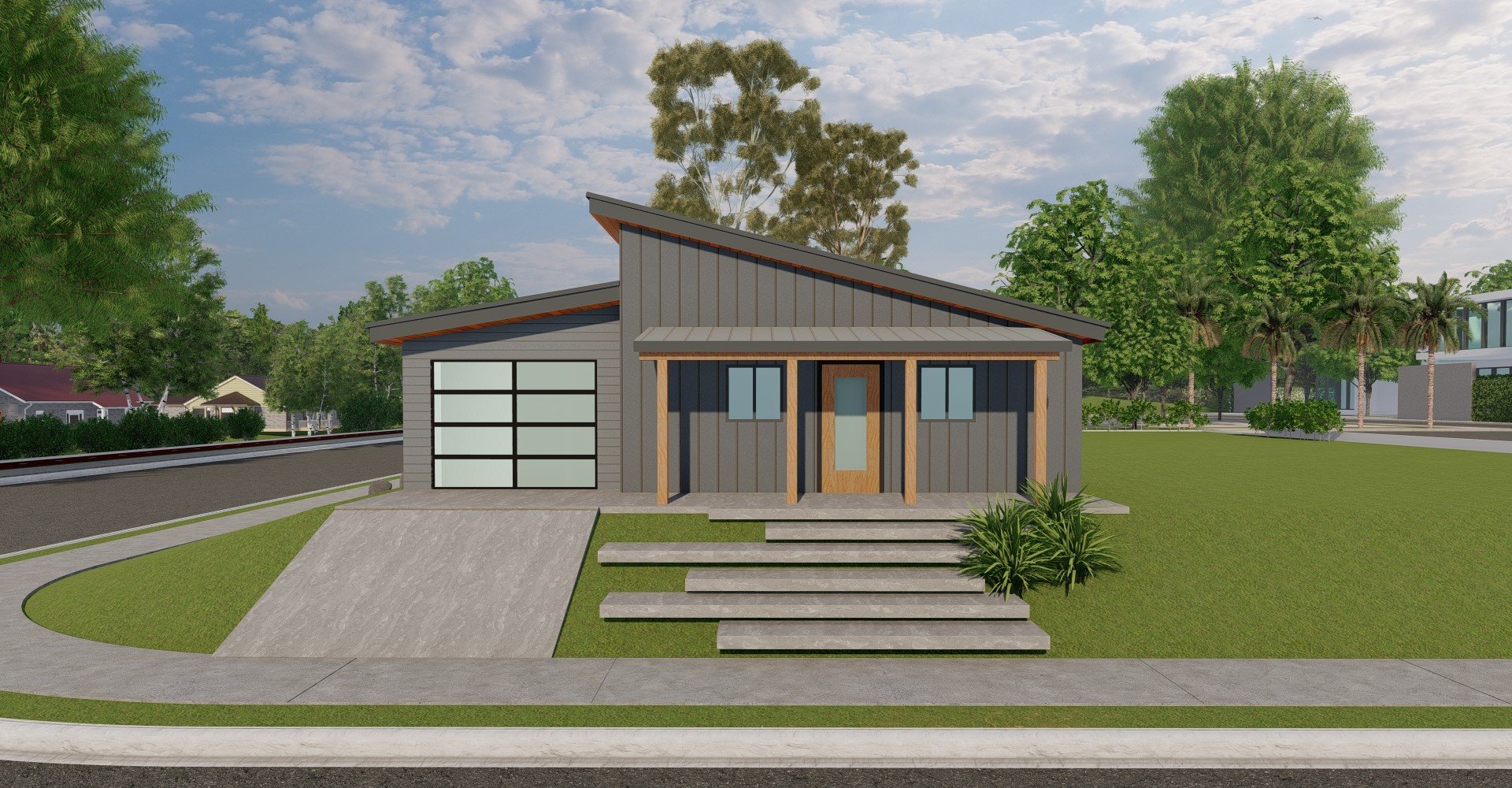
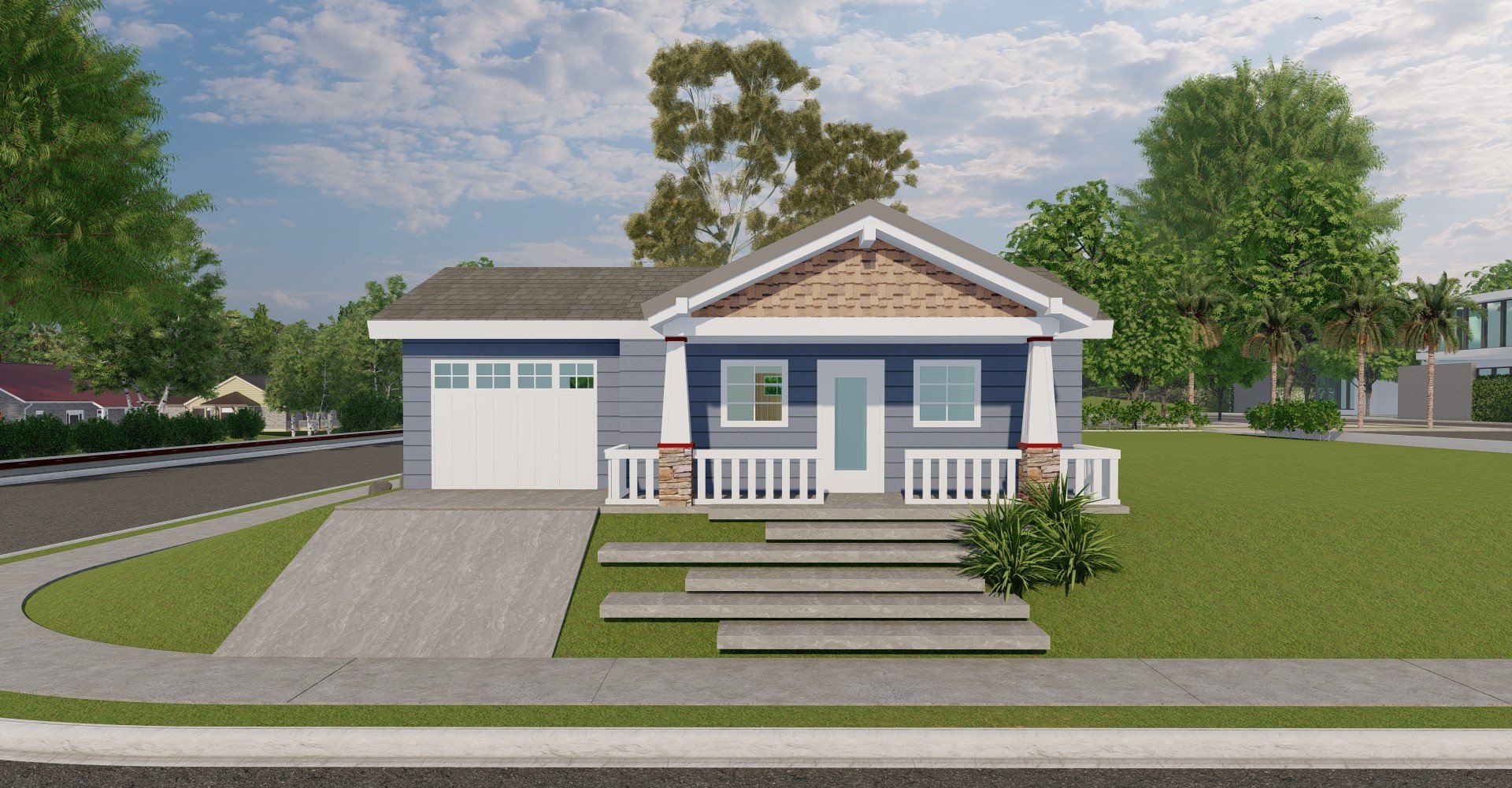
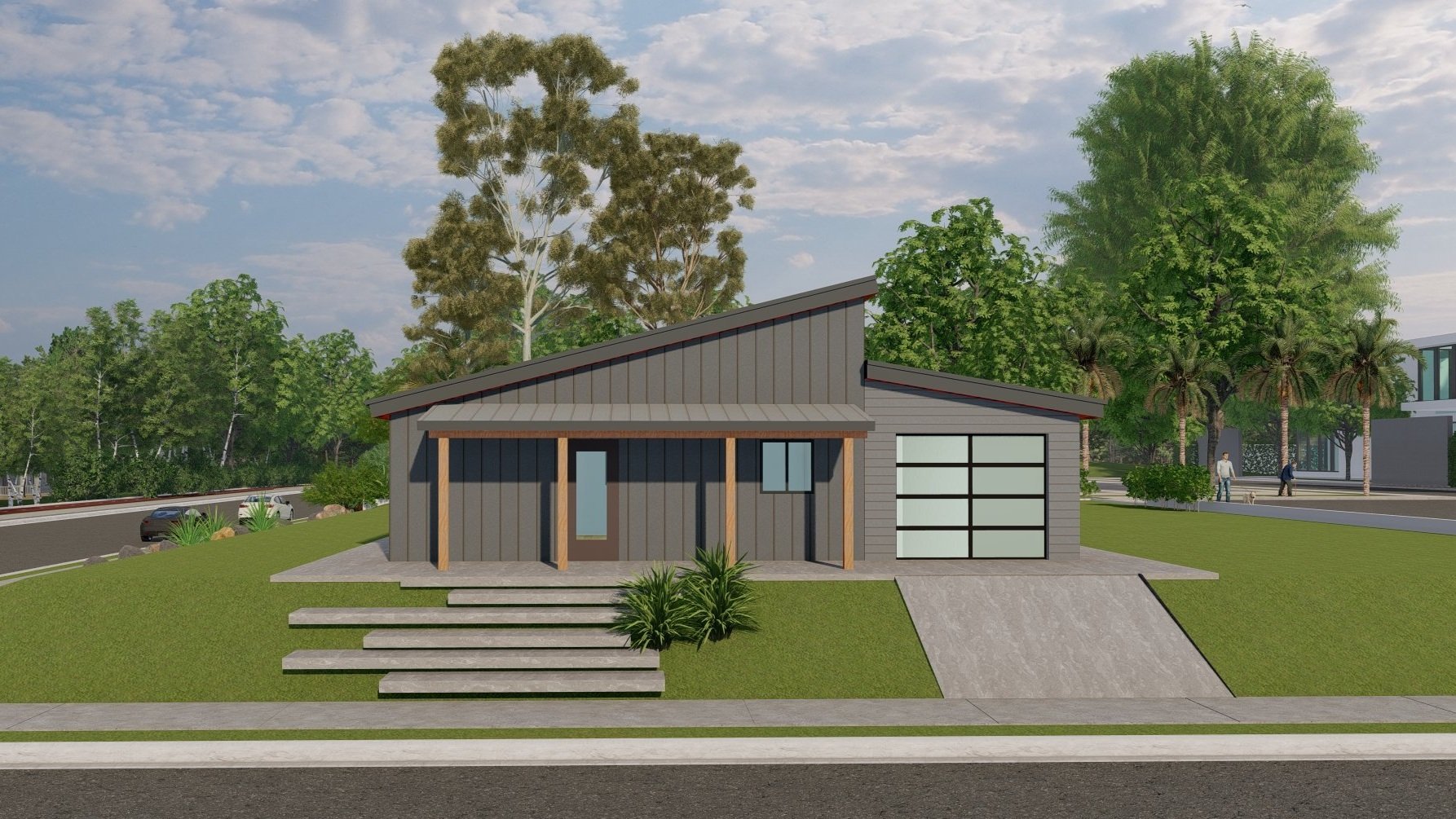
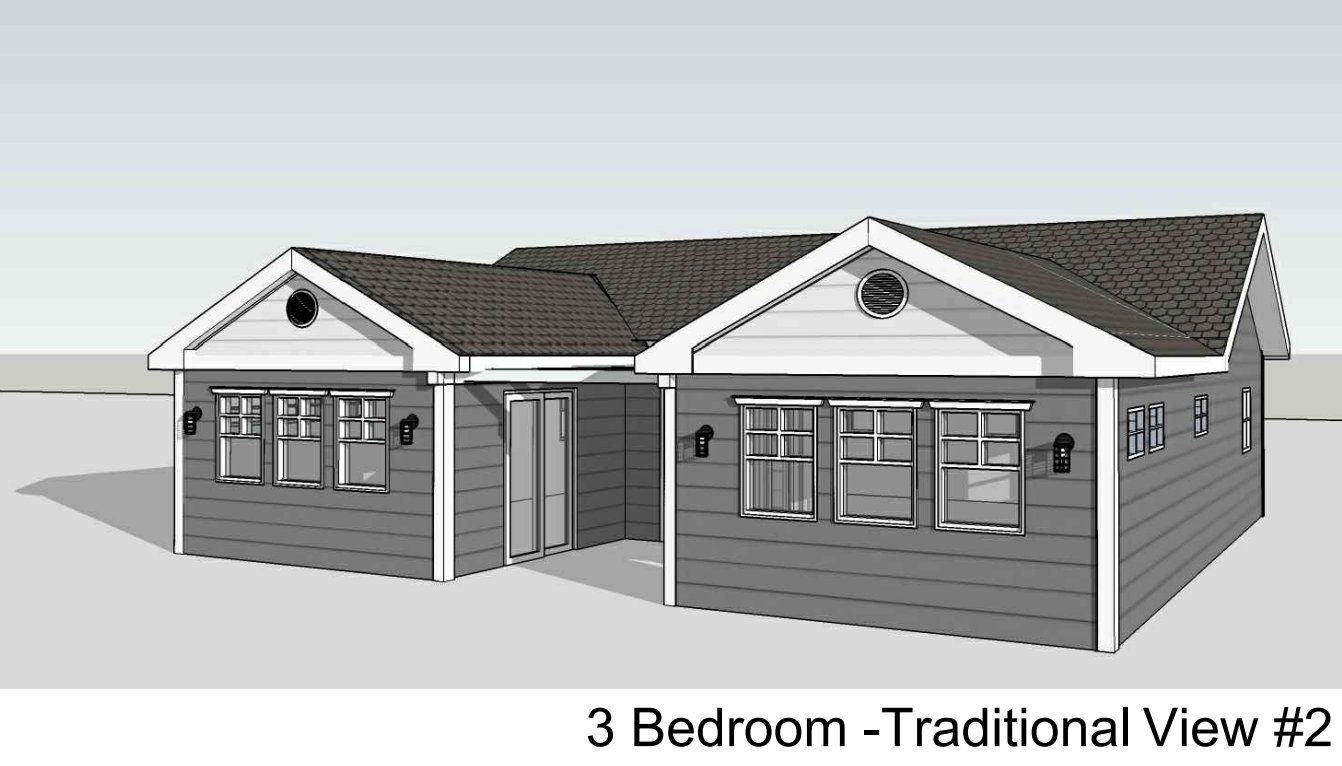
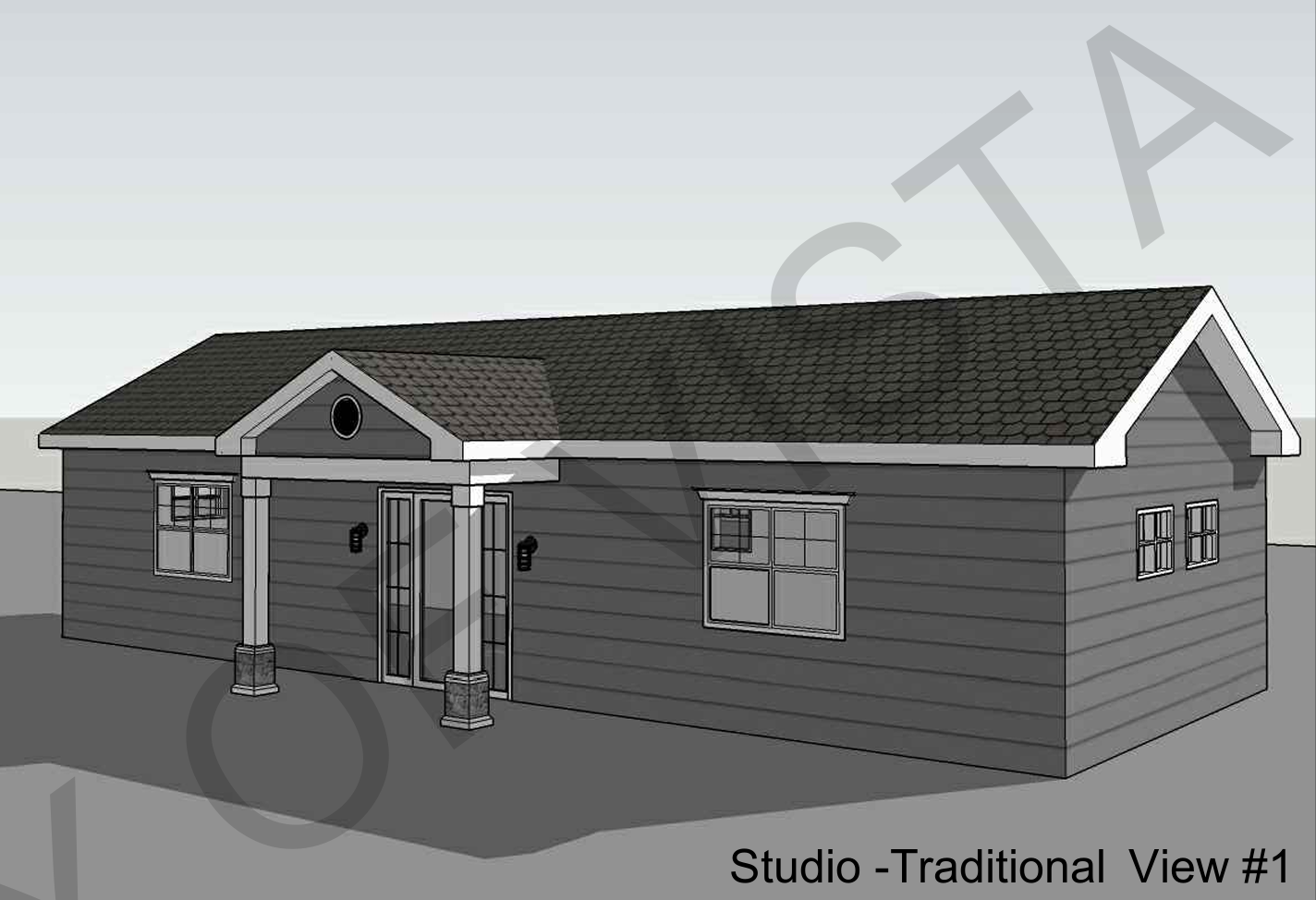
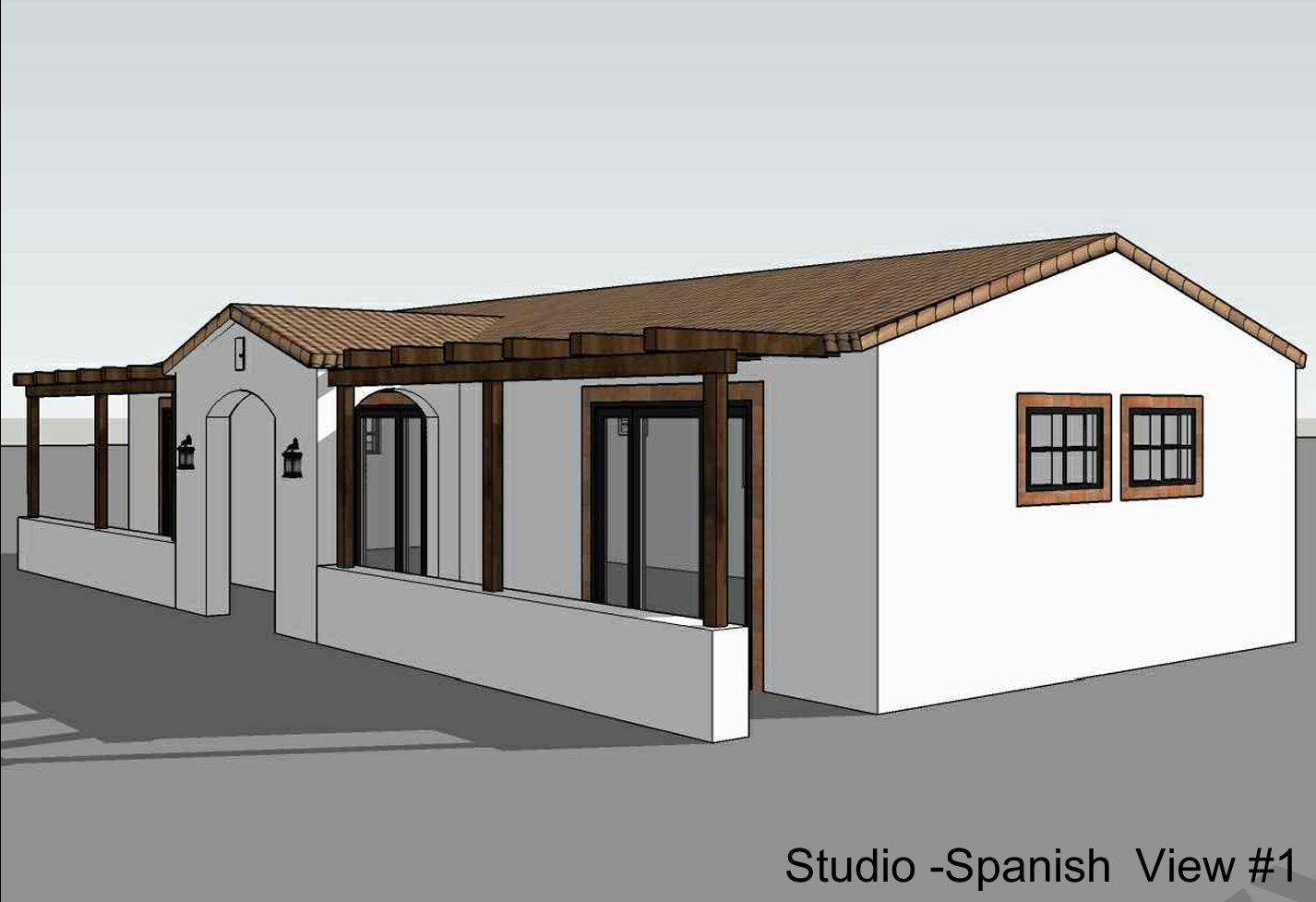
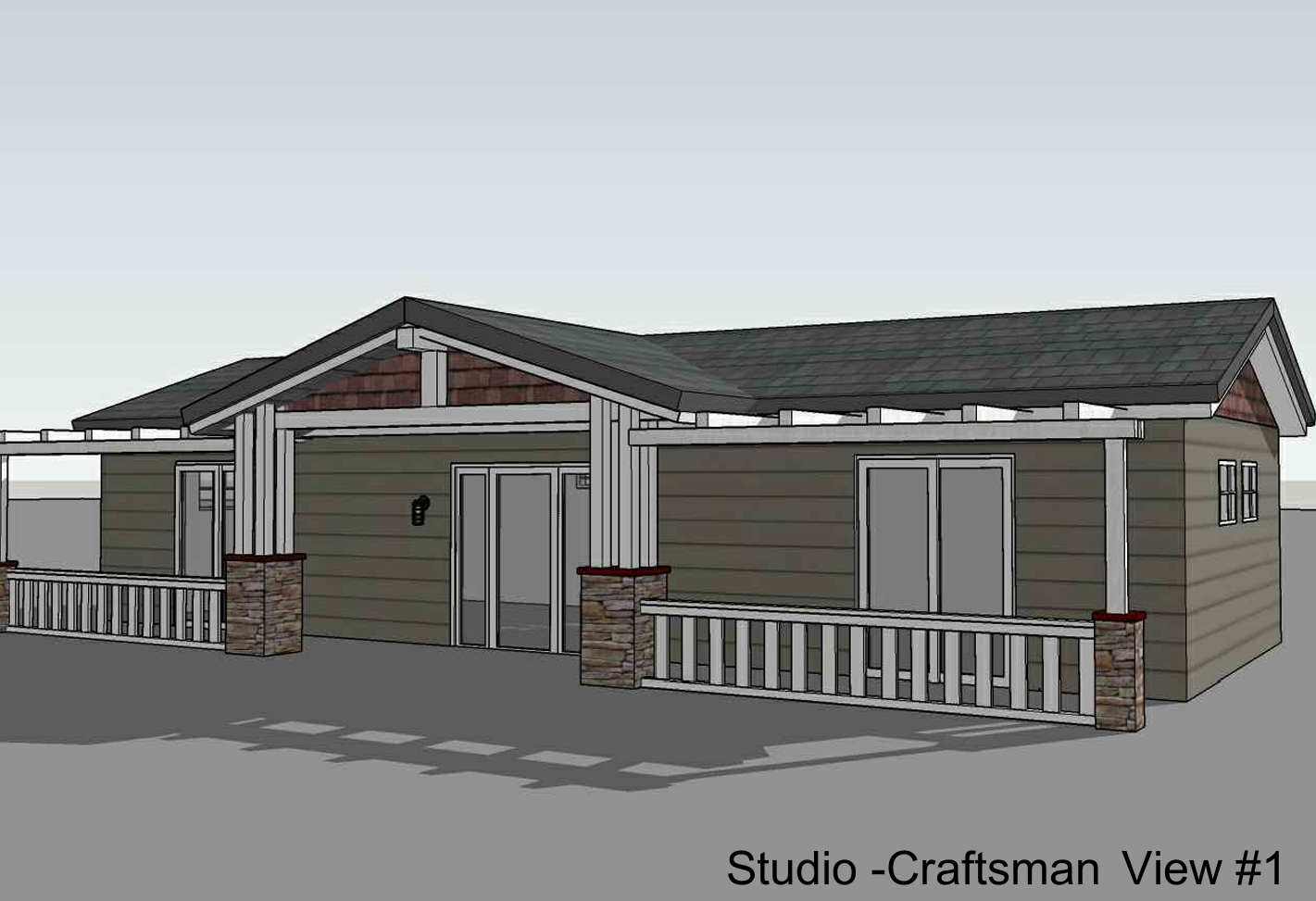
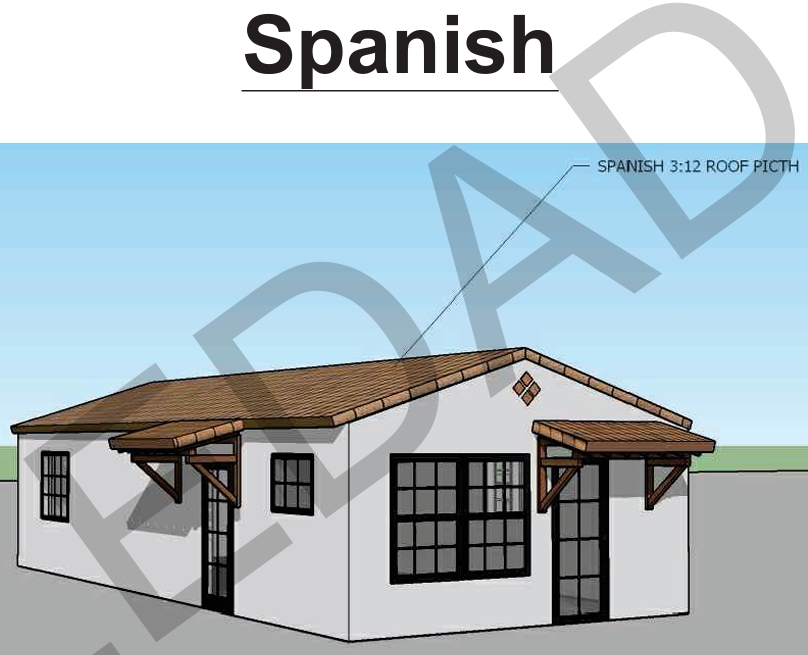
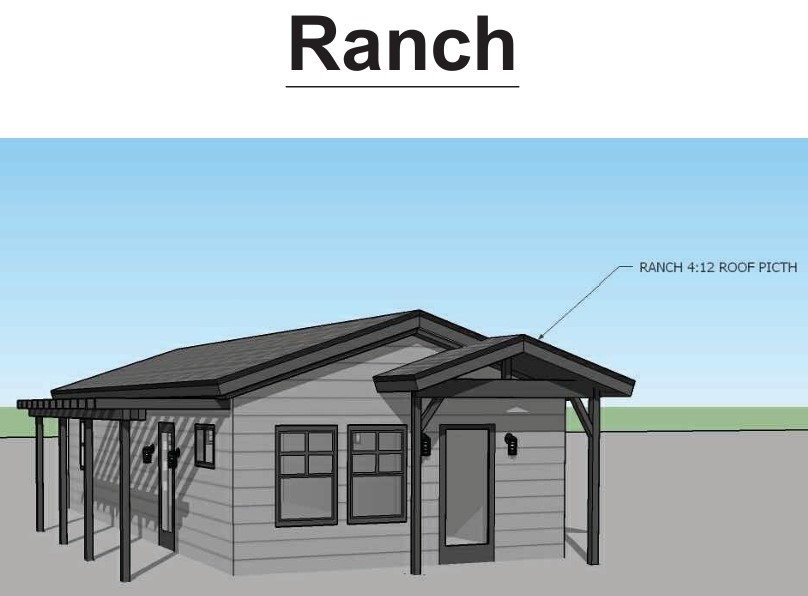
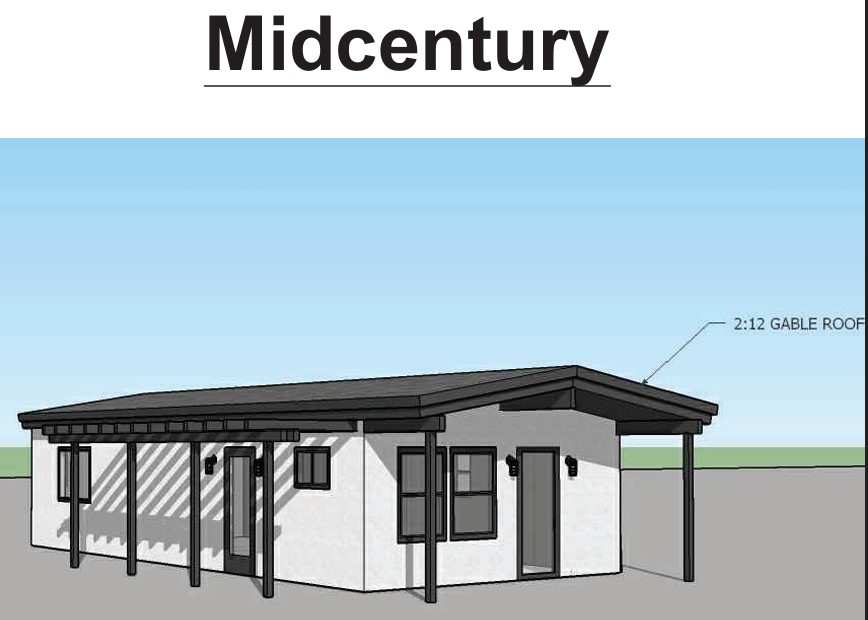
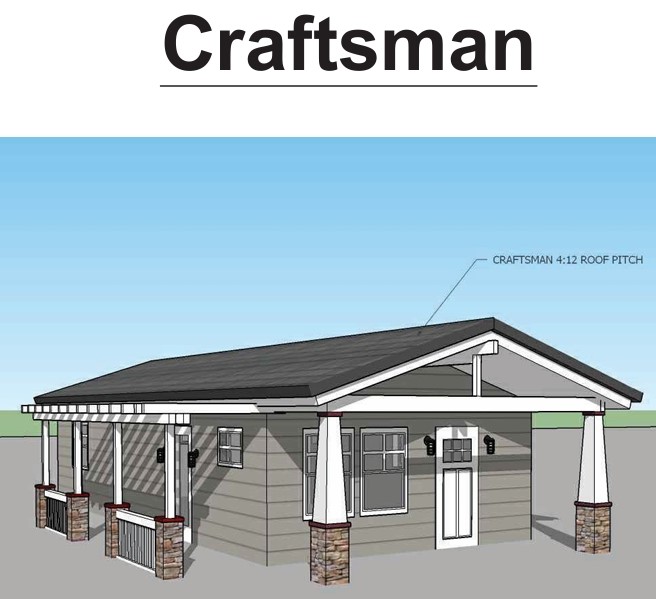
The Design Path Studio and FrameUpNow relationship is as relevant to the homeowner building one ADU as it is to the developer building an entire community. Design Path Studio supplies residential designs shaped by extensive ADU experience. FrameUpNow translates suitable designs into engineered, manufactured cold-formed steel skeletons.
At the scale of one, that relationship gives the homeowner-developer a defined path from plan selection to an engineered frame. At community scale, the same relationship supports repetition across lots and phases. The process does not fundamentally change as the unit count grows; it becomes repeatable.
That is the symbiotic advantage: Design Path Studio creates the housing product, and FrameUpNow creates the engineered structural system. Together they allow one homeowner to build one income-producing ADU—or a professional developer to repeat the same discipline across an entire BTR community.
War and inflation may extend the opportunity—and the hardship
Middle East conflict reaches American households primarily through energy. Fuel costs move into farming, freight, building materials, deliveries, groceries, and nearly every physical product. War in Ukraine also affects grain, fertilizer, metals, energy, government borrowing, and uncertainty.
If conflict revives inflation, the Federal Reserve has less freedom to reduce rates. That prolongs mortgage lock-in and payment pressure. The same forces that burden households can consequently sustain demand for professionally operated detached rental housing.
Design Path Studio and FrameUpNow: a symbiotic BTR platform
A stronger BTR market does not guarantee a successful BTR project. Expensive money punishes uncertainty. Developers need repeatable designs, engineered execution, predictable material requirements, rapid framing, and fewer field surprises.
Design Path Studio and FrameUpNow address opposite sides of the same problem. Design Path Studio creates thoughtful, buildable residential designs developed from extensive experience with ADUs and smaller homes. FrameUpNow converts proven designs into engineered cold-formed steel skeletons: wall panels, joists, girders, beams, and trusses manufactured for repeatable assembly.
The relationship is symbiotic. Design Path Studio supplies housing designs suited to real households and real sites. FrameUpNow supplies the engineered structural system that makes those designs repeatable at community scale. BIM coordination supports precise material information before construction; manufacturing shifts work from uncertain field framing toward controlled production; and rapid assembly helps reduce the time during which land, labor, and borrowed money remain exposed.
· Design certainty before field work begins
· Engineered CFS skeletons manufactured for repeatability
· BIM-informed material clarity and fewer surprises
· Reduced dependence on scarce skilled wood-framing labor
· Non-combustible, termite-resistant, dimensionally stable framing
· Faster path to a standing skeleton and reduced financing carry
The BTR opportunity is a payment solution
The best BTR community is not merely an apartment project spread horizontally. It is a housing solution designed around the monthly payment families can carry and the quality of life they continue to seek.
In that economy, Design Path Studio and FrameUpNow offer developers more than plans and framing. Together they provide a repeatable path from residential design to engineered skeleton—helping turn payment-constrained demand into durable, attainable communities.
Build the home people want. Engineer the certainty the project requires. Deliver the payment the market can carry.
Frequently Asked Questions
Is an ADU really a form of build-to-rent?
Yes. When a homeowner constructs an ADU for rental income, the homeowner has developed a new purpose-built rental dwelling. It is the same economic model as BTR, expressed in one unit.
Why do high mortgage rates strengthen BTR demand?
They increase ownership payments and delay purchases while households continue to want detached home living.
Does BTR worsen the housing shortage?
Purpose-built BTR adds new dwellings. Acquiring existing entry-level homes changes tenure but does not add supply.
How do Design Path Studio and FrameUpNow work together?
Design Path Studio provides residential designs; FrameUpNow translates suitable designs into engineered, manufactured cold-formed steel skeletons.
Why is construction speed more important when rates are high?
Every additional project month increases interest carry and delays rental revenue.
References & Resources
1. Federal Housing Finance Agency, The Geography of the Lock-In Effect.
2. Freddie Mac, Primary Mortgage Market Survey.
3. U.S. Bureau of Labor Statistics, Consumer Price Index.
4. U.S. Energy Information Administration, Short-Term Energy Outlook.
5. Federal Reserve Bank of New York, Household Debt and Credit.
6. U.S. Government Accountability Office, Institutional Investment in Single-Family Rental Housing.