


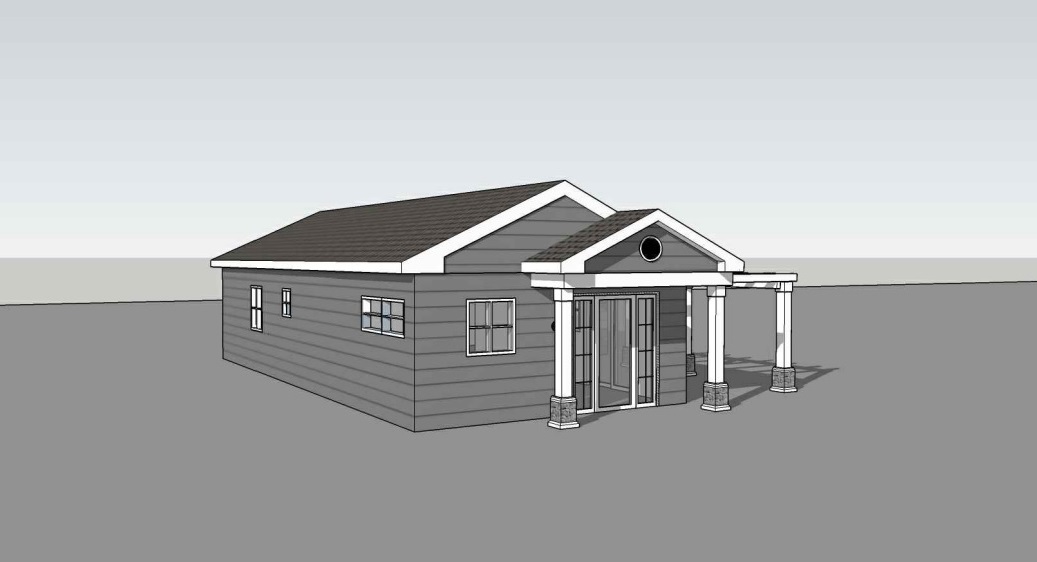
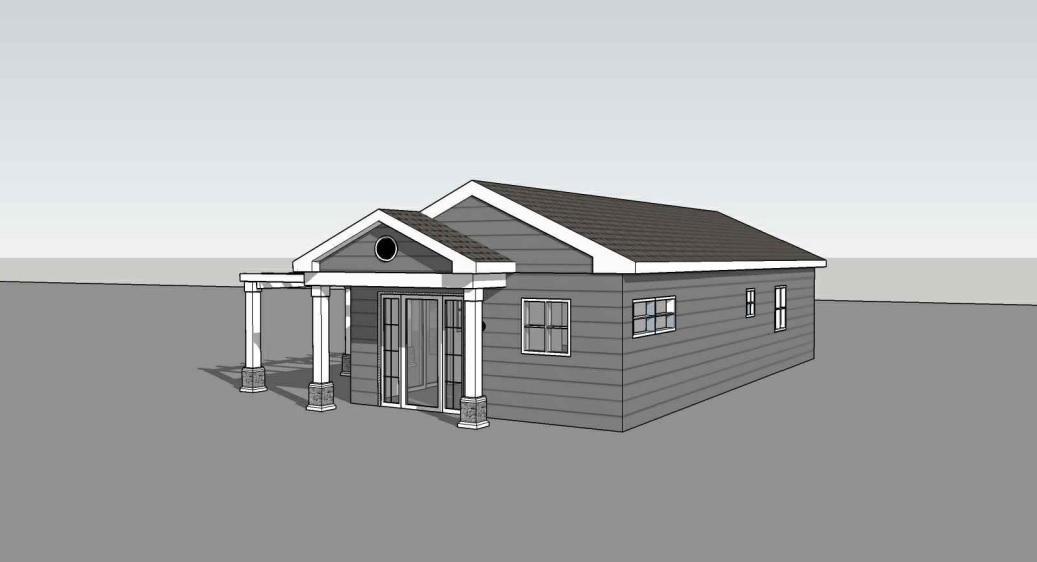
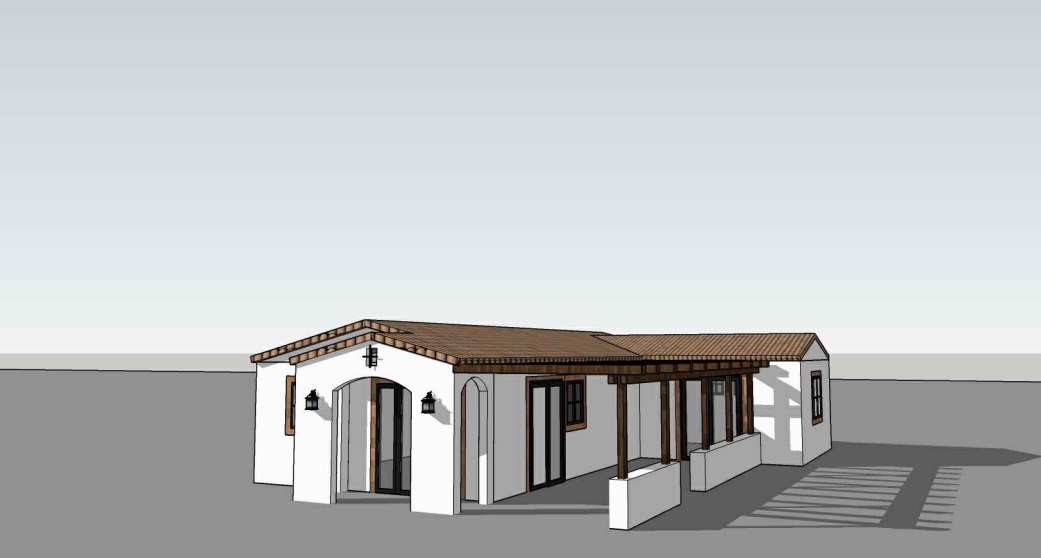
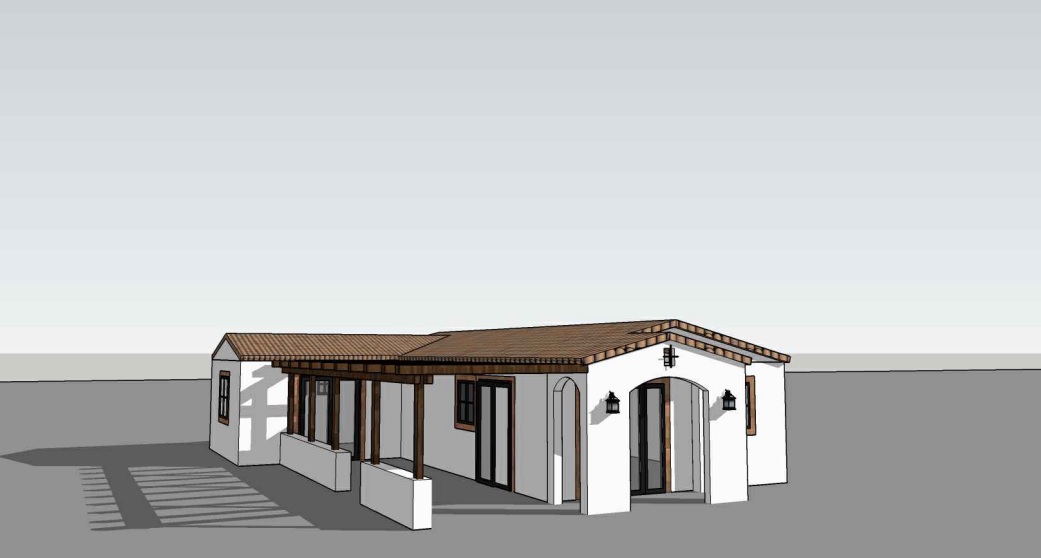


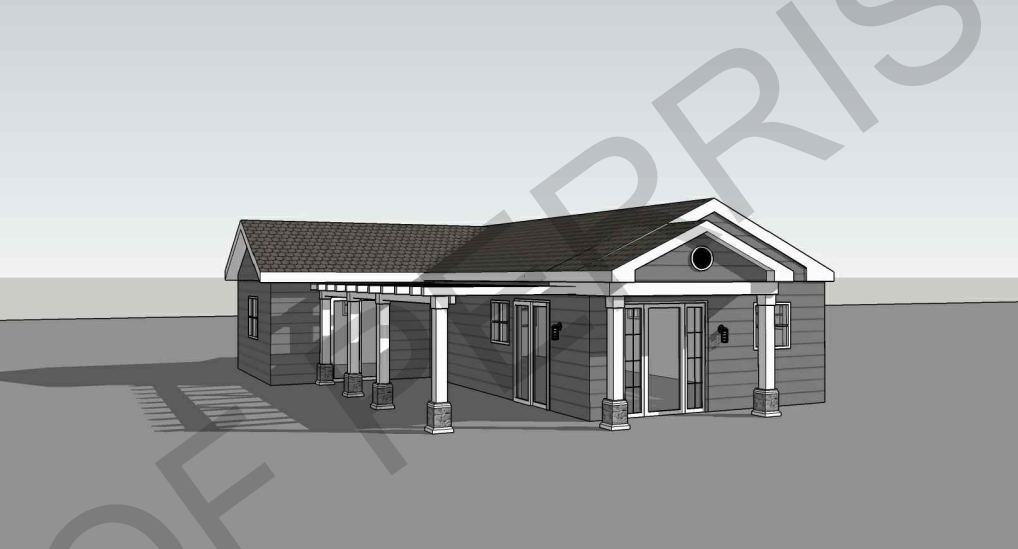

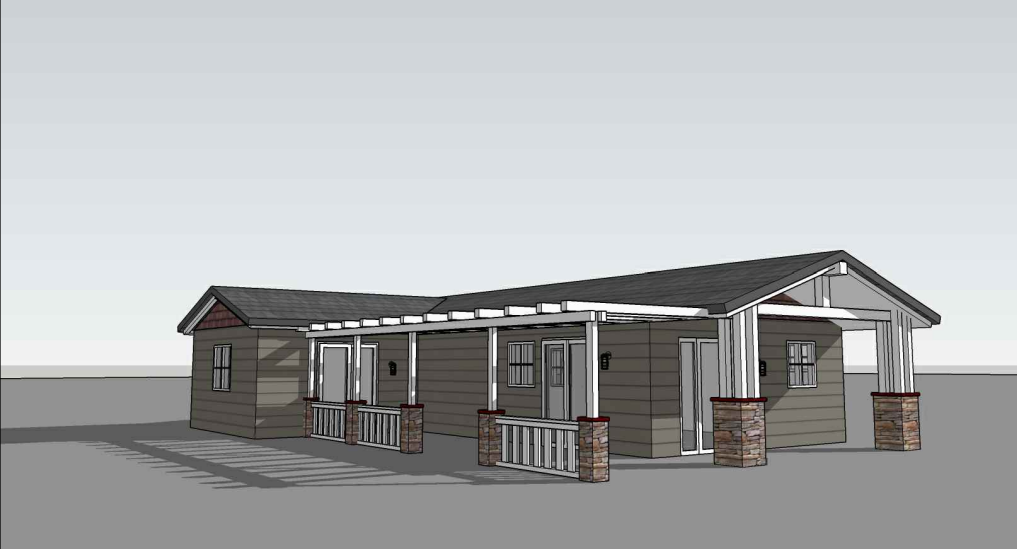

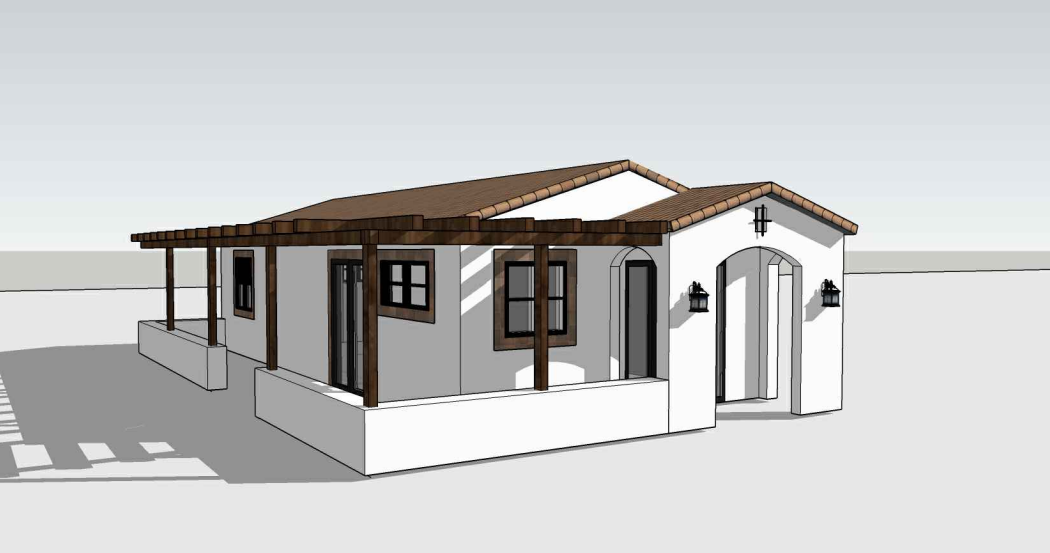

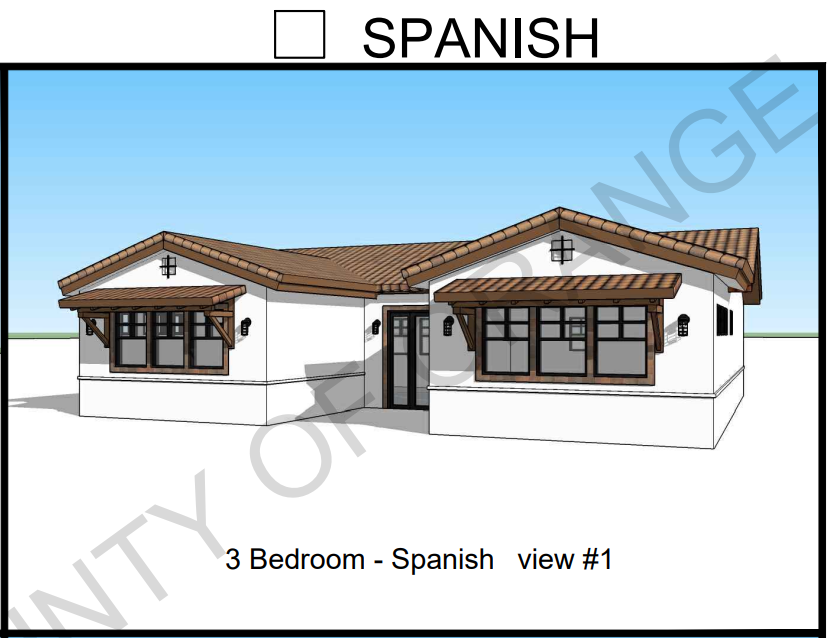
















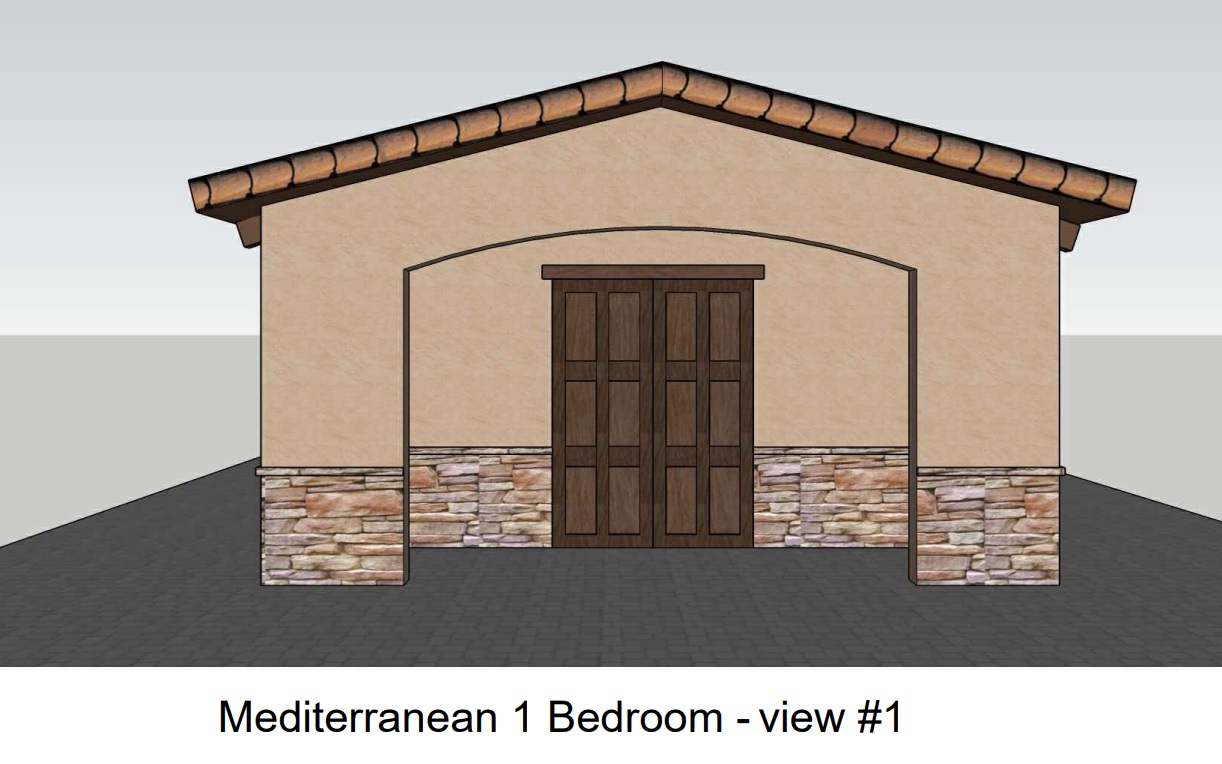
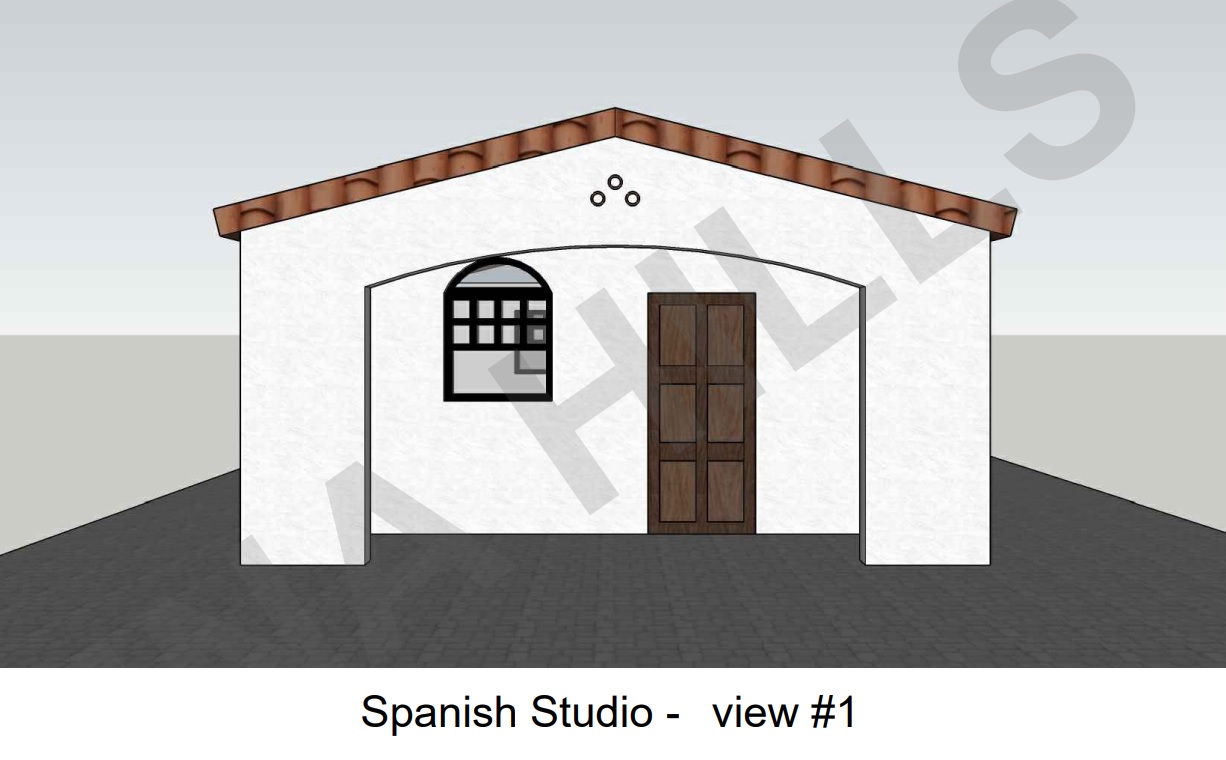
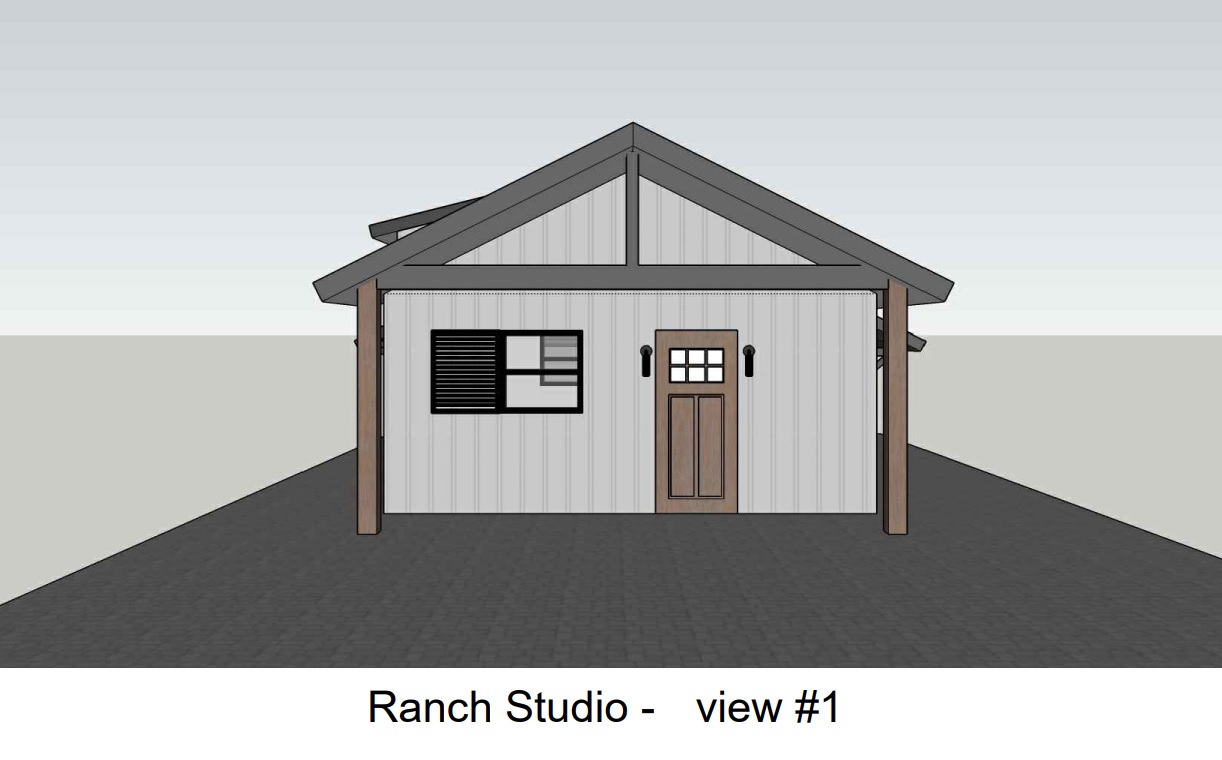
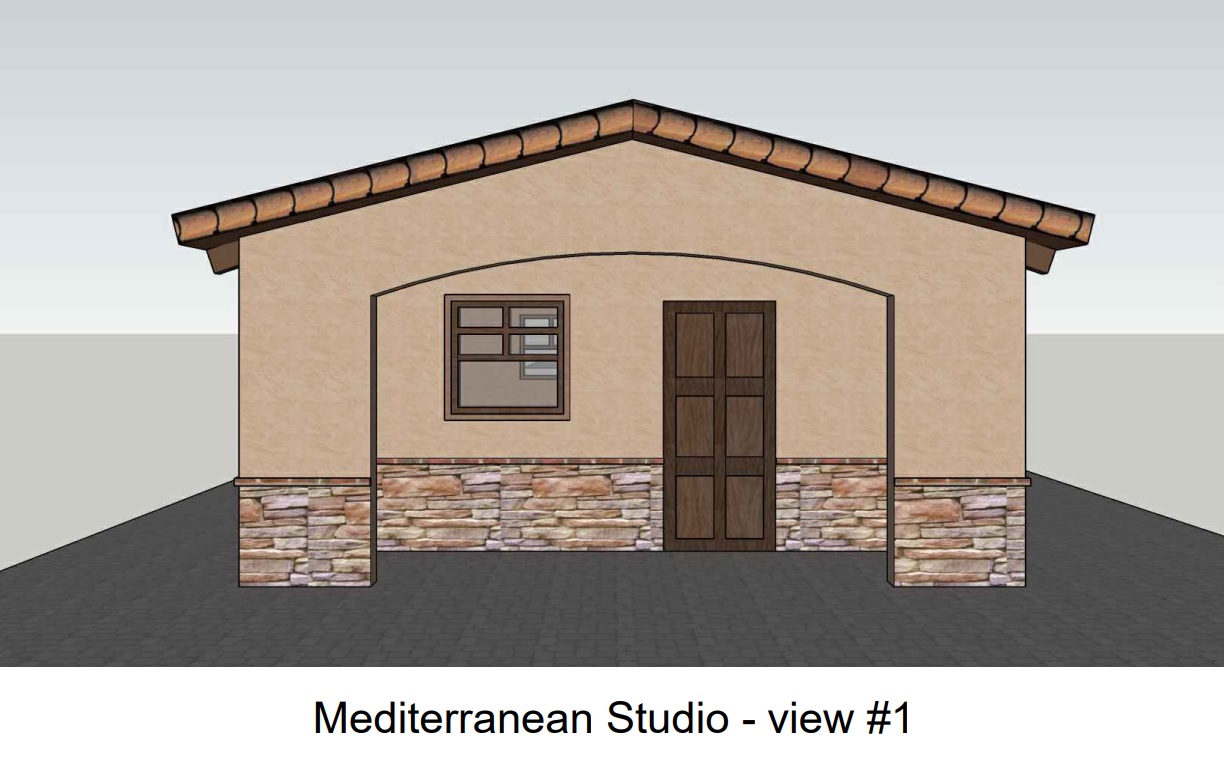

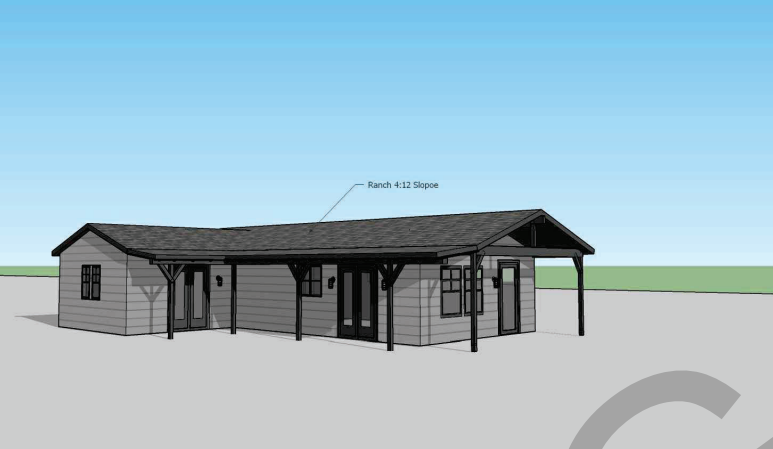
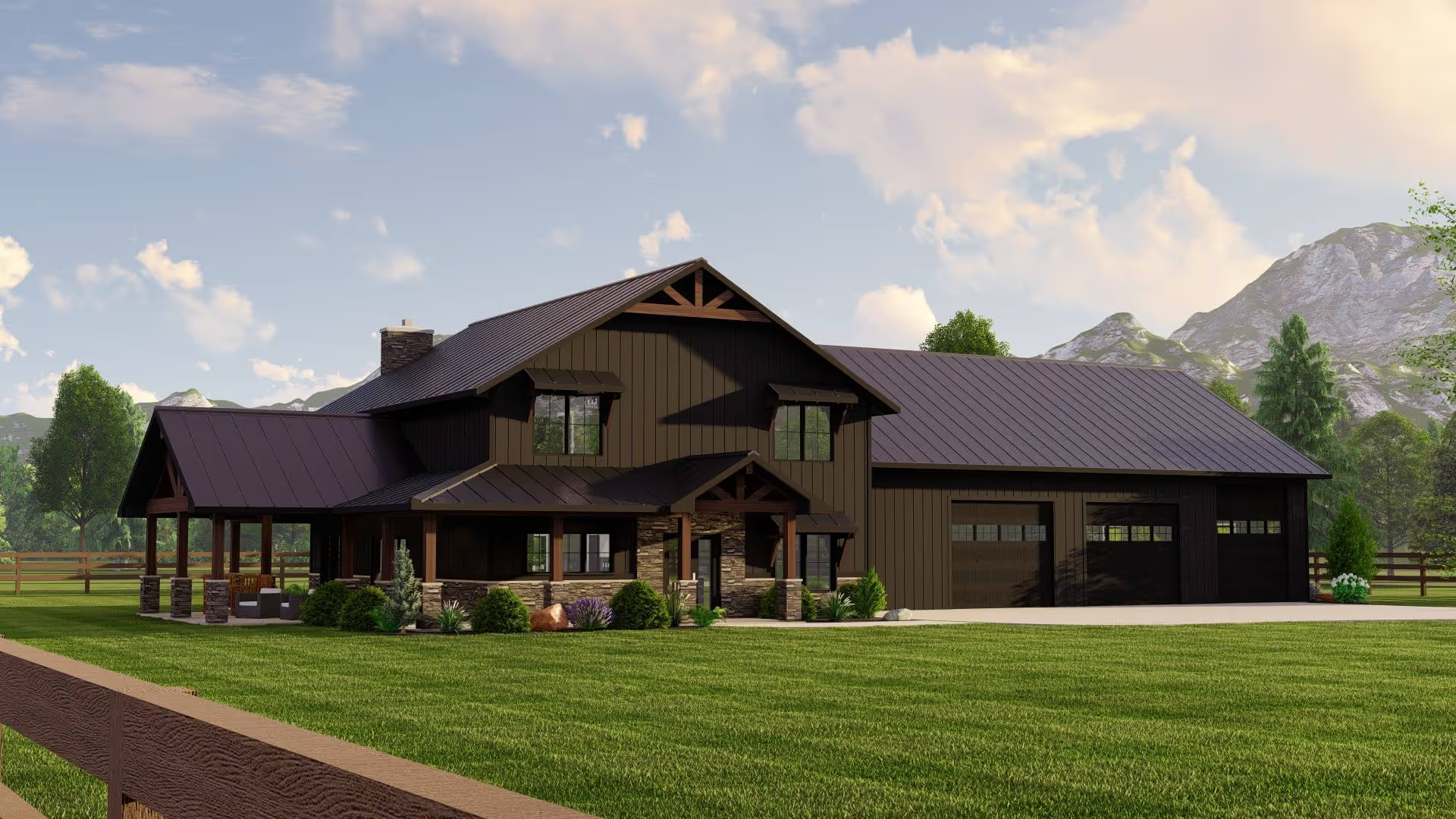
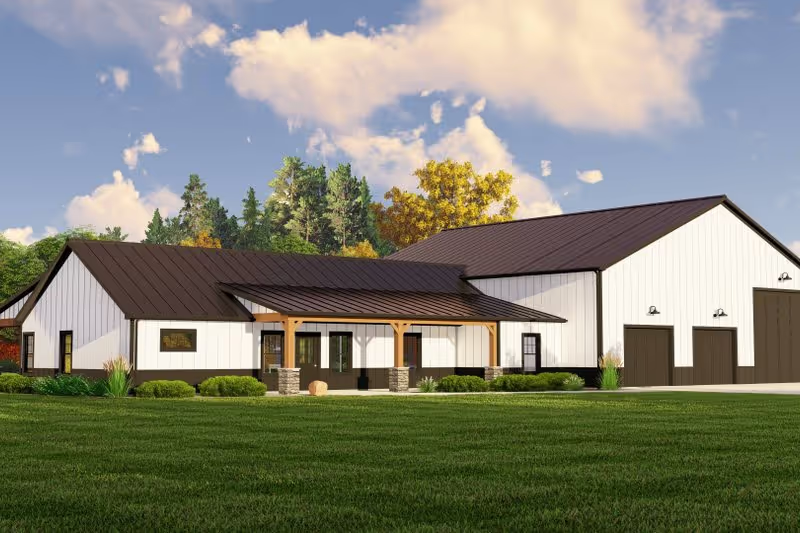



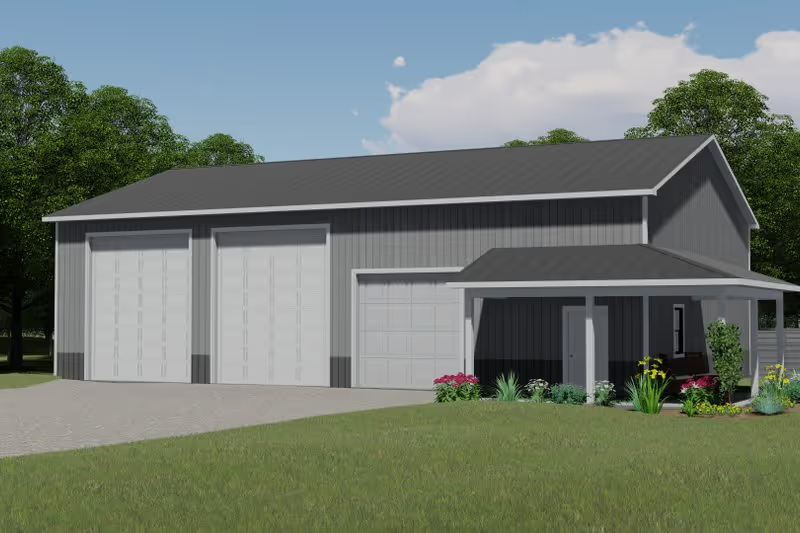



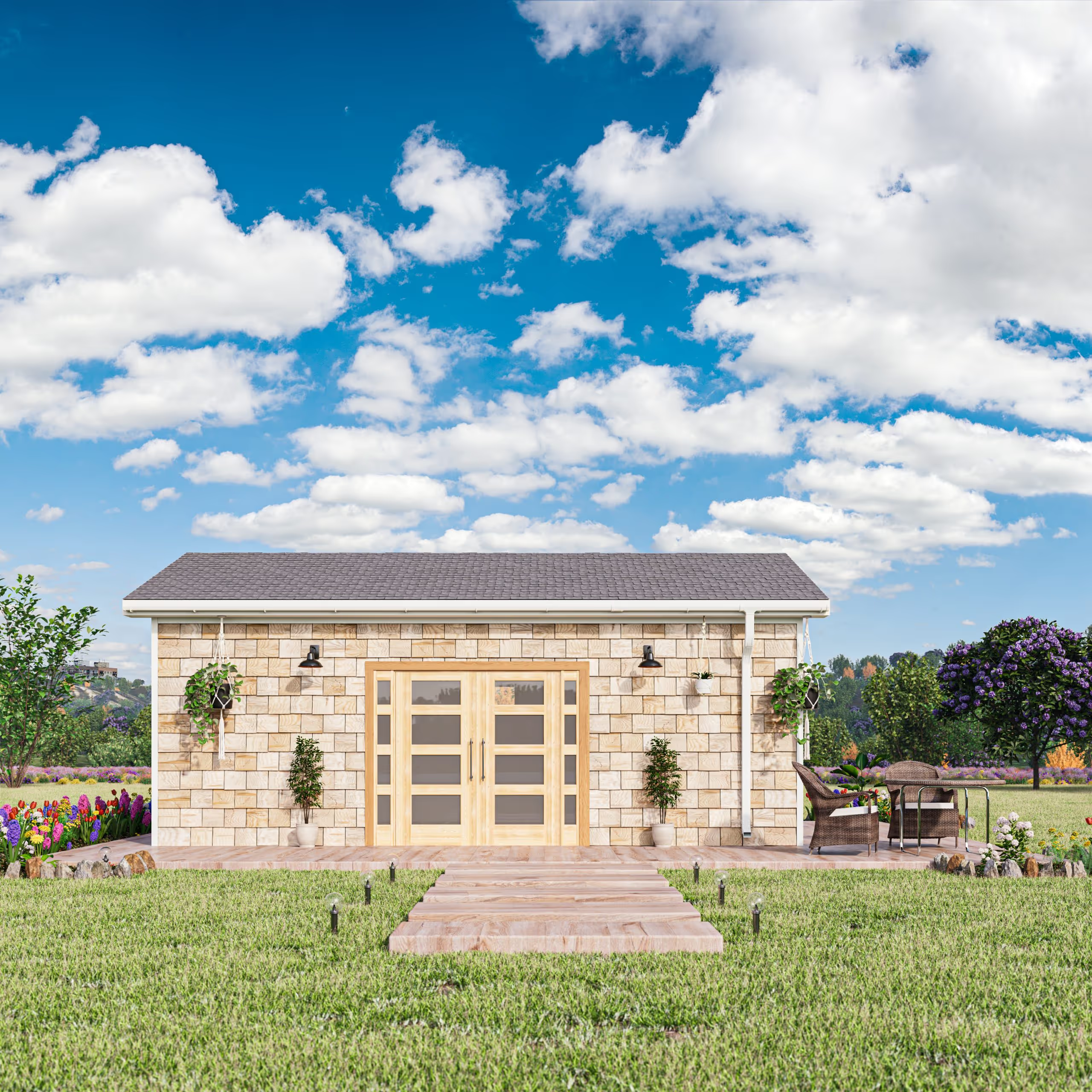
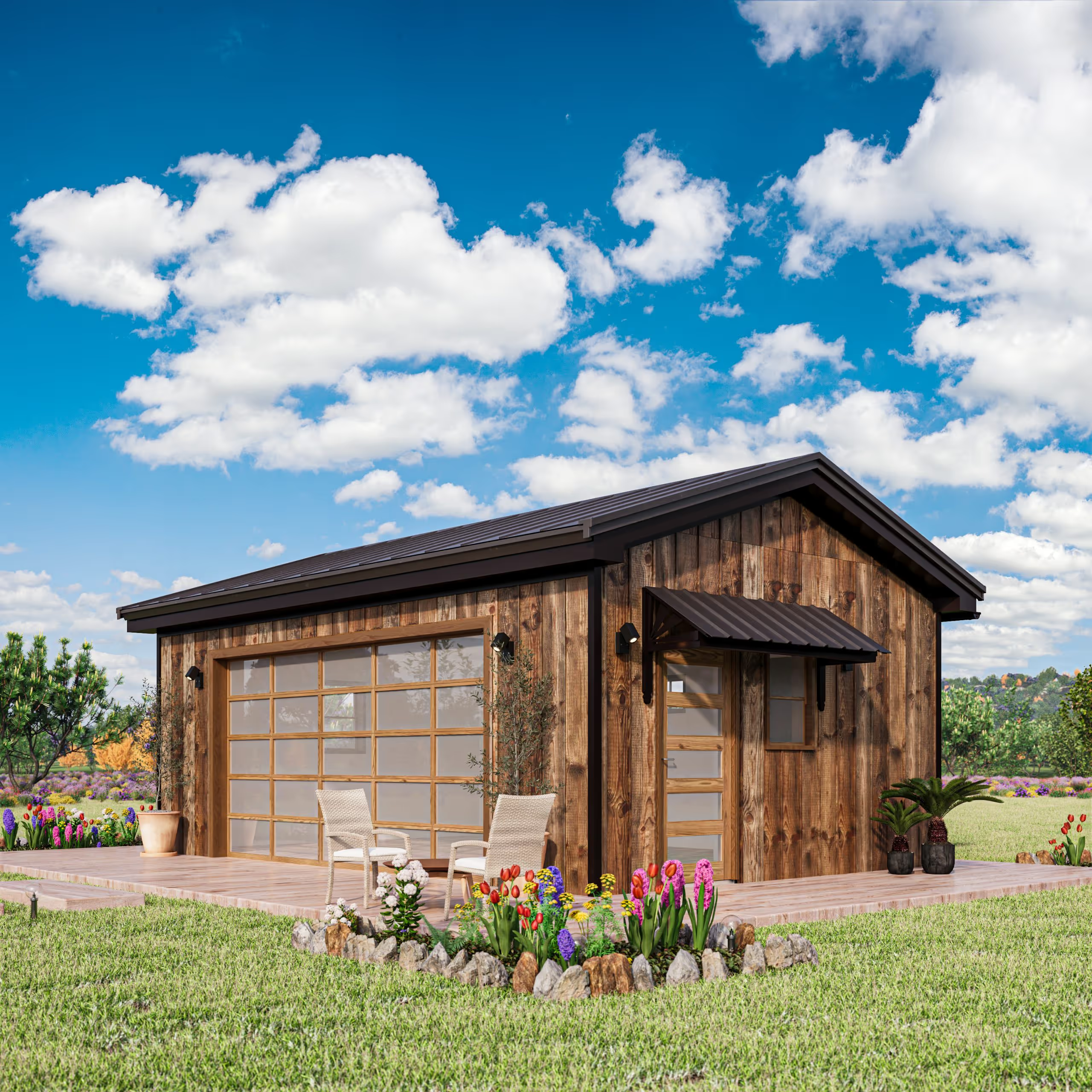

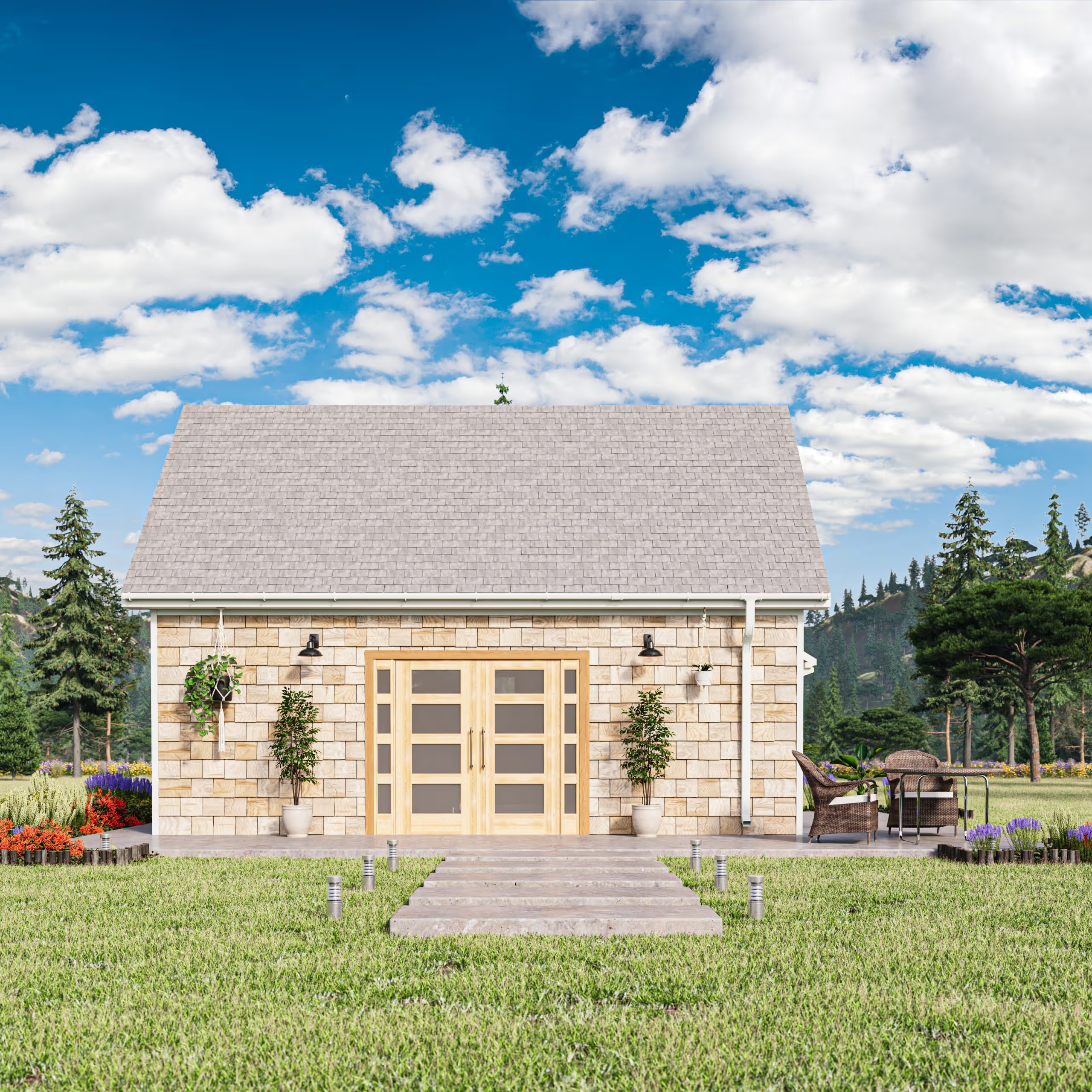


.avif)

8 Services General Contractors Should Line Up Before Breaking Ground on an LA County Fire Rebuild
The LA County fire rebuild market is one of the mostoperationally complex construction environments in California history. Morethan 13,000 homes were destroyed across Pacific Palisades, Altadena, Malibu,and neighboring communities — as of mid-2026, fewer than 30 have beencompleted. The permit pipeline is 6,100+ applications deep, and every trade inthe basin is competing for the same licensed contractors.
The difference between a 24-month completion and a 36-monthordeal often comes down to what was locked in before the first shovel touchedthe ground. Demolition, geotechnical work, permit support, structural framing,foundation, MEP, insulation, and insurance — all need to be booked early.Scrambling for them mid-project adds months.
This guide covers the eight services that matter most beforebreaking ground on an LA County fire rebuild. Each has specific fire-rebuildcomplexities that make standard contractor relationships insufficient. Lockingin qualified vendors before the project starts is one of the most importantoperational decisions a GC in this market can make.
What Are the 8 Services GCs Should Line Up?
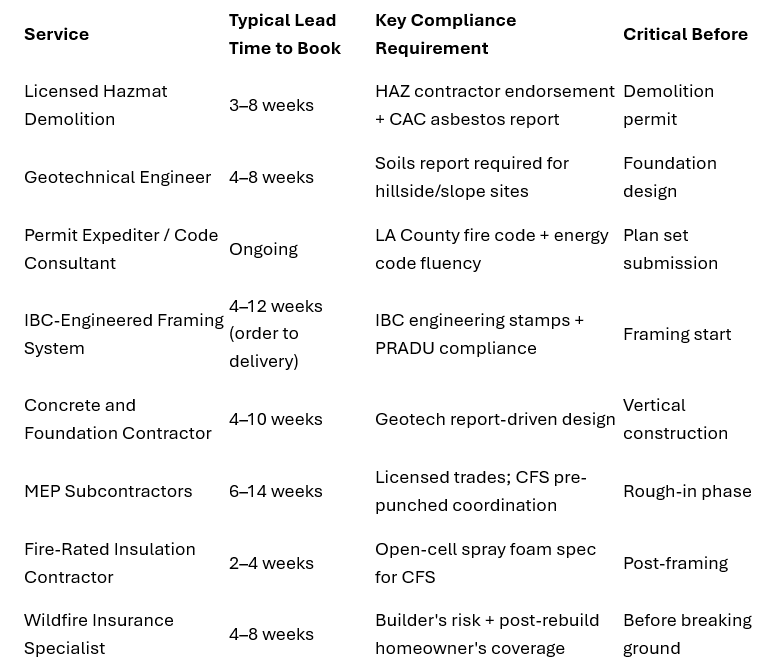
Not every contractor in LA County has the certifications,insurance, and experience that fire rebuild projects require. Severalcategories require licensed specialists — not general laborers or standardsubs. The comparison below covers lead times, compliance requirements, and whatto look for in each category.
1. Licensed Hazmat Demolition Contractor: The RequiredStarting Point
Before a single load-bearing wall goes up, the burned structure must come down — legally, safely, and in the right sequence. In LA County, that means a regulated two-phase debris removal process with specific contractor licensing requirements. Most GCs in wood-framed residential markets have never navigated this.
Phase 1 is managed by the government: LA County Fire and FEMA hazardous materials crews remove household hazardous waste — batteries, propane tanks, pesticides, electronics — before property owners can access the site. Phase 2 is the bulk debris removal, where licensed contractors begin. But not just any contractor can work Phase 2 on a fire debris site.
The LA County debris removal process requires contractors to hold a HAZ endorsement from the California Contractors State License Board. An Asbestos Report from a Cal/OSHA Certified Asbestos Consultant must be submitted to LA County Fire – HazMat Division; the resulting Fire Debris Approval Certificate is required before any demolition permit can be obtained. Phase 2 debris removal without this sequence is illegal — and GCs who skip it expose themselves and clients to significant liability.
What to Look For
- Active HAZ endorsement on the contractor's CSLB license — verify at cslb.ca.gov, not just by asking
- Experience with CalRecycle and LA County HazMat Division documentation processes
- Familiarity with soil sampling and post-debris grading requirements
- Insurance coverage for asbestos and toxic materials exposure
Pricing
Fire debris removal pricing varies significantly by lotsize, access, debris volume, and soil contamination levels. Flat-fee quotes arecommon but often change when soil sampling reveals contamination or access limitations add equipment costs. GCs should get line-item quotes separating demolition, hauling, disposal, and soil testing — not a single all-in number.
Pros & Cons of Early Booking
Pros:
- Locks the schedule before the contractor's calendar fills (books fast — there are 6,100+ parcels in queue)
- Eliminates demolition permit delays from documentation gaps downstream
- Establishes a clean site before geotechnical and foundation work begins
Cons:
- Early booking may require a deposit before Phase 1 government cleanup is complete on the specific parcel
- Coordinating Phase 1 and Phase 2 timing requires active follow-up with county agencies
When This Applies
Every fire rebuild project in Pacific Palisades, Altadena, Malibu, and affected communities requires licensed hazmat demolition before a permit can be obtained. There are no exceptions for small lots, older structures, or structures that appear ash-only. If the structure burned, it requires this process.
2. Geotechnical Engineer: Non-Negotiable on Hillside andSlope Sites
Pacific Palisades is built on canyon-cut terrain. Altadena runs up into the San Gabriel foothills. A significant portion of rebuild lotsin both communities sit on steep grades, hillside slopes, or positions at the base of unstable terrain — and standard residential geo technical analysis is not sufficient for these sites.
Post-firesoil conditions are fundamentally different from undamaged land. Vegetationloss eliminates root stabilization, and burn scar soils develop hydrophobicbehavior that changes drainage and erosion patterns. A geotechnical engineer evaluating a post-fire hillside needs to account for these changed conditions —not apply standard undamaged-terrain methodology.
LA County uses a Palisades Geohazard Risk Assessment Zone (PGRAZ) classification system for Pacific Palisades rebuild sites. Orange zones include sites on or adjacent to steep slopes (generally steeper than 2H:1V) or potential landslide areas; Yellow zones include sites at the base of steep slopes prone to mudslide debris. Both zones require geotechnical assessment before foundation design can begin, and the LADBS has specific documentation requirements for each classification.
What to Look For
- Licensed geotechnical engineer and engineering geologist on the same team (required for hillside work)
- Direct experience with post-fire soil investigations in the LA Basin
- Familiarity with PGRAZ classifications and LA County's specific reporting standards
- Capacity to coordinate with the foundation design team in real time
Pricing
Geotechnical reports for residential fire rebuild sites in LA County typically run $4,000–$12,000 depending on site complexity, slope severity, sampling depth, and number of borings required. Hillside and canyon sites are at the high end. Flat parcels without PGRAZ classification are at the lower end.
Pros & Cons of Early Booking
Pros:
- Soils report is a permit requirement — without it, foundation design cannot be finalized
- Early report catches slope or drainage issues before foundation design is locked in
- Prevents expensive foundation redesigns mid-project when unexpected conditions appear
Cons:
- Geotechnical investigation can't begin until Phase 2 debris removal is substantially complete on the lot
- Scheduling depends on Phase 1 and Phase 2 completion timelines, which are county-controlled
When This Applies
Required for all hillside and slope sites in Pacific Palisades and Altadena. Strongly recommended for any site near drainage channels, canyon edges, or known landslide history. Flat-parcel projects in non-PGRAZ zones may be able to use standard soil compaction reports — verify with the jurisdiction first.
3. Permit Expediter and Fire Code Consultant: The Plan Check Accelerator
LA County plan check for fire rebuild projects involves at least three overlapping code frameworks: CWUIC (Title 24, Part 7), Chapter 7A fire hardening, and Title 24 Part 6 energy code. Each has its own documentation requirements, checklist items, and reviewer touchpoints. A standard residential plan check consultant who hasn't worked specifically in fire rebuild will miss items.
A permit expediter with active fire rebuild experience knows what reviewers look for at first submission. They know which CWUIC checklist items are commonly flagged and how to coordinate energy compliance documentation so it doesn't generate a separate correction cycle from the firecode review. LACounty's published target is 10 business days for first review and 5 for subsequent — but every deficiency returned adds weeks.
The most experienced fire rebuild permit expediters in LACounty are already heavily booked. Many are embedded with larger GC operationsor design firms. GCs who don't lock one in before plan set submission arecompeting with hundreds of other projects for the same expertise.
What to Look For
- Confirmed experience with CWUIC and Chapter 7A compliance documentation specifically
- Active relationships with LA County Public Works Building and Safety and LADBS reviewers
- Ability to review the plan set before submission — not just shepherd it through after
- References from GCs on recently completed fire rebuild permits in the affected communities
Pricing
Permit expediter fees for LA County fire rebuild projects typically run $3,000–$8,000 for standard residential projects, higher forcomplex custom lots. Some firms work on hourly retainer for projects with uncertain plan check timelines.
Pros & Cons of Early Engagement
Pros:
- Pre-submission plan set review catches deficiencies before plan check — not after
- Active County relationships can surface informal guidance on plan check status
- Eliminates the most common category of correction-cycle delays
Cons:
- Cost is upfront and doesn't guarantee a single-cycle approval
- Capacity is limited — the best fire-specific expediters are already partially booked
When This Applies
For any custom or larger-footprint fire rebuild, a permit expediter offers clear ROI: one avoided correction cycle pays for multiple engagements. For projects using pre-approved standard plans or county pre-approved ADU designs, some plan check burden is already addressed — but fire code documentation requirements still apply.
4. IBC-Engineered Structural Framing System: Lock In theStructure Early
Disclosure: FrameUpNow is our own product. We've included it because we believe it genuinely belongs on this list, but you should know we're not a neutral party.
The structural framing system is the most consequential single procurement decision on a fire rebuild. In a VHFHSZ, the framing material directly determines whether the exterior wall requirement is satisfied by noncombustible classification — the cleanest compliance path — or through supplemental layers, tested assemblies, and additional documentation. That choice has downstream effects on plan check, permitting, trade sequencing, and cost certainty.
Cold-formed steel (CFS) framing qualifies as noncombustible under CWUIC without modification or supplemental treatment. IBC-engineered CFS framing from FrameUpNow adds alayer of pre-construction certainty that material compliance alone can't: aBIM-derived Material Shopping List generated from the engineered 3D model — not an estimated takeoff. It's a verifiable count of every stud, connector, beam, and fastener before a dollar is spent.
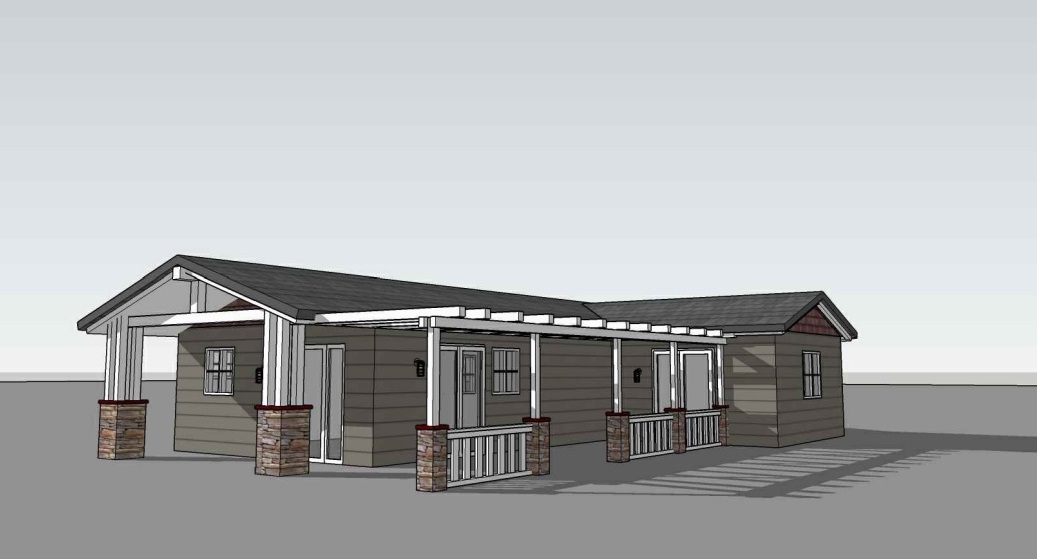
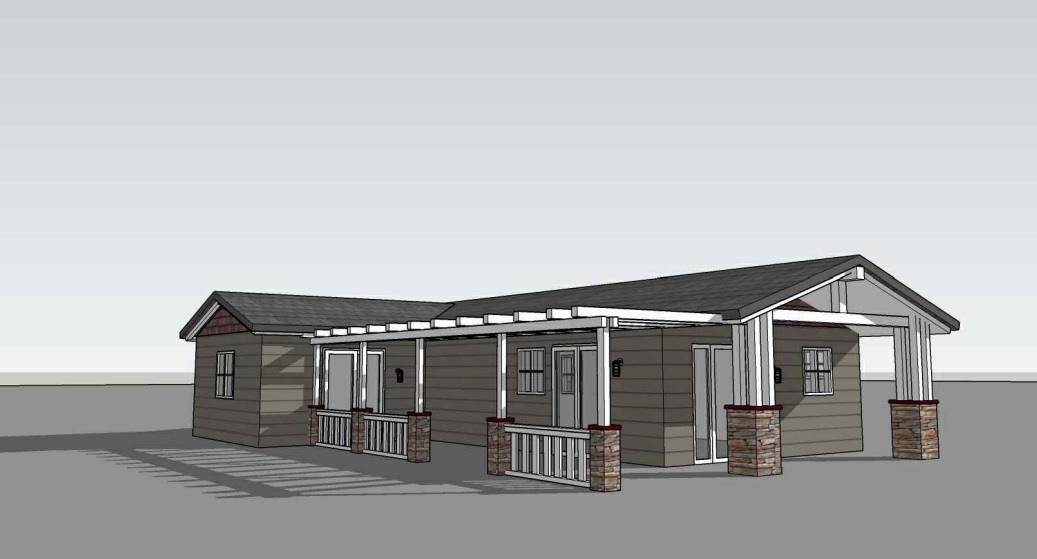
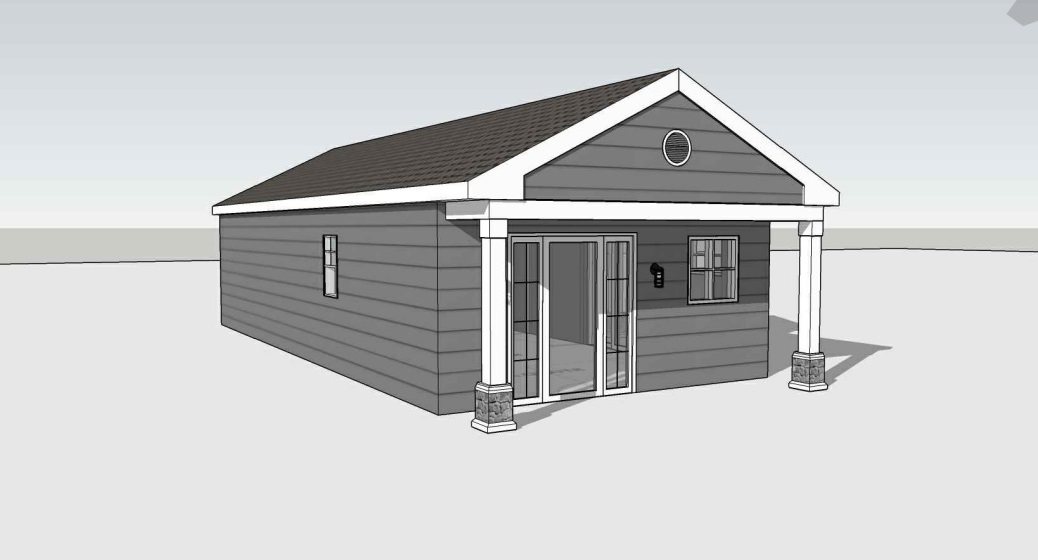
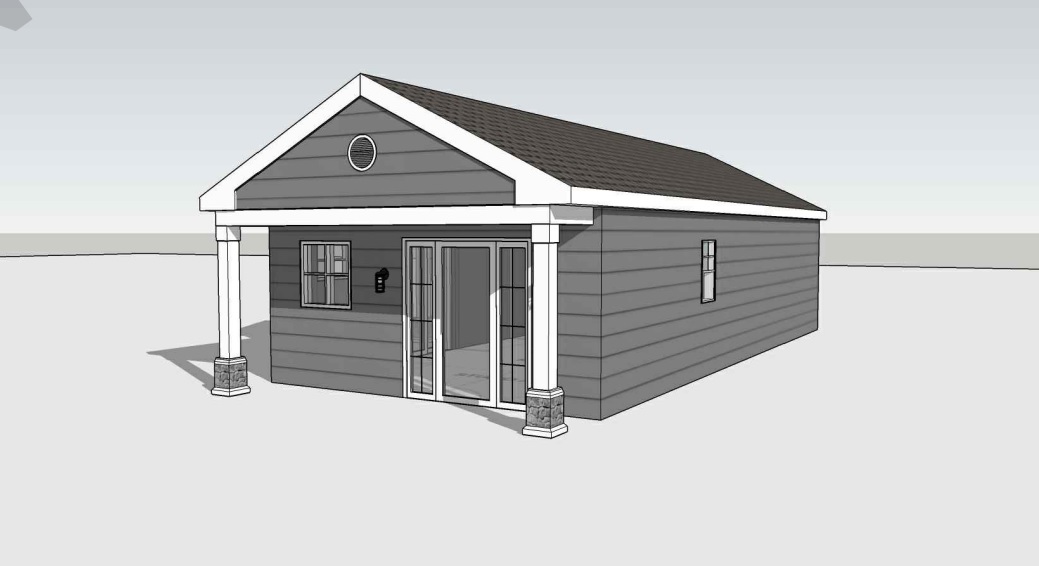
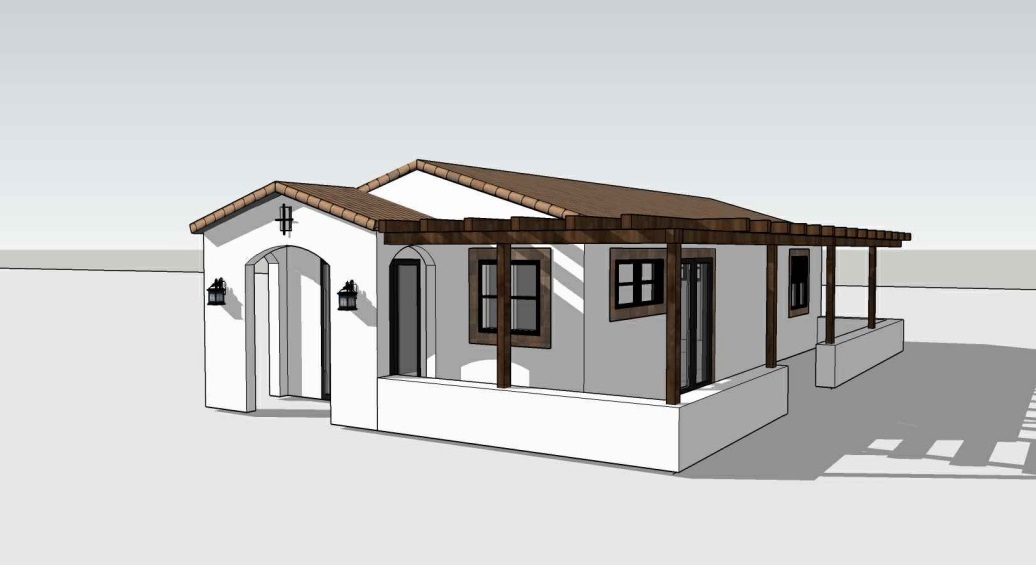
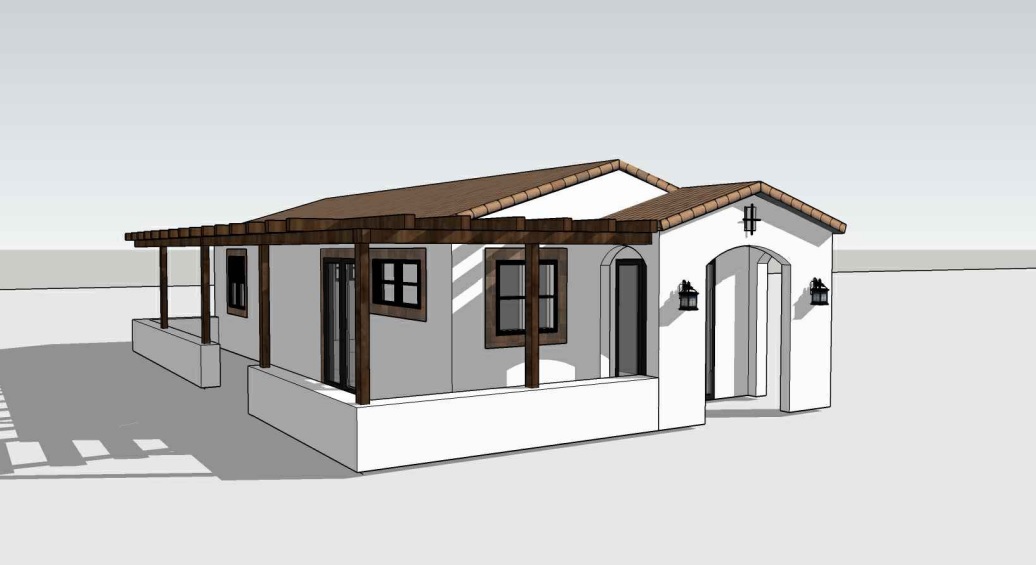
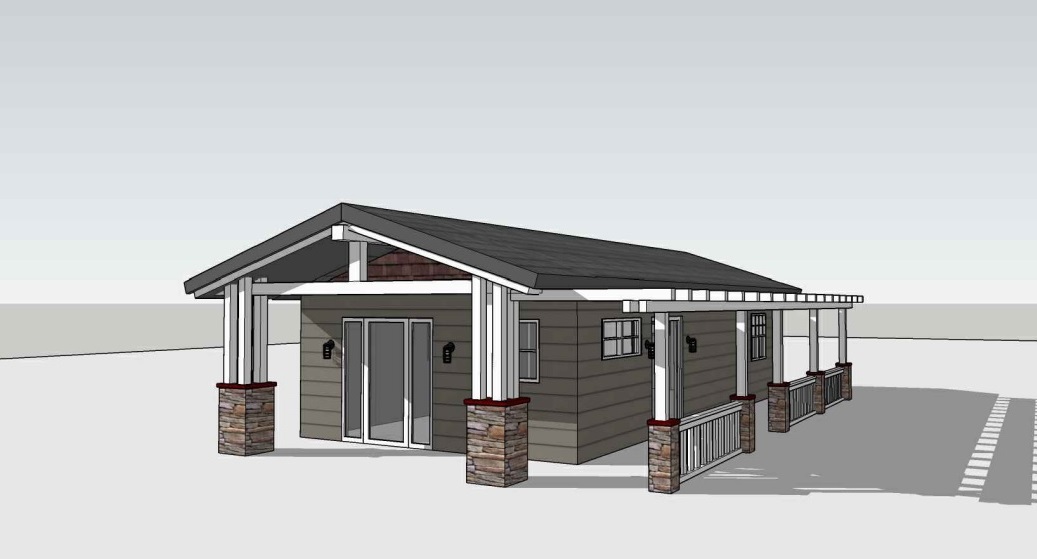
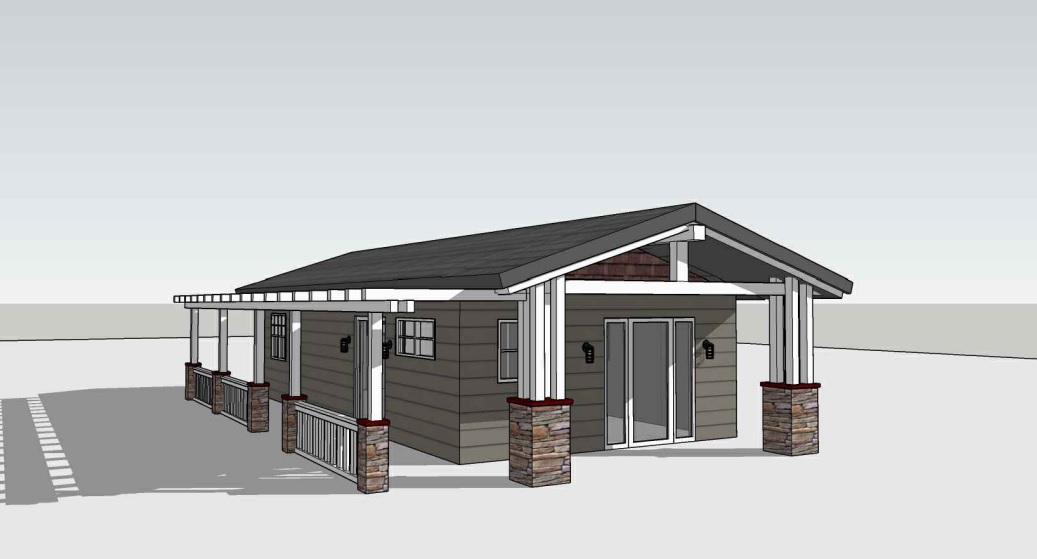
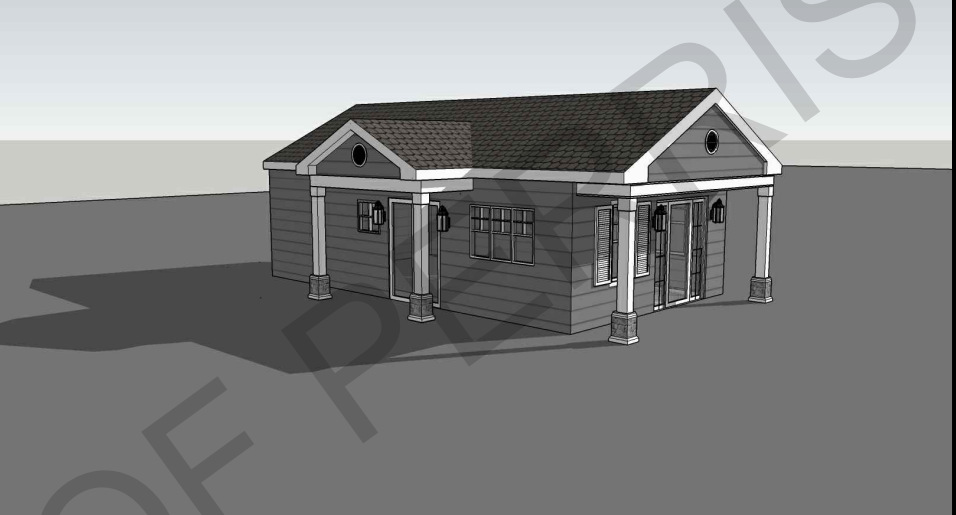
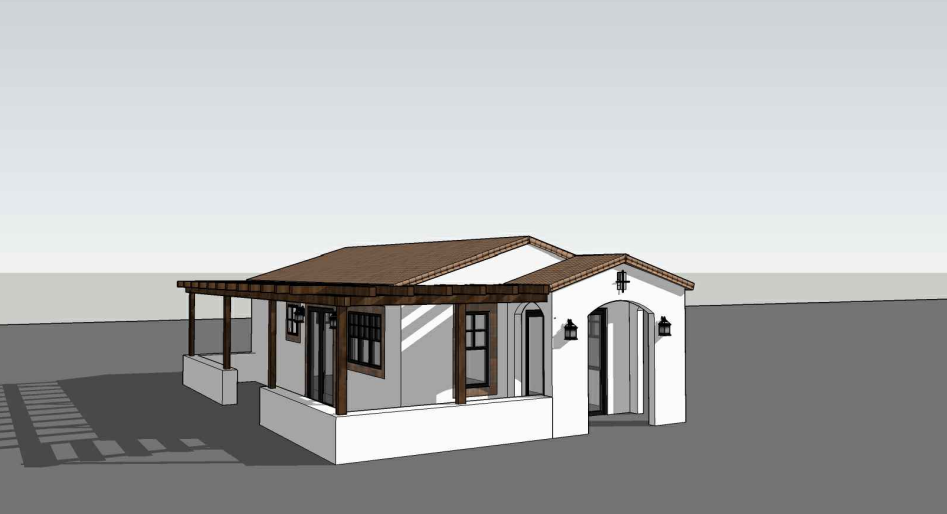
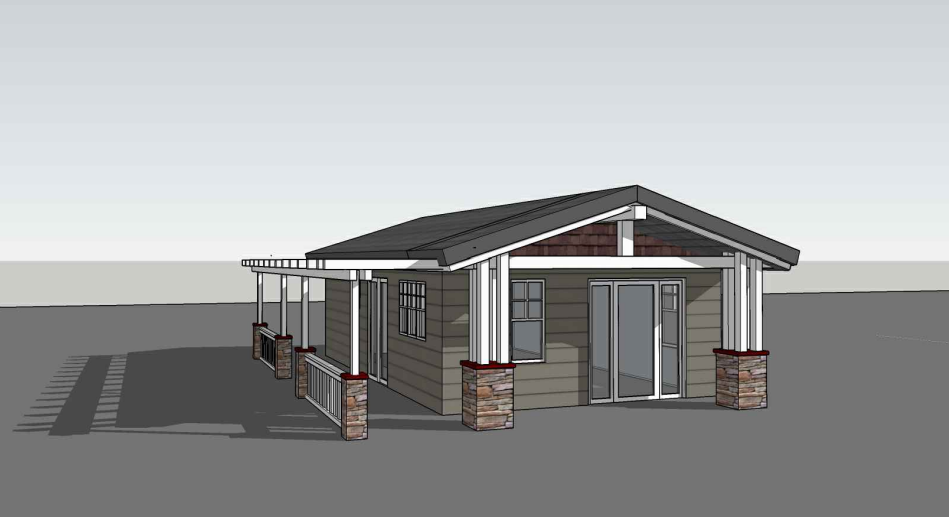
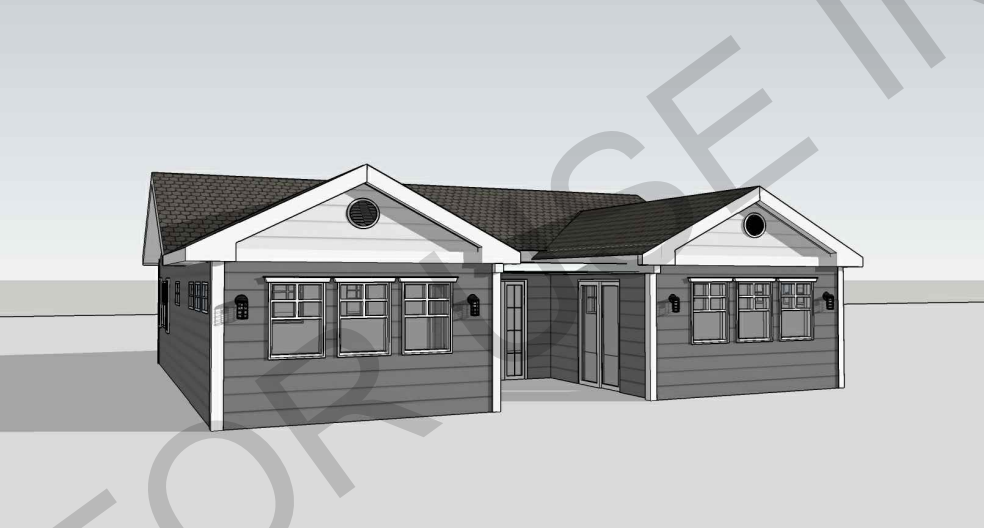
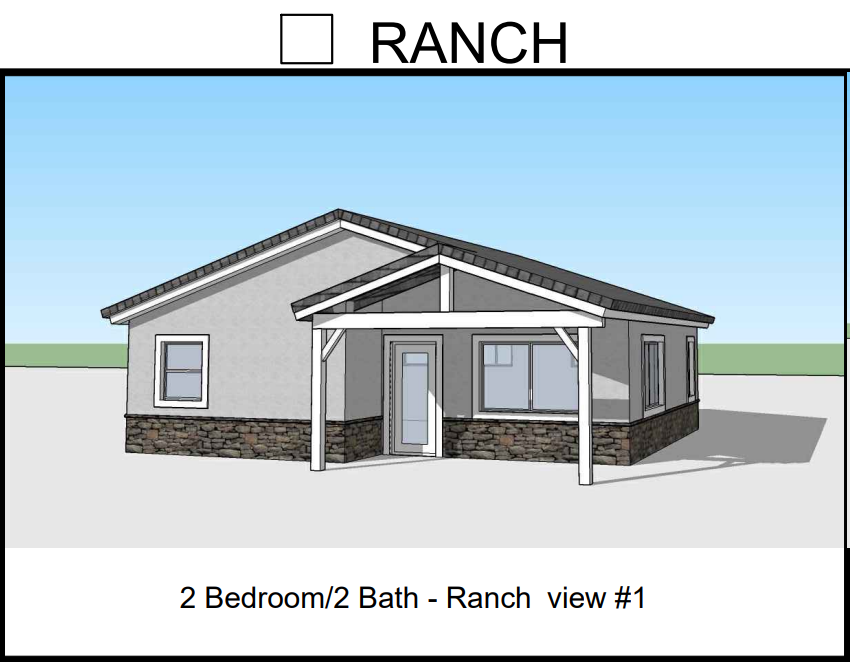
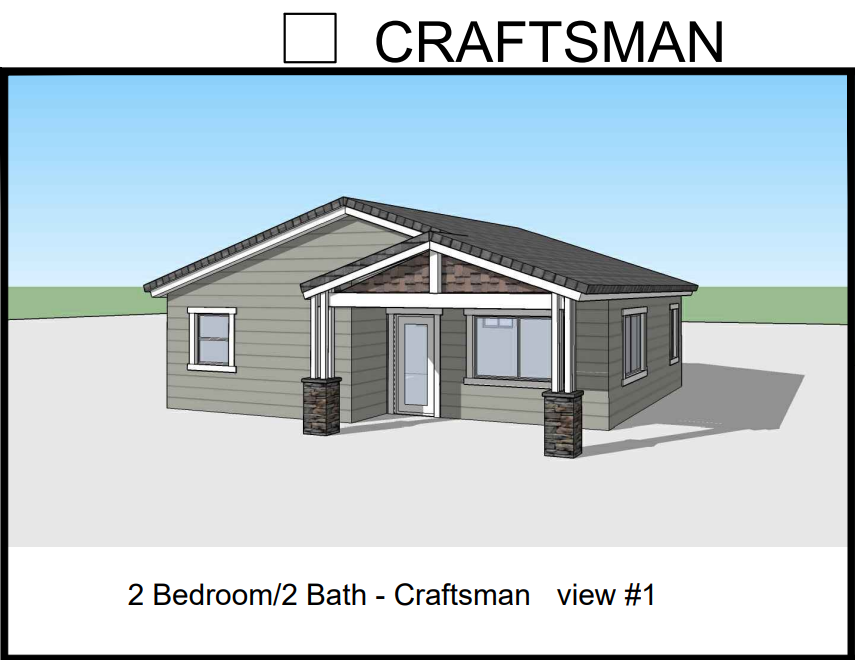
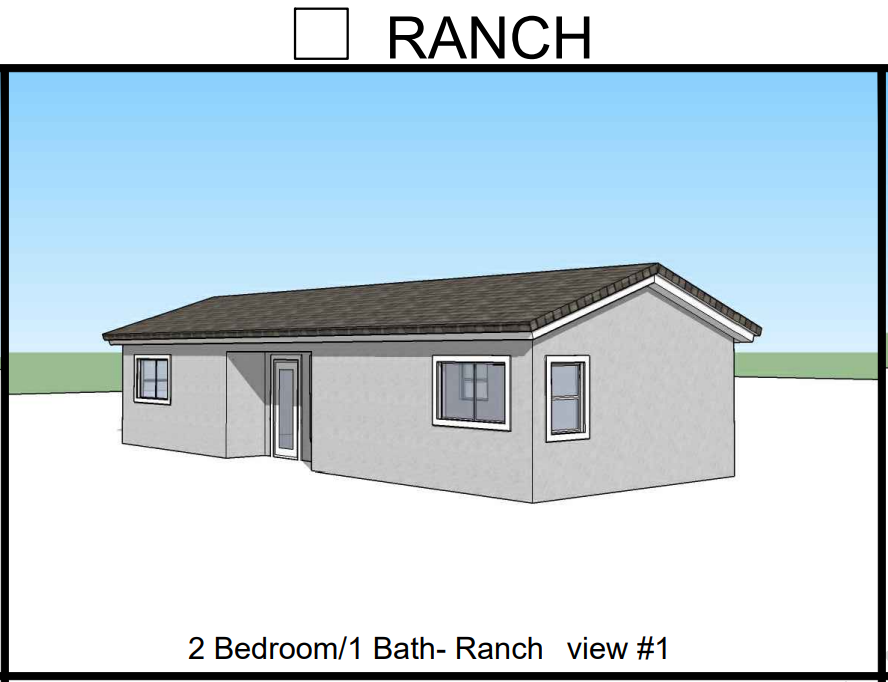
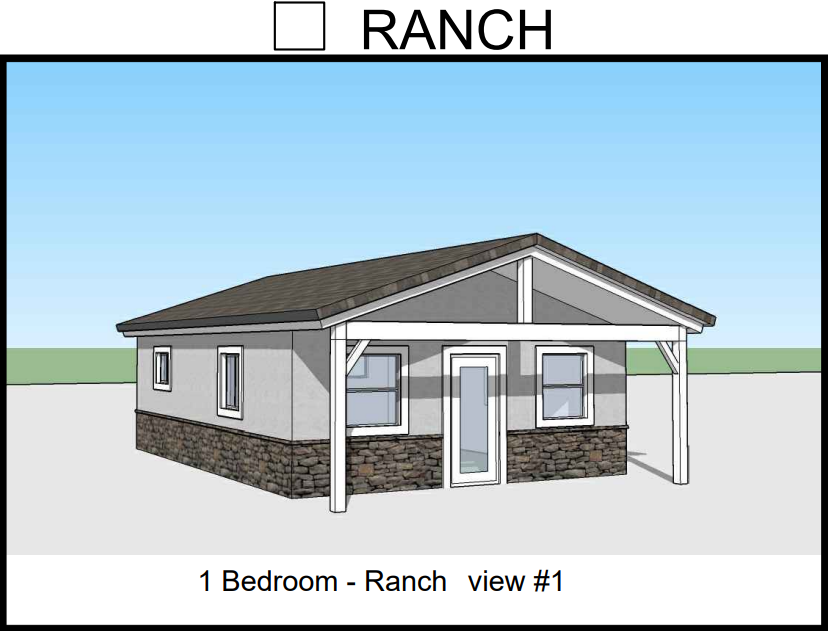
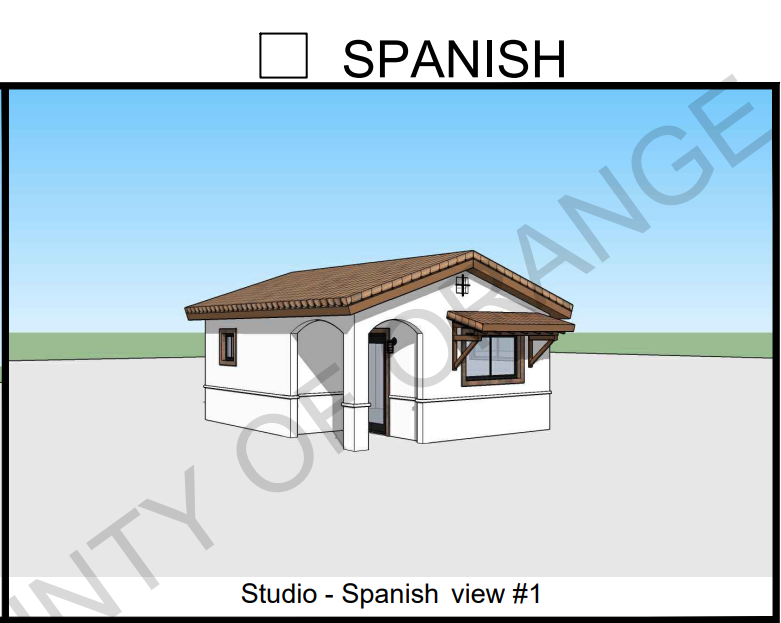
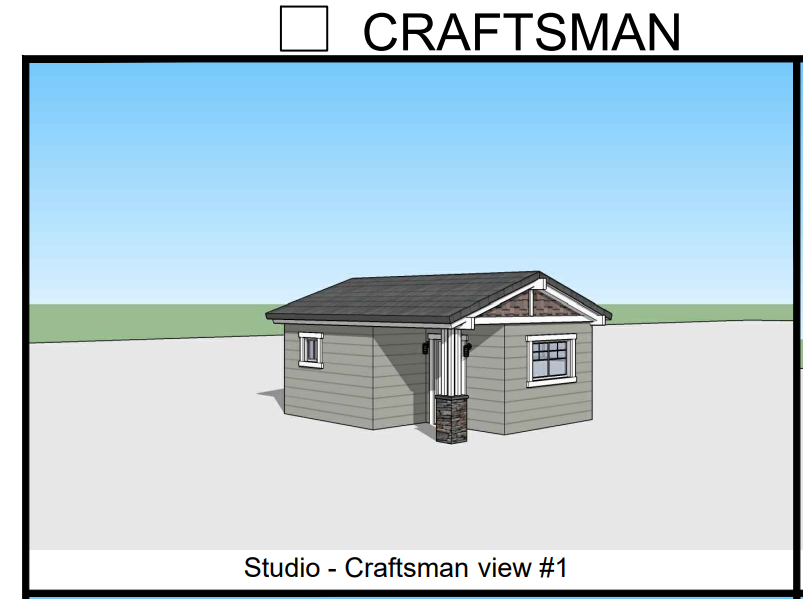
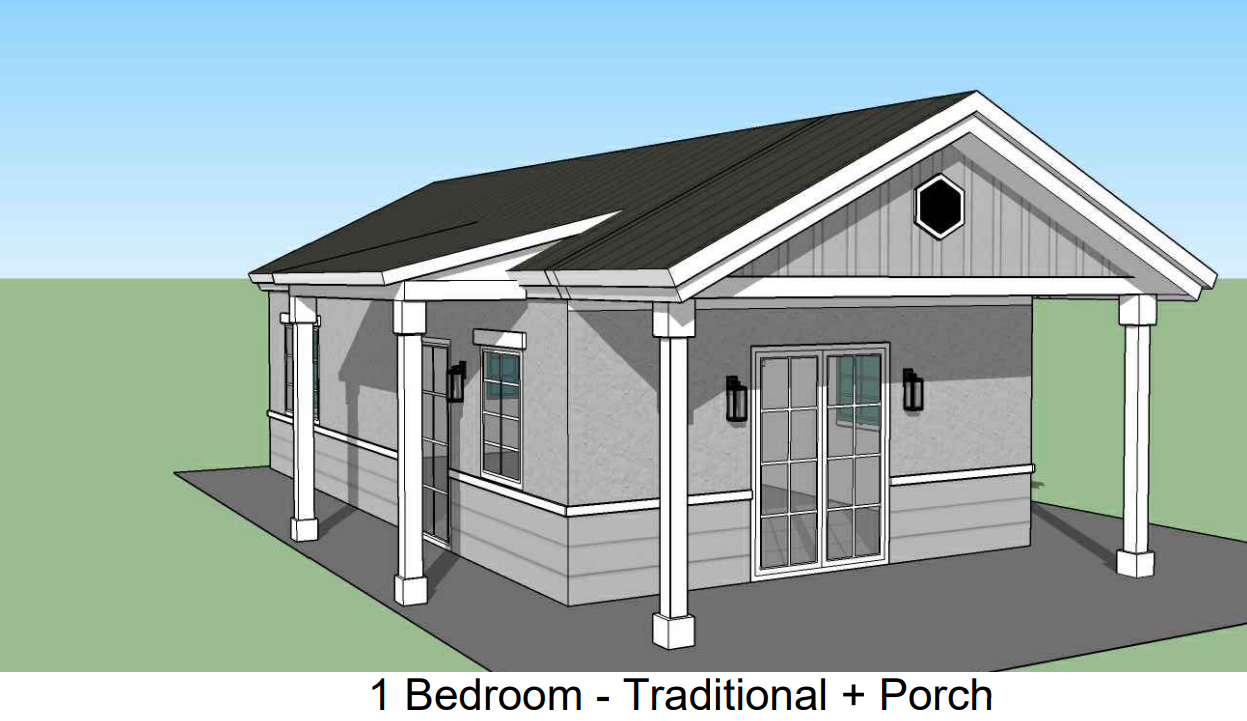
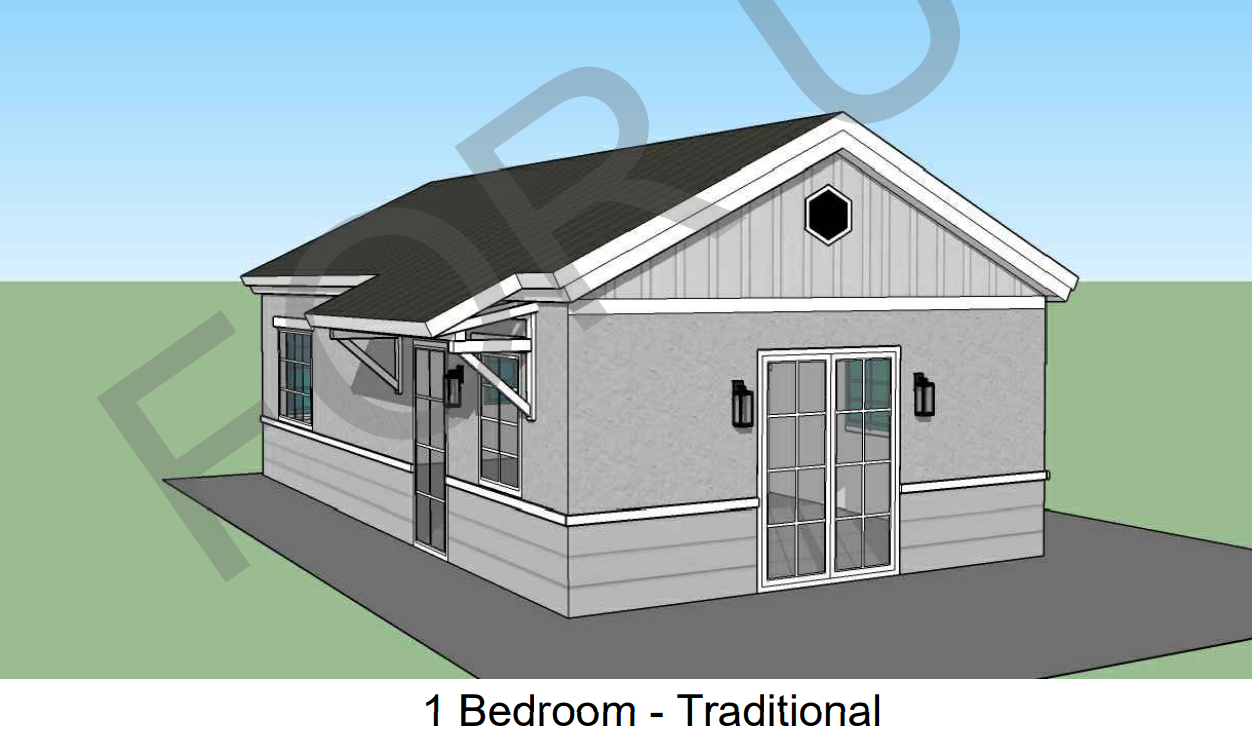
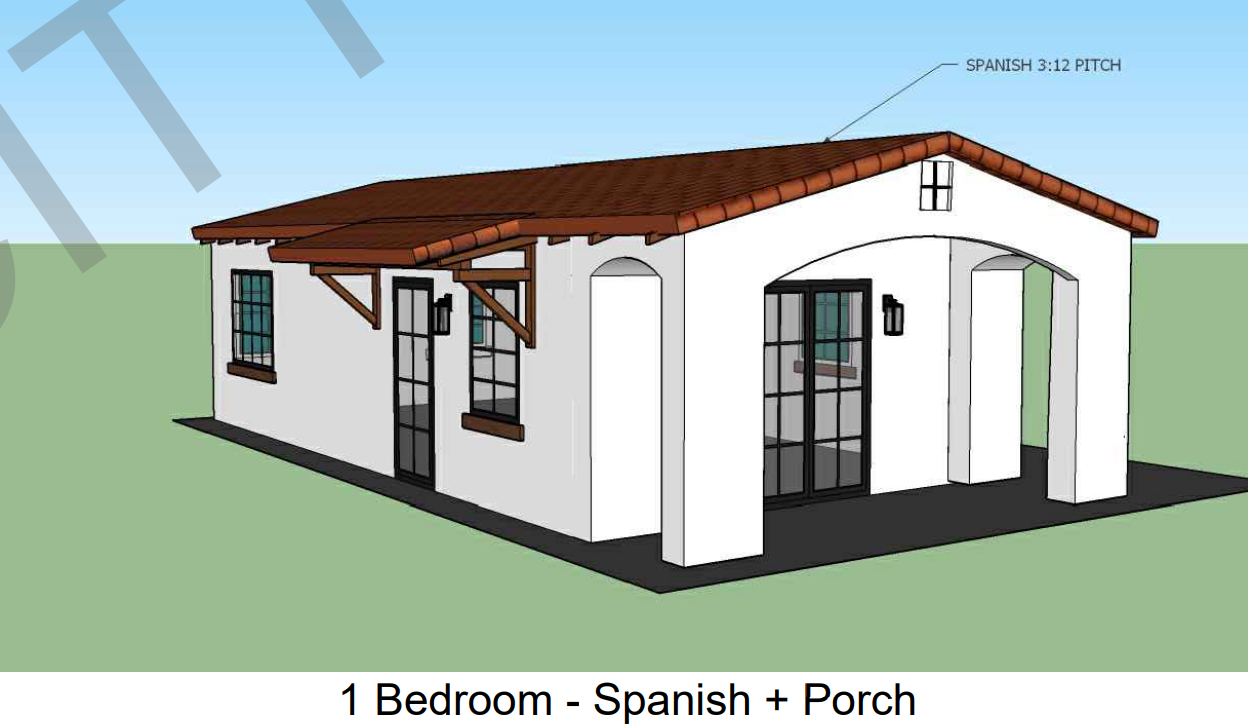
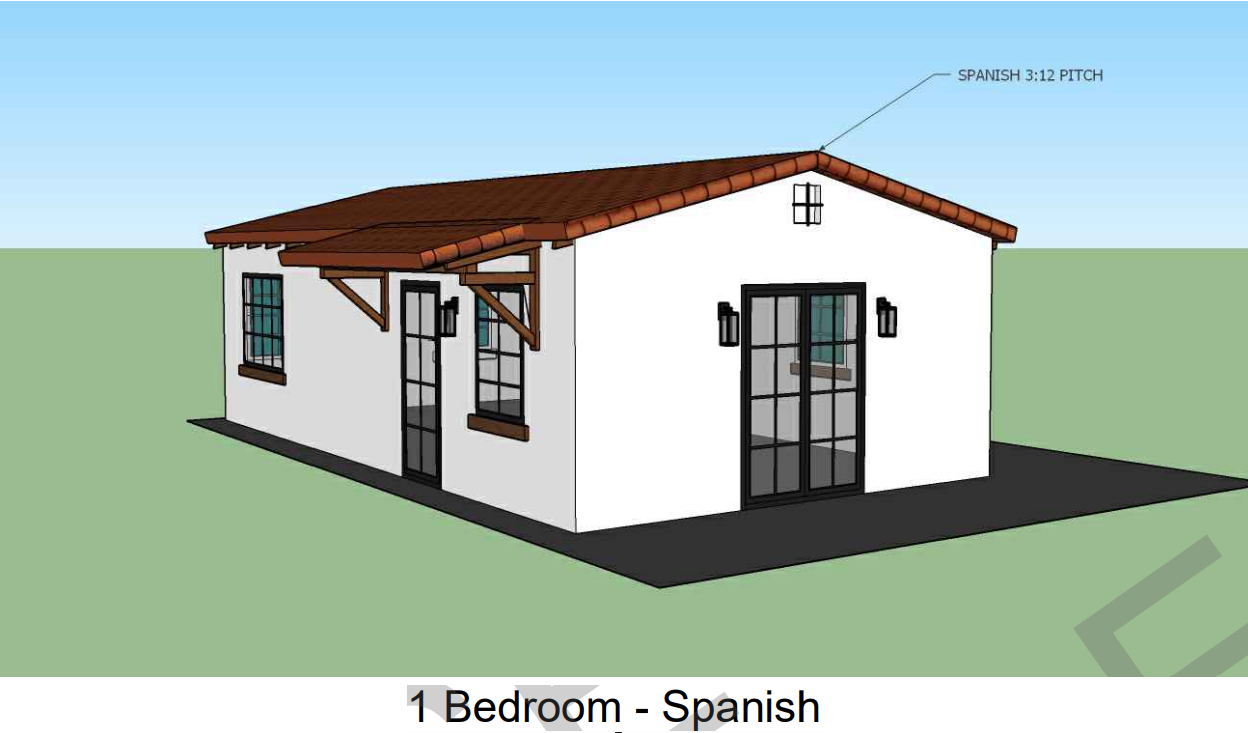
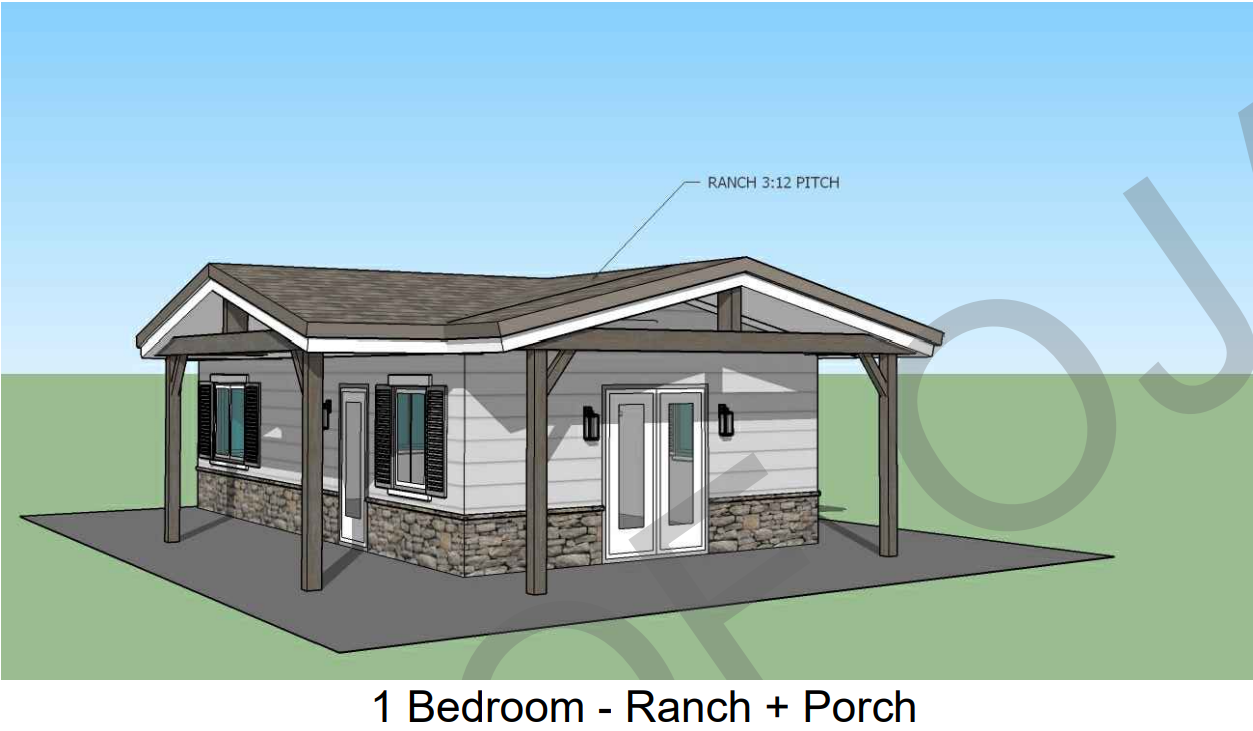
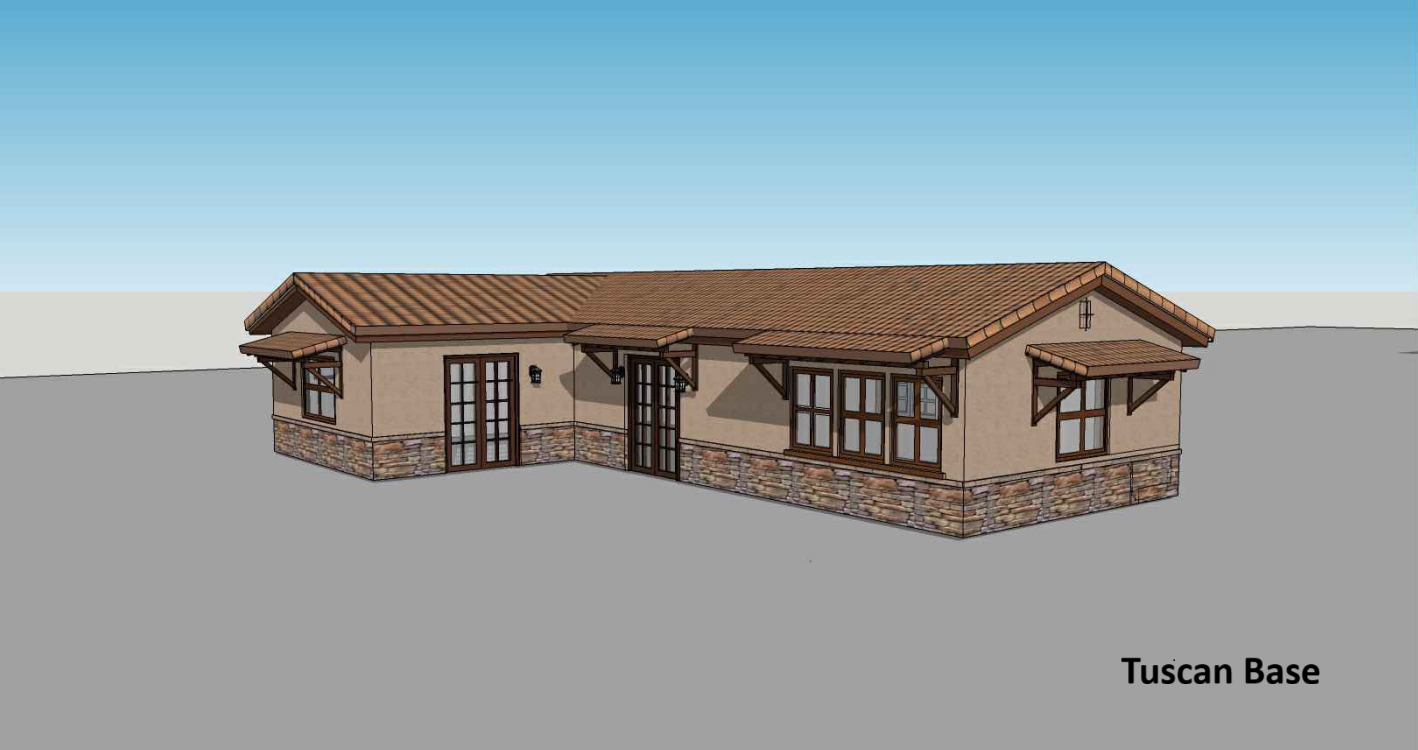
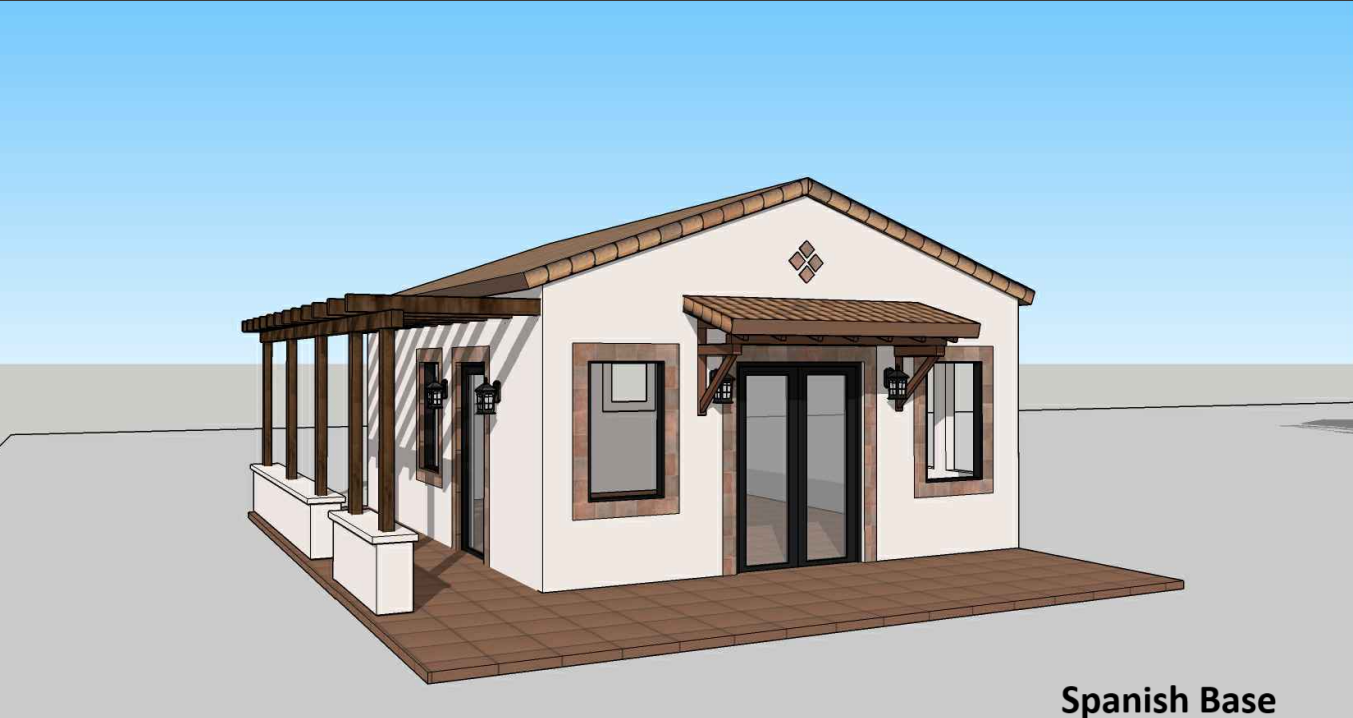
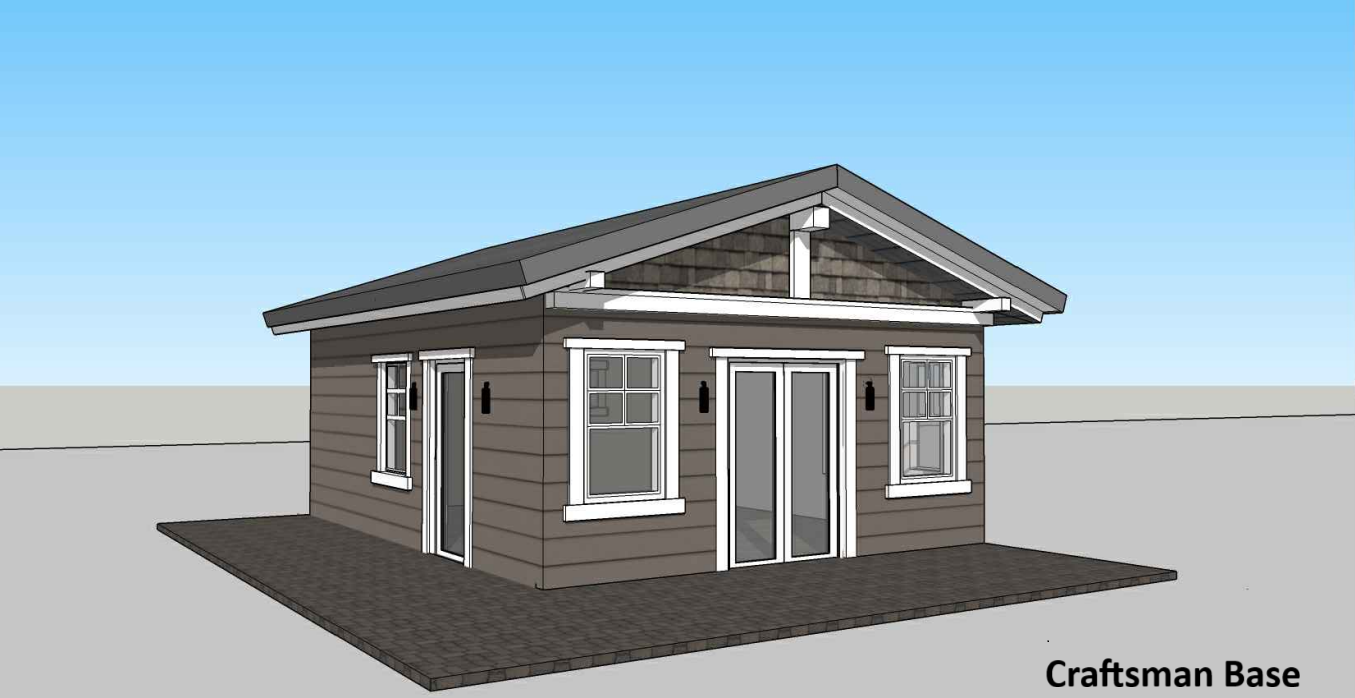
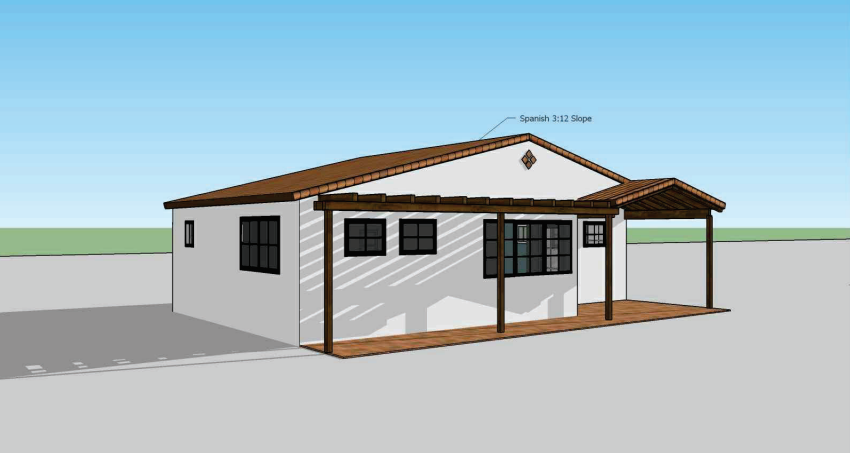
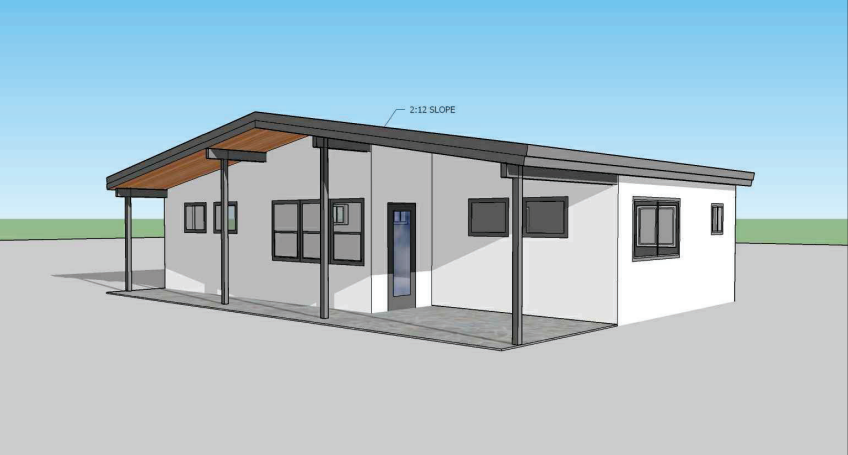
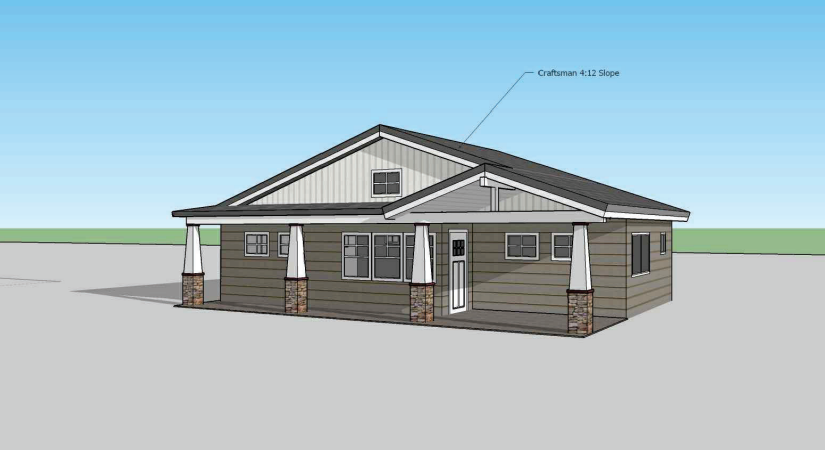
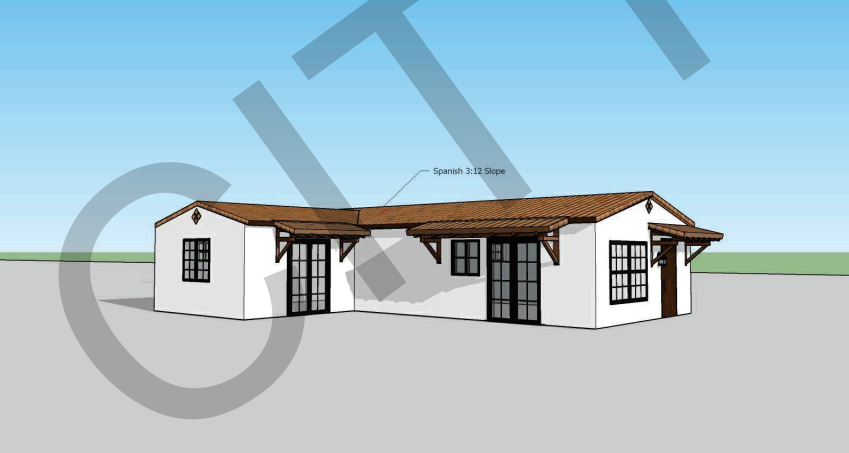
For LA County fire rebuild GCs, the key differentiator is the combination of IBC engineering, PRADU compliance, and pre-construction cost clarity. IBC-engineered plans resolve structural questions before plan check begins, and PRADU-compliant plans integrate with LA County's streamlined ADU permitting pathway. FrameUpNow's NapkinCAD custom design tool handlesnon-standard lots — the majority of parcels in Pacific Palisades and Altadena —delivering the same IBC engineering and BIM material certainty as catalog plans.
Key Features
- IBC-engineered wall panels, trusses, beams, floor girders, and floor joists — all hardware included
- BIM-derived Material Shopping List generated from the 3D structural model — not estimated takeoffs
- FrameCAD Structure and Detailer software — production platform with team experience across 60 subdivisions and 2,900 framers
- 5,000+ plan models with a cost calculator above the fold on every plan page at frameupnow.com
- PRADU-compliant ADU plans for streamlined LA County permitting
- NapkinCAD custom design for non-standard lots and irregular parcel geometry
- Pre-cut, panelized steel delivered to site — no crane needed for truss installation
- Free consultation with a Rebuild Specialist; framer training and assembly support throughout
Pricing
FrameUpNow uses a per-plan cost calculator — every plan page on frameupnow.com has one above the fold. Frame + Plan purchases include IBC engineering stamps, full structural documentation, and the BIM-derived Material Shopping List. Don't commit to a structural system until after reviewing a complete Bill of Materials.
Pros & Cons
Pros:
- Noncombustible CFS framing satisfies the CWUIC exterior wall requirement without supplemental layers
- IBC engineering resolves structural questions at plan check before review begins
- BIM-derived material list delivers cost certainty that estimated takeoffs can't match
- PRADU compliance enables faster ADU permitting in LA County
- DIY-accessible delivery (no crane, panelized, step-by-step video installation guide)
- Framer training available for crews making the transition from wood
Cons:
- No fixed published list pricing — GCs must use the cost calculator or request a quote per project
- California/Southwest focus; best suited for projects in the geographic market it serves
Customers
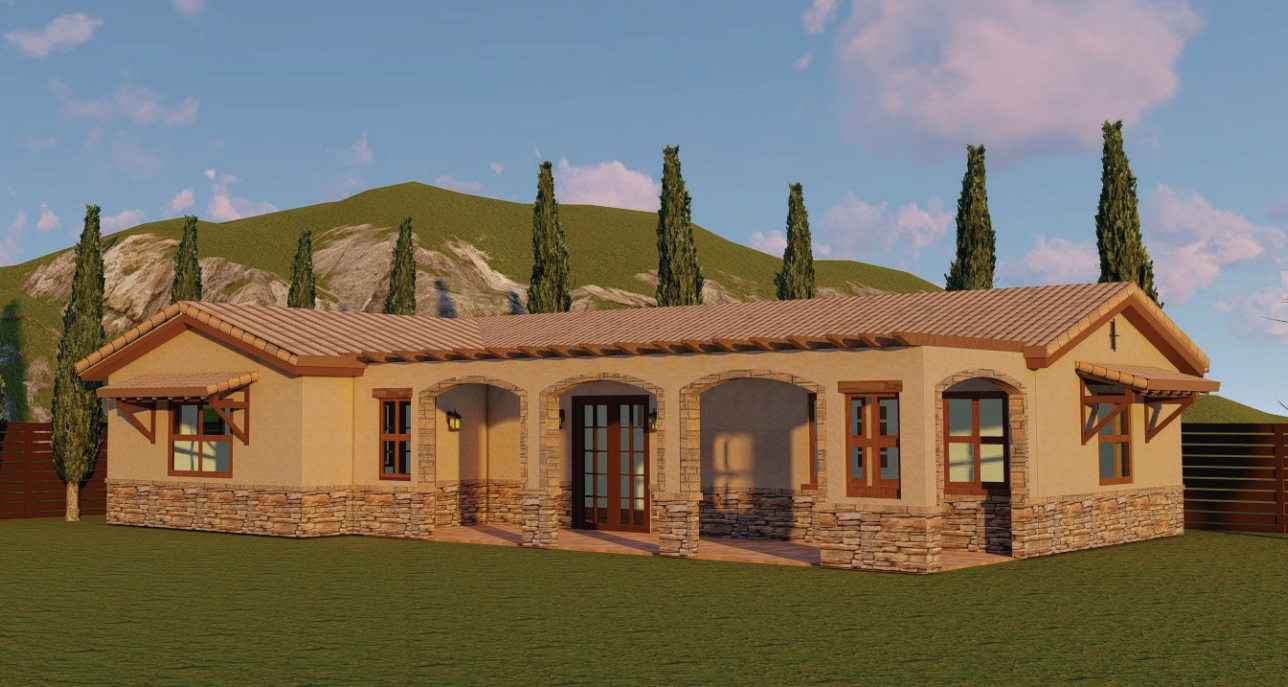
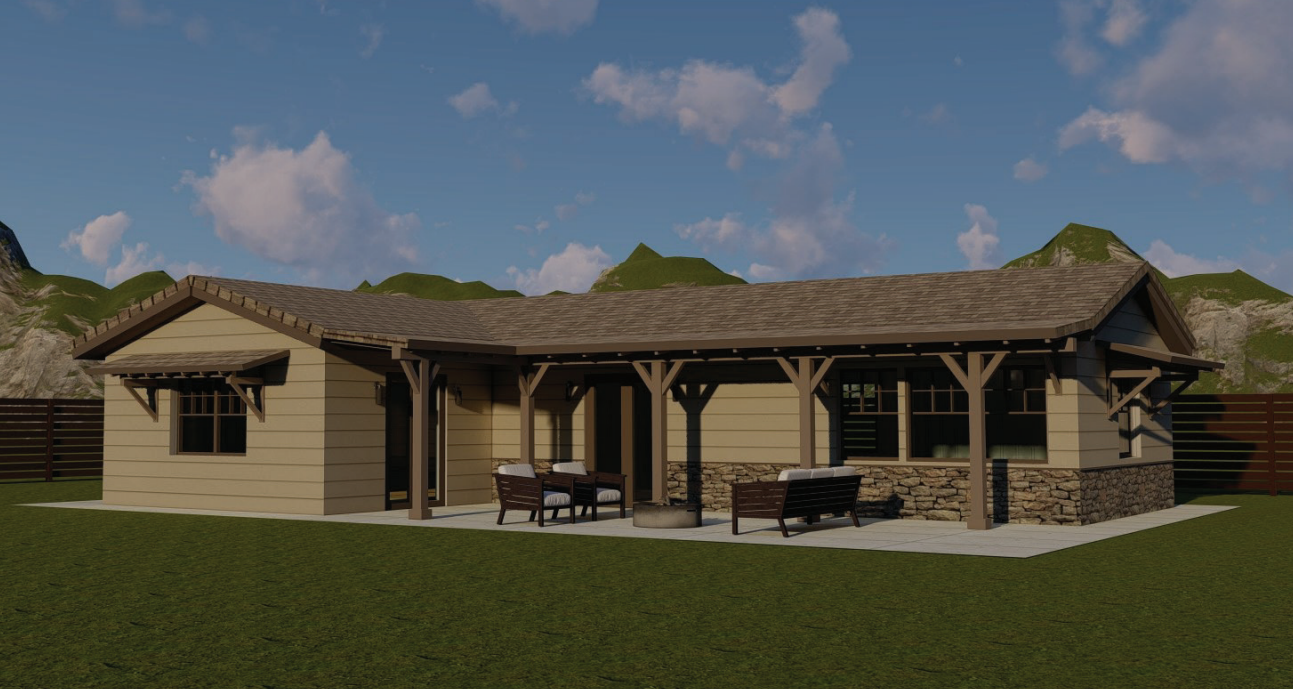
FrameUpNow's target in the fire rebuild market is small-to-mid-size California GCs building post-fire single-family rebuilds, ADU additions, and new residential construction in affected communities. Their prior engineering team's experience across 60 subdivisions and 2,900 framers signals operational scale. FrameCAD's published article on Altadena's first fire-resistant steel rebuild is the most visible third-party validation of their wildfire positioning.
5. Concrete and Foundation Contractor: Book Before the Soils Report Is Final
Foundation work on a fire rebuild is not standard residential concrete. Hillside sites require caissons, grade beams, and engineered retaining walls designed to the specific conditions in the geotechnical report. In many cases, the foundation is the longest critical-path element on the entire project.
Experienced concrete contractors in the LA basin who can execute complex hillside foundations are in high demand. Most are booked months in advance — and fire rebuild volume has extended lead times further. GCs who wait until the soils report is finalized find that their preferred contractor's next available window is three to four months out.
The right approach is to begin conversationswith foundation contractors while the geotechnical investigation is still in progress. Foundation contractors can review preliminary site data, provide budget ranges for different foundation system scenarios, and hold calendar capacity while the final report is processed. The relationship can be established before the final design is confirmed.
What to Look For
- Experience with post-fire hillside and canyon sites specifically — not just standard residential slab work
- Capacity to coordinate in real time with the geotechnical engineer and structural designer
- References from recent LA County fire rebuild foundation projects
- Understanding of LA County grading permit requirements for hillside work
Pricing
Foundation costs for LA County fire rebuild projects vary dramatically with site conditions. Flat-parcel slabs may run $25,000–$60,000; complex hillside systems with caissons, grade beams, and retaining walls can reach $150,000–$400,000 or more. GCs should not provide homeowners with foundation cost estimates until after the soils report is in hand.
Pros & Cons of Early Booking
Pros:
- Holds calendar capacity while soils report is being processed
- Allows foundation contractor to flag site access or equipment challenges before mobilization
- Eliminates scheduling gaps between soils report finalization and foundation work start
Cons:
- Final design cannot be confirmed without the soils report — preliminary conversations are scoping discussions, not contracts
When This Applies
Every rebuild that requires a new foundation — which is virtually all of them — needs a qualified foundation contractor. Hillside and canyon sites in Pacific Palisades and the upper slopes of Altadena require specialized foundation capability. Flat-parcel sites in the lower Altadena rebuild zone may have simpler requirements, but qualified contractors are still in short supply.
6. MEP Subcontractors: Licensed Trades in the Most Competitive Market in a Decade
Mechanical, electrical, and plumbing subcontractors in the LA basin are working at near-full capacity across the fire rebuild zone. The combination of Pacific Palisades, Altadena, Malibu, and ongoing non-fire new construction has created a tighter licensed trade market than the region has seen since the post-recession building surge.
CFS framing is trades-friendly for MEP crews: pre-punched holes for electrical conduit and plumbing runsmake the transition from wood straightforward. The straight, stable walls make MEP layout more predictable than wood, reducing field adjustments and coordination rework during rough-in. HVAC contractors report no meaningful difference in approach.
But trade availability is a scheduling problem, not a technical one. GCs who don't have MEP subs committed before framing starts findt hemselves adding weeks waiting for licensed trade availability. The right sequence is: framing system confirmed → structure timeline established → MEP subs booked to that schedule. Don't reverse it.
What to Look For
- Licensed C-10 (electrical), C-36 (plumbing), and C-20 (HVAC) contractors with active LA County certifications
- Familiarity with CFS framing — specifically, pre-punched stud hole coordination and grounding requirements
- Availability commitments in writing — not verbal holds
- Experience with VHFHSZ code-compliant electrical panels, ember-resistant penetration sealing, and fire-code-compliant HVAC installations
Pricing
MEP subcontractor costs for a standard fire rebuild home (1,200–2,000 sq ft) in LA County typically run $45,000–$90,000 total across all three trades. Larger homes and hillside projects with complex HVAC runs can run significantly higher. Lock in bids before framing starts — post-framing MEP quotes in a tight market come in higher.
Pros & Cons of Early Booking
Pros:
- Locks schedule before trade calendars fill — lead times in the current market can exceed 10 weeks
- Pre-framing conversations allow MEP subs to review the structural system and flag coordination requirements
- Reduces the probability of schedule gaps between framing completion and rough-in start
Cons:
- Booking MEP subs before framing is confirmed requires either a deposit or a relationship-based commitment
- If framing schedule shifts, MEP sub availability may shift with it
When This Applies
All fire rebuild projects require licensed MEP work. In the current LA basin market, booking MEP subs at least 8–12 weeks before anticipated rough-in start is the minimum. Earlier is better.
7. Fire-Rated Insulation Contractor: Spec It Right the First Time
Insulation in a cold-formed steel framing system requires different specifications than wood framing. Steel has higher thermal conductivity than wood, which means standard batt insulation alone under performs in CFS walls — thermal bridging across the steel stud reduces effective R-value significantly. The right spec for CFS construction is open-cell polyurethane spray foam.
BASF open-cell spray foam is the insulation specification recommended for IBC-engineered CFS homes. Iteliminates thermal bridging across the steel stud cavity, provides an air barrier in addition to thermal performance, and adheres directly to the steel framing. For VHFHSZ rebuilds, spray foam has no cellulose content — it doesn't fuel fire spread from inside the wall.
Getting the insulation spec wrong means either an energy code failure at inspection or costly remediation after drywall is up. GCs who spec batt insulation because that's what their standard sub uses — then switchto spray foam during the build — create a Title 24 energy code documentation problem. Lock in the correct spec at the plan set stage, then book a contractor who can execute it.
What to Look For
- Spray foam application certification and active insurance for CFS framing applications
- Experience with the specific energy compliance documentation required by LA County Title 24 reviewers
- Ability to work within the build schedule — spray foam must be applied after framing is complete but before drywall begins
- Familiarity with VHFHSZ fire-code-compliant penetration sealing around spray foam applications
Pricing
Spray foam insulation for a 1,500 sq ft fire rebuild home in LA County typically runs $8,000–$18,000 depending on wall thickness, coverage area, and application complexity. Open-cell spray foam runs less than closed-cell; the CFS insulation specification should be confirmed with the insulation contractor and the energy compliance consultant before finalizing the plan set.
Pros & Cons of Early Booking
Pros:
- Locks the correct spec into the plan set — no post-submission spec changes that generate energy code corrections
- Insulation contractors with spray foam specialization are in demand in the fire rebuild market
- Prevents costly post-drywall remediation from undersized or wrong-spec insulation
Cons:
- Spray foam application has a narrow scheduling window (post-framing, pre-drywall) — timing must be coordinated precisely with the framing and drywall schedules
When This Applies
All CFS-framed fire rebuild projects benefit from open-cell spray foam insulation. It's the correct spec for the material system and the most reliable path to Title 24 energy code compliance in a VHFHSZ rebuild.
8. Wildfire-Specialist Insurance Broker: The Service Most GCs Skip Until It's Too Late
California's homeowners insurance market has materially contracted. Major carriers have pulled back from wildfire-prone communities. In Pacific Palisades and Altadena, homeowners face narrowed coverage options and sharply higher premiums — and a general insurance broker who handles standard residential policies is not equipped to navigate this market.
Builder'srisk insurance for fire rebuild projects varies dramatically by structural system. Steel-framed projects average approximately $92,000 in builder's risk premiums, compared to nearly $450,000 for comparable wood-framed designs. GCs who can present that comparison before the framing decision is made add realvalue — most homeowners don't see these numbers until after they've committed to a structural system.
Post-rebuild homeowners' insurance requires even more navigation. The California FAIR Plan offers home hardening discounts of up to 24.5% for qualifying fire-resistant improvements — and non-combustible structural framing is one of the clearest qualifying measures. A wildfire-specialist broker knows which insurers arewriting policies in Altadena and Pacific Palisades and how to position a steel-framed rebuild to that market.
What to Look For
- Active book of business in Pacific Palisades, Altadena, Malibu, and other VHFHSZ communities
- Experience placing both builder's risk and post-construction homeowners' coverage in the current California market
- Familiarity with California FAIR Plan wildfire mitigation discount documentation
- Ability to generate comparative builder's risk quotes for wood vs. steel framing before the structural decision is made
Pricing
Builder's risk premiums depend on project value and structural system. Get comparative quotes for wood vs. steel before the framing decision is finalized — the difference can materially affect the total cost picture. Broker fees vary; many wildfire-specialist brokers earn commissionsfrom carriers rather than charging GC consulting fees.
Pros & Cons of Early Engagement
Pros:
- Comparative builder's risk quotes before framing decision make the steel economics visible to homeowners
- Early engagement gives the broker time to place post-construction coverage before occupancy
- Avoids the scramble for insurers when the project is nearly complete and homeowner needs coverage before move-in
Cons:
- Coverage availability in some VHFHSZ communities remains limited; some homeowners may still rely on FAIR Plan regardless of structural system
- Broker market expertise varies significantly — not all residential brokers have current wildfire market knowledge
When This Applies
Every fire rebuild project needs both builder's risk coverage and a post-rebuild homeowners' insurance plan. GCs who treat insuranceas the homeowner's problem are missing an advisory opportunity that builds trust and can directly influence material decisions.
Frequently Asked Questions
Can a GC start demolition before the government's Phase 1 hazmat cleanup is complete?
No. Phase1 debris removal — household hazardous waste removal by government crews —must be completed before any Phase 2 licensed contractor work can begin on the parcel. Property owners who attempt to bypass Phase 1 face permit holds and enforcement actions. The sequence is fixed: Phase 1 complete → CAC asbestos assessment → HazMat Division inspection → Fire Debris Approval Certificate →demolition permit → Phase 2 begins.
Is a geotechnical report required for every fire rebuild, or only hillside sites?
Geotechnical reports are required for all hillside and slopesites, all PGRAZ-classified parcels, and sites with known drainage or landslide issues. Flat parcels in low-risk zones may be able to use standard soil compaction reports rather than full geotechnical investigations. GCs should verify specific requirements with the jurisdiction — LA County Public Works Building and Safety and the City of LA LADBS have different thresholds.
How far in advance should MEP subs be booked in the current LA market?
A minimum of 8–12 weeks before anticipated rough-in start,and 12–16 weeks on hillside projects with complex HVAC or custom electrical configurations. The licensed trade shortage in the current LA basin rebuild market has extended timelines beyond what most GCs expect from standard residential projects. If framing is starting in six months, MEP conversations should begin now.
Does cold-formed steel framing require different subcontractor skills for MEP rough-in?
The transition is straight forward. CFS studs are pre-punchedfor electrical conduit and plumbing — trades don't need to drill through thestud the way they would in wood framing. Steel framing requires grounding connections for electrical installations, but any licensed C-10 contractor familiar with commercial construction already knows this. FrameUpNow provides framer training for crews making the transition.
Is spray foam insulation a VHFHSZ code requirement or abest-practice recommendation?
Open-cell spray foam is not a VHFHSZ code requirement — it'sthe recommended spec for CFS framing based on thermal performance and energycode compliance. What is a code requirement is Title 24, Part 6 energyperformance. The most reliable path to meeting that standard in a CFS-framedVHFHSZ rebuild is open-cell spray foam insulation.
When should GCs introduce the insurance cost comparisonto homeowners?
Before the framing decision is made — not after. The builder's risk premium difference between steel and wood framing ($92,000 vs.~$450,000 on comparable projects) is large enough to shift the total project cost picture. GCs who present that comparison before the structural system is committed earn credibility as advisors, not just builders.
Conclusion: Get These Eight Things in Place Before the Ground Moves
The LA County fire rebuild market rewards preparation. Permits are backed up. Trades are fully committed. Every licensed specialist with fire rebuild experience is being competed for by thousands of active projects. GCs who show up without these eight services confirmed are adding risk — to timelines, to budgets, and to homeowner relationships they need to maintain over an 18-to-30-month project.
Cold-formed steel framing, booked early through a provider with IBC engineering and BIM-derived material certainty, resolves more pre-construction questions than any other single procurement decision on this list. FrameUpNow delivers that system — with PRADU-compliant ADU plans, NapkinCAD for custom lots, and a cost calculator on every plan page so you know the full structural budget before committing. Schedule afree consultation or call 888-864-0184.