





























.avif)

7 Reasons Pacific Palisades and Altadena General Contractors Are Choosing Steel Framing for Rebuild Projects
The January 2025 wildfires destroyed more than 13,000 homes across Pacific Palisades and Altadena. As of early 2026, roughly 2,600residential permits have been issued — about one for every five homes lost. The rebuild is underway, but it's slow, expensive, and operationally complex.
Every GC in these communities is making the same foundational material decision: wood or steel? For a growingnumber of contractors, the answer is cold-formed steel (CFS) framing. The material isn't new. But the conditions driving that shift are more urgent than ever. Stricter wildfire codes, an overwhelmed permit system, and a collapsed insurance market have all converged in post-fire LA.
This post breaks down the seven specific reasons contractors in these communities are choosing steel. These aren't theoretical benefits. They're operational advantages in the exact rebuild environment GCs are navigating right now.
What Are the 7 Reasons PacificPalisades and Altadena Contractors Are Choosing Steel?
Each reason below reflects a real problem that general contractors in the LA rebuild zone are solving daily. They cover code compliance, permitting speed, cost certainty, site logistics, structural performance, pest liability, and insurance. These are seven areas where cold-formed steel has a measurable edge over wood.
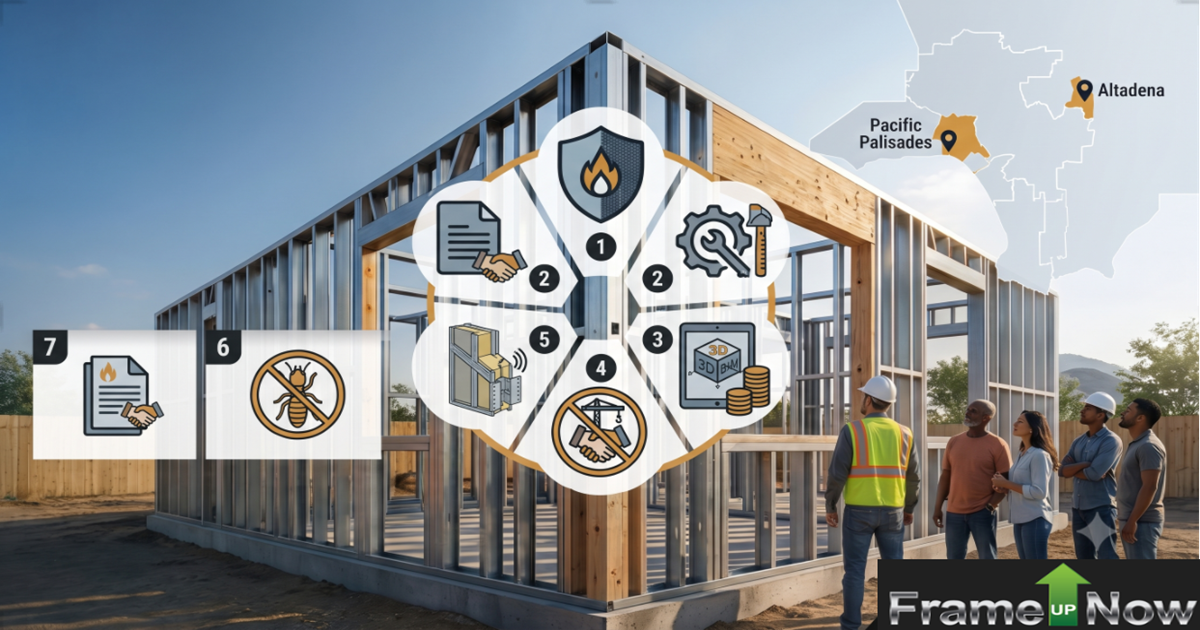
The short version: California's new wildfire code mandates non-combustible construction in the highest-risk zones. IBC-engineered plans cut through overwhelmed permit backlogs. BIM-derived material lists prevent the cost overruns derailing other budgets. Steel installs without cranes — a major advantage on steep hillside and canyon lots. Dimensionally stable walls eliminate finish callbacks. Steel is 100% termite-proof. And non-combustible framing is increasingly the key to getting California homeowners insured at all.
Each of those deserves its own explanation.
1. California's New WildfireCode Requires Non-Combustible Construction
California's wildfire construction standards changed in 2025. The state moved Chapter 7A requirements into the new CWUIC (Title 24, Part 7), effective January 1, 2026. The underlying standards carried forward unchanged. But enforcement in Very High Fire Hazard Severity Zones (VHFHSZ) is now stricter than it's ever been.
Cold-formed steel qualifies as noncombustible under CWUIC without modification or supplemental treatment. That's the cleanest exterior wall compliance path available in a VHFHSZ. Wood framing requires supplemental fire-resistant layers — gypsum sheathing, tested assemblies, or ignition-resistant cladding — to reach the same standard.
Both Pacific Palisades and Altadena are classified VHFHSZ. That classification isn't going away. For GCs rebuilding there, steel simplifies code compliance in ways that directly reduce plan check friction.
A simpler, cleaner plan set invites fewer reviewer questions. Fewer questions mean fewer revision cycles. Every revision cycle costs weeks. Over an 18-to-30-month project timeline, those weeks add up fast.
2. IBC-Engineered Plans Cut Through Permit Backlogs
Altadena issued 374 new permits per month in December 2025. Pacific Palisades is expected to hit its peak construction surge in the second half of 2026. Permit reviewers are stretched across thousands of simultaneous applications. Any plan set that invites questions goes to the back of the queue.
Most residential construction plans are engineered to the IRC — the International Residential Code. The IRCis prescriptive. It relies on building inspection for structural confirmation. This gives plan reviewers discretionary latitude to request additionalcalculations or revisions — and that latitude costs time.
IBC-engineered plans work differently. The IBC requires complete structural calculations upfront. Every frame, beam, and truss is documented before the set reaches a reviewer. There's no interpretive gap to fill.
In a backlogged permit environment, an IBC set is the most practical way to accelerate a project timeline. It's not a workaround. It's what the code is designed to do — provide upfront structural certainty. GCs who understand that distinction have a real scheduling advantage.
3. BIM-Derived Material Lists Prevent the Cost Overruns Killing Other Budgets
A standard Altadena rebuild runs 18 to 30 months from permit to certificate of occupancy. That's a long window of exposure for material and labor cost volatility. Lumber prices remain approximately 80% above pre-pandemic levels. Licensed framing crews in the LA basin are being competed for by Altadena, Pacific Palisades, and Malibu rebuilds simultaneously.
Traditional wood framing projects start with estimated material takeoffs. The numbers are accurate enough to bid— they're rarely accurate enough to finish. Research consistently shows most building projects go over budget due to cost planning failures, not construction errors. The gap between estimated and actual is where budgets collapse and homeowner trust breaks.
A BIM-derived material list is generated directly from the engineered 3D structural model. Every stud, connector, beam, and fastener is counted — not estimated. That's a fundamentally different level of pre-construction certainty.
For GCs rebuilding in Pacific Palisades and Altadena, the ability to say "here are your exact material quantities, verified before you spend a dollar" is a compelling differentiator. It's what separates a contractor who can be trusted from one who can only be hoped for.
4. No Crane Required on Hillside and Canyon Sites
Pacific Palisades is built on canyon-cut terrain. Altadena runs up into the San Gabriel foothills. Many rebuild lots sit on steep grades or hillside parcels. Staging area and truck access are often severely limited.
Wood roof trusses and floor joists require crane placement in most residential applications. Cold-formed steel trusses are significantly lighter. A small crew can lift them into position by hand, without heavy equipment. That removes a major scheduling dependency from the project.
Crane rental in the greater LA area runs several thousand dollars per day when access is easy. On a hillside or canyon site, specialty cranes and extended-reach equipment multiply that cost significantly.
For GCs managing multiple active sites — the norm in the basin right now — fewer equipment dependencies mean fewer delays. Faster starts, simpler coordination, and lower equipment costs are real advantages on compressed rebuild timelines.
5. Dimensionally Stable Walls Eliminate Finish Callbacks
Wood moves. It warps, shrinks,and twists as moisture changes. In the coastal and foothill microclimates here, that movement is constant and ongoing. The effects show up in finish work: cracked drywall, out-of-plumb tile, doors that stick after handoff.
Those become warranty and callback issues. They come back to GCs — sometimes months after project close. Cold-formed steel doesn't experience dimensional change from moisture. What's plumb on framing day stays plumb through the finish phase.
In Pacific Palisades, where rebuilt homes frequently carry values north of $3M, a single callback is expensive. The cost in lost time, subcontractor coordination, and client relationship damage is disproportionate.
Stable framing is a quality argument steel can make without caveat. It's one wood cannot make honestly. For GCs building a reputation on repeat referrals in the rebuild market, that matters more than it might initially seem.
6. Steel Is 100% Termite-Proof— Removing a Long-Term Liability
Drywood termites are endemic throughout Los Angeles County. They're documented throughout both communities. A wood-framed structure built today will likely require pest inspection and retreatment within a decade.
Cold-formed steel has nocellulose content. Termites cannot damage it — there's nothing to eat, nothing to treat, and nothing to reinspect. For homeowners who just rebuilt after losing everything, additional structural damage from a preventable cause isn't abstract. It's a nightmare they'll invest heavily to avoid.
Building with steel removes that long-term liability from both the contractor's scope and the homeowner's risk register. The argument is clear: you built it in steel so it won't burn, won't warp, and won't be eaten.
That framing resonates powerfully in communities that have already experienced what it means when a structure fails them. It also positions the contractor as an advisor, not just a builder— the kind of relationship that generates referrals.
7. Non-Combustible Framing Helps Solve the California Insurance Crisis
California's homeowners insurance market is in freefall. Major carriers have withdrawn from the state. In both communities, homeowners face narrowed insurance options and sharply higher premiums.
Non-combustible framing changes the insurance math directly. Builder's risk premiums for steel-framed projects average roughly $92,000, compared to nearly $450,000 for comparable wood-framed designs. Wood-framed construction typically costs $0.30–$0.40 per $100 of project value to insure; steel runs $0.15–$0.20. California also requires carriers to offer wildfire mitigation premium discounts — and noncombustible framing qualifies.
The California FAIR Plan offers home hardening discounts of up to 24.5% for qualifying fire-resistantimprovements. A non-combustible structural system is one of the clearest qualifying measures available.
GCs who can walk a homeownerthrough the insurance math — not just the construction costs — add real value beyond framing. Steel gives you a concrete, underwriter-legible argument for why this home is more insurable than the one that burned. In a market where insurability has become a fundamental question, that argument has real weight.
Frequently Asked Questions
Can my existing wood-framingcrew work with cold-formed steel?
Yes. The transition is roughlyone day, not a career change. CFS installs with the same basic crew skills —screw gun instead of nail gun, steel track instead of sill plate. Mostexperienced LA framers can begin working with CFS immediately. FrameUpNow alsooffers framer training sessions for crews making the transition. Drywallers,tile setters, and exterior cladding crews report no meaningful disruption — thestraight, stable walls of CFS framing are actually easier to work against thanwood, which can move between rough-in and finish trades. The transitionfriction that GCs sometimes worry about in advance rarely materializes on thejob.
How does cold-formed steelaffect MEP rough-in for electricians and plumbers?
CFS studs come pre-punched forelectrical conduit and plumbing runs. Electricians and plumbers find thetransition from wood straightforward. Consistent, stable walls also make MEPlayout more predictable than wood framing. Field adjustments and coordinationrework drop significantly compared to wood. HVAC contractors report nomeaningful difference in approach — the structural cavity dimensions arecomparable, and spray foam insulation applies the same way to CFS cavities asto wood-framed walls.
Is steel framing actuallycost-competitive with wood?
Steel framing materials run slightly higher upfront — roughly $12–$18 per square foot versus $9–$14 for wood. But the total cost gap drops to less than 1% when insurance costs are included. Add zero jobsite waste, faster panelized assembly, and eliminated crane costs — the full-project economics frequently favor steel. It's also worth noting that lumber prices in 2025 remain approximately 80% above pre-pandemic levels. That gap has meaningfully narrowed the material cost advantage that wood framing once held.
Is cold-formed steel proven in LA wildfire conditions?
Yes. During the 2025 wildfires, a CFS-framed Pacific Palisades home kept its structural frame as adjacent wood structures burned. Ghost Factory, a mobile CFS manufacturer, completed the first steel-framed Palisades rebuild in November 2025. The material has a field performance record in the exact communities where GCs are rebuilding right now. FrameCAD — the engineering software platform used by leading CFS providers — also published coverage specifically on Altadena's first fire-resistant rebuild using cold-formed steel, citing it as a proof point for non-combustible residential construction at scale.
Are there California programs that streamline permitting for steel-framed ADU rebuilds?
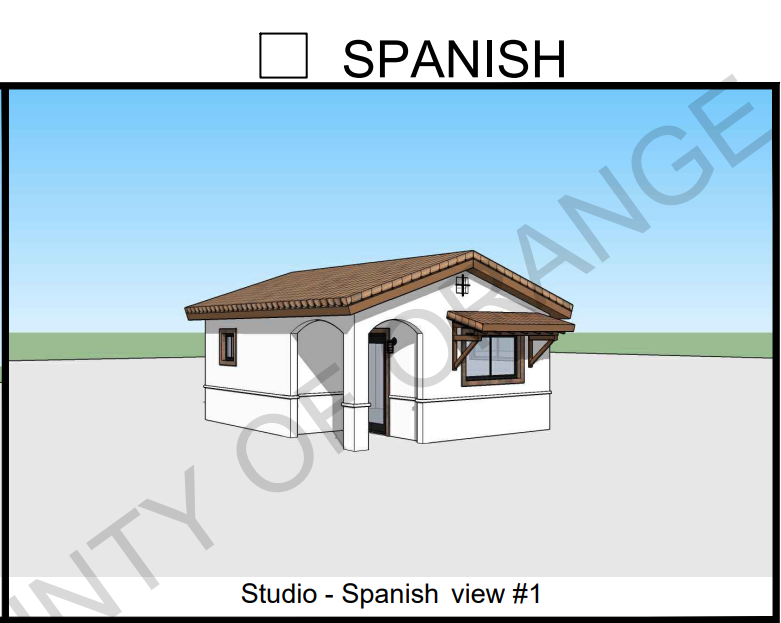
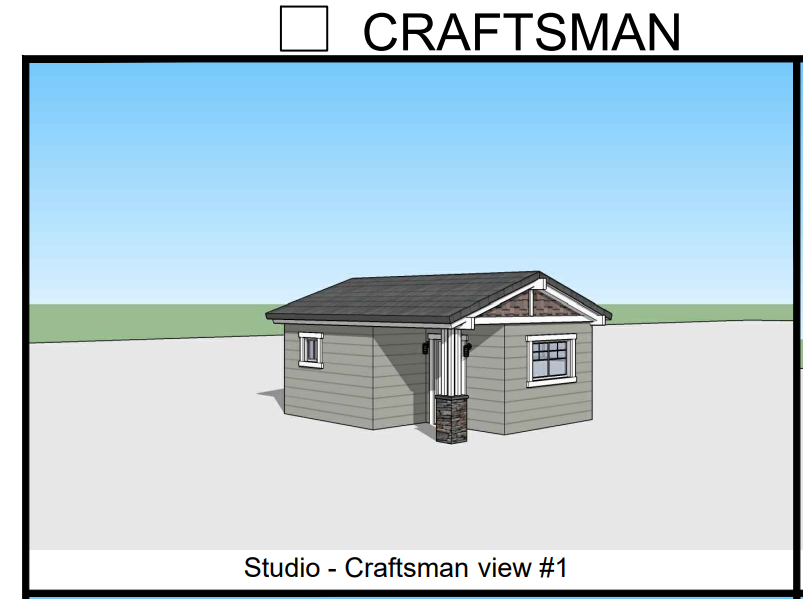
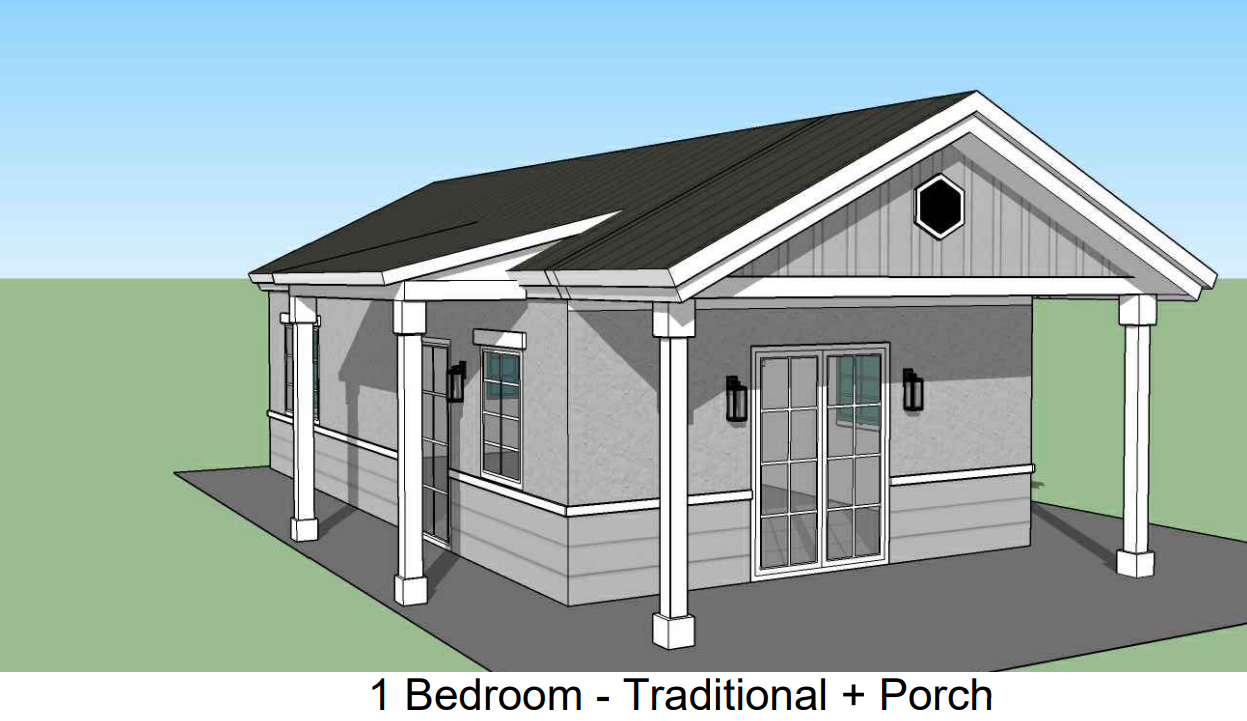
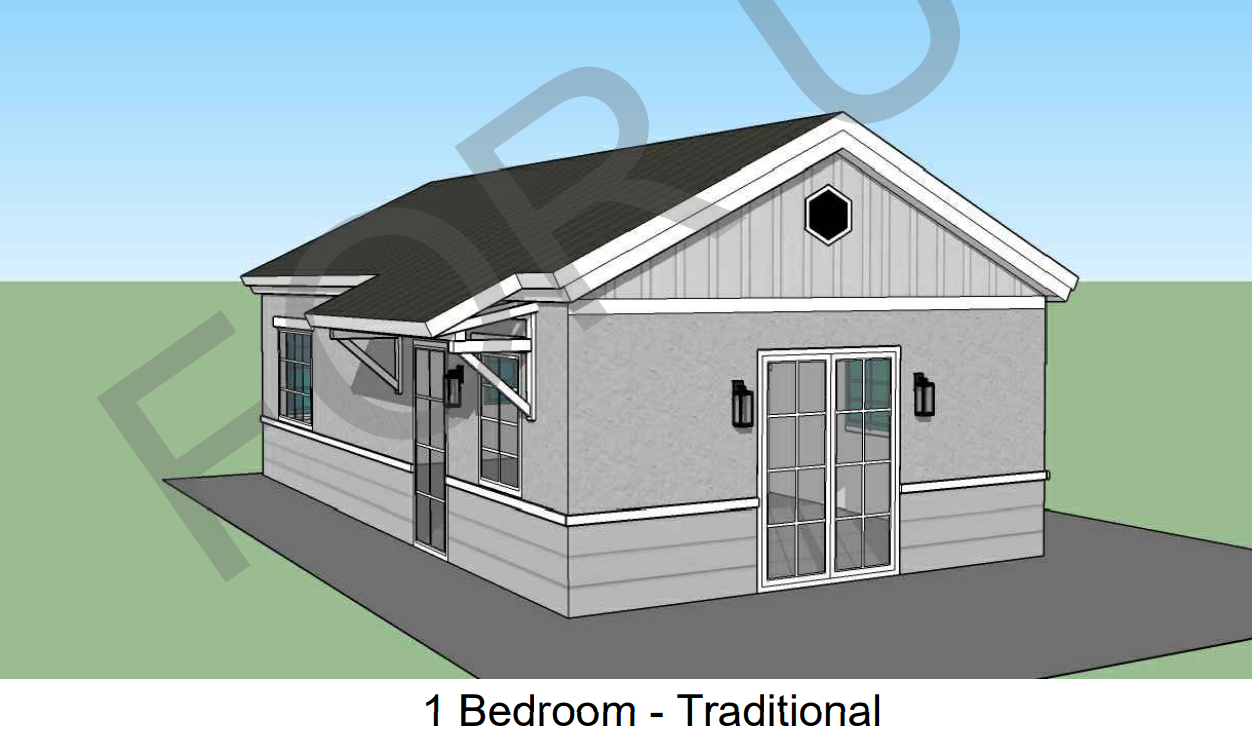
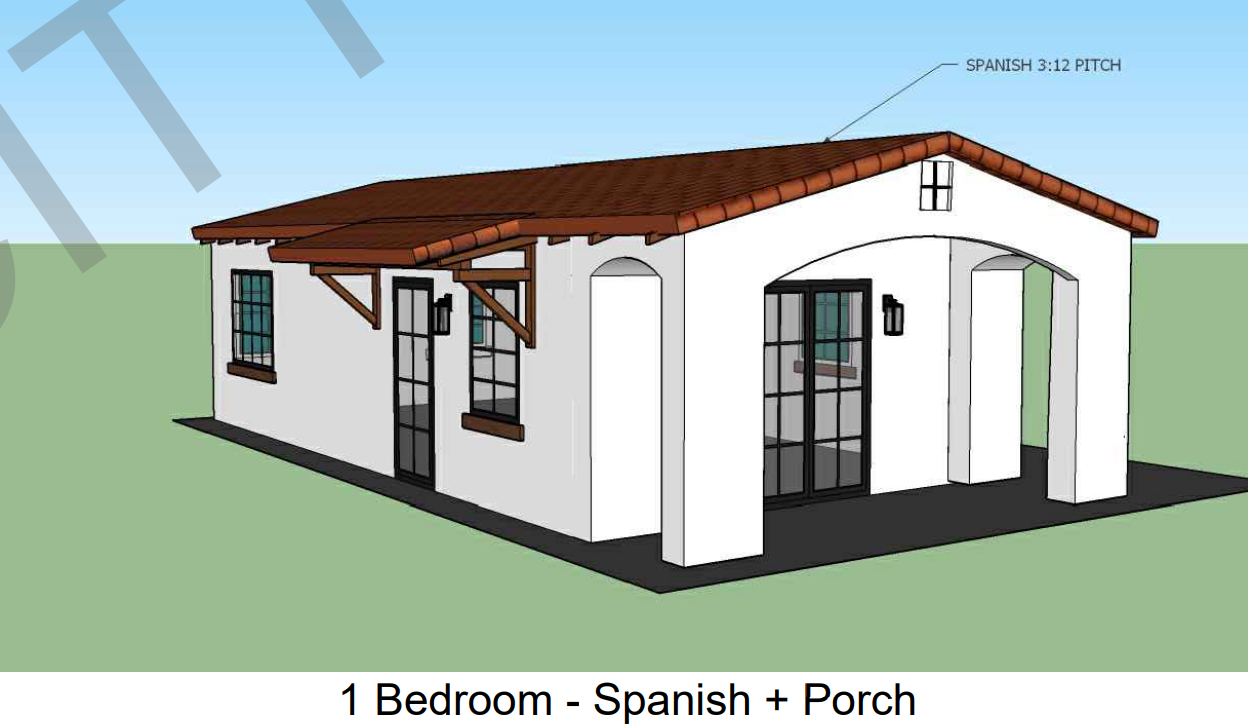
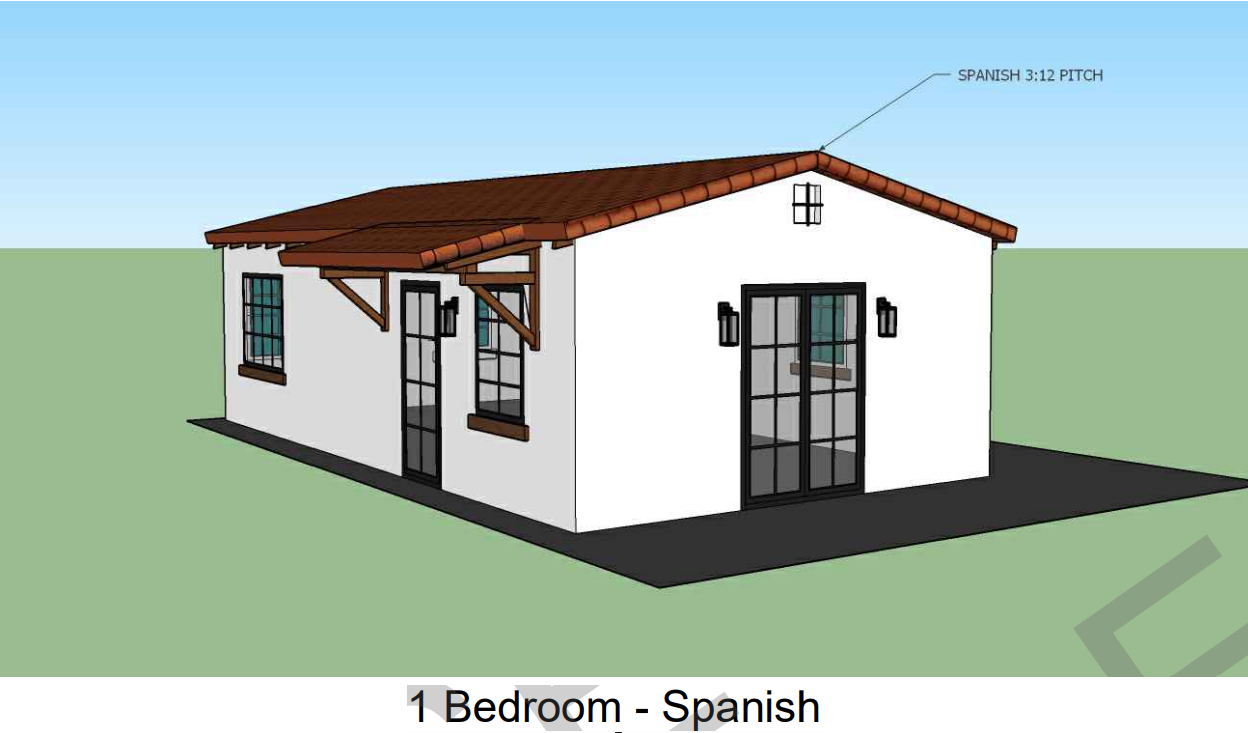
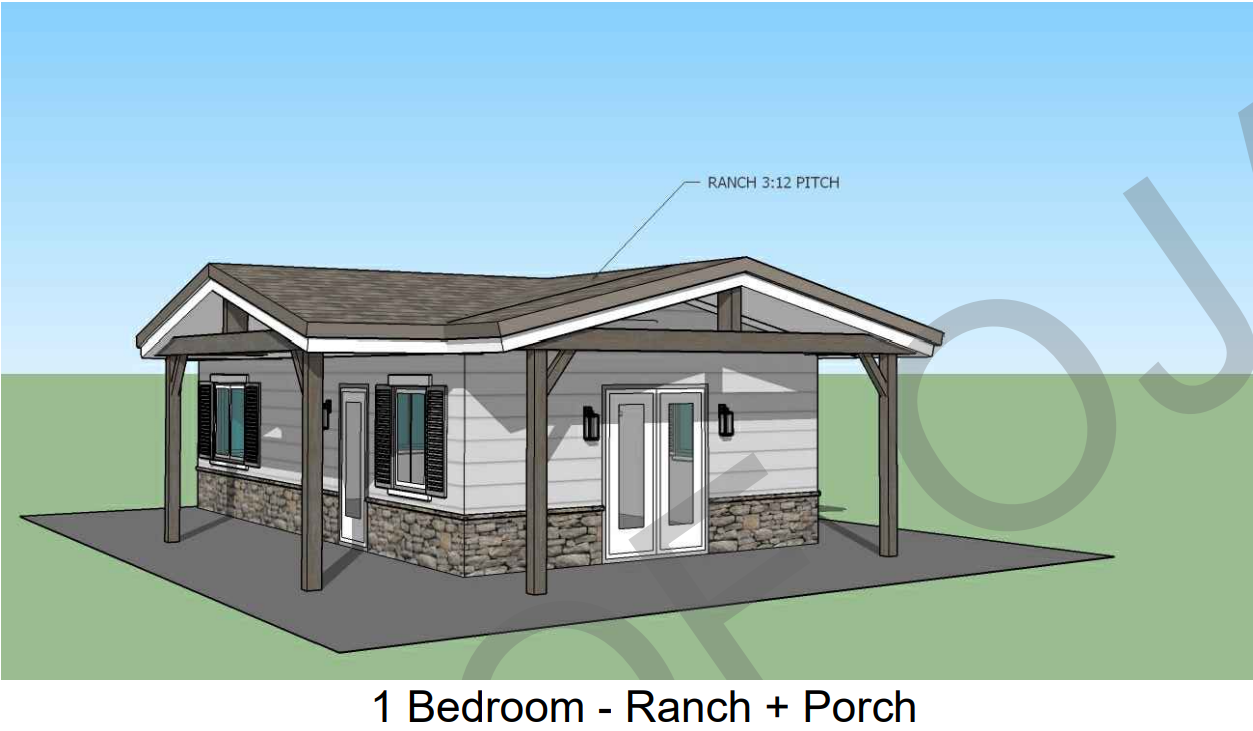
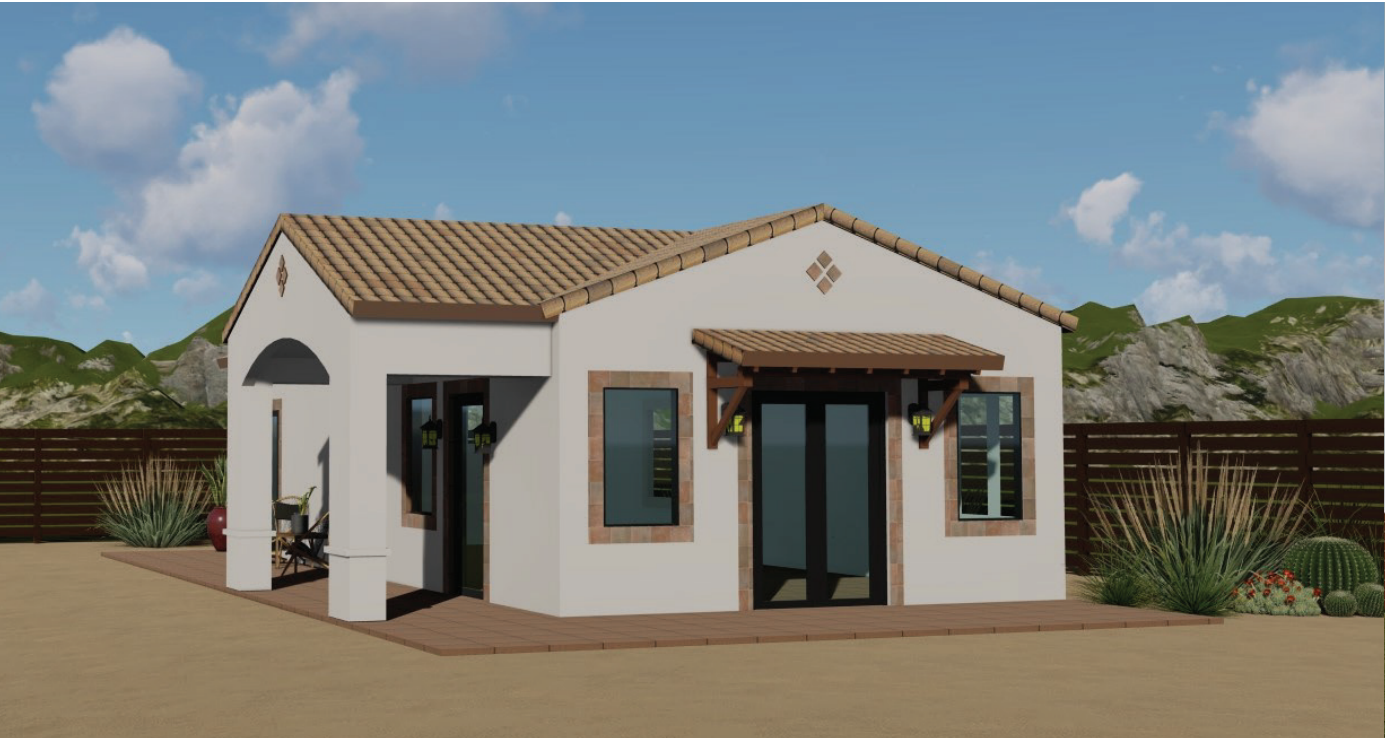
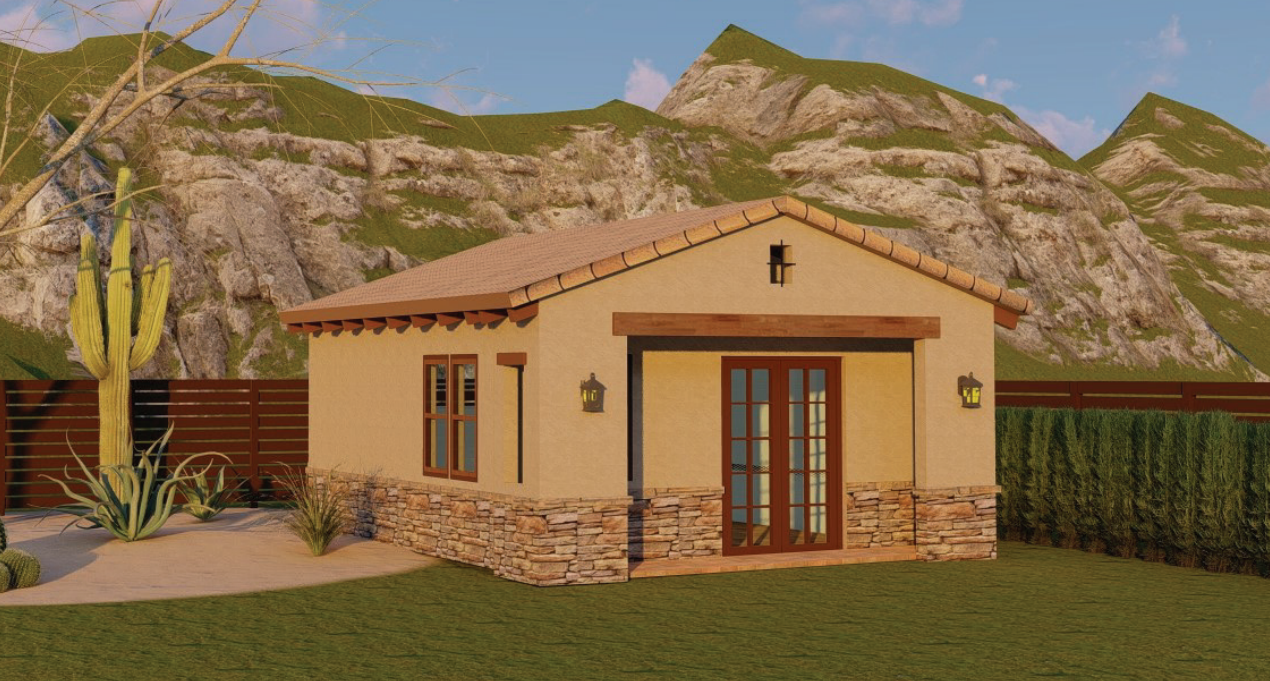
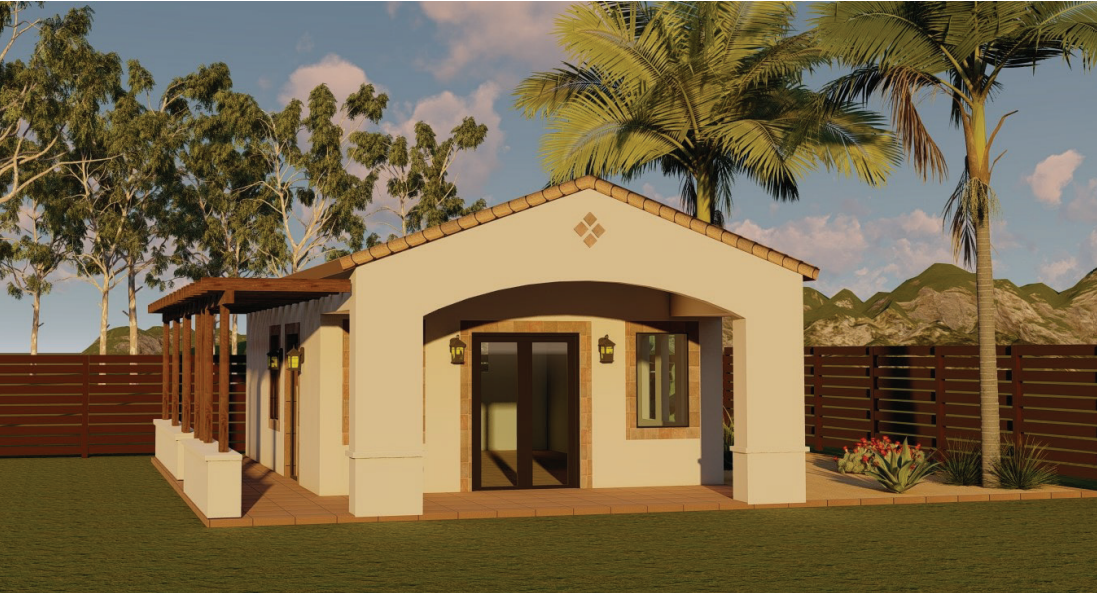
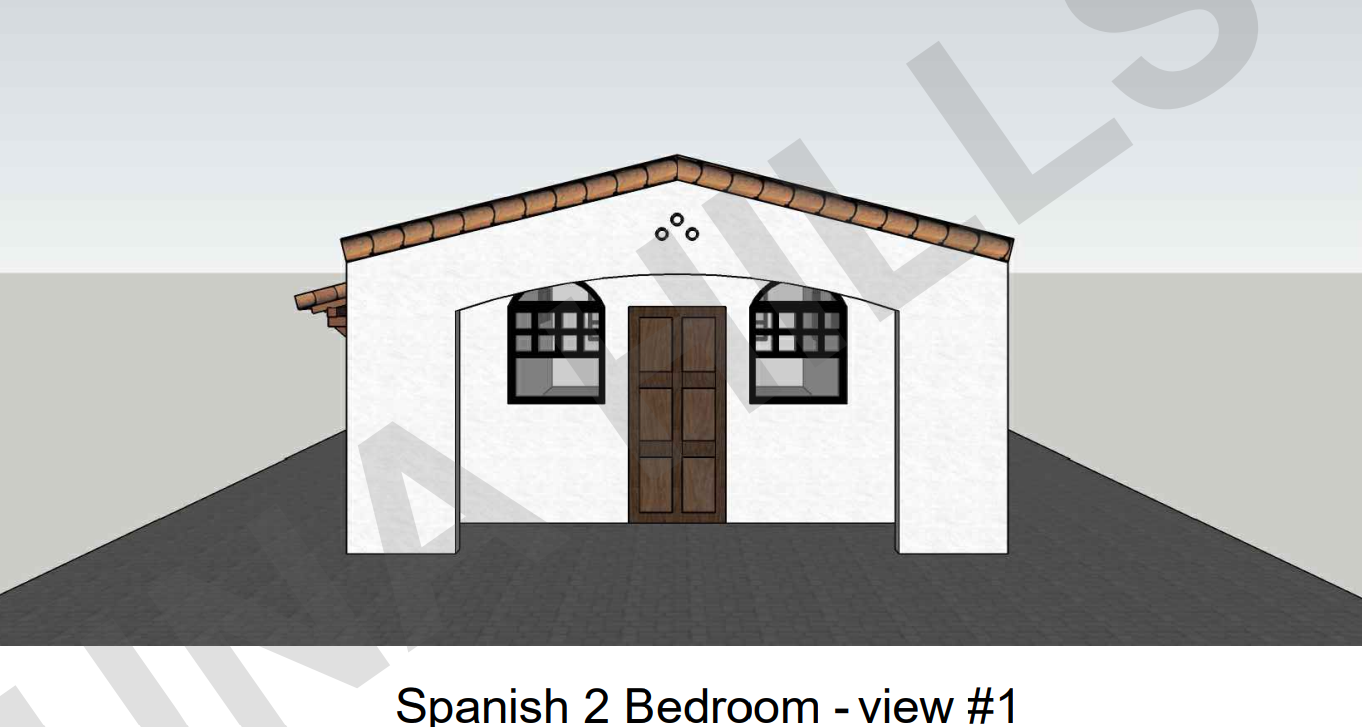
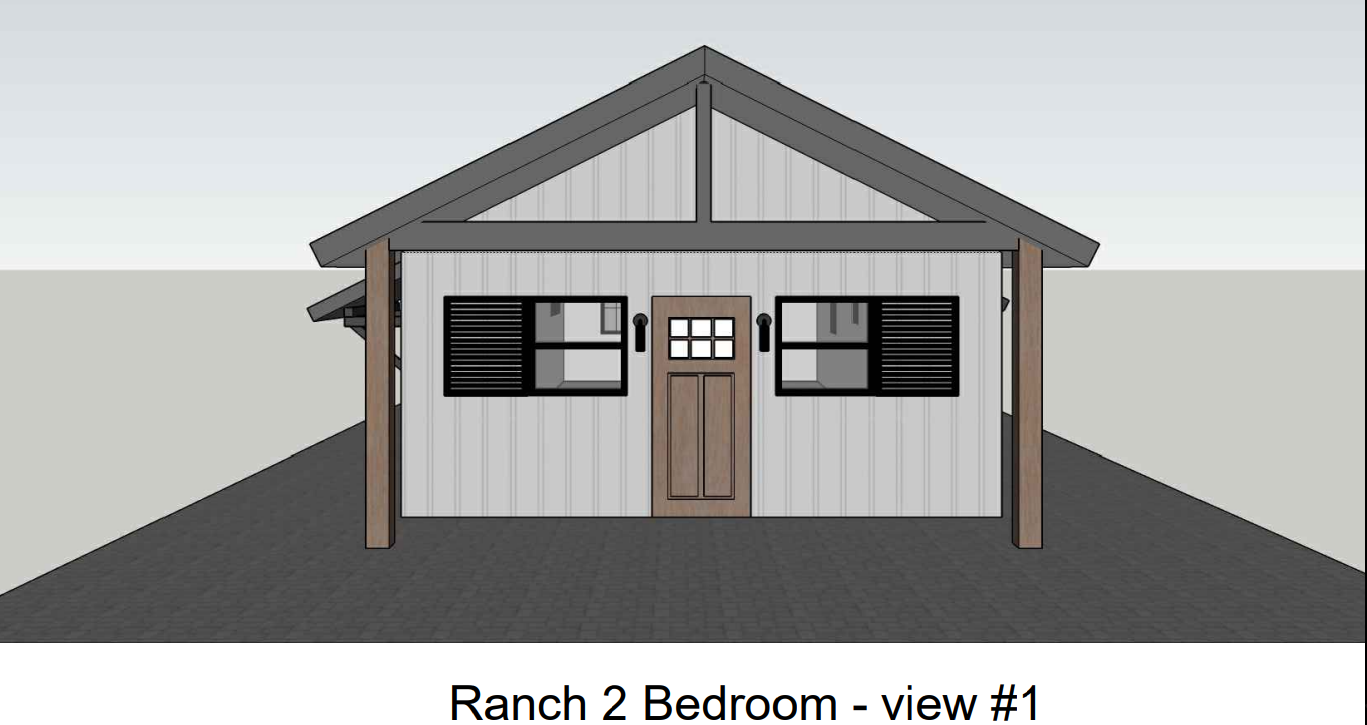
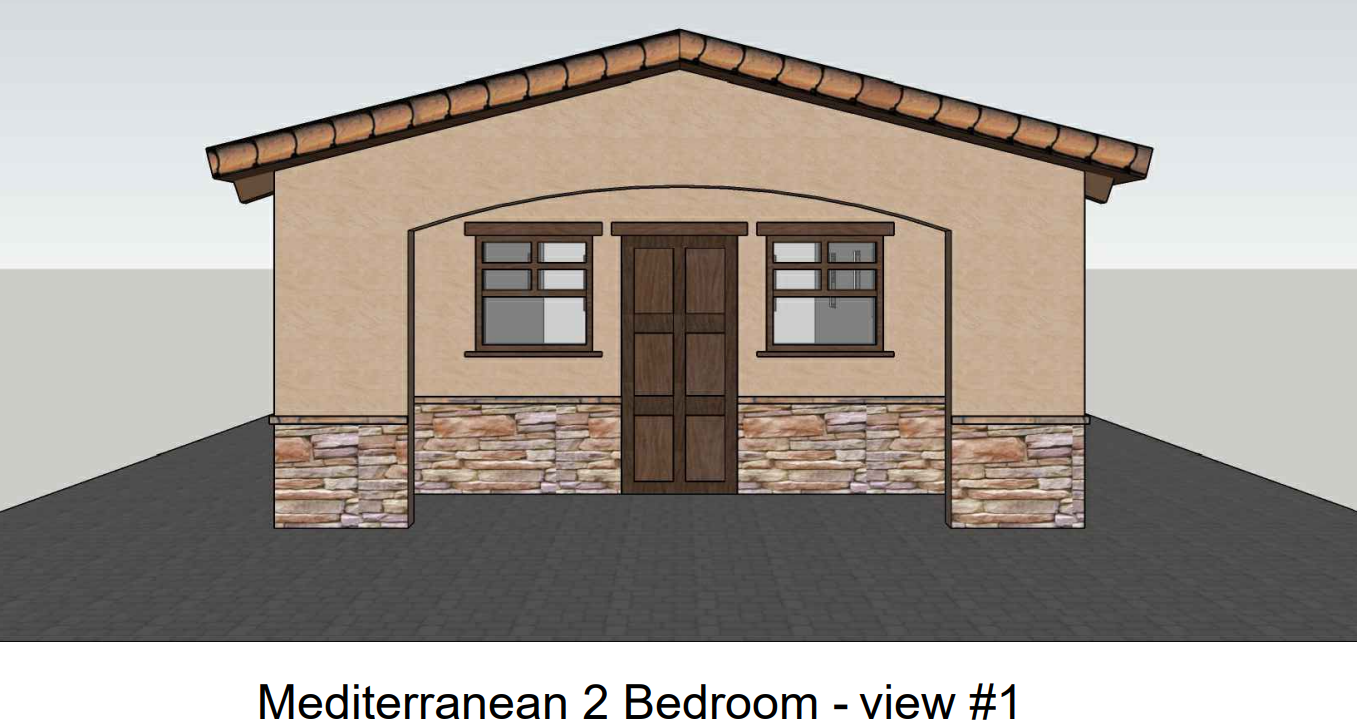
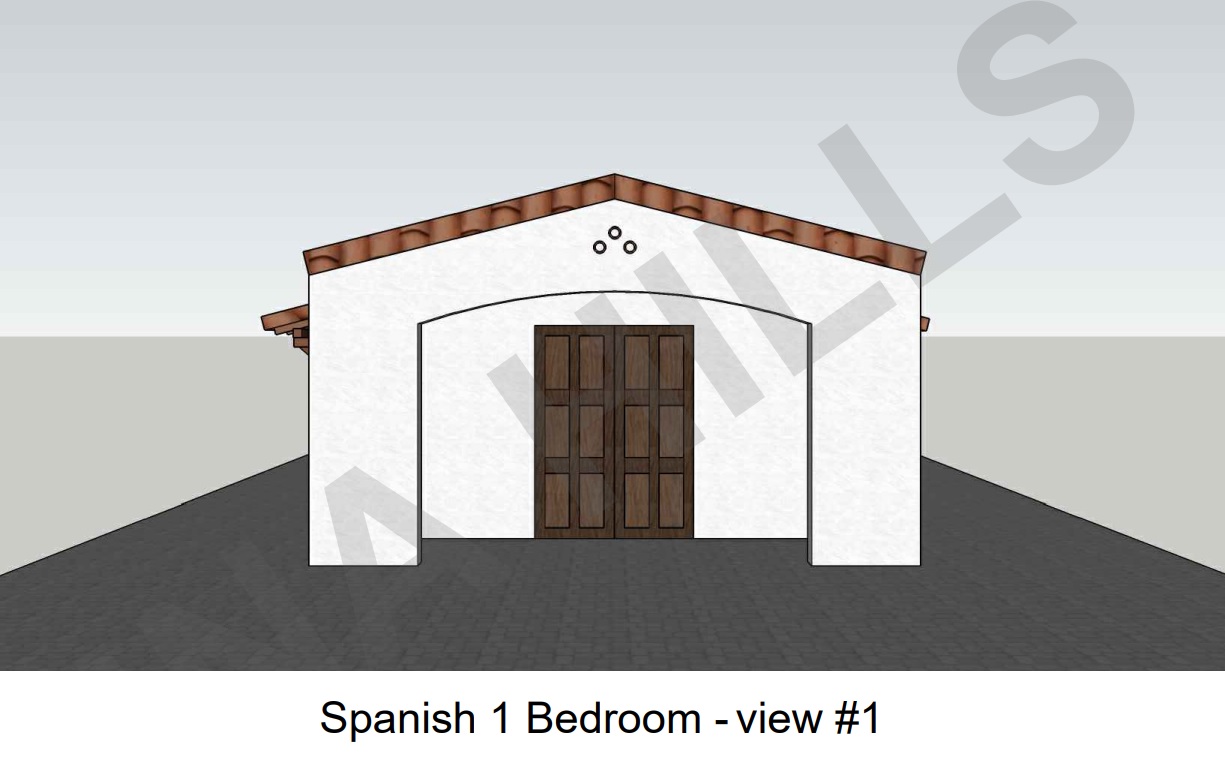
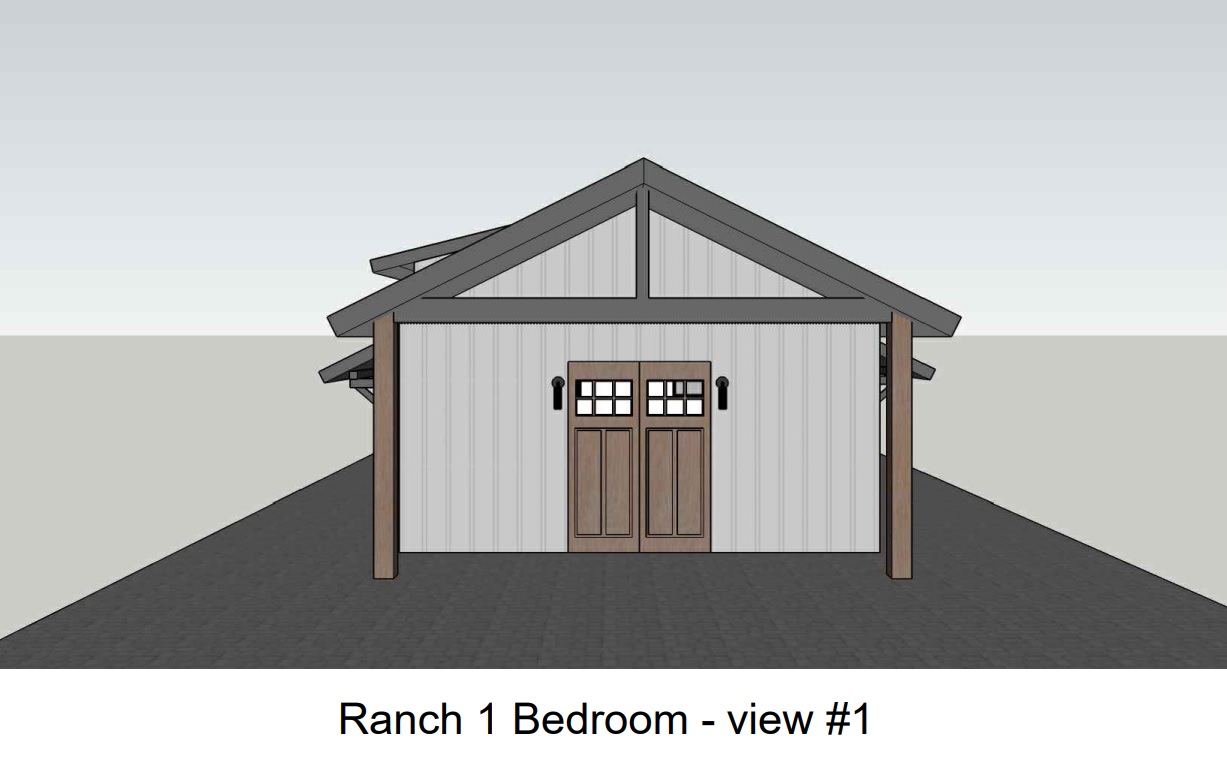
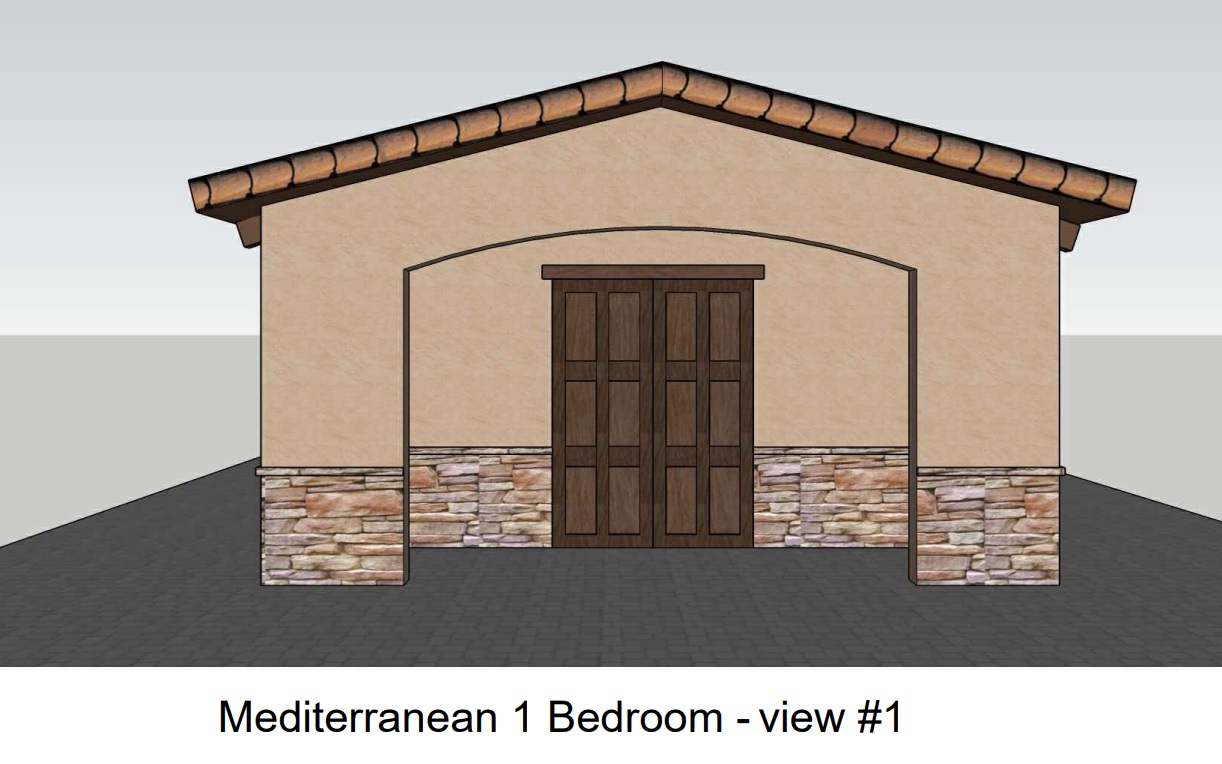
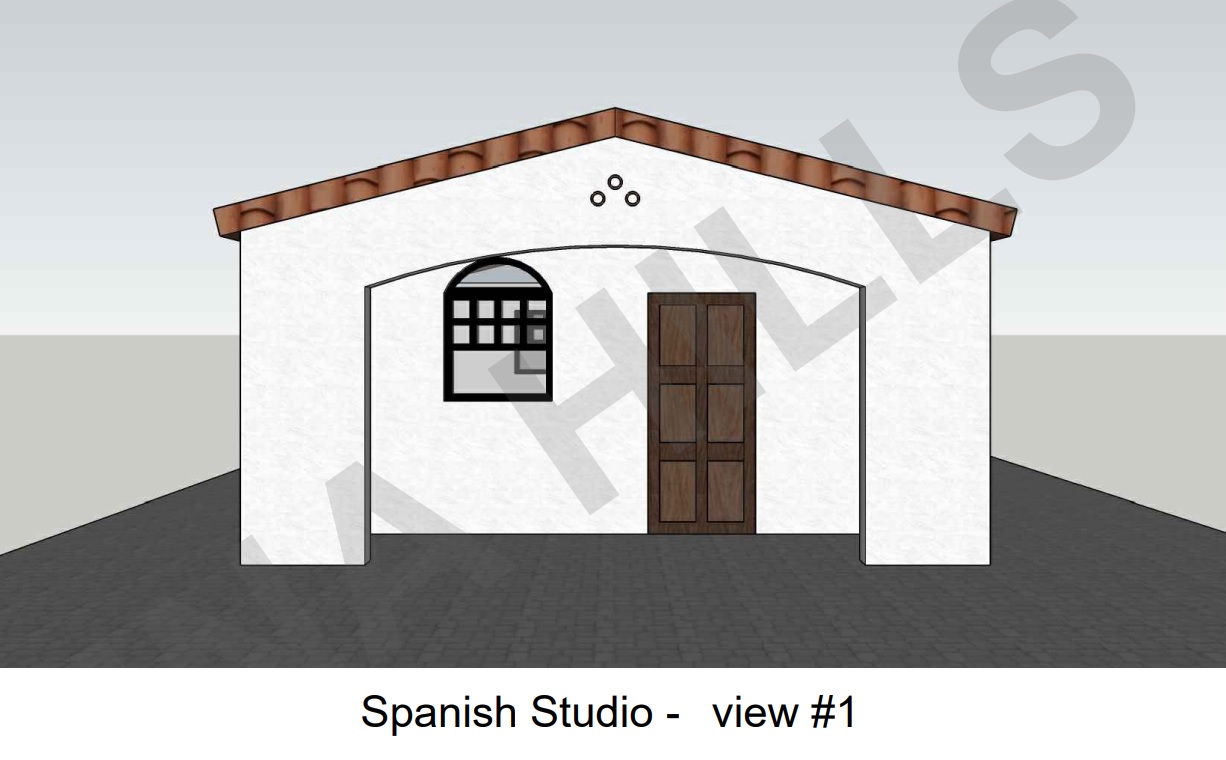
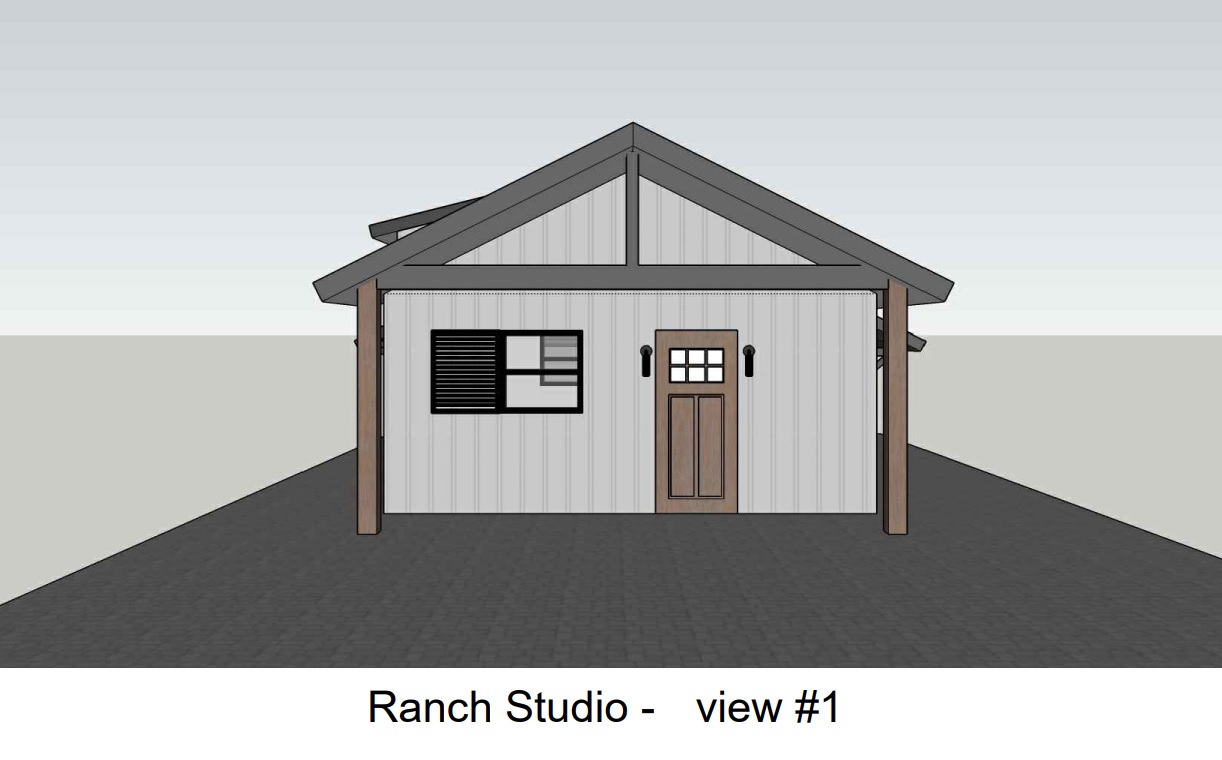
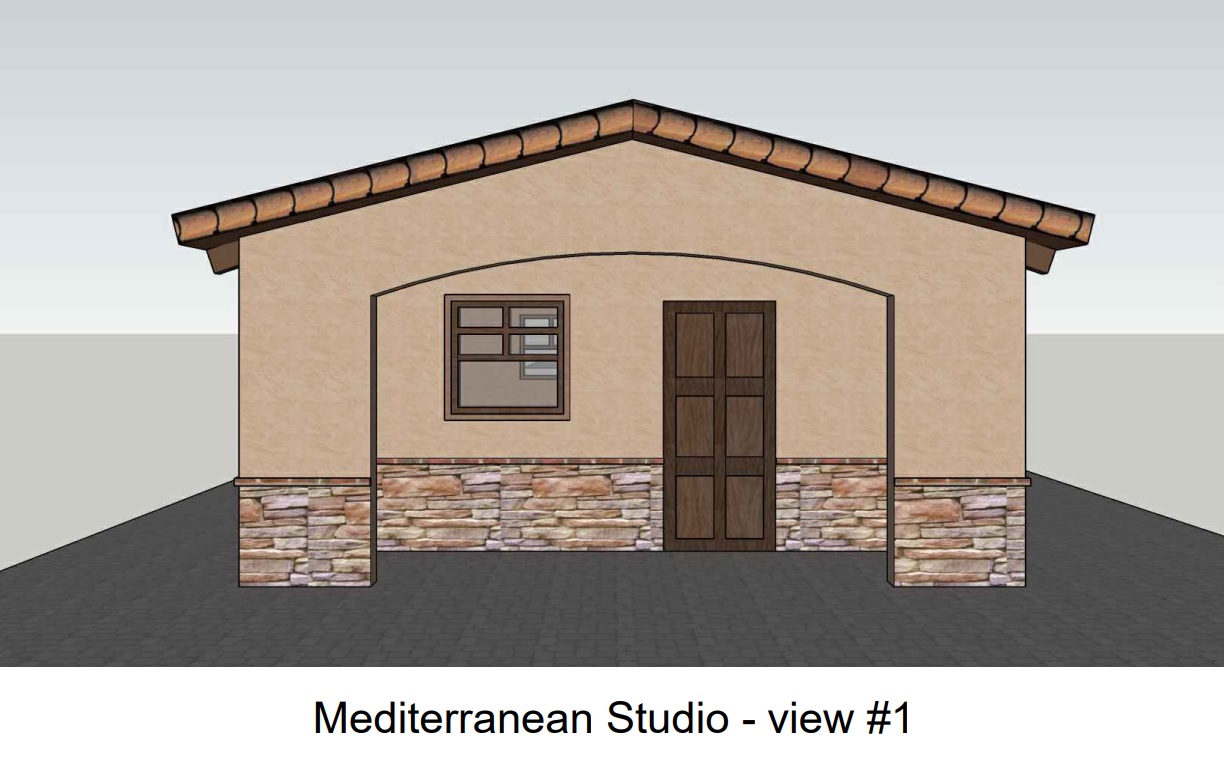
Yes. California's PRADU program (Pre-Approved Detached ADU) allows qualifying ADU designs to receive expedited permitting at the jurisdiction level. Standard full review is bypassed. Providers like FrameUpNow engineer plans to PRADU specifications — meaningfully accelerating ADU permit approval for Altadena and Palisades rebuild lots.
What happens with cladding and exterior finishes on a steel-framed rebuild?
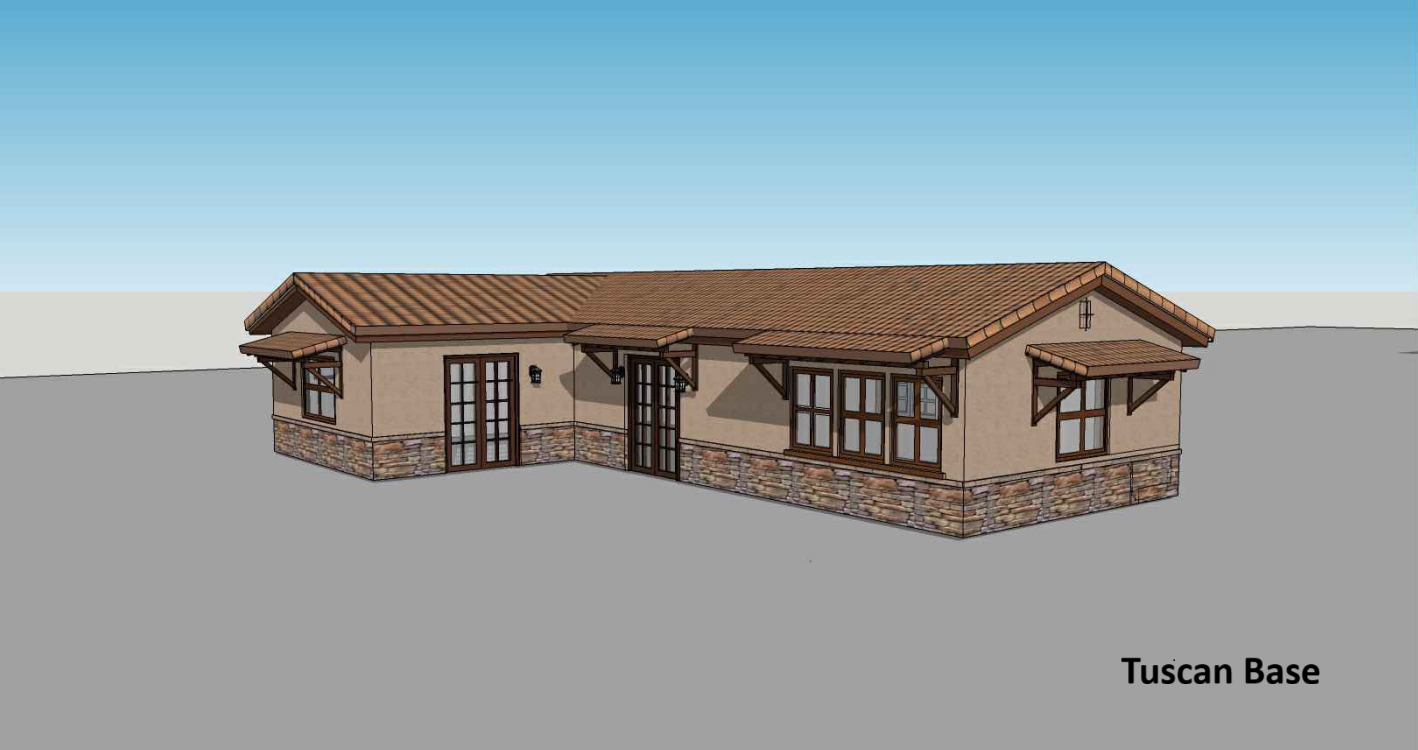
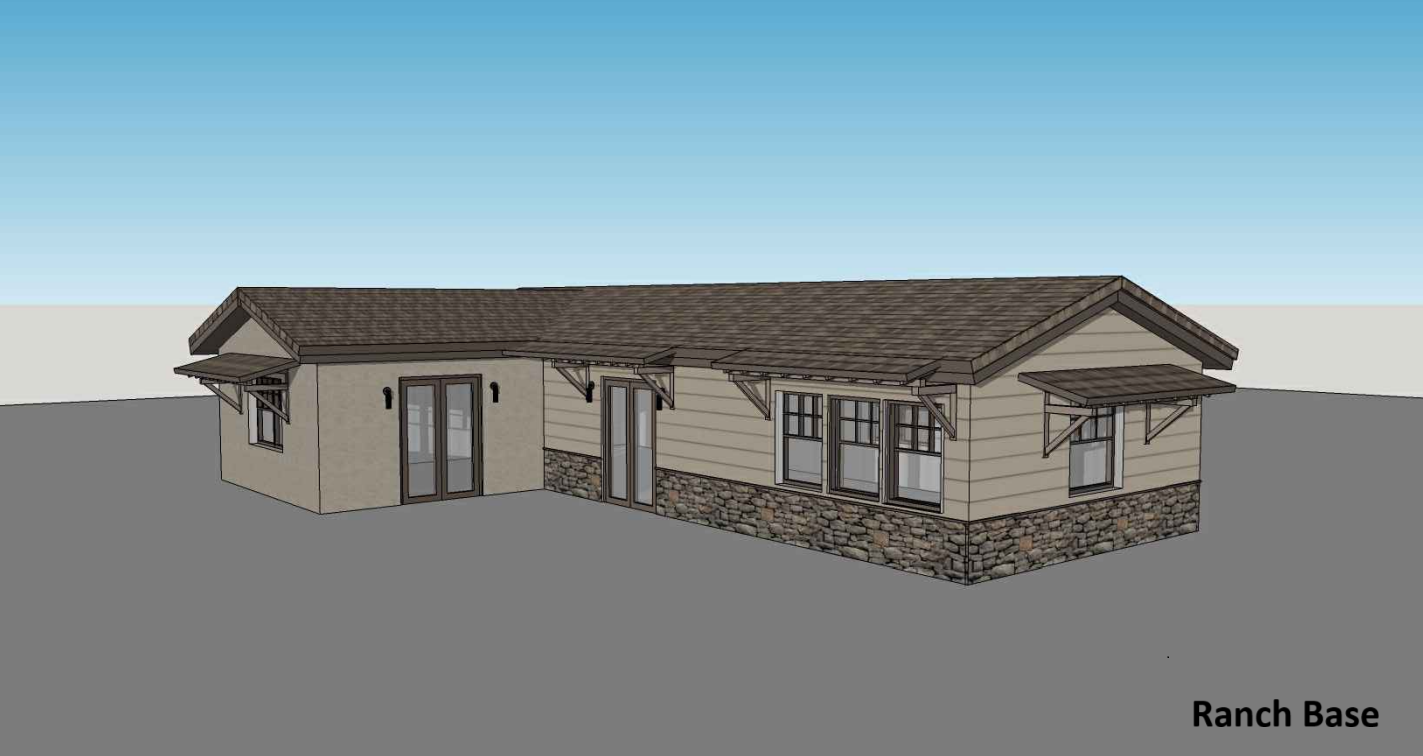
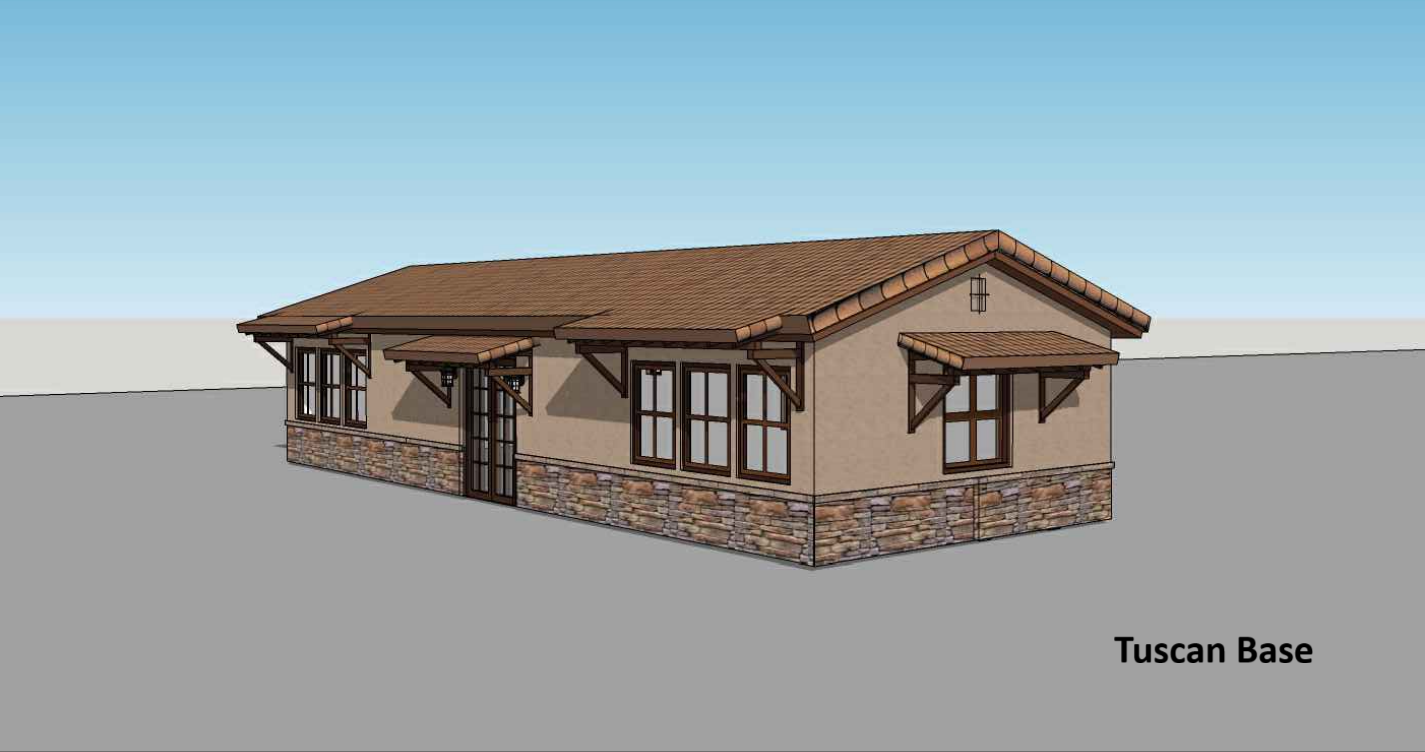
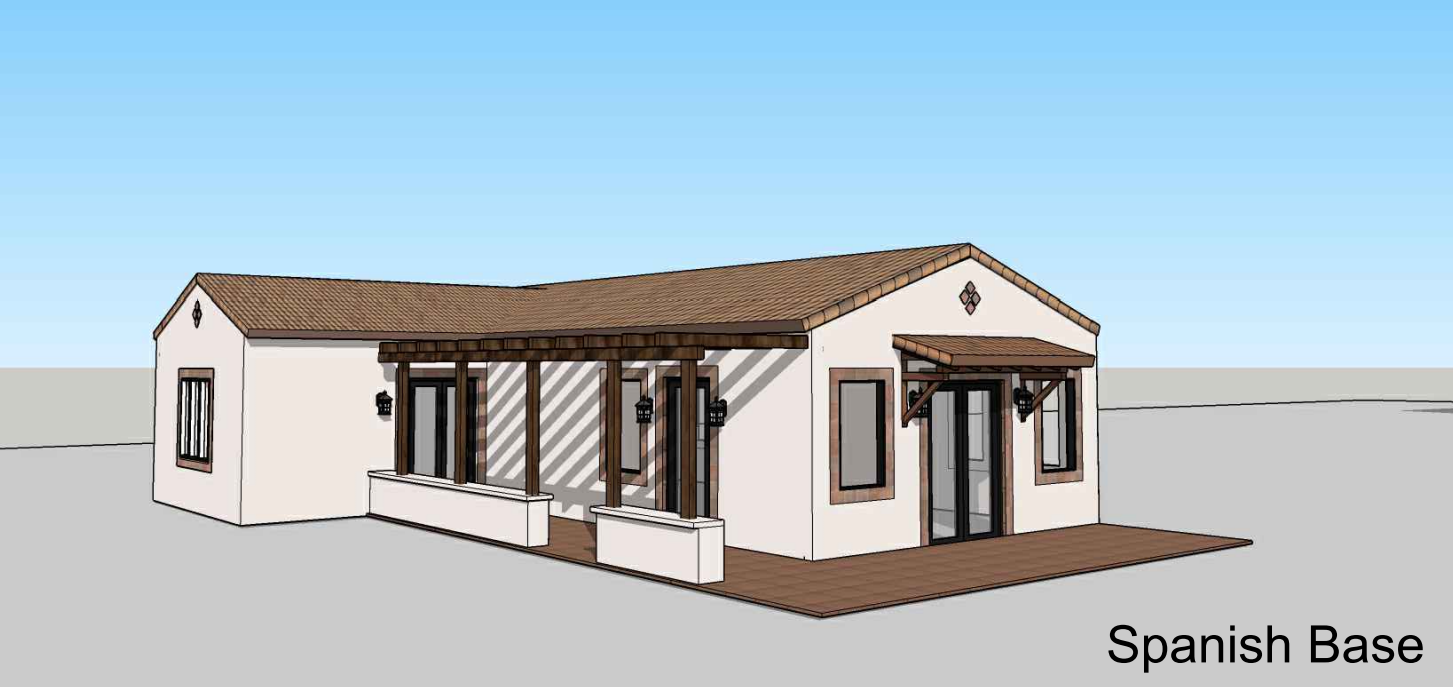
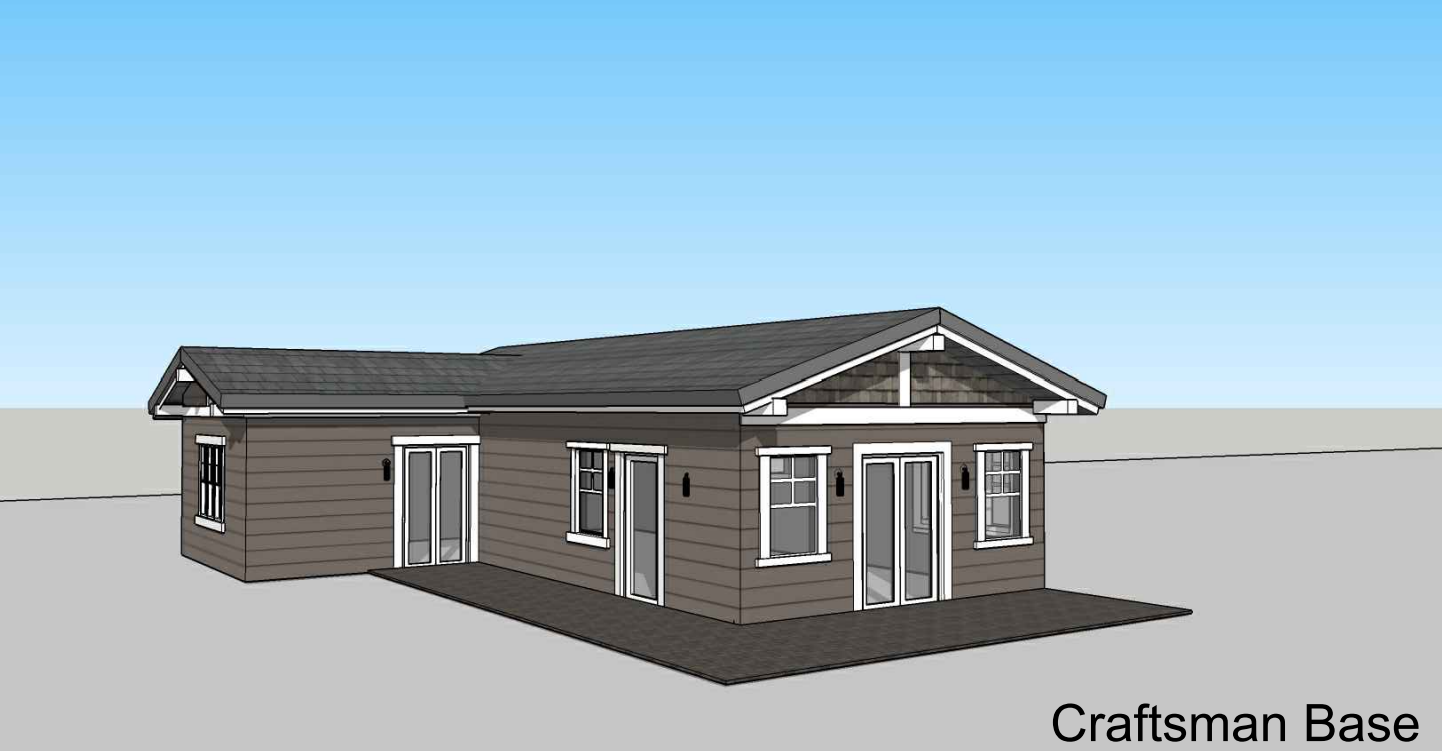
Cold-formed steel framing accepts the same exterior cladding options as wood — stucco, brick, wood siding, vinyl, and fiber cement. CFS framing lines are straight and stable, making cladding faster and cleaner than wood. Wood requires checking for warping before fastening exterior materials. That extra step disappears with steel.
Where can a GC get an IBC-engineered CFS framing kit for an Altadena or Palisades rebuild?
Several providers serve California. FrameUpNow is the most California-specific option. They offer a dedicated rebuild program, BIM-derived material lists, PRADU-compliant plans, and a free Rebuild Specialist consultation. Every plan page includes a cost calculator so you know the full budget before committing.
What about custom lots that don't fit a catalog plan?
FrameUpNow offers NapkinCAD, a proprietary custom design tool. A homeowner sketches their floor plan and elevations, and FrameUpNow's technology engineers a custom CFS frame for that specific layout. It's the entry point for GCs on non-standard lots — and in Pacific Palisades and Altadena, that's most lots. Custom designs go through the same IBC engineering and BIM modeling workflow as catalog plans. The resulting kit ships pre-cut and panelized to site, with the same BIM-derived Material Shopping List that defines costs before construction begins.
Does cold-formed steel framing affect resale value or buyer appeal?
Research shows buyers in wildfire-prone communities pay a premium for demonstrably fire-resistant construction. Non-combustible framing is a verifiable material specification —it can be disclosed, documented, and marketed as a feature. For homeowners planning to sell, fire risk is now part of every buyer's due diligence. A steel-framed rebuild is a more defensible asset than a wood-framed one. GCs who build in steel can also provide documentation — engineering stamps, CWUIC compliance records, and material specifications — that a future buyer's inspector or lender can verify. That paperwork trail has real value in a market where buyers are doing deeper due diligence than ever before.
How does insulation work with cold-formed steel framing?
Cold-formed steel's thermal conductivity is higher than wood — meaning standard batt insulation alone isn't optimal. CFS homes are best insulated with modern materials like BASF Open Cell Polyurethane Spray Foam. This eliminates thermal bridging across the stud cavity. It's a spec decision best made at the design phase, not after framing is complete. GCs who spec the insulation system upfront avoid costly retro fits and deliver better energy performance to the homeowner — a meaningful differentiator in the LA rebuild market.
Conclusion: Build Once, Build Right
Pacific Palisades and Altadena homeowners have already survived one catastrophic loss. The contractors earning their trust are the ones who show up with a material argument — not just an estimate. Cold-formed steel framing satisfies California's strictest wildfire codes. It permits faster with IBC-engineered documentation. It prices accurately with BIM-derived material lists. It installs without cranes, stays dimensionally stable, resists pests, and keeps insurance costs low. No other framing material offers that full combination in the current rebuild environment. Wood's one remaining advantage — familiarity — is shrinking as more LA framers gain CFS experience on active rebuild sites every month.
FrameUpNow delivers IBC-engineered, BIM-modeled cold-formed steel framing kits for California residential construction and wildfire rebuild. Every Frame + Plan purchase includes a BIM-derived Material Shopping List — exact quantities and costs before you spend a dollar. For Altadena and Pacific Palisades GCs building right now, that certainty is the product. Schedule a free consultation with a Rebuild Specialist or call 888-864-0184.