






















.avif)

Is Cold-Formed Steel Framing More Cost-Effective Than Traditional Wood for ADU Construction in 2026?
Steel vs Wood ADU Construction Cost in 2026
Imagine a typical ADU jobsite in 2026: insurance premiums are higher than ever, and skilled framers are in short supply. Against this backdrop, general contractors (GCs) face a critical choice—stick-built wood, or pivot to cold-formed steel (CFS) wall panels and trusses. Increasingly, savvy GCs are questioning the outdated belief that wood is always the cheapest or most profitable option. The new benchmarks for success? Dimensional stability, minimal call-back rates, and operational control—areas where steel framing is rapidly gaining ground. This guide will show why rethinking steel vs wood ADU construction cost is not just smart for your business but essential as the landscape shifts beneath your feet.
Rethinking ADU Construction: The 2026 Pivot for General Contractors
- Scenario: A general contractor in 2026 faces skyrocketing insurance and tight labor markets.
- Observational hook: Traditional stick-built projects are now losing ground to cold-formed steel (CFS) - wall panels and trusses.
- Industry shift: Dimensional stability and minimal callbacks are becoming the benchmarks for profitabilitability.
What You'll Learn About Steel vs Wood ADU Construction Cost in 2026
- How total construction cost—not just stud price—defines value in 2026.
- Why are insurance premiums changing the ADU build equation.
- The labor-saving potential of ready to erect wall panels and trusses for ADUs.
- How regulatory and climate factors shape your project choices.
- Where sustainability and green building standards fit into your competitiveness.
- How to use steel framing as a business growth strategy, not just a material swap.
Debunking the 'Stick-Built' Myth: Introduction to Steel vs Wood ADU Construction Cost
- Traditional wisdom on wood framing and sq ft cost for ADU construction.
- The 2026 reality: construction cost volatility, home improvement risk, insurance premiums, and a labor market in crisis.
- Why general contractors must think beyond initial material purchase for every new dwelling unit or wall panel and truss ready ADU project in 2026.
For decades, wood framing has been synonymous with affordable ADU construction. General contractors have historically relied on wood’s lower sticker price per stud and its familiarity on the American jobsite. But in 2026, the cost landscape is no longer just about the price of a 2x4 or the average square foot rate. Now, GCs must navigate not just material markets, but also severe labor crunches and surging builder’s risk insurance. Every residential construction project, whether building an ADU from scratch orusing ready to erect - wall panels and trusses ADUs face a reality where total build cost is shaped as much by risk mitigation and efficiency as by raw materials.
The True Math of Steel vs Wood ADU Construction Cost in 2026
The Real Cost Metrics: Direct vs Total Installed Cost Per Sq Ft
In 2026, only a full accounting of the real cost metrics brings clarity to the steel vs wood ADU construction cost debate. While direct material costs per square foot—like the price of lumber or cold-formed steel studs—remain critical, the “total installed cost” includes hidden drivers that determine GC profitability. Insurance premiums, waste disposal, callback rates, and the unpredictable nature of the labor market all contribute to the final number. Sophisticated GCs are now measuring by total cost per dwelling unit,considering how every site prep decision and framing choice impacts the ADU project lifecycle. Factoring in things like insurance—where cold-formed steel can slash premiums due to lower fire risk—and reducing call-backs by using dimensionally stable CFS, the numbers stack strongly in steel’s favor in volatile regions or tightly regulated urban markets.
Waste Reduction and Material Efficiency in ADU Construction
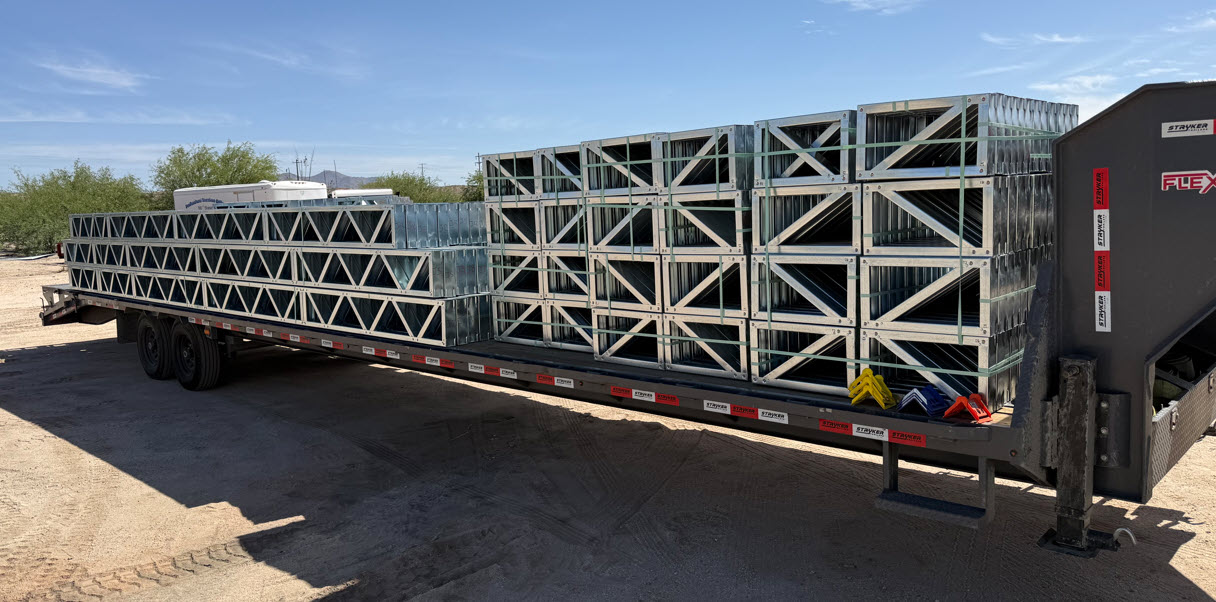
- CFS wall panels and trusses, like FrameUpNow, pre-engineered to the millimeter reduce waste factor in site preparation and prefab ADU workflows.
- Wood raming typically incurs 10-20% material waste—even before start of accessory dwelling unit construction.
Turning your ADU plan into a profit center means sweating the details of site preparation, framing,and finish work. Here, CFS stands out: leading suppliers such as FrameUpNow deliver wall panels and trusses engineered with computer precision, ensuring every steel member arrives custom-fabricated and ready to install. This “modular ADU” approach cuts waste down to almost zero—the only leftovers being small, recyclable trimmings. By contrast, traditional wood framing can leave 10–20% of your material budget in the dumpster due to offcuts, splits, and mis-measured studs. Besides hauling away waste, GCs must factor in the labor wasted handling, sorting, and discarding scrap. On modern job sites, this inefficiency causes major leaks in the total cost of ADU construction and tips the scales toward steel, especially where margins are thin and landfill fees climb each year.
Insurance Premiums and Builder’s Risk: Protecting Margins in ADU Build Projects
- Fire-prone zones have spiked insurance premiums for wood-framed projects.
- CFS can lower builder’s risk insurance by 25-75% for both GCs and homeowners during ADU construction.
Insurance is now a core component of every ADU build’s coststack. In wildfire-prone regions and “WUI” (Wildland-Urban Interface) zones, insuring a wood-framed construction project has become a financial headache. Premiums can eclipse any material savings, soak up your profit margin, and turn competitive bids into loss leaders. Enter cold-formed steel: thanks to its non-combustible nature, insurers may offer Builder’s Risk discounts of up to75%, benefiting both the general contractor and the client. This translates todirect wins for project financing, schedule control, and even resale value, positioning CFS not just as a technical choice but a strategic move for risk management in high-stakes markets.
Call-Back Ratios: Service Calls and Dimensional Stability Post-Construction
- Steel framing doesn’t warp, shrink or nail-pop—delivering ‘install once, walk away’ value.
- Wood often requires a one-year call-back for typical ADU build defects: nail pops, drywall cracks, and movement.
- Role of callback rates in general contractor profitability.
Ask any experienced general contractor: the most painful cost isn’t always in the initial estimate, but in the dreaded callback. Wood framing behaves unpredictably as it dries—shrinking, warping, or generating nail pops and drywall cracks that force you back onsite months after the job’s “done”. Every callback erodes your profit, ties up crews, and undermines your reputation in the competitive home improvement space. By contrast, cold-formed steel is dimensionally stable. Walls stay plumb, finishes remain undisturbed, and GCs can finally “install and walk away” after ADU construction. Lower callback rates directly boost your long-term profitability, especially as the market judges’ contractors by both quality and efficiency.
The Labor Crisis Solution: How Steel Reshapes the ADU Project Workforce
Precision built ADU Assembly: Leveraging CFS wall panels and trusses for Labor Efficiency
- ‘IKEA-style’ prefab ADU assembly with CFS allows less specialized crews to deliver high precision.
- Lowered dependency on skilled wood framers for building an ADU or accessory dwelling unit.
- FrameUpNow’s wall panel and truss approach compared to conventional construction project logistics.
By 2026, the labor market is perhaps the biggest pressure point in ADU construction. Veteran framers are retiring, and recruiting new talent is expensive and unreliable. Prefab ADU systems built on cold-formed steel transform the build process: pre-labeled, modular panels and precise bolt patterns let less specialized teams succeed without years of wood framing expertise. This assembly-line logic means fewer errors, less finish re-work, and the ability to scale operations with the workforce available—critical forgeneral contractors seeking to grow in a squeezed market. FrameUpNow’s wall panel and truss-based ADU construction even turn amateurs into effective installers, emphasizing speed, repeatability, and risk control. The days of the chaotic, labor-heavy site prep phase are fading fast for GCs who adopt CFS strategies.
Accelerating Project Timelines: Time is Money in ADU Construction
- Speed of build: How a 30% reduction in schedule increases annual revenue for general contractors.
- Case study: Faster turnover and how early project completion lowers labor overhead and boosts market competitiveness in the home improvement sector.
ADU project profitability now hinges on speed of completion, not just sq ft rates. Cold-formed steel’s predictable dimensions and prefabwork flows enable up to a 30% reduction in project timelines compared to wood framing. What does this mean for your business? It means more projects per year, less time spent on site prep and adjustments, and faster turnover for detached, attached, or modular ADUs alike. Faster completion also get shomeowners into their new accessory dwelling unit—and out of your schedule—so you can capture new work, reduce labor overhead, and respond to market demand. In an industry where delays compound and skilled labor is at a premium, choosing CFS for ADU builds translates to increased cash flow and strategic advantage for GCs ready to lead their markets into the future.
Risk Management and Regulatory Compliance in Steel vs Wood ADU Construction Cost
Fire Resistance: Navigating the Wildland-Urban Interface (WUI) Zone Mandates
- Overview of increasing WUI zone regulations for non-combustible construction.
- Impact on project financing, insurance premiums, and homeowner safety perception in ADU construction.
With wildfires reshaping insurance and code requirements across the country, fire resistance is a non-negotiable feature for any accessory dwelling unit. In 2026, more building departments in WUI zones strictly require non-combustible construction to grant permits. General contractors who leverage cold-formed steel are steps ahead—qualifying for streamlined inspections, lower insurance premiums, and heightened client trust. The regulatory landscape increasingly penalizes wood framing, raising both direct insurance costs and the risk of project delays. For GCs, adopting CFS isn’t about following a trend… it’s about maintaining access to high-demand markets and building-in resiliency for every home improvement and residential construction project.
Termite and Mold Immunity: Protecting Accessory Dwelling Investments
- CFS’s immunity to termites, rot, and mold is critical in the ADU market, especially in high-moisture or tight backyard sites.
- GCs can use these resilience factors as a ‘home improvement’ selling feature for wood framing alternatives.
The environmental realities of ADU construction—especially in climates with high humidity, frequent rainfall, or limited airflow—make moldand termites a persistent threat. Wood-framed accessory dwellings are vulnerable to hidden decay and infestations, leading to expensive remediation, insurance headaches, or dissatisfied homeowners. CFS frames, however, are naturally immune to both termites and rot, with no risk of mold growth. This resilience factor is a major selling point in the home improvement market, allowing GCs to confidently promise long-term durability. For buyers evaluating detached or attached ADUs side-by-side, steel’s maintenance-free appeal canturn a technical specification into a winning marketing advantage.
The Sustainability Upsell: Green Building with Steel for Modern ADUs
100% Recyclable Steel Framing: Marketing Benefits Beyond Construction Cost
- How CFS enables GCs to be ‘Green Builders’ with no ‘Green Premium’ paid by clients.
- Lifecycle advantages of steel over wood in accessory dwelling unit projects.
Sustainability is now a core competitive differentiator, not an optional upgrade. Cold-formed steel framing is 100% recyclable, aligning perfectly with green building standards and eco-conscious clients—without the notorious upcharges that used to define “green premiums.” GCs can leverage steel to win projects on both performance and environmental credentials, marketing their business as forward-looking and regulatory-ready. Over the fulllifecycle of an accessory dwelling unit, steel’s durability, minimal waste, and closed-loop recycling offer cost, compliance, and environmental wins no wood frame can match. As cities and homeowners demand improved green metrics, adopting CFS amplifies your portfolio and positions your company for the next wave of construction codes.
Earning LEED Points and Meeting Modern Efficiency Mandates
- How CFS helps GCs and clients survive tightening efficiency codes in 2026.
- Supporting documentation for LEED qualification in prefab ADU and traditional builds alike.
As energy efficiency codes tighten, especially for new dwelling unit construction, steel gives builders a technical and regulatory advantage. Cold-formed steel framing contributes to LEED points through recycled content, precision assembly, and reduced construction waste. These credentials allow GCs to deliver projects that satisfy clients’ ambitions for sustainability—and future-proof their business against stricter mandates coming down the pipeline. Prefab ADU wall panel and truss, with clear documentation on recycled content and assembly efficiency, provide an even stronger path for fast-tracked review and compliance, ensuring that every build is a step ahead of the regulatory curve in 2026 and beyond.
Steel vs Wood ADU Construction Cost Case Studies: Lessons from the Field
- Insights from general contractors who have shifted to CFS for their recent ADU build projects.
- Real-world outcomes: callback avoidance, insurance savings, and total cost benefits in square foot calculations.
"In 2026, the most expensive material is the one that forces you to come back to the job site twice." – Industry Expert
"Precision is the new profit margin." – CFS Specialist
Practical experience from 2026 GCs confirms the business value of switching to cold-formed steel ADU kits. One contractor reported that after a shift from stick-built projects to CFS, callbacks for wall movement and finish work dropped by over 90%. Insurance agents confirmed lower builder’s risk for the CFS units, citing non-combustibility as a market advantage—particularly in California’s WUI zones. Even in regions with higher upfront framing cost per sq ft, the total installed cost by project closeout tipped in CFS’s favor. GCs cite not only operational control and faster cashflow but also higher client satisfaction and referrals driven by resilient performance. Real-world logs from both wood and steel builds demonstrate the operational and marketing edge of this forward-thinking approach.
People Also Ask: Addressing Top Queries for Steel vs Wood ADU Construction Cost
Is it cheaper to build with wood or steel?
- The answer depends on more than the material price. When including insurance, waste, timeline, and callbacks, CFS’s upfront premium is offset by lower lifecycle costs and operational savings in ADU construction. For many sites in 2026, total installed cost is increasingly in favor of steel for long-term value and risk reduction.
How much does a 40x60 metal building cost with a slab?
- Costs for a 40x60 steel building with slab depend on regional pricing, site prep, and insurance. Prefab ADU kits and CFS enable more predictable square foot costs due to minimized waste and faster assembly, leading to improved cost control in 2026 compared to wood frame alternatives.
Is it hard to sell a steel framed house?
- In the 2026 market, steel-framed accessory dwelling units and homes are gaining desirability for their resilience and lower insurance costs. Marketability has improved, especially in high fire-risk and WUI zones, giving CFS-built ADUs a long-term resale edge.
How much does a 2000 sq ft steel building cost?
- The total construction cost for a 2000 sq ft steel structure hinges on local labor, site preparation, insurance, and material markets. However, when accounting for end-to-end efficiency, many GCs are finding the lifecycle construction cost of CFS ADUs is highly competitive with wood, especially where regulatory risk and callbacks are high.
FAQs: Quick Answers on Steel vs Wood ADU Construction Cost
- What insurance savings can I expect for CFS ADU builds in 2026? Expect Builder’s Risk premiums to fall by 25–75% in WUI/fire zones.
- Can prefab ADU kits further reduce labor costs for GCs? Yes, by simplifying workflows and allowing less specialized crews, lowering total labor expense.
- Does steel framing perform better in multi-unit accessory dwelling projects? Steel’s dimensional stability and repeatability offer significant scalability advantages for multi-unit ADU construction.
- How do CFS builds impact my marketing as a green builder? You can immediately position your firm as a leading green builder, winning eco-conscious clients and meeting or exceeding code requirements.
Key Takeaways for General Contractors: Making the Steel vs Wood Decision in 2026
- Steel framing’s impact on ADU construction cost extends well beyond material prices in 2026.
- Insurance, waste, callbacks, and regulatory compliance are the real differentiators for long-term profitability.
- Prefab CFS kits help GCs overcome skilled labor shortages and future-proof their business in a shifting market.
Schedule a Meeting to Strategize Your 2026 ADU Build
- Discover how to future-proof your ADU projects with a CFS strategy—schedule a meeting with Rodger Ford here.
Conclusion: In 2026, the material you choose isn’t just about today’s cost—it’s about building a resilient, profitable, and future-ready ADU business. Cold-formed steel gives forward-thinking GCs control over risk, labor, and their bottom line.
Sources
- FrameUpNow – https://frameupnow.com/
- BuildSteel – https://www.buildsteel.org/
- CostOwl: Framing Steel vs Wood – https://www.costowl.com/home-improvement/framings-steel-vs-wood.html
- USGBC: LEED Resources – https://www.usgbc.org/leed
- NAA ADU Cost Guide – https://www.naahq.org/news-publications/adu-cost-guide