

Cold Formed Steel Frame vs. Traditional Wood Frame
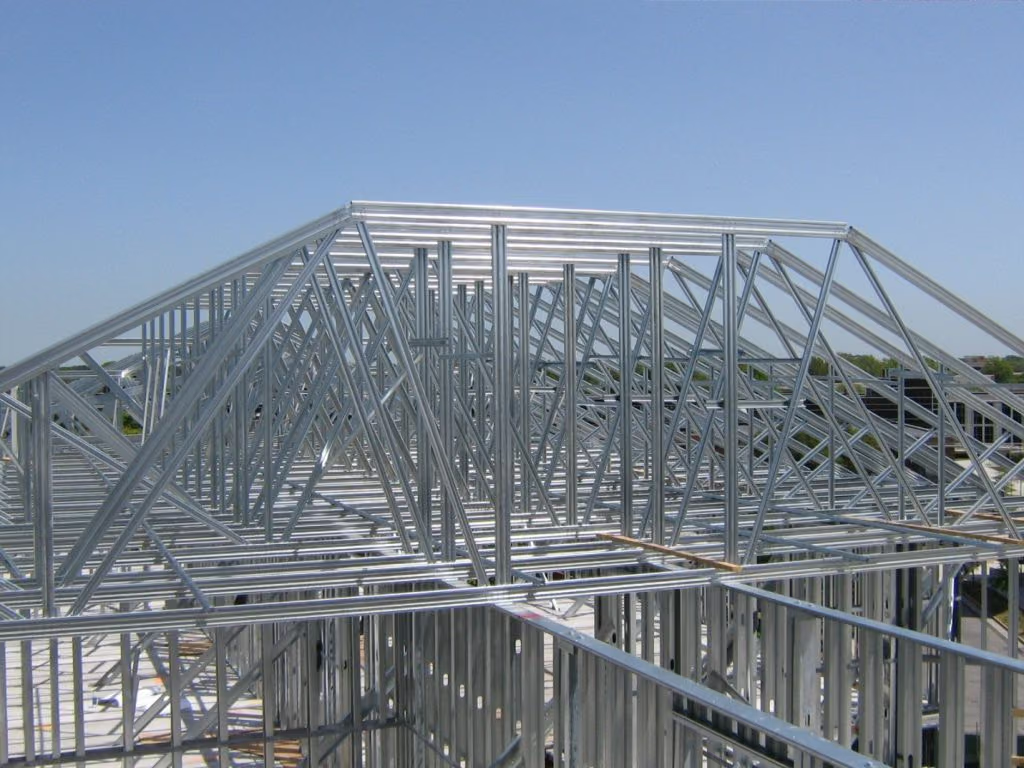
When it comes to building construction, the important decision to make is what type of framing material to use. Two of the most popular options are frames from cold formed steel and traditional wood frames. Both have their pros and cons, but which one is the better choice? In this article, we’ll take a closer look at the differences between steel frames and traditional wood frames. Also explore the advantages and disadvantages of each.
What are CFS Frames?
Cold-formed steel frames (CFS) are made by forming steel sheets into various shapes using cold-forming technology. The steel is first roll into thin sheets, then form into studs, joists. Other framing components use a series of rollers and dies.
What are Traditional Wood Frames?
Traditional wood frames, on the other hand, are made using standard dimensional lumber. This type of framing has been used for centuries and is still the most common framing material used in residential construction today. Wood framing typically consists of 2×4 or 2×6 lumber which is cut to size and nailed together to form the frame of a building.
Strength and Durability
When it comes to strength and durability, frames from cold formed steel have a significant advantage over traditional wood frames. Steel is stronger and more durable than wood, and CFS frames are much less likely to warp, crack, or shrink over time. Steel is also more resistant to moisture, pests, and fire, which makes it a better choice for buildings in areas with high humidity or wildfire risk.
In contrast, traditional wood frames are prone to a variety of issues that can affect their strength and durability. Wood can rot, warp, and crack over time, especially if it is exposed to moisture or pests. Wood frames are also more susceptible to fire damage, which is a significant concern in areas with high wildfire risk.
Cost
When it comes to cost, traditional wood frames are generally less expensive than cold-form steel frames. Wood is a readily available and renewable resource, which makes it a more affordable framing material. Additionally, wood frames are easier and faster to install, which can also reduce labor costs.
In contrast, cold-formed steel frames are typically more expensive than wood frames. Steel is a more expensive material than wood, and the manufacturing process for CFS frames is not easy and requires special equipment. However, the increased strength and durability of CFS frames can offset some of the initial costs over the life of the building.
Sustainability
Sustainability is becoming an increasingly important factor in building construction. Both cold-formed steel frames and traditional wood frames have their advantages and disadvantages when it comes to sustainability.
On the one hand, wood is a renewable resource which is readily available and can be sustainably harvested. Wood frames also have a lower carbon footprint than steel frames, as the production of steel requires significantly more energy and emits more greenhouse gases.
Cold-form steel frames are 100% recyclable and reuse indefinitely without losing their strength or durability. Additionally, steel frames are more resistant to pests and rot, which means they are less likely to need to upgrade over time.
Design Flexibility
Design flexibility is another important factor to consider when choosing between cold-formed steel frames and traditional wood frames. Wood frames are easy to cut and shape, which makes them a more flexible material when it comes to design. It is also easier to attach fixtures and finishes to wood frames, which can make the finishing process faster and more straightforward.
In contrast, steel frames are more rigid and less flexible than wood frames. It can be more challenging to make design changes or modifications once the framing is in place, and attaching finishes or fixtures to steel frames can be more complicated.
Conclusion
The choice between frames from cold formed steel and traditional wood frames depends on a variety of factors. Steel frames have a significant advantage over wood frames when it comes to strength, durability, and sustainability. Steel frames are more resistant to pests, moisture, and fire, which can increase the lifespan of a building and reduce maintenance costs. However, the initial cost of steel frames is generally higher than wood frames, and steel frames are less flexible when it comes to design changes.
Frequently Asked Questions
What is the main difference between cold-formed steel and wood framing?
Cold-formed steel framing uses manufactured steel studs, joists, and other structural members. Traditional wood framing uses dimensional lumber. The materials differ in moisture response, combustibility, pest resistance, and how components are fabricated and modified.
Is cold-formed steel framing fireproof?
No. Cold-formed steel is non-combustible, but a building’s fire performance depends on the complete wall and roof assemblies, openings, finishes, and site conditions.
Is steel framing always more expensive than wood?
Not necessarily. Compare the total installed cost, including engineering, materials, labor, waste, transport, and maintenance. Costs depend on the project and local market.
Can a steel-framed home be energy efficient?
Yes, when the building envelope is properly designed. Because steel conducts heat, insulation and thermal-bridge control are important.
Which material is more sustainable?
Both have tradeoffs. Wood can be renewable when responsibly sourced; steel is recyclable. A project-specific life-cycle assessment is needed to compare total environmental impacts.
s, and steel frames are less flexible when it comes to design changes.