




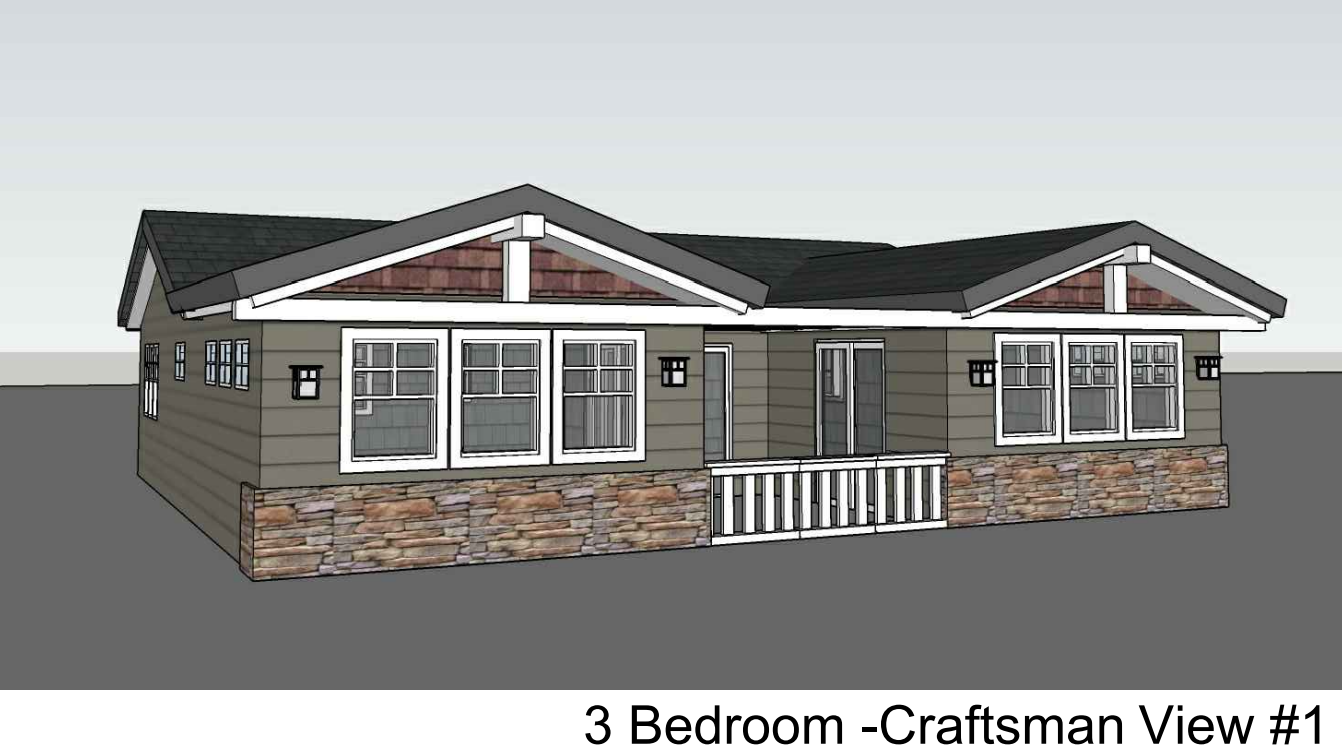

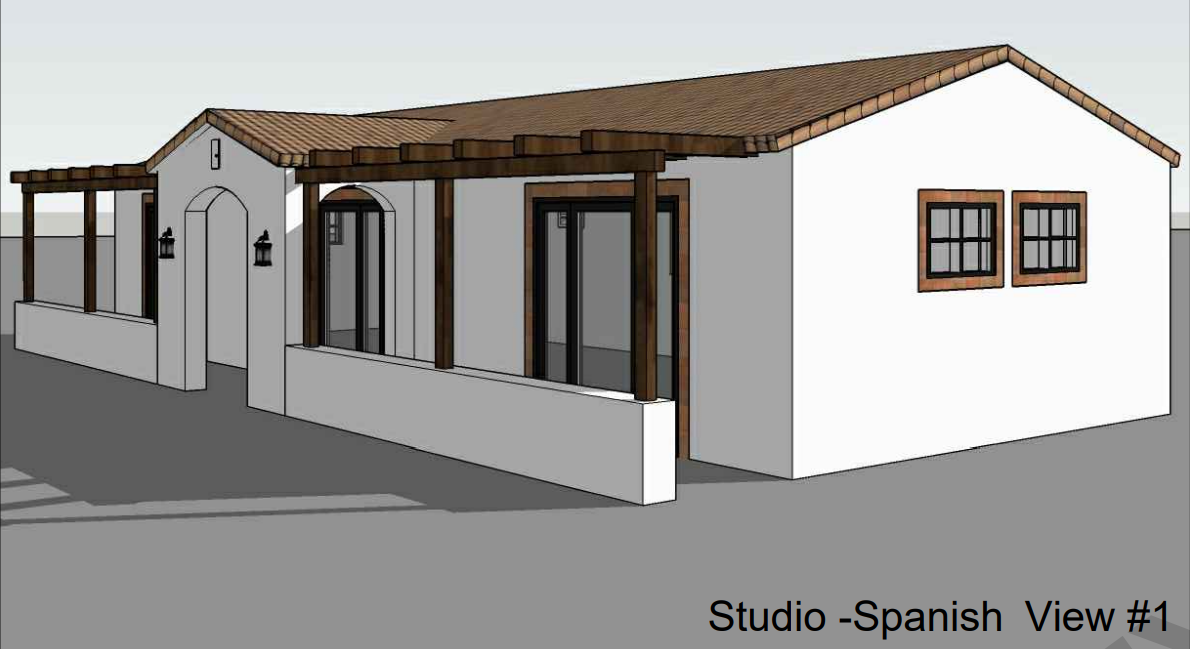
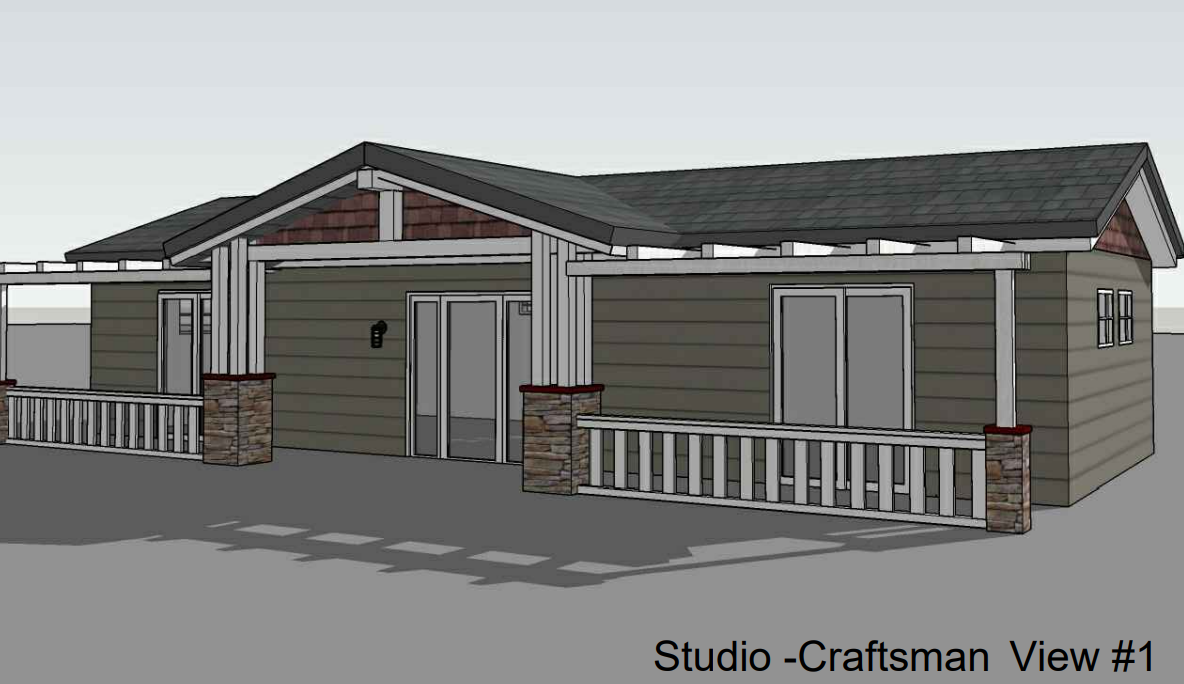

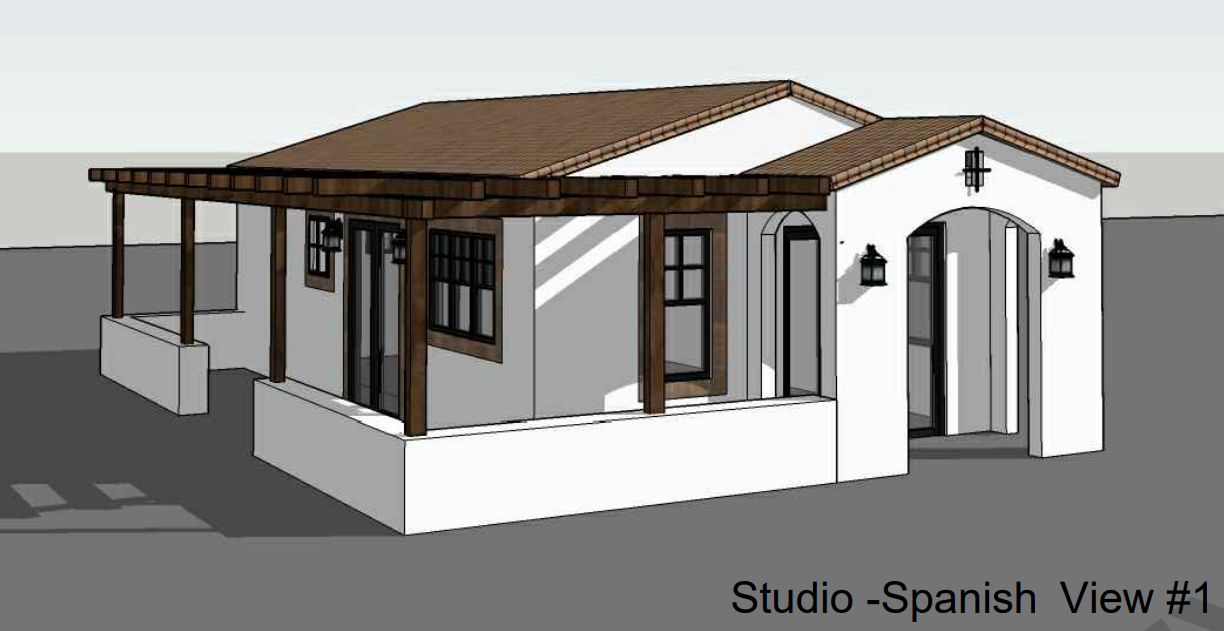


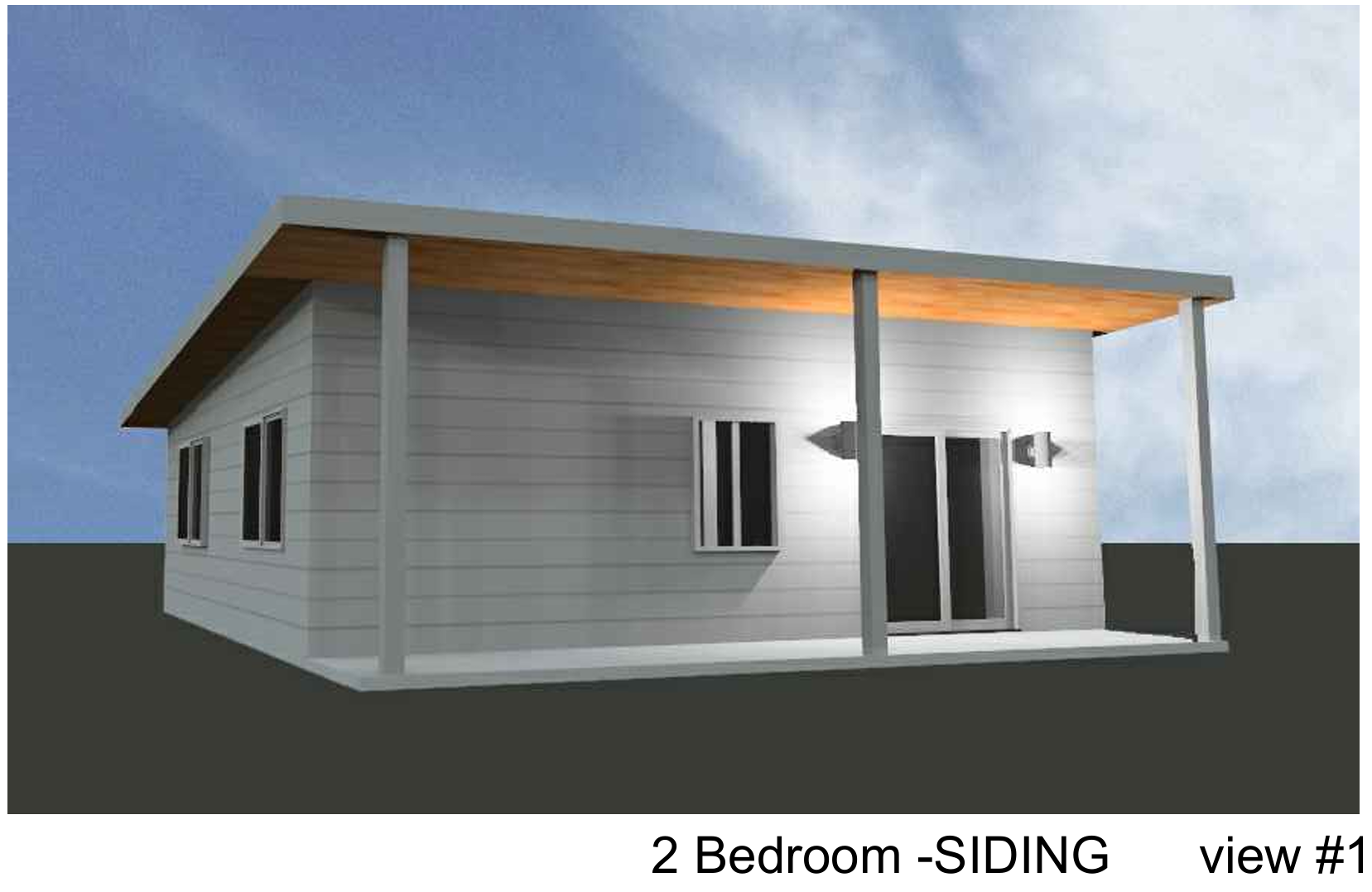
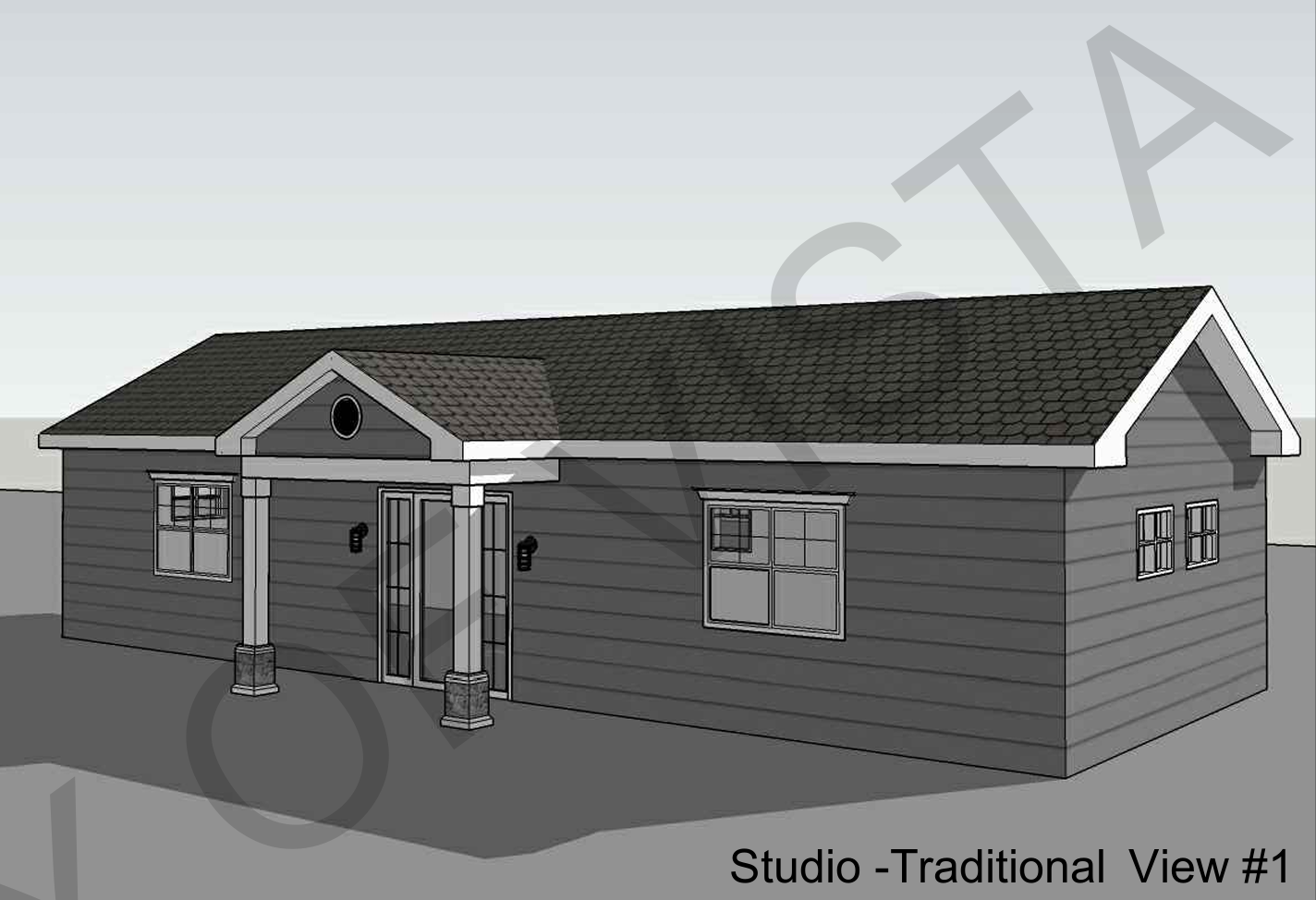
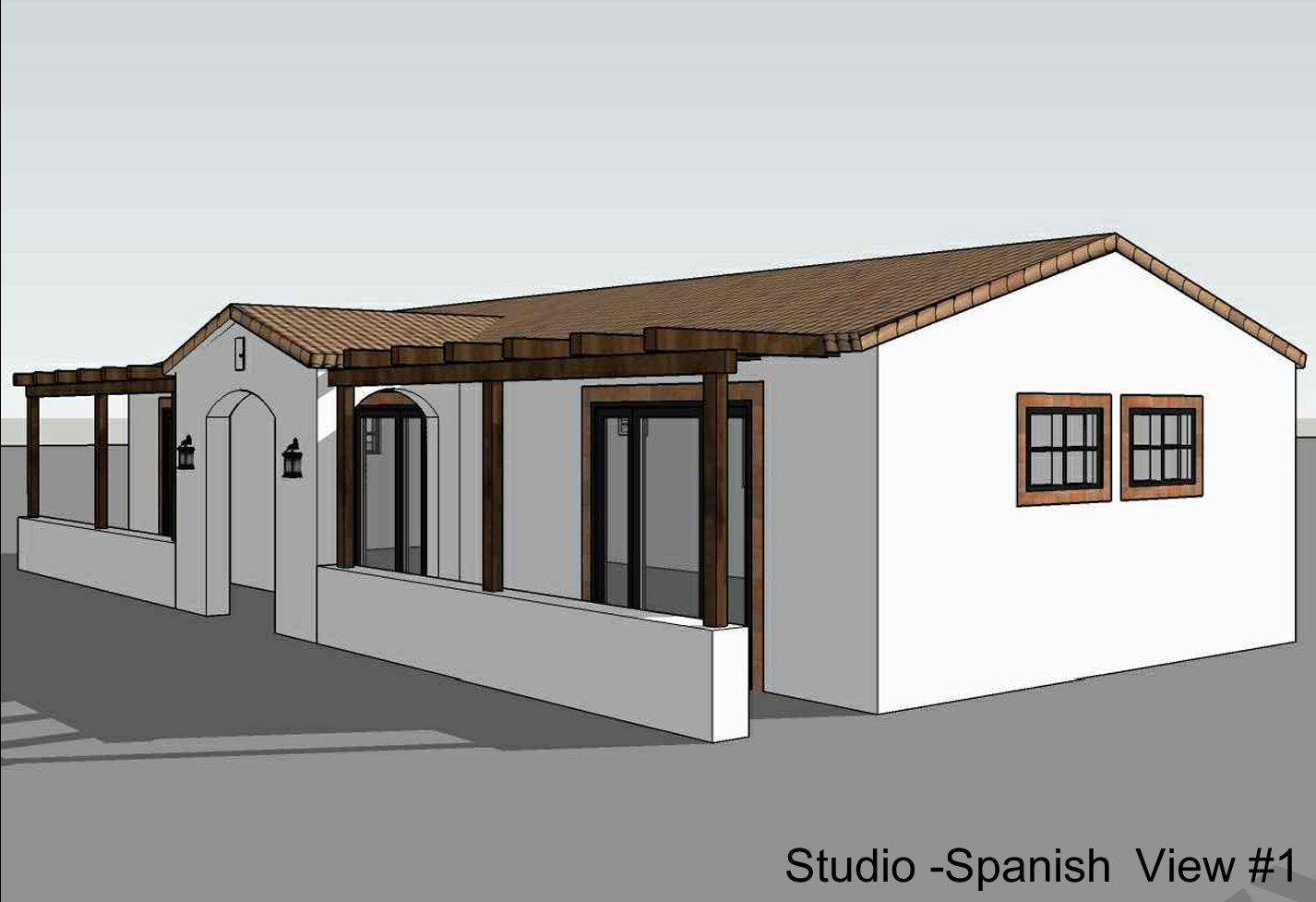
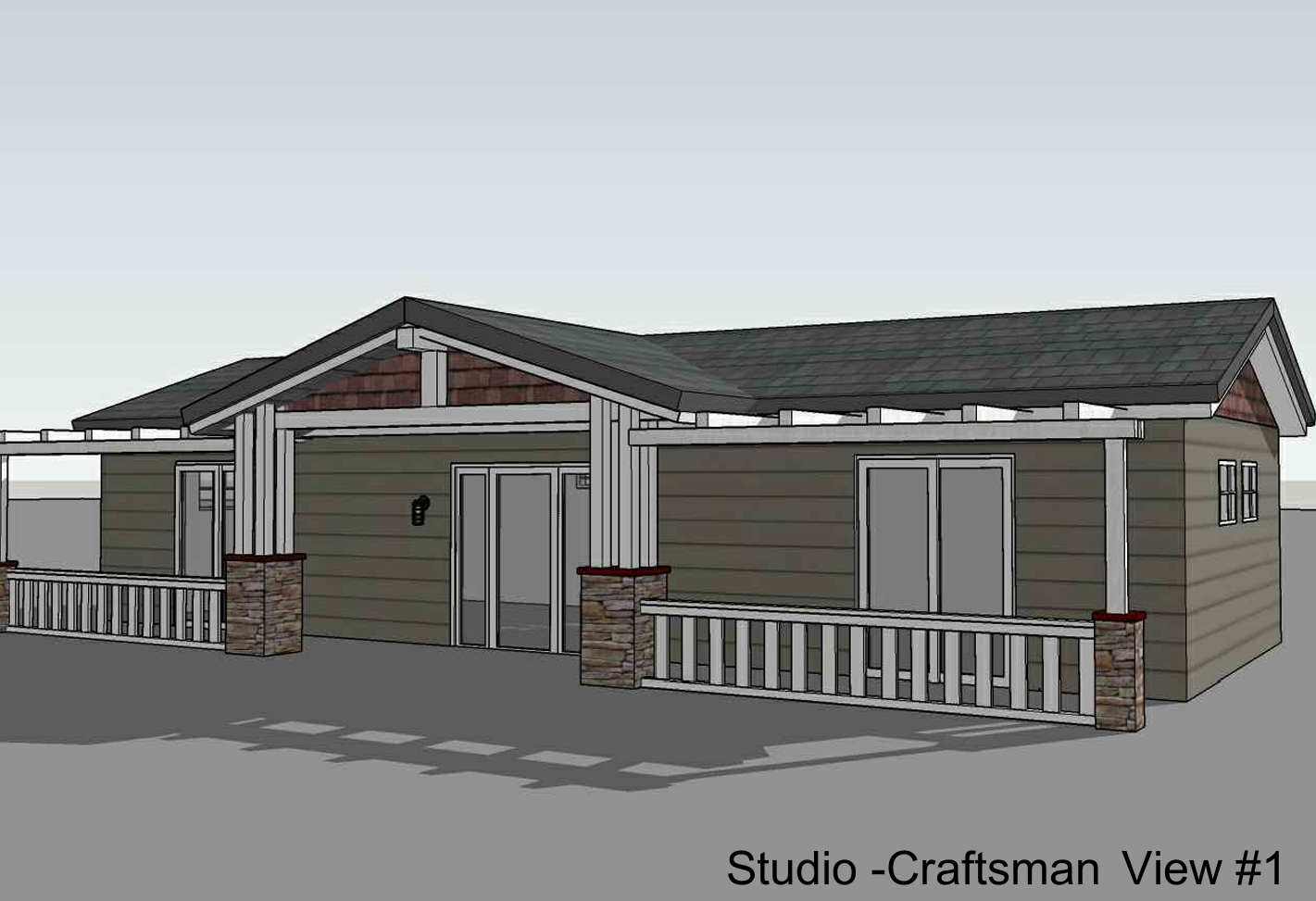



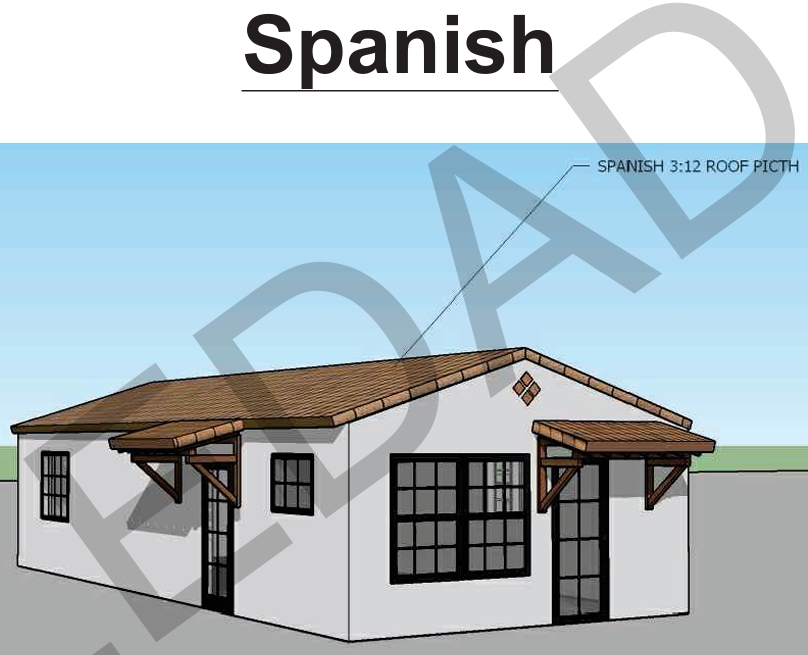
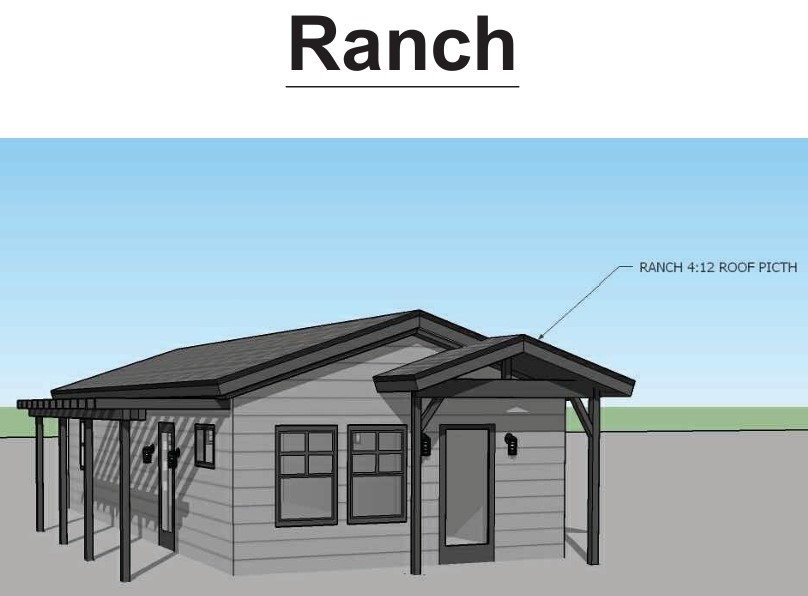
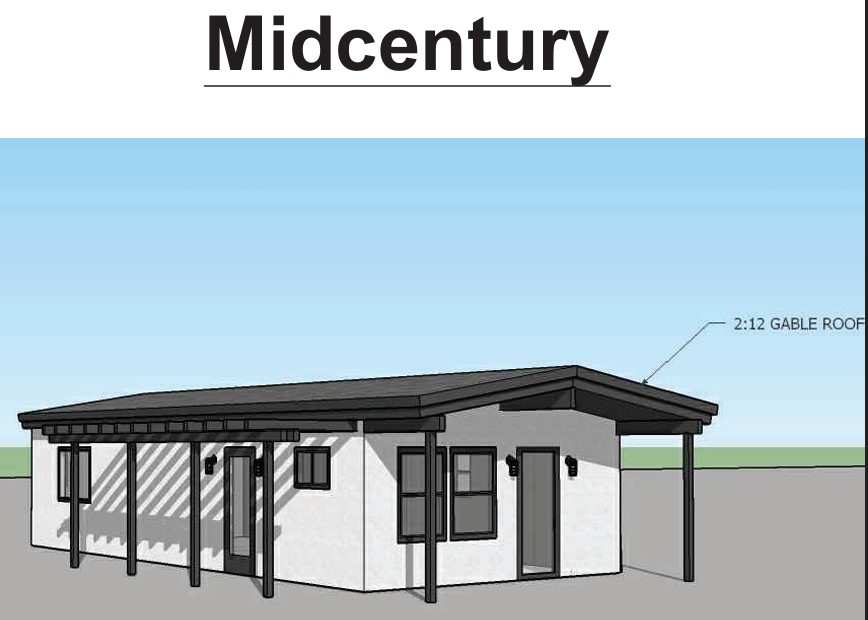
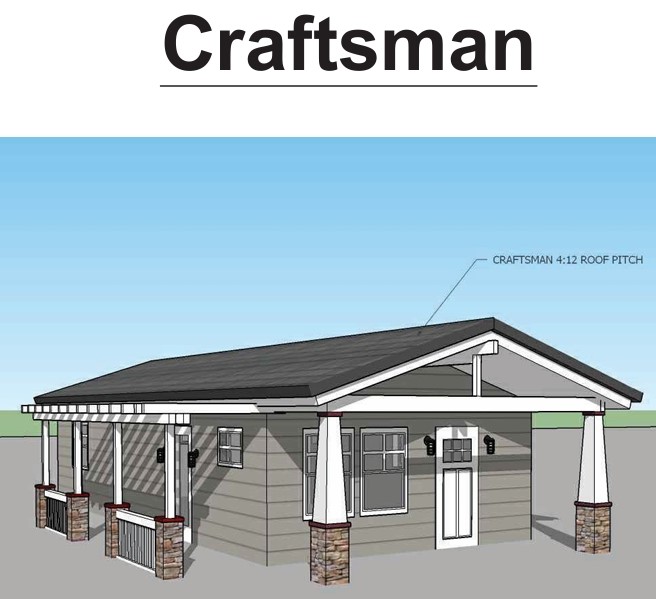

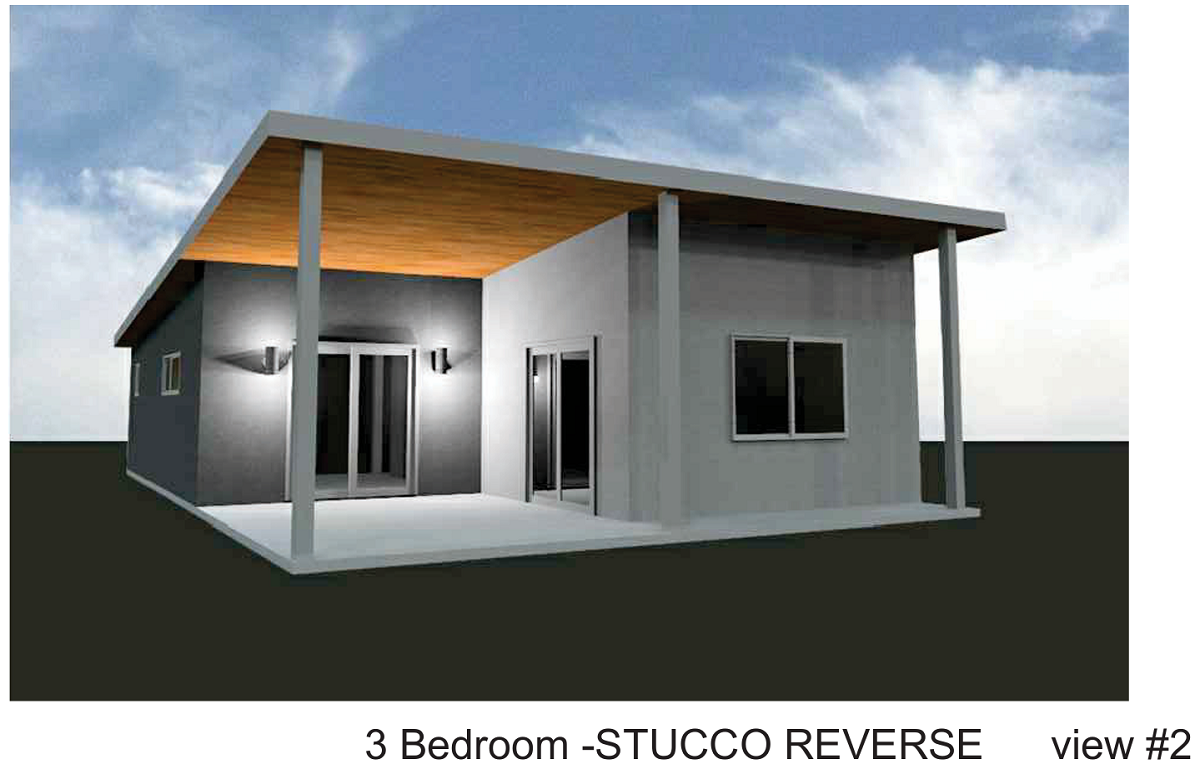
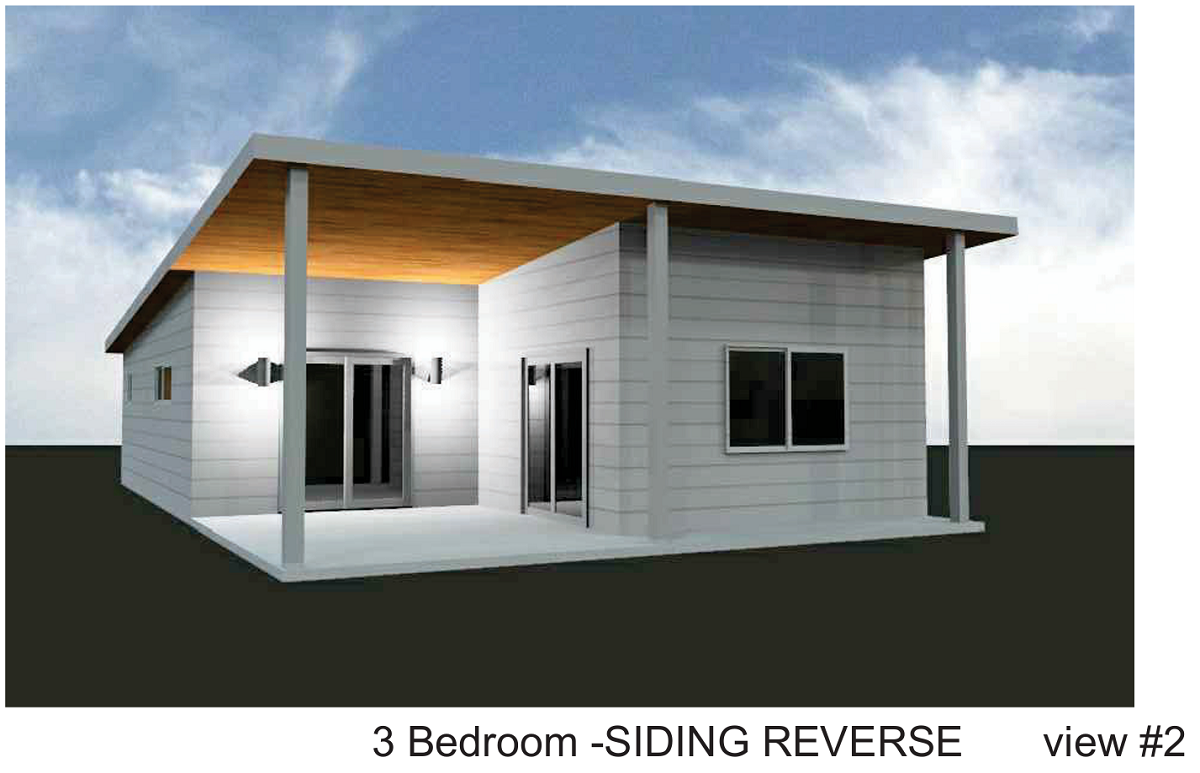
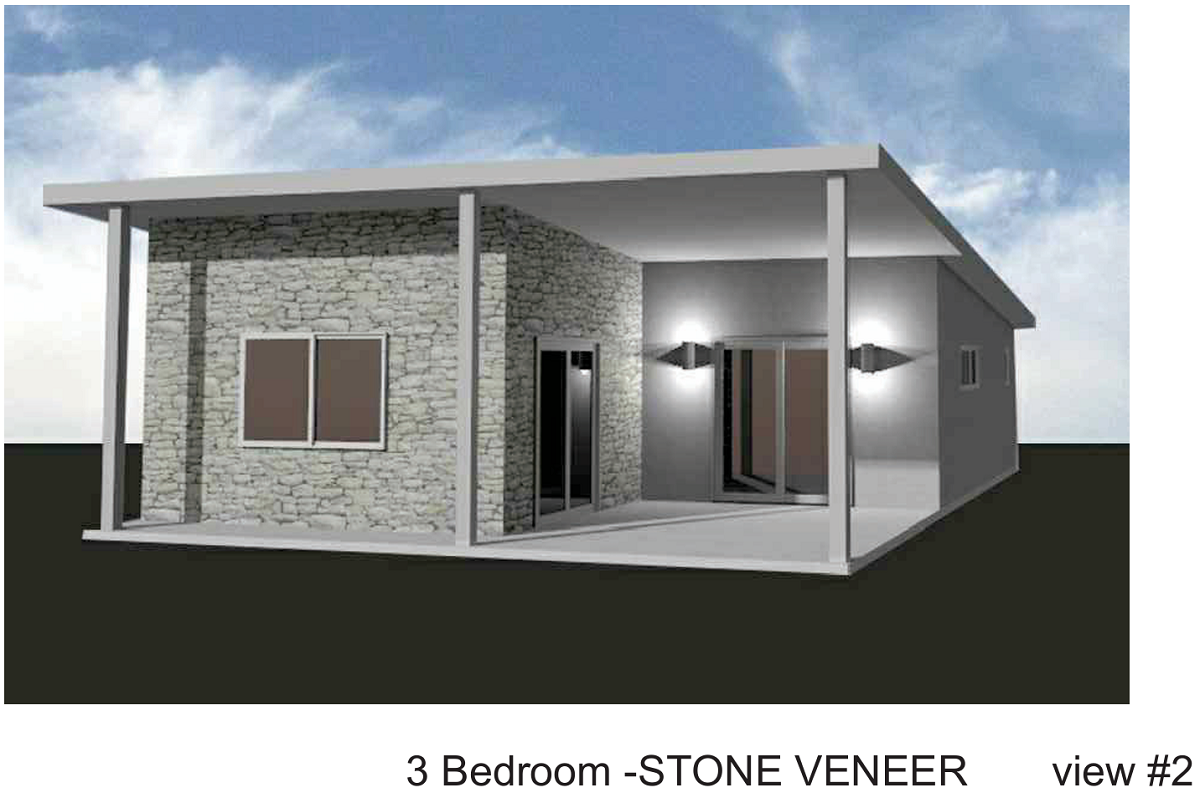
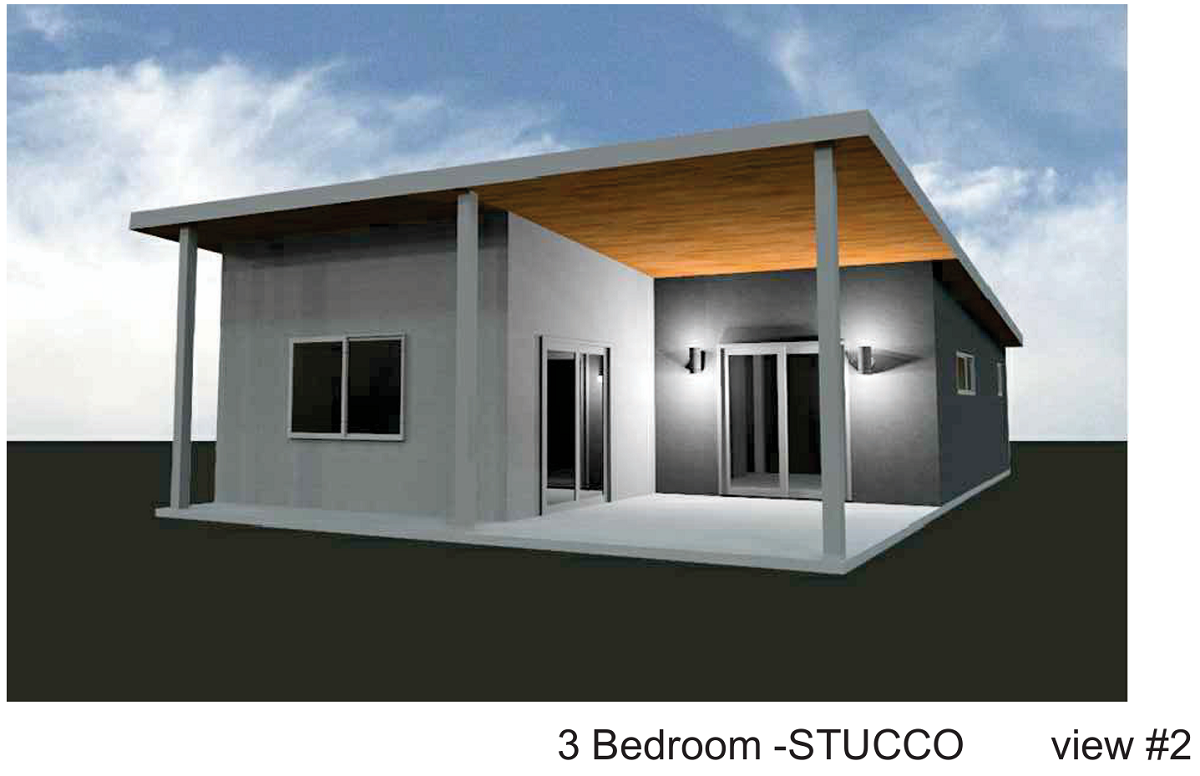











.avif)

Affordable Home Building Process: What Builders Do and How They Keep Costs Low
Affordable home building requires coordinated strategies that reduce cost without sacrificing performance. Builders apply engineered systems, factory-manufactured kits, and digital design tools to increase precision, cut material waste, and shorten schedules. This article explains the principal elements—such as engineered steel framing systems, pre-engineered framing kits, and Building Information Modeling (BIM)—and shows how permit-stage timing and IBC engineering stamps accelerate approvals. Understanding these components helps general contractors in Southern California, especially those rebuilding homes in Altadena and Pacific Palisades, evaluate options that deliver durable, code-compliant, and cost-efficient homes.
Key Takeaways
- Engineered steel framing systems reduce long-term maintenance costs and improve durability in affordable home building.
- Pre-engineered framing kits streamline construction by providing ready-to-assemble components, lowering labor and time expenses.
- Building Information Modeling (BIM) enhances construction precision and minimizes material waste for cost-effective projects.
- IBC engineering stamps ensure code compliance, facilitating faster permit approvals and reducing project delays.
- Transparent permit submission processes improve regulatory trust and accelerate approval timelines.
- Accurate cost estimation tools help builders align budgets with local pricing and avoid financial overruns.
- Value engineering optimizes material selection and design to reduce costs without compromising quality or performance.
- Modular construction using cold-formed steel and eco-friendly materials supports affordable, durable home solutions.
- Pre-assembled framing kits and panelized construction significantly decrease on-site labor and speed up project completion.
Engineered Steel Framing Systems
Engineered steel framing systems provide a measurable alternative to traditional wood framing. They are specified for structural durability and resistance to pests and moisture, which lowers long-term maintenance and repair costs. Material and fabrication efficiencies in steel also deliver competitive installed cost per square foot in many markets. For your home, that translates to a robust structure with predictable life-cycle expenses.
Pre-Engineered Framing Kits
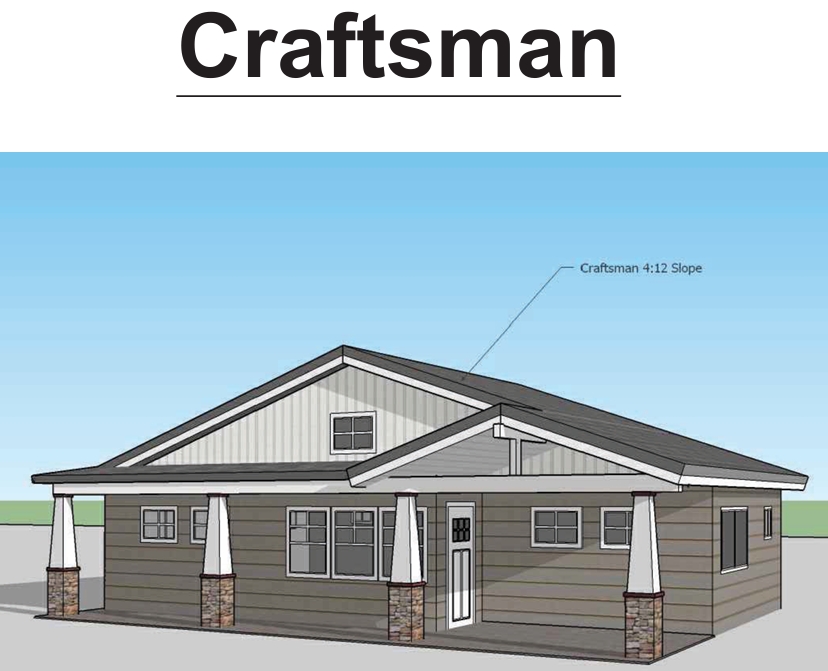
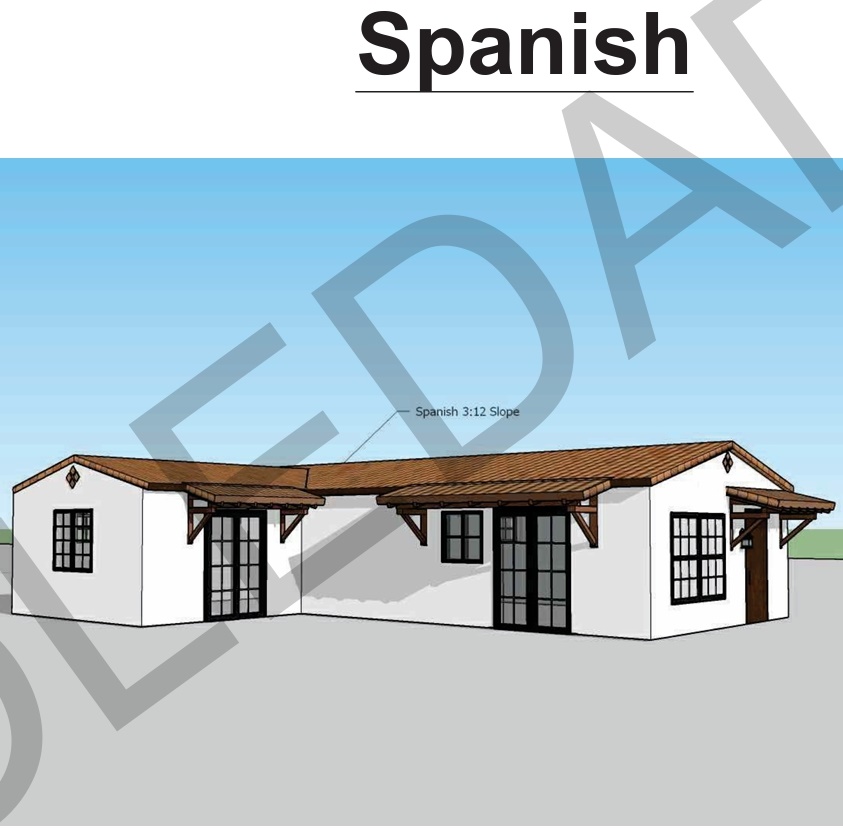
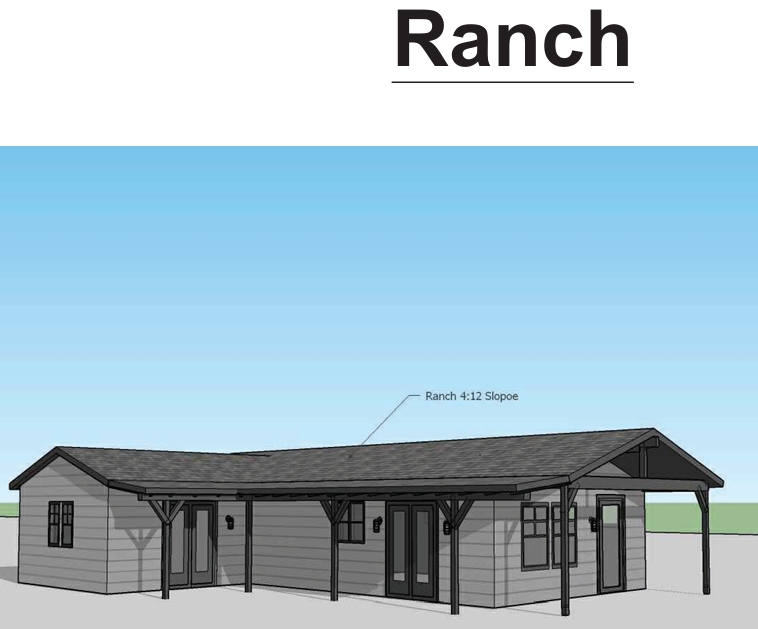
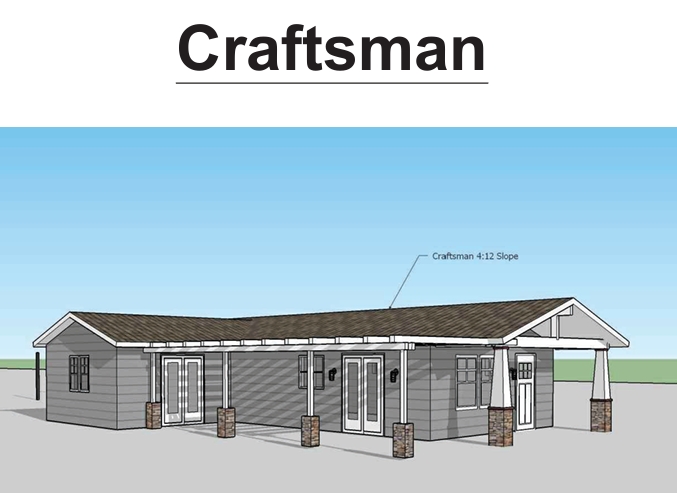
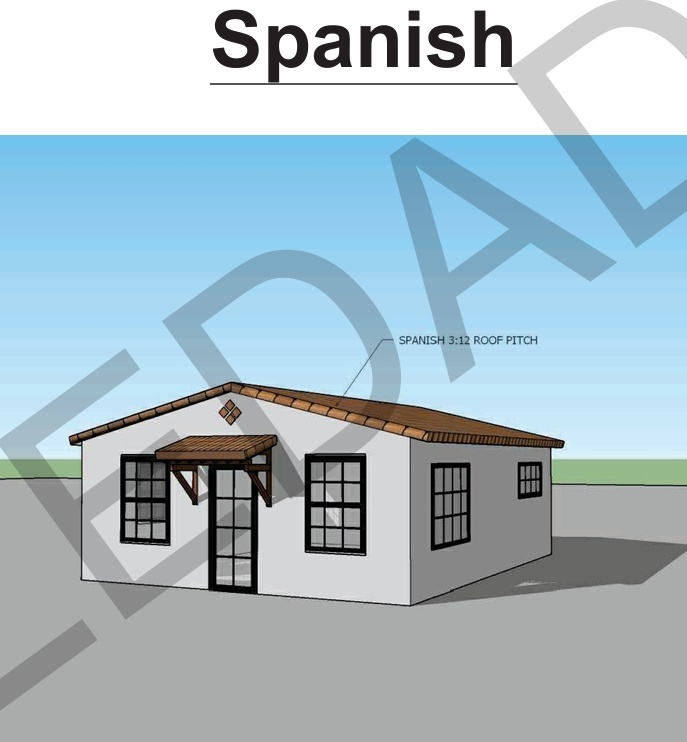
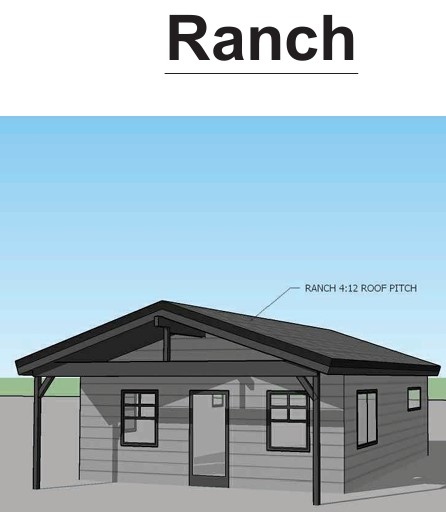
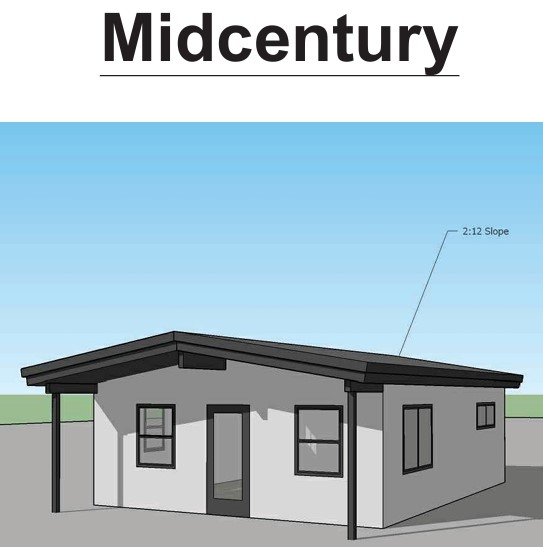
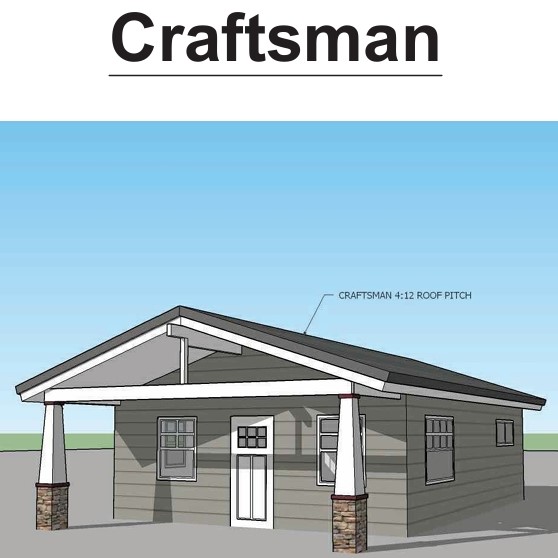
Pre-engineered framing kits bundle factory-cut components and connection hardware into a single package to simplify on-site work. These kits reduce assembly time and labour requirements because parts arrive sized and labelled for rapid installation. By using these systems for affordable steel frame homes, general contractors in Southern California can accelerate schedules, lower labour spend, and retain design flexibility across common architectural types, particularly in rebuilding projects in Altadena and Pacific Palisades.
Research evidence supports measurable cost and schedule advantages from pre-engineered building systems.
Pre-Engineered Buildings: Cost & Time Savings
Pre-engineered buildings. Compared with conventional steel structures, pre-engineered solutions reduce construction time and lower overall cost. Because of the systems approach, material, design, and erection costs show considerable savings.
Comparative study of analysis and design of pre-engineered-buildings and conventional frames, AA Zende, 2013
Building Information Modeling (BIM)
Building Information Modeling (BIM) creates a coordinated digital representation of the building that supports accurate material takeoffs and clash detection. This reduces ordering errors and on-site rework. BIM also enables sequence planning and cost analysis so teams can optimize resources and reduce waste, delivering lower installed costs and higher predictability.
Permit-Stage Timing Advantages
Engineered designs compliant with recognised standards yield a permit-stage timing advantage. Submissions that reference IBC-compliant details and validated calculations typically clear reviews faster, which limits schedule slippage and cost exposure. Faster approvals preserve budget integrity and enable earlier mobilisation of crews and procurement.
IBC Engineering Stamps
IBC engineering stamps certify that structural calculations and drawings meet required code criteria. Regulatory reviewers rely on these stamps to confirm compliance, which reduces the chance of permit rejections and iterative reviews. Incorporating IBC engineering stamps into project documentation therefore shortens approval timelines; for more information on getting started with your project, contact us to see how these steps help keep projects on budget.
Process Transparency During Permit Submission
Clear, complete permit submissions minimise review questions and expedite approvals. Providing full documentation—drawings, calculations, and product specifications—builds trust with authorities and aligns expectations. This transparency reduces administrative delays and supports reliable project scheduling.
Cost Estimation Tools
Accurate cost estimation tools align design choices with local labour and material rates. Detailed estimates identify high-cost items early and enable targeted value engineering. Using advanced estimating software reduces the risk of budget overruns and supports realistic cashflow planning for your project.
How Do Affordable Home Builders Use Engineered Steel Framing Systems to Save Costs?
General contractors use engineered steel framing systems to lower both upfront and long-term costs. The systems reduce on-site labour, limit material waste, and improve energy performance, all of which lower total cost of ownership. Combining steel systems with pre-engineered kits further compresses schedules and reduces labour expenditure.
Techniques
Several techniques are employed by builders to maximize the cost-saving potential of engineered steel framing systems. These include:
- Pre-Engineered Kits: These kits come with all necessary components, reducing assembly time and labor costs.
- Panelized Construction: This method allows for quicker on-site assembly, minimizing labor hours.
- Efficient Crew Deployment: General contractors can optimize labor by scheduling skilled crews familiar with steel framing systems.
Benefits
The benefits of using engineered steel framing systems extend beyond initial cost savings. Key advantages include:
- Cost Efficiency: Steel framing reduces material waste and lowers overall construction costs.
- Durability and Low Maintenance: Steel is resistant to pests and weather damage, leading to lower maintenance expenses over time.
- Energy Efficiency: Steel framing can contribute to better insulation and energy savings, further enhancing affordability.
Examples of Implementation
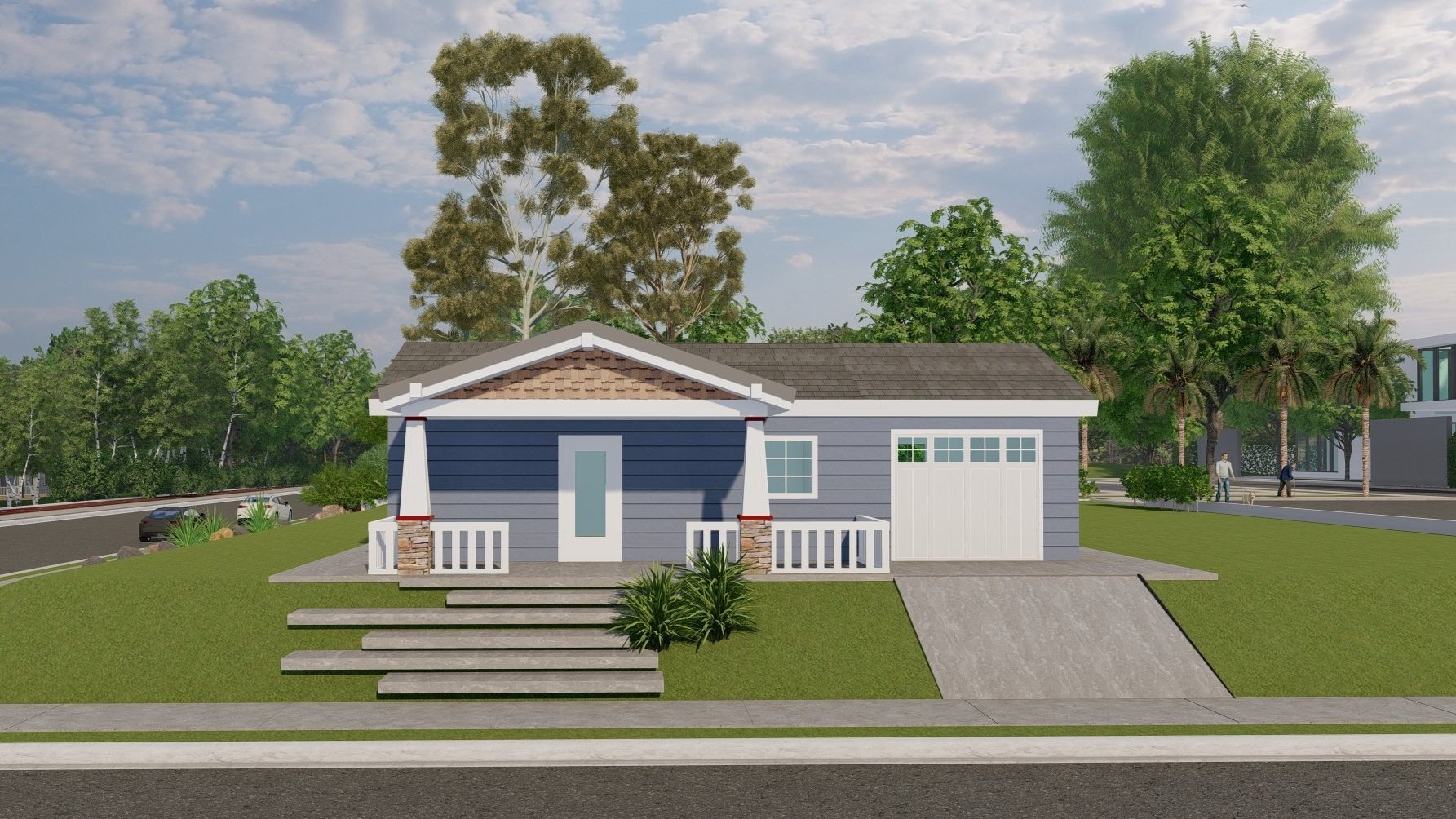
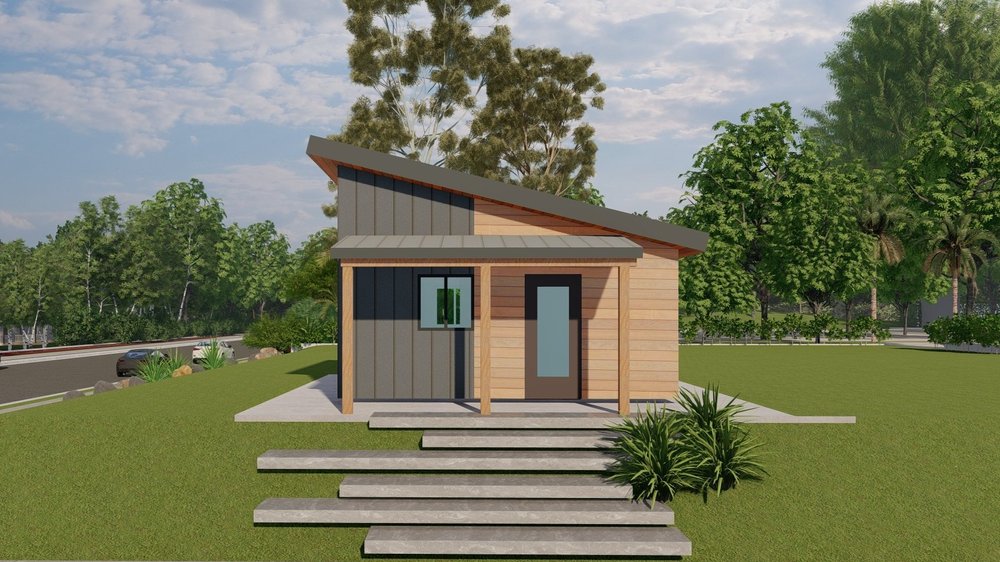
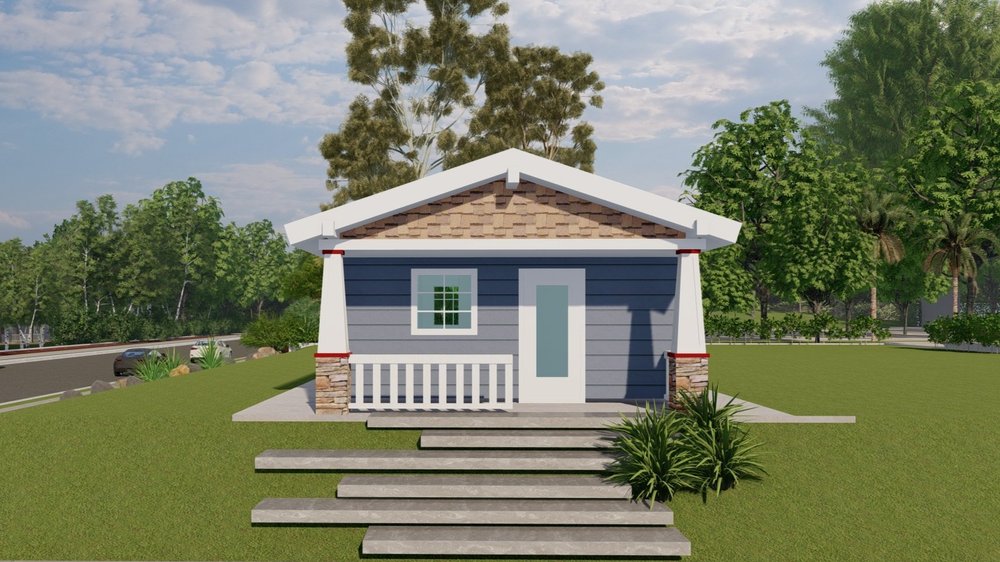
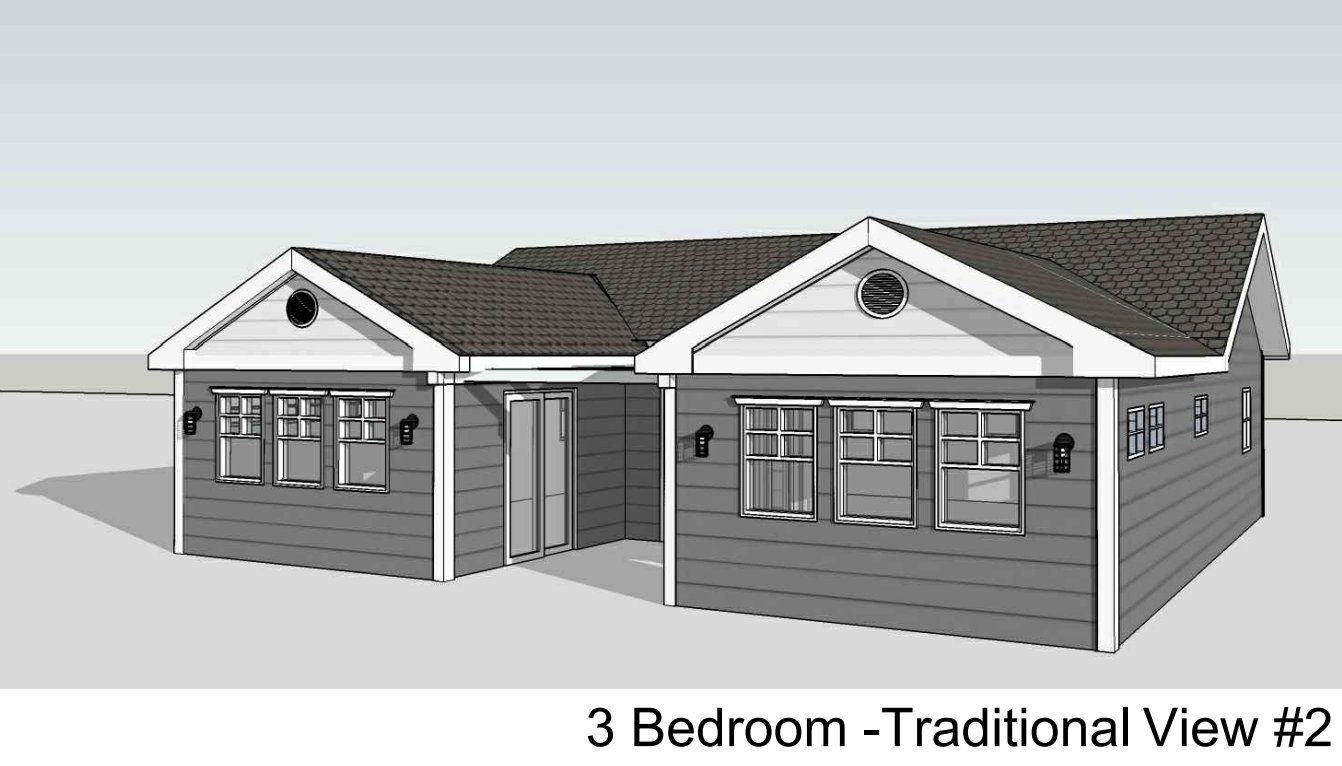
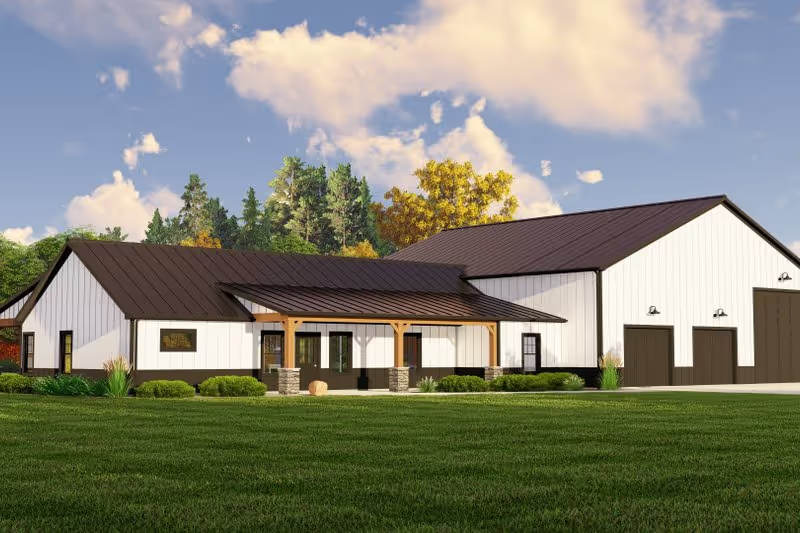
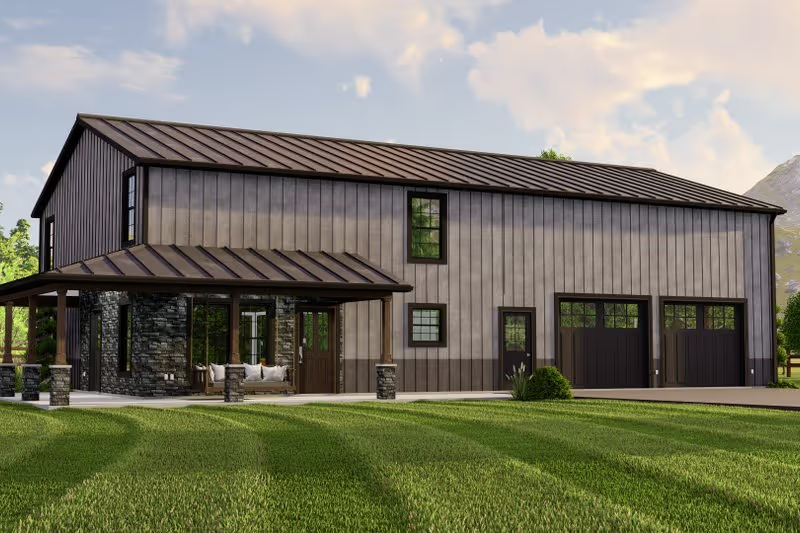
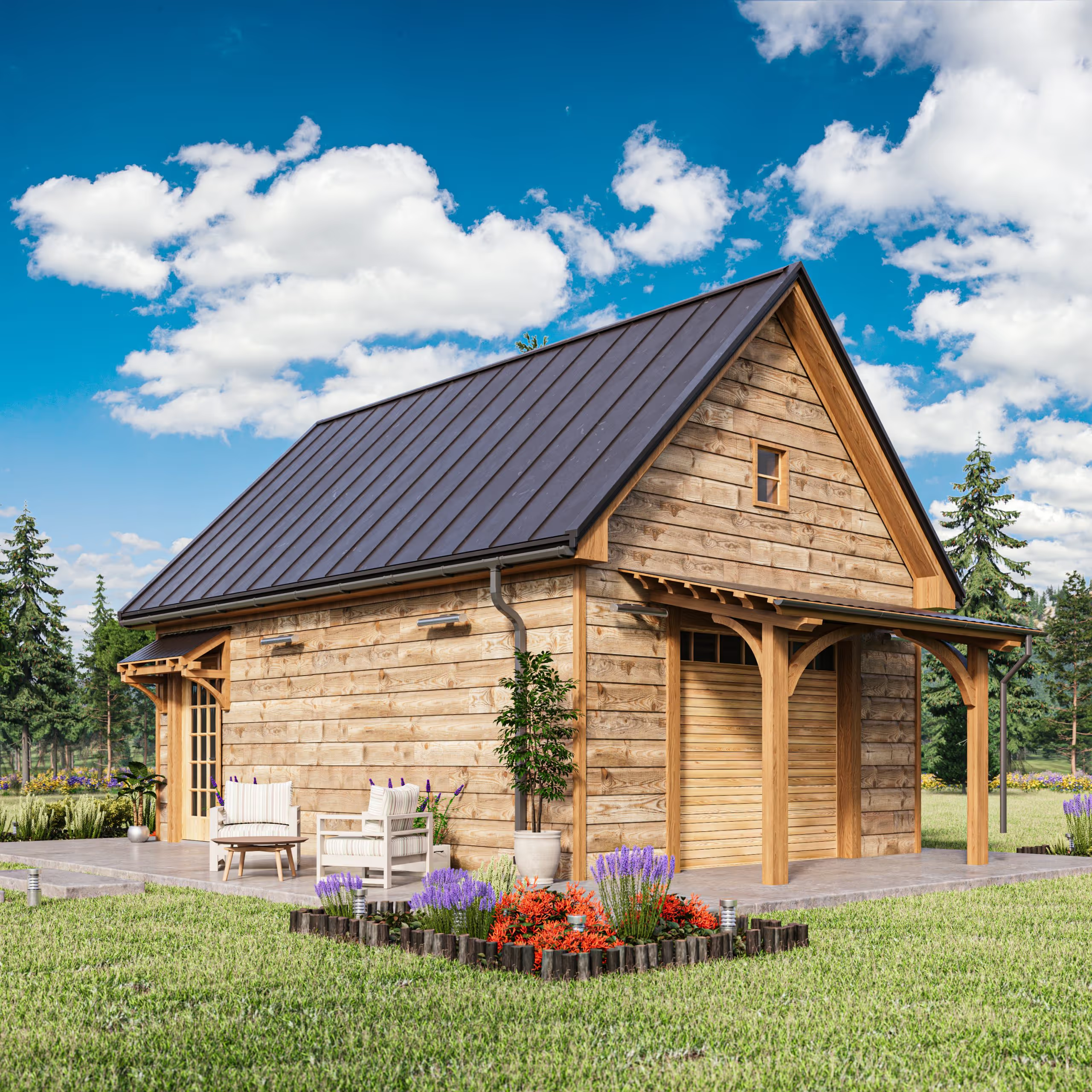
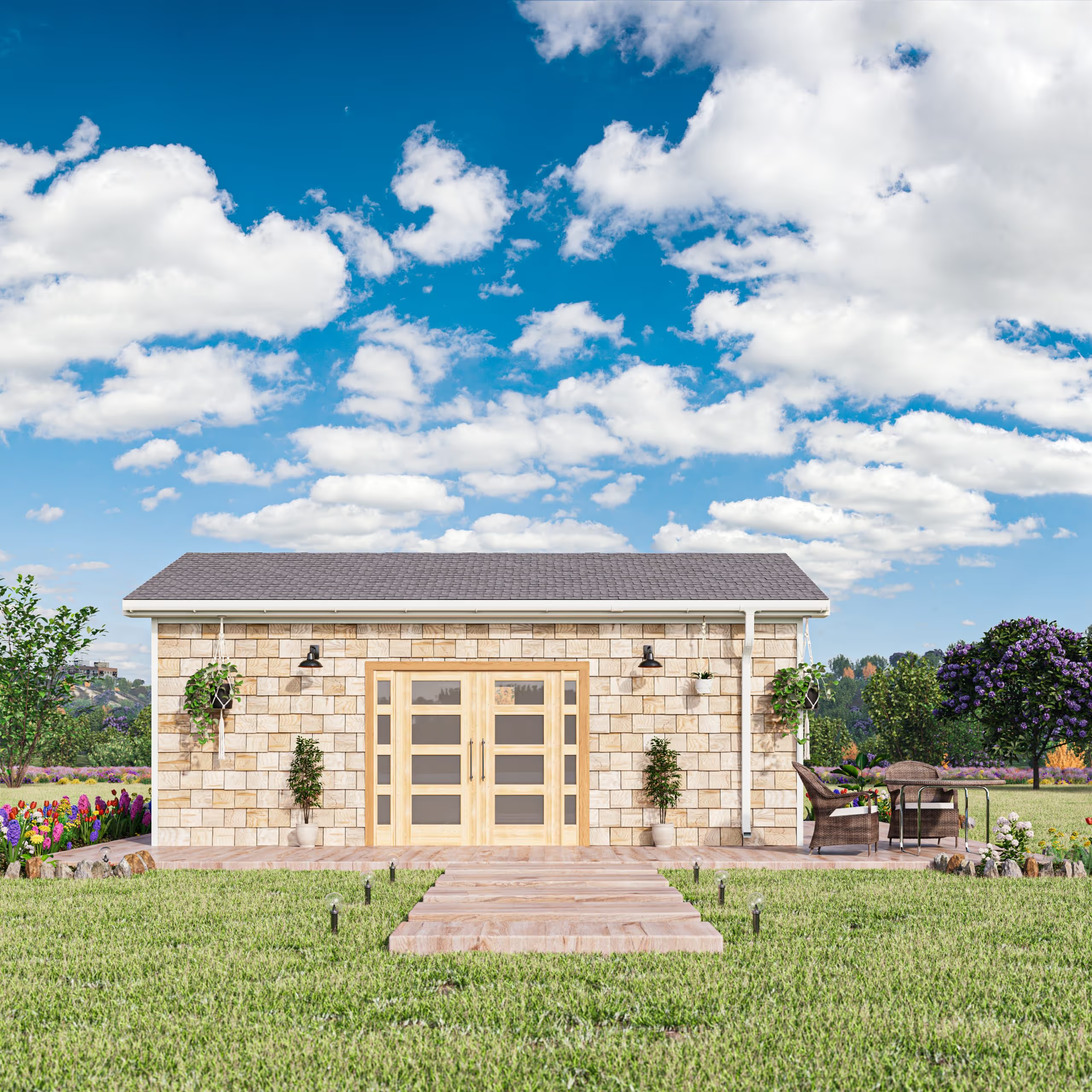
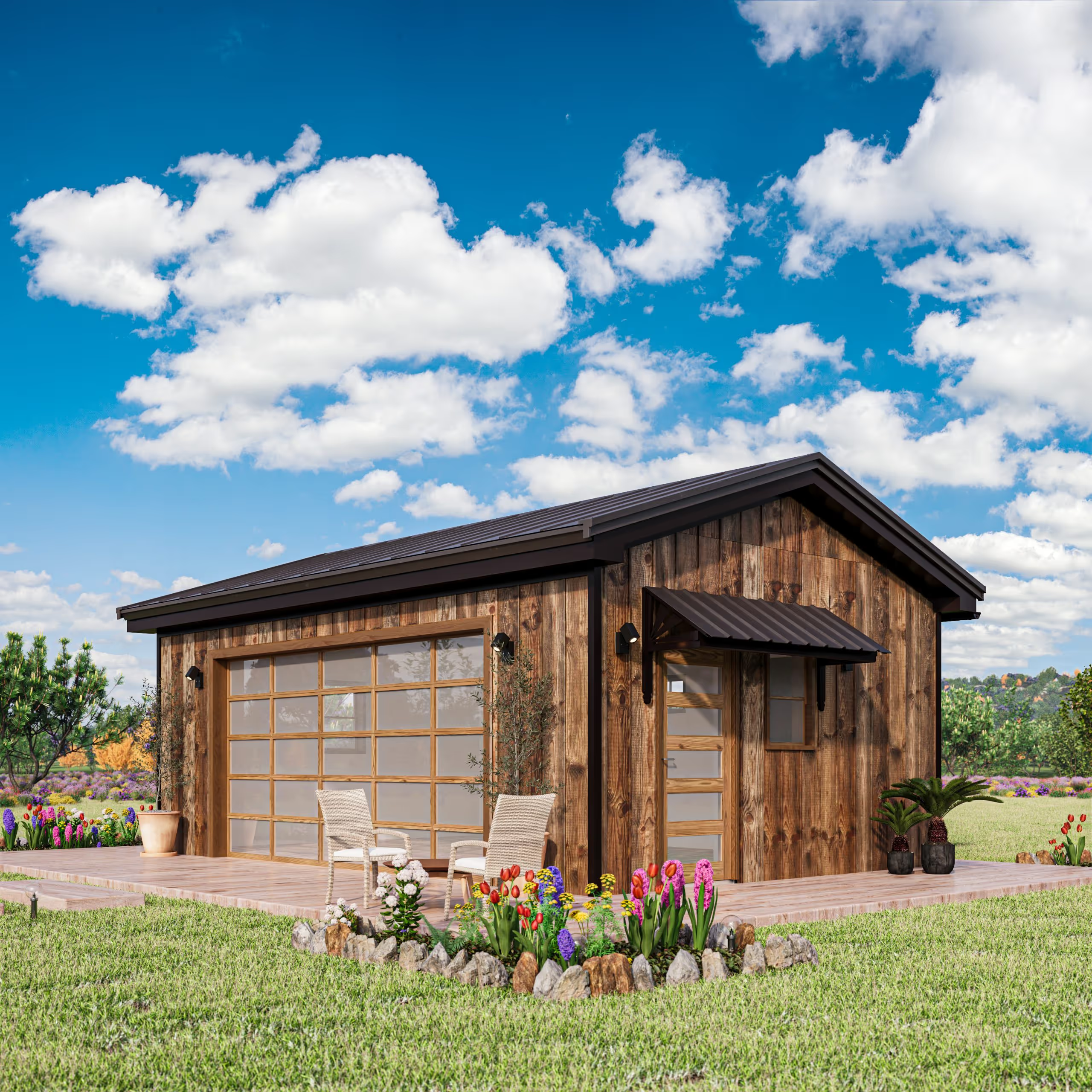
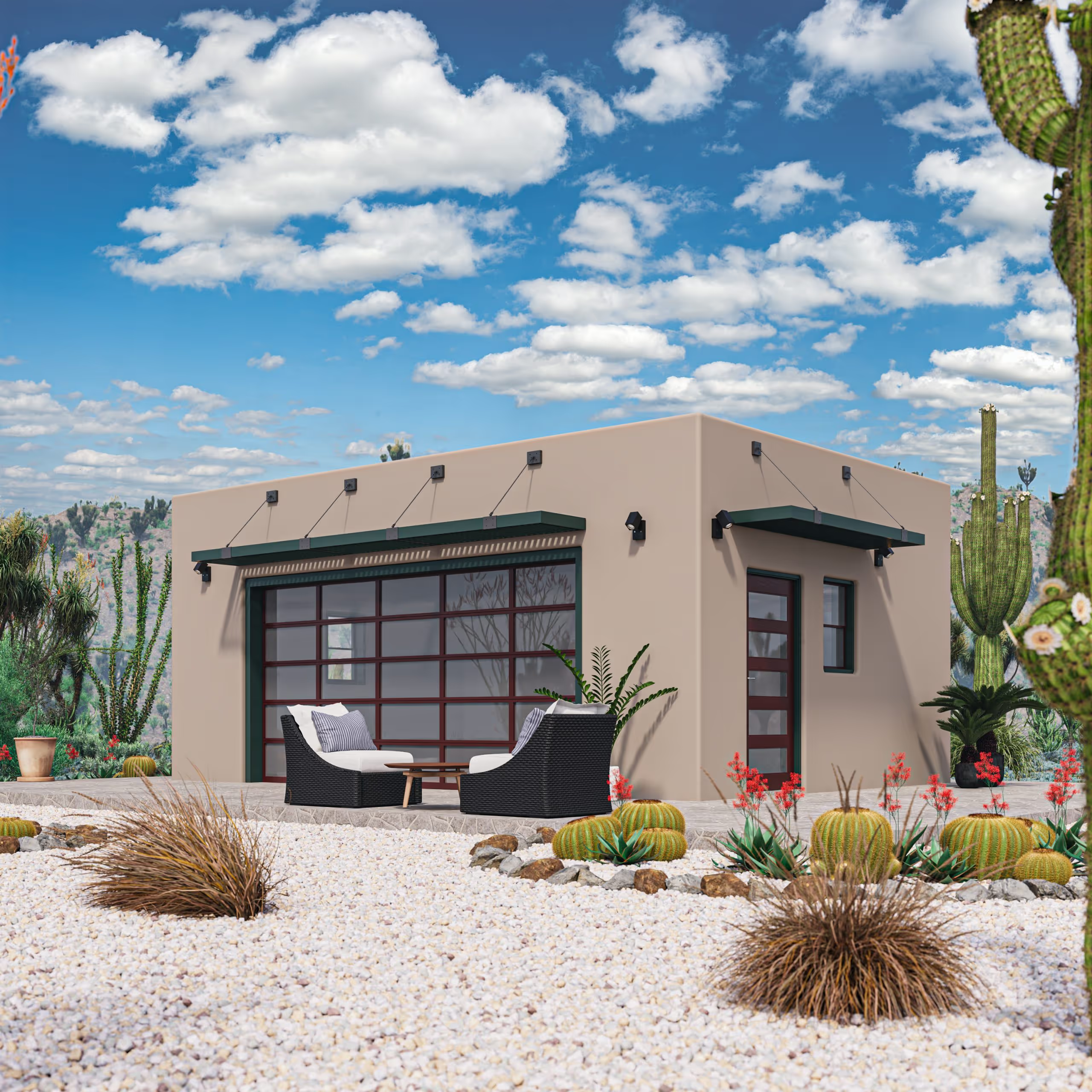
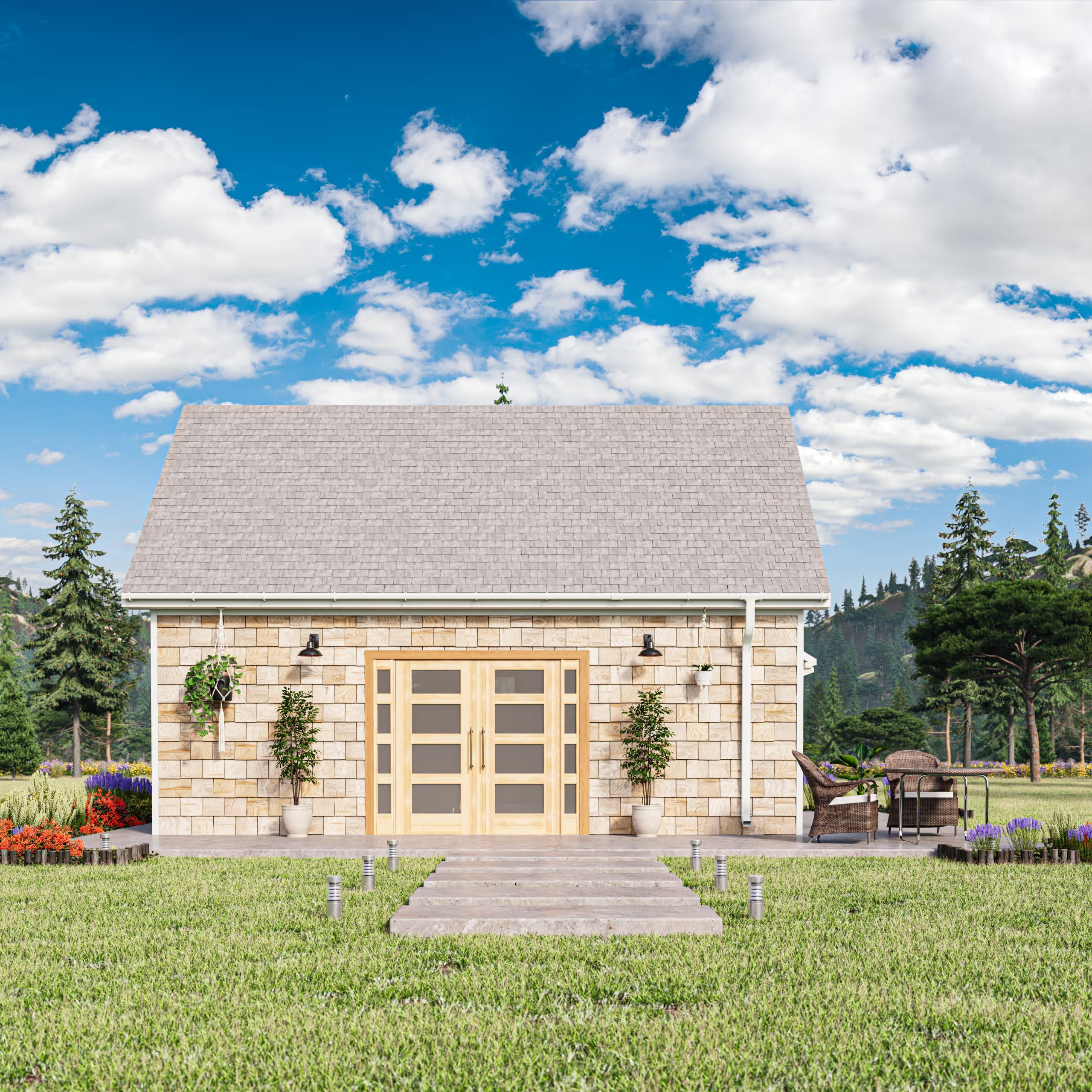
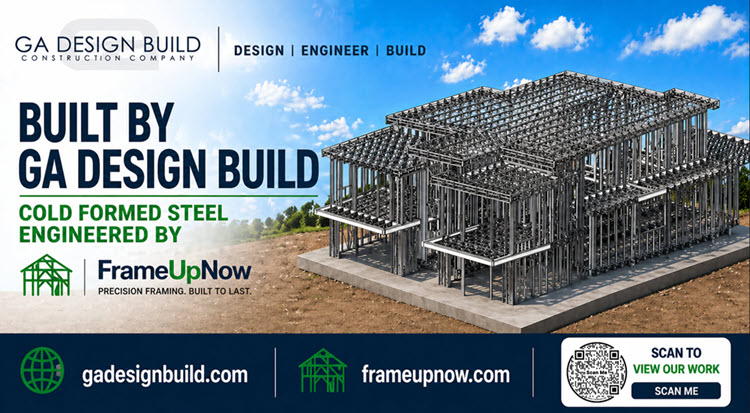
Field applications illustrate the cost and schedule benefits of engineered steel framing. For example, FrameUpNow kits have been specified on multiple projects to achieve faster assembly and consistent quality across different designs. These deployments demonstrate practical savings for general contractors rebuilding homes in Altadena and Pacific Palisades.
What Components Are Included in Pre-Engineered Framing Kits?
Pre-engineered framing kits normally include key prefabricated elements that integrate on site. Typical kit contents are wall panels, roof and floor trusses, and all specified fasteners and connectors. Components are labelled and sized to match the engineered drawings.
- Wall Panels: Pre-manufactured panels that form the structure's walls.
- Trusses: Engineered trusses that provide structural support for roofs and floors.
- Assembly Hardware: All necessary fasteners and connectors for easy assembly.
These kit elements are engineered to work together so assembly follows the design intent with minimal on-site modification.
How Does BIM Modeling Ensure Precision and Reduce Waste?
BIM provides detailed, coordinated models that identify clashes and quantify materials before manufacture. This prevents over-ordering and on-site rework. The result is reduced waste, improved first-pass build accuracy, and lower labour hours during installation.
What Is the Permit-Stage Timing Advantage in Affordable Home Construction?
The permit-stage timing advantage arises when designs reference recognised standards and validated calculations. IBC-aligned documentation and organised submission packages reduce reviewer queries, enabling faster permit issuance and earlier project start dates. This reduces holding costs and schedule risk.
How Do IBC Engineering Stamps Facilitate Faster Permit Approvals?
IBC engineering stamps confirm that structural designs meet code criteria and have been reviewed by a licensed engineer. This certification gives permitting authorities confidence in the submittal and typically reduces the need for additional reviews, accelerating the approval process and helping maintain the project schedule.
Why Is Process Transparency Important During Permit Submission?
Transparency in permit submittals—complete drawings, calculations, and product information—reduces review cycles and supports predictable approvals. Clear documentation prevents misunderstandings with authorities and keeps procurement and construction planning on track.
How Do Affordable Builders Optimize Construction Timelines and Labor Costs?
Affordable builders optimize schedules by combining detailed planning, prefabrication, and digital coordination tools. Advanced sequencing, panelised assemblies, and BIM-driven schedules reduce on-site labour hours and enable crews to work more efficiently, lowering overall labour costs.
What Labor Savings Result from Pre-Assembled Framing Kits?
Pre-assembled framing kits cut on-site labour by delivering components that are pre-cut, drilled, and ready to connect. Reduced assembly time lowers direct labour costs and shortens project duration, improving cashflow and site productivity.
How Does System Installation Speed Up On-Site Erection?
Pre-engineered systems speed erection because parts arrive fitted to the engineered model and include the specified connectors. This reduces field fitting and inspection time, enabling faster, safer erection and more predictable completion dates.
What Real Project Applications Demonstrate Cost Savings in Affordable Home Building?
Project case studies show that using BIM for material takeoffs and ordering, together with pre-engineered kits, reduces waste and shortens schedules. These practical examples confirm that modern methods can achieve affordability targets while maintaining quality standards.
How Can General Contractors Benefit from Value Engineering in Home Building?
General contractors gain from value engineering by prioritising performance where it matters and simplifying details elsewhere. Careful material selection and design optimization reduce costs without lowering durability or code compliance, making projects more viable for limited budgets, especially in the Southern California markets of Altadena and Pacific Palisades.
What Guidance Is Available for Using Pre-Engineered Framing Kits?
Successful implementation of pre-engineered kits requires reviewing the assembly documentation, matching components to the engineered drawings, and confirming required tools and on-site conditions. Following supplier instructions and verifying local code requirements ensures the kit performs as intended.
How Does Value Engineering Reduce Costs Without Sacrificing Quality?
Value engineering analyses each element of the design to find lower-cost alternatives that meet performance requirements. By focusing on function rather than appearance alone, builders can remove unnecessary cost drivers while preserving structural integrity and long-term performance.
Academic studies support value engineering as a systematic method to optimize cost, quality, and schedule in affordable housing projects.
Value Engineering for Affordable Housing Cost Optimization
This paper examines Value Engineering (VE) as a structured method to balance cost, quality, and time in affordable housing. By identifying nonessential costs without reducing performance, VE improves decision-making and resource allocation.
Value Engineering in Affordable Housing: A Study on Cost Optimization and Sustainable Construction Practices with Case Analysis in Nasik City, 2023
How Do Affordable Home Builders Manage Material Selection and Cost Control?
Builders manage material selection through strategic sourcing, specification standardisation, and local market benchmarking. Prioritising materials that deliver required performance at the lowest lifecycle cost reduces waste and controls expenditure throughout construction.
What Materials Are Best for Low Cost Modular Home Construction?
For low-cost modular construction, commonly specified materials include cold-formed steel members, metal wall and roof panels, and selected sustainable materials that offer durability and low maintenance. These choices balance upfront cost with long-term performance for your home.
How Does Accurate Bill of Materials Support Budget Management?
An accurate bill of materials (BOM) provides a line-by-line inventory for procurement and cost control. A precise BOM reduces ordering errors, improves supplier pricing, and enables tighter budget tracking to keep projects within financial targets.
Frequently Asked Questions
What are the advantages of using modular construction in affordable home building? Modular construction reduces schedule risk and on-site labour by prefabricating controlled, repeatable modules. This approach improves quality control, reduces waste, and can lower material costs through repeatable production. Faster on-site assembly also shortens financing and holding costs, which benefits budget-sensitive projects.
How can general contractors effectively use pre-engineered framing kits? General contractors should start by reviewing the assembly manual and verifying all kit components on arrival. Planning the sequence, obtaining the right tools, and consulting supplier support or local workshops will increase the likelihood of a successful assembly and capture the cost benefits of the kit, especially in Southern California markets like Altadena and Pacific Palisades.
What role does value engineering play in affordable home construction? Value engineering identifies lower-cost alternatives that preserve required function and safety. The process evaluates design options, material substitutes, and construction methods to remove unnecessary cost while maintaining performance and compliance with codes.
How do builders ensure compliance with local building codes? Builders ensure compliance by staying current with local regulations, engaging licensed professionals to review designs, and using IBC-engineered documentation where applicable. Clear communication with permitting authorities and certified engineering stamps reduce the risk of noncompliance and related delays.
What are the benefits of using Building Information Modeling (BIM) in construction? BIM improves coordination by producing a single source of truth for design, quantities, and sequencing. It reduces clashes, supports accurate material orders, and enables better collaboration among stakeholders, which lowers rework and keeps projects on schedule and within budget.
What strategies can builders use to manage budget overruns effectively? To manage overruns, builders should use accurate estimating tools, monitor costs regularly, and maintain open supplier and subcontractor communication for better pricing. Early identification of cost drivers and proactive value engineering allow timely corrective actions to protect project margins.
Conclusion
Affordable home building is attainable through engineered systems, prefabrication, and disciplined digital coordination. Leveraging engineered steel framing, pre-engineered kits, BIM, and code-certified documentation enables faster schedules, lower lifecycle costs, and reliable compliance. Armed with these strategies, general contractors in Southern California, particularly those rebuilding homes in Altadena and Pacific Palisades, can plan and deliver cost-effective, durable homes that meet performance and regulatory expectations.